Blog

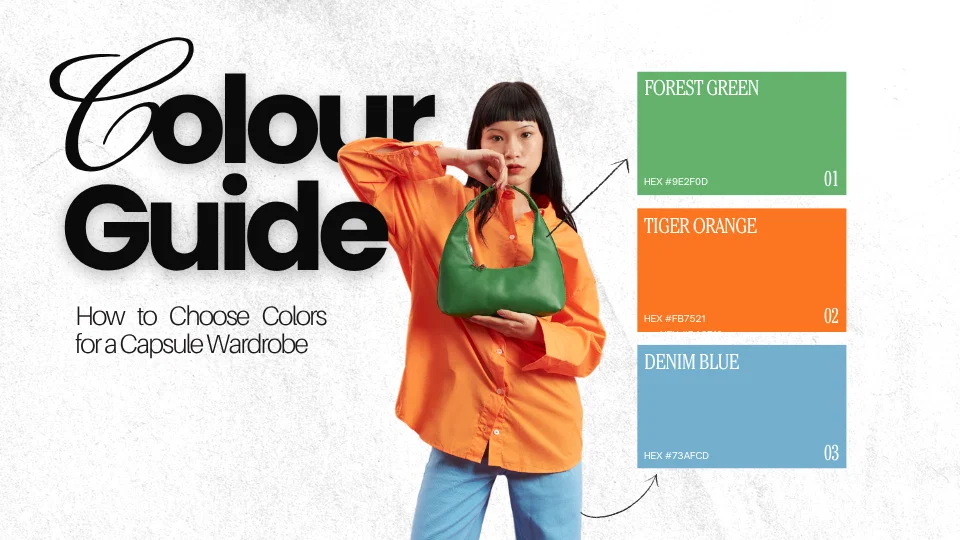
  • How to Choose Colors for a Capsule Wardrobe

    How to Choose Colors for a Capsule Wardrobe

    How to Choose Colors for a Capsule Wardrobe

    Choosing colors for a capsule wardrobe isn’t about limiting yourself to black, white, or beige. It’s about creating a color palette where most of your clothes work together, making it easier to build outfits, shop intentionally, and get more wear from every piece.

    Quick Answer: The best capsule wardrobe colors are the ones that work well together and suit your lifestyle. Start with one or two base colors, add versatile neutrals, and finish with a few accent colors that reflect your personality. The goal isn’t to wear only neutral colors—it’s to create a wardrobe where most pieces naturally pair with one another.

    A well-planned capsule wardrobe color palette doesn’t remove personality from your style. Instead, it gives your wardrobe a sense of cohesion. When your colors naturally complement one another, you spend less time wondering what matches and more time wearing the clothes you already own.

    If you’ve ever owned plenty of clothes but still felt like nothing went together, your color palette may be the missing piece. The right colors won’t magically improve your wardrobe, but they can make every item work harder.

    In this guide, you’ll learn how to choose capsule wardrobe colors that suit your lifestyle, reflect your personal style, and create more outfit combinations without buying more clothes.

    Why Color Matters More Than Most People Think

    Why Color Matters More Than Most People Think

    When people think about building a capsule wardrobe, they usually focus on the clothes themselves—finding the right jeans, the perfect white shirt, or a versatile jacket. But the way those pieces work together often depends less on the individual items and more on the colors you’ve chosen.

    A wardrobe with a thoughtful color palette naturally creates more outfit combinations. A single pair of trousers can be worn with several tops, one jacket can layer over multiple outfits, and getting dressed becomes much more straightforward because most of your clothes already complement one another.

    This is one of the biggest reasons capsule wardrobes feel effortless. They don’t necessarily contain more versatile clothes—they contain colors that work together.

    A cohesive color palette also changes the way you shop.

    Instead of asking, “Do I like this color?”, you begin asking a more useful question:

    “Will this color work with the wardrobe I already have?”

    That small shift can have a significant impact. It encourages you to think about your wardrobe as a complete system rather than a collection of individual purchases. New pieces are chosen because they fit into your existing wardrobe, not simply because they look good on their own.

    Over time, this approach makes shopping more intentional and reduces the number of clothes that sit unworn because they only work with one outfit.

    A well-planned color palette can also help you:

    • Create more outfits with the clothes you already own.
    • Spend less time deciding what to wear each morning.
    • Make future shopping decisions with greater confidence.
    • Reduce impulse purchases that don’t fit your wardrobe.
    • Build a wardrobe that feels more cohesive and consistent.

    None of this means your wardrobe has to be limited to neutral colors or that every piece needs to match perfectly. The goal isn’t to create a wardrobe that feels repetitive. It’s to create one where your clothes naturally work together while still reflecting your personal style.

    Think of your color palette as the framework that connects your wardrobe. When the colors are working together, every outfit becomes easier to build, and every new purchase becomes easier to justify.

    Start With Your Lifestyle, Not Trending Colors
    Start With Your Lifestyle, Not Trending Colors

    One of the biggest mistakes people make when choosing a capsule wardrobe color palette is starting with someone else’s wardrobe.

    A quick search online will show endless recommendations to wear black, white, beige, and grey. While those colors work well for many people, they aren’t the right choice simply because they’re popular.

    The best color palette is the one that fits your lifestyle, the clothes you naturally wear, and the image you want to project.

    Before choosing any colors, think about how your wardrobe is actually used.

    Consider Your Everyday Life

    Your daily routine has a bigger influence on your color palette than fashion trends.

    If you work in a corporate office, you might naturally gravitate towards classic colors like navy, charcoal, white, and light blue because they feel professional and pair easily together.

    If your workplace is more creative or casual, you may have more freedom to incorporate richer colors, interesting textures, or bolder accent shades without sacrificing versatility.

    Someone who works from home may build their wardrobe around comfortable neutrals and relaxed colors, while someone who attends formal meetings regularly may rely more heavily on darker, polished tones.

    The goal isn’t to copy a particular style. It’s to choose colors that support the way you actually dress.

    Think About Your Climate

    Climate also influences which colors feel practical throughout the year.

    In warmer regions, lighter shades such as white, cream, beige, olive, and light blue often feel more natural because they complement lightweight fabrics and bright surroundings.

    In colder climates, deeper colors like navy, charcoal, forest green, burgundy, and brown often work well with heavier fabrics and layered outfits.

    Neither approach is better. Your environment should simply make your wardrobe easier to wear.

    Let Your Personal Style Guide the Final Choices

    A capsule wardrobe should never feel like a uniform.

    If you naturally enjoy wearing earthy tones, your wardrobe should reflect that. If you prefer cooler shades or enjoy adding bold colors through knitwear or accessories, there’s no reason to avoid them.

    The objective isn’t to wear the colors that fashion experts recommend. It’s to choose colors you’ll genuinely enjoy wearing year after year.

    When your color palette reflects both your lifestyle and your personality, you’ll naturally wear more of your wardrobe. And that’s exactly what a successful capsule wardrobe is designed to achieve.

    Build Your Capsule Wardrobe Around Three Types of Colors
    Build Your Capsule Wardrobe Around Three Types of Colors

    One of the easiest ways to create a cohesive wardrobe is to think of your colors in layers rather than as individual choices.

    Instead of buying clothes in random shades, divide your wardrobe into three color groups. Each group serves a different purpose, but together they create a wardrobe that’s easy to mix, match, and expand over time.

    1. Base Colors

    Base colors form the foundation of your wardrobe. They’re usually the darkest colors you own and appear in the pieces you wear most often, such as trousers, jeans, blazers, coats, and shoes.

    Common base colors include:

    • Black
    • Navy
    • Charcoal Grey
    • Dark Brown
    • Dark Olive

    Because these pieces are worn so frequently, it’s usually best to choose one or two base colors or primary colors that work well together. Doing so makes it much easier to coordinate the rest of your wardrobe.

    For example, someone whose wardrobe is built around navy trousers and dark denim will find that most shirts, knitwear, and jackets naturally work together. Likewise, someone who prefers black as their foundation can build an equally versatile wardrobe around black trousers, jackets, and shoes.

    Your base colors don’t need to be exciting. Their job is to create consistency and make the rest of your wardrobe easier to wear.


    2. Neutral Colors

    Neutral colors connect your wardrobe together. They balance darker base colors and make outfit combinations feel effortless.

    Unlike base colors, neutrals are often found in everyday tops, knitwear, shirts, and lighter layers.

    Popular neutral colors include:

    • White
    • Cream
    • Beige
    • Light Grey
    • Stone
    • Khaki
    • Soft Olive

    One of the biggest advantages of neutral colors is their versatility. A white T-shirt can work equally well with navy trousers, black jeans, brown chinos, or olive cargo pants. A cream knit can pair comfortably with denim, tailored trousers, or skirts without competing for attention.

    You don’t need every neutral on this list. Choose the shades you naturally enjoy wearing and that complement your base colors.


    3. Accent Colors

    Accent colors are where your personality comes into your wardrobe.

    These are the colors that make your outfits feel more interesting without reducing versatility. They’re often introduced through shirts, knitwear, dresses, accessories, or seasonal pieces rather than everyday foundations.

    Popular accent colors include:

    • Burgundy
    • Forest Green
    • Rust
    • Dusty Blue
    • Sage Green
    • Soft Pink
    • Mustard
    • Deep Purple

    The key is moderation.

    If every item in your wardrobe is a statement color, outfit planning quickly becomes difficult because too many pieces compete for attention. When accent colors are balanced with strong base and neutral colors, they add variety while still allowing your wardrobe to work as a complete system.

    Think of accent colors as the finishing touch rather than the foundation. They should make your wardrobe feel more like you—not make getting dressed more complicated.

    A Simple Way to Visualize Your Color Palette

    A practical capsule wardrobe often follows this structure:

    Color GroupPurposeExamples
    Base ColorsForm the foundation of most outfitsBlack, Navy, Charcoal, Dark Brown
    Neutral ColorsConnect different pieces togetherWhite, Cream, Beige, Light Grey, Khaki
    Accent ColorsAdd personality and visual interestBurgundy, Forest Green, Rust, Dusty Blue

    You don’t need to own every color in each group. In fact, limiting yourself to a few carefully chosen shades usually creates a wardrobe that’s easier to wear and much easier to expand over time.

    How to Choose Your Base Color

    How to Choose Your Base Color

    Choosing a base color is one of the most important decisions you’ll make when building a capsule wardrobe. Since your base colors appear in the pieces you wear most often—such as trousers, jeans, jackets, coats, and shoes—they influence almost every outfit you create.

    The good news is that there isn’t a single “best” choice. The right base color is simply the one that works with your lifestyle, your existing wardrobe, and the colors you enjoy wearing.

    If you’re unsure where to start, ask yourself these questions.

    What Colors Do You Already Wear Most?

    Before buying anything new, look at your current wardrobe.

    You may discover that you’ve already built a natural color palette without realizing it. If most of your trousers are navy, your jackets are blue, and your shoes are brown, forcing yourself to switch to black as your foundation may create unnecessary work.

    A capsule wardrobe usually works best when it builds on what you already wear rather than replacing it.

    What Shoes Do You Wear Most Often?

    Shoes can be a surprisingly useful starting point because they’re one of the hardest-working items in your wardrobe.

    • If you mostly wear black shoes, black or charcoal often make a natural foundation.
    • If you prefer brown leather shoes or boots, navy, brown, and olive usually pair more easily.
    • If white sneakers are your everyday choice, you have flexibility to build around almost any base color.

    Looking at your footwear can often make the decision much simpler.

    What Does Your Lifestyle Require?

    Think about where you spend most of your time.

    A professional office wardrobe often benefits from classic colors like navy or charcoal because they look polished and pair easily with shirts, knitwear, and blazers.

    If your wardrobe is mostly casual, you may find that dark denim, olive, or brown feel more relaxed while remaining just as versatile.

    Choose colors that support your everyday routine rather than clothes you only wear occasionally.

    Which Colors Do You Enjoy Wearing?

    Practicality matters, but so does personal preference.

    If you never enjoy wearing black, there’s little reason to make it the foundation of your wardrobe simply because it’s considered versatile. Likewise, if navy feels too formal for your style, brown or olive may feel more natural.

    The best capsule wardrobe is one you’ll actually enjoy wearing.

    A Quick Comparison of Popular Base Colors

    Base ColorBest ForPairs Well With
    BlackModern, urban, monochrome wardrobesWhite, grey, cream, soft pastels
    NavyBusiness, smart casual, everyday wearWhite, light blue, beige, olive, burgundy
    Charcoal GreyProfessional and minimalist wardrobesWhite, black, navy, burgundy
    Dark BrownWarm, classic, earthy stylesCream, beige, olive, rust, light blue
    Dark OliveCasual, outdoor-inspired wardrobesWhite, beige, brown, navy, rust

    The most important thing to remember is that your base color isn’t a permanent decision.

    As your lifestyle, personal style, or wardrobe evolves, your color palette can evolve too. What matters is choosing a foundation that helps your clothes work together today, making every future shopping decision a little easier.

    How Many Colors Should a Capsule Wardrobe Have?
    How Many Colors Should a Capsule Wardrobe Have?

    One of the most common questions people ask is whether there’s an ideal number of colors for a capsule wardrobe.

    The short answer is no.

    Just as there’s no perfect number of clothing items, there’s no universal color formula. Your ideal palette depends on your lifestyle, personal style, and how much variety you enjoy.

    That said, having too many colors can make your wardrobe harder to coordinate, while too few may leave it feeling repetitive. The goal is to find a balance that gives you flexibility without creating unnecessary complexity.

    A good starting point is to think in terms of color groups rather than individual shades.

    Color GroupRecommended Starting Point
    Base Colors1–2
    Neutral Colors3–5
    Accent Colors2–4

    This isn’t a rule—it’s simply a framework that works well for many wardrobes.

    For example, a simple palette might look like this:

    • Base colors: Navy and Charcoal
    • Neutral colors: White, Cream, Light Grey, Beige
    • Accent colors: Burgundy, Forest Green, Dusty Blue

    With just these colors, you can create dozens of outfit combinations because nearly every piece complements the others.

    Should You Add More Colors?

    As your wardrobe grows, it’s natural to introduce new shades. The key is to do so intentionally.

    Before adding a new color, ask yourself:

    • Will it work with most of my existing wardrobe?
    • Can I wear it with several tops or bottoms I already own?
    • Does it fit my personal style?
    • Will I realistically wear it often?

    If the answer to most of those questions is yes, the new color is likely to strengthen your wardrobe rather than complicate it.

    Variety Doesn’t Have to Mean More Colors

    Many people assume they need a wide range of colors to avoid wearing the same outfits.

    In reality, variety often comes from combining the same colors in different ways.

    A white shirt can look completely different when paired with navy trousers instead of olive chinos. A burgundy sweater creates a new outfit simply by replacing a cream knit. Even small changes in layering, textures, or accessories can make familiar colors feel fresh.

    That’s one of the biggest advantages of a capsule wardrobe. You don’t need dozens of colors to create variety—you need a palette that works together.

    Instead of asking, “How many colors should I own?”, ask a more useful question:

    “Do these colors give me enough outfit options while still working together?”

    If they do, you’ve probably found the right balance.

    Which Colors Work Well Together?
    Which Colors Work Well Together?

    Choosing individual colors is only part of the process. What makes a capsule wardrobe successful is how those colors work together.

    A well-balanced palette allows you to mix and match clothes without constantly wondering whether an outfit looks coordinated. While there are countless combinations that can work, most successful capsule wardrobes share one characteristic—they’re built around a small group of complementary colors rather than dozens of unrelated shades.

    Here are a few examples to inspire your own palette.

    Palette 1: Classic & Timeless

    Base Colors

    • Navy
    • Charcoal Grey

    Neutral Colors

    • White
    • Cream
    • Light Grey

    Accent Colors

    • Burgundy
    • Forest Green

    This palette works well for both smart casual and professional wardrobes. It feels polished, versatile, and remains stylish year after year.


    Palette 2: Modern Monochrome

    Base Colors

    • Black
    • Charcoal Grey

    Neutral Colors

    • White
    • Light Grey
    • Stone

    Accent Colors

    • Deep Blue
    • Soft Sage Green

    If you prefer a clean, contemporary style, this palette creates sharp, minimal outfits while still allowing subtle variation through accent colors.


    Palette 3: Warm & Earthy

    Base Colors

    • Dark Brown
    • Olive

    Neutral Colors

    • Beige
    • Cream
    • White

    Accent Colors

    • Rust
    • Mustard
    • Terracotta

    This combination suits people who naturally gravitate towards relaxed, casual clothing and earthy tones. It works especially well with linen, cotton, denim, and textured fabrics.


    Palette 4: Soft & Minimal

    Base Colors

    • Navy

    Neutral Colors

    • White
    • Cream
    • Light Grey

    Accent Colors

    • Dusty Blue
    • Soft Pink
    • Lavender

    This palette feels light, fresh, and understated. It offers enough contrast to keep outfits interesting without becoming overly bold.

    Don’t Feel Limited by These Examples

    These palettes aren’t templates to copy exactly.

    You might prefer cooler colors, richer earth tones, or brighter accents. What matters is that the colors you choose complement one another and fit naturally into your lifestyle.

    A useful way to test your palette is to imagine opening your wardrobe and picking any top with any bottom. If most combinations work without much thought, you’ve probably created a color palette that’s doing its job.

    The best capsule wardrobe color palette isn’t the one with the trendiest colors. It’s the one that helps you wear more of your wardrobe, create more outfits, and feel confident every time you get dressed.

    Common Color Mistakes That Make Capsule Wardrobes Harder to Wear
    Common Color Mistakes That Make Capsule Wardrobes Harder to Wear

    Choosing a capsule wardrobe color palette isn’t about finding the “perfect” colors. It’s about avoiding the decisions that make your wardrobe feel disconnected.

    Most people don’t struggle because they picked the wrong shade of blue or the wrong neutral. They struggle because their colors were chosen without thinking about how they’ll work together over time.

    Here are some of the most common color mistakes and how to avoid them.

    Choosing Too Many Statement Colors

    Bold colors can add personality to a wardrobe, but they become difficult to style when every piece demands attention.

    If your wardrobe includes bright red trousers, a mustard jacket, a royal blue sweater, and a printed shirt, you’ll probably find yourself wearing each item with the same neutral pieces every time.

    Instead, let statement colors play a supporting role. Build your wardrobe around versatile base and neutral colors, then introduce accent colors through a few carefully chosen pieces.

    Buying Colors You Love Instead of Colors You’ll Wear

    We’ve all bought something because we loved the color in the shop.

    The problem is that enjoying a color doesn’t automatically mean it belongs in your wardrobe.

    Before buying a new piece, ask yourself:

    • Can I wear it with several items I already own?
    • Will I reach for this color regularly?
    • Does it suit the occasions I dress for most often?

    If the answer is no, it’s worth thinking twice before making the purchase.

    Following Trends Instead of Your Personal Style

    Every year, certain colors dominate fashion collections.

    While trends can be fun, they don’t always fit your existing wardrobe. Buying a trendy color simply because it’s popular can leave you with pieces that feel out of place once the trend passes.

    A capsule wardrobe works best when it’s built around colors you’ll enjoy wearing for years, not just one season.

    Ignoring Your Existing Wardrobe

    One of the easiest ways to create a disconnected wardrobe is to buy colors without considering what you already own.

    A beautiful shirt may seem like a great purchase on its own, but if it only matches one pair of trousers, it adds very little versatility.

    Every new color should strengthen your wardrobe rather than create another standalone outfit.

    Thinking Neutral Means Boring

    Some people avoid neutral colors because they worry their wardrobe will feel plain.

    In reality, neutrals create the flexibility that allows accent colors to stand out. They also make it easier to experiment with different textures, fabrics, and accessories without overwhelming an outfit.

    A wardrobe built around strong neutrals doesn’t have to lack personality. It simply gives you more freedom to express it.

    Treating Your Color Palette as Permanent

    Your wardrobe isn’t static, and your color palette doesn’t need to be either.

    As your career, lifestyle, or personal style evolves, you may naturally gravitate toward different colors. That’s completely normal.

    Rather than feeling locked into the choices you made years ago, allow your palette to develop gradually. Replace pieces as they wear out, introduce new colors intentionally, and let your wardrobe evolve alongside you.

    The goal isn’t to create a color palette you’ll never change. It’s to build one that works for the life you’re living today.

    How to Test Whether Your Color Palette Works
    How to Test Whether Your Color Palette Works

    You don’t need to be a stylist to know whether your capsule wardrobe color palette is working.

    In most cases, your wardrobe will tell you.

    If getting dressed feels easy and most of your clothes naturally work together, your color palette is probably doing exactly what it should. If you regularly struggle to match pieces or find yourself wearing the same combinations repeatedly, it’s worth taking a closer look.

    A simple wardrobe review can reveal a lot.

    Step 1: Look for Your Most-Worn Colors

    Take a look at the clothes you wear every week.

    Do you notice the same colors appearing again and again?

    Those recurring shades have already proven that they suit your lifestyle and personal style. They’re often the strongest foundation for your wardrobe because you’ve naturally chosen them over time.

    Step 2: Try Mixing Everything Together

    Pick a few of your favorite tops and see how many bottoms they work with.

    Then do the same with your jackets, knitwear, and shoes.

    Ideally, most pieces should create several wearable outfits. If certain items only work with one or two combinations, they may be introducing unnecessary complexity into your wardrobe.

    Step 3: Identify the Isolated Pieces

    Every wardrobe has a few clothes that rarely get worn.

    Ask yourself why.

    Sometimes the fit isn’t quite right. Other times, the color simply doesn’t work with the rest of your wardrobe.

    If a shirt only matches one pair of trousers or a jacket always feels difficult to style, the color—not the garment itself—may be the reason it stays on the hanger.

    Step 4: Think Before Adding New Colors

    Before introducing a new color to your wardrobe, pause for a moment and ask yourself:

    • Can I wear this with most of my existing wardrobe?
    • Does it complement my base and neutral colors?
    • Will it create new outfit combinations?
    • Is this replacing an existing color or simply adding another option?

    These questions help ensure every purchase strengthens your wardrobe instead of making it more difficult to coordinate.

    Remember: Progress Is Better Than Perfection

    You don’t need a perfectly coordinated wardrobe overnight.

    Most successful capsule wardrobes develop gradually. As older clothes wear out and new pieces are added, your color palette naturally becomes more cohesive.

    Instead of aiming for perfection, pay attention to the patterns in your wardrobe. The colors you wear most often—and enjoy wearing the most—are usually the ones worth building around.

    When your wardrobe reaches the point where almost every piece works with the rest, you’ve achieved exactly what a capsule wardrobe color palette is designed to do.

    The Best Capsule Wardrobe Colors Are the Ones You’ll Actually Wear
    The Best Capsule Wardrobe Colors Are the Ones You'll Actually Wear

    It’s easy to think there’s a perfect capsule wardrobe color palette waiting to be discovered.

    In reality, the best colors aren’t determined by fashion trends, social media, or someone else’s wardrobe. They’re the colors that fit your lifestyle, reflect your personal style, and make it easier to create outfits with the clothes you already own.

    A successful color palette doesn’t have to be complicated. Start with one or two base colors, add a few versatile neutrals, and introduce accent colors that feel authentic to you. As your wardrobe grows, let every new purchase strengthen that foundation rather than compete with it.

    Remember, a capsule wardrobe isn’t about limiting your choices—it’s about making better ones.

    When your colors naturally work together, getting dressed becomes simpler, shopping becomes more intentional, and every piece in your wardrobe has more opportunities to be worn.

    Over time, you’ll probably notice that certain colors appear in your favorite outfits again and again. Those recurring shades aren’t a coincidence. They’re the colors that have already earned their place in your wardrobe.

    Instead of chasing the perfect color palette, build one that supports the way you live today. As your lifestyle and personal style evolve, your wardrobe can evolve with you.

    If you’re continuing to build your capsule wardrobe, explore our guides on How to Build a Capsule Wardrobe, Capsule Wardrobe Essentials, and Capsule Wardrobe Checklist. Together, they’ll help you create a wardrobe that’s cohesive, practical, and designed around the way you actually dress.

    Frequently Asked Questions

    What are the best colors for a capsule wardrobe?

    The best colors are the ones that work well together and suit your lifestyle. Most capsule wardrobes are built around one or two base colors, several neutral colors, and a few accent colors that reflect your personal style. Rather than following a universal color palette, choose shades you’ll genuinely enjoy wearing and can easily mix and match.

    Should a capsule wardrobe only include neutral colors?

    No. Neutral colors make outfit planning easier because they pair with almost everything, but they don’t need to make up your entire wardrobe. Accent colors add personality and help your wardrobe feel more like your own. The goal is balance, not limiting yourself to neutrals.

    How many colors should a capsule wardrobe have?

    There isn’t a fixed number. A practical starting point is one or two base colors, three to five neutral colors, and two to four accent colors. The exact number depends on your personal style, lifestyle, and how much variety you want in your wardrobe.

    Is black or navy a better base color?

    Neither is universally better. Black creates a clean, modern look and pairs well with monochrome outfits, while navy often feels softer and works well in both casual and professional wardrobes. The right choice depends on the clothes you already own, the shoes you wear most often, and your personal style.

    Can I wear bright colors in a capsule wardrobe?

    Absolutely. Bright colors can work well as accent colors when they’re balanced with versatile base and neutral pieces. Instead of building your entire wardrobe around bold shades, use them selectively to add interest while keeping the rest of your wardrobe easy to coordinate.

    How do I know if a new color belongs in my wardrobe?

    Before buying a new color, ask yourself whether it works with several pieces you already own. If it creates multiple outfit combinations, suits your lifestyle, and feels like something you’ll wear regularly, it’s likely a good addition to your capsule wardrobe.

    Can my capsule wardrobe color palette change over time?

    Yes. Your wardrobe should evolve as your lifestyle and personal style change. You don’t need to replace everything at once. As older clothes wear out, you can gradually introduce new colors that better reflect your current preferences while maintaining a cohesive wardrobe.

    What if I already own lots of different colors?

    There’s no need to start from scratch. Begin by identifying the colors you wear most often and the ones that work well together. As you replace older items or buy new ones, gradually build around those colors. Over time, your wardrobe will naturally become more cohesive without requiring a complete overhaul.
  • Travel Capsule Wardrobe: Pack Less Without Running Out of Outfits

    Travel Capsule Wardrobe: Pack Less Without Running Out of Outfits

    Travel Capsule Wardrobe: Pack Less Without Running Out of Outfits

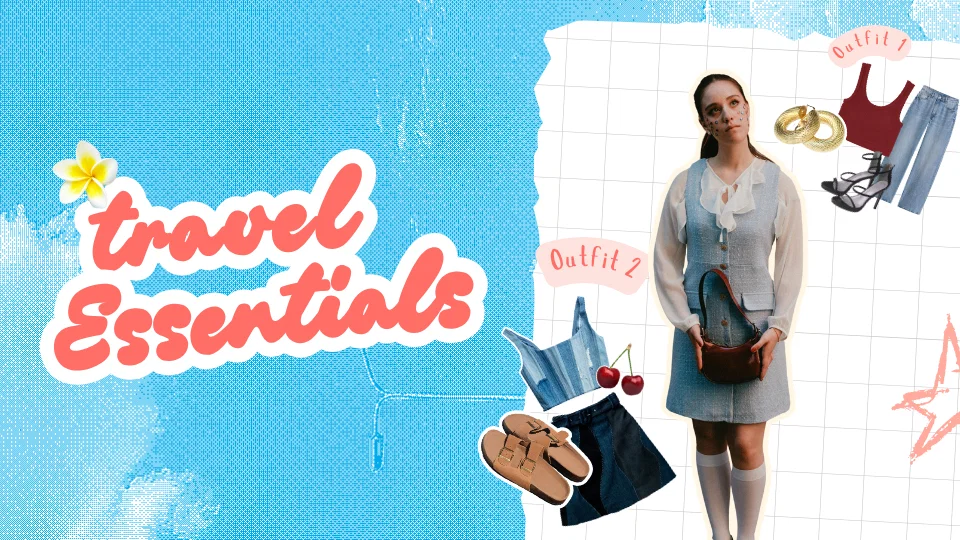
    A travel capsule wardrobe is a small collection of versatile clothing that can be mixed and matched to create multiple outfits for your trip. 

    Instead of packing for every possible scenario, you pack pieces that work together, suit your destination, and cover the activities you have planned.

    The goal isn’t to travel with the fewest clothes possible. It’s to travel with the right clothes. 

    A well-planned travel capsule wardrobe helps you pack lighter, stay organized, and avoid bringing items that never leave your suitcase.

    Quick Answer: A travel capsule wardrobe is a thoughtfully planned selection of clothing that lets you create multiple outfits with fewer pieces. Rather than packing a different outfit for every day, you choose versatile items that work together and match your destination, weather, and itinerary. 

    The result is a lighter suitcase, easier outfit planning, and fewer unnecessary purchases before your trip.

    Many people overpack because they think in days instead of outfits. They pack a different outfit for every day of the trip, along with a few extra pieces “just in case.” Before long, the suitcase is full, yet finding something to wear can still feel surprisingly difficult.

    A travel capsule wardrobe takes a different approach. Instead of planning one outfit per day, you pack a small collection of clothes that can be mixed and matched throughout your trip. The same shirt might work for sightseeing during the day and dinner in the evening simply by changing the bottoms or adding a lightweight layer.

    That shift—from packing for days to packing for outfit combinations—is what makes a travel capsule wardrobe so effective. It helps you travel lighter without feeling like you’ve run out of options.

    Whether you’re planning a weekend city break, a beach holiday, a business trip, or a longer adventure, the same principle applies: pack clothes that work together, not just clothes that fill your suitcase.

    Plan Your Trip Before You Pack

    Plan Your Trip Before You Pack

    One of the biggest packing mistakes happens before you even open your wardrobe.

    Many people start by choosing clothes they like, then try to fit them into a suitcase. A more effective approach is to plan your trip first and let that determine what you pack.

    Your destination, itinerary, weather, and travel style have a much bigger influence on your packing list than any capsule wardrobe checklist. A weekend in a coastal town requires a very different wardrobe from a week of business meetings or a hiking holiday.

    Before choosing a single item of clothing, think about these five factors.

    Your Destination

    Where you’re going influences almost every packing decision.

    A city break may call for comfortable walking shoes and versatile everyday outfits. A beach vacation will naturally prioritize lightweight fabrics, swimwear, and sun protection. If you’re visiting multiple destinations, you’ll need clothing that works across different settings rather than for just one location.

    The clearer you are about your destination, the easier it becomes to avoid unnecessary items.

    The Weather

    Checking the weather forecast before packing sounds obvious, but many travellers still rely on assumptions.

    Look beyond average temperatures and check the expected conditions during your travel dates. Consider daytime and nighttime temperatures, the chance of rain, humidity, and whether you’ll need extra layers.

    Packing for the actual forecast often removes several “just in case” items from your suitcase.

    Your Itinerary

    Think about what you’ll actually be doing each day.

    Ask yourself:

    • Will you be sightseeing for hours?
    • Are you attending business meetings?
    • Do you have formal dinners planned?
    • Will you spend most of your time at the beach or outdoors?

    Your wardrobe should support your itinerary, not hypothetical situations that may never happen.

    The Length of Your Trip

    A three-day getaway doesn’t require the same approach as a two-week vacation.

    For shorter trips, you can often pack complete outfits without much repetition. Longer trips benefit from versatile pieces that can be worn multiple times in different combinations.

    If you’ll have access to laundry, you can usually pack even less because you’ll be able to rewear your favourite pieces.

    How You Like to Travel

    Your travel style matters just as much as your destination.

    Someone travelling with only a carry-on will naturally prioritize versatility and lighter packing. Someone checking luggage may have more flexibility, but that doesn’t mean packing more is always better.

    A travel capsule wardrobe isn’t about fitting everything into the smallest suitcase. It’s about bringing clothes you’ll actually wear and leaving behind the ones that only add weight.

    Think in Outfit Types, Not Days

    A simple way to avoid overpacking is to stop assigning clothes to specific days.

    Instead, think about the types of days you’ll have during your trip.

    For example, you might need clothes for:

    • A travel day
    • A sightseeing day
    • A casual dinner
    • A business meeting
    • A beach day
    • A rainy afternoon

    When you pack for these situations instead of Monday, Tuesday, and Wednesday, the same pieces naturally get reused across multiple outfits. That’s the difference between packing seven separate outfits and packing a wardrobe that works together.

    What Should Shape Your Travel Capsule Wardrobe?

    Before you decide what to pack, think about the factors that will have the biggest influence on your wardrobe. They matter far more than following a generic packing list.

    FactorWhy It MattersHow It Affects Your Packing
    DestinationDifferent locations have different clothing needs.A beach holiday calls for lightweight clothing, while a city break may require comfortable walking shoes and layers.
    WeatherConditions can change what you’ll actually wear.Check the forecast before packing instead of relying on seasonal averages.
    Trip LengthLonger trips don’t always require more clothes.Access to laundry often allows you to pack fewer, more versatile pieces.
    ActivitiesYour itinerary determines the clothes you’ll need most.Pack for planned activities rather than unlikely “just in case” situations.
    Travel StyleThe way you travel affects how much you should bring.Carry-on travellers benefit from maximizing versatility, while checked luggage simply offers more flexibility—not a reason to overpack.

    Once you’ve considered these five factors, choosing the right clothes becomes much easier because every item has a clear purpose.

    The Essentials of a Travel Capsule Wardrobe

    The Essentials of a Travel Capsule Wardrobe

    Once you know where you’re going and what your trip involves, it’s time to choose the clothing that will make up your travel capsule wardrobe.

    There’s no universal packing list that works for everyone. The right travel wardrobe depends on your destination, the season, your planned activities, and how often you’ll have access to laundry.

    Instead of focusing on a specific number of items, think in clothing categories. Each category should earn its place by creating multiple outfit combinations rather than serving a single purpose.

    Versatile Tops

    Tops usually make up the largest part of a travel wardrobe because they’re the easiest way to create different outfits.

    Choose pieces that:

    • Pair with all of your bottoms
    • Are comfortable enough for long days
    • Suit most of your planned activities
    • Can be layered if the weather changes

    Neutral colours or subtle patterns often provide the greatest flexibility, but choose colours that fit your personal style rather than following strict rules.

    Bottoms That Work With Everything

    Rather than packing several different options, focus on a few bottoms that can be worn repeatedly with different tops.

    Depending on your trip, these might include:

    • Jeans
    • Trousers
    • Shorts
    • Skirts
    • Linen pants

    The goal is variety through combinations, not quantity.

    A Lightweight Layer

    Even warm destinations can have cool evenings, air-conditioned spaces, or unexpected weather.

    A lightweight layer such as a cardigan, overshirt, denim jacket, or light sweater often becomes one of the hardest-working pieces in your suitcase because it extends the versatility of your outfits without taking up much space.

    Comfortable Shoes

    Shoes are usually the heaviest and bulkiest items you’ll pack, which is why it’s worth choosing them carefully.

    Most trips only require:

    • One comfortable pair for walking
    • One smarter option if your itinerary includes restaurants, events, or business meetings

    Unless your activities genuinely require them, extra pairs often add weight without adding much value.

    Accessories

    Accessories can refresh outfits without taking up much luggage space.

    Depending on your destination, you might include:

    • A belt
    • Sunglasses
    • A lightweight scarf
    • A cap or hat
    • Simple jewellery
    • A compact crossbody or day bag

    Small accessories can make the same outfit feel different throughout your trip while adding very little to your luggage.

    Clothing for Specific Activities

    A travel capsule wardrobe should reflect what you’ll actually be doing.

    If you’re planning to hike, pack appropriate activewear and if you’ll be swimming, include swimwear. If you have a formal dinner or business meeting, make room for clothing that suits the occasion.

    The key is to pack for activities you’ve already planned—not for situations that might happen but probably won’t.

    As you choose each item, ask yourself one simple question:

    “Can I wear this with multiple pieces I’ve already packed?”

    If the answer is yes, it’s likely earned its place in your travel capsule wardrobe.

    Your Travel Capsule Wardrobe Packing Checklist

    Your Travel Capsule Wardrobe Packing Checklist

    Once you’ve chosen the pieces you want to take, use this checklist before you zip up your suitcase. It’s a simple way to make sure you’ve packed everything you need without bringing items that are unlikely to get worn.

    Rather than counting how many clothes you’ve packed, focus on whether your wardrobe can handle every part of your trip.

    ✓ Outfit Checklist

    Can you create outfits for:

    • ☐ Travel days
    • ☐ Everyday sightseeing or activities
    • ☐ Casual meals and evenings out
    • ☐ Any planned formal or business occasions
    • ☐ Changing weather conditions

    If you’re missing an outfit for one of these situations, you may have overlooked an essential piece.

    ✓ Clothing Checklist

    Before you pack, make sure you have:

    • ☐ Versatile tops that work with every bottom
    • ☐ Bottoms that can be worn multiple times
    • ☐ A lightweight layer for cooler temperatures
    • ☐ Appropriate outerwear (if needed)
    • ☐ Comfortable walking shoes
    • ☐ Smart shoes (only if your itinerary requires them)
    • ☐ Sleepwear
    • ☐ Undergarments and socks
    • ☐ Accessories suited to your destination
    • ☐ Clothing for any specific planned activities

    ✓ Packing Checklist

    Ask yourself these questions before adding anything to your suitcase:

    • ☐ Can I wear this item with at least two or three other pieces I’ve packed?
    • ☐ Does it suit my destination and itinerary?
    • ☐ Will I realistically wear it during this trip?
    • ☐ Is it replacing another item that serves the same purpose?
    • ☐ Am I packing this because I need it, or just in case?

    If the last question gives you pause, it’s worth reconsidering whether the item belongs in your suitcase.

    ✓ Final Check Before You Leave

    Before closing your suitcase, take one final look.

    Ask yourself:

    • Can I get through my trip comfortably with what I’ve packed?
    • Is every item likely to be worn at least once?
    • Are there duplicate items serving the same purpose?
    • Can I remove one or two pieces without affecting my outfit options?

    A good travel capsule wardrobe doesn’t try to prepare for every possible scenario. It prepares you well for the trip you’re actually taking.

    Travel Capsule Wardrobe Examples for Different Trips

    Travel Capsule Wardrobe Examples for Different Trips

    No two trips require exactly the same wardrobe. A weekend city break has very different clothing needs from a beach holiday or a business trip. The goal isn’t to follow a universal packing list—it’s to build a travel capsule wardrobe around the way you’ll actually spend your time.

    Here are a few examples of how your travel wardrobe might change depending on the type of trip.

    Weekend City Break

    City trips usually involve long days of walking, sightseeing, cafés, and evenings out. Comfort is important, but you’ll also want outfits that feel put together for different settings.

    A typical travel capsule wardrobe might include:

    • 3–4 versatile tops
    • 2 bottoms
    • 1 lightweight jacket or overshirt
    • 1 comfortable pair of walking shoes
    • 1 smarter pair of shoes (optional)
    • Simple accessories that work with every outfit

    Because the trip is short, most pieces only need to be worn once or twice.

    Beach Vacation

    Beach holidays are built around warm weather and relaxed outfits. Lightweight, breathable fabrics become far more important than variety.

    You might pack:

    • Lightweight T-shirts or linen shirts
    • Shorts or linen trousers
    • Swimwear
    • Sandals and comfortable walking shoes
    • A lightweight layer for cooler evenings
    • A hat and sunglasses for sun protection

    Rather than packing different outfits for every day, focus on pieces that can be mixed and matched between the beach, sightseeing, and casual dinners.

    Business Trip

    Business travel usually requires a balance between professional clothing and comfortable travel outfits.

    A practical travel capsule wardrobe could include:

    • Smart shirts or blouses
    • Tailored trousers or skirts
    • A blazer or structured jacket
    • Comfortable shoes suitable for meetings
    • Casual clothing for travel days and evenings

    Choosing pieces that work for both meetings and dinner can reduce the number of clothes you need to pack.

    Cold Weather Getaway

    Travelling to colder destinations is often more about layering than packing bulky clothing.

    A travel capsule wardrobe may include:

    • Thermal or base layers
    • Knitwear
    • Insulating mid-layers
    • A weather-appropriate coat
    • Boots suitable for walking
    • Warm accessories such as scarves, gloves, and hats

    Layering gives you flexibility throughout the day without filling your suitcase with heavy clothing.

    Long-Term Travel or Backpacking

    For extended trips, versatility becomes even more important because you’ll wear the same clothes repeatedly.

    Focus on clothing that:

    • Dries quickly after washing
    • Layers easily
    • Resists wrinkles
    • Works across different activities
    • Can be mixed into multiple outfits

    When you’ll have regular access to laundry, a smaller collection of well-chosen pieces is often more practical than carrying a large wardrobe throughout your trip.

    These examples aren’t templates to copy. Instead, use them as starting points and adjust your travel capsule wardrobe based on your destination, itinerary, personal style, and the way you like to travel.

    Common Travel Capsule Wardrobe Mistakes

    Common Travel Capsule Wardrobe Mistakes

    A travel capsule wardrobe is meant to make packing simpler, but a few common habits can quickly undo those benefits. Most overpacked suitcases aren’t the result of needing more clothes—they’re the result of packing without a clear plan.

    Here are some of the most common mistakes travellers make and how to avoid them.

    Packing for “Just in Case”

    One extra sweater. Another pair of shoes. A shirt you might wear if plans change.

    These small decisions add up quickly.

    Instead of packing for every possible scenario, pack for the activities and occasions you already know about. If an unexpected situation comes up, it’s often easier to adapt than to carry unnecessary clothing throughout your trip.

    Bringing Too Many Shoes

    Shoes take up more space and weight than almost anything else in your suitcase.

    Many travellers pack three or four pairs, only to wear one or two for the entire trip.

    Unless your itinerary requires specialized footwear, one comfortable walking pair and one smarter option are usually enough.

    Packing Clothes That Only Work With One Outfit

    A travel capsule wardrobe works because the pieces can be mixed and matched.

    If a shirt only works with one pair of trousers, or a jacket only matches one outfit, it’s taking up valuable space while offering very little flexibility.

    Before packing an item, check that it can be worn in multiple outfit combinations.

    Ignoring the Weather Forecast

    Packing based on average seasonal weather instead of the actual forecast often leads to unnecessary clothing.

    A quick check of the expected conditions before you leave can help you avoid carrying heavy layers you’ll never wear or forgetting items you’ll genuinely need.

    Choosing Style Over Comfort

    An outfit may look great at home but feel very different after a full day of walking, sightseeing, or sitting on a long flight.

    Travel clothes should be comfortable enough to wear for extended periods while still reflecting your personal style. If you’re constantly adjusting or avoiding a piece during your trip, it probably wasn’t the right choice to pack.

    Filling Empty Suitcase Space

    Many people treat extra space in their luggage as an invitation to add more clothes.

    A better approach is to leave some room. It makes your luggage easier to manage and gives you space for souvenirs or anything you pick up during your trip.

    A successful travel capsule wardrobe isn’t measured by how full your suitcase is. It’s measured by how often you wear what you packed.

    By avoiding these common mistakes, you’ll usually find that you can travel with less, pack more confidently, and spend less time deciding what to wear once you arrive.

    Pack for the Trip You Have, Not the One You Imagine

    Pack for the Trip You Have, Not the One You Imagine

    It’s easy to think the perfect travel capsule wardrobe is the one that fits into the smallest suitcase or follows someone else’s packing list.

    In reality, the best travel capsule wardrobe is the one that supports the trip you’re actually taking.

    A weekend in a busy city, a relaxing beach holiday, a work conference, and a month of backpacking all require different clothing. Trying to follow the same formula for every trip often leads to unnecessary packing or missing the pieces you’ll genuinely need.

    Instead of aiming for the fewest possible items, aim for the right ones.

    As your travel style evolves, your packing habits will too. You may discover that certain pieces always make it into your suitcase, while others come home unworn trip after trip. Paying attention to those patterns helps you pack more confidently every time you travel.

    A travel capsule wardrobe isn’t about restricting your choices. It’s about making smarter ones.

    When every item in your suitcase has a purpose, getting dressed becomes easier, your luggage becomes lighter, and you spend less time thinking about what to wear—and more time enjoying your destination.

    If you’re looking to build a more intentional wardrobe beyond travel, explore our guides on How to Build a Capsule Wardrobe, Capsule Wardrobe Essentials, and Capsule Wardrobe Checklist. The same principles that make packing easier can also make everyday dressing simpler and shopping more intentional.

    Frequently Asked Questions

    What is a travel capsule wardrobe?

    A travel capsule wardrobe is a curated collection of versatile clothing that can be mixed and matched to create multiple outfits during a trip. Instead of packing a different outfit for every day, you pack pieces that work together and suit your destination, itinerary, and weather.

    How many clothes should I pack for a travel capsule wardrobe?

    There isn’t a fixed number. The right amount depends on the length of your trip, your destination, planned activities, and whether you’ll have access to laundry. The goal is to pack enough versatile pieces to create multiple outfits rather than a separate outfit for each day.

    What clothes should every travel capsule wardrobe include?

    Most travel capsule wardrobes include versatile tops, a few bottoms, a lightweight layer, comfortable walking shoes, sleepwear, undergarments, and any clothing needed for specific activities such as swimming, hiking, or business meetings. The exact pieces will vary depending on your trip.

    How many pairs of shoes should I pack?

    For most trips, one comfortable pair of walking shoes and one smarter pair for evenings or special occasions are enough. If your itinerary includes activities such as hiking or beach visits, you may need additional footwear designed for those situations.

    Can I use my everyday capsule wardrobe for travel?

    Yes. If you already have a capsule wardrobe, many of your everyday pieces will work well for travel. You may simply need to adjust your selection based on your destination, the weather, and the activities you have planned.

    How do I avoid overpacking?

    Start by planning your trip before choosing your clothes. Pack only for the activities and occasions you know about, choose pieces that work in multiple outfits, and question every item you’re adding “just in case.” Reviewing your suitcase with a packing checklist before you leave can also help remove unnecessary items.

    Does a travel capsule wardrobe work for every type of trip?

    Yes, but the contents will change. A beach vacation, business trip, weekend city break, and cold-weather getaway all require different clothing. The principles remain the same—pack versatile pieces that work together and support the trip you’re taking.

    Is a travel capsule wardrobe only for carry-on travel?

    No. A travel capsule wardrobe is useful whether you’re travelling with a backpack, a carry-on, or checked luggage. Even if you have extra space, packing intentionally makes it easier to stay organized, find what you need, and avoid carrying clothes that never get worn.

  • Capsule Wardrobe vs Minimalist Wardrobe: What’s the Difference?

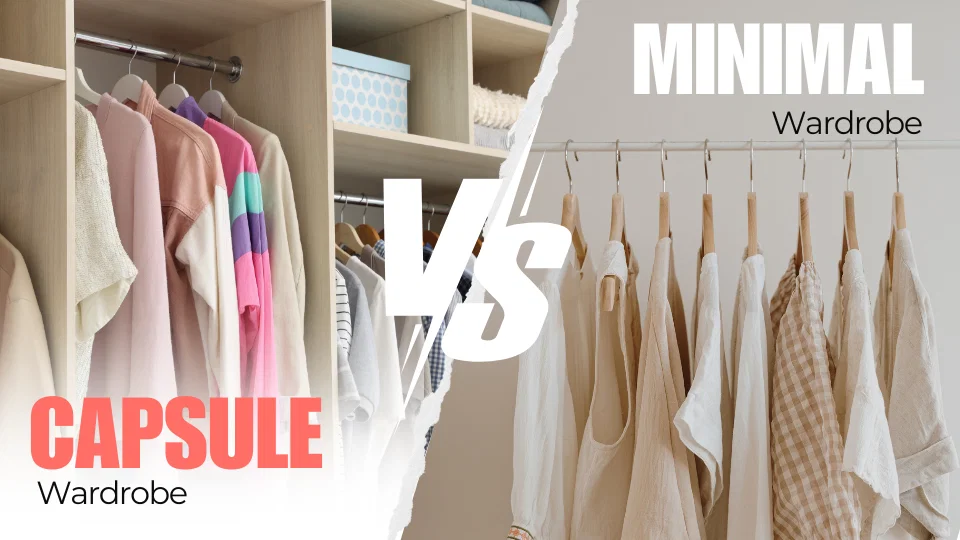
    Capsule Wardrobe vs Minimalist Wardrobe: What’s the Difference?

    Capsule Wardrobe vs Minimalist Wardrobe: What's the Difference?

    Capsule wardrobe and minimalist wardrobe are often used as if they mean the same thing. Browse YouTube, Pinterest, or fashion blogs, and you’ll see the terms used interchangeably. Both encourage buying with intention, reducing unnecessary purchases, and creating a wardrobe that feels easier to manage.

    But they’re not trying to solve the same problem.

    A capsule wardrobe is designed to make getting dressed easier by building a collection of clothes that work well together. A minimalist wardrobe is about owning less and simplifying what you have. Those goals often overlap, but they can lead to very different decisions about what stays in your closet and what doesn’t.

    Understanding that distinction matters because choosing the wrong approach can leave you frustrated. You might reduce your wardrobe without making it easier to wear, or build a highly versatile wardrobe without actually achieving the simplicity you’re looking for.

    If you’re wondering whether a capsule wardrobe or a minimalist wardrobe is the better fit, this guide breaks down the key differences, where the two approaches overlap, and how to decide which one aligns best with your lifestyle.

    The Difference in One Minute

    The Difference in One Minute

    If you’re looking for the simplest way to understand the difference, think about the question each approach is trying to answer.

    A capsule wardrobe asks:

    “How can I build a wardrobe that makes getting dressed easier?”

    A minimalist wardrobe asks:

    “How can I own less while keeping only what I truly need?”

    At first glance, those goals seem almost identical. Both encourage thoughtful shopping, fewer impulse purchases, and a more intentional relationship with clothing. That’s why the two concepts are so often confused.

    The difference is in what they prioritize.

    A capsule wardrobe measures success by how well your clothes work together. The focus is on versatility, outfit combinations, and creating a wardrobe that supports your everyday life.

    A minimalist wardrobe measures success by simplicity. The emphasis is on reducing excess, owning only what adds value, and avoiding unnecessary possessions—even beyond clothing.

    FeatureCapsule WardrobeMinimalist Wardrobe
    Primary goalMake getting dressed easierOwn less and simplify possessions
    Main focusVersatile clothing that works togetherReducing excess and keeping only what’s necessary
    Success looks likeA wardrobe where most pieces can be mixed and matchedA wardrobe with as few unnecessary items as possible
    Shopping mindset“Will this work with my existing wardrobe?”“Do I really need this?”
    Number of clothesNo fixed numberOften fewer items, but no universal rule
    Personal styleBuilt around your lifestyle and style preferencesOften prioritizes simplicity over variety
    ApproachA wardrobe planning systemA broader lifestyle philosophy
    Best forPeople who want easier outfit planning and intentional shoppingPeople who want to simplify their belongings and consumption

    Neither approach is inherently better. They simply solve different problems. Understanding which problem you’re trying to solve is the first step toward choosing the right one for your wardrobe.

    Why People Confuse Capsule Wardrobes and Minimalist Wardrobes

    Why People Confuse Capsule Wardrobes and Minimalist Wardrobes

    At first glance, these two approaches seem almost identical.

    Both encourage more intentional shopping, discourage impulse purchases, and help reduce wardrobe clutter. In practice, both often lead to owning fewer clothes than before, which makes them appear almost identical.

    The difference isn’t what they encourage—it’s the question each approach is trying to answer.

    A capsule wardrobe asks:

    “How can I make my wardrobe work better?”

    A minimalist wardrobe asks:

    “How can I own only what I truly need?”

    Those questions may sound similar, but they lead to different decisions.

    Someone building a capsule wardrobe might happily keep an extra jacket because it creates more outfit combinations and gets worn regularly. A minimalist might decide they already have a jacket that serves the purpose and choose not to own another.

    Neither decision is more correct. They’re simply driven by different priorities.

    Understanding that distinction makes it much easier to decide which approach fits your own lifestyle, rather than following someone else’s philosophy.

    Capsule Wardrobe vs Minimalist Wardrobe: The Real Differences

    Capsule Wardrobe vs Minimalist Wardrobe: The Real Differences

    Although capsule wardrobes and minimalist wardrobes can look similar from the outside, they’re built around different priorities. The easiest way to understand the difference is to look at how each approach influences the decisions you make.

    What Problem Is Each Approach Trying to Solve?

    A capsule wardrobe is designed to solve a wardrobe problem.

    If getting dressed feels difficult, your clothes don’t work well together, or shopping has become overwhelming, a capsule wardrobe helps create more outfit combinations with the clothes you own.

    A minimalist wardrobe solves a different problem.

    Its goal is to reduce excess by keeping only the possessions that genuinely add value. Clothing is simply one part of a broader minimalist philosophy.

    In short, a capsule wardrobe asks, “How can my wardrobe work better?” A minimalist wardrobe asks, “How can I live with less?”

    How Do They Influence Shopping Decisions?

    Both approaches encourage buying with intention, but they define a “good purchase” differently.

    Someone building a capsule wardrobe looks for clothes that fill genuine gaps, work with existing pieces, and increase outfit possibilities.

    Someone following a minimalist wardrobe starts one step earlier by asking whether another purchase is necessary at all. Even a versatile item may not be worth buying if what’s already in the wardrobe serves the same purpose.

    The difference isn’t just what you buy—it’s how you decide whether to buy anything in the first place.

    Does the Number of Clothes Matter?

    One of the biggest myths is that both approaches require a specific number of clothes.

    In reality, neither does.

    A capsule wardrobe might contain 30 pieces or 60, depending on your work, climate, hobbies, and lifestyle. The focus is on creating a wardrobe where most pieces work together.

    A minimalist wardrobe may naturally contain fewer clothes because reducing possessions is one of its goals, but there’s still no universal number that defines success.

    The number of clothes is simply the result of your priorities, not the goal itself.

    How Do They Define Success?

    Perhaps the simplest way to separate these two approaches is to look at what success looks like.

    A successful capsule wardrobe is one that makes getting dressed feel effortless because most of your clothes work together.

    A successful minimalist wardrobe is one that contains only the clothes you genuinely need, without unnecessary excess.

    Both can lead to a smaller, more intentional wardrobe. They simply measure success in different ways.

    Two People. Two Wardrobes.

    Two People. Two Wardrobes.

    Sometimes the easiest way to understand the difference is to look at how it plays out in real life.

    Sarah Builds a Capsule Wardrobe

    Sarah owns around 50 pieces of clothing.

    She has enough options for work, weekends, travel, and special occasions, but almost everything works together. Her tops pair with most of her trousers, her jackets layer easily over different outfits, and her shoes suit multiple occasions.

    When she shops, she isn’t trying to own less. She’s trying to make her wardrobe work better.

    Before buying something new, she asks:

    “Will this work with the clothes I already own?”

    Her wardrobe isn’t necessarily small, but it’s highly functional.

    Alex Follows a Minimalist Wardrobe

    Alex owns around 25 pieces of clothing.

    His goal isn’t to create the maximum number of outfit combinations. Instead, he wants to own only what he genuinely needs.

    He avoids unnecessary purchases, replaces clothes only when required, and prefers keeping his wardrobe as simple as possible.

    Before buying something new, he asks:

    “Do I actually need this?”

    His wardrobe reflects a broader commitment to living with less, not just dressing more efficiently.

    Neither Approach Is More “Correct”

    Sarah and Alex both shop intentionally.

    They both avoid impulse purchases.

    They both wear most of what they own.

    The difference is the reason behind their decisions.

    Sarah’s wardrobe is built around versatility and making everyday dressing easier.

    Alex’s wardrobe is built around simplicity and reducing what he owns.

    Both approaches can lead to a thoughtful, practical wardrobe. The better choice depends on the problem you’re trying to solve, not on how many clothes you own.

    Which Approach Is Right for You?

    Which Approach Is Right for You?

    There’s no universally better choice. The right approach depends on what you’re hoping to achieve.

    Choose a Capsule Wardrobe If…

    A capsule wardrobe is likely to suit you if your biggest frustration is getting dressed every day.

    You don’t necessarily want fewer clothes—you want a wardrobe that feels more organized, more versatile, and easier to use. You enjoy having options, but you want those options to work together instead of competing for space.

    A capsule wardrobe is a good fit if you want to:

    • Spend less time deciding what to wear.
    • Build more outfits with the clothes you already own.
    • Shop with greater intention.
    • Develop a wardrobe that reflects your personal style.
    • Make future shopping decisions easier.

    Choose a Minimalist Wardrobe If…

    A minimalist wardrobe may be the better choice if your goal extends beyond clothing.

    Perhaps you’re trying to reduce clutter, simplify your home, spend less, or embrace a more minimalist lifestyle overall. In that case, your wardrobe becomes one part of a much bigger philosophy.

    A minimalist wardrobe is a good fit if you want to:

    • Own fewer possessions overall.
    • Reduce unnecessary consumption.
    • Simplify your daily life.
    • Feel comfortable living with only what you truly need.

    You Don’t Have to Choose Just One

    For many people, the best approach combines elements of both.

    You might build a capsule wardrobe because you want clothes that work well together while also adopting minimalist habits that help you avoid unnecessary purchases.

    In other words, your wardrobe can be highly versatile without being large, and intentionally small without following rigid rules.

    The goal isn’t to fit neatly into one label. It’s to build a wardrobe that supports the way you live and makes everyday decisions a little easier.

    Every Approach Has Trade-offs

    Every Approach Has Trade-offs

    Neither a capsule wardrobe nor a minimalist wardrobe is perfect. Each comes with its own strengths and compromises, which is why the right choice depends on what matters most to you.

    If you choose a…Capsule WardrobeMinimalist Wardrobe
    You’ll gainEasier outfit planning and more versatilityFewer possessions and a simpler wardrobe
    You may give upSome spontaneity when buying clothesGreater variety in your outfit choices
    Shopping becomesMore intentional because every purchase should work with your wardrobeLess frequent because you buy only when something is genuinely needed
    Works best forPeople who want their wardrobe to work harderPeople who want to simplify their lifestyle

    Neither set of trade-offs is better.

    For example, if you’ve ever stood in front of a full wardrobe and still felt like you had nothing to wear, you’re probably trying to solve a wardrobe problem. A capsule wardrobe is designed for exactly that.

    On the other hand, if your goal is to reduce clutter, spend less, and own fewer possessions across every part of your life, a minimalist wardrobe is likely to feel more rewarding.

    Understanding these trade-offs is often more helpful than trying to decide which approach is “better.” The best choice is the one that solves the problem you’re actually facing.

    Common Myths About Capsule and Minimalist Wardrobes

    Common Myths About Capsule and Minimalist Wardrobes

    The growing popularity of both approaches has led to plenty of misconceptions.

    Here are a few of the most common ones.

    Myth 1: A Capsule Wardrobe Must Have Exactly 30 or 33 Pieces

    There isn’t a universal number that defines a capsule wardrobe.

    Some people are happy with around 30 carefully chosen pieces, while others need 50 or more because of their work, climate, or lifestyle. What makes a wardrobe “capsule” isn’t its size—it’s how well the pieces work together.

    Myth 2: A Minimalist Wardrobe Means Wearing Only Neutral Colours

    Minimalism isn’t defined by a colour palette.

    While many minimalist wardrobes feature neutral tones because they’re easy to style, there’s nothing stopping someone from wearing colour, patterns, or statement pieces. The focus is on intentional ownership, not dressing in black, white, or beige.

    Myth 3: You Have to Throw Most of Your Clothes Away

    Neither approach requires starting from scratch.

    Most people already own many of the pieces that will form the foundation of a better wardrobe. The process usually begins by understanding what you wear regularly before deciding what no longer serves a purpose.

    Myth 4: One Approach Is Better Than the Other

    This is perhaps the biggest misconception.

    A capsule wardrobe and a minimalist wardrobe solve different problems. One focuses on creating a wardrobe that’s easier to wear, while the other focuses on simplifying what you own.

    The better choice is simply the one that aligns with your goals and the way you want to live.

    Capsule Wardrobes and Minimalist Wardrobes Solve Different Problems

    Capsule Wardrobes and Minimalist Wardrobes Solve Different Problems

    It’s easy to think a capsule wardrobe and a minimalist wardrobe are simply different names for the same idea. In reality, they’re built around different priorities.

    A capsule wardrobe helps you make the most of the clothes you own. It’s about creating a wardrobe that feels versatile, intentional, and easy to wear.

    A minimalist wardrobe helps you simplify what you own. It’s part of a broader mindset that values keeping only what serves a genuine purpose.

    Neither approach is trying to achieve the same outcome, which means neither is universally better.

    If your biggest frustration is opening a full closet and still feeling like you have nothing to wear, a capsule wardrobe is likely to solve that problem.

    If your goal is to reduce possessions, simplify your lifestyle, and become more intentional about what you own, a minimalist wardrobe may be the better fit.

    Many people eventually find themselves somewhere in the middle. They build a capsule wardrobe that makes getting dressed easier while adopting minimalist habits that help them shop more thoughtfully and avoid unnecessary purchases.

    The best wardrobe isn’t the one with the fewest clothes or the one with the most outfit combinations.

    It’s the one that quietly does its job every morning without making you think about it.

    If you’re ready to build a wardrobe that works for your lifestyle, continue with our guides on How to Build a Capsule Wardrobe, Capsule Wardrobe Essentials, and Capsule Wardrobe Checklist. They’ll help you turn these ideas into a wardrobe that’s practical, versatile, and built around the way you actually live.

    Key Takeaways

    • A capsule wardrobe focuses on creating a versatile collection of clothes that work well together and make getting dressed easier.
    • A minimalist wardrobe focuses on owning less and keeping only the clothing that adds value to your life.
    • Although the two approaches overlap, they solve different problems and are built around different priorities.
    • Neither approach has a fixed number of clothes. Success depends on how well your wardrobe supports your lifestyle and goals.
    • You don’t have to choose one approach exclusively. Many people combine the versatility of a capsule wardrobe with the intentional mindset of minimalism.
    • The best wardrobe is the one that helps you dress with confidence, shop more intentionally, and suits the way you actually live.

    Frequently Asked Questions

    Is a capsule wardrobe the same as a minimalist wardrobe?

    No. While both encourage intentional shopping and reducing unnecessary clothing, they have different goals. A capsule wardrobe focuses on creating a versatile collection of clothes that work well together, while a minimalist wardrobe focuses on owning less as part of a broader philosophy of simplicity.

    Can you have a capsule wardrobe without being a minimalist?

    Absolutely. Many people build a capsule wardrobe simply because they want getting dressed to be easier. They may still enjoy fashion, own clothes for different occasions, or regularly update their wardrobe without identifying as minimalists.

    Can a minimalist wardrobe have more than 30 clothes?

    Yes. Minimalism isn’t defined by a specific number of items. The right number depends on your lifestyle, climate, work, and personal needs. The goal is to own only what genuinely adds value, whether that’s 25 pieces or 50.

    Which approach saves more money?

    Both can help reduce unnecessary spending, but in different ways. A capsule wardrobe encourages buying versatile pieces that work with your existing wardrobe, while a minimalist wardrobe encourages buying less overall. The amount you save depends more on your shopping habits than the approach you choose.

    Which approach is better if I enjoy fashion?

    A capsule wardrobe is often the better fit for people who enjoy experimenting with style while keeping their wardrobe organized. It allows you to build around versatile foundations and introduce trend-led or statement pieces without losing cohesion.

    Can I switch from a minimalist wardrobe to a capsule wardrobe?

    Yes. Many people do as their lifestyle or priorities change. You don’t need to replace your entire wardrobe. Start by identifying the clothes you wear most often and gradually build a collection that creates more outfit combinations while continuing to shop intentionally.

    Do I need to throw clothes away to start either approach?

    No. In most cases, the best place to start is with the clothes you already own. Review what you wear regularly, identify what’s no longer serving a purpose, and make gradual changes instead of replacing everything at once.

    Which approach is better for beginners?

    If your biggest frustration is having plenty of clothes but feeling like you have nothing to wear, a capsule wardrobe is usually the easier place to start. If your goal is to simplify your lifestyle and reduce possessions across every area of your life, a minimalist wardrobe may be the better choice.

  • The Modern Men’s Capsule Wardrobe Guide

    The Modern Men’s Capsule Wardrobe Guide

    The Modern Men's Capsule Wardrobe Guide

    Many men’s wardrobes don’t become cluttered overnight. They grow one purchase at a time.

    A few T-shirts picked up during a sale. Another pair of jeans that looks almost identical to the last one. Trainers bought because they were trending. A jacket that seemed like a good idea but rarely gets worn.

    Quick Answer: A men’s capsule wardrobe is a curated collection of versatile, high-quality pieces – tops, bottoms, outerwear, and shoes – that mix and match easily and reflect how you actually live and dress, not a fixed checklist or a specific number of items.

    Over time, the wardrobe gets bigger, but getting dressed doesn’t necessarily become easier. Despite having plenty of clothes, many men still find themselves reaching for the same handful of outfits every week.

    A capsule wardrobe offers a different way to think about clothing. Rather than chasing every trend or constantly adding new pieces, it focuses on building a wardrobe where every item has a purpose and works well with the rest of your collection.

    The goal isn’t to own as few clothes as possible. It’s to own clothes that make everyday dressing simpler, shopping more intentional, and your personal style more consistent.

    Key Takeaways

    If you’re building a modern men’s capsule wardrobe, focus on these principles:

    • Build around your everyday life. The clothes you wear most often should form the foundation of your wardrobe.
    • Think in categories, not shopping lists. A balanced wardrobe is more useful than a long checklist of must-have items.
    • Buy clothes that earn their place. Every purchase should solve a genuine need or create more outfit possibilities.
    • Plan in outfits, not individual pieces. A wardrobe works best when every item complements the others.
    • Review your wardrobe regularly. Small improvements over time are more valuable than trying to create the perfect wardrobe overnight.

    A modern capsule wardrobe isn’t about owning fewer clothes. It’s about owning clothes that make everyday dressing easier and every shopping decision more intentional.

    In this guide, you’ll learn how to build a modern men’s capsule wardrobe, avoid common shopping habits that create clutter, and create a wardrobe that works for your lifestyle—not someone else’s.

    Why Men’s Wardrobes Become More Complicated Than They Need to Be

    Why Men's Wardrobes Become More Complicated Than They Need to Be

    Most men don’t intentionally build a complicated wardrobe. It usually happens gradually, with each purchase solving a short-term need rather than contributing to a long-term plan.

    A shirt is bought because it’s discounted. Another pair of trainers replaces an old favourite. A navy T-shirt joins a collection of nearly identical basics. Individually, none of these purchases seem like a problem. Together, they create a wardrobe that’s larger but not necessarily more useful.

    Small Purchases Add Up Over Time

    Most wardrobes grow without a clear strategy.

    Clothes are often bought for a specific moment—a sale, a trend, or an upcoming event. Over time, those individual decisions create overlap instead of versatility.

    You may own plenty of clothes but still rely on the same handful of outfits because the rest don’t fit your routine or work well together.

    The result isn’t a lack of clothing. It’s a lack of cohesion.

    Modern Shopping Makes It Easy to Buy More

    Today’s shopping habits encourage constant consumption.

    New collections arrive every season, trends change quickly, and discounts create a sense of urgency. It’s easy to buy what’s new without considering how it fits into the wardrobe you already have.

    Instead of building a collection of clothes that work together, many men end up collecting individual pieces that rarely leave the hanger.

    A Better Question to Ask Before Every Purchase

    A capsule wardrobe changes the way you evaluate new clothes.

    Instead of asking, “Do I like this?”, ask questions that focus on long-term value:

    • Does this work with the clothes I already own?
    • Will I wear it regularly?
    • Does it fill a genuine gap in my wardrobe?
    • Can it create multiple outfits instead of just one?

    These simple questions encourage more intentional shopping and help you build a wardrobe where every piece has a clear purpose.

    Key takeaway: A cluttered wardrobe is rarely caused by buying too much at once. It’s usually the result of many small purchases that were never made with the bigger picture in mind.

    Build Around the Clothes You Actually Wear

    Build Around the Clothes You Actually Wear

    One of the biggest mistakes men make when refreshing their wardrobe is shopping for the person they want to be instead of the person they are today.

    It’s easy to imagine a lifestyle that calls for tailored blazers, premium knitwear, or statement jackets. But if your daily routine revolves around commuting to work, working from home, meeting friends on weekends, or travelling occasionally, those aspirational purchases may spend more time in your wardrobe than on your back.

    A better approach is to build your wardrobe around the clothes you already rely on.

    Start With the 80% Rule

    Think about the clothes you wear for roughly 80% of your everyday life.

    These are the outfits you reach for when you’re heading to work, meeting friends, running errands, or travelling. They reflect your actual routine—not the occasional wedding, holiday, or special event.

    Your capsule wardrobe should be built around these everyday moments because they’re where your clothes deliver the most value.

    The remaining 20% can be covered by occasion-specific pieces that serve a clear purpose without dominating your wardrobe.

    Review What You Already Wear

    Before buying anything new, spend some time reviewing your current wardrobe.

    Ask yourself a few simple questions:

    • Which outfits do I wear almost every week?
    • What do I reach for when I need to get dressed quickly?
    • Which clothes make me feel comfortable and confident?
    • Which items haven’t been worn in the past year?

    The answers often reveal the true foundation of your wardrobe.

    For many men, that’s a favourite pair of jeans, a few well-fitting T-shirts, comfortable trainers, an overshirt, or a lightweight jacket. These pieces may not be the most fashionable, but they’ve already proved their value through regular use.

    Let Your Lifestyle Decide What Belongs

    No two men’s capsule wardrobes should look exactly the same because no two lifestyles are identical.
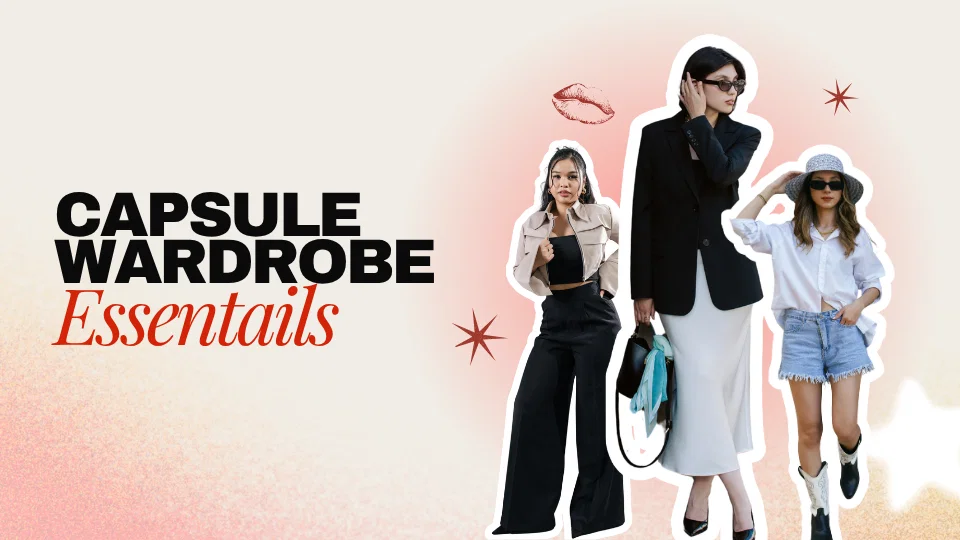
    Someone working in a business casual office will naturally need more shirts, tailored trousers, and smart shoes than someone who works remotely. Frequent travellers may prioritise wrinkle-resistant fabrics and versatile layers, while someone who spends weekends outdoors may place greater value on durable jackets and practical footwear.
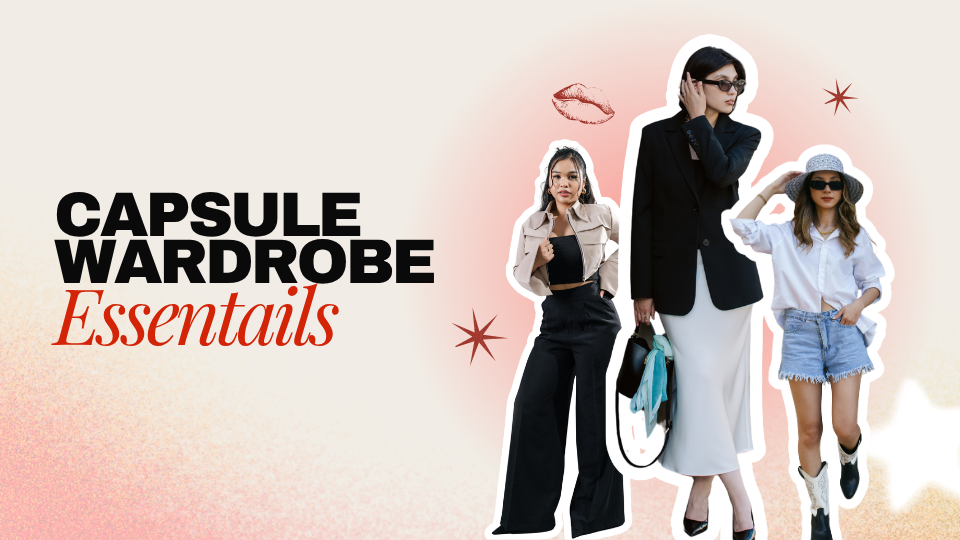
    Rather than following someone else’s checklist, let your daily routine determine what deserves space in your wardrobe.

    Key takeaway: The best capsule wardrobe isn’t built around the clothes you wish you wore. It’s built around the clothes that already support your everyday life.

    The Foundations of a Modern Men’s Capsule Wardrobe

    A strong capsule wardrobe isn’t built around owning more clothes. It’s built around owning clothes that work together.

    Instead of focusing on individual items, think about how each category supports the rest of your wardrobe. The goal is to create a collection where getting dressed feels simple because most of your clothes naturally pair with one another.

    Think in Categories, Not Checklists

    Many capsule wardrobe guides begin with a list of must-have items. While those lists can be useful for inspiration, they often overlook the fact that every man’s lifestyle is different.

    A more practical approach is to think in broad clothing categories rather than fixed shopping lists.

    CategoryWhy It Matters
    Everyday BasicsForm the foundation of most outfits and are worn more than any other pieces.
    BottomsCreate outfit variety while pairing easily with your everyday tops.
    LayersAdd flexibility throughout the year and help outfits adapt to different temperatures.
    OuterwearProtect against the weather while completing everyday looks.
    FootwearOften determines how practical and versatile your wardrobe feels.
    AccessoriesAdd function and personality without making your wardrobe more complicated.

    The exact pieces within these categories will vary from one person to another. What matters is that every category supports the way you live.

    Balance Matters More Than Quantity

    A wardrobe becomes difficult to use when one category dominates the others.

    Owning ten jackets won’t add much value if you only have two shirts that work with them. Likewise, buying another pair of similar trainers won’t improve your wardrobe if they all serve the same purpose.

    Instead of counting how many clothes you own, ask yourself whether each category feels balanced enough to create outfits for your everyday life.

    If one category consistently limits your outfit choices, that’s often a better reason to shop than simply wanting something new.

    Every Piece Should Support the Whole Wardrobe

    The most valuable clothes aren’t necessarily the newest or the most expensive. They’re the pieces that connect everything else.

    A versatile overshirt that works with jeans, chinos, and tailored trousers often contributes more to your wardrobe than a statement jacket you only wear once or twice a year. The same is true for comfortable shoes, reliable basics, and practical outerwear that fit naturally into your routine.

    When each category complements the others, your wardrobe becomes more flexible without becoming larger.

    Key takeaway: A modern capsule wardrobe isn’t measured by how many clothes you own. It’s measured by how well your clothes work together.

    Buy Clothes That Earn Their Place

    Buy Clothes That Earn Their Place

    A capsule wardrobe isn’t built by buying less. It’s built by buying with purpose.

    Every new piece should make your wardrobe more versatile, easier to style, or better suited to your lifestyle. If it doesn’t do one of those things, it’s worth asking whether it belongs in your wardrobe at all.

    Use the Three-Outfit Test

    Before buying a new piece, imagine how it fits into the wardrobe you already own.

    A simple way to do this is the Three-Outfit Test.

    Ask yourself:

    • Can I create at least three outfits using clothes I already own?
    • Would I wear those outfits in my everyday life?
    • Do they work across different occasions?

    If you struggle to answer “yes,” the item may be more appealing in the store than it will be in your wardrobe.

    This doesn’t mean every piece has to work with everything. It simply encourages you to think beyond a single outfit and consider how much value the piece will add over time.

    Avoid Buying the Same Thing Twice

    Many wardrobes become larger without becoming more versatile because they fill up with duplicates.

    You buy another navy T-shirt because it’s on sale. Another pair of white trainers because they’re slightly different. Another lightweight jacket because it feels familiar.

    There’s nothing wrong with having favourite styles, but repeatedly buying clothes that serve the same purpose rarely expands your wardrobe.

    Before making a purchase, ask yourself:

    “Does this add something new, or does it simply replace something I already own?”

    That one question can prevent many unnecessary purchases.

    Shop for Long-Term Value

    The best purchases are rarely the most exciting ones.

    More often, they’re the pieces you continue reaching for months or even years later because they fit well, work with multiple outfits, and suit your everyday routine.

    Instead of chasing trends or reacting to discounts, focus on clothes that solve a genuine need. Replacing worn-out essentials or filling a gap in your wardrobe will almost always deliver more value than buying something simply because it’s new.

    Key takeaway: Every purchase should strengthen your wardrobe. If a piece doesn’t create more outfit options or solve a genuine need, it’s worth thinking twice before buying it.

    Think in Outfits, Not Individual Pieces

    Think in Outfits, Not Individual Pieces

    A functional wardrobe isn’t created by collecting great individual pieces. It’s created by owning clothes that work well together.

    The easiest way to see whether your wardrobe is working is to stop looking at individual items and start looking at complete outfits.

    Start With Your Most-Worn Outfits

    Rather than standing in front of your wardrobe and counting how many shirts or pairs of trousers you own, think about the outfits you wear most often.

    Ask yourself:

    • Which outfits do I wear every week?
    • Which combinations make getting dressed effortless?
    • Which pieces appear repeatedly across different outfits?

    These recurring combinations reveal the true foundation of your wardrobe. They also highlight the pieces that deserve the most attention when it’s time to replace or upgrade them.

    Identify What’s Missing

    Sometimes the problem isn’t that you need more clothes—it’s that you’re missing one versatile piece.

    Perhaps your favourite shirts only work with one pair of trousers. Maybe you have several great casual outfits but nothing suitable for smart-casual occasions. Or perhaps one lightweight jacket would connect multiple outfits you already own.

    Looking at your wardrobe through the lens of complete outfits makes these gaps much easier to spot.

    Instead of buying randomly, you can invest in pieces that unlock more combinations with the clothes you already have.

    Build a Wardrobe That Works as a System

    Think of your wardrobe as a connected system rather than a collection of separate purchases.

    Each piece should make the rest of your wardrobe more useful. A versatile overshirt should work with your jeans, chinos, and everyday T-shirts. A good pair of shoes should complement several different outfits rather than just one.

    When your clothes are chosen with the bigger picture in mind, getting dressed becomes less about finding something to wear and more about choosing between outfits that already work.

    Key takeaway: The strongest wardrobes aren’t built one item at a time. They’re built one outfit at a time.

    A Great Wardrobe is Never Finished

    A Great Wardrobe Is Never Finished

    One of the biggest misconceptions about capsule wardrobes is that they have a finish line.

    Many people imagine that once they’ve bought the right clothes, organized their wardrobe, and created a few reliable outfits, the work is done. In reality, a good wardrobe is something you refine over time.

    Review Before You Replace

    Instead of regularly buying new clothes, make a habit of reviewing the ones you already own.

    Every few months, ask yourself:

    • Which pieces do I wear most often?
    • Which items haven’t been worn recently?
    • Has anything become worn out and ready to be replaced?
    • Have my daily routines changed?

    These simple reviews help you make thoughtful decisions instead of reacting to trends or impulse purchases.

    Let Your Wardrobe Evolve Naturally

    Life rarely stays the same for long.

    A new job, changing seasons, frequent travel, or different hobbies can all influence what you wear every day. As those changes happen, your wardrobe should adapt with them.

    That doesn’t mean replacing everything at once. More often, it’s about making small adjustments—adding a versatile layer, replacing worn-out essentials, or retiring pieces that no longer suit your lifestyle.

    Progress is Better Than Perfection

    Many people delay building a capsule wardrobe because they’re waiting for the perfect collection of clothes.

    The reality is that even the most functional wardrobes continue to evolve.

    The goal isn’t to create a wardrobe that’s finished forever. It’s to make better decisions each time you add, replace, or remove a piece.

    Over time, those small improvements create a wardrobe that feels more personal, more practical, and easier to rely on.

    Key takeaway: A capsule wardrobe isn’t a destination. It’s a process of making better wardrobe decisions over time.

    Frequently Asked Questions

    How many clothes should a men’s capsule wardrobe have?

    There isn’t a universal number. Some men are comfortable with 30 to 40 carefully chosen pieces, while others need more because of their work, climate, or lifestyle. A successful capsule wardrobe is defined by versatility and practicality, not by reaching a specific item count.

    What are the most important pieces in a men’s capsule wardrobe?

    The most important pieces are the ones you wear regularly and can style in multiple ways. For many men, these include well-fitting everyday tops, versatile trousers or jeans, comfortable footwear, practical layers, and outerwear that suits their climate. The exact pieces will depend on your lifestyle rather than a universal checklist.

    Can I still follow fashion trends with a capsule wardrobe?

    Yes. A capsule wardrobe doesn’t mean avoiding trends altogether. The best approach is to build your wardrobe around timeless, versatile foundations and introduce trend-driven pieces occasionally.

    This lets you experiment with your style without making your entire wardrobe dependent on changing fashion trends.

    Can I build a men’s capsule wardrobe on a budget?

    Absolutely. Most people already own many of the pieces that can become the foundation of a capsule wardrobe. Start by reviewing what you wear most often, identify genuine gaps, and replace or add items gradually instead of buying an entirely new wardrobe at once.

    How often should I update my capsule wardrobe?

    Reviewing your wardrobe once or twice a year is usually enough, or whenever your lifestyle changes significantly. A new job, relocation, changing seasons, or evolving personal style may all influence what belongs in your wardrobe. Regular reviews help ensure your clothes continue to reflect how you actually live.

    Does a capsule wardrobe work for every lifestyle?

    Yes, because a capsule wardrobe isn’t built around fixed rules. Whether you work in a corporate office, from home, travel frequently, or prefer a casual style, the principles remain the same. The clothes themselves may differ, but the goal is always to create a wardrobe that supports your everyday routine and makes getting dressed easier.

  • Capsule Wardrobe for Women: How to Build One That Fits Your Lifestyle

    Capsule Wardrobe for Women: How to Build One That Fits Your Lifestyle

    A capsule wardrobe for women is a curated collection of versatile clothing that works together to support your everyday life. The goal isn’t to own fewer clothes. It’s to build a wardrobe that makes getting dressed easier and shopping more intentional.

    Many women become interested in capsule wardrobes after facing the same frustration. The closet is full, but putting together an outfit still feels difficult. New purchases solve the problem temporarily, yet the wardrobe never feels complete.

    One reason is that wardrobes often grow without a clear plan. Clothes are added over the years for different occasions, changing trends, or seasonal sales. Individually, those purchases may make sense, but they don’t always work well together.

    A capsule wardrobe takes a different approach. Instead of focusing on individual pieces, it focuses on creating a wardrobe where most items can be mixed and matched with ease.

    The right capsule wardrobe will look different for every woman. Your work, lifestyle, climate, personal style, and daily routine all influence what belongs in your wardrobe.

    This guide explores how to build a capsule wardrobe around your own life. Rather than following a fixed checklist, you’ll learn how to create a wardrobe that feels practical, versatile, and uniquely yours.

    What Makes a Women’s Capsule Wardrobe Different?

    Define Your Lifestyle Before Your Wardrobe

    At first glance, a capsule wardrobe for women doesn’t seem very different from any other capsule wardrobe. The same principles still apply: build a collection of versatile clothing that works together, supports your lifestyle, and makes getting dressed easier.

    What changes is how those principles are applied.

    Many women dress for a wider variety of occasions throughout the week. A typical wardrobe might need to work for the office, casual weekends, social events, travel, workouts, and special occasions. The right balance depends entirely on your lifestyle.

    Women’s wardrobes also tend to include more clothing categories. Alongside everyday tops and trousers, many women may choose to wear dresses, skirts, different shoe styles, or layered outfits depending on the season or occasion. That doesn’t mean a capsule wardrobe needs to be larger. It simply means it needs to be planned with more intention.

    The goal isn’t to make your wardrobe look smaller. It’s to make it work harder. Some women prefer timeless, neutral outfits, while others enjoy bold colours, prints, or statement pieces.

    A capsule wardrobe isn’t about dressing the same as everyone else. It’s about creating a wardrobe where your favourite pieces work well together.

    This is why copying someone else’s capsule wardrobe rarely leads to lasting results. A wardrobe designed for a fashion creator, a corporate executive, or a frequent traveller may not suit your everyday life.

    The most successful women’s capsule wardrobes aren’t built around someone else’s checklist. They’re built around the way you live, the clothes you genuinely enjoy wearing, and the situations you dress for most often.

    Define Your Lifestyle Before Your Wardrobe

    Define Your Lifestyle Before Your Wardrobe

    It’s easy to believe that the perfect capsule wardrobe already exists—you just have to find the right checklist. In reality, the best capsule wardrobes are built around the people who wear them, not the other way around.

    In reality, the most successful capsule wardrobes are built around how you actually live. Before thinking about specific pieces, it’s worth understanding what your wardrobe needs to do for you every day.

    Consider Your Work and Daily Routine

    Think about what you wear during a typical week, not what you wear on rare occasions.

    If you spend five days a week in a business casual office, those clothes deserve a larger place in your wardrobe than the dress you wear to weddings twice a year.

    Likewise, if you work from home, comfortable basics and versatile layers may be more valuable than a wardrobe full of formalwear.

    A simple exercise is to ask yourself, “Where do I spend most of my time?” Your answer will often tell you where your wardrobe should be focused.

    Think About Your Climate

    Your wardrobe should make it easier to dress for the weather you actually experience.

    Someone living in a warm climate may rely on breathable fabrics and lightweight clothing for most of the year. Someone who experiences colder seasons will naturally need more knitwear, layering pieces, and weather-appropriate outerwear.

    Rather than trying to prepare for every possible situation, prioritise the conditions you dress for most often. Seasonal pieces still have a place, but they don’t need to dominate your wardrobe.

    Reflect on Your Life Outside of Work

    Your wardrobe should support every part of your routine, not just your job.

    Think about how you spend your evenings and weekends. Do you travel frequently? Do you attend formal events often? Are you regularly outdoors, at the gym, or meeting friends for dinner?

    These activities influence which clothes deserve space in your wardrobe. A capsule wardrobe should reflect your real lifestyle, not just your professional one.

    Notice What You Already Wear

    Before deciding what your wardrobe needs, pay attention to the clothes you already reach for.

    Most people wear a relatively small portion of their wardrobe on a regular basis. Those favourite jeans, comfortable shoes, or lightweight jacket aren’t just habits—they’re clues. They’ve already proven that they suit your lifestyle, your comfort, and your personal style.

    Instead of replacing them with an entirely new wardrobe, build around what already works.

    Build Around Your Real Life, Not Your Ideal One

    The clothes you wear most often tell a more honest story than the clothes you wish you wore.

    It’s easy to shop for the person you hope to become.

    You buy clothes for future holidays, imagined dinner parties, or a version of yourself that dresses differently every day. Over time, those purchases can fill your wardrobe without becoming part of your everyday outfits.

    A capsule wardrobe encourages a different mindset.

    Instead of asking, “Who do I want to dress like?”, ask “What clothes help me live the life I have today?”

    That’s often the difference between a wardrobe that looks good in theory and one that genuinely works in practice.

    The Building Blocks of a Women’s Capsule Wardrobe

    The Building Blocks of a Women's Capsule Wardrobe

    Most people think about individual clothing pieces first. In reality, it’s often more helpful to think in categories. Together, these categories create the foundation of a wardrobe that feels balanced, practical, and easy to wear.

    The exact pieces within each category will look different for everyone. A teacher, a lawyer, a student, and a frequent traveller won’t own identical wardrobes.

    What they share is a collection of clothes that supports their lifestyle and works well together.

    Clothing CategoryWhy It Matters
    TopsForm the foundation of everyday outfits and pair with most of your wardrobe.
    BottomsCreate variety and help you build different outfit combinations.
    DressesOffer an easy, one-piece option for work, casual wear, or special occasions, depending on your lifestyle.
    LayersAdd flexibility for changing temperatures and help transition outfits across seasons.
    OuterwearProvides both function and style while completing many everyday outfits.
    ShoesInfluence how practical and versatile your wardrobe feels across different occasions.
    AccessoriesAdd personality and help simple outfits feel complete without expanding your wardrobe.

    A balanced wardrobe isn’t created by owning more categories. It’s created by making better use of the ones you rely on most. Instead, think of them as the building blocks of a functional wardrobe.

    For example, tops and bottoms usually appear in your outfits several times each week. They’re often the hardest-working pieces in your wardrobe because they create the greatest number of outfit combinations. Investing in versatile options here usually has a bigger impact than buying clothes you’ll only wear occasionally.

    The same idea applies to shoes and outerwear. Even if you own fewer of them, they’re often worn repeatedly and can completely change how practical your wardrobe feels.

    A comfortable pair of everyday shoes or a jacket that works across different occasions may end up being some of the most valuable pieces you own.

    Accessories play a different role. They rarely form the foundation of a wardrobe, but they help simple outfits feel more complete. A favourite bag, belt, scarf, or piece of jewellery can bring personality to your wardrobe without requiring an entirely new outfit.

    Building a Wardrobe That Fits Your Life

    As you review your wardrobe, don’t ask whether you have something in every category. Instead, ask whether each category is supporting your everyday life.

    Some women may rely heavily on dresses, while others rarely wear them. Some may need several pairs of smart shoes for work, while others live in trainers. A successful capsule wardrobe isn’t about giving every category equal importance. It’s about giving more space to the clothes you genuinely wear and rely on.

    How to Choose Pieces That Work Together

    How to Choose Pieces That Work Together

    Many people assume a capsule wardrobe is about owning the right clothes. In reality, it’s about choosing clothes that work well together. 

    When most of your wardrobe can be mixed and matched, creating outfits becomes much easier. You spend less time deciding what to wear and more time making use of the clothes you already own.

    Prioritize Versatility

    Some pieces earn their place because they work across multiple outfits and occasions.

    A simple shirt that pairs with jeans, trousers, and skirts will usually get more wear than a statement piece that only works with one look. That doesn’t mean every item has to be neutral—it means every item should have a purpose.

    Build Around What You Already Wear

    Before buying something new, look at the clothes you reach for most often.

    These pieces already suit your lifestyle, fit comfortably, and reflect your personal style. They provide a strong foundation for future wardrobe decisions.

    Balance Basics With Personality

    A capsule wardrobe doesn’t have to feel plain or repetitive.

    Versatile basics create the foundation, while colours, prints, textures, or statement pieces can add personality. The goal is to make sure those standout items complement the rest of your wardrobe rather than compete with it.

    Think in Outfits, Not Individual Pieces

    One of the easiest ways to make better shopping decisions is to stop evaluating clothes in isolation.

    Instead of asking, “Do I like this?”, ask yourself:

    • Can I wear it with several pieces I already own?
    • Does it suit my everyday lifestyle?
    • Will I realistically wear it throughout the year or during the season it’s intended for?

    If the answer is yes, it’s more likely to become a valuable part of your wardrobe instead of another rarely worn purchase.

    The best capsule wardrobes aren’t created by following strict rules. They’re built through small, thoughtful decisions that make every new addition easier to wear with what you already own.

    Examples of Capsule Wardrobes for Different Women

    Examples of Capsule Wardrobes for Different Women

    Search online for “capsule wardrobe for women,” and you’ll find hundreds of wardrobe checklists. The problem is that none of them know how you actually live.

    Your wardrobe should reflect how you spend your time, the occasions you dress for most often, and the clothes you genuinely enjoy wearing. Here are a few examples of how different lifestyles can influence the way a capsule wardrobe comes together.

    The Corporate Professional

    If you spend most of your week in an office, your wardrobe needs to balance professionalism with versatility.

    Instead of buying separate outfits for every workday, focus on pieces that can be mixed and matched throughout the week. A few well-chosen trousers, skirts, shirts, and structured layers often create far more outfit combinations than a wardrobe filled with one-time purchases.

    When shopping, prioritise pieces that work beyond the office too. A blazer that pairs with jeans for dinner or trousers that can be dressed up and down often provide more value than clothing reserved for a single setting.


    The Remote Worker

    Working from home changes what you expect from your wardrobe.

    Comfort becomes a priority, but comfort doesn’t have to mean looking untidy. Well-fitting basics, breathable fabrics, and lightweight layers can help you feel comfortable throughout the day while still looking put together for meetings or running errands.

    Because your wardrobe is likely to be more casual, versatility often comes from choosing pieces that transition easily between home, work, and everyday life.


    The Student

    Student life often means moving between lectures, study sessions, part-time jobs, and social plans in the same day.

    A practical wardrobe is one that can adapt to all of those situations without requiring constant outfit changes. Comfortable, easy-to-layer clothing usually gets the most wear because it works across different seasons and busy schedules.

    When shopping on a budget, it’s often worth investing in versatile everyday pieces before buying clothes for occasional events.


    The Frequent Traveller

    If you travel regularly, versatility becomes even more valuable.

    Packing is easier when your clothes work together. A smaller collection of pieces that layer well and suit different occasions usually creates more outfit options than carrying lots of individual statement items.

    When choosing new clothing, think beyond how it looks at home. Consider how easily it packs, whether it can be worn in different weather conditions, and how many outfits it can create while you’re away.


    The Busy Parent

    When your days are unpredictable, your wardrobe needs to work just as hard as you do.

    Practicality often becomes more important, but practicality doesn’t mean giving up personal style. Comfortable fabrics, easy-care clothing, and versatile layers can simplify everyday dressing while still helping you feel confident.

    The goal isn’t to own perfect clothes. It’s to own clothes that make busy mornings and changing plans a little easier to manage.


    The Creative Professional

    Some careers offer more freedom to express your personality through clothing.

    A capsule wardrobe can still support that creativity. Instead of building your wardrobe around trends, build it around versatile foundation pieces and introduce colour, texture, prints, or statement items that reflect your style.

    This approach allows your wardrobe to feel creative without becoming difficult to mix and match.


    These examples aren’t templates to copy. Your lifestyle is unique, so it’s perfectly normal if your capsule wardrobe borrows ideas from several of these examples instead of fitting neatly into one category.

    Many women will see themselves in more than one lifestyle, and that’s perfectly normal. You might work remotely, travel regularly, and enjoy dressing creatively. Your capsule wardrobe should reflect that combination.

    The best capsule wardrobe isn’t the one that matches someone else’s lifestyle. It’s the one that supports yours.

    Adapting Your Capsule Wardrobe as Life Changes

    Adapting Your Capsule Wardrobe as Life Changes

    One of the biggest signs of a successful capsule wardrobe is that it evolves with you.

    As your lifestyle changes, your wardrobe should change with it. The clothes that suited you a few years ago may not be the ones you reach for today, and that’s completely normal.

    The goal isn’t to keep replacing your wardrobe. It’s to make small adjustments that reflect the life you’re living now.

    A New Career

    Changing jobs often changes the way you dress.

    Starting a corporate role may mean adding more tailored pieces, while moving to a remote or creative workplace could shift your focus towards comfortable, versatile clothing.

    Instead of replacing everything at once, pay attention to the pieces you wear most in your new routine. Over time, they’ll naturally become the foundation of your wardrobe.

    A Different Climate or Season

    Moving to a new city or experiencing different weather can quickly change what feels practical.

    You may need more layers, lighter fabrics, or weather-appropriate outerwear. At the same time, you might discover that some pieces you once relied on are rarely worn in your new environment.

    Reviewing your wardrobe at the start of each season helps you identify what still earns its place and what no longer fits your daily life.

    Changes in Your Lifestyle

    Your wardrobe should evolve alongside your priorities.

    Perhaps you travel more often than you used to. Maybe you’ve become a parent, started exercising regularly, or spend more weekends outdoors than at formal events.

    These changes often happen gradually, which is why many wardrobes quietly fall out of sync with everyday life.

    Instead of asking whether you still like a piece, ask whether it still supports the way you live today.

    Your Personal Style Will Evolve Too

    Style isn’t fixed.

    The colours, silhouettes, or fabrics you loved five years ago may not feel right today, and that’s part of developing your personal style.

    A capsule wardrobe should give you the freedom to evolve without feeling like you have to start over every time your preferences change.

    Review, Don’t Rebuild

    Many people think a wardrobe refresh means buying lots of new clothes.

    More often, it means looking at what you already own with fresh eyes.

    Some pieces will continue to earn their place year after year. Others will naturally become less relevant as your lifestyle changes. Paying attention to those patterns makes future shopping decisions much clearer.

    A successful capsule wardrobe evolves alongside you. A wardrobe that changes with you will almost always serve you better than one that stays exactly the same.

    A Women’s Capsule Wardrobe Should Fit Your Life, Not Someone Else’s

    A Women's Capsule Wardrobe Should Fit Your Life, Not Someone Else's

    It’s easy to think there’s a perfect formula for building a capsule wardrobe. A certain number of clothes. A specific shopping list. A wardrobe that looks exactly like the ones you see online.

    In reality, the best capsule wardrobe is the one that works for you.

    Your lifestyle, career, climate, and personal style all shape the clothes you need. As those parts of your life change, your wardrobe should be able to change with them.

    Rather than chasing someone else’s idea of the perfect wardrobe, focus on creating one that makes your everyday life easier. A wardrobe where getting dressed feels simple, shopping decisions become more intentional, and the clothes you own are the ones you genuinely enjoy wearing.

    If you’re just beginning your capsule wardrobe journey, continue with our guides on How to Build a Capsule Wardrobe, Capsule Wardrobe Essentials, and Capsule Wardrobe Checklist. Together, they’ll help you build a wardrobe that’s practical, versatile, and designed to last.

    Frequently Asked Questions

    Can a capsule wardrobe still reflect my personal style?

    Absolutely. A capsule wardrobe isn’t about making everyone dress the same. It’s about building a wardrobe around the clothes you genuinely enjoy wearing. Whether you prefer classic neutrals, bold colours, prints, or statement pieces, your capsule wardrobe should reflect your personality while remaining versatile enough to create multiple outfits.

    Do I need to stop following fashion trends?

    No. Trends can still have a place in a capsule wardrobe.

    Instead of building your wardrobe around seasonal trends, use timeless, versatile pieces as your foundation and introduce trend-led items as accents. This allows you to experiment with your style without constantly replacing your wardrobe.

    Can a capsule wardrobe include dresses and skirts?

    Yes. A capsule wardrobe should reflect the way you naturally dress.

    If dresses or skirts are part of your everyday style, they deserve a place in your wardrobe. The goal isn’t to follow someone else’s checklist but to choose pieces that support your lifestyle and can be worn in different ways.

    Is a capsule wardrobe suitable for working women?

    Yes, but the contents will depend on your work environment.

    Someone in a corporate office may prioritise tailored pieces, while someone working remotely may rely on comfortable basics and versatile layers. A successful capsule wardrobe should support your daily routine rather than follow a universal formula.

    Can I build a capsule wardrobe on a budget?

    Yes. In fact, many people begin by making better use of the clothes they already own.

    Start by identifying the pieces you wear most often and any genuine gaps in your wardrobe. New purchases can then be made gradually, focusing on quality, versatility, and long-term value rather than buying everything at once.

    What if my lifestyle changes?

    Your wardrobe should change with it.

    A new job, relocation, family responsibilities, or changing personal style may all influence what you need from your wardrobe. A capsule wardrobe is a flexible system that evolves over time, making it easier to adapt without starting from scratch.

  • Capsule Wardrobe Checklist: Everything You Need Before You Start

    Capsule Wardrobe Checklist: Everything You Need Before You Start

    Capsule Wardrobe Checklist: Everything You Need Before You Start

    Building a capsule wardrobe is easier when you have a clear plan to follow. Rather than guessing what to keep, what to buy, or whether you’ve missed something important, a checklist gives you a structured way to review your wardrobe and make intentional decisions.

    Quick Answer: A capsule wardrobe checklist is a step-by-step framework that helps you organize your wardrobe, identify versatile essentials, spot gaps, and make smarter shopping decisions. Instead of focusing on owning a specific number of clothes, it helps you build a wardrobe that works for your lifestyle and personal style.

    If you’ve already decided to create a capsule wardrobe, the next question is usually, “Where do I start?” Many people begin by decluttering their closet or shopping for wardrobe basics, only to realise later that they’ve overlooked important pieces or bought items that don’t work well together.

    A checklist helps you avoid those common mistakes. It shifts the focus from buying more clothes to building a wardrobe with intention—one where every piece has a purpose and works with the rest of your collection.

    In this guide, you’ll find a practical capsule wardrobe checklist that covers everything from preparing your wardrobe and reviewing your clothing to evaluating new purchases and planning outfits. Whether you’re starting from scratch or refining the wardrobe you already own, you can use it as a reference whenever you reorganize your closet or add new pieces.

    Your Capsule Wardrobe Checklist at a Glance

    Your Capsule Wardrobe Checklist at a Glance

    Use this checklist as a practical reference while building or reviewing your capsule wardrobe. You don’t need to complete everything in one day—work through each section at your own pace and revisit it whenever your wardrobe or lifestyle changes.

    ✓ Preparation Checklist

    • ☐ Review everything you currently own.
    • ☐ Set aside clothes you haven’t worn in the past year.
    • ☐ Identify the pieces you wear most often.
    • ☐ Consider your lifestyle, work, climate, and daily routine.
    • ☐ Choose a cohesive color palette.
    • ☐ Make a list of genuine wardrobe gaps before shopping.

    ✓ Clothing Checklist

    Tops

    • ☐ Everyday T-shirts
    • ☐ Shirts or blouses
    • ☐ Knitwear or sweaters

    Bottoms

    • ☐ Jeans
    • ☐ Trousers
    • ☐ Skirts or shorts (if applicable)

    Layers & Outerwear

    • ☐ Lightweight jacket
    • ☐ Blazer or structured layer
    • ☐ Seasonal coat (if needed)

    Shoes

    • ☐ Everyday sneakers
    • ☐ Smart shoes
    • ☐ Seasonal footwear

    Accessories

    • ☐ Belt
    • ☐ Everyday bag
    • ☐ Scarf, hat, or other seasonal accessories

    ✓ Outfit Checklist

    Can you create outfits for:

    • ☐ Everyday casual wear
    • ☐ Work or office
    • ☐ Social occasions
    • ☐ Travel
    • ☐ Seasonal weather

    If any category feels difficult to complete, it usually points to a genuine gap in your wardrobe.

    ✓ Shopping Checklist

    Before buying a new piece, ask yourself:

    • ☐ Does it work with at least three existing outfits?
    • ☐ Does it suit my lifestyle?
    • ☐ Does it fit my color palette?
    • ☐ Will I wear it regularly?
    • ☐ Is it replacing a worn-out item or filling a genuine gap?
    • ☐ Am I buying it because I need it, rather than because it’s on sale?

    You don’t need to own every item on this checklist. The goal isn’t to tick every box—it’s to create a wardrobe that’s practical, versatile, and tailored to how you actually live.

    Step 1: Prepare Before Buying Anything

    Step 1: Prepare Before Buying Anything

    One of the biggest mistakes people make when building a capsule wardrobe is shopping too soon. Before adding new pieces, it’s worth taking a closer look at what you already own.

    Most wardrobes already contain many of the items needed for a functional capsule wardrobe. The challenge is often identifying what’s useful, what goes unworn, and where genuine gaps exist. Spending time on this step can help you avoid unnecessary purchases and build your wardrobe around pieces you’ve already proven you’ll wear.

    Use this checklist before you think about buying anything new:

    Wardrobe Review Checklist

    • ☐ Gather all your everyday clothing in one place.
    • ☐ Remove anything that no longer fits, is damaged beyond repair, or no longer suits your lifestyle.
    • ☐ Separate seasonal pieces from year-round essentials.
    • ☐ Identify the clothes you reach for most often.
    • ☐ Set aside items you haven’t worn in the last 12 months for further evaluation.
    • ☐ Look for duplicate pieces that serve the same purpose.
    • ☐ Make a note of any categories where you’re consistently missing an item.

    By the end of this exercise, you should have a much clearer understanding of your current wardrobe. More importantly, you’ll know whether you actually need to shop—or whether a better-organized wardrobe is enough to solve the problem.

    Step 2: Check Your Core Clothing Categories

    Once you’ve reviewed your existing wardrobe, the next step is to make sure you have the clothing categories that support your everyday life.

    This isn’t about owning every item on a standard checklist. A successful capsule wardrobe reflects your lifestyle, so the categories that matter most will vary from person to person. Someone who works remotely may need more casual basics, while someone in a corporate environment may rely on tailored pieces and formal footwear.

    Use the checklist below to identify whether each category is already covered or if it represents a genuine gap in your wardrobe.

    Clothing CategoryCheck
    Everyday T-shirts or tops
    Shirts or blouses
    Knitwear or sweaters
    Jeans
    Trousers
    Skirts or dresses (if applicable)
    Shorts (if applicable)
    Lightweight jacket
    Blazer or structured layer
    Seasonal coat or outerwear
    Everyday sneakers
    Smart shoes or loafers
    Boots or seasonal footwear
    Everyday bag
    Belt and everyday accessories

    As you work through the list, don’t focus on quantity. Instead, ask yourself whether each category contains at least one piece that you wear regularly, feels comfortable, and pairs easily with the rest of your wardrobe.

    If you notice several empty boxes, resist the temptation to fill them all immediately. Prioritize the categories that support your daily routine first, then build your wardrobe gradually as your needs become clearer.

    Step 3: Check Your Color Palette

    A well-planned color palette is one of the reasons capsule wardrobes feel effortless. When your clothes naturally complement each other, creating outfits becomes much simpler because more combinations work without extra thought.

    This doesn’t mean you have to wear only black, white, or beige. A capsule wardrobe should still reflect your personality. The goal is simply to make sure your wardrobe has a balanced mix of foundational colors and a few accent shades that work together.

    Use this checklist to review your current wardrobe.

    Base Colors

    These are the colors that form the foundation of most outfits.

    • ☐ Black
    • ☐ Navy
    • ☐ Grey
    • ☐ Brown

    Neutral Colors

    These versatile shades pair easily with most other pieces.

    • ☐ White
    • ☐ Cream
    • ☐ Beige
    • ☐ Olive

    Accent Colors

    These add personality without overwhelming your wardrobe.

    • ☐ Burgundy
    • ☐ Forest Green
    • ☐ Rust
    • ☐ Light Blue
    • ☐ Soft Pastels or another color you wear regularly

    You don’t need every color on this list. Instead, look for consistency. If most of your tops, bottoms, and layers can be mixed and matched without much effort, your color palette is already doing its job.

    If you find that many of your clothes only work with one specific item, it may be worth simplifying your color choices before buying anything new. A cohesive palette often creates more outfit combinations without increasing the size of your wardrobe.

    Step 4: Test Your Outfit Combinations

    Owning versatile clothing is only part of building a successful capsule wardrobe. The real test is whether those pieces work together to create outfits you’ll actually wear.

    A quick outfit review can reveal gaps that aren’t obvious when looking at individual items. You might have plenty of clothing, but still struggle to put together an outfit for work, travel, or a special occasion.

    Use this checklist to see how well your wardrobe performs across different situations.

    Outfit Checklist

    Can you create a complete outfit for:

    • ☐ Everyday casual wear
    • ☐ Work or office
    • ☐ Smart casual occasions
    • ☐ Dinner or social events
    • ☐ Weekend outings
    • ☐ Travel
    • ☐ Warm weather
    • ☐ Cold weather (if applicable)

    As you go through each scenario, ask yourself:

    • ☐ Can I put this outfit together without buying anything new?
    • ☐ Do the colors and styles work well together?
    • ☐ Is there a missing piece that limits multiple outfits?
    • ☐ Would I feel comfortable and confident wearing it?

    If you struggle to complete a particular outfit, don’t assume you need an entirely new wardrobe. Often, a single versatile piece—such as a lightweight jacket, a pair of trousers, or everyday shoes—can unlock dozens of new outfit combinations.

    The goal isn’t to own more clothes. It’s to make better use of the clothes you already have.

    Step 5: Use a Shopping Decision Checklist

    A capsule wardrobe isn’t built by buying fewer clothes—it’s built by buying the right clothes.

    Once you’ve identified genuine gaps in your wardrobe, use a consistent checklist before making any purchase. A few simple questions can help you distinguish between a thoughtful addition and an impulse buy.

    Before You Buy, Ask Yourself:

    Versatility

    • ☐ Can I wear this with at least three existing outfits?
    • ☐ Does it work across multiple occasions?
    • ☐ Will it fit into my current wardrobe without requiring more purchases?

    Lifestyle

    • ☐ Does it suit how I dress most days?
    • ☐ Will I realistically wear it throughout the year or during the season it’s intended for?
    • ☐ Is it comfortable enough for regular use?

    Quality & Longevity

    • ☐ Is the quality appropriate for how often I’ll wear it?
    • ☐ Can I see myself wearing it a year from now?
    • ☐ Is it easy to care for and maintain?

    Intent

    • ☐ Am I buying this to fill a genuine gap?
    • ☐ Is it replacing something that’s worn out or no longer serves its purpose?
    • ☐ Would I still want this item if it weren’t on sale?

    If you answer “No” to several of these questions, it may be worth waiting before making the purchase. Giving yourself time to think often helps separate short-term excitement from long-term value.

    Over time, using the same decision-making process for every purchase leads to a wardrobe that’s more cohesive, more versatile, and far less likely to be filled with clothes that rarely get worn.

    Common Things People Forget When Building a Capsule Wardrobe

    Common Things People Forget When Building a Capsule Wardrobe

    Even with a well-planned checklist, it’s easy to focus on the main clothing pieces and overlook the smaller details that make a wardrobe truly functional.

    Before considering your capsule wardrobe complete, take a moment to review these commonly forgotten areas.

    Everyday Basics

    These essentials rarely get much attention, but they’re often the items you use most.

    • ☐ Socks and underwear in good condition
    • ☐ Comfortable sleepwear
    • ☐ Basic layering pieces, such as camisoles or undershirts
    • ☐ Everyday belts and accessories

    Seasonal Needs

    A capsule wardrobe should reflect the climate you actually live in.

    • ☐ Rain jacket or umbrella for wet weather
    • ☐ Warm layers for colder months
    • ☐ Breathable fabrics for summer
    • ☐ Seasonal accessories, such as scarves, hats, or gloves

    Clothing Care

    Looking after your clothes helps them stay wearable for longer.

    • ☐ Replace worn-out basics when needed
    • ☐ Repair minor damage before it gets worse
    • ☐ Store seasonal clothing properly
    • ☐ Follow care instructions to extend the life of your garments

    Lifestyle Changes

    Your wardrobe should evolve as your life changes.

    Ask yourself:

    • ☐ Does my wardrobe still suit my current job or routine?
    • ☐ Have my travel habits changed?
    • ☐ Am I dressing differently than I was a year ago?
    • ☐ Are there items I’m keeping out of habit rather than usefulness?

    A capsule wardrobe isn’t something you build once and forget. Reviewing these areas every few months helps ensure your wardrobe continues to support your lifestyle, making future shopping decisions clearer and more intentional.

    A Checklist Is a Guide, Not a Rule

    A Checklist Is a Guide, Not a Rule

    A capsule wardrobe checklist isn’t about creating the perfect wardrobe overnight. It’s a practical framework that helps you make better decisions every time you organize your closet, replace a worn-out essential, or consider buying something new.

    As your lifestyle, career, climate, or personal style evolves, your wardrobe should evolve with it. Revisiting this checklist from time to time can help you identify what’s working, what’s missing, and what no longer serves a purpose.

    Remember, the goal isn’t to own the fewest clothes possible—it’s to own clothes that work well together and support the way you actually live.

    If you’re just beginning your capsule wardrobe journey, explore our related guides on how to build a capsule wardrobe, capsule wardrobe essentials, and choosing the best colors for a capsule wardrobe. Together, they’ll help you create a wardrobe that’s easier to wear, easier to shop for, and built to last.

    Frequently Asked Questions

    What should be included in a capsule wardrobe checklist?

    A capsule wardrobe checklist should cover more than just clothing. It should help you review your current wardrobe, identify versatile essentials, evaluate your color palette, test outfit combinations, and make intentional shopping decisions. The goal is to build a wardrobe that supports your lifestyle rather than simply collecting a list of items.

    How many items should be on a capsule wardrobe checklist?

    There isn’t a fixed number. Your checklist should include the clothing categories you genuinely need based on your lifestyle, climate, and personal style. A capsule wardrobe is defined by versatility and functionality, not by a specific item count.

    Should I buy everything on my checklist at once?

    No. The checklist is designed to help you identify genuine gaps, not encourage a shopping spree. Start by making better use of what you already own, then add new pieces gradually as your needs become clearer.

    How often should I review my capsule wardrobe checklist?

    A good practice is to review your checklist at the start of each season or whenever your lifestyle changes. A new job, relocation, travel habits, or changes in personal style can all affect what belongs in your wardrobe.

    Can I customize my capsule wardrobe checklist?

    Absolutely. No two wardrobes are the same. Someone who works from home will have different needs from someone who works in an office or travels frequently. Treat this checklist as a flexible framework that you can adapt to your daily routine and style preferences.

    What’s the difference between a capsule wardrobe checklist and a capsule wardrobe essentials list?

    A capsule wardrobe essentials list focuses on the key clothing pieces that often form the foundation of a wardrobe. A capsule wardrobe checklist is broader—it helps you evaluate your wardrobe, identify gaps, assess outfit combinations, and make smarter purchasing decisions, in addition to reviewing your essentials.

  • Capsule Wardrobe Essentials: The Core Pieces That Build a Functional Wardrobe

    Capsule Wardrobe Essentials: The Core Pieces That Build a Functional Wardrobe

    Capsule Wardrobe Essentials

    Capsule wardrobe essentials are the pieces you rely on repeatedly because they work with the rest of your wardrobe and support your everyday life.

    These aren’t necessarily the most fashionable items you own or the clothes everyone on the internet says you should buy. They’re the pieces that make getting dressed easier—your favorite jeans, the T-shirt that goes with almost everything, the jacket you reach for every week, or the shoes that work across multiple occasions.

    Quick Answer

    Capsule wardrobe essentials are the clothing pieces you wear most often because they work with multiple outfits and fit your everyday lifestyle. Common examples include a well-fitting T-shirt, a great pair of jeans, versatile knitwear, and comfortable everyday shoes. There’s no fixed checklist — an essential is simply a piece that earns its place through regular use and versatility.

    Many capsule wardrobe guides present a fixed checklist of must-have items. The reality is a little more personal.

    Someone who works from home in a warm climate will need very different essentials from someone who commutes to an office and experiences four distinct seasons each year. Both can have functional capsule wardrobes because essentials are determined by how you live, not by a universal formula.

    What makes a piece an essential isn’t its category. It’s the role it plays in your wardrobe.

    The goal of a capsule wardrobe isn’t to own the exact same pieces as everyone else. It’s to identify the clothing that earns its place through regular use, versatility, and long-term value.

    Before looking at the pieces that most people build their wardrobes around, it’s helpful to understand what actually makes something a capsule wardrobe essential.

    What Makes a Piece a Capsule Wardrobe Essential?

    What Makes a Piece a Capsule Wardrobe Essential

    Not every item in your wardrobe needs to be an essential. Some pieces are bought for special occasions, others for experimentation or personal expression.

    A capsule wardrobe essential is different. It’s a piece that consistently proves its value by making your wardrobe easier to wear and easier to build around.

    Most essentials share a few characteristics.

    You Wear It Regularly

    Essentials are usually the pieces you reach for without much thought. They appear in your outfits week after week because they feel comfortable, familiar, and appropriate for your lifestyle.

    If you would immediately notice its absence from your wardrobe, there’s a good chance it’s an essential.

    It Works With Multiple Outfits

    Versatility is one of the defining characteristics of a capsule wardrobe.

    A piece that can be styled in several ways often becomes more valuable than one that only works with a single outfit. A pair of jeans that works with multiple tops or a jacket that can be dressed up or down tends to earn its place over time.

    It Suits Your Lifestyle

    A wardrobe essential should reflect how you actually live.

    For someone working in a formal office, tailored trousers and shirts may be essentials. For someone who works remotely, comfortable basics and lightweight layers may play a much bigger role.

    An item only becomes essential if it supports your everyday routines.

    It Remains Useful Over Time

    Essentials are often the pieces you return to season after season.

    That doesn’t mean they need to be expensive or completely trend-proof. It simply means they continue to feel relevant and useful long after the excitement of a new purchase has faded.

    A simple way to think about it is this:

    A capsule wardrobe essential is a piece you wear often, style easily, and would genuinely miss if it disappeared from your closet.

    10 Capsule Wardrobe Essentials Most People Build Their Wardrobes Around

    10 Capsule Wardrobe Essentials Most People Build Their Wardrobes Around

    There is no universal list of capsule wardrobe essentials that works for everyone.

    Your lifestyle, climate, profession, and personal style will all influence what belongs in your wardrobe.

    However, most functional wardrobes tend to be built around a few common categories of clothing.

    Essential CategoryWhy It Matters
    Well-Fitting T-ShirtsForm the foundation of everyday outfits and work across multiple seasons.
    Versatile Shirts or BlousesAdd flexibility and can be dressed up or down.
    A Great Pair of JeansOne of the most reliable pieces for casual and smart-casual dressing.
    Everyday TrousersProvide variety and create outfit options beyond denim.
    Knitwear and Layering PiecesMake transitional dressing easier and add versatility.
    A Lightweight JacketAdds practicality and completes simple outfits.
    A Smart Outer LayerUseful for work, dinners, and occasions that require a more polished look.
    Comfortable Everyday ShoesDetermine how wearable and practical your wardrobe feels.
    Occasion-Specific PiecesEnsure your wardrobe supports your real-life needs and activities.
    Accessories That Complete OutfitsAdd personality and help outfits feel more intentional.

    Think of these as foundations rather than rules. The goal isn’t to own every item on this list. The goal is to identify the pieces that make getting dressed easier and create the most outfit possibilities.

    1. Well-Fitting T-Shirts

    Well-Fitting T-Shirts

    A good T-shirt is often one of the hardest-working pieces in a wardrobe.

    It can be worn on its own during warmer months, layered under jackets and knitwear, or dressed up with tailored pieces. Because T-shirts are worn so frequently, fit and comfort matter more than trends.

    Many people build their wardrobe around a few versatile colours such as white, black, navy, grey, or cream because they pair easily with other pieces.

    The specific colour matters less than finding T-shirts you genuinely enjoy wearing.


    2. Versatile Shirts or Blouses

    A shirt or blouse can immediately make a wardrobe feel more flexible.

    Depending on the fabric and styling, it can work for the office, casual weekends, dinners, and social occasions. Pieces such as an Oxford shirt, linen shirt, or relaxed button-down often become wardrobe staples because they can be worn in multiple ways.

    The best versions are usually the ones that feel equally comfortable tucked into trousers or worn casually with jeans.


    3. A Great Pair of Jeans

    Jeans search result from NineE AI

    Few pieces work as hard as a good pair of jeans.

    If you look at your most-worn outfits, there’s a good chance the same pair of jeans appears again and again.

    For many people, denim forms the backbone of everyday dressing. The right pair can be styled casually with a T-shirt, elevated with knitwear, or paired with a blazer for smarter occasions.

    The most important factor isn’t following a particular trend or fit. It’s finding a pair that feels comfortable and fits naturally into your lifestyle.

    If you reach for the same pair of jeans several times a week, they’ve probably already earned their place as an essential.


    4. Everyday Trousers

    Trousers search result form NineE AI

    While jeans are incredibly versatile, most wardrobes also benefit from having a second option. Everyday trousers often become the bridge between casual and slightly more polished dressing.

    This might mean chinos, tailored trousers, wide-leg pants, or relaxed linen trousers depending on your style and daily routines.

    A second bottom option adds variety and makes your wardrobe feel more adaptable across different situations.


    5. Knitwear and Layering Pieces

    Cardigans, sweaters, and lightweight knitwear often become essentials because they make transitional dressing easier.

    They add warmth when needed, create visual interest, and allow outfits to adapt to changing weather without requiring an entirely different wardrobe.

    The pieces that tend to get the most wear are usually simple, comfortable, and easy to layer over T-shirts and shirts.


    6. A Lightweight Jacket

    A lightweight jacket is often one of the most versatile layers in a wardrobe.

    Some pieces don’t seem essential until you notice how often you reach for them. A lightweight jacket is often one of those pieces.

    Denim jackets, overshirts, bomber jackets, and utility jackets can all serve this purpose depending on your personal style.

    A good jacket has the ability to make simple outfits feel more complete while remaining practical enough for everyday use.


    7. A Smart Outer Layer

    Most wardrobes benefit from having at least one piece that feels slightly more polished.

    This could be a blazer, structured jacket, trench coat, or tailored overshirt.

    You may not wear it every day, but it’s often the piece that saves you when an outfit needs to feel more put together for work, dinners, or special occasions.

    The goal isn’t formality. It’s flexibility.


    8. Comfortable Everyday Shoes

    Shoes can determine how wearable a wardrobe feels.

    Think about the shoes you pack for a trip when you can only bring one or two pairs. Those are often your true wardrobe essentials.

    A versatile pair that works with the majority of your outfits often becomes one of the most valuable items you own.

    For some people, that’s a pair of white sneakers. For others, it might be loafers, boots, or comfortable flats.

    The best everyday shoes are the ones that support your lifestyle and pair easily with the clothing you wear most often.


    9. Occasion-Specific Pieces

    A capsule wardrobe shouldn’t ignore the realities of your life.

    Perhaps you attend formal events regularly. Maybe you travel frequently for work. Perhaps you need activewear several times a week.

    Certain pieces may not be worn daily, but they still deserve a place in your wardrobe because they serve a clear purpose.

    A functional wardrobe makes room for real life rather than forcing every situation into the same formula.


    10. Accessories That Complete Outfits

    Accessories are often overlooked when discussing wardrobe essentials.

    Sometimes the smallest pieces in a wardrobe have the biggest impact.

    A belt, everyday bag, watch, scarf, or piece of jewellery can make outfits feel more intentional without requiring additional clothing.

    These pieces may seem small, but they often contribute significantly to how cohesive and personal a wardrobe feels.

    The right accessories can help simple outfits look finished while adding personality to your everyday style.

    How to Identify Your Own Capsule Wardrobe Essentials

    How to Identify Your Own Capsule Wardrobe Essentials

    List’s of wardrobe essentials can be useful for inspiration, but they shouldn’t be treated as rules.

    The most valuable pieces in your wardrobe are often the ones you already rely on. The challenge is simply recognising which items have earned their place and which ones are taking up space.

    A few questions can help bring that clarity.

    What Do You Wear Every Week?

    Think about the clothes you naturally reach for when you need to get dressed quickly.

    These are often the pieces that feel comfortable, work with multiple outfits, and suit your daily routines.

    If a particular pair of jeans, jacket, or shoes appears in your outfits several times a week, it’s probably one of your essentials.

    What Would You Replace Immediately?

    Imagine one item in your wardrobe became damaged or disappeared tomorrow.

    Which pieces would you replace without hesitation?

    The answer is often revealing because it highlights the items that genuinely support your lifestyle rather than the ones you simply enjoy owning.

    Which Pieces Create the Most Outfits?

    Some clothes are surprisingly versatile.

    A simple white T-shirt may work with jeans, trousers, shorts, and layering pieces. A neutral jacket might complement almost everything in your wardrobe.

    These pieces often create far more value than items that can only be worn one way.

    The more outfit combinations a piece enables, the more likely it is to be an essential.

    Which Items Rarely Get Worn?

    Sometimes understanding your essentials is just as much about identifying what isn’t essential.

    Most wardrobes contain items that looked appealing when they were purchased but never became part of regular rotation.

    These pieces can make your wardrobe feel fuller without making it more functional.

    Recognising what you don’t wear often makes it easier to see the pieces that truly matter.

    Look for Patterns, Not Perfection

    You don’t need to create the perfect list of essentials overnight.

    As you pay attention to what you wear, patterns usually begin to emerge.

    You may notice recurring colours, favourite silhouettes, or certain categories of clothing that consistently make getting dressed easier.

    Those patterns provide valuable clues about what your wardrobe is really built around.

    The best capsule wardrobe essentials aren’t chosen because someone else says you should own them.

    They’re the pieces that repeatedly prove their value in your everyday life.

    The Best Capsule Wardrobe Essentials Are the Ones You Actually Wear

    The Best Capsule Wardrobe Essentials Are the Ones You Actually Wear

    It’s easy to think of wardrobe essentials as a fixed checklist of items that everyone should own.

    In reality, the most valuable pieces in a capsule wardrobe are often deeply personal.

    For one person, that’s a pair of jeans and white sneakers. For another, it might be tailored trousers, knitwear, and a lightweight blazer.

    What makes these pieces essential isn’t their category or popularity. It’s the fact that they support your lifestyle, work with the rest of your wardrobe, and make getting dressed feel easier.

    A successful capsule wardrobe isn’t built by collecting every so-called must-have item. It’s built by paying attention to the clothes you genuinely rely on and understanding why they earn their place in your closet.

    Over time, you’ll begin to notice patterns. Certain pieces appear in outfit after outfit, while others rarely leave the hanger. That awareness makes future shopping decisions much easier because you understand what truly belongs in your wardrobe.

    That’s when wardrobe essentials stop feeling like a checklist and start becoming a framework for making better decisions about what you wear and what you buy.

    Continue Exploring

    If you’re building a capsule wardrobe, these guides can help you go deeper:

    Frequently Asked Questions

    What are capsule wardrobe essentials?

    Capsule wardrobe essentials are the pieces you wear most often because they work with multiple outfits and support your everyday lifestyle. They form the foundation of a functional wardrobe and make getting dressed easier.

    How many essentials should a capsule wardrobe have?

    There is no universal number. Some people may rely on 20 core pieces, while others need significantly more because of their profession, climate, or lifestyle. A successful capsule wardrobe is defined by how well the pieces work together, not by a specific item count.

    Do capsule wardrobe essentials have to be neutral?

    No. Neutral colours often make outfit-building easier, but they aren’t a requirement. Your essentials should reflect your personal style and include colours that you genuinely enjoy wearing.

    Should I buy all my capsule wardrobe essentials at once?

    Usually, no. Most people already own many of their wardrobe essentials. Building a capsule wardrobe is often about identifying and refining the pieces you already rely on before making intentional additions.

    Can trendy pieces be wardrobe essentials?

    Yes, if they genuinely support your lifestyle and get regular wear. However, most people build their wardrobe around versatile core pieces and use trend-driven items as additions rather than foundations.

    How often should I replace wardrobe essentials?

    There is no fixed schedule. Replace essentials when they no longer fit properly, become worn out, or no longer suit your lifestyle. Because these pieces tend to get frequent wear, it’s worth paying attention to their condition over time.

    What is the most important capsule wardrobe essential?

    There isn’t a single item that works for everyone. The most important essential is usually the piece you wear repeatedly and would immediately replace if it disappeared from your wardrobe. For many people, that’s a great pair of jeans, comfortable shoes, or a versatile jacket.

  • What Is a Capsule Wardrobe?

    What Is a Capsule Wardrobe?

    What Is a Capsule Wardrobe?

    A capsule wardrobe is a curated collection of clothing made up of versatile pieces that can be mixed and matched to create a variety of outfits.

    The idea isn’t to own as few clothes as possible. It’s about building a wardrobe that’s easier to wear, easier to shop for, and more aligned with your everyday life.

    Quick Answer:

    A capsule wardrobe is a thoughtfully curated collection of versatile clothing that can be mixed and matched to create multiple outfits. Rather than focusing on owning fewer clothes, a capsule wardrobe focuses on owning clothes that work well together and support your lifestyle, personal style, and everyday needs.

    If you’ve ever looked at a full closet and still felt like you had nothing to wear, you’re not alone.

    For many people, that frustration is what leads them to discover the idea of a capsule wardrobe.

    Many wardrobes are built one purchase at a time. A shirt bought during a sale. A pair of trousers inspired by a trend. A jacket that looked good in a store.

    Individually, those purchases may make sense. Over time, however, they don’t always create a wardrobe that works together.

    The result is often a closet filled with clothing but lacking direction.

    A capsule wardrobe takes a different approach. Instead of focusing on how many clothes you own, it focuses on how well your clothes work together.

    There is no universal formula. For some people, a capsule wardrobe may contain 30 pieces. For others, it may contain 50 or more.

    What makes a wardrobe “capsule” isn’t the number of clothes it contains. It’s the intention behind them.

    A successful capsule wardrobe is built around clothing that serves a purpose, reflects your lifestyle, and works together to make everyday dressing feel simpler. 

    Key Takeaways

    • A capsule wardrobe is a curated collection of versatile clothing that can be mixed and matched to create multiple outfits.
    • The goal is not simply to own fewer clothes but to build a wardrobe that works better together.
    • The concept originated in the 1970s and has become increasingly popular as people look for simpler and more intentional ways to dress and shop.
    • What makes a wardrobe “capsule” is its versatility, cohesion, and alignment with your lifestyle rather than a specific number of items.
    • Every capsule wardrobe looks different because individual needs, climates, professions, and personal styles vary.
    • A capsule wardrobe is a framework for making more intentional wardrobe decisions, not a strict set of rules.

    Where Did the Capsule Wardrobe Come From?

    Capsule Wardrobe Come From 1970s by British boutique to today

    The idea of a capsule wardrobe isn’t new.

    The term was first introduced in the 1970s by British boutique owner Susie Faux.

    Susie Faux believed that a small collection of high-quality, versatile clothing could form the foundation of a practical wardrobe. Her philosophy was simple: instead of constantly buying new clothes, invest in pieces that work well together and remain useful over time.

    The concept gained wider attention in the 1980s when fashion designer Donna Karan introduced her famous “Seven Easy Pieces” collection. The idea was to show that a handful of thoughtfully chosen garments could be combined to create a variety of outfits for different occasions.

    Although fashion has changed significantly since then, the core principles behind a capsule wardrobe have remained surprisingly consistent.

    The goal has never been to own the fewest possible clothes or to follow a strict formula. Instead, the idea is to create a wardrobe built around versatility, intention, and personal style.

    Today, capsule wardrobes have become increasingly popular for a different set of reasons. Modern wardrobes are often larger than ever, yet many people still feel like they have nothing to wear.

    Fast fashion, trend cycles, and impulse purchases have made it easy to accumulate clothing that doesn’t necessarily work together.

    A capsule wardrobe offers an alternative approach. It encourages people to think less about owning more and more about owning better.

    In many ways, the modern capsule wardrobe is less a fashion trend and more a framework for making everyday wardrobe decisions with greater clarity and intention.

    While the idea behind capsule wardrobes has remained remarkably consistent, the reasons people are embracing them today are very different from when the concept first emerged.

    Why Are Capsule Wardrobes So Popular?

    escaping the chaos of fast fashion

    Capsule wardrobes have existed for decades, but interest in them has grown significantly in recent years.

    Part of that popularity comes from a simple reality: many people own more clothes than ever before, yet getting dressed doesn’t necessarily feel easier.

    For many people, the challenge isn’t a lack of clothing. It’s a lack of cohesion.

    Closets are often filled with pieces bought for different reasons. A trend that felt exciting at the time. An item purchased during a sale. A recommendation from social media. Over time, these individual purchases can create a wardrobe that feels crowded but disconnected.

    As a result, many people are looking for a simpler and more intentional approach to getting dressed.

    A capsule wardrobe offers exactly that.

    Decision Fatigue Has Become More Common

    Having more choices doesn’t always make decisions easier.

    When too many items compete for attention, getting dressed can feel surprisingly overwhelming. A capsule wardrobe reduces that friction by encouraging people to build a wardrobe where more pieces naturally work together.

    The goal isn’t fewer choices. It’s a better choice.

    People Are Becoming More Intentional About Shopping

    Many shoppers are moving away from buying clothing purely because it’s trendy or heavily discounted.

    Instead, there’s growing interest in understanding personal style, buying fewer but better pieces, and making purchases that genuinely add value to a wardrobe.

    A capsule wardrobe provides a framework for making those decisions more thoughtfully.

    Fast Fashion Has Changed How People Think About Their Closets

    Modern fashion trends move quickly. New styles appear every season, and it’s easy to accumulate clothing that rarely gets worn.

    For many people, this has led to a sense of wardrobe fatigue. They aren’t necessarily looking to own less. They’re looking to own clothes that feel more useful and more aligned with how they actually live.

    Social Media Has Increased Awareness of Capsule Wardrobes

    Platforms like YouTube, Pinterest, and Instagram have introduced the concept of capsule wardrobes to a much wider audience.

    People have become increasingly curious about how others build versatile wardrobes, repeat outfits, and shop more intentionally.

    While every capsule wardrobe looks different, the underlying idea resonates with a common desire: making everyday dressing feel simpler and more purposeful.

    In many ways, the growing popularity of capsule wardrobes reflects a broader shift in how people think about clothing. The focus is gradually moving away from owning more and toward understanding what truly belongs in a wardrobe.

    What Makes a Wardrobe “Capsule”?

    What Makes a Wardrobe "Capsule"

    A capsule wardrobe isn’t defined by a specific number of clothes, a particular aesthetic, or a strict set of rules.

    Instead, it’s defined by a few underlying principles that make a wardrobe feel cohesive, functional, and easier to wear.

    Traditional WardrobeCapsule Wardrobe
    Built one purchase at a timeBuilt with intention
    Many unrelated piecesPieces work well together
    Trends often influence purchasesLifestyle influences purchases
    More choices, but often less clarityFewer decisions and more clarity
    Individual items are evaluated separatelyNew purchases are considered as part of the whole wardrobe
    Getting dressed can feel overwhelmingOutfit building feels simpler and more intuitive

    Versatility Comes First

    Most pieces in a capsule wardrobe can be mixed and matched with other items in the closet.

    A pair of trousers that works with several tops or a jacket that can be worn across different occasions is often more valuable than a statement piece that only works with one outfit.

    The goal is to create more outfit possibilities without constantly adding more clothing.

    Clothing Is Chosen With Intention

    Every wardrobe contains a few impulse purchases that seemed like a good idea at the time but rarely get worn.

    A capsule wardrobe takes a more thoughtful approach.

    New additions are considered based on how they fit into the existing wardrobe and whether they genuinely support your lifestyle and personal style.

    The Wardrobe Reflects Real Life

    A successful capsule wardrobe is built around how you actually live, not how you imagine yourself dressing.

    Someone who works remotely may rely heavily on casual basics and comfortable layers, while someone who works in a formal office may need more tailored pieces.

    The clothing itself may look completely different, but the principle remains the same: the wardrobe should support your everyday life.

    Pieces Work Together

    One of the defining characteristics of a capsule wardrobe is cohesion.

    That doesn’t mean every item needs to be neutral or that everything has to match perfectly. It simply means that individual pieces can work together naturally.

    This often makes getting dressed feel easier because there are more combinations that make sense.

    Quality and Longevity Matter More Than Trends

    Capsule wardrobes aren’t necessarily built around expensive clothing, but they do tend to prioritize pieces that remain useful over time.

    Trends can still have a place in a capsule wardrobe, but they’re usually treated as additions rather than the foundation of the closet.

    The core pieces are often the ones you reach for repeatedly, season after season.

    Ultimately, what makes a wardrobe “capsule” isn’t the number of pieces it contains.

    It’s the intention behind those pieces and how well they work together to support your everyday life.

    Why Capsule Wardrobes Look Different for Everyone

    Why Capsule Wardrobes Look Different for Everyone

    One of the reasons capsule wardrobes can feel confusing is that no two examples look exactly alike.

    A capsule wardrobe built for a remote worker in a warm climate may have very little in common with one created for someone who commutes to an office and experiences four distinct seasons each year.

    Both can be successful capsule wardrobes.

    The difference lies in the fact that wardrobes are shaped by individual needs, routines, and preferences.

    Lifestyle Plays the Biggest Role

    The clothes you need depend largely on how you spend your time.

    Someone who works from home may rely heavily on T-shirts, knitwear, and comfortable trousers. Someone in a corporate environment may need blazers, shirts, and formal footwear.

    A capsule wardrobe works best when it reflects the reality of your everyday life rather than an idealized version of it.

    Climate Influences What Belongs in Your Wardrobe

    Where you live can significantly change what a practical wardrobe looks like.

    Someone living in a tropical climate may prioritise lightweight fabrics and year-round essentials, while someone living in a colder region may need layers, outerwear, and seasonal rotations.

    A capsule wardrobe should adapt to your environment, not ignore it.

    Personal Style Still Matters

    A capsule wardrobe doesn’t require everyone to dress in the same way.

    Some people naturally gravitate toward neutral colors and classic silhouettes. Others prefer bold colors, statement pieces, or trend-led styling.

    The goal isn’t to remove personality from your wardrobe. It’s to build a collection of clothes that feels authentic and easy to wear.

    Different Lives Require Different Clothing

    Travel habits, hobbies, social events, and even life stages can all influence what belongs in a wardrobe.

    A frequent traveller may prioritise versatile, easy-to-pack pieces. A new parent may value comfort and practicality. Someone who attends formal events regularly will have very different wardrobe requirements from someone who dresses casually most of the time.

    This is why there is no perfect capsule wardrobe checklist that works for everyone.

    The most successful capsule wardrobes aren’t built around a fixed number of pieces or a universal formula. They’re built around understanding your own lifestyle and choosing clothing that supports it.

    In many ways, the most personal thing about a capsule wardrobe is that it looks different for everyone.

    Capsule Wardrobe vs Minimalist Wardrobe

    Capsule Wardrobe vs Minimalist Wardrobe

    The terms “capsule wardrobe” and “minimalist wardrobe” are often used interchangeably, but they aren’t exactly the same thing.

    A capsule wardrobe is primarily a framework for building a functional and versatile collection of clothing. The focus is on making sure the pieces in your wardrobe work well together and support your lifestyle.

    A minimalist wardrobe, on the other hand, is often part of a broader philosophy of owning less and simplifying consumption.

    The two ideas can overlap, but they don’t necessarily mean the same thing.

    Capsule WardrobeMinimalist Wardrobe
    Focuses on functionality and versatilityFocuses on simplicity and owning less
    Prioritises clothes that work togetherPrioritises reducing possessions
    No fixed number of itemsOften encourages fewer items overall
    A wardrobe frameworkA broader lifestyle philosophy
    Can include trend pieces and statement itemsUsually emphasises restraint and intentional ownership

    For example, someone may have a capsule wardrobe with 50 carefully chosen pieces because their lifestyle requires different types of clothing.

    Another person may own only 25 items because they follow a minimalist lifestyle.

    Both approaches can be intentional and practical, but they’re driven by slightly different goals.

    The key difference is this:

    A capsule wardrobe asks:

    “Do these clothes work well together and support my life?”

    A minimalist wardrobe often asks:

    “How much can I simplify what I own?”

    You can have a capsule wardrobe without being a minimalist, and you can embrace minimalism without following a capsule wardrobe framework.

    A Capsule Wardrobe Is About Intention, Not Rules

    Capsule Wardrobe - Aligning your closet with your life

    It’s easy to think of a capsule wardrobe as a finished project.

    You declutter your closet, buy a few essentials, reach a certain number of pieces, and consider the job done.

    In reality, wardrobes don’t work that way.

    Your lifestyle changes. Your preferences evolve. New responsibilities, seasons, and routines influence what you wear.

    The most successful capsule wardrobes aren’t built around rigid rules or perfect checklists. They’re built around awareness.

    Over time, you gain a better understanding of what you wear regularly, what adds value to your wardrobe, and what no longer fits your needs.

    That clarity makes future wardrobe decisions easier.

    A capsule wardrobe won’t tell you what to wear.

    It simply offers a framework for building a wardrobe that feels more intentional, more functional, and more aligned with how you actually live.

    And once you have that clarity, every future wardrobe decision becomes a little easier.

    Frequently Asked Questions

    What is considered a capsule wardrobe?

    A capsule wardrobe is a thoughtfully curated collection of clothing made up of versatile pieces that can be mixed and matched easily. The focus is on functionality and intentionality rather than owning a specific number of items.

    How many clothes should a capsule wardrobe have?

    There is no universal number. Some people prefer a wardrobe of around 30 pieces, while others may have 50 or more. A successful capsule wardrobe is defined by how well the pieces work together, not by the number of clothes you own.

    Does a capsule wardrobe have to be minimalist?

    No. While the two concepts overlap, they are not the same. A capsule wardrobe focuses on creating a functional and versatile wardrobe, whereas minimalism is often a broader philosophy of owning less.

    Can a capsule wardrobe include trendy pieces?

    Absolutely. Many people build their wardrobe around versatile core pieces and add trend-driven items as accents. The key is ensuring that trend pieces complement your wardrobe rather than define it entirely.

    Do I need to buy new clothes to create a capsule wardrobe?

    Not necessarily. Most people already own many of the pieces that can form the foundation of a capsule wardrobe. The process often begins by understanding and refining what you already have.

    Can a capsule wardrobe work in every season?

    Yes, although the contents may change throughout the year. Many people keep a core collection of year-round essentials and rotate seasonal pieces based on weather and lifestyle needs.

    Are capsule wardrobes only for women?

    No. The principles of a capsule wardrobe can work for anyone. The specific clothing may differ, but the ideas of versatility, intentional shopping, and building a cohesive wardrobe are universal.

    Can my capsule wardrobe change over time?

    Absolutely. A capsule wardrobe should evolve alongside your lifestyle, preferences, and clothing needs. It’s a flexible framework rather than a fixed system.

  • How to Build a Capsule Wardrobe

    How to Build a Capsule Wardrobe

    How to Build a Capsule Wardrobe

    A capsule wardrobe is a small collection of versatile clothing that can be mixed and matched to create a wide range of outfits.

    The goal is not to own as few clothes as possible. The goal is to make getting dressed easier, shop more intentionally, and reduce purchases that don’t add value to your wardrobe.

    For some people, that might mean 25 pieces. For others, it could mean 50.

    What matters is that every item serves a purpose, works with the rest of your wardrobe, and reflects how you actually live.

    If your closet feels full but you still struggle to find something to wear, you’re not alone.

    Many wardrobes are built one purchase at a time. A shirt bought on sale. A jacket inspired by a trend. A recommendation from social media. Individually, those purchases may make sense.

    Over time, however, they don’t always create a wardrobe that works together.

    The result is often a closet filled with clothing but lacking direction.

    A capsule wardrobe takes a different approach. Instead of focusing on individual purchases, it encourages you to think about how your wardrobe functions as a whole.

    You start by understanding what you wear most, what gaps exist, and which pieces deserve a permanent place in your wardrobe.

    The result isn’t necessarily a smaller wardrobe. It’s a more useful one.

    This guide walks through a practical step-by-step process for building a capsule wardrobe that feels realistic, personal, and easy to maintain.

    Key Takeaways

    • A capsule wardrobe is a collection of versatile clothing that works together to create multiple outfits.
    • The goal is to make getting dressed and shopping decisions easier, not simply to own fewer clothes.
    • Building a capsule wardrobe starts with understanding what you already wear and need.
    • Strong wardrobe foundations, a cohesive color palette, and intentional purchasing decisions help create a more functional wardrobe.
    • A successful capsule wardrobe evolves over time and reflects your lifestyle rather than someone else’s formula.

    What Is a Capsule Wardrobe?

    What Is a Capsule Wardrobe?

    A capsule wardrobe is a curated collection of clothing built around versatility rather than quantity.

    Instead of owning dozens of unrelated pieces, the idea is to create a wardrobe where most items work well together. This makes it easier to get dressed, plan outfits, and make future shopping decisions.

    One of the biggest misconceptions about capsule wardrobes is that they require a specific number of clothes. In reality, there is no universal formula.

    A person who works remotely in a warm climate will have different wardrobe needs than someone who commutes to an office and experiences four distinct seasons each year. Both can have successful capsule wardrobes, even if the number of items they own looks completely different.

    What makes a wardrobe “capsule” isn’t the number of pieces. It’s the intention behind them.

    Most capsule wardrobes share a few characteristics:

    • Clothing is chosen for regular use rather than occasional wear.
    • Items can be mixed and matched easily.
    • Purchases are made with a clear purpose.
    • Personal style takes priority over short-term trends.
    • New additions are evaluated based on how well they fit into the existing wardrobe.

    Think of a capsule wardrobe as a system rather than a checklist.

    The goal isn’t to create restrictions. The goal is to create a wardrobe that feels easier to wear, easier to maintain, and easier to build upon over time.

    Why Build a Capsule Wardrobe?

    Why Build a Capsule Wardrobe?

    Most people don’t decide to build a capsule wardrobe because they suddenly become interested in minimalism.

    They do it because their current wardrobe isn’t working.

    The closet is full, yet getting dressed still feels frustrating. Shopping has become reactive rather than intentional. New purchases provide temporary excitement, but they rarely solve the underlying problem.

    A capsule wardrobe helps address these challenges by shifting the focus from owning more clothing to owning the right clothing.

    It Reduces Decision Fatigue

    The average wardrobe contains far more options than most people wear regularly.

    When too many items compete for attention, getting dressed can feel surprisingly difficult. A capsule wardrobe simplifies those choices by ensuring that most pieces work well together.

    The goal isn’t fewer choices. It’s better choices.

    It Encourages More Intentional Shopping

    Many purchases happen in isolation.

    A shirt looks good in a store. A jacket feels trendy at the moment. A sale creates urgency.

    The problem is that individual purchases don’t always contribute to a functional wardrobe.

    A capsule wardrobe creates a framework for evaluating new purchases. Instead of asking, “Do I like this?” you begin asking, “Will this work with what I already own?”

    That small shift often leads to fewer impulse purchases and more thoughtful buying decisions.

    It Helps Define Personal Style

    A common reason wardrobes feel disconnected is that they were built over years of changing trends, preferences, and shopping habits.

    A capsule wardrobe encourages consistency.

    As you identify the pieces you wear most often, patterns begin to emerge. Certain colors, silhouettes, fabrics, and outfit combinations naturally become favourites.

    Over time, your wardrobe starts to reflect your personal style rather than a collection of unrelated purchases.

    It Makes Better Use of What You Already Own

    Building a capsule wardrobe isn’t always about buying new clothes.

    In many cases, it’s about recognizing the value of pieces already sitting in your closet.

    When clothing is organized around versatility, existing items often become easier to style and wear. This can reduce the feeling that you constantly need something new.

    It Creates Clarity

    Perhaps the biggest benefit of a capsule wardrobe is clarity.

    You understand what belongs in your wardrobe, what doesn’t, and what role each item plays.

    That clarity can make shopping easier, outfit planning simpler, and future wardrobe decisions far less overwhelming.

    How to Build a Capsule Wardrobe

    How to Build a Capsule Wardrobe

    There is no single formula for building a capsule wardrobe.

    The right wardrobe depends on your lifestyle, climate, personal style, and daily routines. What works for someone else may not work for you.

    Instead of following a fixed checklist, think of the process as understanding your current wardrobe first and improving it over time.

    Step 1: Review What You Already Own

    Before buying anything new, take stock of what is already in your wardrobe.

    Many people are surprised by how much useful clothing they already own. The challenge is often not a lack of options but a lack of clarity.

    Start by gathering your everyday clothing in one place. This doesn’t need to be a dramatic closet clean-out. The goal is simply to see your wardrobe as a whole.

    As you review your clothes, ask yourself a few simple questions:

    • Which items do I wear most often?
    • Which pieces make getting dressed easier?
    • Which items haven’t been worn in the last year?
    • What do I reach for when I want to feel comfortable and confident?
    • Are there pieces I keep because I feel guilty getting rid of them?

    Patterns usually emerge quickly.

    You may notice that a handful of items account for most of your outfits. You might also discover pieces that looked appealing when you bought them but never became part of your regular wardrobe.

    This isn’t the stage to make final decisions about what stays or goes.

    Instead, focus on understanding your current habits. The clothes you wear repeatedly provide valuable clues about what your capsule wardrobe should be built around.

    Step 2: Define Your Lifestyle Needs

    A successful capsule wardrobe reflects how you actually live, not how you imagine yourself dressing.

    For example, someone who works from home may need more casual basics and fewer formal pieces. Someone who spends most of the week in an office will likely have very different wardrobe requirements.

    Think about where your time is spent during a typical month.

    Lifestyle AreaQuestions to Consider
    WorkWhat do you wear most days?
    Social EventsHow often do you dress up?
    TravelDo you travel frequently for work or leisure?
    Fitness & ActivitiesDo you need clothing for active routines?
    ClimateWhat weather conditions influence your wardrobe?

    Many wardrobes become cluttered because they are built around occasional scenarios rather than everyday reality.

    A capsule wardrobe works best when it prioritizes the clothing you genuinely need most often.

    Step 3: Identify Your Most-Worn Pieces

    Now that you understand your wardrobe and lifestyle, look for the pieces that naturally connect the two.

    These are the items you wear repeatedly throughout the week and across different situations.

    They often include:

    • A favourite pair of jeans or trousers
    • Neutral T-shirts or shirts
    • Comfortable knitwear
    • Everyday footwear
    • Versatile outerwear

    The specific items will vary from person to person.

    What matters is identifying the pieces that consistently earn their place in your wardrobe.

    These items form the foundation of your capsule wardrobe because they’ve already proven their value through regular use.

    Rather than starting from scratch, you’re building around clothing that already works for you.

    Step 4: Strengthen Your Foundation

    By this point, you’ve identified the pieces you wear most often and the role they play in your daily life.

    Now it’s time to look at the categories that form the foundation of your wardrobe.

    These are the items you rely on repeatedly throughout the week. They may not be the most exciting pieces you own, but they often determine how functional your wardrobe feels.

    For some people, that foundation may be built around denim, knitwear, and casual footwear. For others, it may revolve around tailored trousers, shirts, and office-ready layers.

    The specific items matter less than the role they play.

    Ask yourself:

    • Which categories do I wear most often?
    • Which pieces are showing signs of wear because I rely on them regularly?
    • Are there foundation pieces I constantly wish I had a better version of?
    • Which categories make getting dressed easier when they’re working well?

    The answers can help reveal where your wardrobe deserves the most attention.

    Rather than spreading your budget evenly across every type of clothing, focus on strengthening the pieces that support the largest percentage of your outfits.

    A strong foundation makes the rest of your wardrobe easier to build, style, and maintain.

    Step 5: Choose a Flexible Color Palette

    One reason capsule wardrobes feel cohesive is that the colors work together naturally.

    This doesn’t mean your wardrobe needs to be limited to black, white, and beige. It simply means that your clothing should make outfit-building easier rather than harder.

    A useful approach is to think about your wardrobe in three layers:

    Color TypePurposeExamples
    Base ColorsForm the foundation of most outfitsBlack, navy, grey, brown
    Neutral ColorsEasy to combine with other piecesWhite, cream, beige, olive
    Accent ColorsAdd personality and varietyBurgundy, forest green, rust, pastel tones

    A cohesive color palette creates more outfit combinations without requiring more clothing.

    For example, a navy jacket that works with multiple shirts and trousers is likely to be worn more often than a statement piece that only pairs with one outfit.

    The goal isn’t uniformity.

    The goal is flexibility.

    A capsule wardrobe should still feel personal and reflect your style preferences. A thoughtful color palette simply makes it easier for individual pieces to work together.

    Step 6: Fill Gaps Intentionally

    After reviewing your wardrobe, identifying your essentials, and creating a cohesive foundation, you’ll probably notice a few gaps.

    Perhaps you need a versatile jacket that works across seasons. Maybe your everyday footwear needs replacing. Or perhaps you’ve realised that most of your outfits rely on the same pair of trousers.

    This is the stage where new purchases can make sense.

    The difference is that you’re no longer shopping randomly.

    Instead, every purchase should solve a specific problem.

    Before adding something new to your wardrobe, consider:

    • Does it work with multiple existing pieces?
    • Can it be worn in different situations?
    • Will I realistically wear it throughout the year?
    • Does it support the style I’m trying to build?
    • Am I buying it because I need it or because it’s on sale?

    These questions help separate useful additions from impulse purchases.

    A capsule wardrobe is never truly finished. It evolves as your lifestyle, preferences, and needs change.

    The goal isn’t perfection. It’s making each new addition more intentional than the last.

    A Capsule Wardrobe Doesn’t Need to Be Perfect

    At this stage, it’s tempting to think you should have everything figured out.

    The right essentials. The right colors. And the right number of pieces.

    In reality, most capsule wardrobes develop gradually.

    You may discover that certain items don’t get worn as often as you expected. You might realise that your lifestyle requires more formal clothing, more casual clothing, or more seasonal flexibility than you initially planned for.

    That’s normal.

    Building a capsule wardrobe is less about creating the perfect wardrobe from day one and more about paying attention to what works over time.

    The process is often iterative.

    You wear clothes. You learn what you rely on. And you make adjustments.

    The goal isn’t perfection.

    The goal is progress toward a wardrobe that feels easier to wear, easier to maintain, and more aligned with your daily life.

    Common Mistakes When Building a Capsule Wardrobe

    Building a capsule wardrobe is often presented as a simple decluttering exercise. In reality, most challenges come from creating a wardrobe that looks good on paper but doesn’t work in everyday life.

    Here are some of the most common mistakes people make when getting started.

    Following Someone Else’s Capsule Wardrobe

    It’s tempting to use someone else’s wardrobe checklist as a blueprint.

    The problem is that wardrobe needs are highly personal. A capsule wardrobe built for a fashion influencer, a remote worker, or someone living in a different climate may have very little relevance to your daily life.

    A successful capsule wardrobe should reflect how you dress, not how someone else dresses.

    Use other wardrobes for inspiration, but build your own around your lifestyle, preferences, and routines.

    Focusing on a Number Instead of a Purpose

    Many capsule wardrobe guides suggest owning a specific number of items, whether that’s 30, 33, or 50 pieces.

    While these frameworks can be useful starting points, they aren’t rules.

    Reducing your wardrobe to hit a target number often leads to frustration if the remaining pieces don’t support your actual needs.

    The goal isn’t to own fewer clothes.

    The goal is to own clothes that earn their place in your wardrobe.

    Buying Everything at Once

    After deciding to build a capsule wardrobe, some people immediately start shopping for an entirely new collection of clothing.

    This is rarely necessary.

    Most wardrobes already contain useful pieces that can form the foundation of a capsule wardrobe. Replacing everything at once can be expensive and often results in purchases that feel rushed or disconnected from your personal style.

    A better approach is to build gradually, adding pieces only when a genuine need becomes clear.

    Prioritizing Trends Over Versatility

    Trends can be a fun way to experiment with style, but they rarely make strong wardrobe foundations.

    A capsule wardrobe works best when its core pieces remain relevant and easy to wear over time.

    That doesn’t mean avoiding trends altogether. It simply means treating them as additions rather than the foundation of your wardrobe.

    The more versatile your core pieces are, the easier it becomes to incorporate trends without constantly reinventing your closet.

    Ignoring Lifestyle Changes

    A wardrobe that worked two years ago may not work today.

    Career changes, moving cities, travel habits, lifestyle shifts, and evolving personal style can all influence what you need from your clothing.

    A capsule wardrobe should adapt alongside those changes.

    Reviewing your wardrobe periodically helps ensure it continues to reflect how you actually live rather than how you used to live.

    Expecting Perfection

    Perhaps the most common mistake is expecting a capsule wardrobe to be finished.

    In reality, wardrobes evolve.

    Pieces wear out. Preferences change. New needs emerge.

    The goal isn’t to create the perfect wardrobe once and never think about it again.

    The goal is to make future wardrobe decisions with more clarity and intention.

    A successful capsule wardrobe isn’t defined by a fixed number of pieces or a strict set of rules. It’s defined by how well it supports your everyday life.

    Signs Your Capsule Wardrobe Is Working

    A capsule wardrobe isn’t successful because it contains a specific number of pieces.

    It’s successful because it makes everyday decisions easier.

    As you spend time with your wardrobe, a few signs usually begin to emerge.

    Getting Dressed Feels Simpler

    You spend less time deciding what to wear because more items work well together.

    Instead of building outfits from scratch each morning, you already know which combinations feel comfortable and reliable.

    You Wear More of What You Own

    Many wardrobes contain a large number of items that rarely leave the hanger.

    A well-functioning capsule wardrobe tends to have much higher usage. Most pieces earn their place through regular wear rather than occasional use.

    Shopping Feels More Intentional

    New purchases become easier to evaluate.

    Rather than buying clothing simply because it’s appealing in the moment, you start considering how it fits into your existing wardrobe.

    This often leads to fewer impulse purchases and more confidence in the pieces you choose to bring home.

    Your Style Feels More Consistent

    As your wardrobe becomes more cohesive, getting dressed starts to feel more natural.

    You may notice recurring colors, silhouettes, fabrics, or outfit combinations that genuinely reflect your preferences.

    The result is a wardrobe that feels more like an extension of your personal style and less like a collection of unrelated purchases.

    You Know What’s Missing

    Perhaps the clearest sign of a successful capsule wardrobe is clarity.

    Instead of feeling overwhelmed by endless options, you understand what your wardrobe does well and where genuine gaps exist.

    That makes future shopping decisions simpler because you’re solving specific needs rather than searching for direction.

    A Capsule Wardrobe Is a Tool, Not a Rule

    A Capsule Wardrobe Is a Tool, Not a Rule

    It’s easy to think of a capsule wardrobe as a finished project.

    You declutter your closet, buy a few essentials, reach a certain number of pieces, and consider the job done.

    In reality, wardrobes don’t work that way.

    Your lifestyle changes. Your preferences evolve. New responsibilities, seasons, and routines influence what you wear.

    The most successful capsule wardrobes aren’t built around rigid rules. They’re built around awareness.

    You understand what you wear regularly, what serves a purpose, and what no longer fits your needs.

    That clarity makes future wardrobe decisions easier.

    You don’t need to question every purchase because you already understand what belongs in your wardrobe and what doesn’t.

    Over time, the value of a capsule wardrobe becomes less about the wardrobe itself and more about the decisions behind it.

    You become more aware of what you wear regularly, what adds value to your wardrobe, and what simply takes up space.

    That awareness makes shopping easier.

    It makes outfit planning easier.

    And perhaps most importantly, it helps you build a wardrobe that reflects how you actually live rather than how you think you should dress.

    A capsule wardrobe won’t tell you what to wear.

    It simply makes it easier to understand what belongs in your wardrobe and why.

    And once you have that clarity, every future wardrobe decision becomes a little easier.

    Frequently Asked Questions

    Can a capsule wardrobe still reflect personal style?

    Yes. A capsule wardrobe isn’t meant to make everyone dress the same.

    In fact, the opposite is often true. By focusing on the pieces you genuinely enjoy wearing, a capsule wardrobe can make your personal style more consistent and recognizable. The goal is not to limit self-expression but to reduce the number of items that don’t contribute to it.

    Do I need to buy new clothes to create a capsule wardrobe?

    Not necessarily.

    Most people already own many of the pieces that will become the foundation of their capsule wardrobe. The process usually begins with evaluating what you already wear and identifying gaps before considering new purchases.

    A capsule wardrobe is often more about organizing and refining than starting over.

    Can I include trend-driven pieces in a capsule wardrobe?

    Absolutely.

    A capsule wardrobe doesn’t require you to avoid trends. The key is understanding the role those pieces play.

    Many people build their wardrobe around versatile core pieces and then introduce trend-led items as accents. This allows you to experiment with style without making your entire wardrobe dependent on changing trends.

    How often should I update my capsule wardrobe?

    There is no fixed schedule.

    Some people review their wardrobe seasonally, while others make adjustments only when their lifestyle or clothing needs change.

    A useful approach is to revisit your wardrobe periodically and ask whether your most-worn pieces still reflect how you live today.

    What if my lifestyle changes?

    Your wardrobe should change with it.

    A new job, relocation, travel habits, climate, or shift in personal style can all influence what belongs in your wardrobe. A capsule wardrobe is not a permanent system. It’s a framework that evolves alongside your needs.

    Is a capsule wardrobe suitable for every season?

    Yes, although the contents may change throughout the year.

    Many people maintain a core collection of year-round essentials while rotating seasonal items as temperatures and weather conditions change. The exact approach depends on where you live and how dramatically your climate varies throughout the year.

    What’s the difference between a capsule wardrobe and a minimalist wardrobe?

    A capsule wardrobe focuses on creating a versatile collection of clothing that works well together.

    A minimalist wardrobe is often driven by a broader philosophy of reducing possessions and simplifying consumption.

    The two concepts overlap, but they are not the same. You can have a capsule wardrobe without following a minimalist lifestyle, and you can embrace minimalism without using a capsule wardrobe framework.