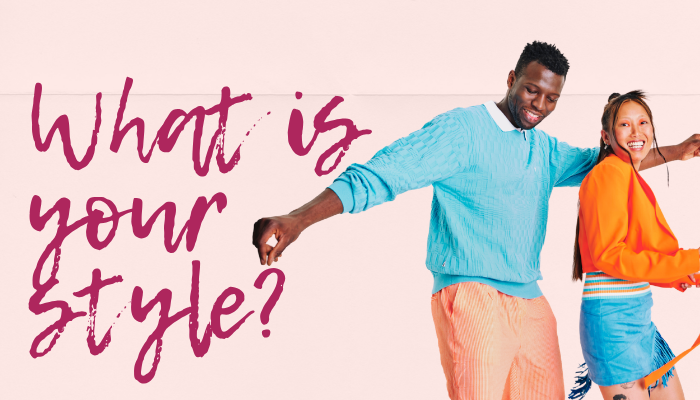
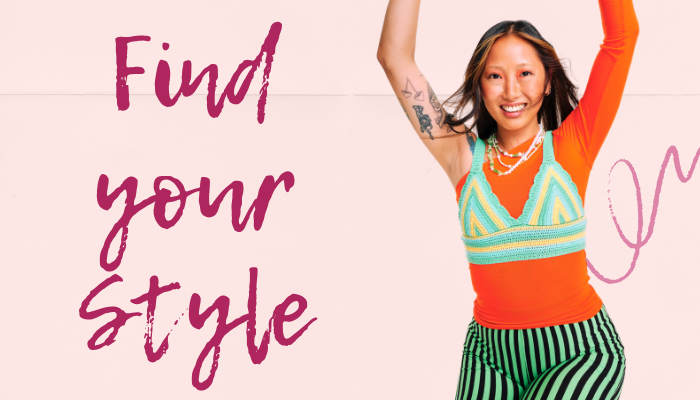
Streetwear is a casual style that became popular worldwide in the 1990s. It started with African-American and Latino hip-hop fashion in New York and surf culture in California. Over time, it picked up influences from sportswear, punk, skateboarding, 1980s trends, and Japanese street fashion.
Many people see streetwear as just urban fashion, but it’s really a bigger cultural movement shaped by youth, music, art, and community. At its core, streetwear is about self-expression and cultural identity. In the last forty years, it has grown from underground scenes to have a big impact on global fashion.
Today, streetwear shapes how people dress around the world, from small indie brands to luxury labels. Because it has such a big impact, it’s worth looking at where it came from, its cultural background, and where it’s headed. Streetwear connects style, community, and cultural identity uniquely.
Modern Streetwear Trends Redefining Global Fashion
Rise of Oversized Fashion and Streetwear Culture:
Some of the main trends in streetwear right now are oversized clothes, simple designs, and creative brand collaborations that push fashion’s limits. Subcultures like skateboarding, hip-hop, and surf culture keep streetwear authentic and influence mainstream styles. These trends show how streetwear lets people tell their own stories and express who they are through their clothing.
Technology and Social Media Fuel Global Streetwear Culture:
Technology and social media have helped streetwear spread quickly around the world. Online platforms let new designers and underground artists share their ideas, breaking down old barriers in fashion. Because of this, luxury brands have begun adopting streetwear styles, creating new looks that blend high fashion with street culture. Trends prioritize sustainability and technological integration.
Sustainability Has Become a Core Streetwear Trend:
Modern streetwear trends focus on sustainability, new technology, and cross-cultural collaboration. Brands are paying more attention to eco-friendly materials, practical designs, and showing a wide range of people in their styles. This shows how streetwear keeps changing while staying true to its roots of self-expression and standing out from the mainstream.
Conscious Consumption Is Changing Fashion:
A central principle of modern streetwear is shifting the fashion landscape from disposable trends toward conscious consumption. This focus extends the movement’s broader evolution, as innovations in sustainable streetwear indicate a significant shift toward environmental accountability and ethical production, challenging conventional manufacturing paradigms.
Eco-Friendly Materials Are Becoming the Industry Standard:
Streetwear brands are using more eco-friendly fabrics like organic cotton, recycled polyester, and new plant-based materials instead of traditional ones. These choices help reduce waste and carbon emissions while keeping clothes comfortable, durable, and stylish. This shows that ethical fashion can look good and work well.
Ethical Production Iis No Longer Optional
Ethical production is now considered a fundamental requirement for streetwear brands rather than an optional luxury. Brands are expected to demonstrate transparency in manufacturing processes, ensure fair treatment and compensation of workers, and uphold social responsibility.
This involves monitoring working conditions, guaranteeing adequate wages, and implementing systems that respect both individuals and the environment.
Leading streetwear brands integrate these values into their design and production processes, moving beyond mere marketing. Accountability and authenticity are increasingly demanded from fashion brands.
Technological advancements enable detailed tracking of material origins, production methods, and environmental impact. As a result, streetwear functions as a platform for social and environmental values, with each garment reflecting responsible creation.
Rise of Streetwear Brands
In the 1990s, streetwear grew from a local subculture into a worldwide fashion movement. Several brands helped shape the look of streetwear and how it was sold during this time.
Some of the most influential early streetwear brands include:
Stüssy
Supreme
BAPE
FUBU
Rocawear
These brands used different business models than traditional fashion labels. Instead of making big seasonal collections, they focused on smaller product drops and limited releases, as mentioned earlier.
This approach made each product launch feel special and exclusive. Streetwear brands also built strong communities by working with musicians, artists, and designers.
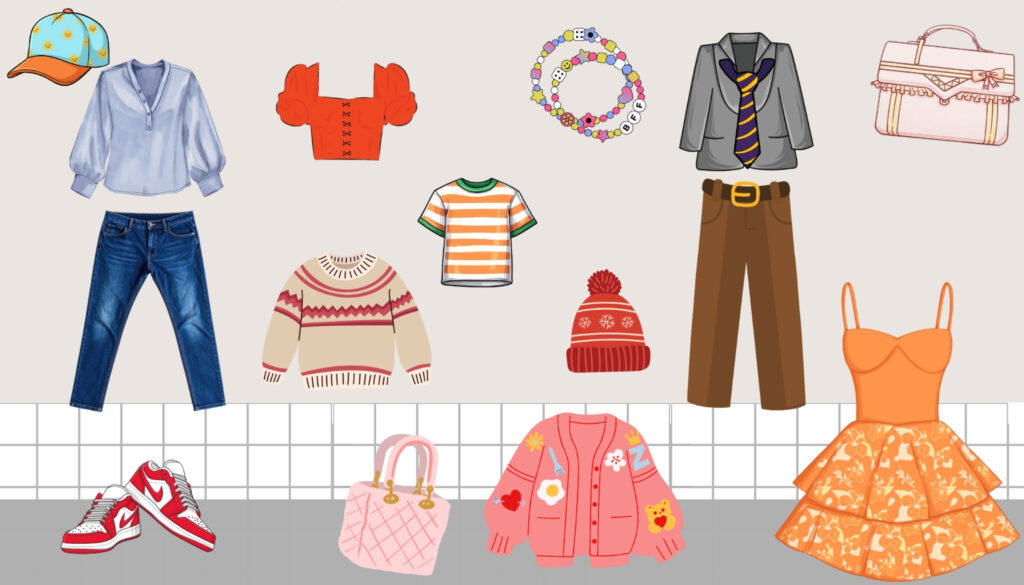
This made each release feel unique and exciting. Good streetwear style is about balance. For example, pair wide trousers with a fitted top, wear an oversized hoodie with a structured jacket, and choose shoes that fit the whole look.
Having a clear style is important, whether you want a skate-inspired look with baggy jeans and a hoodie, a simple outfit with relaxed pants and loafers, or a sporty style with technical jackets and running shoes. Knowing your style helps you put together outfits that look good together.
The best streetwear doesn’t look like a costume. It shows comfort and confidence. This flexibility is why streetwear styles keep changing. Streetwear isn’t just one look; it’s a way to show your taste, culture, and attitude through casual clothes.
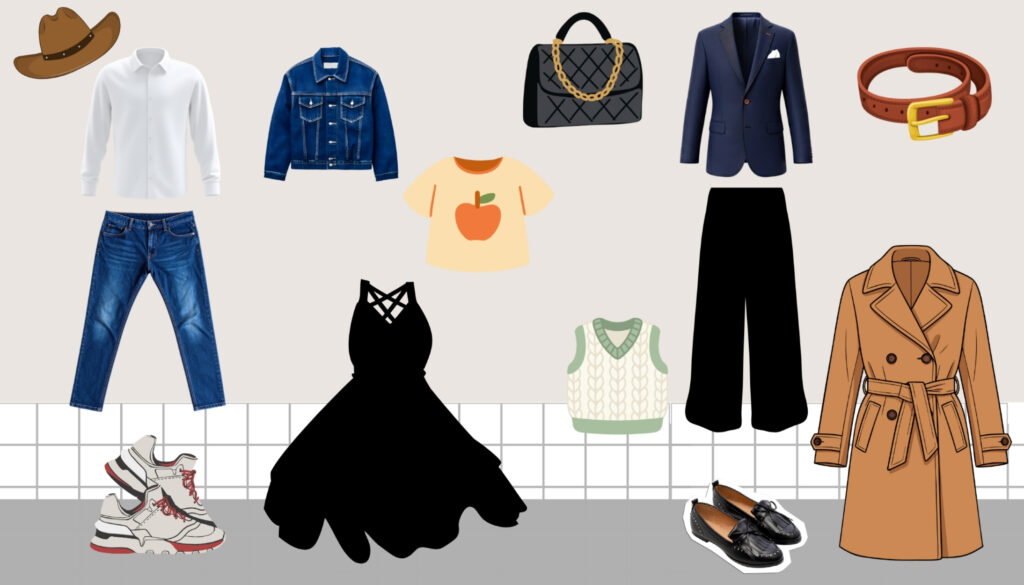
Streetwear usually comes from practical, everyday clothes. Key pieces are hoodies, T-shirts, jeans, cargo pants, sweatpants, overshirts, work jackets, bomber jackets, caps, and relaxed-fit trousers.
Some items stand out, while others are simple, focusing on fit, fabric, color, and shape. For example, a plain white T-shirt, wide trousers, and loafers can show streetwear style just as much as a graphic hoodie and sneakers, as long as you style them with purpose.
You don’t need to wear every streetwear item at once. The goal is to put together an outfit that looks relaxed, modern, and thoughtfully styled.
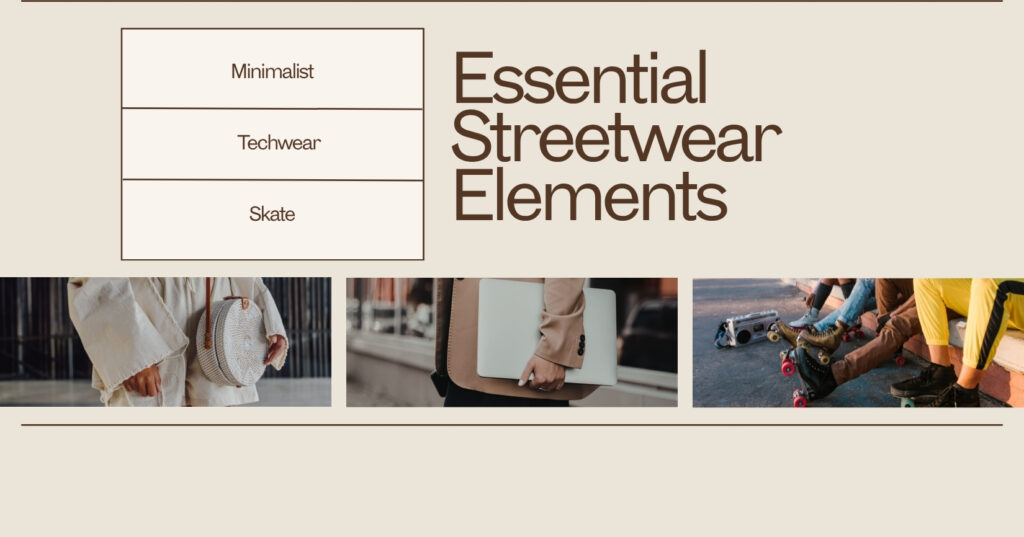
Style
Core Look
Key Pieces
Minimalist
Clean lines, Neutral Colors, No Excess
Plain oversized tees, slim joggers, white sneakers
Authenticity Is More Important Than Being Fashionable: The streetwear culture teaches us that fashion is about showcasing our authenticity rather than just keeping up with the latest trends. In this culture, one is supposed to wear outfits that portray who they are as a person.
Creative Ideas Are More Important than Expensive Clothes: The most valuable lesson one can learn from streetwear is that fashion is not about price tags. Creativity and uniqueness of design and ideas tend to matter more than wearing expensive brands.
Quality Lasts Beyond Trendy Fashion: Contemporary Street fashion fosters responsible shopping rather than trendy shopping. Purchasing timeless, high-quality clothes promotes sustainable fashion and helps build an enduring wardrobe.
Opportunities Created by Digital Platforms: The advent of social media has allowed individual designers and smaller labels to connect with an international audience like never before. The current generation has created a fashion business based on creativity and storytelling, not just sales.
Streetwear Keeps Motivating Fashion’s Future: With the evolution of fashion driven by sustainability, technology, and international cooperation, streetwear continues to inspire the fashion industry, showing how creativity, inclusiveness, authenticity, and culture will always outlast fleeting trends.
For a long time, streetwear remained distinct from fashion and was associated primarily with youth culture, skateboarding, hip-hop, and independent subcultures. In the 2010s, streetwear became very popular worldwide, providing an opportunity for it to evolve beyond its underground origins and impact the fashion industry as a whole.
Thus, the new era began when casual, culture-related fashion started gaining traction on international catwalks.
Visionary Designers Filled the Gaps
Designers such as Virgil Abloh have been influential in merging streetwear and luxury fashion. Virgil Abloh has shown through his Off-White label that streetwear styles can be incorporated into high-quality, luxury fashion.
His position as the Artistic Director of Menswear at Louis Vuitton was a game-changing event that transformed the fashion industry.
Streetwear Characteristics Adopted by Luxury Brands
After this trend emerged, luxury fashion brands began to incorporate typical streetwear features into their clothing lines. Some characteristics, such as loose fits, sneakers, hoodies, graphic patterns, utilitarian styles, and casual tailoring, can now be observed in luxurious collections. Thus, a new fashion language was created to target young customers.
Power of Collaboration in Streetwear Fashion
Collaborations Strengthen Brand Communities
Collaborations are a big part of streetwear’s success. The underground scene is made up of many subcultures that come together as a larger community. Working together helps brands connect with people and grow their communities.
Collaborations also bring in new fans. Big partnerships, like Nike with Michael Jordan or Adidas with Yeezy, can really boost a brand’s reputation.
High-Profile Partnerships Increase Brand Value
Collaborations make brands more credible, increase demand, raise prices, and can even move a brand into the luxury market. Some brands might not be as strong on social media as others, but their creative direction, photography, and strong stories still reach people effectively.
For Off-White, digital platforms are mainly used to create buzz and keep up with new trends, rather than as a core part of the brand.
Celebrity Endorsements Expand Brand Influence
Trends usually start with early adopters, who help spread new styles. Celebrities often follow these trends, whether by thrifting or buying luxury items. For many, staying relevant is more important than personal style.
Celebrities often support brands their fans like, as well as those they personally enjoy. When celebrities see their fans or communities wearing a certain brand, they’re likely to support it too. Their endorsement, in turn, encourages even more people to try the brand.
The Future of Streetwear
Streetwear is constantly evolving instead of losing popularity. It is evolving due to changes in consumers’ needs and preferences as well as cultural and technological changes.
Although streetwear began as a small niche movement among skateboarders and hip-hop artists, it has become a powerful global fashion phenomenon, and its future lies in creativity, authenticity, and community.
An increasing number of independent creators and emerging brands will affect the future of streetwear as a global fashion phenomenon.
With the rise of social media and e-commerce platforms, small and independent brands have an opportunity to promote themselves without assistance from major fashion houses.
Therefore, it is possible to create a brand that will become popular through its unique design, story, and the community it fosters.
Community will become the key characteristic of future streetwear. In contrast to traditional fashion, streetwear is based on shared interests, music, art, sports, and culture.
The brands that will be able to form strong relationships with consumers using collaborations, various events, and storytelling techniques will become popular among consumers, who not only want to buy fashionable clothing but also want to become
Streetwear style is more than just comfortable clothes. It’s a way for people to express who they are and share their stories, often influenced by hip-hop and skate culture.
2. What are the most prominent streetwear trends in 2026?
Some of the top streetwear trends include oversized fits, techwear, minimalism, sustainability, sneakers, and brand collaborations.
3. How has streetwear changed throughout the years?
Streetwear has grown from a niche style to a worldwide trend. It now includes things like sustainability, new technology, and multicultural collaborations.
4. Why is streetwear so popular and so influential?
The popularity of streetwear is based on comfort, uniqueness, and expression. This type of clothing draws on a background of music, skating, hip-hop, and young culture, enabling individuals to express themselves through fashion.
Streetwear became influential due to social networks, celebrity partnerships, limited releases, and the development of individual brands.
5. How is streetwear different from simply wearing casual clothes?
Real streetwear is connected to a certain subculture and has its own style rules. Just picking random clothes is casual dressing. Choosing pieces that fit a cultural style and wearing them together is what makes it streetwear.
6. Is streetwear worn exclusively by young people?
No. Streetwear is for everyone who wants to wear fashionable, comfortable clothes.
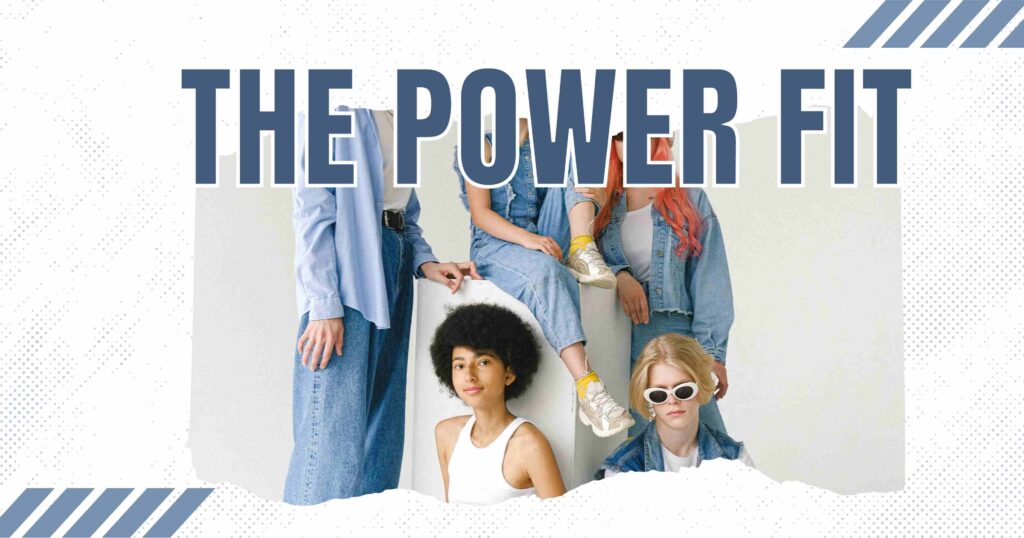
Denim is a timeless wardrobe essential, but the right fit makes all the difference in how it looks and feels. With many styles available, understanding denim fits is the first step to building a wardrobe that suits your body type, lifestyle, and personal style. The right fit enhances comfort, boosts confidence, and ensures versatile styling.
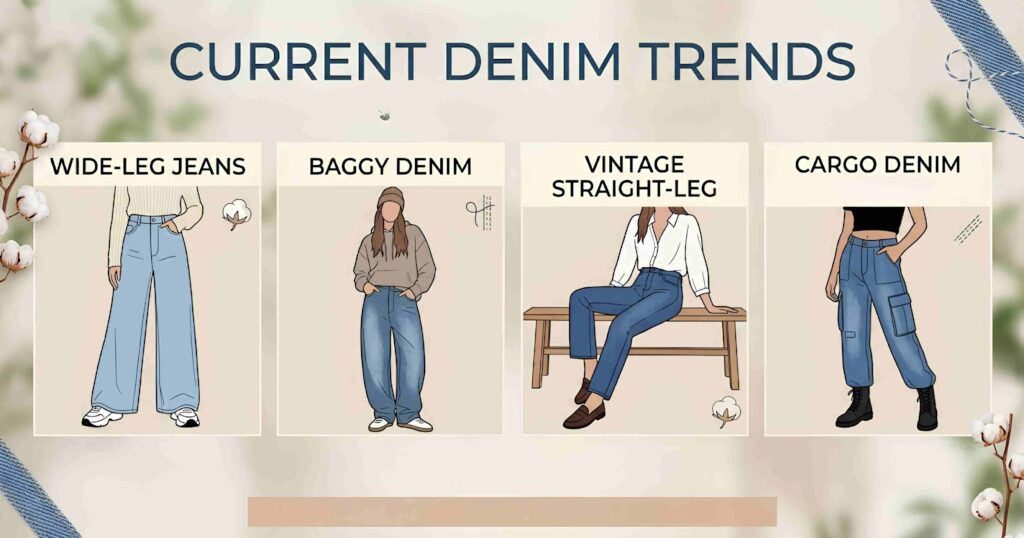
Fashion trends continue to evolve, with relaxed, wide-leg, and vintage-inspired fits dominating the market. Classic slim and straight fits remain wardrobe staples. Denim fit knowledge makes the process of selection easy and enables you to spend your money on clothes which match your body type and personality. It only requires experimenting and creating a collection which meets your needs.
Why Denim Fit Matters
The fit of your jeans determines how they sit on your body, move with you, and complement your shape. A well-fitted pair can elevate your look, while the wrong fit may feel uncomfortable or unflattering.
Whether you prefer casual streetwear, polished smart-casual looks, or everyday basics, choosing the right denim fit matters.
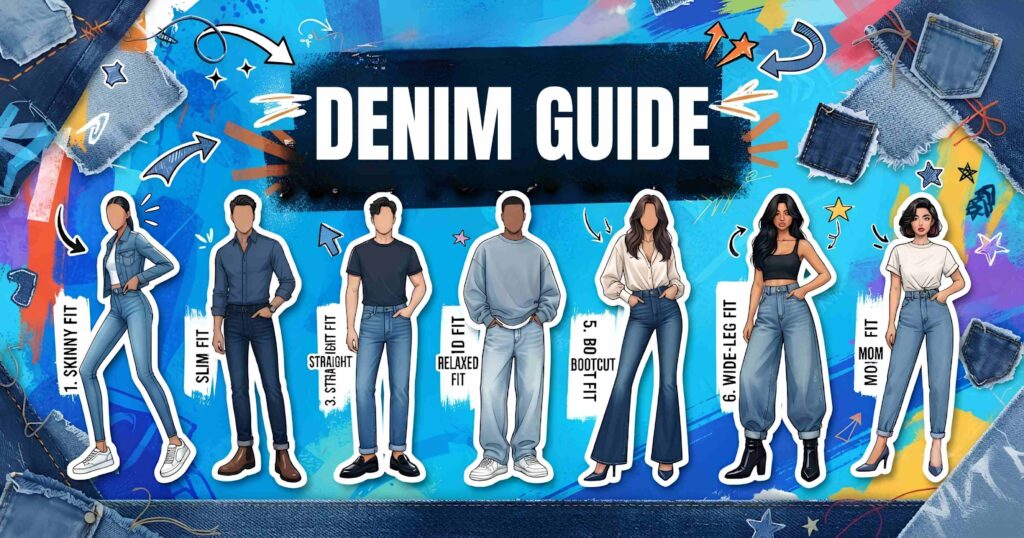
1. Skinny Fit
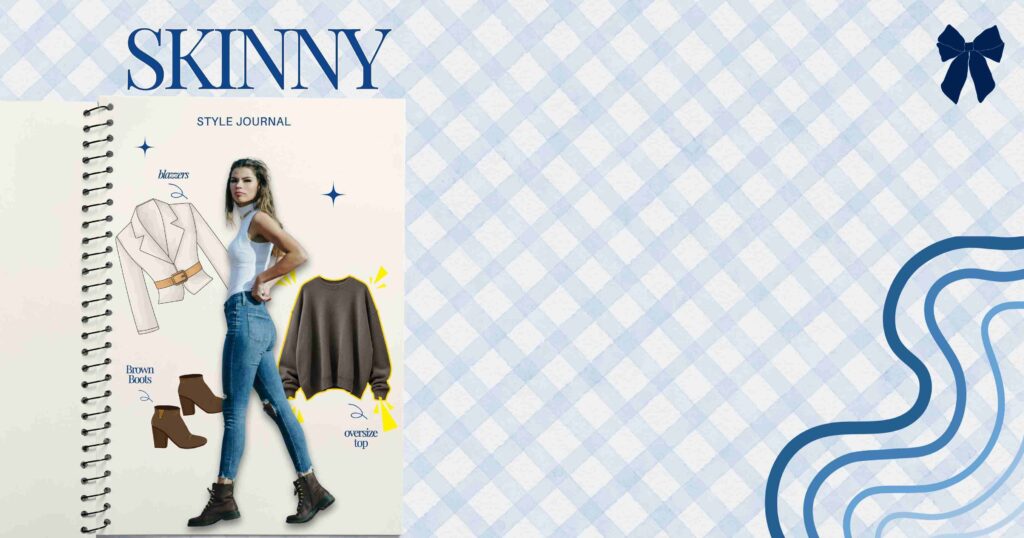
Skinny jeans hug the body closely from waist to ankle, creating a sleek, modern silhouette. They often use stretch fabric for ease of movement and comfort. Skinny fits work well for those who like sharp, body-contoured styles and pair effortlessly with oversized shirts, jackets, and sneakers.
2. Slim Fit
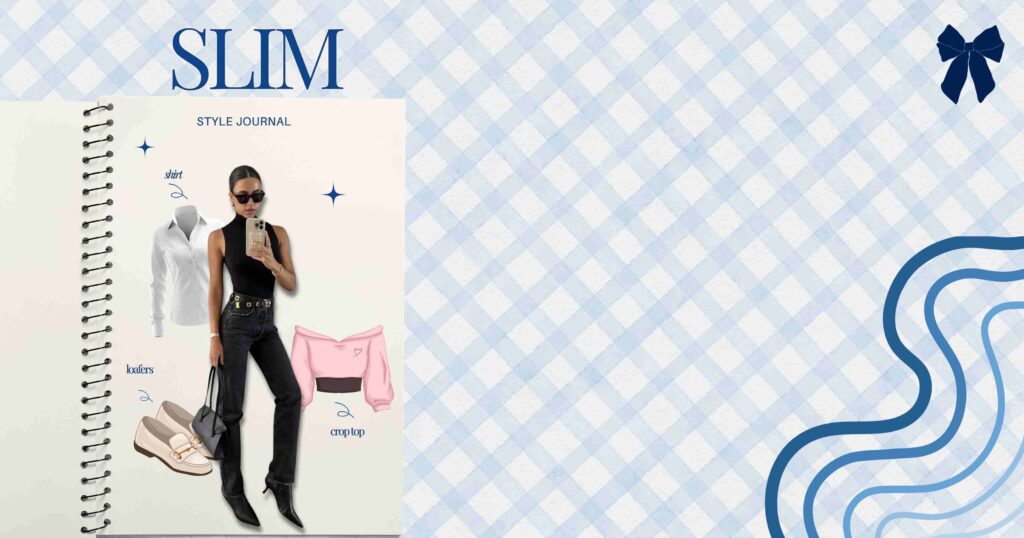
Slim-fit jeans offer a tailored look without feeling tight. They sit closer to the body but allow more room than skinny jeans, especially around the calves. This fit is ideal for those who want a clean, structured appearance while staying comfortable. Slim-fit denim is versatile and works for casual and semi-formal outfits.
3. Straight Fit
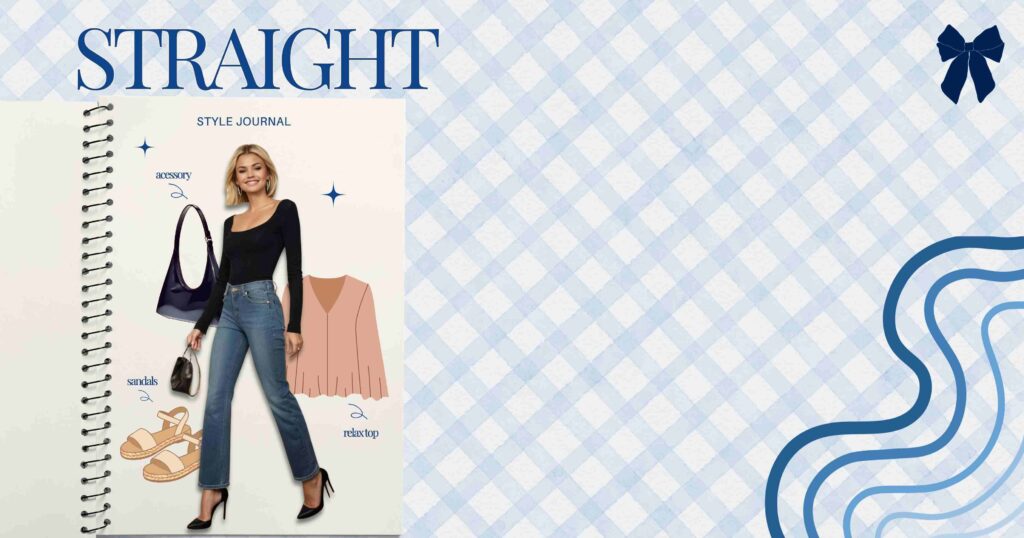
Straight-fit jeans maintain an even width from hip to ankle, making them one of the most classic and universally flattering options. They provide comfort and balance, making them suitable for almost all body types. Straight-fit denim is perfect for everyday jeans and pairs easily with T-shirts, shirts, or jackets.
4. Relaxed Fit
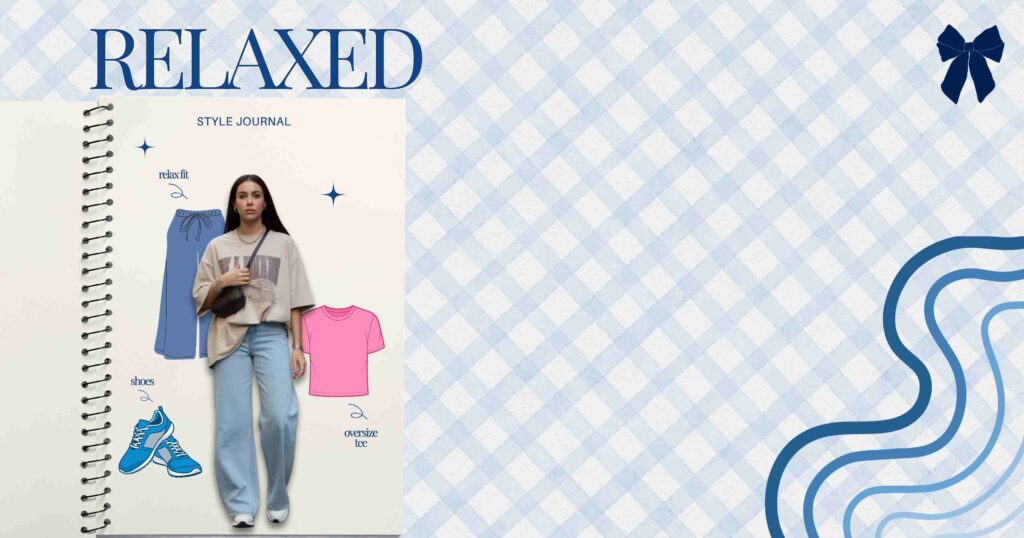
Relaxed-fit jeans offer extra room through the hips, thighs, and legs for comfort. They are ideal for people who prioritize ease of movement and prefer laid-back styling. Relaxed fits have become popular alongside oversized and casual fashion trends.
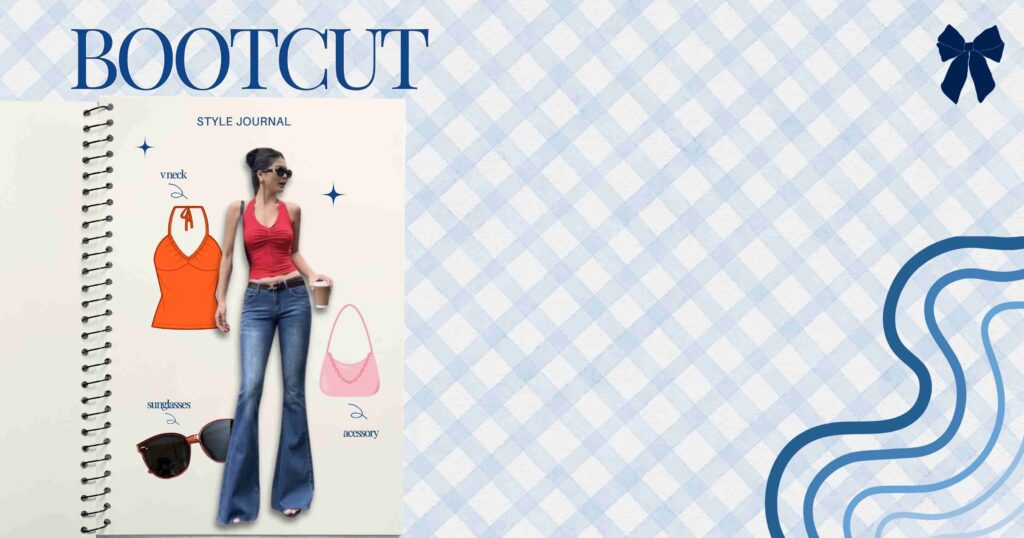
5. Bootcut Fit
Bootcut jeans are fitted around the thighs and slightly flare out from the knee downward. Originally designed to accommodate boots, this fit creates a balanced silhouette and adds a subtle vintage touch to outfits. Bootcut jeans work especially well with heels or boots.
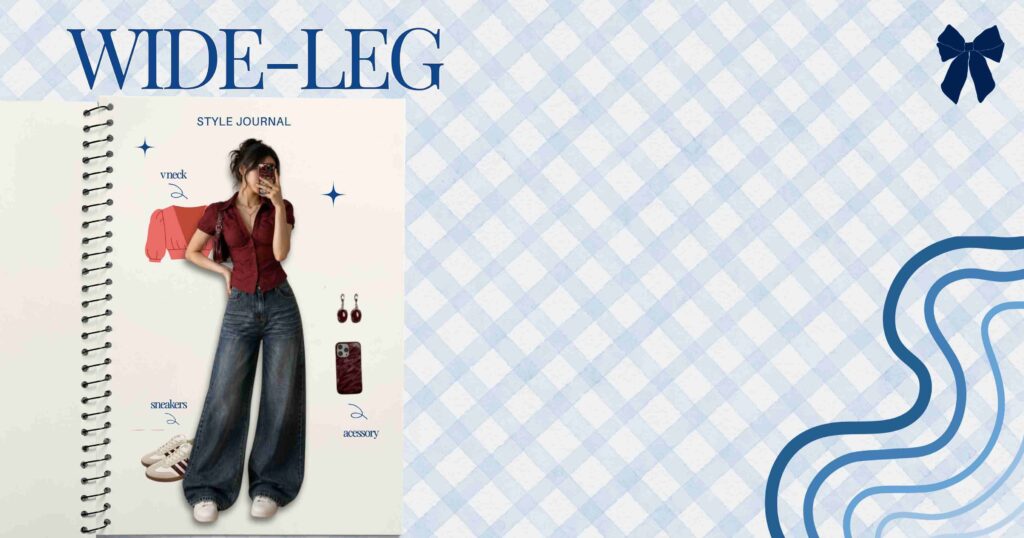
6. Wide-Leg Fit
Wide-leg jeans have a loose fit from the waist down, offering comfort and bold style. This fit is a major trend in modern fashion, especially among younger audiences embracing retro-inspired looks. Wide-leg denim is often styled with cropped tops, fitted shirts, or layered outerwear.
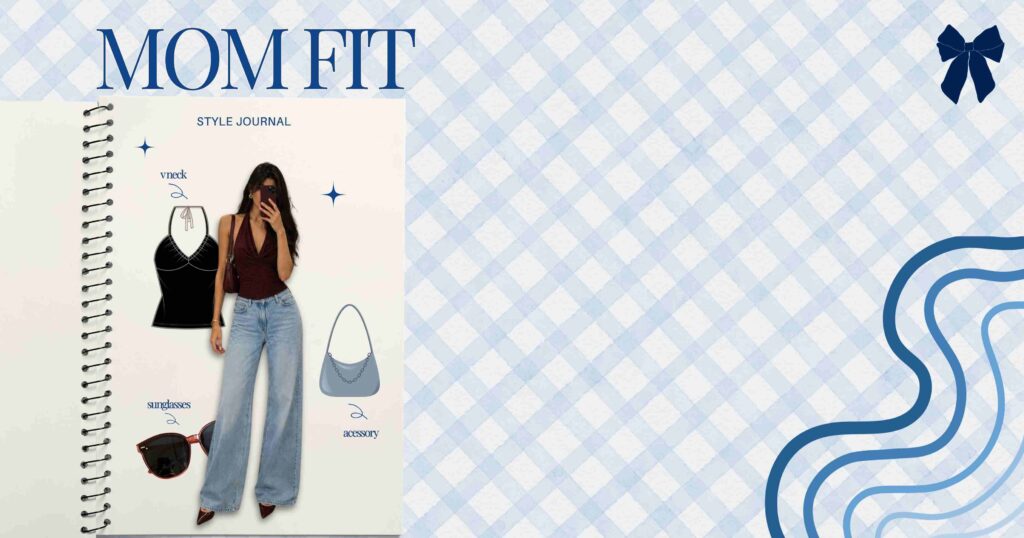
7. Mom Fit
Mom jeans are high-waisted with a relaxed fit through the hips and thighs, tapering slightly toward the ankle. They bring a vintage aesthetic and are loved for their comfort and flattering high-rise shape. Mom-fit denim is a go-to for effortless casual styling.
How to Choose the Right Denim Fit
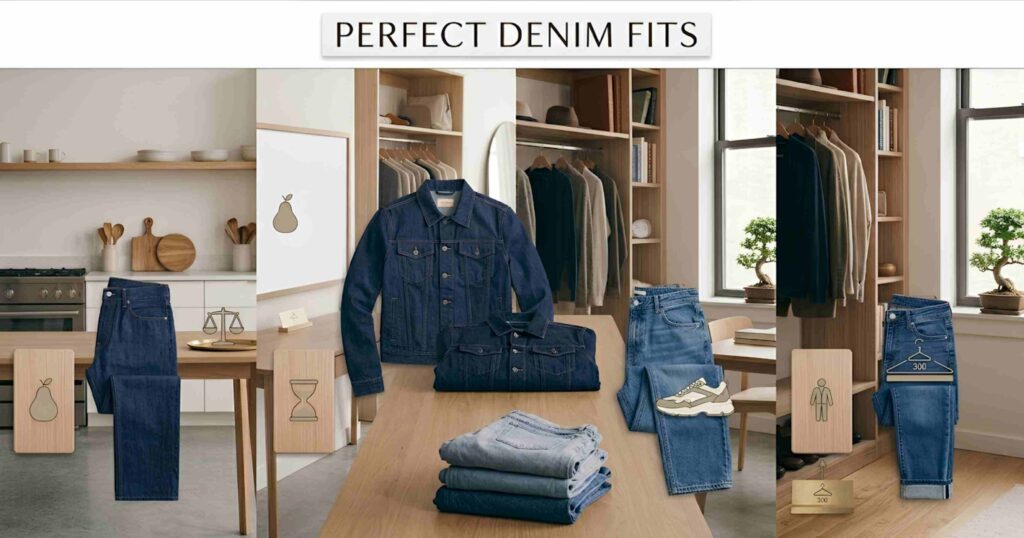
Start by considering which fits complement your body shape.
Consider how much flexibility and room you need.
Match slim or straight fits to polished looks, and relaxed or wide-leg fits to casual wear.
Make sure your fit aligns with your fashion preferences.
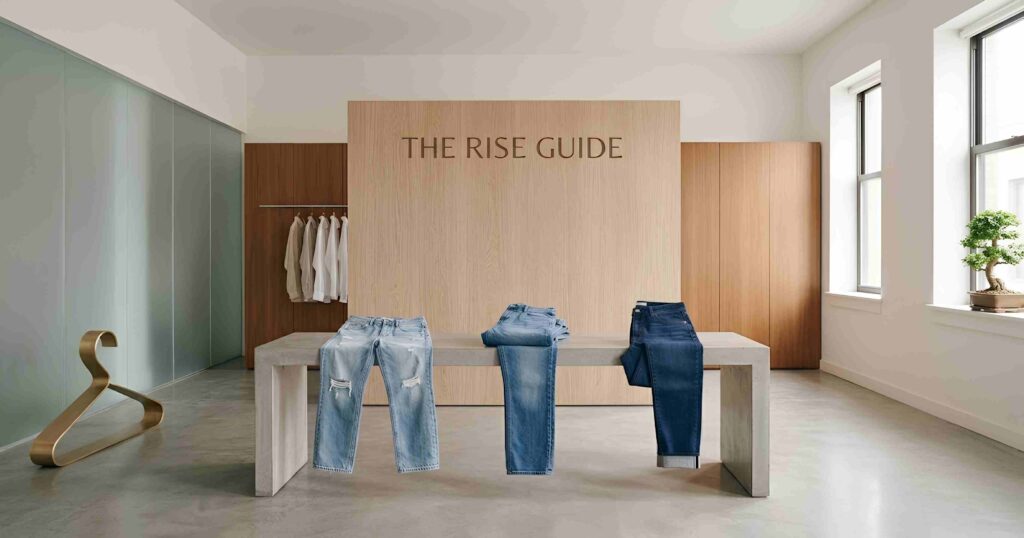
Consider how waist height and ankle length affect the overall look.
Different Denim Fits Explained: A Complete Guide to Finding Your Perfect Pair
Denim has been a wardrobe staple for decades, crossing generations, fashion trends, and lifestyles. From casual streetwear to smart-casual dressing, jeans remain one of the most versatile clothing items anyone can own.
Yet shopping for jeans can feel overwhelming. Walk into any store or browse online, and you will find countless options: skinny, slim, straight, relaxed, bootcut, wide-leg, mom fit, boyfriend fit, and more.
Jeans may come in a variety of styles but do not suit every body shape equally. It is very important to be aware of the various styles of jeans available on the market. Your fit will determine how comfortable you are in your jeans and how good you look in them.
Choosing the right denim fit is more than just following fashion trends. It is about finding a pair that feels good and complements your natural body shape.
The right fit can improve posture, enhance proportions, and make everyday dressing easier.
Here’s why denim fit matters:
1. Comfort Comes First
No matter how stylish a pair of jeans looks, if it feels uncomfortable, it will likely stay unworn. The right fit ensures ease of movement and comfort throughout the day.
2. Better Styling Options
Different denim fits create different silhouettes. Understanding them helps you pair jeans better with tops, jackets, and footwear.
3. Body Shape Enhancement
Some fits can balance your proportions, elongate your legs, or create structure in your overall appearance.
4. Versatility
Knowing which fits work best for you helps you build a wardrobe that transitions between casual and polished looks.
The Most Popular Types of Denim Fits
Skinny Fit Jeans
Skinny-fit jeans are one of the most recognizable denim styles. Designed to hug the body tightly from the waist to the ankle, they create a sleek, fitted silhouette.
These jeans usually contain elastane or spandex for stretch, making them more comfortable despite the close fit.
Best for:
Slim and lean body types
Petite frames
People who prefer sharp, modern outfits
Skinny jeans work well when paired with oversized tops, blazers, and boots. They are ideal for creating a clean and streamlined look. Pair black skinny jeans with ankle boots and a leather jacket for a timeless look.
Slim Fit Jeans
Slim-fit jeans are often confused with skinny jeans, but they offer more room. They sit close to the body without clinging tightly, creating a neat, tailored silhouette while providing greater comfort.
Best for:
Most body types
People who want structure without tightness
Smart-casual outfits
Slim-fit jeans strike the perfect balance between modern and classic, making them a wardrobe essential. Style slim-fit jeans with loafers and a crisp shirt for an elevated casual look.
Straight Fit Jeans
Straight-fit jeans have an even cut from hip to ankle. Unlike slim or skinny fits, they do not taper significantly. This classic fit remains popular because of its versatility and timeless appeal.
Best for:
All body types
Everyday wear
Minimalist wardrobes
Straight jeans are comfortable, easy to style, and universally flattering. Wear straight-fit jeans with white sneakers and a tucked-in tee for an effortless outfit.
Relaxed Fit Jeans
Relaxed-fit jeans are designed for comfort. They provide extra room in the hips, thighs, and legs.
This fit is ideal for those who prefer loose clothing or need greater mobility.
Best for:
Athletic body types
Curvier frames
Casual wear lovers
Relaxed jeans are practical, comfortable, and align with oversized fashion trends. Pair relaxed-fit jeans with chunky sneakers and oversized hoodies for a streetwear-inspired outfit.
Bootcut Jeans
Bootcut jeans are fitted through the thighs and slightly flare out below the knee. Originally designed to be worn over boots, this fit balances the silhouette.
Though rooted in vintage fashion, bootcut jeans continue to make a comeback.
Best for:
Pear-shaped bodies
Taller individuals
Those who like retro fashion
The subtle flare balances wider hips and creates an elongated leg appearance. Wear bootcut jeans with heeled boots for a lengthened, balanced look.
Wide-Leg Jeans
Wide-leg jeans are loose from waist to hem, offering a bold and comfortable silhouette. They are a major denim trend in recent years.
This fit often carries a strong vintage or fashion-forward aesthetic.
Best for:
Taller individuals
Fashion enthusiasts
Those who prefer relaxed dressing
They combine comfort with statement style and work well for creative, trend-focused wardrobes. Pair wide-leg jeans with fitted tops to balance the volume.
Mom Fit Jeans
Mom-fit jeans are high-waisted and relaxed through the hips and thighs, with a slight taper at the ankle.
Inspired by 80s and 90s fashion, they are known for comfort and vintage charm.
Best for:
Hourglass body types
Curvy figures
Casual styling
They accentuate the waist while keeping the lower body comfortable. Style with cropped tops or tucked-in shirts for a flattering silhouette.
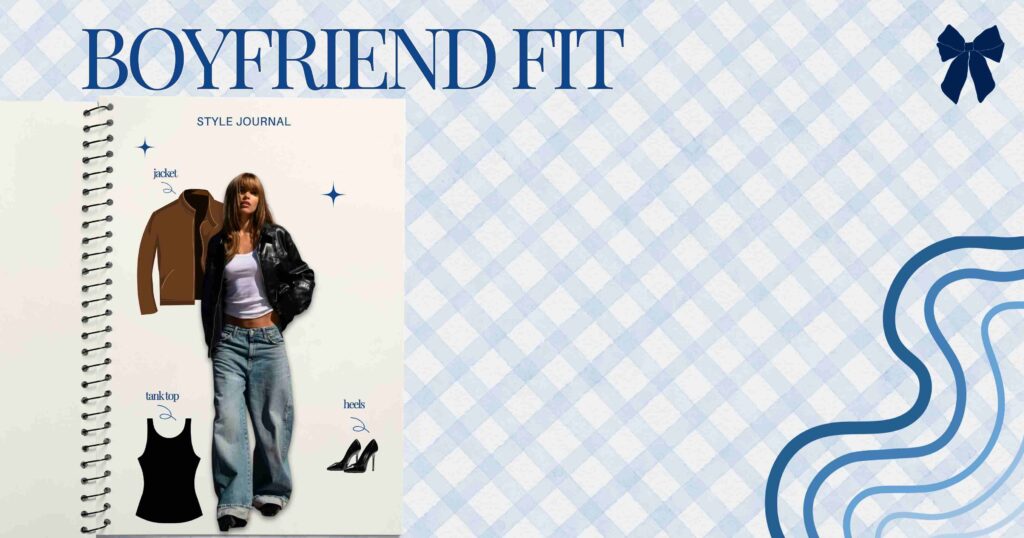
Boyfriend Fit Jeans
Boyfriend jeans are loose, relaxed, and slightly baggy, designed to look like borrowed menswear.
They offer a laid-back, cool aesthetic and prioritize comfort.
Best for:
Casual wardrobes
All body types
Relaxed fashion lovers
They create effortless style and work for everyday wear. Roll up the hem and pair with sneakers for a casual weekend look.
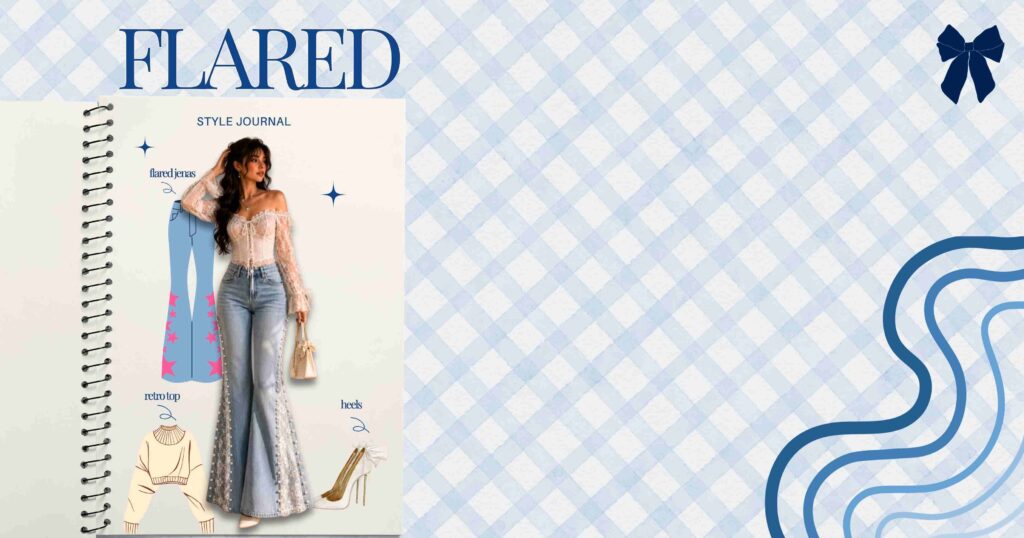
Flared Jeans
Flared jeans are similar to bootcut but feature a more dramatic flare from the knee down. They are iconic for vintage-inspired styling.
Best for:
Tall frames
Retro lovers
Creating dramatic silhouettes
They elongate the legs and add personality to an outfit. Pair with platform shoes for a bold throwback look.
Denim is not just a piece of cloth but an expression of your personality. Knowing how different styles fit on different people will help you in making better fashion decisions and buying things that suit you.
From skinny and slim fits to wide-leg and relaxed silhouettes, each fit offers its own benefits. The best denim fit is not simply the trendiest one; it is the one that makes you feel confident, comfortable, and authentic.
Fashion trends may change, but a great pair of jeans will always remain timeless. The more you understand denim fits, the easier it becomes to build a wardrobe that feels both functional and stylish.
Frequently Asked Questions:
1. How are skinny fit and slim fit jeans different?
Skinny-fit jeans are tight-fitting from the waist down to the ankle, whereas slim-fit jeans have a tailored fit with a little bit of room.
2. Which type of denim fit is the best for everyday wear?
Straight-fit jeans are one of the best choices for everyday wear due to their versatility and comfort.
3. How do I select the right type of denim fit for my body type?
Think about your body shape, personal preference, and style when choosing the right denim fit for your body type.
4. Do wide-leg jeans still remain a trendy item?
Yes. The wide-leg jean trend continues to be one of the most popular ones as they are comfy, give a relaxed look, and even have vintage inspiration.
5. Which type of denim fit is the most comfortable?
Relaxed-fit and boyfriend jeans are known to be the most comfortable because they offer extra room around the hips and legs.
What if you could own fewer clothes but create more outfits than ever before? Although this idea challenges the belief that a larger wardrobe automatically delivers better style, a thoughtfully planned sustainable fashion approach helps you invest in timeless apparel and reduces unnecessary purchases without compromising your personal expression.
Whether you shop for weekend essentials or seasonal collections, making informed decisions creates lasting value while supporting smarter consumption. So, this guide explains how intentional shopping transforms your wardrobe into a versatile and stylish collection. Let’s Dive In.
Key Takeaways
Sustainable fashion is about buying intentionally, choosing quality over quantity, and extending the life of every garment rather than constantly following short-lived trends.
A thoughtfully planned sustainable fashion wardrobe helps you create more outfits with fewer pieces, making daily dressing easier, more stylish, and more cost-effective.
Understanding sustainable fashion fabrics such as organic cotton, linen, recycled fibers, and responsibly sourced materials enables smarter purchasing decisions that prioritize comfort, durability, and longevity.
Evaluating clothing based on Cost Per Wear (CPW), craftsmanship, versatility, and construction quality provides better long-term value than focusing solely on the purchase price.
Building a capsule wardrobe with timeless staples, elevated basics, and versatile investment pieces reduces clutter while maximizing outfit combinations across seasons and occasions.
Simple habits such as performing wardrobe audits, repairing garments, following proper care instructions, and donating or recycling responsibly contribute significantly to wardrobe longevity.
Whether you are a corporate professional, college student, homemaker, or retiree, sustainable fashion principles can be adapted to fit your lifestyle, budget, and everyday clothing needs.
What Is Sustainable Fashion?
Sustainable fashion is basically a conscious process of buying and wearing clothes, caring for them, and eventually disposing of them in the most environmentally friendly way possible.
Unlike fleeting trends that quickly fade from store shelves, sustainable choices focus on timeless silhouettes and elevated essentials that transcend multiple seasons. So, the goal is to balance personal style with smarter purchasing decisions that reduce unnecessary waste and increase long-term wearability.
Consumers are increasingly looking beyond the appearance of clothing and are considering factors such as production methods, material quality, repairability, durability, and overall value across the garment’s lifecycle. Hence, this approach is based on several principles, such as
Key Principles of Sustainable Fashion
Buy fewer but higher-quality garments.
Choose timeless designs instead of short-lived trends.
Extend wardrobe longevity through proper care.
Support responsible manufacturing practices.
Reduce unnecessary textile waste.
Prioritize functionality alongside aesthetics.
Invest in garments with a higher cost per wear (CPW).
Build a curated closet instead of an overcrowded wardrobe.
These principles promote mindful shopping habits and help consumers to build a wardrobe that stays fashionable and flexible throughout shifting seasons.
Why is Sustainable Fashion Becoming More Important?
Global shopping habits have changed dramatically during the past decade because online retail offers unlimited access to clothing collections from thousands of brands worldwide.
Although this convenience benefits consumers, it has also encouraged impulsive buying, duplicate purchases, and wardrobes filled with items that receive very little wear.
Modern shoppers now value quality over quantity because they recognize that smarter purchasing decisions deliver stronger long-term financial and lifestyle benefits.
Several consumer trends continue driving this shift. Sustainable fashion has become more important because
Consumers Want Better Value
Shoppers are now comparing products beyond discounts and evaluating them on several factors, such as a garment’s durability, versatility, construction quality, fabric composition, and long-term performance, before completing a purchase.
An investment piece often costs more initially, yet its fashion ROI becomes significantly higher when worn consistently over several years.
Digital Shopping Has Increased Product Research
Today’s consumers read customer reviews, compare product detail pages, study sizing information, and analyze styling recommendations before making purchasing decisions.
This research-first behavior naturally supports sustainable fashion because informed buyers experience fewer disappointments and lower return rates.
Personal Style Is Replacing Constant Trend Following
Instead of purchasing every seasonal trend forecast introduced by retailers, fashion enthusiasts are now increasingly focusing on developing their style DNA.
A signature style creates confidence and easier outfit coordination while reducing unnecessary wardrobe clutter.
How Does Sustainable Fashion Change the Way You Shop?
Shopping becomes intentional when, instead of satisfying temporary excitement, every purchase serves a clear purpose within your overall wardrobe ecosystem.
Experienced shoppers mostly evaluate how well each item integrates into their existing collection. So, this mindset changes every stage of the purchasing journey.
You Start Planning Before Shopping
Successful shoppers conduct a frequent wardrobe audit before browsing online stores because understanding current wardrobe gaps prevents them from making duplicate purchases and from making impulsive decisions.
Planning creates better shopping outcomes by identifying genuine needs rather than reacting emotionally to promotional campaigns.
You Compare Before Buying
Rather than purchasing immediately, shoppers compare these core attributes:
Fabric quality
Stitching details
Tailoring
Size consistency
Product reviews
Return policies
Care instructions
Outfit versatility
This comparison process improves buying confidence while supporting smarter wardrobe building.
You Evaluate Cost Per Wear
Cost Per Wear (CPW) provides a more accurate measurement of value for those shoppers who exclusively focus on price because durable apparel usually delivers greater returns than inexpensive garments requiring frequent replacement.
For instance, a professionally tailored blazer worn twice every week throughout three years offers substantially greater value than multiple low-quality alternatives worn only occasionally.
You Think About Outfit Rotation
Every new purchase should expand outfit possibilities instead of creating another standalone item that rarely leaves the closet. A versatile garment supports these elements:
This approach maximizes outfit combinations while minimizing unnecessary consumption.
What Makes Sustainable Fashion Fabrics Different?
While evaluating clothing quality, fabric selection represents one of the most important considerations because materials directly influence durability, comfort, maintenance, and environmental impact.
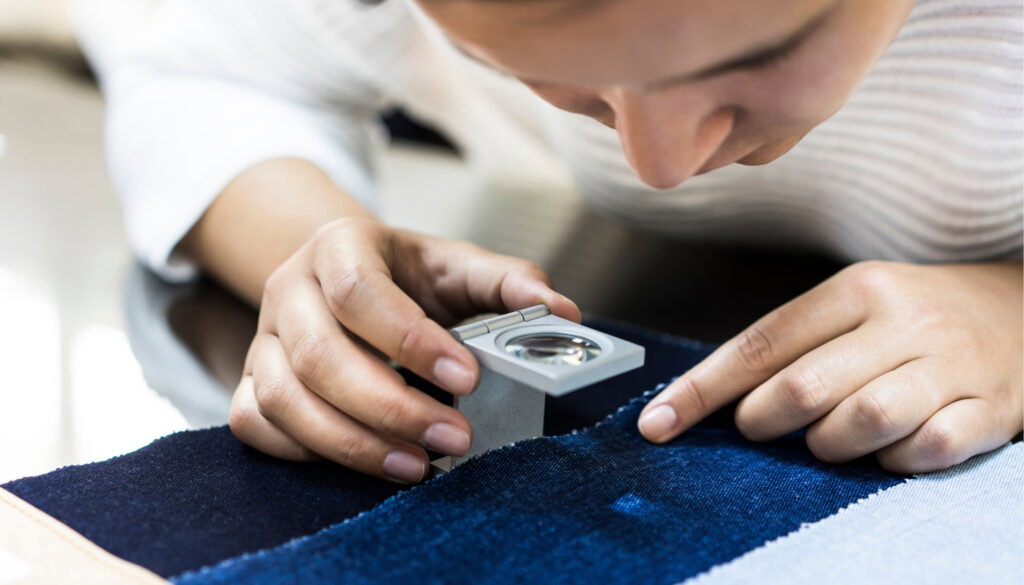
High-quality textiles generally retain their appearance longer and withstand repeated washing without excessive deterioration. Understanding sustainable fashion fabrics helps consumers make informed purchasing decisions based on performance rather than marketing language alone.
Natural Fibers
Speaking of natural fibers, they are popular as they provide excellent breathability and timeless appeal. The common examples include
Organic cotton
Linen
Hemp
Responsibly sourced wool
These materials frequently support wardrobe longevity through durability and everyday wearability when properly maintained.
Recycled Materials
Nowadays, innovations in modern textiles allow manufacturers to transform their existing materials into new garments using recycled fibers without sacrificing functionality or comfort. For instance, recycled polyester and regenerated nylon help in reducing dependence on virgin raw materials.
Innovative Cellulosic Fabrics
Materials such as TENCEL™ Lyocell continue gaining popularity because they combine softness, moisture management, and excellent drape with responsible manufacturing practices. Their versatility makes them suitable for contemporary apparel, elevated basics, and seasonless dressing.
Fabric Quality Matters More Than Labels
The horizons of responsible shopping extend beyond reading marketing claims, as construction quality remains equally important. Before purchasing online, it is prudent to examine:
Fabric composition
Stitch density
Product close-up images
Care instructions
Customer reviews
Garment structure
Tailoring quality
Manufacturer transparency
These indicators provide stronger insights into long-term garment performance than promotional descriptions alone.
How to Build a Sustainable Fashion Wardrobe?
Building a sustainable fashion wardrobe does not require replacing your garments overnight because gradual improvements create lasting habits without placing unnecessary pressure on your budget.
Hence, the most effective wardrobes evolve through careful planning, thoughtful purchasing, and consistent outfit rotation that supports daily activities across work, travel, social occasions, and seasonal changes.
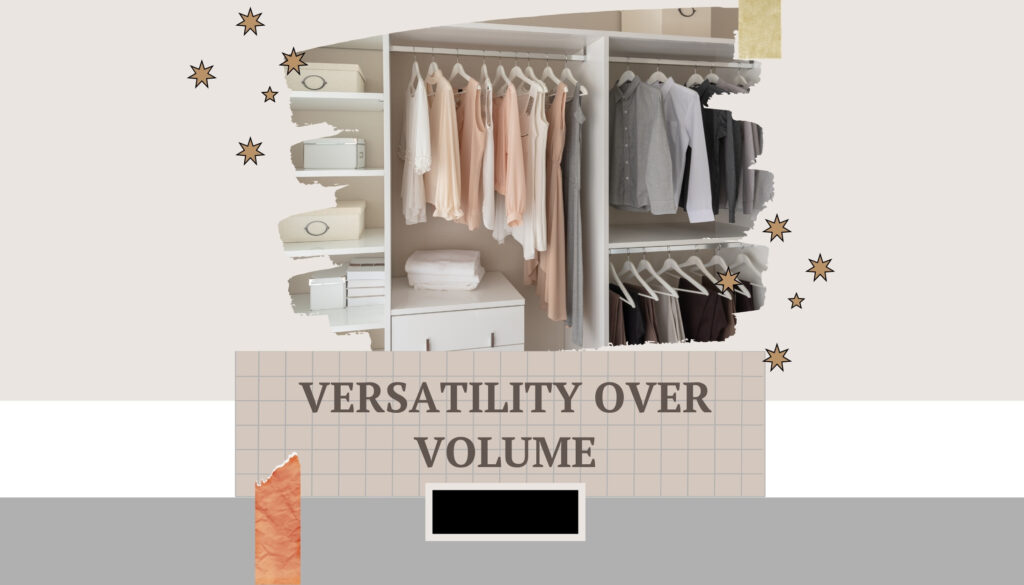
A curated closet focuses on versatility rather than volume, which ensures every garment contributes meaningfully to your overall style ecosystem.
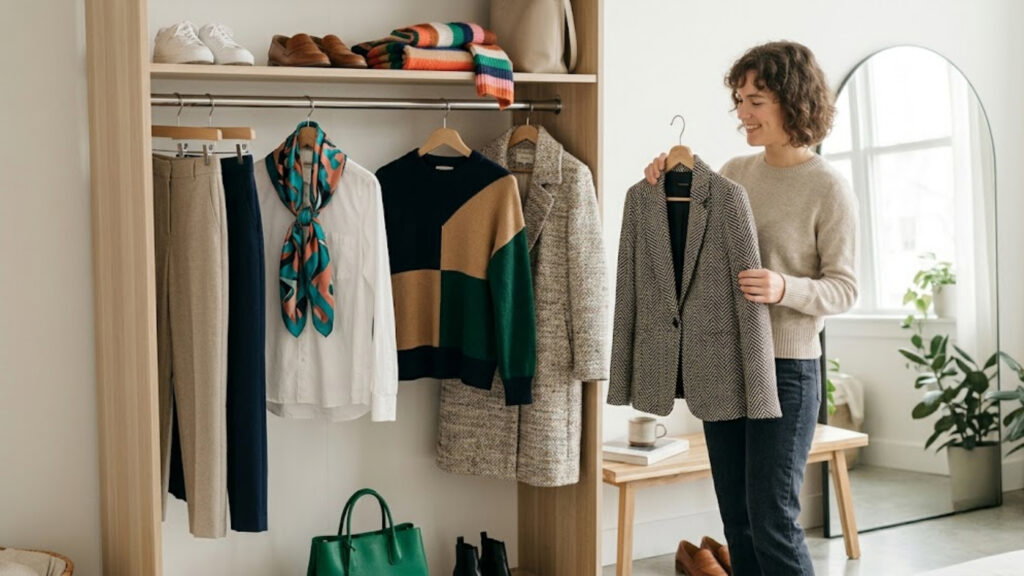
Start with a Wardrobe Audit
A general wardrobe audit reveals what you already own, helping you identify useful staples, duplicate purchases, and genuine wardrobe gaps before shopping again. For this, you must review these categories individually.
After your supervision, you can separate each item into four categories:
Wear regularly
Needs repair
Donate or recycle
Seasonal storage
This exercise helps you appreciate existing pieces while reducing unnecessary future purchases.
Build Around Core Basics
Every successful wardrobe begins with elevated essentials that serve as reliable foundations for multiple outfit combinations throughout the year. Examples of these include:
These investment pieces simplify daily dressing naturally with statement garments and seasonal additions.
Create an Outfit Formula
Professional stylists frequently recommend developing an outfit formula because consistent combinations reduce decision fatigue while maintaining visual balance. They recommend
An outfit formula allows you to mix and match confidently without purchasing unnecessary clothing.
Why Does a Capsule Wardrobe Support Long-Term Style?
A capsule wardrobe represents one of the most practical applications of sustainable dressing because every item complements multiple garments within the collection.
Rather than owning hundreds of unrelated pieces, shoppers curate a smaller wardrobe emphasizing functionality, coordination, and timeless appeal.
Benefits of a Capsule Wardrobe
Simplifies daily outfit selection
Encourages outfit-repeat confidence
Reduces closet clutter
Supports seasonless dressing
Improves fashion longevity
Increases wardrobe versatility
Minimizes impulse shopping
Instead of chasing every seasonal fashion cycle, you focus on timeless silhouettes and elevated basics that remain stylish year after year.
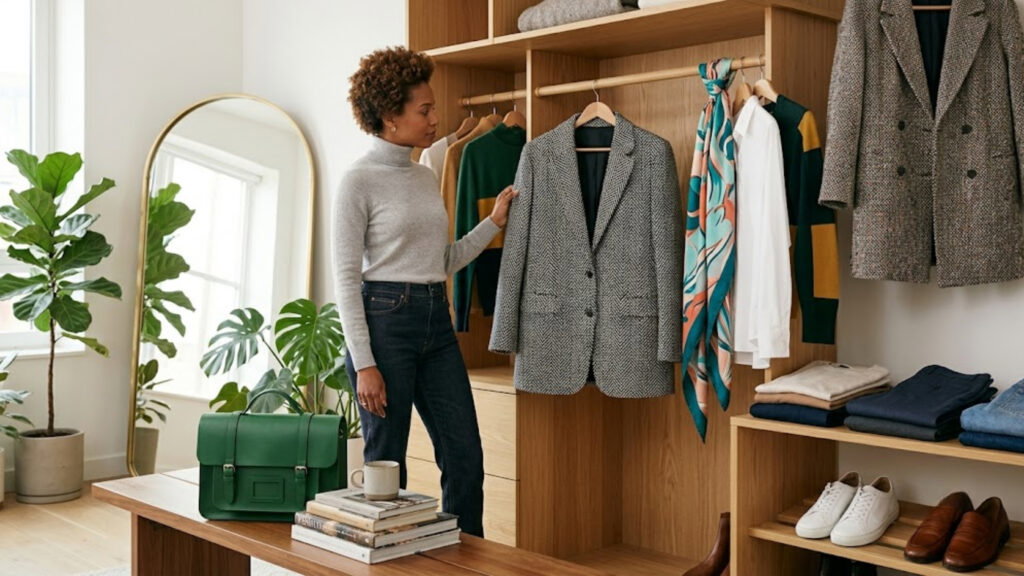
Balance Statement Pieces and Essentials
A balanced wardrobe combines dependable staples with carefully selected focal pieces that express personality without overwhelming versatility. Examples of statement items include:
Printed blazer
Color-blocked knitwear
Patterned scarf
Bold handbag
Textured overcoat
These garments refresh familiar outfits while maintaining overall wardrobe coordination.
What Should You Look for Before Buying Sustainable Fashion Clothes?
Online shopping removes the opportunity to physically inspect garments, which has made product evaluation more important than ever before. Smart shoppers examine several quality indicators before adding apparel to their shopping cart.
Study Product Detail Pages Carefully
A comprehensive product page should explain:
Fabric composition
Care instructions
Country of manufacture
Size guidance
Construction details
Available colors
Product measurements
Transparent product descriptions help shoppers make informed purchasing decisions while reducing unnecessary product returns.
Read Customer Reviews Strategically
Instead of focusing exclusively on star ratings, evaluate detailed customer experiences, discussing:
Fabric durability
Color consistency
Shrinkage
Stitching quality
Fit accuracy
Comfort
Long-term wear
Reviews from repeat buyers often provide valuable insights unavailable within product descriptions.
Construction quality directly influences how long clothing maintains its original appearance.
Prioritize Versatility
Before purchasing, ask practical questions.
Can this garment work across multiple seasons?
Does it coordinate with existing clothing?
Can it support layering techniques?
Will I wear it regularly?
Does it complement my signature style?
Positive answers will surely increase the value of your wardrobe.
How Does Sustainable Fashion Shopping Save Money?
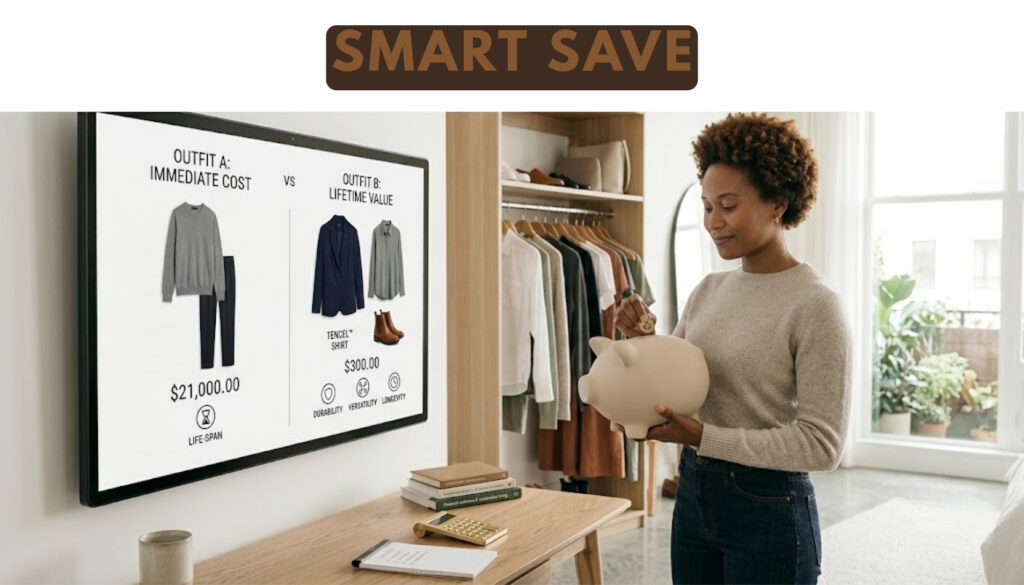
Some consumers believe sustainability always increases clothing expenses as premium garments often carry higher initial prices. However, experienced stylists evaluate clothing through lifetime value rather than immediate purchase cost.
Cost Per Wear Creates Better Value
Fashion professionals frequently calculate cost per wear (CPW) using a simple principle.
Purchase Price ÷ Number of Times Worn = Cost Per Wear
This means a $180 blazer worn 300 times delivers significantly greater value than three inexpensive alternatives replaced every season. Lower CPW reflects smarter shopping rather than cheaper shopping.
Fewer Impulse Purchases
Intentional purchasing naturally reduces unnecessary spending because every new garment fills a clearly identified wardrobe need. Instead of reacting to discounts, shoppers evaluate functionality, coordination, and long-term usefulness
Better Clothing Requires Fewer Replacements
High-quality apparel typically retains these features:
Shape
Color
Stitching
Structure
Comfort
Appearance
Long-lasting garments reduce replacement frequency while supporting wardrobe longevity.
Smarter Seasonal Planning
Experienced shoppers purchase transitional clothing that works across changing weather instead of buying entirely new wardrobes every season.
Examples include:
Lightweight knitwear
Layering jackets
Neutral overshirts
Timeless denim
Versatile boots
Seasonless dressing improves overall shopping efficiency, and it also reduces unnecessary consumption.
How Can Different Age Groups Practice Sustainable Style?
Although sustainability follows universal principles, wardrobe priorities vary according to lifestyle, profession, and daily responsibilities.
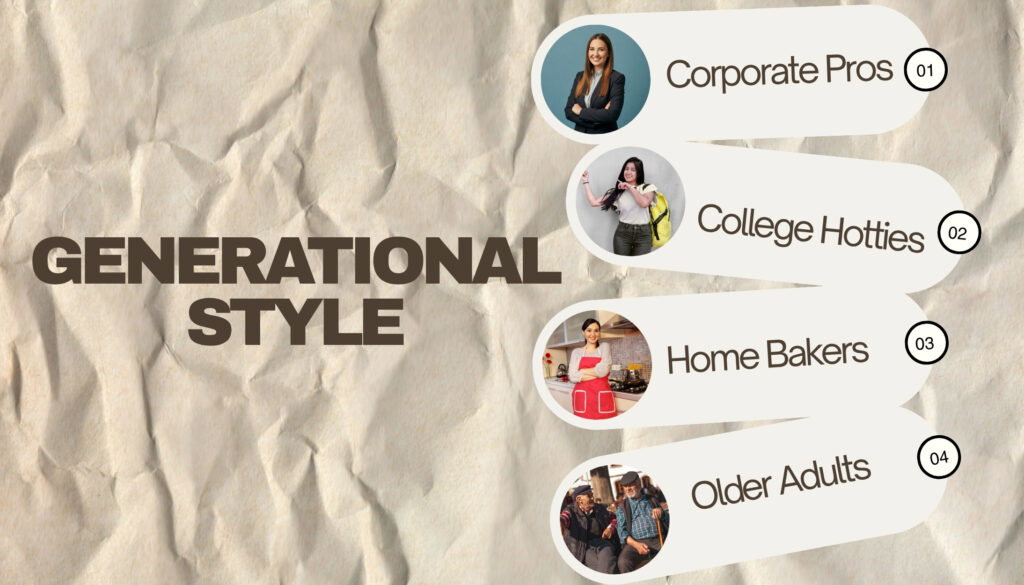
Corporate Professionals
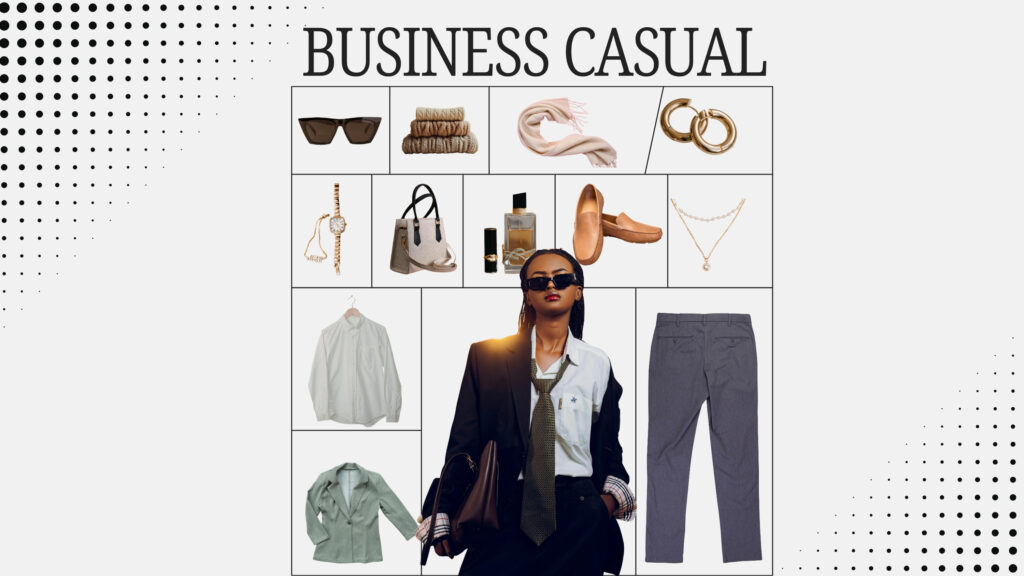
Professionals benefit from investing in business casual staples that transition smoothly between office meetings, networking events, and after-work gatherings. Recommended investments include:
These garments maximize outfit rotation while maintaining professional credibility.
College Students
Students often balance limited budgets with evolving personal style. Their priorities should include:
Durable denim
Comfortable sneakers
Layering pieces
Versatile jackets
Everyday backpacks
Thoughtful purchasing allows students to experiment with aesthetics without excessive spending.
Homemakers
Comfort and practicality frequently guide purchasing decisions for household responsibilities and social activities. Useful wardrobe staples include:
Breathable cotton tops
Stretch trousers
Comfortable cardigans
Lightweight dresses
Functional footwear
Versatile apparel simplifies daily dressing while maintaining a polished appearance.
Older Adults
Timeless tailoring, comfort, and quality fabrics often become more valuable than rapidly changing trends. Recommended essentials include:
Soft knitwear
Structured outerwear
Comfortable loafers
Relaxed tailoring
Wrinkle-resistant shirts
These garments deliver elegance while supporting everyday functionality.
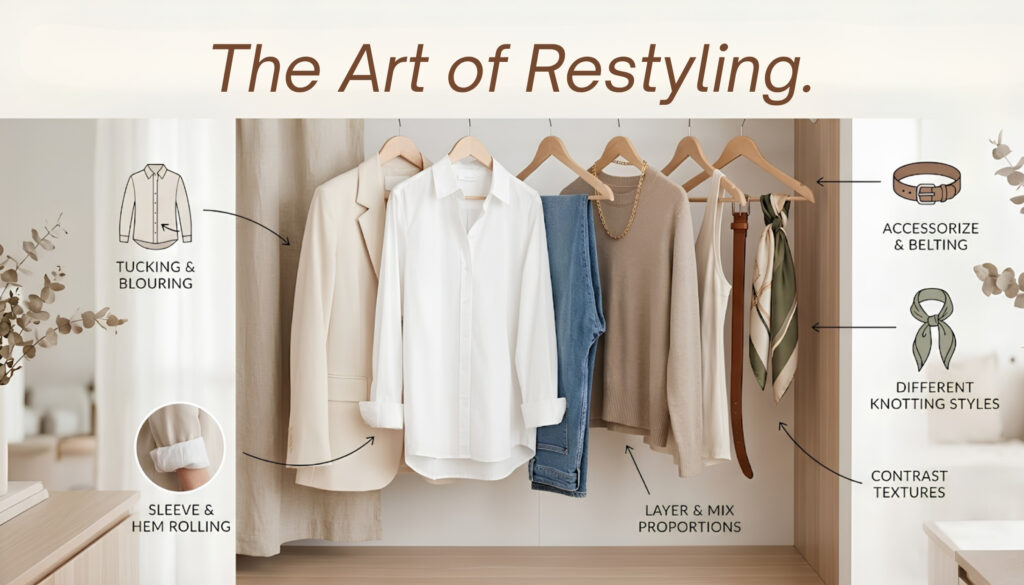
Styling Techniques That Extend Wardrobe Longevity
Professional stylists rarely rely upon constant shopping because styling techniques continuously refresh existing wardrobes. Simple adjustments create entirely new visual impressions.
Practice Smart Layering
Layering adds depth, texture, and versatility throughout changing seasons. Examples include:
Shirt under knitwear
Blazer over polo
Overshirt above T-shirt
Lightweight jacket with hoodie
Smart layering maximizes clothing usage throughout the year.
Experiment with Monochrome Dressing
Single-color ensembles create sophisticated visual balance while allowing different textures to become the focal point. Monochrome styling also simplifies outfit coordination.
Use Color Blocking Carefully
Color blocking introduces personality without overwhelming the overall ensemble. Neutral foundations paired with one accent color often produce balanced contemporary outfits.
Refresh Looks Through Accessories
Instead of purchasing new clothing regularly, update familiar outfits using:
Accessories provide affordable wardrobe refresh opportunities while extending outfit variety.
Common Myths About Sustainable Fashion
Despite growing awareness, several misconceptions prevent shoppers from adopting a more intentional approach to clothing. Understanding the facts helps consumers make informed decisions rather than relying on outdated assumptions. These are some common myths about sustainable fashion:
Myth 1: Sustainable Clothing is Always Expensive
Higher prices do not automatically define sustainability. Many brands now offer thoughtfully designed garments at accessible price points while emphasizing durability, responsible manufacturing, and wardrobe versatility.
When evaluated through Cost Per Wear (CPW), well-made apparel often delivers greater long-term value than repeatedly replacing lower-quality alternatives.
Myth 2: Sustainable Style is Boring
A timeless wardrobe does not mean a dull wardrobe. Contemporary collections combine modern silhouettes, texture play, color blocking, statement pieces, and elevated basics to create stylish ensembles that remain relevant across changing fashion cycles.
Myth 3: You Must Replace Your Entire Closet
One of the biggest misconceptions is believing that sustainability begins with discarding everything you own. In reality, the most sustainable garment is often the one already hanging in your wardrobe. Wearing existing clothes longer supports conscious consumption while reducing unnecessary waste.
Myth 4: Only Natural Fabrics Are Sustainable
Natural fibers provide many benefits, but innovation has introduced responsibly produced recycled fibers and regenerated materials that also reduce environmental impact. Evaluating quality, durability, and responsible sourcing offers a more balanced perspective than focusing on fiber type alone.
Myth 5: Sustainability Means Giving Up Trends
You can still enjoy contemporary fashion while shopping intentionally. Instead of purchasing every seasonal release, choose trend-inspired pieces that complement your existing wardrobe and maintain long-term wearability.
Practical Tips to Make Sustainable Fashion Shopping Part of Everyday Life
Creating lasting shopping habits begins with small, consistent decisions rather than dramatic lifestyle changes. These practical strategies help every shopper build confidence before making the next purchase.
These practical tips will enhance your shopping experience in daily life:
Shop with a Shopping List
Treat clothing purchases like grocery shopping by identifying genuine wardrobe needs before browsing online collections. A clear shopping list minimizes impulse buying and keeps spending aligned with your long-term style goals.
Follow the 30-Wear Rule
Before completing a purchase, ask yourself whether you can realistically wear the garment at least thirty times. This simple question encourages thoughtful buying while improving wardrobe longevity and reducing unnecessary consumption.
Learn Basic Garment Care
Proper maintenance extends the life of every garment.
Wash according to care labels.
Avoid unnecessary washing.
Air dry whenever practical.
Store garments correctly.
Repair minor damage early.
Simple care habits preserve craftsmanship and maintain garment performance for years.
Donate, Resell, or Recycle Responsibly
When clothing no longer serves your lifestyle, explore responsible alternatives instead of sending garments to landfills. Options include:
Local donation centers
Clothing resale platforms
Textile recycling programs
Community clothing swaps
Brand take-back initiatives
These practices support circular fashion while reducing textile waste.
Make Every Purchase Intentional
Before clicking “Buy Now,” consider five questions:
Does this fill a wardrobe gap?
Can I style it with multiple outfits?
Will I enjoy wearing it next year?
Is the construction durable?
Does it align with my personal style?
Intentional shopping consistently leads to smarter purchasing decisions.
Frequently Asked Questions
How can I identify genuinely sustainable clothing instead of marketing claims?
Look beyond promotional labels by reviewing fabric composition, construction quality, manufacturing transparency, care instructions, and customer reviews.
Brands that openly discuss responsible sourcing, product durability, repairability, and supply chain practices generally provide greater confidence than vague sustainability statements without supporting information.
Which garments should I prioritize first when building a sustainable wardrobe?
Begin with versatile core basics that receive frequent wear, including quality shirts, tailored trousers, denim, neutral knitwear, outerwear, and comfortable footwear.
These pieces form the foundation of countless outfit combinations, allowing future purchases to integrate naturally into your wardrobe instead of creating isolated looks.
Does sustainable shopping reduce online clothing returns?
Yes. Researching sizing, reading detailed product descriptions, examining customer reviews, and comparing fabric specifications before purchasing helps consumers choose more accurately. Better-informed decisions often reduce unnecessary returns while creating a more satisfying shopping experience and lowering transportation-related environmental impacts.
How does cost per wear influence better clothing decisions?
Cost Per Wear measures value by dividing a garment’s purchase price by the number of times it is worn. Clothing with higher durability, timeless styling, and greater versatility usually achieves a lower cost per wear, making it a smarter long-term investment despite a higher initial purchase price.
Can sustainable fashion work for people who enjoy seasonal trends?
This approach allows shoppers to refresh their style without replacing entire wardrobes, creating flexibility while maintaining wardrobe longevity and reducing unnecessary consumption.
Build a Smarter Wardrobe That Lasts
Choosing sustainable fashion is less about following strict dogmas and more about making informed decisions that improve both your wardrobe and your shopping experience. Investing in versatile garments, understanding sustainable fashion fabrics, building a thoughtful sustainable fashion wardrobe, selecting durable sustainable fashion clothes, and practicing intentional sustainable fashion shopping help you create lasting value while expressing your personal style with confidence.
As shopping increasingly begins with research, having the right guidance becomes invaluable. This is where Ninee.ai adds meaningful value. It supports shoppers during the pre-purchase phase, when they are still exploring options, comparing products, and evaluating features before making a purchase.
Whether you are building your first capsule wardrobe, refreshing your professional attire, or making smarter everyday clothing choices, informed decisions always lead to better outcomes. So, if you are ready to shop with greater confidence, explore smarter product discovery with Ninee.ai and make every wardrobe investment a thoughtful one before your next purchase.
Streetwear fashion is one of the most influential and versatile trends in the fashion industry today. Streetwear champions simplicity and functionality with a hint of resistance. Rooted in youth culture, it is a way for people to express their personality and creativity through clothing.
As a rule, this style is characterized by oversized T-shirts, fashionable hoodies, sneakers, and baggy clothes.
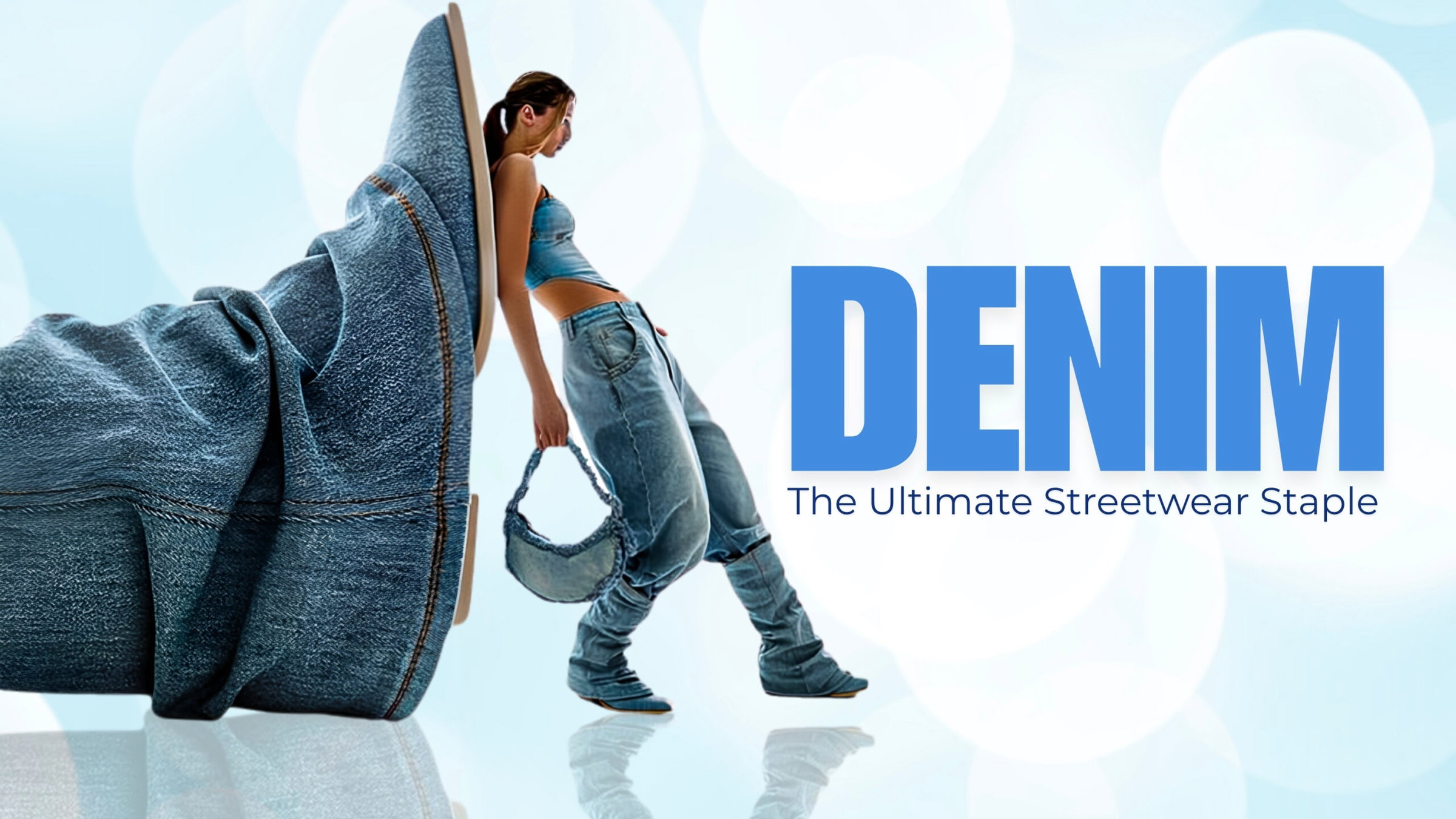
The story of denim in streetwear is central to that evolution. This style is closely related to urban fashion and self-expression. It is connected to various subcultures that emerged in the late 20th century. Over the years, new ideas and changes have made it more important. Innovations through the decades added to its growing importance.
Streetwear fashion is taking the fashion world by storm, and it’s important to know how to style outfits that capture the movement’s essence. Street style blends casual wear and bold statements. It’s about comfort, attitude, and individuality. Streetwear comes from subcultures like skateboarding, hip-hop, and graffiti art.
Denim has progressed beyond category; it is now a global market force. From premium fashion labels to mainstream streetwear brands, demand for denim continues to grow. In the late 1980s, denim became essential to streetwear.
People were seeking more comfortable and casual clothing. Denim entered streetwear fashion with brands like Tommy Hilfiger. These brands capitalized on the growing popularity of loose-fitting, baggy denim styles that appealed to youth culture.
Denim as a Symbol of Self-Expression in Streetwear
Denim evolved beyond its utilitarian function to serve as a symbol of authenticity and individuality within urban fashion. From classic cuts to modern hybrids, streetwear evolved into the 21st century with activewear and athleisure trends reshaping denim.
This era saw the rise of denim hybrids like jeggings and joggers, combining denim’s appeal with comfort and flexibility. These styles provide streetwear enthusiasts with the traditional aesthetic of denim, combined with the comfort and functional benefits characteristic of contemporary activewear.
Today, denim is a key element of streetwear fashion, offering endless possibilities for individual expression and creativity within the community. Building on its roots in early hip-hop culture, it has become a staple of urban fashion, reflecting streetwear’s ability to adapt to shifting tastes and lifestyles.
Denim and streetwear have long gone hand in hand in the world of fashion. Think of oversized shapes, ripped jeans, and layered outfits; these looks have helped shape today’s style. Denim has always been one of the most versatile basics in streetwear, whether it’s inspired by skateboarding, hip-hop, or everyday city life.
Best streetwear brands
With hundreds of streetwear brands, it can be difficult to know where to begin. Some brands are well-established; others are up-and-coming in the fashion world.
1. The Souled Store: The best pop culture merchandise brand, serving you the best of Streetwear fashion and iconic pop culture references. There’s a great selection of streetwear-inspired clothing and accessories.
2. Supreme: With edgy designs and exclusive collabs, Supreme is one of the most iconic streetwear brands out there. Supreme is known for its logo T-shirts and hoodies and has become synonymous with the streetwear movement.
3. Off-White: The Off-White brand was founded by Virgil Abloh and is distinguished by its ability to blend luxury fashion and streetwear. Its designs are characterized by graphic elements, stripes, quotation marks, and contemporary looks.
4. Nike: The Nike brand continues to be a symbol of streetwear thanks to sneakers, sportswear, and collaborations with artists and designers. New sneaker releases define trends in global streetwear culture.
5. Adidas: Adidas is a well-known brand that blends sportswear history with streetwear fashion via iconic sneakers, oversized outfits, and collaborative projects.
Gen-Z and the Future of Denim
Gen-Z is changing the denim industry in big ways. They are influencing how denim is made, worn, styled, sourced, and sold across different platforms and stores. Social media platforms like TikTok and Instagram spread denim trends quickly.
One fashion video or a thrift store makeover can reach millions of people, so the industry must be constantly updated as trends develop quickly.
For Gen-Z, denim is more than just a basic piece of clothing. They use it to express themselves, trying out styles like baggy jeans, wide-leg cuts, patchwork, and vintage washes. They care more about being unique, comfortable, and authentic than following the crowd.
Gen-Z is changing how people find and buy denim. Instead of just buying fast fashion, many now shop second-hand, upcycle, or choose vintage denim, which supports both style and sustainability. Sites like Depop and other resale platforms have made used denim popular in mainstream fashion.
Today, many Generation Z customers are asking questions about where jeans come from, how much water is used to make denim, and the environmental impact. As a result, companies like Levi’s and Diesel have begun using sustainable fabrics and making denim in more eco-friendly ways.
What makes this shift different is that it is led by consumers. Gen-Z is not just following trends, they are shaping the denim industry from the ground up. Their choices create a denim culture that values comfort, creativity, inclusivity, and sustainability. This shows that the future of denim will reflect bigger values and beliefs.
Your Own Denim Rotation
You don’t need a huge collection of jeans to have a great wardrobe. Focus on a few pairs that suit different occasions, moods, and your personal style. Think of your denim as a capsule wardrobe, where each pair has a purpose and can be worn with different outfits.
The aim is versatility, not quantity. When each pair has a purpose, getting dressed becomes simpler, and your wardrobe feels more thoughtful.
Everyday basics:A classic straight-fit pair you can wear daily and style easily.
Relaxed essentials: Baggy or wide-leg jeans are great for casual or streetwear-inspired outfits.
Smart casual staples: Dark-wash or black jeans work well for both daytime and evening looks.
Statement pieces: Distressed, faded, or uniquely washed jeans add personality to your outfits.
Seasonal options: Choose lightweight denim for warm weather and heavier, structured jeans for layering in winter.
Layering Denim and Streetwear Without Looking Costumed
Many people find denim layering streetwear challenging. Pairing raw dark denim with a logo-heavy hoodie often looks mismatched. Instead, mix textures rather than patterns.
Begin with clean jeans in a light or dark wash as a neutral base. Simplicity is key. Add one statement piece, like an oversized flannel, cargo jacket, or graphic tee in heavier cotton.
Avoid thin fabrics because they may look inexpensive and lose shape when layered. Midweight cotton is more durable and keeps its appearance under a jacket.
Keep accessories minimal. Choose one chain, one cap, and one standout pair of sneakers. Let a single bold item lead, and let the rest of your outfit complement it without competing for attention.
Denim jackets remain among the most versatile wardrobe pieces. For a polished look, pick a jacket in a wash that is one or two shades lighter or darker than your jeans. The real problem with ‘double denim’ isn’t wearing denim twice, but choosing washes that are too similar. If your jacket and jeans are the same shade, your outfit might look accidental.
How to look cool in streetwear
Looking cool in streetwear fashion is not simply about buying the latest collection; it is about understanding how to incorporate streetwear elements into your personal style.
Styling denim with streetwear is all about balance, proportions, and personality. Denim acts as the foundation, while streetwear adds layers, texture, and attitude. The combination works because it blends timeless staples with trend-driven pieces, making it easy to create outfits that feel both effortless and expressive.
Master Oversized Silhouettes
Oversized fits are at the core of streetwear. Loose or baggy denim pairs naturally with oversized hoodies, graphic T-shirts, and boxy sweatshirts. This creates a relaxed silhouette that feels modern and comfortable.
The key is to embrace volume without looking overwhelmed. If your jeans are wide or baggy, choose tops with structure like heavyweight tees or cropped jackets to maintain shape.
Focus on Layering
Layering is one of the easiest ways to elevate denim-based streetwear looks. Start with a simple base like a plain tee, then build with flannels, hoodies, denim jackets, bombers, or varsity jackets.
Streetwear layering adds dimension and creates a more styled look with minimal effort. It also allows you to mix textures: denim with cotton, fleece, leather, or nylon for more visual interest.
Play with Proportions
Streetwear often relies on strong proportions to make an outfit stand out. This means balancing loose and fitted elements thoughtfully. If you’re wearing wide-leg jeans or baggy denim, a cropped jacket or fitted top can help create structure.
If your jeans are slim or straight-fit, oversized outerwear can add volume and create contrast. The idea is to avoid having everything too tight or too loose.
Choose the Right Footwear
Footwear is one of the most important parts of any streetwear look. Sneakers often define the entire outfit. Denim works especially well with iconic sneaker silhouettes from brands like Nike, Adidas, and New Balance.
Baggy denim pairs well with chunky sneakers, while straight-fit or slim denim can work with cleaner, minimal sneakers. Boots and skate shoes can also add a different edge.
Experiment with Washes and Colors
Streetwear gives you room to explore different denim washes beyond classic blue. Light-wash jeans create a vintage, casual feel, while dark-wash and black denim offer a cleaner, sharper aesthetic.
Distressed denim adds texture and attitude, while faded or acid-wash styles can create a throwback look. Try matching your denim wash with the overall mood of the outfit:
Add Streetwear Accessories
Accessories can transform simple denim outfits into complete streetwear looks. Caps, beanies, chain necklaces, crossbody bags, tote bags, and sunglasses add personality and depth.
Streetwear is often about the small details, so accessories help create a more intentional, finished look.
Mix Vintage with Modern
One of the strongest ways to style denim in streetwear is by mixing old-school pieces with contemporary trends. Vintage-wash jeans, retro jackets, and classic sneakers can be paired with modern silhouettes like oversized hoodies or technical outerwear.
This creates a balanced look that feels unique and less trend-dependent.
Keep It Personal
The most important rule in streetwear styling is individuality. Denim is versatile enough to suit your personal taste, whether you lean toward minimalism, skatewear, hip-hop-inspired fashion, or luxury streetwear.
Use denim as your base and build around it with pieces that reflect your style. The best streetwear denim outfits feel authentic rather than overstyled.
Conclusion
Streetwear fashion is a constantly evolving style that allows people to showcase their exceptional personalities and cultural inspirations. From the start of your streetwear journey to elevating your style, it is all about creativity, comfort, and confidence. With the right pieces and a bit of your own panache, you can easily master the art of streetwear.
Denim’s path from humble beginnings to iconic status in streetwear serves as a reminder of its enduring appeal and ability to transcend trends and generations. As streetwear evolves, one fact remains evident: denim will always be at the intersection of fashion, culture, and self-expression.
The evolution of denim in streetwear reflects broader societal shifts and cultural influences over the past few decades. What began as a niche style rooted in subcultures such as hip-hop and skateboarding has become a global fashion movement that continues to challenge expectations. This progression shows how streetwear has expanded while remaining connected to its original influences.
Frequently Asked Questions:
How Often Should I Wash My Jeans?
Try not to wash your jeans too much, since that can make them fade and lose their shape. Only wash them when you really need to, and use cold water with a gentle detergent. Turn them inside out and let them air dry to help them last longer.
What are the latest denim trends in streetwear?
Right now, streetwear denim trends include baggy jeans, wide-leg styles, faded washes, distressed looks, patchwork, and vintage-inspired fits. Gen Z has helped make these styles popular on TikTok and Instagram.
Which brands are best for denim streetwear?
Popular denim and streetwear brands are Levi’s, Wrangler, Diesel, Carhartt, Supreme, and Stüssy. They have classic denim pieces as well as the latest streetwear styles. If you wear double denim, keep the washes different for a balanced look.
Are baggy jeans good for streetwear?
Yes, baggy jeans are a big trend in streetwear right now. They give you a relaxed, oversized look that goes well with hoodies, big T-shirts, and chunky sneakers. Use them as a statement piece, especially for Gen Z and skate-inspired styles.
What type of jeans are best for streetwear?
Baggy, straight-fit, wide-leg, and distressed jeans are all popular for streetwear. These styles are comfortable and versatile, giving you that relaxed streetwear vibe. Use black jeans as a statement piece for simple, all-black outfits.
A capsule wardrobe is meant to simplify getting dressed. Yet many people spend time decluttering, buying versatile basics, and organizing their closet, only to discover that choosing an outfit still feels surprisingly difficult.
In most cases, the problem isn’t the idea of a capsule wardrobe itself. It’s the way the wardrobe has been built.
Common mistakes—such as buying someone else’s “must-have” list, focusing on a specific number of clothes, or shopping before identifying real wardrobe gaps—can leave you with a closet that looks organized but doesn’t actually make everyday dressing easier.
The good news is that these mistakes are usually easy to fix. Small changes in how you evaluate your clothes and future purchases can make your wardrobe feel far more practical without starting from scratch.
In this guide, we’ll look at ten common capsule wardrobe mistakes that make getting dressed harder, explain why they happen, and show you how to build a wardrobe that genuinely supports your lifestyle.
Key Takeaways
A capsule wardrobe should make getting dressed easier, but common mistakes can make it feel just as frustrating as a cluttered closet.
Build your wardrobe around your own lifestyle rather than copying someone else’s checklist or routine.
Declutter only after understanding what you actually wear, so you don’t remove useful pieces.
Focus on creating outfits instead of collecting individual clothing items that don’t work together.
Shop with a purpose by identifying genuine wardrobe gaps before buying anything new.
Don’t chase a specific number of clothes. A successful capsule wardrobe is defined by how well it supports your lifestyle, not by its size.
Leave room for your personal style. A versatile wardrobe should still feel authentic and enjoyable to wear.
Review your wardrobe regularly as your lifestyle changes, making small adjustments instead of starting over.
Quick Diagnosis: Which Mistake Is Making Getting Dressed Harder?
Sometimes the hardest part isn’t knowing that something is wrong with your wardrobe—it’s figuring out why.
If one of the situations below sounds familiar, you can jump straight to the mistake that’s most likely causing it.
If this sounds like you…
Start here
I still have plenty of clothes but nothing seems to work together.
Mistake 4: Choosing Clothes That Don’t Work Together
I keep buying new clothes, but getting dressed never feels easier.
Mistake 5: Shopping Before Identifying Real Wardrobe Gaps
My wardrobe feels practical, but it doesn’t feel like me anymore.
Mistake 9: Removing All Personality From Your Wardrobe
I copied someone else’s capsule wardrobe, but it doesn’t fit my lifestyle.
Mistake 1: Building Around Someone Else’s Lifestyle
My capsule wardrobe worked before, but now it doesn’t.
Mistake 10: Treating Your Capsule Wardrobe as a Finished Project
Not sure where to begin? Start with Mistake 1 and work through the guide in order. You’ll often discover that several of these mistakes are connected.
Mistake 1: Building Around Someone Else’s Lifestyle
One of the biggest reasons a capsule wardrobe fails is that it’s built around someone else’s life instead of your own.
It’s easy to be inspired by capsule wardrobe videos, Pinterest boards, or influencer checklists. They often present a polished collection of clothes that looks practical and effortless. The problem is that those wardrobes were designed for someone with different routines, climates, jobs, and personal style.
A wardrobe that works perfectly for a remote worker in a warm climate may be frustrating for someone who commutes to an office every day. Likewise, a travel-focused wardrobe won’t make much sense if most of your week is spent at home or in the workplace.
Why it makes getting dressed harder
When your wardrobe doesn’t reflect your daily life, you’ll constantly feel like you’re missing something.
You might own plenty of clothes, but still struggle to find the right outfit for the situations you face most often. Instead of making everyday dressing easier, your wardrobe becomes a collection of clothes that only work for occasional moments or an imagined lifestyle.
How to fix it
Before buying or removing anything, take a step back and look at how you actually spend your time.
Ask yourself:
Where do I spend most of my week?
What clothes do I reach for repeatedly?
Which occasions make up most of my life?
Which pieces rarely leave the hanger?
Your answers should shape your capsule wardrobe far more than any checklist or social media post.
The most successful capsule wardrobes aren’t copies of someone else’s closet. They’re built around the realities of the person wearing them.
Mistake 2: Decluttering Before Understanding What You Actually Wear
Many people begin a capsule wardrobe by removing half the clothes from their closet.
While decluttering can be helpful, doing it too early often creates a new problem. Without understanding your current wardrobe habits, it’s easy to donate or discard pieces that still serve a purpose.
For example, you might remove a jacket because you haven’t worn it recently, only to realise a few weeks later that it’s your only suitable layer for cooler evenings. Or you may get rid of a pair of smart shoes before remembering you still need them for work meetings or special occasions.
Why it makes getting dressed harder
When useful pieces disappear too soon, your wardrobe develops unnecessary gaps.
You may find yourself replacing clothes you already owned or feeling like you need to shop sooner than expected. Instead of simplifying your wardrobe, decluttering becomes another reason it feels incomplete.
The goal isn’t to own fewer clothes at any cost. It’s to keep the clothes that genuinely support your everyday life.
How to fix it
Spend a few weeks paying attention to what you actually wear before making major decisions.
Notice which pieces you reach for repeatedly, which outfits make getting dressed effortless, and which clothes remain untouched. Those patterns tell you far more than a one-day wardrobe clean-out.
If you’re unsure about an item, set it aside instead of getting rid of it immediately. Revisit it after a month or at the end of the season. You’ll often have a much clearer idea of whether it still deserves a place in your wardrobe.
A thoughtful review usually leads to better decisions than a rushed decluttering session.
Mistake 3: Buying a Checklist Instead of Building a Wardrobe
Search for capsule wardrobe essentials online, and you’ll find countless lists of “must-have” pieces. White shirts, straight-leg jeans, trench coats, loafers, neutral knitwear—the recommendations are often similar.
These lists can be useful for inspiration, but they aren’t meant to become a shopping list.
A common mistake is assuming that owning the same pieces as everyone else will automatically create a functional wardrobe. In reality, clothes only become essentials if they support your lifestyle and work with the rest of your wardrobe.
Why it makes getting dressed harder
Buying clothes simply because they’re considered “essentials” often leads to a wardrobe filled with items that don’t suit your daily routine or personal style.
You may own all the recommended basics but still struggle to put together outfits you genuinely enjoy wearing. Some pieces remain unworn because they never really belonged in your wardrobe in the first place.
The result is a wardrobe that looks complete on paper but feels disconnected in everyday life.
Before adding any so-called essential, ask yourself:
Does this fit the way I dress most days?
Can I wear it with several pieces I already own?
Am I filling a genuine gap, or simply following a list?
Will I still reach for this six months from now?
The best capsule wardrobes aren’t built by collecting every recommended essential. They’re built by choosing pieces that repeatedly prove their value through regular wear.
A wardrobe becomes more functional when every piece earns its place, not when every box on a checklist is ticked.
Mistake 4: Choosing Clothes That Don’t Work Together
A capsule wardrobe isn’t just a collection of good clothes. It’s a collection of clothes that work well together.
Many wardrobes become difficult to use because each purchase is made in isolation. A patterned shirt catches your eye. A pair of trousers is on sale. A colourful jacket feels exciting. Individually, there’s nothing wrong with these pieces. The problem is that they don’t always complement what you already own.
Over time, you end up with a wardrobe full of clothes but very few complete outfits.
How this mistake shows up
You may not notice this problem when looking at individual clothes. It usually becomes obvious when you’re getting dressed.
Perhaps your favourite shirt only works with one pair of trousers. Maybe your jackets don’t suit the shoes you wear most often. Or you keep finding yourself wearing the same outfit because very few other combinations feel right.
The issue isn’t a lack of clothing. It’s a lack of combinations.
You might have plenty of tops but only one pair of trousers that matches them. Or you may own several statement pieces that compete for attention instead of creating balanced outfits.
The issue isn’t a lack of clothing. It’s a lack of combinations.
That’s why some people with 30 carefully chosen pieces have more outfit options than someone with a wardrobe twice the size.
If your wardrobe has…
It often leads to…
Too many statement pieces
Limited outfit combinations
Random colours
Clothes that rarely pair together
Multiple styles or aesthetics
Inconsistent everyday outfits
Duplicate pieces serving the same purpose
More clutter without more versatility
How to fix it
Instead of evaluating clothes one piece at a time, start thinking in complete outfits.
Before buying something new, imagine at least three outfits you could create using clothes you already own. If that’s difficult, the item may not add much value to your wardrobe.
It’s also worth reviewing your colour palette and the roles different pieces play. A wardrobe doesn’t need to be made up entirely of neutral colours, but it should have enough cohesion that most items naturally work together.
The goal isn’t for every piece to match everything else. The goal is to make getting dressed feel easier because your clothes naturally create more outfit possibilities.
Mistake 5: Shopping Before Identifying Real Wardrobe Gaps
It’s easy to assume that if getting dressed feels difficult, the solution is to buy something new.
A new shirt, another pair of jeans, or a different jacket can feel like the missing piece. But if you haven’t identified what’s actually limiting your wardrobe, those purchases often add more clutter instead of more versatility.
Many wardrobes become larger without becoming more functional because shopping is driven by opportunity rather than purpose. A sale, a trend, or a moment of inspiration feels like a good reason to buy, even when the item doesn’t solve an existing problem.
Why it makes getting dressed harder
When purchases aren’t tied to genuine wardrobe gaps, you end up with more options but not necessarily better outfits.
For example, you might own five similar white T-shirts but still lack a lightweight layer that would connect dozens of outfits. Or you may keep buying shoes when the real gap is a versatile pair of trousers.
The result is a wardrobe that continues to grow while the same frustrations remain.
How to fix it
Before buying anything, identify the specific problem you’re trying to solve.
Ask yourself:
Which outfits feel incomplete?
Is there a category I rely on that’s becoming worn out?
What item would create the most new outfit combinations?
Am I replacing something I use regularly, or simply adding another option?
If you can’t clearly explain why a piece belongs in your wardrobe, it’s often worth waiting before making the purchase.
The best shopping decisions don’t add more clothes. They remove friction from getting dressed by filling genuine gaps and making the rest of your wardrobe more useful.
Mistake 6: Buying Clothes for the Life You Imagine Instead of the Life You Live
Most people don’t intentionally buy the wrong clothes. They buy clothes for the person they hope to be.
You picture yourself wearing tailored blazers to work, even though you mostly work from home. You buy elegant dresses for events you rarely attend or invest in trend-led pieces because they suit a lifestyle that isn’t really yours.
There’s nothing wrong with aspiring to a different style. The problem comes when those aspirations shape your wardrobe more than your everyday reality.
Over time, your closet fills with clothes for occasional moments while the pieces you actually need wear out from constant use.
What usually happens next
A wardrobe should make your everyday life easier, not just prepare you for ideal situations.
Over time, you begin relying on the same handful of practical outfits while the aspirational purchases stay in the closet.
That’s why many wardrobes feel full without actually feeling useful.
When most of your clothes are designed for occasions that rarely happen, you’ll keep reaching for the same handful of reliable outfits. The rest of your wardrobe stays untouched, making it feel like you have plenty of clothes but very little to wear.
That’s often why wardrobes feel full without feeling functional.
How to fix it
Build your wardrobe around the life you live today.
Think about where you spend most of your time during a typical month. Consider your work, your social life, your climate, your hobbies, and your daily routine.
Then ask yourself:
What do I wear most days?
Which outfits make me feel comfortable and confident?
Which occasions deserve the most space in my wardrobe?
Am I shopping for my current lifestyle or an imagined one?
Once your everyday wardrobe is working well, it’s much easier to add pieces for special occasions without losing the balance of your capsule wardrobe.
The most useful wardrobes aren’t built around rare moments. They’re built around the clothes that support your everyday life.
Mistake 7: Trying to Own the “Perfect” Number of Clothes
One of the most persistent myths about capsule wardrobes is that they should contain a specific number of pieces.
Some guides recommend 30 items. Others suggest 33, 40, or 50. While these frameworks can provide a useful starting point, they’re often treated as rules rather than examples.
The problem is that your wardrobe isn’t defined by a number. It’s defined by how well it supports your lifestyle.
Someone who works from home in a warm climate will naturally need a different wardrobe from someone who commutes to an office, travels regularly, or experiences four distinct seasons. Both can have successful capsule wardrobes, even if one owns significantly more clothing than the other.
Why it makes getting dressed harder
When you focus on reaching a target number, you start making decisions for the wrong reasons.
You might keep clothes you rarely wear simply because you’ve already reached your limit. Or you might remove useful pieces just to fit an arbitrary target.
In both cases, the number becomes more important than the wardrobe itself.
A smaller wardrobe doesn’t automatically make getting dressed easier. A well-planned wardrobe does.
How to fix it
Instead of asking, “How many clothes should I own?”, ask better questions:
Do I wear most of these clothes regularly?
Can I create outfits for the situations I face every week?
Does each piece serve a clear purpose?
Are there items that no longer fit my lifestyle?
If the answer to those questions is yes, you’re building a successful capsule wardrobe—regardless of whether you own 30 pieces or 60.
The goal isn’t to reach the smallest possible wardrobe. It’s to create one where every piece earns its place by making everyday dressing simpler.
Mistake 8: Thinking in Individual Pieces Instead of Complete Outfits
Most shopping decisions are made one item at a time.
A shirt looks great on the rack. A jacket catches your attention. A pair of shoes feels like a good deal. Each purchase seems reasonable on its own, but very few people stop to consider how that item fits into the rest of their wardrobe.
A capsule wardrobe works differently. Instead of collecting individual pieces, it focuses on building complete outfits where every item has multiple ways to be worn.
Why it makes getting dressed harder
When clothes are chosen in isolation, they often depend on other purchases before they become useful.
You buy a shirt that only works with one pair of trousers. Then you need new shoes to match the trousers. Then a jacket to complete the outfit.
What started as one purchase quickly turns into several because the original item wasn’t compatible with what you already owned.
Over time, this creates a wardrobe full of good individual pieces but surprisingly few outfit combinations.
How to fix it
Before buying something new, imagine it as part of your existing wardrobe rather than as a standalone purchase.
Before you buy, ask:
Can I wear it with my favourite pair of jeans or trousers?
Does it work with the jackets and shoes I already own?
Can I picture at least three outfits I’d genuinely wear?
Will it make more of my wardrobe useful?
If you struggle to imagine multiple outfits, the item may not be adding much value to your wardrobe.
The strongest capsule wardrobes aren’t built one purchase at a time. They’re built one outfit at a time, with every new piece making the rest of the wardrobe more versatile.
Mistake 9: Removing All Personality From Your Wardrobe
Versatility is one of the biggest strengths of a capsule wardrobe. But versatility doesn’t mean every piece has to be plain, neutral, or identical.
Many people assume that building a capsule wardrobe means replacing colourful shirts, patterned dresses, or favourite accessories with an endless collection of black, white, beige, and grey basics.
While neutral pieces can make outfit-building easier, removing everything that reflects your personal style often creates a wardrobe that feels uninspiring.
Why it makes getting dressed harder
If you don’t enjoy wearing your clothes, you’re less likely to wear them consistently.
A wardrobe that’s technically versatile but doesn’t feel like “you” can quickly become frustrating. Instead of feeling confident when you get dressed, you may feel like you’re wearing someone else’s style.
This often leads to buying more statement pieces in an attempt to make the wardrobe feel interesting again, creating the same cycle of disconnected purchases you were trying to avoid.
How to fix it
Start with versatile foundation pieces, then make room for the colours, textures, prints, or accessories that genuinely reflect your style.
Your personality doesn’t have to compete with versatility. The two can work together.
For example, you might build your wardrobe around neutral trousers and jackets while expressing your style through knitwear, shirts, accessories, or a few carefully chosen accent colours.
The goal isn’t to create a wardrobe that looks like everyone else’s. It’s to create one that’s easy to wear while still feeling authentically yours.
A successful capsule wardrobe should simplify your choices without removing your personality.
Mistake 10: Treating Your Capsule Wardrobe as a Finished Project
Many people think building a capsule wardrobe is something you do once.
You declutter your closet, buy a few versatile pieces, organize everything neatly, and expect it to work perfectly for years. In reality, your wardrobe needs to evolve as your life changes.
A new job, a different climate, changing routines, or even shifts in your personal style can all influence what belongs in your wardrobe. Pieces that were once everyday essentials may become less useful, while new priorities create different clothing needs.
Why this catches people by surprise
Many people assume that once they’ve built a capsule wardrobe, the hard work is done.
But lifestyles rarely stay the same.
A new role at work, a move to a different climate, changing routines, or evolving personal style can all change what your wardrobe needs to do.
The problem isn’t that your capsule wardrobe stopped working. It’s that it stopped evolving.
A wardrobe that never changes eventually stops reflecting the way you live.
You may find yourself holding onto clothes that no longer suit your routine while overlooking genuine gaps that have developed over time. As a result, getting dressed gradually becomes more difficult, even though your wardrobe once worked well.
The problem isn’t that your capsule wardrobe has failed. It’s that your lifestyle has changed while your wardrobe hasn’t.
How to fix it
Instead of thinking about your capsule wardrobe as something to finish, think of it as something to maintain.
Every few months, take a little time to review your wardrobe and ask yourself:
Which pieces do I wear most often?
Which items haven’t been worn recently?
Has my lifestyle changed since I last reviewed my wardrobe?
Are there any genuine gaps that make getting dressed harder?
Small, regular adjustments are usually more effective than completely rebuilding your wardrobe every few years.
A successful capsule wardrobe isn’t defined by staying exactly the same. It’s defined by continuing to support the way you live, season after season and year after year.
A Better Capsule Wardrobe Starts With Better Decisions
Most capsule wardrobe mistakes aren’t caused by owning the wrong clothes. They’re caused by making wardrobe decisions without a clear framework.
Buying clothes that don’t work together, following someone else’s checklist, shopping before identifying real gaps, or chasing a specific number of pieces can all make getting dressed feel more complicated than it needs to be.
The good news is that you don’t have to start over.
In many cases, the solution is simply to take a fresh look at the wardrobe you already own. Notice which pieces you wear most often, identify what makes outfit-building difficult, and make future purchases with a clear purpose.
A successful capsule wardrobe isn’t measured by how many clothes you own or how closely you follow someone else’s formula. It’s measured by how easily your wardrobe supports your everyday life.
The best capsule wardrobes aren’t necessarily the smallest, the most expensive, or the most fashionable. They’re the ones that remove friction from everyday life. When getting dressed becomes almost automatic, you stop thinking about whether you have enough clothes and start appreciating how well your wardrobe works.
When every piece earns its place, getting dressed becomes simpler, shopping becomes more intentional, and your wardrobe starts working for you instead of demanding your attention.
Frequently Asked Questions
Why does my capsule wardrobe still feel cluttered?
A capsule wardrobe can still feel cluttered if many of your clothes serve the same purpose or don’t work well together. The goal isn’t simply to own fewer pieces—it’s to own pieces that create versatile outfits and support your everyday lifestyle.
Why do I keep buying clothes even after building a capsule wardrobe?
Building a capsule wardrobe doesn’t automatically change your shopping habits. Many people continue buying clothes out of habit, because of sales, trends, or impulse purchases. Before buying something new, ask whether it replaces an existing piece or fills a genuine gap in your wardrobe. If it doesn’t, waiting is often the better decision.
Can I have a capsule wardrobe if my personal style changes often?
Yes. A capsule wardrobe isn’t meant to lock you into one style forever. As your preferences evolve, your wardrobe can evolve with them. Rather than replacing everything at once, gradually introduce pieces that reflect your current style while keeping the versatile foundations that still work for your everyday life.
What if my wardrobe has too many similar clothes?
Start by identifying which pieces you wear most often and which ones offer the best fit, comfort, and versatility. As older or less-used items wear out, replace them thoughtfully instead of buying more of the same type of clothing.
How do I know if a new purchase belongs in my capsule wardrobe?
A good purchase should solve a specific problem. Ideally, it should work with several clothes you already own, suit your lifestyle, and create more outfit combinations rather than adding another standalone piece.
Can a capsule wardrobe include clothes for special occasions?
Absolutely. A capsule wardrobe should reflect your real life. If you regularly attend weddings, formal events, business meetings, or other occasions, it’s perfectly reasonable to include clothing for those situations. The key is to give those pieces space that’s proportional to how often you’ll actually wear them.
What’s the biggest mistake people make with a capsule wardrobe?
The biggest mistake is treating a capsule wardrobe as a set of rules instead of a decision-making framework. A successful capsule wardrobe isn’t about following someone else’s checklist—it’s about building a wardrobe that fits your lifestyle and makes getting dressed easier.
One season it’s oversized tailoring. The next it’s ballet flats, barrel-leg jeans, or a particular shade of burgundy. Trends change constantly, which is why building a wardrobe around them can sometimes feel exhausting.
Fashion aesthetics are different.
Instead of focusing on one item that’s popular this month, an aesthetic describes the overall look and feeling of the way someone dresses. It’s the reason you can look at an outfit and instantly describe it as classic, romantic, edgy, sporty, or effortlessly elegant—even if you can’t name every piece of clothing.
What is a Fashion Aesthetic?
“A fashion aesthetic is the overall look and feeling created by a person’s style choices — such as classic, romantic, minimalist, or edgy — rather than a single trending item. Unlike trends, which change seasonally, aesthetics are broader style identities built from consistent colors, silhouettes, and fabrics.”
Over the past few years, fashion aesthetics have become part of everyday conversations. Social media has introduced millions of people to names like Old Money, Quiet Luxury, Clean Girl, Coquette, Y2K, and Dark Academia. Entire Pinterest boards, TikTok feeds, and Instagram accounts are now built around these visual identities rather than individual trends.
Why Do Fashion Aesthetics Overlap and Confuse People?
Many aesthetics overlap. Old Money and Quiet Luxury both favour timeless clothing. Clean Girl and Minimalist wardrobes often rely on similar neutral colours. Scandinavian fashion shares the simplicity of Minimalism while introducing its own relaxed approach to layering. At first glance, they can seem almost identical.
That’s why many people find themselves asking questions like:
What’s the difference between Old Money and Quiet Luxury?
Is Minimalist fashion the same as the Clean Girl aesthetic?
Which fashion aesthetic suits me?
Do I have to choose just one?
The answer is no.
Fashion aesthetics aren’t categories you have to fit into. They’re simply different approaches to getting dressed. Each one combines colours, silhouettes, fabrics, accessories, and styling choices in a way that creates a recognisable mood. Some feel polished and timeless. Others are playful, nostalgic, artistic, or deliberately bold.
Understanding these aesthetics isn’t about copying someone else’s wardrobe. It’s about learning the visual language behind different styles so you can recognise what naturally appeals to you.
Once you understand that language, shopping becomes more intentional, outfit planning becomes easier, and building your own personal style feels much less overwhelming.
In this guide, we’ll compare the most popular fashion aesthetics, explain what makes each one unique, highlight the key pieces that define them, and help you understand how they relate to one another.
Whether you’re discovering fashion aesthetics for the first time or trying to decide which styles inspire you most, you’ll leave with a much clearer picture of the modern fashion landscape.
Fashion Aesthetics at a Glance
If you’re new to fashion aesthetics, the easiest way to understand them is to compare them side by side. While every aesthetic has its own personality, most can be recognized by their overall mood, preferred color palette, signature wardrobe pieces, and the lifestyle or image they represent.
Fashion Aesthetics at a Glance: Vibe, Colors & Signature Pieces
Think of it as a starting point rather than a rulebook. Many people naturally borrow elements from multiple aesthetics, and personal style often evolves by blending influences instead of following a single category.
You’ll probably notice that several aesthetics appear surprisingly similar. That’s because they often share wardrobe staples while creating completely different impressions through styling, proportions, fabrics, and accessories.
In the next sections, we’ll explore each aesthetic individually so you can understand what makes it distinctive—and why two outfits built from similar pieces can still communicate entirely different styles.
How to Recognize Each Fashion Aesthetic in 30 Seconds
One of the easiest ways to understand fashion aesthetic is to stop thinking about clothes and start thinking about the feeling they create.
Every aesthetic tells a different visual story. Some feel polished and timeless, while others are creative, romantic, sporty, or nostalgic. Although many aesthetics share similar wardrobe staples, the way those pieces are styled creates a completely different impression.
The profiles below aren’t designed to help you fit yourself into a single category. Instead, use them as a quick way to recognize the aesthetics you naturally gravitate towards. You may find that one feels immediately familiar—or that your personal style combines elements from several.
Old Money
The vibe: Timeless, refined, and quietly elegant.
You’ll probably like it if you…
Prefer classic pieces over seasonal trends.
Enjoy polished outfits that never feel overdone.
Believe good tailoring matters more than bold branding.
Enjoy mixing casual basics with bold graphics or accessories.
Your wardrobe might include Oversized hoodies • Graphic T-shirts • Cargo pants • Sneakers • Caps
Often confused with: Y2K
Y2K
The vibe: Playful, nostalgic, and unapologetically bold.
You’ll probably like it if you…
Love experimenting with fashion.
Enjoy colourful, trend-led outfits.
Take inspiration from early 2000s pop culture.
Your wardrobe might include Baby tees • Cargo pants • Mini skirts • Denim • Platform shoes
Often confused with: Streetwear
Coquette
The vibe: Romantic, feminine, and delicate.
You’ll probably like it if you…
Gravitate towards soft, vintage-inspired details.
Love bows, lace, and pastel colours.
Prefer outfits with a graceful, romantic feel.
Your wardrobe might include Cardigans • Lace blouses • Ballet flats • Ribbon details • Pleated skirts
Often confused with: Cottagecore
Cottagecore
The vibe: Natural, peaceful, and countryside-inspired.
You’ll probably like it if you…
Love earthy colours and natural fabrics.
Prefer timeless, handcrafted details over fast-moving trends.
Feel drawn to relaxed, romantic silhouettes.
Your wardrobe might include Linen dresses • Floral prints • Puff sleeves • Woven bags • Straw hats
Often confused with: Coquette
Dark Academia
The vibe: Intellectual, vintage, and quietly sophisticated.
You’ll probably like it if you…
Enjoy classic tailoring with a vintage influence.
Prefer rich, muted colours over bright palettes.
Love layering during cooler seasons.
Your wardrobe might include Tweed blazers • Knitwear • Pleated trousers • Loafers • Long coats
Often confused with: Old Money
Bohemian (Boho)
The vibe: Free-spirited, artistic, and relaxed.
You’ll probably like it if you…
Prefer flowing silhouettes over structured tailoring.
Enjoy earthy colours and handcrafted details.
Want your wardrobe to feel creative and effortless.
Your wardrobe might include Maxi dresses • Embroidered tops • Fringed jackets • Sandals • Layered jewellery
Often confused with: Cottagecore
Parisian Chic
The vibe: Effortless elegance with timeless appeal.
You’ll probably like it if you…
Believe simplicity is the foundation of great style.
Prefer quality basics over trend-led pieces.
Enjoy outfits that feel polished without looking overly styled.
Your wardrobe might include Breton striped tops • Trench coats • Straight-leg jeans • Ballet flats • Structured blazers
Often confused with: Old Money and Quiet Luxury
Fashion Aesthetics That People Often Confuse
Many fashion aesthetics share similar colours, wardrobe staples, or styling principles, which is why they’re often used interchangeably on social media.
In reality, the differences usually come down to whythe clothes are worn and the overall impression they create rather than the individual pieces themselves.
Understanding these subtle distinctions can make it much easier to identify the styles you genuinely connect with—and avoid building a wardrobe around an aesthetic that isn’t actually what you’re looking for.
Old Money vs Quiet Luxury
At first glance, these aesthetics can look almost identical. Both favour timeless clothing, neutral colour palettes, and understated styling. The difference lies in their inspiration.
Old Money
Quiet Luxury
Inspired by heritage style and classic tailoring
Inspired by exceptional craftsmanship and modern refinement
Traditional silhouettes
Contemporary silhouettes
Ivy League and equestrian influences
Luxury without obvious branding
Feels classic and established
Feels modern and understated
The simplest way to think about it: Old Money is rooted in tradition, while Quiet Luxury is rooted in quality.
Minimalist vs Clean Girl
Both aesthetics embrace simplicity, but they create very different impressions.
Minimalist
Clean Girl
Focuses on function and versatility
Focuses on looking polished and effortless
Clean lines and structured silhouettes
Soft basics paired with beauty and accessories
Wardrobe-first approach
Lifestyle-inspired approach
Less emphasis on trends
Influenced by contemporary beauty and social media
The simplest way to think about it: Minimalist fashion is about owning less with intention, while the Clean Girl aesthetic is about looking fresh, polished, and effortlessly put together.
Scandinavian vs Minimalist
These aesthetics share a love for neutral colours and timeless clothing, which often makes them difficult to tell apart.
Scandinavian
Minimalist
Relaxed and comfortable
Structured and refined
Oversized silhouettes
Cleaner, more tailored silhouettes
Embraces layering and texture
Emphasises simplicity and restraint
Practical with a modern edge
Functional with fewer visual elements
The simplest way to think about it: Scandinavian style feels softer and more relaxed, while Minimalist fashion feels cleaner and more intentional.
Streetwear vs Y2K
Both aesthetics are youthful and trend-driven, but they draw inspiration from very different places.
Streetwear
Y2K
Rooted in skate, hip-hop, and sneaker culture
Inspired by early 2000s pop culture and celebrity fashion
Oversized fits dominate
Playful proportions and nostalgic silhouettes
Bold graphics and sneakers
Metallics, denim, mini skirts, and baby tees
Casual and urban
Fun, nostalgic, and expressive
The simplest way to think about it: Streetwear is influenced by urban culture, while Y2K is driven by early-2000s nostalgia.
Cottagecore vs Coquette
These two aesthetics both embrace romance, but they express it in very different ways.
Cottagecore
Coquette
Inspired by nature and rural living
Inspired by vintage femininity and romantic details
Linen, florals, and earthy textures
Lace, ribbons, bows, and delicate fabrics
Relaxed and organic
Soft, graceful, and decorative
Earthy colour palette
Pastels and light neutrals
The simplest way to think about it: Cottagecore romanticises life in nature, while Coquette romanticises traditional femininity.
Which Fashion Aesthetic Matches Your Personality?
While your lifestyle influences what you wear, your personality often shapes why you’re drawn to certain styles in the first place.
Some people naturally gravitate towards timeless tailoring because they appreciate order and simplicity. Others enjoy experimenting with bold colours, vintage references, or statement pieces because fashion feels like a form of creativity and self-expression.
Of course, personality isn’t the only factor that determines your style, and no table can define your wardrobe. Think of this as a starting point for exploration rather than a personality test.
If more than one description resonates with you, that’s completely normal—most personal styles are inspired by several aesthetics rather than just one.
Quick Compare Fashion Aesthetic Matches Your Personality
If your personality is…
You may naturally gravitate towards…
Because…
Classic and refined
Old Money
You appreciate timeless style over short-lived trends.
Sophisticated and understated
Quiet Luxury
You value quality, craftsmanship, and subtle elegance.
Practical and organised
Minimalist
You prefer simplicity, functionality, and versatility.
Calm and polished
Clean Girl
You enjoy effortless outfits that always look put together.
Relaxed and thoughtful
Scandinavian
You value comfort, practicality, and understated design.
Creative and expressive
Streetwear
You see clothing as a way to showcase your individuality.
Playful and nostalgic
Y2K
You enjoy experimenting with bold, trend-driven looks.
Romantic and feminine
Coquette
You’re drawn to delicate details and vintage-inspired charm.
Nature-loving and free-spirited
Cottagecore or Bohemian
You prefer organic textures, relaxed silhouettes, and handcrafted details.
Curious and intellectual
Dark Academia
You enjoy classic tailoring with a literary, vintage influence.
Effortlessly confident
Parisian Chic
You believe style should feel natural rather than overstyled.
The goal isn’t to find the one aesthetic that defines you forever. Your style can evolve as your interests, career, lifestyle, and confidence change. Many people find themselves relating to two or three aesthetics at the same time, borrowing different elements from each to create a wardrobe that feels uniquely their own.
In fact, that’s often where the most interesting personal style begins—not by following a single aesthetic perfectly, but by understanding what you love about each one and making it your own.
How Fashion Aesthetics Can Help You Shop More Intentionally
One of the biggest benefits of understanding fashion aesthetics isn’t that you’ll finally be able to label your style. It’s that you’ll become much better at recognising which clothes genuinely belong in your wardrobe.
Many impulse purchases happen because an item looks good on its own. A jacket catches your eye in a store, a pair of trousers is trending on social media, or a creator styles an outfit in a way that feels inspiring. The purchase makes sense in that moment, but once it reaches your wardrobe, it often feels disconnected from everything else you own.
Knowing the aesthetic you’re naturally drawn to gives you a simple filter before you buy.
Instead of asking:
“Do I like this?”
You begin asking more useful questions:
Does this fit the overall style I’m trying to build?
Will it work with the clothes I already own?
Can I imagine wearing it regularly?
Am I buying this because it reflects my style, or because it’s trending?
That small shift changes the way you shop. Instead of collecting individual pieces, you start building a wardrobe where every new purchase has a clear purpose.
Before buying a new piece, ask yourself:
Does it fit the aesthetic I’m naturally drawn to?
Can I style it with at least three outfits I already own?
Will I still enjoy wearing it next year?
Does it fill a genuine gap in my wardrobe?
Would I still want it if it weren’t trending online?
Fashion aesthetics shouldn’t become rules that limit your choices. Instead, think of them as a decision-making framework that helps you recognise which purchases are likely to become long-term favourites and which ones are simply passing temptations.
Final Thoughts
Fashion aesthetics have become one of the easiest ways to explore personal style, but their real value goes beyond giving your wardrobe a label.
Each aesthetic offers a different perspective on dressing. Some prioritise timeless tailoring, others celebrate creativity, comfort, nostalgia, or understated elegance. Understanding these differences helps you recognise why certain outfits immediately appeal to you while others never quite feel right.
More importantly, it changes the way you build your wardrobe. Instead of buying clothes one piece at a time, you begin to see how each purchase contributes to a bigger picture.
Shopping becomes more intentional, outfit planning feels more natural, and your wardrobe gradually develops a stronger sense of identity.
The goal isn’t to dress exactly like an Old Money, Scandinavian, or Streetwear aesthetic. It’s to understand the ideas behind them, borrow the elements that genuinely resonate with you, and create a style that reflects your own personality and everyday life.
After all, the most memorable wardrobes aren’t built by following a trend or copying an aesthetic—they’re built by understanding yourself.
Frequently Asked Questions
What is the most popular fashion aesthetic right now?
Fashion trends change over time, but some aesthetics have remained consistently popular in recent years. Old Money, Quiet Luxury, Minimalist, Clean Girl, Streetwear, and Scandinavian style continue to attract attention because they focus on versatile clothing that can be adapted to different lifestyles. At the same time, aesthetics like Coquette and Y2K remain popular among those who enjoy more expressive, trend-driven fashion.
How many fashion aesthetics are there?
There isn’t an official number. Fashion is constantly evolving, and new aesthetics regularly emerge through designers, cultural movements, and social media. While dozens of named aesthetics exist, most are variations or combinations of broader style categories such as classic, minimalist, romantic, vintage, streetwear, or bohemian fashion.
Which fashion aesthetic is the easiest to wear every day?
Minimalist, Scandinavian, and Quiet Luxury are often considered the easiest aesthetics for everyday wear because they focus on versatile basics, neutral colours, and timeless wardrobe staples. However, the best aesthetic is ultimately the one that fits your lifestyle, personal preferences, and the occasions you dress for most often.
Are fashion aesthetics and personal style the same?
Not exactly. A fashion aesthetic is a recognisable style category with shared visual characteristics, while personal style is unique to each individual. Most people develop their personal style by taking inspiration from multiple aesthetics rather than following just one.
Can fashion aesthetics change over time?
Yes. Your fashion preferences often evolve alongside changes in your lifestyle, career, interests, or confidence. It’s common to feel drawn to different aesthetics at different stages of life, and many people naturally refine their style as they gain a better understanding of what they enjoy wearing.
How do I choose the right fashion aesthetic?
Start by paying attention to the outfits you’re consistently drawn to rather than choosing an aesthetic because it’s popular. Looking at your favourite outfits, the colours you wear most often, and the clothes you feel most confident in can reveal recurring patterns that point towards the aesthetics that genuinely suit your personal style.
Scroll through Pinterest, Instagram, or TikTok, and you’ll quickly notice one style appearing again and again. Crisp Oxford shirts, tailored trousers, loafers, cable-knit sweaters, linen shirts, and neutral colors all seem to fall under one label: the Old Money aesthetic.
Quick Answer
The Old Money aesthetic is a timeless fashion style inspired by classic tailoring, understated elegance, and high-quality clothing rather than obvious luxury or fast-changing trends. It focuses on well-fitting wardrobe staples, neutral color palettes, traditional fabrics, and refined styling that remain fashionable for decades.
Despite its growing popularity, the style is often misunderstood.
Many people assume the Old Money aesthetic is about wearing expensive designer brands or looking wealthy. Others think it’s simply another name for Quiet Luxury. In reality, neither is true.
The Old Money aesthetic isn’t defined by logos, seasonal trends, or luxury shopping. It’s built around timeless clothing, classic tailoring, thoughtful styling, and a wardrobe that looks just as elegant today as it did decades ago. The emphasis isn’t on owning the most expensive clothes—it’s on choosing pieces that never feel outdated.
That’s one reason the aesthetic continues to appeal to so many people. Rather than chasing trends that change every season, it offers a more lasting approach to personal style based on quality, versatility, and understated elegance.
Whether you’re curious about the history behind the style, wondering how to dress in the Old Money aesthetic, or looking to build a timeless wardrobe of your own, this guide will walk you through everything you need to know.
Rather than dressing to display wealth, the Old Money aesthetic values subtle sophistication. The goal is to build a wardrobe of versatile, well-made pieces that look polished, effortless, and timeless instead of trendy.
What Is the Old Money Aesthetic?
At its core, the Old Money aesthetic is a fashion style built around timeless elegance rather than obvious displays of wealth. It favors classic clothing, refined tailoring, quality materials, and understated styling over seasonal trends, large designer logos, or attention-grabbing outfits.
Why Is It Called “Old Money”?
The aesthetic is often associated with families whose wealth has been established over generations—hence the term Old Money. Historically, these communities valued discretion over extravagance. Clothing was chosen for its craftsmanship, durability, and appropriateness rather than its ability to signal status. While few people today share that background, the style philosophy has become widely admired because it prioritizes lasting quality instead of constant consumption.
Unlike many modern fashion trends, the Old Money aesthetic isn’t defined by a handful of signature pieces. It’s defined by consistency. A wardrobe built around this style feels cohesive because the colors, fabrics, silhouettes, and accessories all work together without competing for attention.
For example, instead of wearing a heavily branded sweatshirt, someone embracing the Old Money aesthetic is more likely to choose a well-fitted cashmere sweater or a classic Oxford shirt. Rather than buying trend-led sneakers every season, they may invest in timeless loafers or leather shoes that remain stylish for years.
Is the Old Money Aesthetic Only for Wealthy People?
Another misconception is that the Old Money aesthetic requires an unlimited budget. In reality, the philosophy encourages the opposite of excessive shopping. It values buying fewer, better-made pieces that can be worn repeatedly and combined in different ways. A thoughtfully chosen wardrobe often reflects the aesthetic more convincingly than an expensive closet filled with trend-driven purchases.
Ultimately, the Old Money aesthetic is less about looking wealthy and more about looking timeless. It favors restraint over excess, quality over quantity, and personal confidence over chasing attention.
The Old Money aesthetic isn’t about looking rich. It’s about dressing in a way that feels refined, timeless, and quietly confident—regardless of your budget.
The History Behind the Old Money Aesthetic
The Old Money aesthetic didn’t begin as a fashion trend. It evolved over generations as a practical way of dressing among families whose wealth and social status were already well established. Because there was little need to prove success through clothing, style became a reflection of tradition, quality, and restraint rather than status symbols.
Much of what we now recognize as the Old Money look can be traced back to European aristocracy and the upper classes of Britain and continental Europe. Tailored jackets, wool coats, linen shirts, leather shoes, and finely crafted knitwear were chosen because they were well made, durable, and appropriate for different occasions. Clothing was expected to last for years, often becoming part of a wardrobe that evolved slowly rather than changing with every fashion cycle.
How did Old Money Style Become Associated with American Prep?
During the twentieth century, many of these influences became closely associated with American East Coast style. Ivy League universities, boarding schools, country clubs, and traditional sporting activities such as tennis, rowing, polo, golf, and sailing all helped shape what is now considered classic Old Money fashion. These environments favored practical yet polished clothing that balanced comfort with refinement.
This heritage can still be seen in many of the wardrobe staples associated with the aesthetic today. Oxford shirts, navy blazers, pleated trousers, loafers, cable-knit sweaters, trench coats, and tailored outerwear all have roots in these traditional settings. None of these pieces were designed to make a dramatic fashion statement. Instead, they earned their place because they combined function, quality, and timeless design.
Over time, fashion designers also played an important role in bringing this style to a wider audience. Brands known for classic tailoring and heritage-inspired collections popularized the relaxed elegance of country club dressing, collegiate style, and equestrian influences, making the aesthetic accessible beyond the social circles where it originated.
Today, the Old Money aesthetic has evolved into something much broader. People are drawn to it not because they want to recreate an aristocratic lifestyle, but because its principles remain relevant in a world dominated by fast fashion and rapidly changing trends.
Rather than encouraging constant shopping, the aesthetic promotes building a wardrobe that improves with time—one where quality, versatility, and thoughtful styling matter far more than novelty.
Although its origins lie in tradition, the lasting appeal of the Old Money aesthetic comes from its timeless approach to dressing, not from the history of the people who first wore it.
The Principles That Define the Old Money Aesthetic
Many people try to recreate the Old Money aesthetic by buying a navy blazer, a pair of loafers, or a cable-knit sweater. While those pieces certainly belong to the style, they aren’t what define it.
The Old Money aesthetic is built on a set of principles rather than a shopping list. Once you understand these principles, it becomes much easier to build a wardrobe that feels authentic instead of looking like a costume.
Quality Over Quantity
The foundation of the Old Money aesthetic is owning fewer clothes that are made well.
Instead of filling a wardrobe with trend-driven purchases, the focus is on selecting pieces that fit properly, are made from durable fabrics, and can be worn repeatedly over many years. A well-made wool blazer, a quality cotton Oxford shirt, or a cashmere sweater often provides far more long-term value than several cheaper alternatives that quickly lose their shape or style.
This doesn’t mean every item has to be expensive. It means buying thoughtfully and choosing clothing that will continue to serve your wardrobe long after seasonal trends have disappeared.
Timeless Over Trendy
Fashion trends change every season, but timeless clothing rarely feels out of place.
The Old Money aesthetic avoids buying clothes simply because they’re popular at the moment. Instead, it favors designs that have remained stylish for decades. Classic tailoring, clean silhouettes, and versatile wardrobe staples are chosen because they continue to work year after year, making the wardrobe feel consistent rather than constantly changing.
When you invest in timeless pieces, getting dressed also becomes easier because your clothes naturally work together instead of reflecting different fashion eras.
Choosing “timeless over trendy” means prioritizing quality foundations and classic silhouettes over fast-paced, cyclical fads.
Understated Over Flashy
Perhaps the most recognizable characteristic of the Old Money aesthetic is its restraint.
Rather than relying on oversized logos, bold branding, or statement pieces to attract attention, the style communicates confidence through subtle details. Well-fitted clothing, quality fabrics, and thoughtful styling speak louder than obvious displays of luxury.
The goal isn’t to make people notice the label you’re wearing. It’s to create an overall impression of effortless elegance.
Tailoring Matters More Than Labels
A perfectly tailored jacket from a modest brand will almost always look more refined than an expensive designer piece that doesn’t fit properly.
The Old Money aesthetic places enormous importance on proportion and fit. Sleeves should end at the right place, trousers should break cleanly, shirts should skim the body without feeling tight, and outerwear should complement the overall silhouette.
This attention to fit is one of the reasons the style feels so polished without appearing overstyled.
Confidence Without Trying to Impress
Perhaps the most overlooked principle is attitude.
The Old Money aesthetic isn’t built around seeking attention or proving status. It reflects confidence that comes from knowing your wardrobe suits you, rather than hoping your clothing will impress others.
Instead of constantly chasing the newest trends or designer releases, the focus shifts toward dressing consistently, investing thoughtfully, and developing a wardrobe that feels personal and enduring.
These principles explain why the Old Money aesthetic has remained relevant for generations. The clothing may evolve slightly over time, but the philosophy behind it remains remarkably consistent: dress with intention, value quality over excess, and let timeless style speak for itself.
The Building Blocks of an Old Money Wardrobe
One of the biggest misconceptions about the Old Money aesthetic is that it’s defined by a specific shopping list.
Search online, and you’ll find endless articles telling you to buy a navy blazer, white Oxford shirt, loafers, cable-knit sweater, and beige trench coat. While these pieces are certainly associated with the aesthetic, simply owning them doesn’t automatically create an Old Money wardrobe.
What matters is how your wardrobe functions as a whole.
A successful Old Money wardrobe is built around categories of clothing that work together effortlessly. Every piece should complement the others, allowing you to create polished outfits without relying on trends or constant shopping.
What Are the Essential Categories in an Old Money Wardrobe?
Rather than thinking in terms of individual purchases, think about the role each category plays.
Clothing Category
Why It Matters
Shirts & Tops
Form the foundation of everyday outfits and pair easily with tailored trousers, skirts, and knitwear.
Knitwear
Adds texture, warmth, and understated sophistication while layering effortlessly throughout the year.
Tailored Jackets & Blazers
Bring structure and instantly elevate even simple outfits.
Trousers & Bottoms
Create the polished silhouette that defines much of the aesthetic.
Dresses & Skirts
Offer timeless elegance while maintaining the clean lines associated with the style.
Outerwear
Classic coats and jackets complete outfits while remaining functional across seasons.
Footwear
Well-made shoes reinforce the refined character of the wardrobe without drawing unnecessary attention.
Accessories
Add subtle personality through thoughtful details rather than bold statements.
The balance between these categories will naturally depend on your lifestyle.
Someone working in a corporate office may own several tailored trousers, structured blazers, and leather loafers. Someone with a more relaxed routine might rely more heavily on linen shirts, knitwear, and well-fitted chinos. Both wardrobes can reflect the Old Money aesthetic because they follow the same underlying principles rather than identical shopping lists.
Why Does Versatility Matter More Than Owning More Clothes?
Another defining characteristic is versatility.
Instead of owning clothing reserved for a single occasion, most pieces should work across multiple outfits. A crisp Oxford shirt might be worn with tailored trousers for work, chinos on the weekend, or layered beneath a cashmere sweater during colder months. A navy blazer should complement denim just as naturally as it does formal trousers.
This versatility is one reason Old Money wardrobes often appear effortless. Every addition is chosen because it strengthens the wardrobe as a complete system rather than existing as an isolated purchase.
Before adding a new piece, it’s worth asking a simple question:
Will this make more of my wardrobe usable, or will it only create one more outfit?
The answer often separates a timeless wardrobe from one that’s simply full of clothes.
The Old Money Color Palette
One of the easiest ways to recognize the Old Money aesthetic is through its color palette.
Unlike fashion trends that often rely on bright statement colors or seasonal shades, the Old Money wardrobe is built around timeless, versatile colors that work together effortlessly. The goal isn’t to make an outfit stand out from across the room—it’s to create a look that feels refined, balanced, and elegant.
This preference for understated colors also makes building a cohesive wardrobe much easier. When most pieces share a complementary palette, creating outfits requires far less effort because almost everything naturally works together.
Neutral Colors Form the Foundation
The Old Money aesthetic relies heavily on classic neutrals because they never go out of style and provide maximum versatility.
The most common foundation colors include:
Navy
White
Cream
Beige
Camel
Grey
Black
Brown
These shades appear throughout the wardrobe, from shirts and knitwear to trousers, coats, shoes, and accessories. Rather than competing for attention, they create a calm, polished appearance that feels appropriate across almost every occasion.
Earth Tones Add Depth
While neutral colors dominate, the wardrobe isn’t limited to black, white, and beige.
Subtle earth tones introduce variety without disrupting the overall elegance of the style. Colors such as olive, forest green, burgundy, dusty blue, and muted brown add richness while remaining easy to pair with classic wardrobe staples.
These deeper shades often appear in knitwear, outerwear, scarves, or seasonal pieces, helping the wardrobe feel interesting without becoming trend-driven.
Bright Colors Are Used Sparingly
One of the defining characteristics of the Old Money aesthetic is restraint.
Bright reds, neon shades, bold prints, and highly saturated colors rarely become the focus of an outfit. That doesn’t mean they’re forbidden—it simply means they’re used thoughtfully and in moderation.
A silk scarf, patterned tie, pocket square, or subtle striped shirt may introduce color, but the overall outfit still feels balanced rather than loud.
Why This Color Palette Works
A limited color palette isn’t about restricting creativity. It’s about making every piece in your wardrobe more versatile.
When your shirts complement your trousers, your knitwear layers naturally over your shirts, and your outerwear works with nearly every outfit, getting dressed becomes significantly easier.
Instead of wondering what matches, you begin choosing between combinations that already work.
This is one reason Old Money wardrobes often appear so effortless. The colors have been chosen with the entire wardrobe in mind rather than as individual purchases.
The best Old Money color palette isn’t the one with the fewest colors—it’s the one where every color supports the rest of your wardrobe.
Fabrics That Define the Old Money Aesthetic
While color and tailoring play an important role, the Old Money aesthetic is often recognized by something even more subtle: the fabrics.
Two garments can have the same cut and color yet create completely different impressions depending on the material they’re made from. Quality fabrics drape better, age more gracefully, and often become more comfortable over time, which is why they’re such an important part of this style.
The emphasis isn’t on choosing the most expensive fabric available. It’s on selecting natural, well-made materials that feel timeless rather than trend-driven.
Cotton
Cotton is one of the foundations of an Old Money wardrobe.
Well-made cotton shirts, polo shirts, chinos, and T-shirts offer versatility while maintaining a clean, refined appearance. Oxford cotton shirts, in particular, have become one of the signature pieces of the aesthetic because they balance structure with everyday comfort.
Rather than chasing novelty, classic cotton staples provide the reliable foundation that many outfits are built upon.
Linen
Linen embodies the effortless side of the Old Money aesthetic.
Its lightweight texture, breathable nature, and relaxed appearance make it ideal for warmer weather. Linen shirts, trousers, dresses, and lightweight blazers create outfits that feel elegant without appearing overly formal.
Unlike fabrics that strive for perfection, linen embraces subtle creases as part of its natural character, giving outfits an understated sense of ease.
Wool
Wool has long been associated with traditional tailoring.
Whether used in blazers, coats, trousers, or knitwear, it provides structure while remaining practical across different seasons. Fine wool fabrics offer a polished appearance without feeling stiff, making them suitable for both professional settings and everyday wear.
Because wool retains its shape well, it also contributes to the clean silhouettes that define the Old Money aesthetic.
Cashmere
Few fabrics communicate quiet refinement as naturally as cashmere.
A well-made cashmere sweater doesn’t rely on logos or decorative details to make an impression. Instead, its softness, drape, and quality speak for themselves.
Rather than filling a wardrobe with numerous knitwear options, many people following the Old Money aesthetic prefer investing in a few timeless cashmere pieces that can be worn for years.
Tweed
Tweed introduces heritage and texture into the wardrobe.
Traditionally associated with British countryside dressing, universities, and classic tailoring, tweed jackets and coats remain enduring symbols of the aesthetic. Their textured finish adds visual interest while remaining understated, making them especially popular during autumn and winter.
When paired with simple basics, tweed brings character without overpowering an outfit.
Leather
Leather appears primarily through accessories rather than clothing.
Loafers, belts, handbags, briefcases, boots, and watch straps made from quality leather often become long-lasting wardrobe staples. As the material develops a natural patina with age, it gains character instead of looking worn out—a quality that aligns perfectly with the Old Money philosophy of longevity over replacement.
Why Natural Fabrics Matter
One pattern becomes clear when looking across the entire wardrobe.
Natural fibers dominate.
Cotton, linen, wool, cashmere, silk, and leather have remained popular for generations because they combine durability, comfort, and timeless appeal. While modern synthetic fabrics certainly have their place, the Old Money aesthetic generally favors materials that improve with age and retain their elegance over time.
In the Old Money aesthetic, quality isn’t communicated through logos. It’s communicated through the way a garment fits, feels, and continues to look good after years of wear.
Old Money Outfit Ideas for Different Occasions
One of the biggest strengths of the Old Money aesthetic is its versatility.
Unlike trend-driven styles that rely on statement pieces or specific combinations, an Old Money wardrobe is designed to adapt to different situations with only a few thoughtful changes. The same blazer, pair of trousers, or knit sweater can appear in multiple outfits because every piece has been chosen to work with the rest of the wardrobe.
Instead of memorizing shopping lists, it helps to think in outfit formulas that can be adapted to your own lifestyle.
For Work
Professional outfits within the Old Money aesthetic focus on clean tailoring and understated elegance.
A well-fitted Oxford shirt or silk blouse paired with tailored trousers or a pencil skirt creates a polished foundation. Layering with a structured blazer adds refinement, while leather loafers, classic pumps, or understated dress shoes complete the look.
The emphasis is always on fit, quality, and simplicity rather than decorative details or visible branding.
For Weekends
Casual dressing doesn’t mean abandoning the principles of the aesthetic.
Relaxed weekends often call for linen shirts, polo shirts, fine-knit sweaters, chinos, straight-leg denim, or tailored shorts during warmer months. White sneakers, loafers, or boat shoes keep the outfit comfortable while maintaining the timeless character of the style.
The overall impression remains neat and intentional, even when the clothing is more relaxed.
For Summer
Warm-weather dressing is built around breathable fabrics and lighter colors.
Linen shirts, cotton polos, lightweight trousers, midi dresses, and tailored shorts become wardrobe staples. Shades like white, cream, beige, light blue, and soft olive reflect the season while maintaining the classic Old Money palette.
Accessories remain minimal, allowing the quality of the fabrics and the simplicity of the outfit to take center stage.
For Autumn and Winter
Cooler seasons highlight one of the aesthetic’s greatest strengths: layering.
Cashmere sweaters, wool blazers, tailored coats, trench coats, scarves, and structured knitwear create depth without making outfits feel bulky. Richer colors such as navy, charcoal, camel, forest green, and burgundy naturally complement heavier fabrics while preserving the understated elegance that defines the style.
Because every layer works together, winter outfits often appear just as refined as summer ones.
For Travel
The Old Money approach to travel favors practicality over excess.
Instead of packing a different outfit for every day, focus on versatile pieces that can be mixed and matched throughout the trip. Neutral shirts, comfortable knitwear, tailored trousers, loafers, and a lightweight jacket can create numerous outfit combinations while keeping luggage manageable.
This philosophy mirrors the broader principle of the aesthetic: own clothes that work harder rather than simply owning more clothes.
For Formal Occasions
When dressing for weddings, dinners, or evening events, the Old Money aesthetic remains understated.
Well-tailored suits, elegant dresses, polished leather shoes, and carefully chosen accessories create a sophisticated appearance without feeling overly extravagant. Rather than following the latest formalwear trends, the focus stays on timeless silhouettes that continue to look appropriate year after year.
Across every occasion, one principle remains consistent.
The best Old Money outfits don’t look carefully assembled. They look naturally appropriate because every piece belongs together.
Old Money Style for Women
The Old Money aesthetic has become especially popular in women’s fashion because it offers something many fast-moving trends don’t: longevity.
Rather than building outfits around seasonal pieces, the style emphasizes timeless silhouettes, quality fabrics, and understated elegance. The result is a wardrobe that feels polished without looking overly formal and feminine without relying on fleeting trends.
Most importantly, the aesthetic isn’t about dressing like someone else. It’s about creating a wardrobe that feels refined while supporting your own lifestyle.
Choose Timeless Silhouettes
Silhouette plays a much bigger role than individual garments.
Old Money style favors clean, balanced proportions that remain fashionable year after year. Instead of exaggerated shapes or trend-driven cuts, the focus is on clothing that flatters naturally and moves comfortably.
These pieces create elegant outfits without appearing overly styled, making them suitable for everything from work to weekend outings.
Build Around Versatile Wardrobe Staples
A successful wardrobe isn’t built from statement pieces—it’s built from reliable essentials.
Classic shirts, lightweight sweaters, tailored trousers, neutral dresses, quality outerwear, and timeless footwear provide the foundation for countless outfit combinations. Because these pieces work together naturally, getting dressed becomes easier while the wardrobe feels more cohesive.
The emphasis is always on versatility rather than variety.
Let Accessories Stay Subtle
Accessories should enhance an outfit, not dominate it.
Simple pearl earrings, delicate gold jewelry, structured leather handbags, silk scarves, classic sunglasses, and elegant watches all complement the Old Money aesthetic because they add refinement without competing for attention.
Rather than wearing several statement accessories at once, the style favors choosing one or two thoughtful details that complete the outfit.
Prioritize Fit Over Fashion
One of the biggest differences between timeless style and trend-driven fashion is the importance of fit.
A simple white shirt that fits beautifully often looks more elegant than an expensive designer blouse that doesn’t. The same applies to dresses, blazers, trousers, and coats.
Many women following the Old Money aesthetic invest in minor alterations because small adjustments can dramatically improve how clothing looks and feels.
Dress for Your Lifestyle
Perhaps the most important principle is remembering that elegance should feel natural.
Someone working in a corporate environment will naturally build a different wardrobe than someone working remotely or caring for young children. The clothing should reflect your daily routine rather than an imagined lifestyle.
An Old Money wardrobe isn’t measured by how closely it resembles someone else’s. It’s measured by how effortlessly it supports your own life while maintaining timeless elegance.
The most successful Old Money wardrobe for women isn’t the most expensive one—it’s the one that combines quality, versatility, and understated confidence in a way that feels authentically your own.
Old Money Style for Men
Although the Old Money aesthetic is often associated with country clubs, Ivy League campuses, and classic menswear, its appeal goes far beyond those traditional settings. At its heart, it’s simply a timeless approach to dressing—one that values fit, quality, and versatility over fashion trends.
Rather than constantly updating a wardrobe to keep up with what’s popular, Old Money style encourages building a collection of well-made essentials that work together across different occasions.
Invest in Classic Tailoring
Tailoring forms the backbone of the Old Money wardrobe.
A navy blazer, well-cut sports coat, or properly fitted suit jacket instantly creates a more refined appearance without feeling overly formal. The emphasis isn’t on rigid business attire but on clothing that fits naturally and complements the body’s proportions.
Even casual outfits benefit from this approach. Well-fitted chinos or tailored trousers often create a stronger impression than trend-led alternatives because they maintain clean, balanced lines.
Build Around Timeless Basics
The most versatile men’s wardrobes rely on simple, dependable pieces rather than statement clothing.
Oxford shirts, polo shirts, quality T-shirts, knitwear, chinos, dark denim, and lightweight jackets form a foundation that works throughout the year. Because these garments share similar colors and proportions, they can be mixed and matched with minimal effort.
The result is a wardrobe that feels consistent instead of cluttered.
Choose Footwear That Lasts
Shoes play a significant role in the overall impression of an outfit.
Classic leather loafers, brogues, Chelsea boots, boat shoes, and clean white sneakers all fit naturally within the Old Money aesthetic because they prioritize timeless design over short-lived trends.
Rather than owning numerous pairs for different looks, many men benefit more from investing in a few versatile styles that complement most of their wardrobe.
Keep Accessories Refined
Accessories should support the outfit rather than dominate it.
A leather belt, quality watch, understated sunglasses, or simple leather briefcase often adds enough detail without becoming distracting. Loud logos, oversized branding, or highly decorative accessories rarely align with the understated nature of the aesthetic.
As with the rest of the wardrobe, subtlety is often more effective than excess.
Dress Consistently, Not Formally
One of the biggest misconceptions is that Old Money style requires wearing a blazer every day.
In reality, the aesthetic adapts to modern life. A well-fitted polo shirt with chinos can feel just as authentic as a tailored jacket when the clothing is thoughtfully chosen and styled with care.
The goal isn’t to dress formally at every opportunity. It’s to dress intentionally, selecting clothes that remain appropriate, versatile, and timeless regardless of the occasion.
Old Money style for men isn’t defined by expensive clothing or rigid dress codes. It’s defined by a wardrobe of classic pieces that fit well, work together effortlessly, and never rely on trends to look refined.
Accessories That Complete the Old Money Look
Clothing may form the foundation of the Old Money aesthetic, but accessories are what bring the entire outfit together.
The difference is that accessories are never intended to become the focal point. Unlike trend-driven fashion, where handbags, oversized jewelry, or branded accessories often dominate an outfit, the Old Money aesthetic uses accessories with restraint. Their role is to complement the clothing, reinforce the overall elegance, and add refinement without drawing unnecessary attention.
When chosen thoughtfully, a few timeless accessories can elevate even the simplest outfit.
Leather Belts
A quality leather belt is one of the hardest-working accessories in an Old Money wardrobe.
Whether paired with tailored trousers, chinos, jeans, or a skirt, it creates a finished appearance while maintaining clean proportions. Classic black and dark brown remain the most versatile choices because they pair effortlessly with leather shoes and bags.
Large designer buckles or heavily branded hardware are generally avoided in favor of simple, understated designs.
Classic Watches
A watch reflects one of the core ideas behind the Old Money aesthetic: timeless craftsmanship.
Rather than following seasonal trends or oversized statement styles, the focus is on clean, elegant designs with leather straps or understated metal bracelets. A well-made watch complements both casual and formal outfits without becoming the center of attention.
Its value lies in its longevity rather than its ability to impress.
Structured Leather Bags
Whether it’s a structured handbag, leather tote, satchel, or briefcase, bags within the Old Money aesthetic are chosen for quality, functionality, and timeless design.
Neutral shades such as black, tan, brown, navy, and cream remain popular because they integrate naturally with the rest of the wardrobe.
Instead of changing bags every season, many people prefer investing in one or two classic designs that remain relevant for years.
Minimal Jewelry
Jewelry follows the same philosophy as the rest of the wardrobe: less is often more.
Simple gold or silver pieces, pearl earrings, delicate necklaces, understated bracelets, and classic signet rings add refinement without overwhelming an outfit.
Rather than layering numerous statement pieces together, the emphasis is on wearing a few carefully chosen accessories that feel effortless.
Silk Scarves and Pocket Squares
Small details often make the biggest difference.
A silk scarf can introduce subtle color and texture to a neutral outfit, while a neatly folded pocket square adds character to tailored jackets without appearing overly formal.
These accessories demonstrate how the Old Money aesthetic creates interest through thoughtful styling instead of bold statements.
Sunglasses
Even sunglasses reflect the aesthetic’s preference for timeless design.
Classic frames such as aviators, wayfarers, round styles, or understated tortoiseshell designs complement the wardrobe without chasing short-lived eyewear trends.
The goal is to choose shapes that remain stylish season after season rather than following whatever happens to be fashionable.
Ultimately, accessories within the Old Money aesthetic share one defining characteristic: they support the outfit instead of competing with it.
The most elegant accessories are often the ones people notice last—not because they’re insignificant, but because they feel like a natural extension of the outfit rather than the reason for it.
Grooming Matters Just as Much as Clothing
One reason the Old Money aesthetic appears so effortless is that it extends beyond the wardrobe.
You can own beautifully tailored clothing, timeless shoes, and quality accessories, but the overall impression will feel incomplete if the finer details are overlooked. Grooming, presentation, and garment care all contribute to the polished appearance that defines the style.
Rather than chasing perfection, the focus is on looking consistently well put together.
Wear Well-Maintained Clothing
Even the highest-quality garments lose their elegance if they aren’t properly cared for.
Shirts should be clean and neatly pressed. Knitwear should be free from pilling. Jackets should maintain their structure, and trousers should fit well without appearing worn or neglected.
Taking care of your clothing not only improves its appearance but also extends its lifespan—something that aligns perfectly with the Old Money philosophy of buying less and wearing pieces for longer.
Pay Attention to Your Shoes
Footwear often reveals how much attention has been given to the overall outfit.
Leather shoes should be polished and properly maintained, while sneakers should remain clean and in good condition. Scuffed shoes or worn-out soles can undermine an otherwise elegant outfit.
The goal isn’t to own dozens of pairs but to keep the ones you wear looking their best.
Keep Hair Simple and Well Groomed
The Old Money aesthetic favors hairstyles that look natural, neat, and timeless.
Rather than dramatic cuts or trend-driven styling, the emphasis is on healthy, well-maintained hair that complements the overall look. Whether your style is short, long, straight, or textured, consistency and care matter more than following the latest hairstyle trends.
The same principle applies to facial hair. If you wear a beard or mustache, keeping it neatly trimmed contributes to the clean, refined appearance associated with the aesthetic.
Let Fit and Posture Do the Work
Elegant clothing looks even better when it’s worn with confidence.
Standing well, moving comfortably, and wearing clothes that fit properly create a stronger impression than expensive garments alone. The Old Money aesthetic never feels forced because the person wearing it appears comfortable in their own style.
Confidence comes from knowing your wardrobe suits you—not from trying to impress everyone else.
Elegance Is Found in the Details
Small habits often have the biggest impact.
Clean nails, subtle fragrance, wrinkle-free clothing, polished shoes, and thoughtful grooming may seem insignificant individually, but together they create the understated refinement that defines the Old Money aesthetic.
These details rarely attract attention on their own. Instead, they make the entire outfit feel complete.
The Old Money aesthetic isn’t achieved through clothing alone. It’s the combination of timeless style, careful grooming, and attention to detail that creates its signature sense of effortless elegance.
Common Old Money Style Mistakes
The Old Money aesthetic may appear simple, but that’s exactly why it’s often misunderstood.
Many people focus on recreating the appearance of the style while overlooking the principles behind it. The result is a wardrobe that feels more like a costume than a timeless expression of personal style.
Here are some of the most common mistakes—and how to avoid them.
Mistaking Expensive for Elegant
Perhaps the biggest misconception is believing that expensive clothing automatically creates an Old Money look.
In reality, elegance comes from thoughtful styling, quality materials, and proper fit rather than a high price tag. A well-made blazer that fits perfectly will almost always look more refined than an expensive designer piece chosen solely for its label.
The aesthetic values craftsmanship, not conspicuous spending.
Wearing Too Many Logos
Large designer logos and obvious branding are generally the opposite of what the Old Money aesthetic represents.
Historically, people associated with this style had little need to advertise status through clothing. Their wardrobes communicated quality through tailoring, fabrics, and understated design rather than recognizable logos.
If a brand name becomes the first thing people notice, it usually distracts from the timeless elegance the style is trying to achieve.
Following Every Fashion Trend
The Old Money aesthetic isn’t built around what’s popular this season.
Constantly replacing your wardrobe to keep up with trends often creates inconsistency, making it difficult to build a collection of clothes that work together over time.
Instead, focus on adding timeless pieces that you’ll still enjoy wearing years from now.
Ignoring Fit
Even beautifully made clothing loses much of its appeal if it doesn’t fit properly.
Sleeves that are too long, trousers that bunch at the ankle, oversized jackets, or garments that are too tight all reduce the polished appearance associated with the aesthetic.
When possible, simple alterations can dramatically improve how clothing looks and feels.
Buying Individual Pieces Instead of Building a Wardrobe
Many people purchase classic items one by one without considering how they’ll work together.
A navy blazer, loafers, or a linen shirt may each suit the Old Money aesthetic, but if they don’t coordinate with the rest of your wardrobe, getting dressed won’t become any easier.
Think in complete outfits rather than individual purchases. Every new addition should increase the number of outfit combinations you can create.
Over-Accessorizing
Accessories should support the outfit—not compete with it.
Wearing multiple statement pieces, oversized jewelry, or heavily branded handbags often shifts the focus away from the understated elegance that defines the aesthetic.
Choosing one or two timeless accessories usually creates a much more refined impression.
Treating the Aesthetic Like a Costume
Perhaps the most important mistake is trying too hard.
The Old Money aesthetic isn’t about recreating someone else’s lifestyle or dressing as though you’re attending a country club every day. It’s about adapting timeless principles to your own life.
Your wardrobe should reflect where you actually spend your time, the occasions you dress for, and the clothes you’ll genuinely wear—not an imagined version of yourself.
The most convincing Old Money wardrobes don’t try to imitate wealth or tradition. They simply apply timeless principles of quality, fit, and restraint to everyday dressing.
Old Money vs Quiet Luxury: What’s the Difference?
Old Money and Quiet Luxury are often treated as interchangeable terms, and it’s easy to understand why. Both styles favor timeless clothing, neutral color palettes, exceptional craftsmanship, and understated elegance over flashy logos or fast-changing trends.
However, despite their similarities, they come from different philosophies.
The simplest way to think about them is this:
Old Money is inspired by tradition. Quiet Luxury is inspired by refinement.
Quick Comparison
Both value quality, but they express it in different ways.
Old Money
Quiet Luxury
Inspired by heritage, tradition, and classic lifestyles
Inspired by modern luxury and exceptional craftsmanship
Draws influence from Ivy League, equestrian, and country club style
Draws influence from contemporary minimalism and premium design
Classic tailoring and traditional silhouettes
Cleaner, more modern silhouettes
Often includes heritage fabrics like tweed, wool, and cable-knit sweaters
Often favors smooth fabrics, clean lines, and minimalist construction
Feels established, timeless, and slightly preppy
Feels contemporary, refined, and understated
Old Money Is Rooted in Heritage
The Old Money aesthetic reflects a way of dressing that has evolved over generations.
Many of its signature pieces—Oxford shirts, loafers, tailored blazers, pleated trousers, trench coats, and cable-knit sweaters—have deep connections to traditional menswear, collegiate fashion, and country club dressing.
The emphasis isn’t simply on wearing expensive clothing. It’s on respecting timeless conventions, dressing appropriately for the occasion, and building a wardrobe that could remain relevant for decades.
There’s often a sense of heritage behind the clothing, even when it’s worn in a modern way.
Quiet Luxury Is More Contemporary
Quiet Luxury shares many of the same values but expresses them differently.
Instead of drawing inspiration from traditional lifestyles, it focuses on exceptional materials, minimalist design, and subtle sophistication. The wardrobe often feels cleaner and more modern, with fewer heritage references and simpler silhouettes.
While the clothing may be just as timeless, the overall impression is less preppy and more contemporary.
Rather than communicating tradition, Quiet Luxury communicates restraint.
Which Style Is Right for You?
The good news is that you don’t have to choose one or the other.
Many wardrobes naturally combine elements of both aesthetics. You might enjoy the classic tailoring and heritage influences of Old Money while appreciating the clean lines and understated simplicity associated with Quiet Luxury.
The goal isn’t to fit perfectly into a single category. It’s to borrow the elements that suit your personality, lifestyle, and the way you genuinely enjoy dressing.
If Old Money feels inherited, Quiet Luxury feels intentionally curated. Both celebrate timeless style—but they tell slightly different stories through the clothes they choose.
Can Anyone Dress in the Old Money Aesthetic?
One of the biggest misconceptions surrounding the Old Money aesthetic is that it’s reserved for people with inherited wealth or an unlimited clothing budget.
In reality, the philosophy behind the style has very little to do with how much money you have.
It’s about how intentionally you build and wear your wardrobe.
Someone with a small collection of well-fitting, versatile clothing often captures the essence of the aesthetic far more successfully than someone with an overflowing closet of designer labels and trend-driven purchases.
You Don’t Need Expensive Brands
Many people assume dressing in the Old Money aesthetic means buying luxury fashion.
While high-quality craftsmanship is certainly valued, quality doesn’t always require luxury pricing.
A well-made Oxford shirt, tailored pair of trousers, or classic wool coat from a reputable brand can often achieve the same timeless look as a far more expensive designer alternative.
The focus should always be on fit, fabric, and versatility—not on the logo inside the garment.
Build Your Wardrobe Gradually
One reason the Old Money aesthetic feels authentic is that it isn’t created overnight.
Traditional wardrobes evolved over years, with carefully chosen pieces added gradually as they became needed. Adopting the same mindset today leads to better purchasing decisions and a wardrobe that feels more cohesive over time.
Instead of replacing everything at once, focus on strengthening your wardrobe one thoughtful purchase at a time.
Buy Less, Wear More
The Old Money aesthetic naturally encourages a more sustainable approach to fashion.
Rather than constantly buying new clothes, invest in pieces you’ll wear repeatedly. A blazer that works for the office, dinners, and weekend outings offers far more value than several trend-driven jackets worn only once or twice.
This philosophy often results in a wardrobe that is smaller, more versatile, and easier to maintain.
Adapt the Style to Your Own Life
Perhaps the most important lesson is that the Old Money aesthetic should support your lifestyle—not replace it.
If you work in a creative office, your version of the style may include relaxed tailoring and premium basics. If your daily wardrobe is mostly casual, linen shirts, chinos, knitwear, and clean sneakers may feel more practical than formal jackets.
The principles remain the same even if the clothing looks slightly different.
Timeless style has never been about copying someone else’s wardrobe. It’s about dressing appropriately, confidently, and consistently in clothes that genuinely suit you.
Final Thoughts
The Old Money aesthetic has remained relevant for generations because it isn’t built on trends.
Instead, it’s built on principles that rarely go out of style: quality over quantity, timeless design over seasonal fashion, thoughtful tailoring over flashy branding, and confidence over excess.
Whether you’re building your first capsule wardrobe or refining a collection you’ve owned for years, these ideas can help you make better purchasing decisions and create outfits that feel effortless rather than forced.
Ultimately, the goal isn’t to look wealthy or imitate a particular lifestyle.
It’s to build a wardrobe that reflects your personality, supports the way you live, and continues to serve you long after passing trends have faded.
The true Old Money aesthetic isn’t measured by the price of your clothes. It’s measured by the timelessness of your choices, the versatility of your wardrobe, and the quiet confidence with which you wear it.
Frequently Asked Questions
What is the Old Money aesthetic?
The Old Money aesthetic is a timeless fashion style inspired by classic tailoring, understated elegance, and high-quality wardrobe staples rather than obvious luxury or fast-changing trends. It focuses on versatile clothing, neutral colors, quality fabrics, and refined styling that remains fashionable for years.
Is the Old Money aesthetic expensive?
Not necessarily.
While the style values quality, it doesn’t require designer labels or luxury brands. Building an Old Money wardrobe is often about buying fewer, better-made pieces that fit well and last longer instead of constantly replacing trend-driven clothing.
What colors are associated with the Old Money aesthetic?
The Old Money color palette is built around timeless, versatile shades that pair easily together.
Common colors include:
Navy
White
Cream
Beige
Camel
Grey
Brown
Olive
Burgundy
These muted tones help create polished outfits that never feel overly bold or trend-driven.
What clothes define the Old Money aesthetic?
Rather than relying on specific brands, the aesthetic is defined by classic wardrobe staples such as:
Oxford shirts
Polo shirts
Tailored trousers
Straight-leg jeans
Blazers
Cashmere sweaters
Cable-knit knitwear
Trench coats
Loafers
Leather accessories
The emphasis is on timeless design and quality rather than owning a particular item.
Is Old Money the same as Quiet Luxury?
No.
Although both styles value quality and understated elegance, they’re inspired by different ideas.
The Old Money aesthetic draws influence from heritage fashion, Ivy League style, and classic tailoring, while Quiet Luxury focuses on modern minimalism, exceptional craftsmanship, and subtle sophistication.
Can you dress Old Money on a budget?
Yes.
The principles of the aesthetic are far more important than the price of your clothes. Choosing timeless designs, focusing on fit, buying versatile pieces, and caring for your wardrobe can create the same refined appearance without requiring luxury purchases.
Is the Old Money aesthetic still in style?
Yes. Unlike trend-driven fashion, the Old Money aesthetic is built around classic clothing that has remained relevant for decades.
Because it emphasizes timeless tailoring, quality fabrics, and versatile wardrobe staples, it continues to appeal to people looking for a more enduring approach to personal style.
How do I start building an Old Money wardrobe?
Start by focusing on timeless essentials rather than replacing your entire wardrobe.
Choose versatile basics, build around a neutral color palette, prioritize quality over quantity, and invest in clothing that fits well. Over time, these thoughtful additions will create a wardrobe that reflects the principles of the Old Money aesthetic without feeling forced.
If you’ve spent time exploring fashion online, you’ve probably seen the terms fashion style and fashion aesthetic used interchangeably.
Some articles describe Old Money as a style, while others call it an aesthetic. Social media often blurs the distinction even further, making it difficult to understand whether the two actually mean different things.
Although they’re closely related, fashion style and fashion aesthetic aren’t the same.
Understanding the difference can make shopping more intentional, help you build a more cohesive wardrobe, and make it easier to develop a look that feels authentic to you rather than simply following trends.
Quick Answer:
Your fashion style is your overall way of dressing. It’s shaped by your lifestyle, personal preferences, and the clothes you consistently enjoy wearing over time. A fashion aesthetic is a recognizable visual identity or theme, defined by specific colors, silhouettes, fabrics, and styling choices. In simple terms, your style is personal, while a fashion aesthetic is a shared visual language that helps express it.
This distinction matters because many people try to find the “perfect” aesthetic before they understand their own style. They copy outfits that fit a particular look but still feel like something is missing. That’s usually because an aesthetic can influence how you dress, but it can’t replace a personal style that’s built around your lifestyle, preferences, and personality.
In this guide, we’ll compare fashion style and fashion aesthetic side by side, break down the key differences between them, and show how the two work together to create a wardrobe that feels both cohesive and authentic.
Fashion Style vs Fashion Aesthetic at a Glance
While fashion style and fashion aesthetic influence the way you dress, they describe different aspects of your wardrobe. Your style reflects your long-term approach to dressing, while an aesthetic describes the visual identity your outfits create.
The table below highlights the key differences at a glance before we explore each one in more detail.
Fashion Style
Fashion Aesthetic
Your overall way of dressing
A recognizable visual theme or identity
Develops through your lifestyle, preferences, and experiences
Inspired by specific moods, cultures, eras, or fashion movements
Personal and unique to you
Shared by many people with similar visual preferences
Evolves gradually over time
Can change with seasons, occasions, or interests
Influences what you buy and wear regularly
Influences how you style and present those clothes
Usually combines influences from multiple aesthetics
Focuses on creating one consistent visual look
In simple terms: your personal style is the foundation of your wardrobe, while fashion aesthetics provide different ways to express that foundation. Someone with a classic personal style, for example, might feel equally drawn to the Old Money, Quiet Luxury, or Parisian Chic aesthetic without changing the core of how they naturally like to dress.
The 7 Real Differences Between Fashion Style and Fashion Aesthetic
It’s easy to see why fashion style and fashion aesthetic are often confused. Both influence the way you dress, both shape your wardrobe, and both help create the impression your outfits leave on others. In everyday conversations, the terms are even used interchangeably.
The difference lies in what they actually describe.
Your fashion style reflects your long-term approach to dressing—it’s shaped by your lifestyle, preferences, and the choices you make over time.
A fashion aesthetic, on the other hand, describes the visual identity your outfits create. It focuses on how your clothing looks and the mood or theme it communicates.
Rather than thinking of them as competing ideas, it’s more helpful to see them as two parts of the same picture. Your personal style provides the foundation, while fashion aesthetics offer different ways to express that style.
The comparisons below explore the key differences side by side. Together, they explain why two people can share the same aesthetic yet have completely different personal styles—and why understanding both can help you build a wardrobe that feels more authentic.
1. Personal Identity vs Visual Expression
Your fashion style is an expression of your identity. It develops gradually through your lifestyle, personal preferences, body shape, comfort level, and the clothes you naturally enjoy wearing. Over time, it becomes your own signature way of dressing.
A fashion aesthetic is different. It’s the visual identity your outfit creates through its colours, silhouettes, fabrics, accessories, and styling choices.
Aesthetics have recognizable names—such as Old Money, Streetwear, Quiet Luxury, or Cottagecore—because they’re shared visual languages that anyone can draw inspiration from.
This is why two people can embrace the same aesthetic without dressing exactly alike. Consider the Old Money aesthetic. One person may wear tailored blazers and loafers because they work in a professional office, while another prefers knitwear and chinos for a more relaxed lifestyle. Their outfits communicate a similar aesthetic, but their personal styles reflect different lives and different priorities.
A simple way to remember the difference is this:
Fashion style answers:“What feels authentic to me?”
Fashion aesthetic answers:“What impression do I want my outfit to create?”
Once you understand that distinction, it becomes much easier to use aesthetics as inspiration without feeling like you have to fit into a single style label. Your personal style remains your own, while aesthetics simply give you different ways to express it.
2. Lifestyle vs Inspiration
One of the clearest differences between fashion style and fashion aesthetic is what shapes them in the first place.
Your fashion style develops from the life you actually live. The clothes you wear every day are influenced by practical factors such as your work, climate, daily routine, comfort preferences, and the occasions you dress for most often. Over time, these choices become your natural way of dressing because they suit both your needs and your personality.
A fashion aesthetic, however, is usually inspired by a particular visual idea. It may draw influence from fashion history, art, music, architecture, pop culture, social media, or a specific lifestyle. Aesthetics like Old Money, Dark Academia, or Y2K are built around a recognizable mood rather than the realities of an individual’s daily life.
This is why an aesthetic can feel inspiring without always being practical.
For example, you might admire the layered tweed jackets and vintage knitwear associated with Dark Academia, but if you live in a warm climate or spend most of your week in casual settings, those outfits may not fit naturally into your everyday wardrobe. Likewise, someone may love the relaxed simplicity of Scandinavian fashion but still need more tailored pieces for a corporate workplace.
The key is to let your lifestyle shape your style, then borrow inspiration from aesthetics that complement it. When you work in that order, your wardrobe feels both authentic and practical instead of looking like a costume copied from a mood board.
Think of it this way: Your lifestyle determines what your wardrobe needs, while fashion aesthetics influence how those needs are expressed.
3. Unique vs Shared
Every person has a personal style, but no two personal styles are exactly alike.
Even if two people own similar clothes, they’ll wear them differently. The pieces they gravitate towards, the way they combine outfits, and the role their wardrobe plays in their daily lives are shaped by individual experiences, preferences, and habits. That’s what makes personal style unique.
A fashion aesthetic works differently. It’s a shared visual identity that anyone can adopt or draw inspiration from. Thousands of people around the world can embrace the Old Money, Minimalist, or Streetwear aesthetic because each one is defined by a recognizable combination of colors, silhouettes, fabrics, and styling choices.
This is why fashion aesthetics are often easier to recognize than personal style. You can usually identify an aesthetic at a glance because it follows familiar visual patterns.
Personal style, however, is much more individual. It’s revealed over time through the consistent choices someone makes rather than a single outfit.
Think about two people who both enjoy the Minimalist aesthetic. One may build a wardrobe around monochrome tailoring for a professional setting, while another prefers relaxed knitwear, denim, and clean sneakers for everyday wear. They share the same aesthetic influences, but their personal styles remain distinct because they reflect different lifestyles and preferences.
Rather than trying to fit yourself into a single aesthetic, focus on developing a personal style that feels authentic. As your style evolves, you’ll naturally discover which aesthetics complement it and which ones don’t.
A simple way to remember it: Your personal style belongs only to you. A fashion aesthetic is a shared visual language that helps you express it.
4. Long-Term vs Flexible
Your fashion style tends to develop gradually. It evolves as your lifestyle, priorities, and experiences change, which is why most people don’t completely reinvent the way they dress overnight. Instead, their style becomes more refined over time as they discover what works for them and what doesn’t.
A fashion aesthetic is generally more flexible. You might be drawn to different aesthetics at different stages of your life or even for different occasions.
An aesthetic can change with the season, your interests, your environment, or simply the mood you want your outfit to create on a particular day.
For example, someone with a classic personal style might wear outfits inspired by the Old Money aesthetic for work, embrace the relaxed simplicity of Scandinavian fashion on weekends, and incorporate elements of Quiet Luxury for special occasions. Their personal style remains consistent, but the aesthetic they lean into changes with the context.
This flexibility is one of the reasons fashion aesthetics are so useful. They allow you to experiment with new ideas without feeling like you need to change your identity or replace your entire wardrobe. You can introduce different colours, silhouettes, or styling details while staying true to the style that already feels authentic.
Rather than asking yourself, “Have I changed my style?”, it can be more helpful to ask, “Am I exploring a different aesthetic?” In many cases, your personal style remains the same—you’ve simply found another way to express it.
Key takeaway: Personal style evolves over time, while fashion aesthetics give you the flexibility to adapt your look without changing the foundation of your wardrobe.
5. Decision-Making vs Styling
One practical way to understand the difference between fashion style and fashion aesthetic is to look at the role each one plays when you’re getting dressed or shopping for new clothes.
Your fashion style guides the decisions you make. It helps you decide whether a piece of clothing belongs in your wardrobe in the first place. Questions like “Will I actually wear this?”, “Does it suit my lifestyle?”, or “Can I style it with the clothes I already own?” are all shaped by your personal style.
A fashion aesthetic comes into play after those decisions have been made. It influences how you combine those pieces to create a particular look or mood. The same white shirt and tailored trousers, for example, can feel completely different depending on how they’re styled.
Pair them with loafers, a structured blazer, and a leather belt, and the outfit leans towards the Old Money aesthetic. Swap the blazer for an oversized coat and minimalist sneakers, and the same foundation begins to feel more Scandinavian or Minimalist.
This distinction also explains why buying clothes simply because they match a particular aesthetic doesn’t always improve your wardrobe. If those pieces don’t suit your lifestyle or work with what you already own, they’ll often remain unworn, no matter how well they fit a trend or aesthetic.
A stronger approach is to let your personal style guide what you buy, then use fashion aesthetics to influence how you wear it. That way, every new piece strengthens your wardrobe while still giving you the freedom to experiment with different looks.
Key takeaway: Your personal style helps you choose the right clothes. A fashion aesthetic helps you style those clothes in different ways.
6. One Personal Style Can Include Multiple Aesthetics
One of the biggest misconceptions about fashion is that you have to choose a single aesthetic and stick with it. In reality, most well-developed wardrobes don’t work that way.
Your personal style is broad enough to draw inspiration from multiple aesthetics without feeling inconsistent. Because it’s rooted in your lifestyle and preferences, it provides a stable foundation that different aesthetics can build upon.
Take someone with a classic personal style as an example. Their wardrobe might include tailored trousers, quality knitwear, crisp shirts, and timeless outerwear.
Depending on how those pieces are styled, they could create outfits inspired by the Old Money, Quiet Luxury, or Parisian Chic aesthetic. The visual identity changes, but the underlying style remains recognisably their own.
The same is true for someone with a relaxed personal style. On some days they may lean towards the clean simplicity of Scandinavian fashion, while on others they might borrow elements from the Minimalist or Clean Girl aesthetic. Each outfit looks slightly different, yet the wardrobe still feels cohesive because it reflects the same personal style.
This flexibility is one of the advantages of understanding fashion aesthetics. Instead of treating them as labels you must commit to, you can see them as sources of inspiration that add variety without pulling your wardrobe in different directions.
If Your Personal Style Is…
You Might Enjoy These Aesthetics
Classic
Old Money, Quiet Luxury, Parisian Chic
Relaxed
Scandinavian, Minimalist, Clean Girl
Creative
Bohemian, Streetwear, Y2K
Romantic
Coquette, Cottagecore
Sophisticated
Quiet Luxury, Old Money, Minimalist
Rather than asking, “Which aesthetic am I?”, a more useful question is:
“Which aesthetics naturally complement the personal style I’ve already developed?”
That small shift in perspective often leads to a wardrobe that feels more versatile, authentic, and easier to maintain.
7. Why Understanding the Difference Matters
At first glance, the distinction between fashion style and fashion aesthetic might seem like a matter of terminology. In practice, however, understanding the difference can change the way you approach your wardrobe.
When people confuse the two, they often start by chasing an aesthetic. They buy clothes that fit a particular look, hoping they’ll finally discover their style. While those pieces may look great individually, they don’t always work together or suit the person’s lifestyle. The result is often a wardrobe that feels inconsistent despite having plenty of clothes.
A more effective approach is to work in the opposite direction.
Start by understanding your personal style—how you live, what you enjoy wearing, and the outfits that make you feel comfortable and confident. Once that foundation is clear, you can explore different aesthetics that naturally complement it. Instead of copying an entire look, you borrow the elements that genuinely fit your wardrobe.
For example, someone with a relaxed personal style doesn’t need to adopt every characteristic of the Scandinavian aesthetic to appreciate its clean layering and neutral colour palette. Likewise, someone with a classic style can incorporate elements of the Old Money or Quiet Luxury aesthetic without feeling restricted to a single way of dressing.
This approach also makes shopping more intentional. Rather than asking, “Does this fit the aesthetic I’m trying to copy?”, you begin asking, “Does this fit my style, and can it help me express it in a new way?” That small shift often leads to better purchases, more cohesive outfits, and a wardrobe that continues to evolve without losing its identity.
Ultimately, your personal style is what makes your wardrobe feel like your own. Fashion aesthetics simply provide different ways to express it.
Key takeaway: Build your wardrobe around your personal style, then use fashion aesthetics as inspiration—not as rules you have to follow.
No. A fashion style is your overall way of dressing, shaped by your lifestyle, preferences, and the clothes you consistently enjoy wearing.
A fashion aesthetic is a recognizable visual identity or theme—such as Old Money, Minimalist, or Streetwear—that influences how your outfits look. Your personal style is unique to you, while fashion aesthetics are shared sources of inspiration.
Can I have more than one fashion aesthetic?
Yes. Most people naturally draw inspiration from more than one aesthetic. For example, someone with a classic personal style might enjoy both the Old Money and Quiet Luxury aesthetics, while someone with a relaxed style may combine elements of Scandinavian and Minimalist fashion. Mixing aesthetics is common as long as your wardrobe still reflects your personal style.
Should I find my personal style before choosing a fashion aesthetic?
In most cases, yes. Understanding your lifestyle, preferences, and the clothes you genuinely enjoy wearing provides a stronger foundation for your wardrobe. Once you have that clarity, it’s easier to explore fashion aesthetics that naturally complement your personal style rather than trying to copy someone else’s look.
Is Old Money a fashion style or a fashion aesthetic?
Old Money is generally considered a fashion aesthetic. It describes a recognizable visual identity built around timeless tailoring, understated elegance, and classic wardrobe pieces. Someone may admire the Old Money aesthetic while still having a personal style that’s shaped by their own lifestyle and preferences.
Can my fashion style and fashion aesthetic change over time?
Yes, but they often change at different speeds. Personal style usually evolves gradually as your lifestyle, priorities, and experiences change. Fashion aesthetics are more flexible, allowing you to experiment with different looks, colours, or styling approaches without completely changing your wardrobe.
What’s the difference between a fashion trend and a fashion aesthetic?
A fashion trend is a short-term style that becomes popular for a season or a few years. A fashion aesthetic is much broader and more enduring. Rather than focusing on a single item or trend, an aesthetic represents a complete visual identity built through colours, silhouettes, fabrics, and styling choices.
Finding your personal fashion aesthetic isn’t about choosing between labels like Old Money, Minimalist, Streetwear, or Quiet Luxury. It’s about understanding the styles, colors, silhouettes, and clothing choices that genuinely feel right for you.
Many people assume they need to discover the “perfect” aesthetic before they can dress well. In reality, the opposite is often true. Your personal style usually develops by paying attention to what you naturally enjoy wearing, what suits your lifestyle, and what makes you feel comfortable and confident.
Quick Answer
Your personal fashion aesthetic is the combination of clothing, colors, silhouettes, and styling choices that consistently feel authentic to you. The best way to find it is by understanding your lifestyle, identifying the outfits you already love, recognizing recurring patterns in your wardrobe, exploring different fashion aesthetics for inspiration, and experimenting gradually. Rather than copying trends or trying to fit into a single style label, focus on building a wardrobe that reflects your personality and supports the way you live.
So without that clarity, it’s easy to fall into a familiar cycle. You save outfit inspiration from social media, buy clothes that looked great on someone else, and still feel like your wardrobe doesn’t quite fit you. The problem often isn’t a lack of clothing—it’s a lack of direction.
Finding your fashion aesthetic gives you that direction. It makes shopping more intentional, helps you build outfits more easily, and creates a wardrobe that feels consistent instead of random.
In this guide, you’ll learn a practical step-by-step process for discovering your personal fashion aesthetic, understanding what influences your style, and building a wardrobe that reflects who you are rather than simply following trends.
Why Finding Your Fashion Aesthetic Matters
Many people start their style journey by asking, “Which fashion aesthetic am I?” It’s a reasonable question, but it’s often not the most helpful place to begin.
Your fashion aesthetic isn’t simply a label you choose. It’s the result of understanding what you enjoy wearing, what suits your lifestyle, and what helps you feel confident. Labels like Old Money, Quiet Luxury, Minimalist, or Streetwear can provide inspiration, but they don’t automatically create a wardrobe that works for you.
That’s why discovering your personal fashion aesthetic matters. It gives you a clear framework for making everyday style decisions instead of relying on trends or impulse purchases.
Over time, that clarity influences far more than the clothes you wear.
Shopping Becomes More Intentional
Without a clear sense of your style, it’s easy to buy clothing because it’s popular, discounted, or looks good on someone else. Many of those purchases end up sitting unworn because they don’t fit the rest of your wardrobe.
When you understand your aesthetic, shopping becomes a process of adding pieces that strengthen your wardrobe rather than expanding it at random.
Instead of asking:
“Do I like this?”
You naturally begin asking:
“Does this fit my style and work with the clothes I already own?”
That small shift often leads to better purchasing decisions and fewer regrets.
Getting Dressed Becomes Easier
A clear fashion aesthetic creates consistency.
Your clothes begin to share similar colors, silhouettes, fabrics, and overall mood, making it much easier to put together outfits that feel cohesive.
Rather than standing in front of a full wardrobe wondering what works together, you’ll find that many pieces naturally complement one another because they were chosen with the same style in mind.
Your Wardrobe Starts Feeling More Like You
One of the biggest signs that someone hasn’t found their personal style is a wardrobe that feels like it belongs to several different people.
Perhaps there are minimalist basics alongside bold streetwear, romantic dresses next to structured tailoring, and trend-led pieces that never quite fit into everyday outfits. Individually, there’s nothing wrong with those clothes. Together, they can make your wardrobe feel disconnected.
Finding your fashion aesthetic doesn’t mean wearing the same outfit every day or limiting your creativity. It means creating enough consistency that your wardrobe reflects your personality instead of a collection of passing trends.
Confidence Often Follows Clarity
Many people think confidence comes first.
In reality, confidence often grows when your clothing choices become more intentional.
When you know what suits you, shopping feels less overwhelming, outfit decisions become quicker, and you’re less likely to second-guess what you’re wearing. That confidence doesn’t come from following a particular aesthetic—it comes from understanding your own.
Ultimately, finding your personal fashion aesthetic isn’t about fitting neatly into a category.
It’s about building a wardrobe that feels authentic, supports your lifestyle, and makes getting dressed feel simpler every day.
Step 1: Start With Your Lifestyle, Not Pinterest
One of the biggest mistakes people make when trying to find their fashion aesthetic is looking for inspiration before understanding their own lifestyle.
It’s easy to spend hours scrolling through Pinterest, Instagram, or TikTok and save outfits that look beautiful. But an outfit that works for someone else’s life won’t necessarily work for yours.
A fashion aesthetic should support the way you actually live—not the life you imagine or the lifestyle someone else shares online.
That’s why your daily routine is often the best place to start.
Ask Yourself: Where Do You Spend Most of Your Time?
Before thinking about colors, trends, or aesthetics, think about your everyday life.
Ask yourself questions like:
Do I work in an office, study at college, or work from home?
How do I usually spend my weekends?
Do I attend formal events often?
How important is comfort in my daily outfits?
What kind of clothes do I naturally reach for most days?
Your answers reveal the clothes your wardrobe should be built around.
Someone who works remotely may naturally prefer relaxed silhouettes, comfortable fabrics, and versatile basics. Someone in a corporate environment might rely more on tailoring, polished footwear, and structured layers. A student may prioritize casual, practical outfits, while someone who travels frequently may value versatility above everything else.
None of these wardrobes is more stylish than another. They’re simply designed for different lifestyles.
Build for Your Real Life, Not Your Ideal One
Many people unknowingly shop for the person they wish they were.
You buy elegant blazers because you imagine dressing more formally. You save outfits for weekend brunches even though most weekends are spent running errands. And you purchase trend-led pieces that suit an influencer’s lifestyle but rarely fit into your own.
Over time, your wardrobe fills with clothes that look exciting but don’t get worn.
If you’ve ever looked at your closet and thought, “I have plenty of clothes, but I always wear the same few outfits,” this is often the reason.
The clothes you wear repeatedly aren’t a sign that your wardrobe is boring—they’re clues. They’ve already proven that they fit your routine, your comfort, and your lifestyle.
Lifestyle Should Guide Your Aesthetic
Once you understand how you actually dress, exploring different fashion aesthetics becomes much easier.
Instead of asking: “Which aesthetic looks the best?”
Ask a better question: “Which aesthetic feels most natural for the way I live?”
For example, someone with a relaxed, casual lifestyle may naturally gravitate towards Minimalist, Scandinavian, or Clean Girl styles. Someone who enjoys tailoring and classic dressing may feel more at home with Old Money or Quiet Luxury. Others may discover that their style combines elements from several aesthetics rather than fitting neatly into just one.
Your goal isn’t to force yourself into a category.
It’s to discover a style that makes getting dressed easier because it already fits the life you live every day.
Key takeaway: Your personal fashion aesthetic should be shaped by your everyday life before it’s influenced by trends, social media, or fashion labels. The strongest personal style is one that feels natural to wear, not one that requires you to become someone else.
Step 2: Identify the Outfits You Already Love
Many people think finding their fashion aesthetic starts with buying new clothes.
In reality, it often starts with paying closer attention to the clothes you already own.
Most wardrobes contain a handful of outfits that get worn again and again. They might not be the newest or the most expensive pieces, but they’re the ones you instinctively reach for when you want to feel comfortable, confident, or put together.
Those outfits are more than just favorites—they’re clues to your personal style.
Pay Attention to What You Wear Most Often
Instead of looking at everything in your wardrobe, focus on the clothes you wear regularly.
Ask yourself:
Which outfits make me feel the most confident?
What do I wear when I don’t have time to think?
Which pieces do I pack first when I travel?
What do I choose for important meetings, dinners, or social occasions?
Which clothes do I miss when they’re in the laundry?
The answers often reveal patterns you may not have noticed before.
Perhaps you always reach for relaxed denim and oversized shirts. Maybe tailored trousers and loafers make you feel your best. Or you might discover that simple dresses, neutral knitwear, or monochrome outfits dominate your wardrobe.
These recurring choices are often a more accurate reflection of your personal style than the clothes you rarely wear.
Notice How You Want to Feel
Personal style isn’t only about what you wear—it’s also about how your clothes make you feel.
Different people look for different things from their wardrobe.
Some want to feel polished and professional.
Others want to feel relaxed and effortless.
Some enjoy making a bold statement, while others prefer understated elegance.
Instead of focusing only on what your outfits look like, ask yourself:
When do I feel most like myself?
Which outfits make me feel comfortable without sacrificing confidence?
What words would I like people to associate with my style?
Those answers help define your aesthetic just as much as the clothes themselves.
Your Favorite Outfits Already Share Something in Common
Once you’ve identified your favorite outfits, compare them side by side.
You may notice that they share similar characteristics, such as:
A preference for neutral or earthy colors.
Relaxed or structured silhouettes.
Certain fabrics like denim, linen, cotton, or knitwear.
Minimal or statement accessories.
Similar footwear, such as sneakers, loafers, boots, or heels.
At this stage, don’t worry about giving your style a name.
Your goal is simply to notice the patterns that appear naturally.
Those patterns will become much clearer in the next step, where you’ll begin identifying the visual elements that define your personal fashion aesthetic.
Key takeaway: Your personal style usually isn’t hiding in someone else’s wardrobe. It’s already visible in the outfits you wear most often. Paying attention to those patterns is one of the simplest and most reliable ways to discover your fashion aesthetic.
Step 3: Look for Patterns Instead of Labels
At this point, you don’t need to decide whether your style is Old Money, Minimalist, Streetwear, or any other fashion aesthetic.
Instead, start by looking for patterns.
Many people try to identify their aesthetic by picking a label first and then buying clothes to match it. A more reliable approach is to notice what your wardrobe is already telling you.
When you look at the outfits you wear most often, certain themes usually begin to appear. Those recurring choices form the foundation of your personal style.
Review Your Wardrobe Like a Stylist
Choose five to ten of your favorite outfits and compare them.
Rather than focusing on individual pieces, pay attention to what they have in common.
Look For
Questions to Ask Yourself
Colors
Do I naturally wear mostly neutrals, earthy tones, pastels, or bold colors?
Silhouettes
Do I prefer relaxed fits, oversized clothing, tailored pieces, or fitted styles?
Fabrics
Am I drawn to denim, linen, leather, knitwear, cotton, or satin?
Footwear
Do I usually wear sneakers, loafers, boots, heels, or sandals?
Accessories
Do I keep accessories minimal, or do I enjoy statement pieces?
Overall Mood
Do my outfits feel classic, modern, casual, elegant, edgy, romantic, or sporty?
Don’t worry if every outfit isn’t identical.
You’re looking for recurring patterns, not perfect consistency.
Your Style Is Usually a Combination, Not a Category
One reason people struggle to find their fashion aesthetic is that they expect to fit neatly into a single style.
In reality, very few people do.
You might prefer the neutral color palette of Minimalist fashion, the tailoring associated with Old Money, and the comfort of Scandinavian style. Someone else may combine elements of Streetwear with classic wardrobe staples.
That doesn’t mean you’re confused.
It means your personal style is evolving naturally.
Fashion aesthetics are useful because they give us a shared language to describe different styles. But they’re best used as sources of inspiration, not as rules you have to follow.
Notice What You Rarely Wear
Your wardrobe can also teach you by showing you what doesn’t suit you.
Look for clothes that stay in the back of your wardrobe and ask yourself why.
Is the color difficult to style?
Does the silhouette feel uncomfortable?
Does it reflect a version of yourself rather than the person you are today?
Or does it simply not work with the rest of your wardrobe?
Sometimes the pieces you never reach for reveal just as much about your personal style as the ones you wear every week.
Patterns Create Clarity
By the end of this exercise, you don’t need to have a name for your aesthetic.
Instead, you should have a clearer understanding of the visual themes that appear throughout your wardrobe.
Those patterns will make it much easier to explore different fashion aesthetics in the next step and recognize which ones genuinely align with your style.
Key takeaway: Don’t start by choosing a fashion aesthetic. Start by identifying the patterns that already exist in your wardrobe. Labels can come later—the patterns are what make your personal style authentic.
Step 4: Explore Fashion Aesthetics for Inspiration, Not Rules
Once you understand the patterns in your wardrobe, it’s much easier to explore different fashion aesthetics.
This is where many people accidentally work backwards.
They discover an aesthetic on Pinterest or TikTok, decide that’s who they want to be, and then try to rebuild their entire wardrobe around it.
A more sustainable approach is to use fashion aesthetics as inspiration rather than identity.
Think of them as style references that help you put a name to the preferences you’ve already discovered.
What Is a Fashion Aesthetic?
A fashion aesthetic is a recognizable style built around certain colors, silhouettes, fabrics, and styling choices.
For example:
Old Money often emphasizes timeless tailoring, classic colors, and understated elegance.
Quiet Luxury focuses on refined, high-quality basics with subtle styling.
Minimalist Fashion favors clean lines, simple silhouettes, and intentional dressing.
Streetwear combines relaxed fits with casual, contemporary influences.
Boho embraces natural fabrics, flowing silhouettes, and a more free-spirited look.
Each aesthetic has its own visual identity, but none of them are rules that you have to follow.
You Don’t Have to Choose Just One
One of the biggest misconceptions about personal style is that everyone belongs to a single fashion aesthetic.
In reality, most wardrobes blend influences from several styles.
You might love the neutral color palette of Quiet Luxury but prefer the relaxed silhouettes found in Scandinavian fashion.
Or you may enjoy the structure of Old Money dressing while adding casual sneakers and denim to make it feel more personal.
The goal isn’t to fit neatly into one category.
The goal is to borrow the elements that genuinely suit your personality and lifestyle.
Ask Better Questions When Exploring Aesthetics
Instead of asking:
“Which fashion aesthetic am I?”
Try asking:
Which outfits would I genuinely enjoy wearing every week?
Which aesthetic reflects my lifestyle, not just my taste?
What elements keep appearing in the outfits I save?
What can I borrow from this style without changing who I am?
These questions encourage exploration instead of imitation.
Let Inspiration Confirm What You Already Know
At this stage, fashion aesthetics should help you describe your style—not define it.
As you explore different aesthetics, you’ll probably notice yourself saying things like:
“I like the colors from this style.”
“I love the tailoring, but I’d wear it with sneakers.”
“The overall mood feels right, but I’d choose simpler accessories.”
Those small observations are far more valuable than trying to copy an entire wardrobe.
Over time, you’ll naturally build a style that’s influenced by different aesthetics while still feeling completely your own.
Key takeaway: Fashion aesthetics are tools for understanding your style, not boxes you have to fit into. The strongest personal style is usually inspired by several aesthetics rather than copied from just one.
Step 5: Create a Personal Style Mood Board
By now, you should have a better understanding of the clothes you enjoy wearing and the patterns that appear throughout your wardrobe.
The next step is to collect inspiration in one place.
A personal style mood board helps you see your preferences more clearly. Instead of relying on memory or saving random outfits across different apps, you create a visual collection that highlights the styles you’re consistently drawn to.
The goal isn’t to recreate someone else’s wardrobe.
It’s to identify the ideas that keep appearing across different outfits.
Save Outfits Without Overthinking Them
Start collecting outfits from places like Pinterest, Instagram, fashion blogs, or your favorite brands.
Don’t stop to analyze each image.
If an outfit immediately catches your attention, save it.
Try to collect around 30 to 50 outfits over a few days rather than making decisions after seeing just a handful.
This gives you enough variety to notice genuine patterns instead of reacting to a temporary trend.
Look for Repeating Themes
Once you’ve built your mood board, step back and review everything together.
Instead of focusing on individual outfits, ask yourself what keeps appearing.
You might notice recurring patterns such as:
Neutral or earthy color palettes.
Relaxed tailoring instead of fitted clothing.
Straight-leg jeans appearing in multiple outfits.
Minimal accessories.
White sneakers or loafers.
Linen, denim, or knitwear.
Layered outfits with simple basics.
These recurring elements are often more meaningful than the overall aesthetic label attached to the outfit.
Focus on Individual Elements
It’s easy to fall in love with a complete outfit.
But personal style is usually built by combining individual elements from many different sources.
Perhaps you like:
The color palette from one outfit.
The oversized blazer from another.
The relaxed trousers from a third.
The accessories from someone else’s style.
When you break inspiration into smaller pieces, you begin creating a wardrobe that feels personal instead of copied.
Remove the Outfits That Don’t Feel Like You
After a few days, review your saved outfits again.
Some will still feel inspiring.
Others may have simply caught your attention because they were trendy or visually striking.
Delete the ones you can’t realistically imagine yourself wearing.
This simple exercise often reveals the difference between clothes you admire and clothes you’d actually enjoy living in.
That’s an important distinction.
You don’t need to dress like everyone whose style you appreciate.
You only need to understand what genuinely belongs in your own wardrobe.
Key takeaway: A personal style mood board isn’t about copying outfits. It’s about identifying the colors, silhouettes, fabrics, and styling details that consistently appeal to you, so you can build a wardrobe that reflects your own style with greater confidence.
Step 6: Experiment Before You Reinvent Your Wardrobe
One of the biggest mistakes people make after discovering a fashion aesthetic is feeling the need to replace their entire wardrobe.
Inspiration can make it tempting to start over. You identify with a particular style, clear out your closet, and begin shopping for a completely new look.
In most cases, that isn’t necessary.
A personal style develops gradually. The goal isn’t to build a new wardrobe overnight—it’s to understand what works for you and make better decisions over time.
Start With the Clothes You Already Own
Before buying anything new, see how much you can achieve with the clothes already in your wardrobe.
Try creating outfits you wouldn’t normally wear.
You might:
Layer pieces differently.
Pair casual items with more tailored clothing.
Experiment with different shoes.
Add or remove accessories.
Tuck, roll, or style garments in new ways.
Small styling changes often have a bigger impact than buying another piece of clothing.
You may discover that many of the elements of your preferred aesthetic are already sitting in your wardrobe.
Introduce New Pieces Gradually
Once you know what’s missing, resist the urge to buy everything at once.
Instead, add one thoughtful piece at a time.
For example, if you’re drawn to a more classic style, a well-fitted blazer or a pair of loafers may help tie together outfits you already own.
If you’re leaning towards a relaxed Scandinavian aesthetic, a simple oversized shirt or a pair of wide-leg trousers might have a greater impact than replacing your entire wardrobe.
Each new purchase should strengthen your existing wardrobe, not compete with it.
Test Your Style Before Making Bigger Decisions
Not every trend or aesthetic will feel the same once you wear it.
An outfit that looks effortless on social media may not suit your lifestyle, your comfort preferences, or the way you naturally like to dress.
That’s why it’s worth experimenting before making significant purchases.
You can:
Try on different styles in stores without feeling pressured to buy.
Borrow pieces from friends or family.
Shop second-hand if you want to explore a new look.
Recreate outfits using similar items you already own.
These low-risk experiments help you discover what genuinely feels right before investing in new clothing.
Let Your Wardrobe Evolve Naturally
Your personal style isn’t something you finish.
It’s something you continue refining.
As your lifestyle changes, your wardrobe will change too. You may discover new colors you enjoy wearing, different silhouettes that suit you better, or aesthetics that influence your style over time.
That’s completely normal.
The goal isn’t to arrive at a “perfect” wardrobe.
It’s to make each new purchase with a little more clarity than the last.
Key takeaway: Finding your fashion aesthetic doesn’t require replacing everything you own. Start by styling your existing wardrobe differently, experiment with new ideas gradually, and let your personal style evolve through thoughtful choices rather than impulsive shopping.
Step 7: Build a Signature Style
After experimenting with different outfits and taking inspiration from various fashion aesthetics, you’ll probably notice something interesting.
Certain pieces, colors, and styling choices keep appearing.
Those recurring elements become the foundation of your signature style.
A signature style isn’t about wearing the same outfit every day. It’s about creating enough consistency that your wardrobe feels unmistakably yours.
Choose the Elements You Want to Repeat
Think back to the outfits that made you feel the most comfortable and confident.
Ask yourself:
Which colors appear most often?
Which silhouettes do I naturally prefer?
Which shoes do I reach for every week?
What accessories do I wear without thinking?
Which pieces instantly make an outfit feel like “me”?
These aren’t restrictions.
They’re the building blocks of your personal style.
For one person, that might mean straight-leg jeans, oversized shirts, white sneakers, and simple gold jewellery.
For someone else, it could be tailored trousers, loafers, structured blazers, and a neutral colour palette.
Neither approach is better.
The goal is simply to identify the elements that consistently feel authentic to you.
Consistency Creates Recognition
One reason people with great personal style seem so memorable isn’t because they constantly wear new clothes.
It’s because they dress consistently.
Over time, friends, colleagues, and even strangers begin to associate certain details with their style.
Perhaps it’s always a crisp white shirt.
A collection of vintage denim.
Monochrome outfits.
Relaxed tailoring.
Statement boots.
Or minimalist accessories.
These repeating elements create a sense of identity without making your wardrobe feel repetitive.
Let Your Wardrobe Grow Around Your Style
Once you’ve identified your signature elements, future shopping decisions become much simpler.
Instead of asking:
“Is this fashionable?”
You’ll naturally begin asking:
“Does this strengthen my personal style?”
That small change in thinking helps you build a wardrobe that’s more cohesive over time.
You’ll buy fewer impulse purchases because every new piece has a clear role to play.
Your Style Will Continue to Evolve
A signature style isn’t something you create once and never change.
As your lifestyle, career, and personal preferences evolve, your wardrobe will evolve too.
You may introduce new colours, different silhouettes, or influences from other fashion aesthetics.
The important thing is that those changes feel intentional rather than random.
Your wardrobe should grow alongside you, not lock you into a version of yourself that no longer fits.
Key takeaway: A signature style isn’t about limiting your choices—it’s about recognizing the clothing, colours, and styling details that consistently feel like you. Those recurring elements become the foundation for a wardrobe that’s easier to build, easier to shop for, and more authentic to wear.
Signs You’ve Found Your Personal Fashion Aesthetic
Finding your personal fashion aesthetic rarely happens in a single moment.
Most people don’t suddenly wake up knowing exactly how they want to dress. Instead, it becomes clearer over time as they make better shopping decisions, wear their favorite outfits more often, and stop chasing every new trend.
If you’re wondering whether you’ve found your style, these signs are often a good indication that you’re moving in the right direction.
Getting Dressed Feels Easier
One of the first things you’ll notice is that choosing an outfit takes less effort.
That’s not because you own fewer clothes or follow stricter rules.
It’s because your wardrobe has become more cohesive. Your colors, silhouettes, and styling choices naturally work together, making it easier to create outfits without second-guessing yourself.
You Shop With More Confidence
Before finding your personal style, it’s easy to buy clothes simply because they’re popular or look good on someone else.
Once your aesthetic becomes clearer, your shopping habits usually change.
You become more selective.
Instead of asking whether something is fashionable, you begin asking whether it genuinely belongs in your wardrobe.
That often leads to fewer impulse purchases and more thoughtful additions that you’ll continue wearing for years.
Your Wardrobe Feels More Cohesive
A clear personal style doesn’t mean every item looks the same.
It means your wardrobe feels connected.
Most of your clothes can be mixed and matched, your favorite pieces naturally work together, and new purchases fit into your existing wardrobe instead of creating entirely new outfit combinations.
Over time, your wardrobe starts feeling like a collection with a clear point of view rather than a series of unrelated purchases.
You Feel Comfortable Being Yourself
One of the biggest benefits of finding your fashion aesthetic has nothing to do with trends.
It’s the confidence that comes from wearing clothes that genuinely feel like you.
You stop wondering whether you’re dressed like everyone else.
You stop comparing every outfit to what you see online.
Instead, you wear clothes because they suit your personality, your lifestyle, and the way you want to present yourself.
That confidence is usually much more noticeable than any particular fashion trend.
Your Style Is Recognizable
People with a strong personal style aren’t memorable because they wear the most fashionable clothes.
They’re memorable because their style is consistent.
Friends may start describing your wardrobe with words like “classic,” “relaxed,” “minimal,” or “creative.”
You may notice that certain colors, silhouettes, or styling details appear in almost every outfit.
Those recurring elements are a sign that you’ve developed a style that’s uniquely your own.
You Still Enjoy Exploring Fashion
Finding your personal fashion aesthetic doesn’t mean your style stops evolving.
You’ll still discover new trends, experiment with different silhouettes, and take inspiration from other aesthetics.
The difference is that you no longer feel the need to follow every trend.
Instead, you naturally filter new ideas through your own style and keep only the ones that genuinely fit.
That’s often the clearest sign that you’ve found your aesthetic.
Fashion becomes a source of inspiration rather than uncertainty.
Key takeaway: You’ve probably found your personal fashion aesthetic when getting dressed feels easier, shopping becomes more intentional, and your wardrobe consistently reflects who you are instead of who you think you should be.
Common Mistakes When Trying to Find Your Personal Fashion Aesthetic
Discovering your personal style is a process, and like any process, it’s easy to take a few wrong turns along the way.
Most people don’t struggle because they have poor fashion sense. They struggle because they’re trying to find their style using approaches that make the process harder instead of clearer.
Here are some of the most common mistakes—and how to avoid them.
1. Copying Someone Else’s Style Exactly
It’s natural to admire someone else’s wardrobe.
Whether it’s an influencer, a celebrity, or someone you know, seeing a style you love can be inspiring.
The problem begins when inspiration turns into imitation.
Someone else’s wardrobe was built around their lifestyle, personality, body type, and preferences—not yours.
Instead of asking, “How can I dress exactly like them?”, ask:
“What specific elements of their style do I genuinely like?”
Perhaps it’s their color palette, tailoring, or use of accessories. Borrow the ideas that resonate with you rather than copying the entire look.
2. Chasing Every New Trend
Fashion trends come and go.
Personal style lasts much longer.
If every new trend convinces you to change the direction of your wardrobe, it becomes difficult to develop a consistent aesthetic.
That doesn’t mean you should ignore trends completely.
Treat them as optional additions rather than the foundation of your wardrobe.
A trend is worth trying if it naturally complements your existing style—not if it requires you to reinvent your wardrobe every season.
3. Dressing for Your Fantasy Life
One of the biggest reasons wardrobes become disconnected is that people shop for the person they hope to be instead of the life they actually live.
You buy elegant tailoring because you’d like to dress more formally.
You collect evening outfits even though most weekends are casual.
Also you save outfits designed for city life while spending most of your time in a completely different environment.
There’s nothing wrong with aspiring to a different style.
The problem comes when those aspirations dominate your wardrobe.
The most successful wardrobes are built around the clothes you genuinely wear every week.
4. Trying to Fit Into One Fashion Aesthetic
Many people believe they have to choose a single aesthetic and follow it perfectly.
In reality, very few people dress that way.
Your style might combine classic tailoring, relaxed silhouettes, neutral colors, and casual footwear.
That’s not inconsistency.
It’s personality.
Fashion aesthetics are useful for understanding different styles, but they aren’t rules you have to follow.
5. Buying Clothes Before Understanding Your Style
Shopping feels productive.
Style discovery doesn’t always.
As a result, many people start buying clothes before they fully understand what they’re trying to build.
Unfortunately, more clothes rarely solve a lack of direction.
Before making new purchases, spend time observing what you already wear, identifying patterns, and experimenting with different outfit combinations.
Clarity almost always leads to better shopping decisions.
6. Expecting to Find Your Style Overnight
Personal style isn’t something you discover in a weekend.
It develops gradually through experience.
The clothes you enjoy wearing today may be different from the ones you’ll prefer a few years from now, and that’s completely normal.
Rather than searching for the “perfect” fashion aesthetic, focus on making slightly better decisions with each purchase and each outfit.
Over time, those small improvements naturally create a wardrobe that feels more authentic.
Your Style Is Meant to Evolve
The biggest mistake of all is believing your fashion aesthetic has to stay the same forever.
As your career, lifestyle, interests, and confidence change, your wardrobe will change too.
That’s a sign of growth, not inconsistency.
The goal isn’t to create a wardrobe you’ll never change.
It’s to build one that feels right for the person you are today while leaving room for the person you’ll become tomorrow.
Key takeaway: Most style mistakes come from looking outside yourself for answers. The more you build your wardrobe around your own lifestyle, preferences, and everyday habits, the easier it becomes to develop a personal fashion aesthetic that feels authentic and lasts beyond changing trends.
Finding Your Personal Style Is a Journey, Not a Destination
It’s easy to think that finding your personal fashion aesthetic means reaching a point where every outfit feels perfect and every purchase is effortless.
In reality, personal style doesn’t work that way.
The wardrobes we admire most weren’t built in a single shopping trip. They evolved gradually through experience, experimentation, and a better understanding of what genuinely suited the person wearing them.
That’s why there’s no need to rush the process.
As you become more aware of the clothes you enjoy wearing, the colors you’re naturally drawn to, and the outfits that make you feel confident, your wardrobe will begin to feel more consistent. Shopping decisions become clearer because you’re no longer trying to be someone else—you already know what works for you.
Remember, a personal fashion aesthetic isn’t about fitting neatly into one label or following every new trend.
It’s about creating a wardrobe that supports your lifestyle, reflects your personality, and makes getting dressed feel easier every day.
The most stylish people aren’t necessarily the ones with the biggest wardrobes or the most expensive clothes.
They’re the ones whose clothing feels authentic.
If you’re still exploring your style, that’s perfectly normal. Every outfit you wear teaches you something—what you enjoy, what you don’t, and what deserves a place in your wardrobe.
Over time, those small observations become the foundation of a style that’s uniquely yours.
If you’d like to continue refining your wardrobe, explore our guides on Fashion Aesthetics Guide, The Most Popular Fashion Aesthetics Explained, and Fashion Aesthetic Quiz. You can also dive deeper into individual styles like Old Money, Quiet Luxury, Clean Girl, and Minimalist Fashion to discover which elements resonate most with you.
Key Takeaways
Your personal fashion aesthetic is shaped by your lifestyle, preferences, and the clothes you genuinely enjoy wearing.
Start by observing your existing wardrobe before buying anything new.
Look for recurring patterns in colors, silhouettes, fabrics, and styling choices.
Use fashion aesthetics as inspiration rather than rules you have to follow.
Experiment gradually and build your wardrobe around what feels authentic.
A signature style develops through consistency, not by copying someone else’s wardrobe.
Personal style evolves over time, so focus on making thoughtful decisions instead of finding a “perfect” aesthetic.
Frequently Asked Questions
How do I find my personal fashion aesthetic?
Start by looking at the outfits you wear most often and identifying recurring patterns in colors, silhouettes, fabrics, and styling choices. Explore different fashion aesthetics for inspiration, but build your wardrobe around what suits your lifestyle and feels authentic to you.
Can I have more than one fashion aesthetic?
Yes. Most people naturally combine influences from several aesthetics. You might enjoy the classic tailoring of Old Money, the simplicity of Minimalist Fashion, and the relaxed feel of Scandinavian style. Your personal style doesn’t have to fit into a single category.
How long does it take to find your personal style?
There’s no fixed timeline. Some people discover their style within a few months, while others continue refining it over many years. Personal style evolves alongside your lifestyle, career, and preferences.
What if I like lots of different fashion aesthetics?
That’s completely normal. Instead of trying to choose one, identify the elements you genuinely enjoy—such as certain colors, silhouettes, or fabrics—and combine them in a way that feels natural. Personal style is often more unique than any single aesthetic.
Do I need to buy new clothes to find my style?
No. The best place to start is with the clothes you already own. Review your favorite outfits, experiment with new combinations, and identify any genuine gaps before making new purchases.
What’s the difference between a personal style and a fashion aesthetic?
A fashion aesthetic describes a recognizable style category, such as Old Money, Streetwear, or Boho. Personal style is how you interpret those influences based on your own lifestyle, personality, and preferences. Many people borrow elements from multiple aesthetics to create a style that’s uniquely their own.
Will my fashion aesthetic change over time?
Yes. As your lifestyle, career, and interests change, your wardrobe will naturally evolve as well. A strong personal style isn’t fixed—it’s flexible enough to grow with you while maintaining a consistent sense of identity.
Have you ever seen someone’s outfit and immediately understood the kind of style they were going for—even before noticing the individual clothes?
Maybe it felt polished and timeless. Maybe it looked relaxed and effortless. Or perhaps it was bold, vintage-inspired, or unmistakably edgy. Even when you can’t describe it perfectly, you can usually recognize the overall look.
That’s what a fashion aesthetic is.
Quick Answer
A fashion aesthetic is a recognizable style or visual identity created through clothing, colors, silhouettes, fabrics, accessories, and overall styling. Popular fashion aesthetics include Old Money, Quiet Luxury, Minimalist, Streetwear, Y2K, Clean Girl, Cottagecore, Dark Academia, and many others. Understanding these aesthetics can help you discover your personal style, build a more cohesive wardrobe, and make more confident shopping decisions.
A fashion aesthetic is more than a collection of clothes. It’s the overall visual identity created by your choice of colors, silhouettes, fabrics, accessories, and the way you put outfits together. Rather than following random trends, people often gravitate toward aesthetics that reflect their personality, lifestyle, or the image they want to project.
Understanding different fashion aesthetics can make getting dressed much easier. Instead of buying clothes that look good on their own, you begin building a wardrobe where everything feels connected. Shopping becomes more intentional, outfits feel more consistent, and your personal style becomes easier to define.
Whether you’re trying to discover your own style, understand popular aesthetics like Old Money or Quiet Luxury, or simply want inspiration for refreshing your wardrobe, this guide will walk you through everything you need to know.
What is a Fashion Aesthetic?
A fashion aesthetic is the overall look and feel of the way you dress. It’s the combination of clothing, colors, silhouettes, fabrics, accessories, and styling choices that creates a recognizable visual identity.
Think of it as the mood your outfits communicate.
Someone who wears tailored blazers, loafers, and neutral colors creates a very different impression from someone who prefers oversized hoodies, sneakers, and graphic prints. Neither approach is better. They simply represent different fashion aesthetics.
An aesthetic isn’t defined by one specific item of clothing. Instead, it comes from how different pieces work together.
For example, a white button-down shirt can appear in several aesthetics. It might feel polished in an Old Money outfit, modern in a Minimalist wardrobe, relaxed in a Scandinavian look, or casual when styled with baggy jeans and sneakers.
The surrounding pieces give the outfit its identity.
Fashion aesthetics also help explain why two people can wear similar clothes but create completely different looks. The colors they choose, the fit of their clothing, the fabrics they wear, and the accessories they add all influence the final result.
Fashion Aesthetic vs Fashion Style
The terms fashion aesthetic and fashion style are often used interchangeably, but they aren’t exactly the same.
A fashion style is your overall way of dressing. It reflects your long-term preferences and the clothes you naturally enjoy wearing.
A fashion aesthetic is a specific visual direction within that style. It follows a recognizable mood or theme that other people can easily identify.
For example, someone may have a classic personal style while being drawn to the Old Money aesthetic. Another person might have a relaxed style but prefer Scandinavian or Minimalist aesthetics.
Your personal style is unique to you. So fashion aesthetics simply provide inspiration and a framework for expressing it.
Fashion Aesthetic vs Fashion Trends
Fashion trends come and go.
But fashion aesthetics tend to last much longer.
A trend might make leopard print, barrel-leg jeans, or a particular color popular for one season. An aesthetic is much broader. It represents a complete way of dressing rather than a single trending item.
That’s why aesthetics often outlive trends.
People have been dressing in minimalist, bohemian, preppy, and vintage-inspired ways for decades, even though the specific pieces within those aesthetics continue to evolve.
Understanding this difference makes shopping easier. Instead of chasing every new trend, you can choose the ones that naturally fit the aesthetic and personal style you already enjoy.
Why Understanding Fashion Aesthetics Matters
Many people think they need more clothes to improve their wardrobe.
In reality, they often need more clarity.
When you understand the fashion aesthetic you’re naturally drawn to, getting dressed becomes much easier. Instead of mixing random pieces that never quite feel right, you begin building outfits with a clear sense of direction.
That’s one reason people with smaller wardrobes often look more put together than those with overflowing closets. Their clothes share a consistent visual language.
Why Understanding Your Fashion Aesthetic Matters
Understanding fashion aesthetics can also help you shop more intentionally.
Before buying something new, you stop asking, “Do I like this?” Instead, you start asking:
Does this fit the style I’m trying to build?
Will it work with the clothes I already own?
Can I create multiple outfits with it?
Is this something I’ll still enjoy wearing next year?
These questions lead to better purchasing decisions and fewer impulse buys.
When your wardrobe reflects a style that feels authentic to you, getting dressed becomes less about following fashion rules and more about expressing yourself. You spend less time second-guessing your outfits because they feel consistent with who you are.
At the same time, it’s worth remembering that a fashion aesthetic isn’t a rulebook.
You don’t have to follow one aesthetic perfectly or limit yourself to a single label. Think of aesthetics as a source of inspiration rather than a set of restrictions. They’re meant to help you understand your style—not define it.
Before exploring the most popular fashion aesthetics, it helps to understand what actually creates them in the first place.
The Building Blocks of Every Fashion Aesthetic
At first glance, different fashion aesthetics can seem completely unrelated.
Old Money feels polished. Streetwear feels relaxed. Cottagecore feels romantic. Minimalist fashion feels clean and understated.
But every aesthetic is built using the same core elements. The difference lies in how those elements are combined.
Understanding these building blocks makes it much easier to recognize different aesthetics and develop your own.
Color Palette
Color is often the first thing people notice about an outfit.
Some aesthetics rely on neutral shades like black, white, navy, and beige. Others embrace soft pastels, earthy tones, or bold, high-contrast colors.
For example, Quiet Luxury often uses timeless neutrals, while Y2K fashion is known for brighter, more playful colors.
A consistent color palette helps create a recognizable look, even when the individual pieces change.
Silhouettes and Fit
The shape of your clothes plays a huge role in defining an aesthetic.
Some styles favor structured tailoring and clean lines. Others lean toward oversized fits, flowing fabrics, or relaxed proportions.
Even a basic white shirt can feel completely different depending on how it’s styled. Worn with tailored trousers, it creates one impression. Paired with baggy jeans, it creates another.
The silhouette often communicates as much as the clothing itself.
Fabrics and Textures
Different materials create different moods.
Linen and cotton often feel light and effortless. Wool and tweed add structure and tradition. Leather creates a bolder look, while silk and satin introduce elegance.
Texture also adds depth to an outfit. Mixing fabrics thoughtfully can make even simple outfits feel more interesting.
Footwear
Shoes do more than complete an outfit. They often reinforce the entire aesthetic.
Loafers and leather shoes create a different impression from chunky sneakers or combat boots.
The same outfit can look polished, casual, or edgy simply by changing the footwear.
Accessories
Accessories help bring an aesthetic to life.
Bags, belts, jewelry, sunglasses, scarves, and watches all contribute to the overall look. They can also add personality without changing your entire wardrobe.
In many cases, accessories are what make an outfit feel intentional rather than unfinished.
Hair and Grooming
Fashion doesn’t stop with clothing.
Hairstyles, makeup, and grooming often become part of an aesthetic’s identity. A sleek bun creates a different feeling from loose beach waves. Natural makeup communicates something different from bold graphic eyeliner.
These details help complete the overall look without becoming the main focus.
The Overall Mood
Perhaps the most important building block is the feeling an outfit creates.
Every fashion aesthetic tells a visual story.
Some feel elegant and refined. Others feel creative, nostalgic, sporty, rebellious, or romantic.
This overall mood is what ties everything together. It’s why people can often recognize an aesthetic instantly, even if they can’t name the individual pieces.
Once you understand these building blocks, you’ll start noticing them everywhere. More importantly, you’ll begin to see how different fashion aesthetics are created—and what makes each one unique.
How Fashion Aesthetics Are Created
Fashion aesthetics don’t appear overnight.
They develop over time as different influences shape the way people dress. Culture, history, music, art, lifestyle, and even social media all play a role in creating recognizable styles.
Understanding where aesthetics come from makes them easier to appreciate. It also helps you build a wardrobe that feels authentic instead of simply copying what’s popular.
Culture and History
Many fashion aesthetics have deep cultural or historical roots.
Old Money style draws inspiration from traditional European tailoring and classic sportswear. Dark Academia is influenced by historic universities, literature, and vintage fashion. Bohemian style has roots in artistic and free-spirited communities.
Even modern aesthetics often borrow ideas from the past and reinterpret them for today’s wardrobes.
Music and Pop Culture
Music has always influenced fashion.
Rock, hip-hop, punk, indie, K-pop, and other genres have each inspired distinct ways of dressing. Over time, these influences have evolved into recognizable aesthetics that extend beyond the music itself.
Celebrities and public figures often help introduce these styles to a wider audience, making them even more popular.
Lifestyle
The way people live naturally shapes the clothes they wear.
Someone working in a corporate office has different wardrobe needs than a student, a creative professional, or someone who works remotely. As similar lifestyles emerge, so do similar ways of dressing.
Many popular aesthetics reflect not only fashion preferences but also everyday routines and values.
Social Media
Platforms like Instagram, Pinterest, TikTok, and YouTube have made fashion aesthetics more visible than ever.
Instead of following seasonal trends alone, people now discover complete style identities through outfit inspiration, mood boards, and creator communities.
As a result, aesthetics such as Clean Girl, Coastal Grandmother, and Mob Wife became widely recognized in a relatively short period of time.
Personal Expression
Perhaps the biggest influence is individuality.
People use clothing to communicate personality, interests, creativity, and confidence. Over time, those personal choices often align with broader aesthetics, but no one follows an aesthetic in exactly the same way.
That’s why two people can both dress in a Minimalist or Streetwear aesthetic while still looking completely different.
Fashion aesthetics aren’t about fitting into a box.
They’re simply different ways of expressing yourself through clothing. The best aesthetic is the one that feels natural to your personality, lifestyle, and the image you want to present.
Now that you understand how fashion aesthetics develop, let’s explore some of the most popular styles and what makes each one unique.
Popular Fashion Aesthetics Explained
Fashion aesthetics come in many forms, and there’s no single style that’s right for everyone.
Some people are drawn to timeless tailoring and understated elegance. Others prefer relaxed streetwear, romantic silhouettes, or bold statement pieces. Each aesthetic reflects a different way of expressing personality through clothing.
You don’t have to commit to just one aesthetic, either. Many people naturally combine elements from different styles to create a look that feels uniquely their own.
Below are some of the most popular fashion aesthetics today and what makes each one distinctive.
1. Old Money Aesthetic
The Old Money aesthetic is inspired by timeless elegance rather than obvious luxury. Instead of chasing trends or wearing clothing covered in designer logos, it focuses on high-quality basics, classic tailoring, and understated sophistication.
The style is often associated with heritage fashion, Ivy League influences, and traditional country club dressing. It values clothes that look refined without appearing overly styled.
Common pieces include blazers, Oxford shirts, tailored trousers, polo shirts, cashmere sweaters, loafers, pleated skirts, trench coats, and well-made knitwear.
The color palette is equally timeless. Navy, white, beige, cream, camel, olive, and soft grey are some of the most common shades because they create polished outfits that never feel overpowering.
Accessories are usually minimal and functional. Leather belts, structured handbags, simple watches, pearl jewelry, and classic sunglasses complete the look without drawing unnecessary attention.
Despite its name, the Old Money aesthetic isn’t about wealth. It’s about choosing quality over quantity and building a wardrobe that feels elegant, versatile, and enduring.
Best for: People who appreciate classic, refined, and timeless dressing.
Quiet Luxury is built around the idea that great style doesn’t need to be loud.
Rather than relying on bold logos or trend-driven pieces, this aesthetic focuses on exceptional quality, clean silhouettes, and timeless design. The emphasis is on craftsmanship, fit, and subtle elegance rather than showing off expensive brands.
Although Quiet Luxury became widely discussed in recent years, the philosophy behind it has existed for decades. It’s about investing in well-made clothing that feels sophisticated and remains stylish long after trends have passed.
Typical wardrobe staples include tailored blazers, cashmere sweaters, wide-leg trousers, crisp shirts, high-quality T-shirts, structured coats, leather loafers, and simple dresses. Every piece is chosen for its versatility and longevity.
The color palette is understated and refined. Shades such as black, white, cream, camel, taupe, charcoal, navy, and chocolate brown create a polished look without demanding attention.
Accessories follow the same approach. Structured leather bags, minimal jewelry, classic watches, and understated footwear complement the outfit instead of becoming its focal point.
While Quiet Luxury and the Old Money aesthetic share many similarities, they aren’t identical. Old Money draws inspiration from heritage fashion and traditional elegance, while Quiet Luxury is rooted in modern minimalism and exceptional quality.
Best for: People who prefer timeless, sophisticated outfits with a modern and understated feel.
Read next: Quiet Luxury Style Guide
3. Minimalist Fashion
Minimalist fashion is built on the idea that less can often achieve more.
Instead of filling a wardrobe with bold prints, fast-changing trends, or unnecessary details, this aesthetic focuses on clean lines, simple silhouettes, and carefully chosen pieces that work together effortlessly.
The goal isn’t to make every outfit look plain. It’s to remove distractions so quality, fit, and thoughtful styling become the focus.
Minimalist wardrobes typically include well-fitting T-shirts, tailored trousers, straight-leg jeans, button-down shirts, knitwear, structured blazers, simple dresses, and timeless outerwear. Each piece is chosen because it can be worn repeatedly in different combinations.
The color palette is usually calm and versatile. Black, white, grey, navy, beige, cream, and soft earth tones create outfits that feel modern without becoming repetitive.
Accessories are equally understated. Clean sneakers, leather loafers, structured handbags, delicate jewelry, and classic watches add polish without overwhelming the outfit.
One common misconception is that minimalist fashion is boring. In reality, the aesthetic relies on thoughtful proportions, quality fabrics, and excellent fit rather than decorative details. Small differences in texture, layering, and tailoring often have a bigger impact than bright colors or statement pieces.
Minimalist fashion also pairs naturally with concepts like capsule wardrobes because both encourage intentional shopping and versatile clothing, even though they aren’t exactly the same.
Best for: People who appreciate clean, timeless outfits and prefer quality over excess.
The Clean Girl aesthetic is defined by simplicity, polish, and an effortlessly put-together appearance.
Rather than following bold fashion trends, it focuses on creating outfits that feel fresh, balanced, and understated. The look became popular through social media, but its appeal comes from timeless basics rather than constantly changing styles.
The wardrobe is built around versatile essentials that are easy to mix and match. Popular pieces include oversized white shirts, fitted tank tops, straight-leg jeans, tailored trousers, relaxed blazers, basic T-shirts, knitwear, and simple dresses.
The color palette is light and neutral. White, cream, beige, grey, black, and soft brown dominate the aesthetic, creating outfits that look clean without feeling overly formal.
Footwear is equally understated. White sneakers, loafers, ballet flats, and minimal sandals are common choices because they complement a wide range of outfits.
Accessories are kept to a minimum. Small gold jewelry, structured handbags, classic sunglasses, and simple belts add subtle detail without becoming the center of attention. Hair is often worn in sleek buns or soft waves, while makeup focuses on natural, glowing skin rather than dramatic looks.
Although the Clean Girl aesthetic shares some similarities with Minimalist Fashion and Quiet Luxury, it has a more youthful and relaxed feel. It places just as much emphasis on grooming and overall presentation as it does on clothing.
Best for: People who prefer polished, effortless outfits with a fresh and modern appearance.
Read next: Clean Girl Aesthetic Guide
5. Streetwear
Streetwear is one of the most influential fashion aesthetics today. It combines comfort, individuality, and cultural influence to create outfits that feel relaxed yet intentional.
Originally shaped by skateboarding, hip-hop, and sneaker culture, streetwear has evolved into a global fashion movement. While trends within streetwear continue to change, self-expression remains at the heart of the aesthetic.
The style is known for oversized silhouettes, relaxed fits, and layering. Common wardrobe staples include graphic T-shirts, hoodies, oversized sweatshirts, cargo pants, baggy jeans, bomber jackets, varsity jackets, and statement sneakers.
Unlike many other aesthetics, streetwear doesn’t rely on a fixed color palette. Some outfits are built around monochrome neutrals, while others embrace bold colors, graphics, and eye-catching prints. The focus is less on matching perfectly and more on creating a balanced, confident look.
Footwear plays a major role. Sneakers are often the centerpiece of an outfit, with limited editions, classic basketball shoes, and skate-inspired designs all being popular choices.
Accessories such as caps, crossbody bags, beanies, chains, and statement socks add personality and help complete the overall look.
Streetwear is also one of the most flexible fashion aesthetics. It often overlaps with luxury fashion, vintage clothing, workwear, and even minimalist style, allowing people to create looks that reflect their own interests rather than following strict rules.
Best for: People who value comfort, creativity, and expressing their personality through fashion.
Y2K fashion takes inspiration from the late 1990s and early 2000s. It’s playful, nostalgic, and unapologetically bold, bringing back many of the trends that defined the turn of the millennium.
The aesthetic embraces experimentation. Instead of following timeless wardrobe rules, it celebrates statement pieces, vibrant colors, shiny fabrics, and eye-catching accessories.
Popular clothing includes baby tees, crop tops, low-rise jeans, cargo pants, denim mini skirts, velour tracksuits, mesh tops, and oversized denim jackets. Layering and unexpected combinations are common, giving outfits a fun and youthful feel.
The color palette is much brighter than many other aesthetics. Pink, purple, silver, metallic finishes, pastel shades, and colorful prints all have a place alongside classic denim and black basics.
Footwear often includes chunky sneakers, platform shoes, knee-high boots, and strappy sandals. Accessories play an equally important role, with tinted sunglasses, baguette bags, butterfly clips, chunky jewelry, and colorful hair accessories helping to complete the look.
While Y2K fashion is inspired by a specific era, today’s interpretation feels more wearable and modern. Many people incorporate just a few Y2K-inspired pieces into otherwise contemporary outfits rather than dressing entirely in early-2000s fashion.
The key to the aesthetic is confidence. It’s designed to be expressive, playful, and a little nostalgic without taking itself too seriously.
Best for: People who enjoy bold, trend-forward outfits and love experimenting with nostalgic fashion.
Read next: Y2K Fashion Guide
7. Cottagecore
Cottagecore is a romantic fashion aesthetic inspired by nature, slow living, and traditional countryside life. It celebrates simplicity, craftsmanship, and clothing that feels soft, comfortable, and timeless.
Rather than focusing on modern trends, Cottagecore embraces a nostalgic way of dressing. Natural fabrics, delicate details, and vintage-inspired silhouettes create outfits that feel peaceful and effortlessly charming.
Common wardrobe pieces include flowing maxi dresses, floral prints, puff-sleeve blouses, linen skirts, knitted cardigans, aprons, overalls, and relaxed trousers. Handmade details such as embroidery, lace, and crochet are also closely associated with the aesthetic.
The color palette reflects the natural world. Cream, white, sage green, dusty blue, soft yellow, terracotta, muted pink, and earthy brown create a gentle, organic look that feels warm and inviting.
Footwear tends to be practical and understated. Leather boots, Mary Jane shoes, simple sandals, and clogs pair naturally with the relaxed silhouettes. Accessories often include straw hats, woven baskets, delicate jewelry, ribbons, and vintage-inspired bags.
Although Cottagecore is inspired by rural life, you don’t need to live in the countryside to embrace the aesthetic. Many people incorporate just a few Cottagecore elements into their everyday wardrobe, creating outfits that feel softer and more romantic without becoming costume-like.
At its heart, Cottagecore is less about where you live and more about appreciating comfort, craftsmanship, and a slower approach to fashion.
Best for: People who love romantic, vintage-inspired outfits with natural fabrics and a soft, feminine feel.
Read next: Cottagecore Fashion Guide
8. Dark Academia
Dark Academia is a fashion aesthetic inspired by classic literature, historic universities, and vintage academic style. It combines traditional tailoring with rich textures and muted colors to create a look that feels intellectual, timeless, and slightly mysterious.
The aesthetic draws influence from old libraries, ivy-covered campuses, and European heritage fashion. Instead of following seasonal trends, it celebrates craftsmanship, layering, and clothing with a sense of history.
Typical wardrobe pieces include tweed blazers, wool coats, Oxford shirts, knitted sweaters, turtlenecks, pleated trousers, midi skirts, waistcoats, and loafers. Layering is an important part of the aesthetic, especially during cooler months.
The color palette is deep and understated. Brown, charcoal, black, olive, burgundy, forest green, navy, and cream create the moody atmosphere that defines the style. Fabrics such as wool, tweed, corduroy, leather, and knitwear add texture and depth.
Accessories are classic rather than trendy. Leather satchels, vintage watches, scarves, round-frame glasses, and simple gold or silver jewelry complete the look without feeling excessive.
While Dark Academia is often associated with autumn and winter, its appeal goes beyond seasonal dressing. Many people adopt elements of the aesthetic year-round by combining classic tailoring with timeless wardrobe staples.
At its core, Dark Academia isn’t just about dressing like a student from another era. It’s about appreciating knowledge, craftsmanship, and clothing that feels thoughtful rather than trend-driven.
Best for: People who enjoy classic tailoring, vintage-inspired fashion, and sophisticated outfits with a literary feel.
Read next: Dark Academia Fashion Guide
9. Boho (Bohemian)
Boho, short for Bohemian, is a fashion aesthetic that celebrates creativity, individuality, and a free-spirited approach to dressing. Instead of following strict fashion rules, it embraces relaxed silhouettes, natural fabrics, and expressive details.
Inspired by artists, travelers, and bohemian culture, the aesthetic values comfort just as much as personal expression. Every outfit feels effortless, layered, and slightly eclectic without appearing overly polished.
Common wardrobe pieces include maxi dresses, flowy skirts, wide-leg trousers, embroidered blouses, crochet tops, kimonos, fringed jackets, linen shirts, and relaxed denim. Layering different textures and fabrics is a defining feature of the style.
The color palette is warm and earthy. Shades like cream, beige, terracotta, olive, rust, mustard, brown, and dusty blue create a natural, lived-in feel. Floral prints, paisley patterns, and subtle ethnic-inspired prints are also common.
Footwear is comfortable and casual. Leather sandals, ankle boots, suede boots, espadrilles, and clogs complement the relaxed aesthetic.
Accessories often make a bigger statement, with layered necklaces, stacked bracelets, oversized hats, woven bags, scarves, and handcrafted jewelry adding personality to simple outfits.
Although Boho fashion has evolved over the years, its core philosophy remains the same. It’s about dressing in a way that feels authentic rather than overly structured or trend-driven. Many people blend Boho elements with minimalist basics or modern tailoring to create a look that feels both relaxed and contemporary.
Best for: People who enjoy relaxed silhouettes, earthy colors, natural fabrics, and expressive, free-spirited style.
Read next: Boho Fashion Guide
10. Scandinavian Style
Scandinavian fashion is built around simplicity, functionality, and timeless design. Instead of chasing trends, it focuses on well-made clothing that is practical, comfortable, and easy to wear every day.
Originating from countries like Sweden, Denmark, and Norway, this aesthetic reflects the Scandinavian approach to design—clean, purposeful, and understated. Every piece has a reason to be in the wardrobe, with an emphasis on quality over quantity.
Common wardrobe staples include oversized shirts, straight-leg jeans, tailored trousers, relaxed blazers, knitwear, trench coats, minimalist dresses, and well-cut outerwear. The silhouettes are clean and comfortable, often combining structured pieces with softer, more relaxed layers.
The color palette is calm and versatile. White, black, grey, navy, beige, cream, olive, and muted blue create outfits that feel effortless throughout the year. Small accents of color are sometimes introduced, but they rarely overpower the overall look.
Footwear is practical without sacrificing style. White sneakers, leather boots, loafers, and simple sandals are popular choices because they pair easily with almost every outfit.
Accessories are minimal and functional. Structured leather bags, understated jewelry, classic watches, and simple scarves complete the outfit without adding unnecessary detail.
Scandinavian style is often confused with Minimalist Fashion because both embrace clean lines and timeless pieces. The difference is that Scandinavian fashion feels softer and more relaxed, placing greater emphasis on comfort, layering, and everyday practicality.
Best for: People who want comfortable, versatile outfits with a clean, modern, and effortlessly stylish feel.
Read next: Scandinavian Fashion Guide
11. Parisian Chic
Parisian Chic is known for its effortless elegance. Rather than following every new fashion trend, it focuses on timeless pieces, understated styling, and the confidence to keep things simple.
The aesthetic is often described as looking polished without appearing like you tried too hard. Instead of building outfits around statement pieces, it relies on classic wardrobe staples that remain stylish year after year.
Typical clothing includes tailored blazers, striped Breton tops, crisp white shirts, straight-leg jeans, black trousers, trench coats, slip dresses, knitwear, and well-fitted basics. Every piece is versatile and easy to combine with the rest of the wardrobe.
The color palette is refined and understated. Black, white, navy, beige, camel, grey, and soft earth tones dominate, with occasional touches of red or burgundy adding subtle contrast.
Footwear is timeless rather than trend-driven. Ballet flats, loafers, ankle boots, white sneakers, and classic heels are common choices because they pair effortlessly with everyday outfits.
Accessories follow the same philosophy. Structured leather bags, silk scarves, delicate jewelry, and classic sunglasses add personality without overwhelming the outfit. Hair and makeup are typically natural, reinforcing the effortless character of the aesthetic.
Although Parisian Chic shares similarities with Old Money and Quiet Luxury, it feels more relaxed and personal. The emphasis isn’t on perfection but on wearing classic pieces with confidence and ease.
Best for: People who appreciate timeless fashion, understated elegance, and effortless everyday style.
Read next: Parisian Chic Style Guide
12. Coastal Grandmother
Despite its name, the Coastal Grandmother aesthetic has nothing to do with age. It’s a relaxed, elegant style inspired by coastal living, timeless home interiors, and effortless everyday dressing.
The aesthetic became popular through social media, but its roots lie in classic resort wear and laid-back luxury. Think breezy mornings by the sea, linen clothing, oversized sweaters, and simple outfits that always look put together.
The wardrobe centers around natural, breathable fabrics. Linen shirts, oversized button-downs, relaxed trousers, white T-shirts, knit sweaters, wide-leg pants, midi dresses, and lightweight cardigans are some of its signature pieces.
The color palette is soft and calming. White, cream, beige, light blue, sage green, sand, and soft grey reflect the colors of the coast and create outfits that feel fresh without being overly styled.
Footwear is practical and comfortable. Leather sandals, espadrilles, loafers, white sneakers, and simple slides complement the relaxed mood of the aesthetic.
Accessories are understated and functional. Woven tote bags, straw hats, oversized sunglasses, pearl jewelry, and lightweight scarves add character while maintaining the effortless feel.
Although Coastal Grandmother shares some similarities with Quiet Luxury, it has a much more casual personality. It prioritizes comfort, natural textures, and easy layering over structured tailoring, making it ideal for everyday wear in warmer climates.
Best for: People who love relaxed, timeless outfits inspired by coastal living and effortless elegance.
Read next: Coastal Grandmother Style Guide
13. Soft Girl
The Soft Girl aesthetic is playful, feminine, and youthful. It combines pastel colors, comfortable silhouettes, and delicate details to create outfits that feel gentle, approachable, and expressive.
Originally popularized through social media, the aesthetic takes inspiration from Korean and Japanese street fashion, while also incorporating elements of 1990s and early-2000s style. The result is a look that feels sweet without being overly formal.
Common wardrobe pieces include oversized cardigans, cropped sweaters, pleated skirts, wide-leg jeans, baby tees, oversized hoodies, slip dresses, knitted vests, and relaxed trousers. The silhouettes are soft and comfortable, balancing fitted pieces with looser layers.
The color palette is light and cheerful. Soft pink, lavender, baby blue, cream, white, sage green, and pastel yellow are among the most recognizable shades. Floral prints, subtle patterns, and playful graphics also appear frequently.
Footwear usually includes white sneakers, Mary Jane shoes, ballet flats, platform sneakers, and simple ankle boots. Accessories help define the aesthetic, with hair clips, mini shoulder bags, delicate necklaces, ribbons, and small earrings adding a youthful touch.
Unlike many trend-driven aesthetics, the Soft Girl aesthetic focuses more on creating a gentle overall mood than following specific clothing rules. Many people incorporate just a few Soft Girl elements into their everyday wardrobe while maintaining their own personal style.
Best for: People who enjoy soft colors, feminine silhouettes, and relaxed outfits with a playful, youthful feel.
Read next: Soft Girl Aesthetic Guide
14. Balletcore
Balletcore is a fashion aesthetic inspired by the elegance and discipline of ballet. It blends graceful silhouettes, soft fabrics, and delicate details to create outfits that feel feminine, refined, and effortlessly polished.
Although inspired by dancewear, Balletcore isn’t about dressing like a ballerina. Instead, it borrows key elements from ballet and adapts them into everyday fashion.
Typical wardrobe pieces include wrap tops, fitted cardigans, knit sweaters, slip dresses, pleated skirts, ribbed tops, wide-leg trousers, and lightweight layers. Soft fabrics such as knitwear, cotton, satin, and chiffon help create the flowing look that defines the aesthetic.
The color palette is light and understated. Blush pink, cream, white, beige, soft grey, lavender, and pale blue are commonly used to create a calm and elegant appearance. Black is also used as a classic ballet-inspired neutral.
Footwear plays an important role. Ballet flats are the signature choice, but loafers, sleek sneakers, and low heels also fit naturally within the aesthetic. Accessories remain subtle, with delicate jewelry, satin ribbons, structured handbags, and simple hair accessories adding a graceful finishing touch.
Balletcore has become increasingly popular because it combines comfort with elegance. Many people embrace the aesthetic by incorporating just one or two ballet-inspired pieces into an otherwise modern wardrobe, making it feel wearable rather than theatrical.
Best for: People who appreciate elegant, feminine outfits with soft colors, graceful silhouettes, and timeless simplicity.
Read next: Balletcore Fashion Guide
15. Gorpcore
Gorpcore is a fashion aesthetic that takes inspiration from outdoor and hiking clothing, bringing technical, performance-focused pieces into everyday wardrobes. The name comes from the nickname “gorp,” short for Good Ol’ Raisins and Peanuts—a classic trail snack associated with hiking culture.
What began as practical outdoor wear has evolved into a popular fashion aesthetic. Today, Gorpcore combines functionality with modern styling, proving that performance clothing can look just as fashionable in the city as it does on the trail.
Common wardrobe pieces include waterproof jackets, fleece pullovers, puffer vests, cargo pants, technical trousers, utility vests, hiking boots, trail running shoes, and lightweight performance layers. Comfort and durability are just as important as appearance.
The color palette is inspired by nature. Olive green, charcoal, black, beige, grey, navy, rust, and earthy browns are the most common choices, although bright technical colors are sometimes used as accents.
Footwear is one of the defining features of the aesthetic. Hiking boots, trail sneakers, and rugged outdoor shoes are often paired with otherwise simple outfits, creating a balance between utility and everyday style.
Accessories are practical rather than decorative. Crossbody utility bags, backpacks, caps, beanies, sunglasses, and weather-resistant outerwear all reinforce the functional nature of the look.
Although Gorpcore is rooted in outdoor gear, you don’t need to spend your weekends hiking to embrace the aesthetic. Many people simply enjoy its combination of comfort, durability, and understated style, making it one of the most practical fashion aesthetics for everyday wear.
Best for: People who value comfort, functionality, and outdoor-inspired style without compromising on modern fashion.
Read next: Gorpcore Fashion Guide
Fashion Aesthetics at a Glance
If you’re unsure which fashion aesthetic feels most like you, this comparison table is a good place to start. It highlights the defining characteristics of each style and the overall impression it creates.
Fashion Aesthetic
Overall Vibe
Common Colors
Best For
Old Money
Classic, elegant, timeless
Navy, beige, cream, white
People who prefer refined and sophisticated outfits
Quiet Luxury
Understated, modern, premium
Black, camel, taupe, white
Those who value quality and subtle elegance
Minimalist
Clean, simple, versatile
Black, white, grey, beige
People who enjoy timeless, clutter-free style
Clean Girl
Fresh, polished, effortless
White, cream, beige, soft brown
Everyday outfits with a neat, modern look
Streetwear
Relaxed, expressive, urban
Neutral tones plus bold accents
Creative dressers who value comfort
Y2K
Playful, nostalgic, bold
Pink, silver, pastel shades
Fashion lovers who enjoy experimenting
Cottagecore
Romantic, natural, vintage-inspired
Sage, cream, brown, floral tones
Those who love soft, countryside-inspired fashion
Dark Academia
Intellectual, vintage, moody
Brown, charcoal, olive, burgundy
Fans of classic tailoring and heritage style
Boho
Free-spirited, artistic, relaxed
Earth tones, rust, olive, cream
People who prefer natural fabrics and relaxed silhouettes
Scandinavian
Functional, modern, effortless
White, grey, navy, beige
Those who value comfort and simplicity
Parisian Chic
Elegant, effortless, timeless
Black, navy, camel, white
Lovers of classic everyday dressing
Coastal Grandmother
Relaxed, airy, sophisticated
White, sand, light blue, cream
People who enjoy laid-back coastal style
Soft Girl
Feminine, youthful, playful
Pink, lavender, pastel blue
Those who love gentle colors and soft silhouettes
Balletcore
Graceful, delicate, refined
Blush, cream, white, lavender
Elegant dressers who appreciate soft, feminine styling
Gorpcore
Functional, outdoorsy, practical
Olive, charcoal, beige, navy
Those who prioritize comfort and utility
Remember, these aesthetics aren’t strict categories. Many people naturally combine elements from several styles to create a wardrobe that reflects their own personality and lifestyle.
How to Find Your Fashion Aesthetic
Discovering your fashion aesthetic isn’t about choosing a label from a list.
It’s about recognizing the styles you’re naturally drawn to and understanding why they appeal to you. Most people already have preferences—they just haven’t put a name to them yet.
Instead of asking, “Which aesthetic should I follow?” ask a better question:
“What kind of outfits make me feel most like myself?”
The answers are often already hiding in your wardrobe.
Look at the Clothes You Wear Most
Open your wardrobe and focus on the pieces you reach for every week.
Do you mostly wear tailored blazers and loafers? Relaxed denim and sneakers? Neutral basics? Flowing dresses and natural fabrics?
Your favorite clothes reveal more about your style than the items you rarely wear.
Instead of analyzing everything you own, pay attention to what you genuinely enjoy wearing.
Save the Outfits You Love
Start collecting outfit inspiration from Pinterest, Instagram, magazines, or your favorite creators.
After saving 20 to 30 outfits, look for patterns.
Ask yourself:
Which colors appear most often?
Do the outfits look relaxed or structured?
Are they simple or bold?
What types of shoes and accessories keep appearing?
You’ll usually notice one or two aesthetics showing up repeatedly.
Think About Your Lifestyle
Your wardrobe should support your everyday life.
Someone who works in a corporate office will naturally dress differently from someone who works remotely or spends weekends outdoors.
The best fashion aesthetic isn’t the one that’s trending. It’s the one that fits your daily routine while still reflecting your personality.
Notice What Makes You Feel Confident
Some outfits simply feel right.
Maybe it’s a perfectly tailored blazer, a pair of relaxed wide-leg jeans, or a flowing linen dress. Those pieces often become the foundation of your personal style because they make you feel comfortable and confident.
Confidence is usually a better guide than trends.
Don’t Force Yourself Into One Label
Many people expect to fit neatly into a single fashion aesthetic.
In reality, that’s quite rare.
You might enjoy the timeless elegance of Old Money, the simplicity of Minimalist fashion, and the relaxed comfort of Scandinavian style. Those influences can exist together without creating conflict.
Fashion aesthetics are best used as inspiration, not as rules.
Your goal isn’t to become a perfect example of one aesthetic. It’s to understand the elements you enjoy most and use them to create a wardrobe that feels authentic to you.
Once you understand your preferences, building outfits and shopping intentionally becomes much easier because every decision has a clearer sense of direction.
In fact, most people don’t fit neatly into a single fashion aesthetic. Your style is shaped by your personality, lifestyle, career, and interests, so it’s completely natural to be drawn to elements from several aesthetics at once.
You might prefer the timeless tailoring of Old Money but enjoy the simplicity of Minimalist fashion. Or perhaps you like the relaxed feel of Scandinavian style while adding a few Streetwear-inspired pieces on weekends.
These combinations often create the most authentic wardrobes.
Think of Aesthetics as Ingredients
A helpful way to think about fashion aesthetics is to imagine them as ingredients rather than complete recipes.
You don’t have to choose just one.
Instead, you can combine the elements that suit your lifestyle and leave out the ones that don’t. The result is a wardrobe that feels personal instead of looking like a copy of someone else’s.
Popular Aesthetic Combinations
Some fashion aesthetics naturally work well together because they share similar principles.
For example:
Old Money + Quiet Luxury for timeless, sophisticated dressing.
Minimalist + Scandinavian for clean, functional everyday outfits.
Clean Girl + Quiet Luxury for polished and effortless style.
Boho + Cottagecore for relaxed, romantic looks with natural textures.
Streetwear + Gorpcore for comfortable, utility-inspired outfits.
Parisian Chic + Minimalist for understated elegance with modern simplicity.
These combinations allow you to create a wardrobe with more personality while still maintaining a cohesive look.
Let Your Lifestyle Guide the Mix
Not every aesthetic will suit the way you live.
You may admire dramatic Streetwear outfits online but spend most of your week in a business casual office. Likewise, you might love the romance of Cottagecore but prefer the practicality of Scandinavian style for everyday wear.
There’s nothing wrong with taking inspiration from an aesthetic without fully adopting it.
The best wardrobe is one that supports your daily life while still feeling true to your personality.
Your Personal Style Is More Important Than Any Label
Fashion aesthetics are useful because they give us a shared language to describe different styles.
But they should never limit your creativity.
As you experiment with different influences, you’ll naturally develop a personal style that’s uniquely yours. Over time, that style may borrow ideas from several aesthetics while remaining consistent and recognizable.
That’s the goal.
Fashion aesthetics help you discover your style—they shouldn’t replace it.
How to Build a Wardrobe Around Your Fashion Aesthetic
Finding your fashion aesthetic is only the first step.
The real value comes from using it to make better wardrobe decisions. Instead of replacing everything you own, focus on building a wardrobe that gradually reflects the style you want to wear.
Small, intentional changes usually create better results than a complete makeover.
Start With What You Already Own
Before buying anything new, take a fresh look at your wardrobe.
You may already own many pieces that fit your preferred aesthetic. A blazer, a pair of straight-leg jeans, a linen shirt, or a classic knit sweater can often become the foundation of your new style.
Keep the clothes that feel authentic to you and identify the ones that no longer match the direction you want to take.
Build Around Versatile Foundation Pieces
Every strong wardrobe starts with reliable basics.
Well-fitting jeans, tailored trousers, quality T-shirts, shirts, knitwear, and versatile shoes create a foundation that makes outfit building much easier. Once these essentials are in place, you can introduce pieces that reflect your chosen aesthetic.
A balanced wardrobe is built from the ground up—not from statement pieces alone.
Shop With Intention
Understanding your aesthetic makes shopping much simpler.
Before buying something new, ask yourself:
Does this fit the style I’m building?
Can I wear it with several pieces I already own?
Will I enjoy wearing it a year from now?
Does it fill a genuine gap in my wardrobe?
These questions help you avoid impulse purchases and create a wardrobe where every piece earns its place.
Let Your Style Evolve Naturally
Your fashion aesthetic doesn’t have to stay exactly the same forever.
As your lifestyle changes, your wardrobe will change too. You may discover new influences, experiment with different colors, or combine several aesthetics in ways that feel more personal.
That’s a sign that your style is developing—not that you’re doing something wrong.
The goal isn’t to build a wardrobe that perfectly matches one aesthetic.
It’s to create a wardrobe that feels authentic, works for your lifestyle, and gives you confidence every time you get dressed.
Fashion Aesthetics Are About Finding Your Style, Not Following Someone Else’s
Fashion aesthetics give us a useful way to understand different styles, but they aren’t rules you have to follow.
Whether you’re drawn to the timeless elegance of Old Money, the simplicity of Minimalist fashion, the creativity of Streetwear, or the romance of Cottagecore, the goal isn’t to fit perfectly into one category. It’s to discover the elements that genuinely reflect your personality and lifestyle.
Your wardrobe should make getting dressed easier, not more complicated.
As you explore different aesthetics, you’ll naturally begin to notice recurring patterns. Certain colors, silhouettes, fabrics, and outfit combinations will stand out because they feel comfortable, confident, and authentic. Those patterns are often the foundation of your personal style.
Remember that style evolves over time.
A new job, a different lifestyle, changing interests, or simply growing more confident in your choices can all influence the way you dress. That’s completely normal. Your wardrobe should evolve with you rather than stay tied to a single label or trend.
The best fashion aesthetic is the one that helps you feel like yourself.
Use these aesthetics as inspiration, experiment with different influences, and create a wardrobe that reflects who you are—not who social media tells you to be.
If you’re ready to turn your favorite aesthetic into a wardrobe you’ll actually enjoy wearing, explore our guides on How to Build a Capsule Wardrobe, Capsule Wardrobe Essentials, Capsule Wardrobe Checklist, and Popular Fashion Aesthetics Explained. They’ll help you move beyond inspiration and build a wardrobe that’s practical, versatile, and uniquely yours.
Frequently Asked Questions
What is a fashion aesthetic?
A fashion aesthetic is a recognizable way of dressing that combines clothing, colors, silhouettes, fabrics, accessories, and styling into a consistent visual identity. Rather than being defined by one specific item, it’s the overall look and feeling your outfits create.
How do I find my fashion aesthetic?
Start by looking at the clothes you wear most often and the outfits that make you feel confident. You can also save outfit inspiration from platforms like Pinterest or Instagram and look for recurring colors, silhouettes, and styling details. Over time, you’ll notice patterns that reflect your personal style.
Can I have more than one fashion aesthetic?
Yes. Most people naturally combine elements from different aesthetics. For example, you might enjoy the timeless elegance of Old Money, the simplicity of Minimalist fashion, and the comfort of Scandinavian style. The goal is to create a wardrobe that feels authentic to you rather than fitting into a single category.
What’s the difference between a fashion aesthetic and personal style?
A fashion aesthetic is a recognizable style category, such as Quiet Luxury or Streetwear. Personal style is unique to you. It develops over time based on your lifestyle, preferences, and experiences, and it may include influences from several different aesthetics.
What’s the difference between a fashion aesthetic and a fashion trend?
Fashion trends are short-term styles that become popular for a season or a few years. Fashion aesthetics are broader and more enduring. They represent a complete way of dressing rather than a single trending item, making them easier to build a long-term wardrobe around.
Which fashion aesthetic is the most popular?
There isn’t a single most popular fashion aesthetic because preferences vary from person to person. However, styles such as Old Money, Quiet Luxury, Minimalist Fashion, Clean Girl, Streetwear, and Y2K have gained significant popularity in recent years through social media and changing fashion trends.
Do I need to buy a whole new wardrobe to change my aesthetic?
No. Most people already own pieces that fit the aesthetic they’re drawn to. Start by identifying those items, then gradually add versatile pieces that support your preferred style. Building your wardrobe over time is usually more practical and more affordable than replacing everything at once.
Can my fashion aesthetic change over time?
Absolutely. Your style naturally evolves as your lifestyle, career, interests, and personal preferences change. Many people discover new influences over the years and gradually adapt their wardrobe to reflect the person they are today.
Are fashion aesthetics only for women?
Not at all. Fashion aesthetics are simply different approaches to dressing and can be adapted for anyone. Whether you’re interested in Old Money, Streetwear, Minimalist Fashion, Gorpcore, or another aesthetic, the same principles apply regardless of gender.
Do I have to follow fashion trends to have a fashion aesthetic?
No. Many fashion aesthetics are built around timeless clothing rather than seasonal trends. You can choose to incorporate trends that suit your style, but they’re never a requirement. A strong personal style is usually more consistent than changing fashion trends.
Which fashion aesthetic works best with a capsule wardrobe?
Minimalist Fashion, Quiet Luxury, Scandinavian Style, Old Money, and Parisian Chic naturally pair well with capsule wardrobes because they focus on versatile, timeless pieces. However, almost any fashion aesthetic can be adapted into a capsule wardrobe with thoughtful planning.
What’s the best fashion aesthetic for beginners?
There’s no universal best choice. Start by exploring different aesthetics and noticing which outfits feel most natural to you. Instead of choosing an aesthetic because it’s popular, build your wardrobe around the styles that suit your personality, lifestyle, and the way you genuinely enjoy dressing.