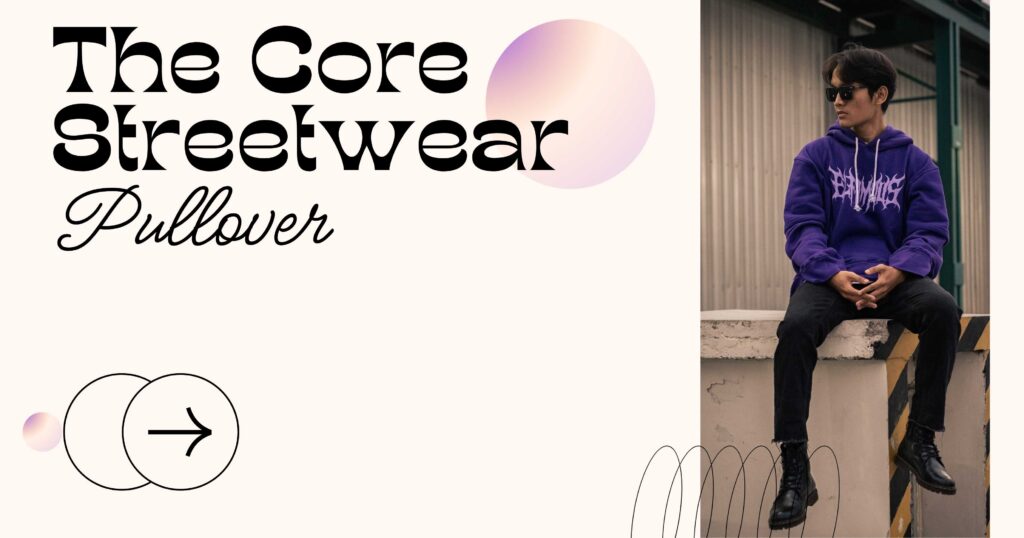
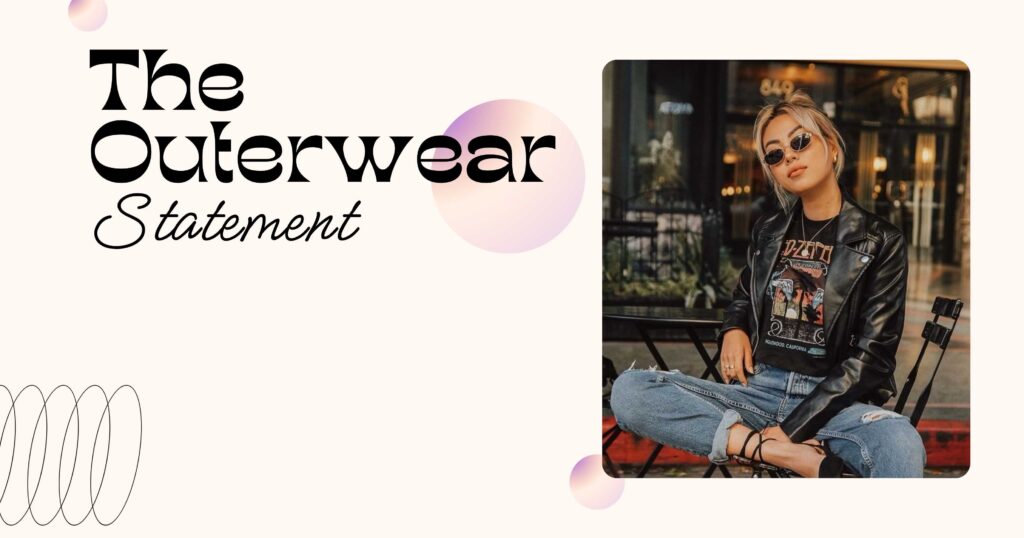
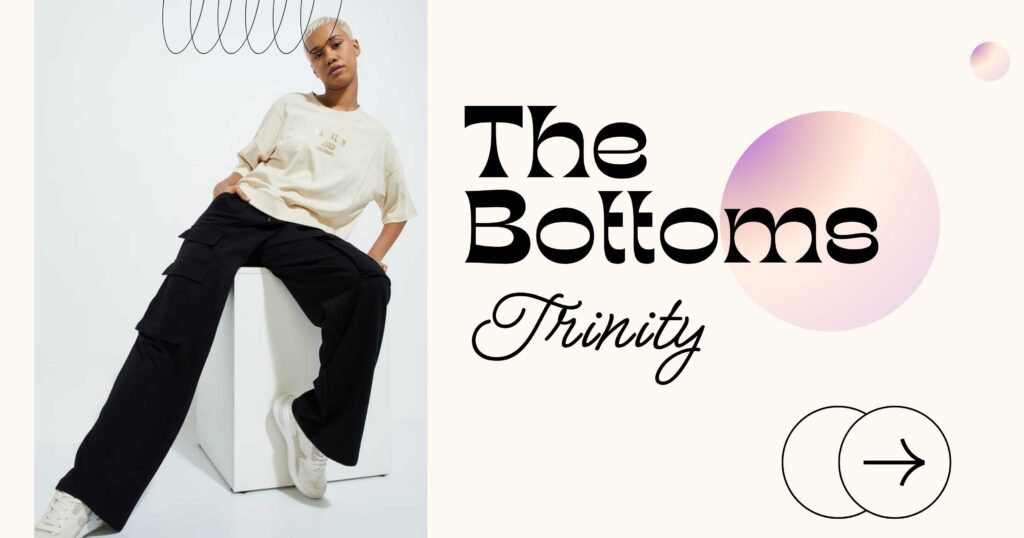
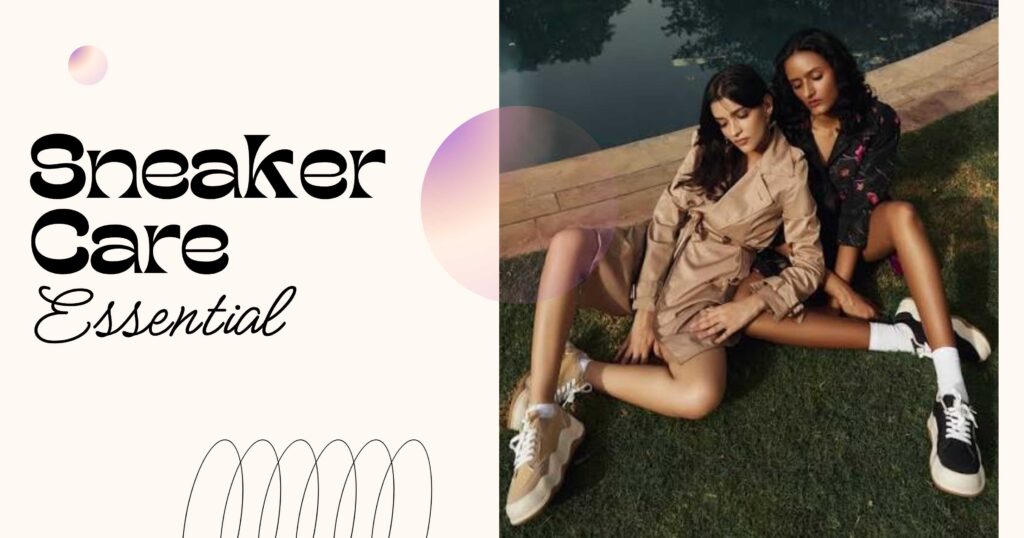
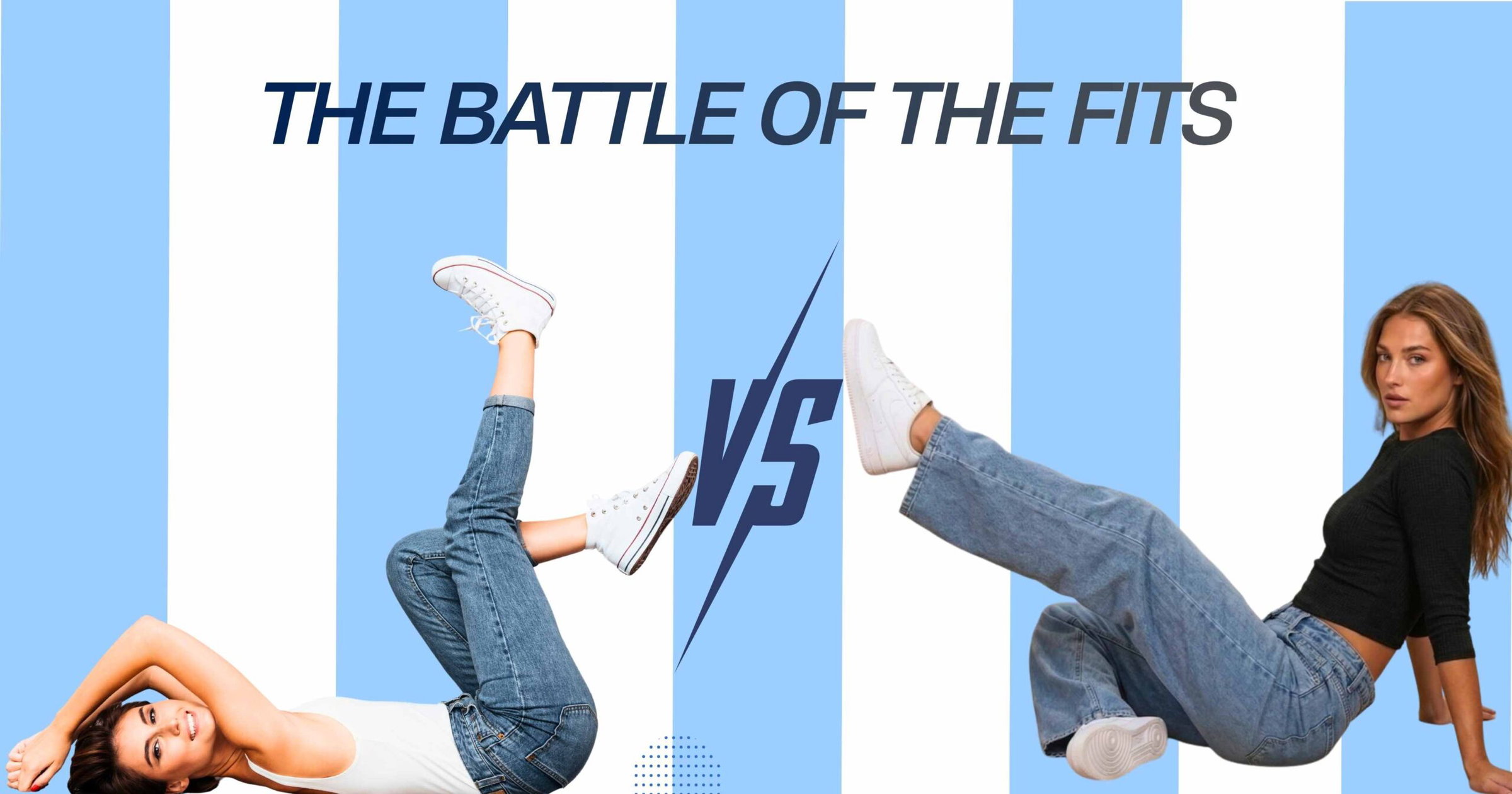
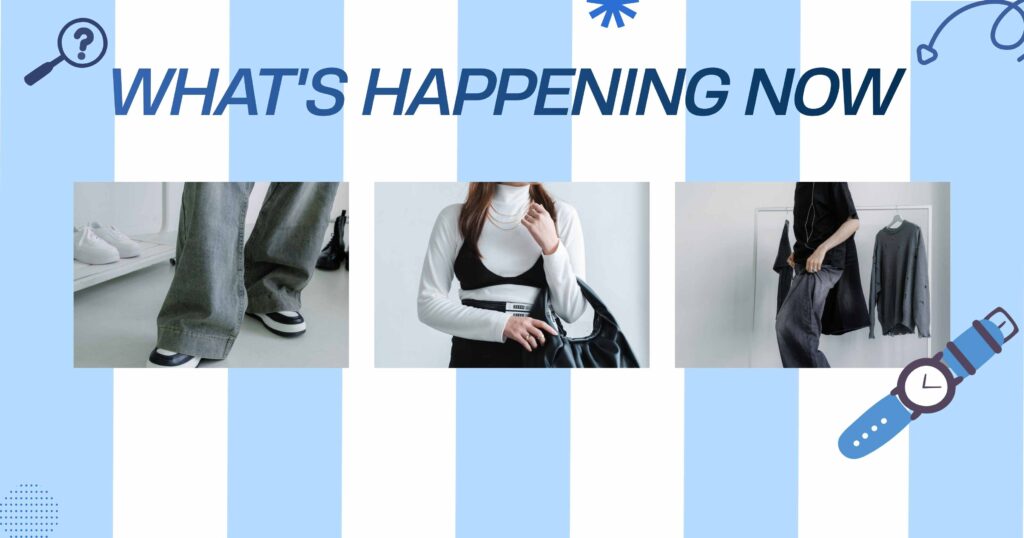
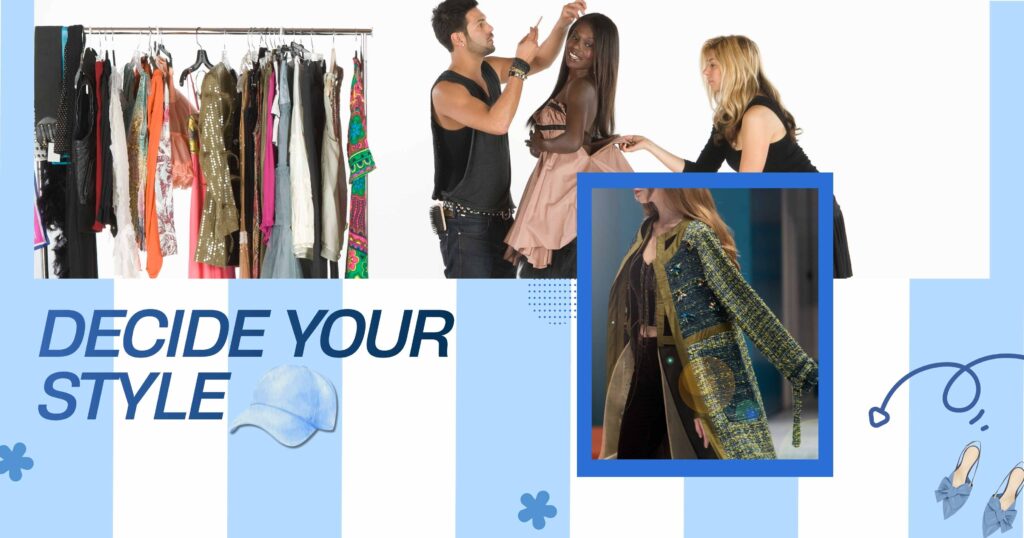
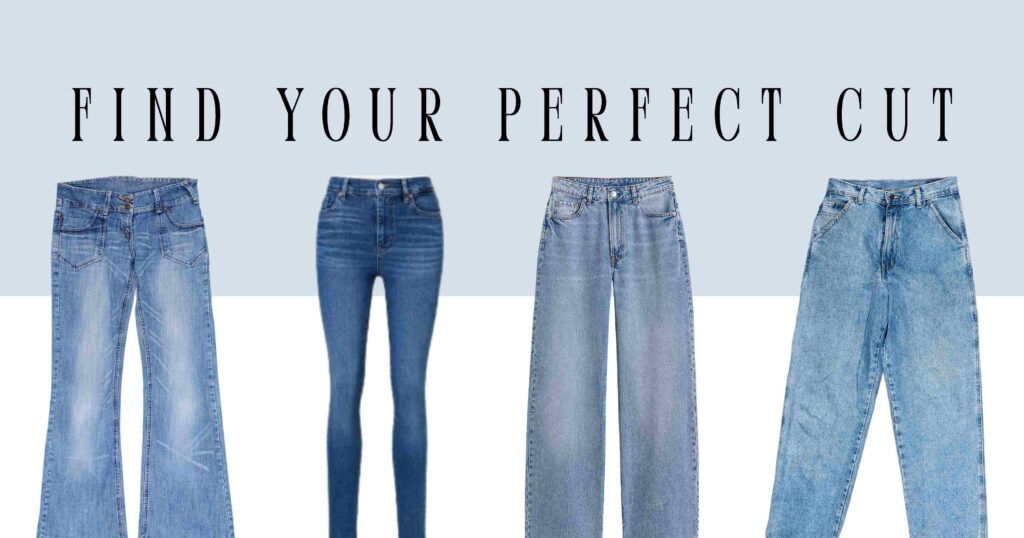
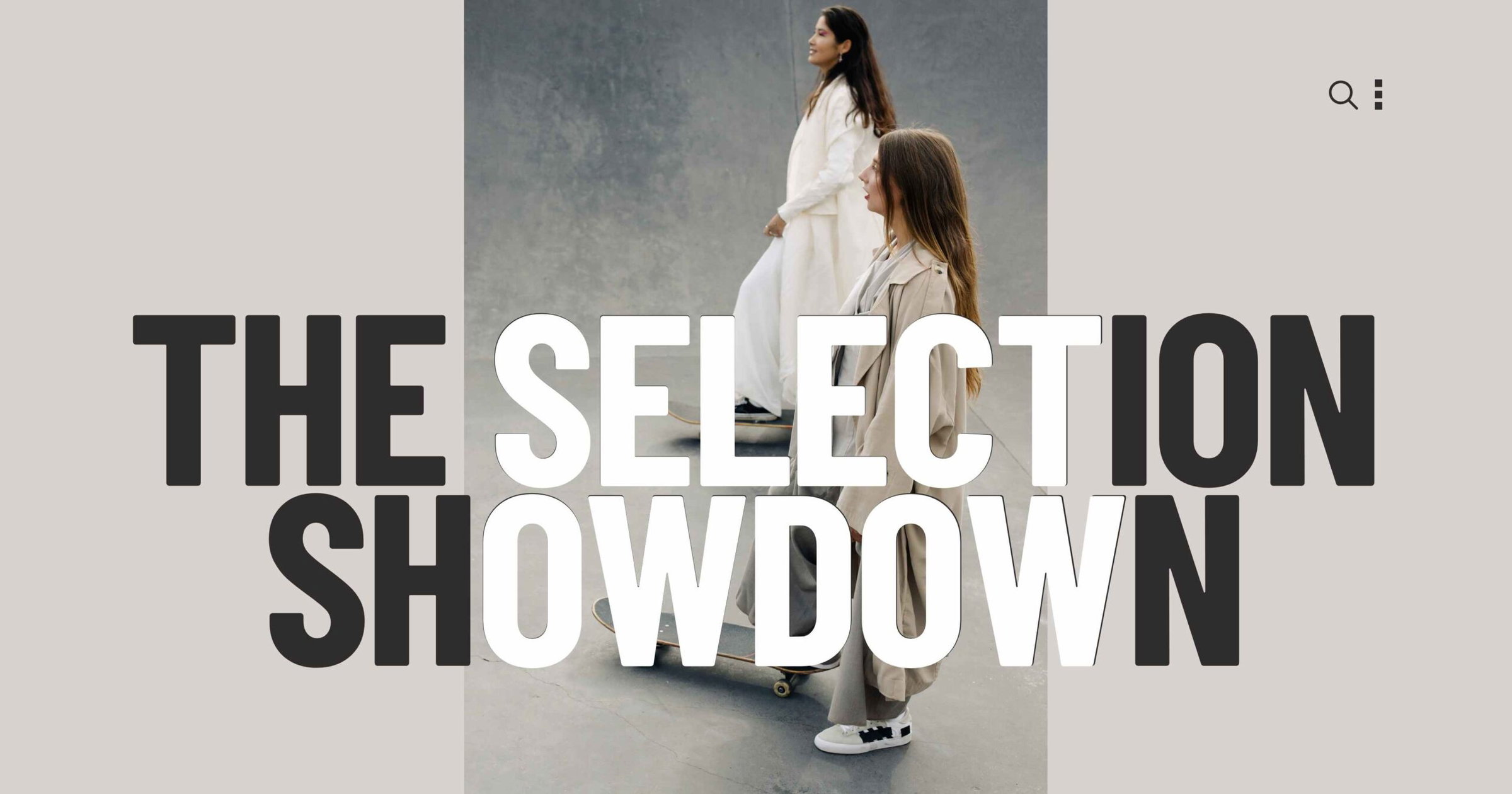
You bought the baggy jeans. Now you’re standing in front of the mirror wondering if you look relaxed or just unfinished. That’s the real question behind how to style baggy jeans — not whether the trend is legit (it clearly is), but how to wear them without looking like you rolled out of bed in your boyfriend’s denim.
Quick Answer
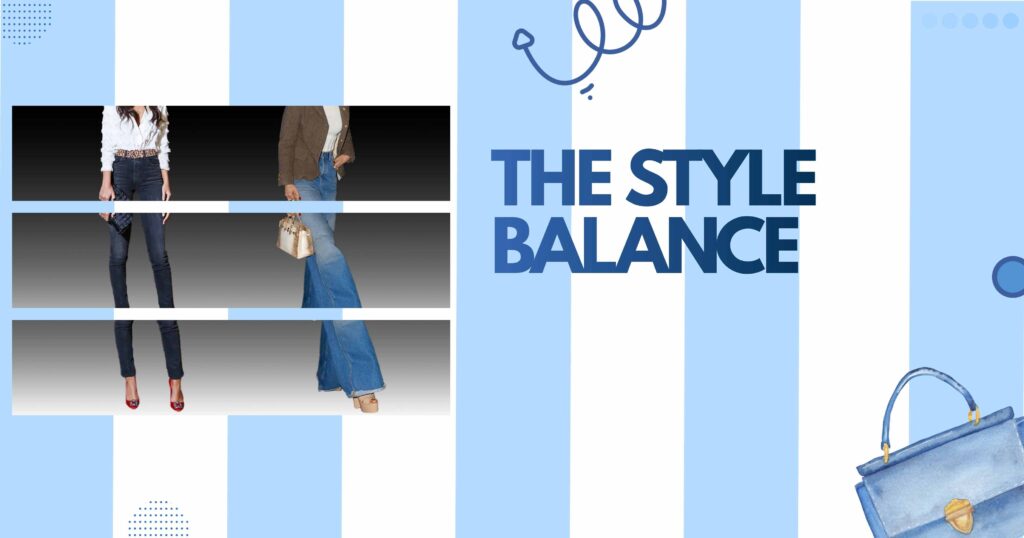
Learning how to style baggy jeans comes down to balance. Pair loose denim with something fitted up top, like a tucked shirt or a cropped jacket. Add sneakers or boots depending on the look you want. Keep accessories simple so the outfit does not feel too busy. Balance is really the whole secret here.
But here is the thing. Baggy jeans can feel tricky to style at first. Too loose and you look sloppy. Too much bulk on top and the whole outfit falls apart.
Learning how to style baggy jeans takes a little practice, but once it clicks, it becomes one of the easiest looks to put together.
This guide walks through real ways to wear baggy jeans, no matter your day, your body, or your mood. No confusing rules. Just simple tips that actually work.
Why Baggy Jeans Are Everywhere Right Now
Baggy jeans went from old-school to trendy again fast. A lot of people got tired of tight denim pressing into their legs all day. Baggy jeans give room to move. They feel relaxed. They feel easy.
That is a big reason why so many people want to know how to style baggy jeans the right way. The fit is comfortable, but it needs a little thought to look put together instead of just thrown on.
What Makes Baggy Jeans Different From Other Fits
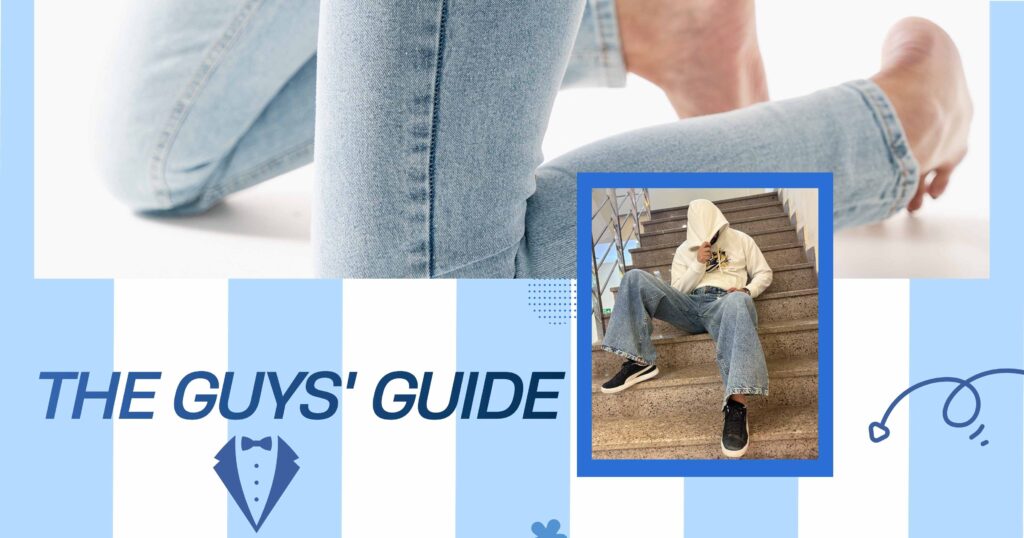
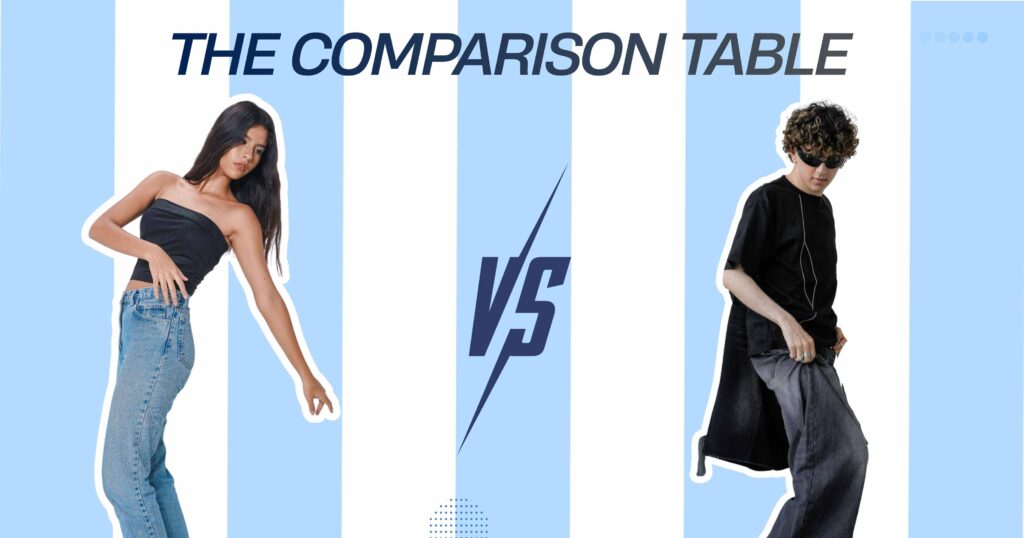
Baggy jeans sit loose through the hips and legs. There is extra room everywhere. No fabric hugging your skin. This is very different from skinny jeans, which stick close to your leg the whole way down.
Because baggy jeans have so much extra fabric, the top half of your outfit matters a lot more. A loose top with loose jeans can make the whole outfit look shapeless. That is why balance matters so much when you are figuring out how to style baggy jeans for your own closet.
How to Style Baggy Jeans Women Actually Wear on Repeat
Women have taken baggy jeans and turned them into one of the easiest go-to looks around. Learning how to style baggy jeans women actually reach for again and again is not complicated once you understand the basic idea.
Start with a fitted top. A simple tank, a bodysuit, or a cropped sweater works great. The fitted top balances out the loose leg below it. Tuck it in if you want a cleaner look. Leave it loose if you want something more relaxed.
Add a belt if your jeans sit a little low. This keeps everything in place and adds a nice little detail to the outfit. From there, just pick your shoes, and you are done.
Easy Combos That Always Work
A white tank with baggy light-wash jeans and white sneakers is almost impossible to mess up. A fitted turtleneck with dark baggy jeans and boots works just as well for cooler days.
Building Around One Statement Piece
Sometimes it helps to pick one bold item first, like a printed top or a colorful bag, and build the rest of the outfit around it. Keep the jeans and shoes simple so the one statement piece gets to stand out.
Why Fit at the Waist Matters Most
The waist area matters more than people think when they figure out how to style baggy jeans women love wearing. A tucked top or a belt at the waist creates shape even when everything below it stays loose and roomy.
How to Style Baggy Jeans for Work Without Looking Too Casual
Office dress codes can feel tricky with baggy denim. But learning how to style baggy jeans for work is easier than most people think.
Start with a blazer. A structured blazer instantly makes any outfit look more put together, even with loose jeans underneath. Pair that with a simple blouse or button-down shirt tucked in at the waist.
Keep the jeans dark. Dark-wash baggy jeans read as more polished than light or distressed denim. Add loafers or clean flats instead of sneakers, and the whole outfit shifts from weekend to workday without much effort.
Choosing the Right Wash for the Office
Dark denim always reads more formal than light denim. If your office leans casual, a mid wash can still work, but save the light and distressed washes for days off instead.
Footwear That Keeps Things Professional
Loafers, low heels, and clean flats all work well here. Sneakers can sometimes work in more relaxed offices, but stick to a plain, clean pair rather than anything too bold or bulky.
Small Details That Make a Big Difference
A structured bag instead of a casual tote helps a lot here. So does keeping jewelry simple, just a watch or small earrings. These small choices are exactly what make how to style baggy jeans for work actually look intentional instead of like you just grabbed whatever was clean that morning.
Styling Baggy Jeans and Shirt Combos That Actually Work
A button-down shirt is one of the easiest pieces to build around baggy denim. Styling baggy jeans and shirt combos gives you a ton of options depending on the look you want that day.
Tuck the shirt in fully for a cleaner, more polished shape. Or try a front tuck, just tucking in the front part of the shirt while leaving the rest loose. This adds shape without making the whole outfit feel too stiff or formal.
Oversized shirts work here too, as long as you roll the sleeves up and maybe knot the shirt at the waist. That little knot pulls the whole outfit together and stops it from looking like two loose pieces just hanging there with no shape.
Tucked vs Untucked, Which Works Better
Tucked shirts usually look more finished and work well for daytime or work outfits. Untucked shirts feel more relaxed and casual, better suited for weekends or hangouts with friends. Neither one is wrong. It just depends on the vibe you are going for that day.
Layering a Shirt Over Something Else
A button-down does not always have to stand alone. Try wearing it open over a plain tank top, with the jeans doing the heavy lifting below. This adds texture without adding too much bulk.
How to Wear Baggy Jeans and Sneakers the Right Way
Sneakers and baggy jeans are basically made for each other. Figuring out how to wear baggy jeans and sneakers the right way mostly comes down to hem length and sneaker style.
Chunky sneakers pair really well with baggy jeans because they balance out the volume up top and bottom. Clean white sneakers work with almost any wash of denim and keep the whole look simple and easy.
Pay attention to where your jeans hit your shoes. A slight break at the ankle looks clean. Jeans pooling too much fabric over your shoe can look sloppy fast, so a quick hem or a cuff at the ankle goes a long way.
Sneaker Pairings Worth Trying
Try a plain white sneaker with a graphic tee for an easy everyday look. Or go bold with a colorful sneaker paired with neutral, dark, baggy jeans. Both options nail how to wear baggy jeans and sneakers without overthinking it too much.
Not every day calls for the same outfit, and baggy jeans can flex to fit a lot of different plans.
For a casual day out, pair baggy jeans with a graphic tee and sneakers. Add a jacket if it is chilly outside. This look takes almost no effort but still looks put together.
For a date night, swap the sneakers for boots and add a fitted top with a little more shine or texture. A leather jacket over the top adds an edge without much extra thought.
For a more polished daytime look, follow the same rules as how to style baggy jeans for work, just with a slightly more relaxed shirt or sweater instead of a strict blazer.
Weekend and Travel Looks
Baggy jeans are great for travel days too, since they are comfortable for long hours of sitting or walking. Pair them with a soft sweater and slip-on sneakers for something easy that still looks nice in photos along the way.
Small details matter more than people expect when it comes to baggy denim outfits.
A belt keeps loose jeans from looking shapeless around the waist. A crossbody bag adds a nice contrast against the bulk of the jeans without adding extra weight or bulk of its own.
Simple jewelry, like small hoops or a thin necklace, finishes the outfit without pulling focus away from the fit of the jeans.
Sunglasses help too, especially for casual daytime looks. They add a little polish without requiring any extra effort at all.
Styling Baggy Jeans Pinterest Style for Everyday Inspiration
If you scroll through styling baggy jeans pinterest boards, a few patterns show up again and again. Fitted tops. Simple color palettes. Clean sneakers or boots. Nothing too busy or overdone.
Most Pinterest-favorite outfits stick to just two or three colors total, which keeps the whole look feeling simple and put together. Neutral tones like white, black, and denim blue show up constantly because they pair so easily with almost anything.
Another trend worth borrowing from styling baggy jeans pinterest boards is layering. A cropped jacket over a tank top, paired with baggy jeans, shows up in outfit after outfit because it just works every single time.
Common Mistakes to Avoid When Styling Baggy Jeans
Styling baggy jeans wrong usually comes down to a few easy-to-fix mistakes.
Wearing an oversized top with baggy jeans is one of the biggest ones. Two loose pieces together can hide your shape completely and make the whole outfit look messy. Balance loose denim with something fitted instead.
Skipping the hem length check is another common mistake. Jeans dragging on the ground look unfinished fast, no matter how nice the rest of the outfit is. A quick tailor visit or a simple cuff fixes this in minutes.
Ignoring accessories altogether is a missed opportunity, too. Even one small detail, like a belt or a simple necklace, can turn a plain outfit into something that actually looks styled on purpose.
Learning how to style baggy jeans really just comes down to balance and a few small details. Fitted top, loose jeans. Clean shoes. Simple accessories. Once you get that formula down, everything else falls into place pretty easily.
Whether you are dressing for work, a casual weekend, or just scrolling styling baggy jeans pinterest boards for outfit ideas, the basic rules stay the same. Keep it simple. Keep it balanced. And wear whatever makes you feel comfortable and confident that day.
Baggy jeans are not going anywhere soon, so it is worth taking the time to figure out what works best for your own closet and your own style.
Frequently Asked Questions
What tops go best with baggy jeans?
Fitted tops work best. Tanks, bodysuits, and cropped sweaters balance out the loose legs and keep the outfit from looking shapeless.
Can baggy jeans work for a formal office?
Yes, if styled right. Dark wash denim, a structured blazer, and clean shoes make baggy jeans look polished enough for most offices.
Do baggy jeans work with heels?
They can. Just make sure the jean length is right so it does not drag under the heel or bunch up too much at the bottom.
How do I keep baggy jeans from looking sloppy?
Focus on hem length and pair them with a fitted top. A belt also helps keep the waist from looking too loose or shapeless.
Are baggy jeans comfortable for everyday wear?
Very much so. They are a great option for lengthy days since they allow you to move freely and do not constrict your legs as narrow jeans frequently do.
Standing in front of your closet, jeans everywhere, and somehow still unsure which pair to grab? You’re not alone. A lot of people get stuck on this exact question. Choosing the right pair of jeans can feel even harder when you’re deciding between different washes. Light or dark. It sounds small, but it changes the whole feel of an outfit.
The light wash vs dark wash jeans debate isn’t really about which one looks better. Both work. It’s more about knowing when each one fits the moment and how different denim fits can change the overall look. A pair that’s perfect for a weekend brunch might feel completely wrong at work the next morning.
This guide breaks it all down, so you’re not guessing every time you get dressed.
Quick Answer
Light wash vs dark wash jeans comes down to tone and occasion. Light wash jeans are ideal for daytime and warm weather since they seem relaxed and easygoing. Dark wash jeans read as more polished, easy to dress up for work or evening plans. Neither one beats the other. It just depends on what your day actually calls for.
What Is Dark Wash Jeans, Exactly?
Before comparing the two, it helps to know what dark wash jeans actually are. So, what is dark wash jeans, really?
Dark wash denim goes through less fading during production. The cloth has a smooth, nearly solid hue from top to bottom because the indigo dye remains rich and deep. Little to no uncomfortable fading occurs, and when it does, it is often mild rather than noticeable.
Dark wash denim seems more refined because of its darker tone. It reads closer to a dress pant than a casual weekend staple, even though it’s still just jeans underneath.
Why Dark Denim Reads as More Formal
Dark, solid colors tend to look neater in general. There’s less visual noise. No faded patches pulling your eye around. Understanding how neutral colors work together can also help explain why darker denim feels so easy to style. That simplicity is part of why dark wash jeans slide so easily into work outfits or dinner plans.
How Dark Denim Is Actually Made
The process behind dark wash denim matters too. More of the original indigo color is retained in the cloth because manufacturers use less bleach and fewer wash cycles. Some dark denim even goes through a process called rinse washing, where the jeans are simply rinsed once to remove excess dye without stripping the color underneath. That’s part of why the fabric often feels stiffer right out of the box, before it has a chance to soften with wear.
What Makes Light Wash Denim Different
Light wash jeans go through more processing. Stone washing, bleaching, sometimes both. This strips out color and leaves the denim looking faded, worn, and lived-in from the start.
That faded look brings a relaxed, easygoing feel. Light wash jeans almost always read as casual, no matter how you style them. They carry a summery, laid-back energy that dark denim just doesn’t have.
The Role of Texture and Fading
Light wash denim often shows more texture too. Whiskering near the hips, fading at the knees, little imperfections that give the fabric character. Dark wash jeans, by comparison, stay pretty flat and even across the whole leg.
Why Some People Prefer the Worn-In Feel
There’s something appealing about denim that already looks broken in. You skip the awkward stiff phase most new jeans go through. Light wash jeans often feel softer right away too, since all that extra processing tends to loosen up the fibers a bit more than dark denim ever does. Understanding how fabric and garment care affect how clothing feels and lasts can help you make better denim choices.
Light Wash vs Dark Wash Denim: A Side-by-Side Look
Here’s a simple table for breaking down the differences between these two styles.
Feature
Light Wash
Dark Wash
Overall Tone
Faded, worn-in look
Deep, solid color
Best Occasions
Casual, daytime
Work, evening, dressier plans
Seasonal Fit
Warm weather, spring, summer
Fall, winter, year-round
Styling Effort
Pairs easily with casual pieces
Easy to dress up or down
Overall Feel
Relaxed, easygoing
Polished, put-together
This comparison of light wash vs dark wash denim isn’t meant to crown a winner.
It’s just here to help you see which one matches your plans for the day.
When to Wear Light Wash vs Dark Wash Jeans
Figuring out when to wear light wash vs dark wash jeans gets a lot easier once you think about it in terms of setting, not just personal taste.
Light wash jeans work well for casual weekends, especially when you’re going for an easy streetwear-inspired look. Brunch with friends. A day running errands. Warm weather in general. They pair naturally with lighter fabrics and brighter colors, which fits the whole relaxed vibe. Choosing between breathable materials like cotton and linen can also help you build lighter, more comfortable warm-weather outfits.
Dark wash jeans, on the other hand, handle more situations at once. Office days that allow denim. Dinner out. Even a slightly dressy event, if styled right. That versatility is a big reason people often reach for dark denim first.
Weather and Seasonal Factors
Light wash denim feels right at home during spring and summer. It matches the season’s brighter, breezier mood.
Dark wash jeans lean toward fall and winter, though honestly, they work year-round without much trouble.
Matching the Wash to the Occasion
If you’re unsure which pair to grab, think about the setting first. Casual and relaxed, go light. Anything requiring a bit more polish, dark wash almost always wins.
Light Wash vs Dark Wash Jeans Men Actually Reach For
The light wash vs dark wash jeans men choose between often comes down to how they’re building the rest of the outfit.
Light wash jeans pair naturally with plain tees, casual sneakers, and simple button-downs. They’re a solid pick for weekend outfits that don’t need much thought. Roll the sleeves, throw on some white sneakers, done.
Dark wash jeans give men more range. They work with a blazer for dinner. They work with a plain sweater for the office. Even paired with boots, dark denim feels a step more put-together than its lighter counterpart.
Building a Simple Rotation
Owning one pair of each gives most men everything they need. These can also serve as core pieces in a streetwear wardrobe, especially when you’re building from scratch. Light wash for weekends, dark wash for anything that needs a little more polish. That combination alone covers most situations without overcomplicating things.
Common Pairings Worth Trying
A grey tee with light wash jeans and sneakers makes for an easy summer outfit. A navy sweater with dark wash jeans and loafers works just as well for a fall dinner. Both combinations lean on the wash to set the tone.
Dark Wash vs Light Wash Jeans for Everyday Styling
Everyday styling often comes down to habit more than anything else. Dark wash vs light wash jeans each bring their own default mood to an outfit, which makes building around them fairly simple once you know the pattern.
Light wash jeans tend to pull outfits toward something breezier. Pair them with a plain white tee, and the whole look feels effortless. Add a denim jacket, and it stays casual without trying too hard.
Dark wash jeans shift the mood immediately. The same white tee suddenly feels a bit sharper. Add a blazer, and the outfit moves toward smart casual without much extra effort at all.
Mixing Denim Washes Together
A denim jacket in a different wash than your jeans, sometimes called the “double denim” look, works surprisingly well when the tones contrast. A light jacket with dark jeans, or the reverse, avoids looking too matchy while still feeling intentional.
Footwear Choices That Match Each Wash
Sneakers go with light wash denim naturally. Keeps things casual. Boots or loafers suit dark wash better instead. They add a bit more structure to the whole outfit.
How Fabric Weight Affects the Wash
Fabric weight is something people overlook a lot. Heavier denim holds dark dye better. That’s part of why dark wash jeans usually feel sturdier and thicker overall.
Lighter denim goes through more processing to get that faded look. This can leave the fabric feeling softer. Sometimes thinner too, depending on the brand and how it’s made.
Why This Matters for Comfort
If comfort matters more to you than looks, check the fabric weight before buying. A heavier dark wash pair might feel stiff at first. It usually softens up with wear though, over time. me.
Common Myths About Light and Dark Denim
A few myths float around about denim washes. Worth clearing a couple up here.
One myth says dark wash jeans always look more expensive. Not really true. Price comes down to the brand, the fabric, the construction. Not just the color of the dye.
Another myth claims light wash jeans can never look polished. Also not true. Style it right, a fitted blazer, clean shoes, and light wash jeans work fine for a smart casual outfit.
Why Personal Style Matters More Than Rules
At the end of the day, these are just guidelines. Not strict rules. Feel confident in light wash for a dinner out? Wear it. Fashion works best when it reflects how you actually want to feel. Not what some chart says.
How to Care for Each Wash
Caring for light and dark denim isn’t all that different. A few small habits help each wash last longer though.
Wash dark denim inside out, cold water, to keep the color rich longer. Avoid over-washing too. Frequent washing speeds up fading you probably don’t want.
Light wash denim is more forgiving. It’s already faded on purpose after all. Still, washing less often helps the fit hold up and keeps the fabric from wearing out too fast.
Storage Tips Worth Knowing
Fold jeans instead of hanging them. This helps prevent stretching, especially with heavier dark wash denim. Light wash pairs are a bit more flexible here, since the fabric tends to be softer to begin with.
Building a Closet With Both Washes
Owning both light and dark wash jeans gives you way more flexibility than sticking to just one. A single pair of each covers most situations. Casual weekends. Slightly dressier plans during the week.
Start with dark wash first if you’re building from scratch. It covers more ground. Add light wash once you already have a solid dark denim option in rotation.
Why Two Pairs Beat One
Relying on just one wash limits your outfit options more than people realize. Having both on hand means you’re never stuck forcing one pair into an occasion it wasn’t built for.
Budgeting for Both Washes
Money tight? Don’t feel pressure to buy both at once. Start with whichever wash fits your daily life more. Add the second pair once your budget allows. No rush to build a full denim rotation overnight. Buying one solid pair at a time usually leads to better choices anyway, and it’s also a more thoughtful approach to building a sustainable wardrobe.
Conclusion
The light wash vs dark wash jeans decision isn’t really about picking a permanent favorite. Both washes serve a purpose. Knowing when to reach for each one makes getting dressed a whole lot easier.
Light wash brings a relaxed, easygoing energy. Fits warm weather and casual plans well. Dark wash offers more polish. Works for the office, dinner, or anything in between. Own both, and you’re covered no matter what the day throws at you.
Instead of picking a side forever, think of light and dark denim as two different tools. Reach for whichever one matches your mood, your plans, and the season you’re in. The same idea applies when you’re developing your personal fashion aesthetic.
Frequently Asked Questions
Is dark wash denim more formal than light wash?
Generally, yes. Dark wash reads as more polished. Easier to dress up for work or evening plans than lighter denim.
Can light wash jeans work in winter?
They can. Dark wash tends to feel more seasonally right though. Pair light wash with warmer layers if you prefer it anyway.
Do dark wash jeans fade over time?
Yes, just slower than light wash denim. Washing inside out, cold water, helps slow the fading and keeps the color richer longer.
Which wash is better for petite frames?
Both work fine. Dark wash can create a slightly slimming effect. Fit and length matter far more than the color itself though.
Can I wear light and dark denim together?
Yes. Contrasting washes, a light jacket over dark jeans for example, can look intentional and stylish when done thoughtfully.
Streetwear is not just a trend anymore. It is a whole style people build their streetwear wardrobe essentials around. But getting started can feel confusing. There are too many brands. Trends change every day. Everyone seems to have an opinion about what you should buy first.
Quick Answer
Streetwear wardrobe essentials include graphic tees, hoodies, oversized outerwear, joggers or wide-leg pants, and a solid pair of sneakers. These pieces form the base of almost every streetwear outfit. They mix and match easily. They work across seasons too. Add a cap or a crossbody bag, and your rotation is basically complete.
That is where streetwear wardrobe essentials come in. This guide breaks it all down into a simple checklist. No guesswork. No overspending. Just the real pieces that make streetwear actually work, day after day, no matter your budget.
Whether you are starting from zero or just cleaning up what you already own, this list will help you build a closet that actually makes getting dressed easy. No more staring at a full closet feeling like you have nothing to wear.
What Are Wardrobe Essentials in Streetwear?
Before jumping into the checklist, it helps to understand the idea behind it. So, what are wardrobe essentials, really?
Wardrobe essentials are simply the clothes you wear most often. They are not the flashiest items in your closet. They are the ones who make outfits easy. In streetwear, that means comfortable, versatile pieces that layer well and pair with almost anything else you already own.
A good clothes essentials list is not about owning the most expensive brands. It is about owning pieces that actually get worn. Streetwear leans casual. Comfort and versatility matter more than anything flashy or trend-driven that only lasts one season.
Why Streetwear Needs Its Own Checklist
Streetwear works differently from a typical capsule wardrobe. There is more room for bold graphics, oversized fits, and statement sneakers. But the core idea stays the same. You still need pieces that work together. Not just pieces that look cool sitting on a hanger by themselves.
Trend Pieces vs True Streetwear Wardrobe Essentials
It helps to separate trend pieces from actual essentials early on. A trendy graphic or a limited sneaker drop might feel exciting. But it will not carry your whole wardrobe. Essentials are the quiet, reliable pieces underneath all of that. The ones you reach for all the time without even thinking about it.
Streetwear Wardrobe Basics: The Core Categories
Every strong closet starts with a few basic categories. Here is a simple table showing the main groups worth focusing on first.
Category
Why It Matters
Graphic Tees
The base layer for almost every streetwear outfit
Hoodies
Adds warmth and an easy, laid-back look
Outerwear
Jackets and coats that finish the outfit
Bottoms
Joggers, wide-leg pants, or cargo pants
Sneakers
The most important piece in any streetwear look
Accessories
Caps, bags, and small details that pull it together
This table covers the streetwear wardrobe basics that almost every closet needs. From here, add colors, brands, and prints that match your own taste.
Start Small Before Going Big
You do not need to buy everything on this list at once. Start with one or two pieces in each category. Build from there. A basic streetwear wardrobe builds up gradually, one piece at a time. Not all in one big shopping trip that drains your budget in a single afternoon.
Graphic Tees: The Foundation of Streetwear
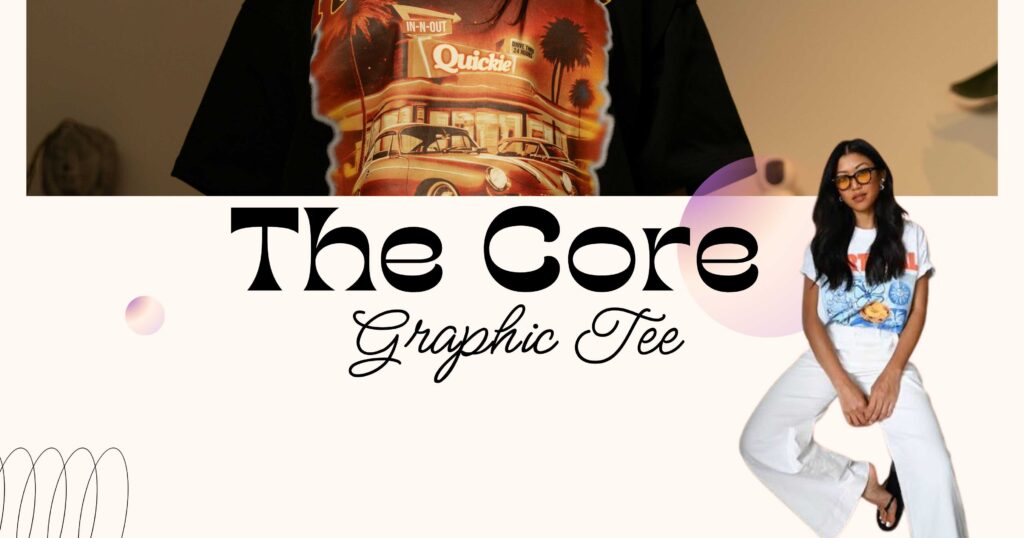
Graphic tees are where most streetwear outfits start. They carry the personality of the whole look. You could go for a bold logo. A band print also works well. Or choose simple text across the chest.
Aim for a mix of plain tees and graphic tees. Plain tees work as a base layer under jackets or hoodies. Graphic tees work as the star of the outfit on their own. Together, they cover almost every outfit situation you might run into during the week.
Fit matters here too. Oversized tees are a big part of streetwear style. But they should still fit your frame in a way that looks intentional. Not sloppy. Not too large for your body.
Choosing Graphics That Last
Trendy graphics come and go fast. A few solid, simple designs will outlast flashy prints that feel outdated within a season. Balance a couple of trend pieces with tees that will still feel relevant next year.
Hoodies and Sweatshirts: A Streetwear Staple
No streetwear wardrobe feels complete without at least one solid hoodie. Hoodies work for layering. For comfort. For pulling together a laid-back look fast, even on days when you barely feel like getting dressed.
A plain hoodie in a neutral color, like black, gray, or cream, works with almost everything else in your closet. From there, add one or two hoodies with graphics or logos. This adds personality to your rotation without going overboard.
Oversized hoodies are especially popular in streetwear right now. They pair well with fitted bottoms. This balances out the extra volume on top, so the outfit does not look flat.
Zip-Up vs Pullover
A zip-up hoodie gives you more room to layer. Open it over a tee when the day warms up. Pullover hoodies feel cozier. They work well as a single warm layer on their own. Owning both gives you more options depending on the weather and the outfit you want that day.
Outerwear That Completes Streetwear Wardrobe Essentials Checklist
Jackets and outerwear pieces are where a lot of streetwear personality shows up. A bomber jacket. A denim jacket. A puffer coat. Any of these can change the whole feel of an outfit in seconds.
Start with one versatile jacket that works across seasons, like a lightweight bomber or a denim jacket. From there, add a heavier coat for winter. Layering is a big part of how streetwear handles colder weather.
Building a Small Jacket Rotation
Two or three jackets usually cover most needs. One lightweight option for mild weather. One heavier coat for winter. And maybe one statement piece, like a varsity jacket, for when you want to stand out a bit more.
Bottoms: Joggers, Wide-Leg, and Cargo Styles for a Capsule Wardrobe Streetwear Look
Bottoms are a big part of any capsule wardrobe streetwear style relies on. Joggers, wide-leg jeans, and cargo pants show up constantly in streetwear outfits. They are comfortable. They are easy to style with almost anything on top.
Joggers work great for a relaxed, athletic-inspired look. Wide-leg jeans or pants add a more fashion-forward silhouette. Cargo pants bring in extra pockets and a utility-inspired feel, which has become a huge part of streetwear over the past few years.
Owning one pair from each category gives you enough variety to switch up your outfits without needing a huge closet.
Color Choices That Work Across Outfits
Stick to neutral colors for your main bottoms. Black. Gray. Olive. These shades go with almost every tee, hoodie, or jacket you already own. That makes it easier to mix and match in the morning without much thought at all.
Sneakers: The Most Important Piece
Sneakers might be the one item that defines streetwear more than anything else. A good pair lifts a simple outfit fast. A bad pair throws off the whole look, no matter what you pair it with.
Start with one clean, neutral sneaker. White or black, low-top works best. It goes with almost everything you already own. Once you have that, add a bolder pair. Maybe something with color. Maybe a chunky sole. Save that one for days you want a statement piece.
Do not rush this part either. A lot of people buy five pairs in one go and end up wearing just two of them. Slow down. Build the rotation piece by piece, and you will actually use everything you buy.
Caring for Your Sneakers
Sneakers cost real money in most streetwear closets. So keeping them clean actually matters. A lot of people skip this step and regret it later. A simple brush and some sneaker cleaner keep your pairs looking fresh. Skip that step, and they wear down fast.
Storage matters too, more than people think. Keeping sneakers in their box, or at least off the floor, helps them last longer. Rotating pairs instead of wearing the same one every single day also cuts down on wear and tear over time.
When to Add a Third Pair
Once your basics feel solid, think about a third pair. Go for something with more texture this time. Maybe a limited colorway you have been eyeing. This is usually where your own taste starts to come through in your outfits.
By the time you get to a third or fourth pair, you probably already know what you gravitate toward. Some people lean toward chunky soles. Others stick with clean, minimal shapes. Either way works, as long as it actually fits your style.
Accessories That Tie Your Streetwear Wardrobe Essentials Together
Small details go a long way in streetwear. A cap. A beanie. A crossbody bag. Any one of these can pull a plain outfit together fast, without much extra work on your end.
Caps show up a lot in streetwear looks. Plain baseball cap or one with a small logo, both work fine. Bags matter too. Crossbody and tote styles give you function and style at the same time, especially on days you need to carry more than just your phone and keys.
Simple chains, rings, or a watch add a bit of polish. Just do not overdo it. Streetwear tends to lean on a few strong pieces rather than a pile of small accessories all competing for attention. Pick one or two and let them stand out, instead of piling on everything at once.
How to Shop for Streetwear Wardrobe Essentials on a Budget
You do not need a huge budget to build a full closet. Start with the basics. Plain tees. One hoodie. One clean pair of sneakers. These get the most wear. They also give you the most outfit combos for your money.
From there, add trend pieces slowly, one at a time. Thrift stores and resale sites are great spots to find street style wardrobe essentials for a fraction of the retail price. This works especially well for jackets and denim, since those hold up well even secondhand.
Do not feel pressure to buy everything brand new either. A lot of streetwear pieces, especially outerwear, actually look better with a bit of wear on them already.
Prioritizing Quality Over Quantity
A handful of well-made pieces will always outlast a closet full of cheap basics that fall apart after a few washes. Put your money toward what gets worn most, Sneakers, Outerwear. Those take the biggest beating throughout the year.
Cheap tees and hoodies are fine to start with, especially if your budget is tight. Just plan to upgrade them slowly once you know which pieces you actually reach for the most.
Timing Your Purchases Around Sales
Big sale seasons are the smart time to grab pricier items, like jackets or premium sneakers, without paying full price. Plan around those windows, and your budget stretches a lot further than you would expect.
Building Your Personal Streetwear Style
Once the basics are covered, it is time to make the closet feel like yours. Add colors you actually love. Add brands that match your own taste. This checklist is just a starting point. It is not some strict rulebook you need to follow to the letter.
A strong streetwear wardrobe builds up slowly over time. You will start noticing patterns in what you actually reach for. That tells you what to shop for next, far better than any passing trend ever could.
Conclusion
Building your streetwear wardrobe essentials does not have to feel like a huge project. Start simple. Tees. A hoodie. One solid jacket. A couple of bottoms. A clean pair of sneakers. Add personality slowly from there, through graphics, colors, and small accessories that feel like you.
The goal was never to own everything at once. It is building a closet full of pieces that actually get worn, outfit after outfit, season after season. That is what makes a streetwear look come together, day after day, without much stress involved.
Frequently Asked Questions
What are the most important streetwear wardrobe essentials to buy first?
Start with a plain tee, a neutral hoodie, and a clean pair of sneakers. These three cover the most outfit combos early on and make a solid starting point.
Do I need expensive brands for a good streetwear look?
Not really. Fit and styling matter more than any price tag on a single item.
How many sneakers do I need for a basic streetwear wardrobe?
Two pairs are a good start. One neutral pair for everyday wear, one bolder pair for statement days.
Can streetwear work for cooler climates?
Yes. Layering with hoodies, jackets, and coats makes it easy to adapt for cold weather without losing style.
How do I keep my streetwear wardrobe from feeling repetitive?
Rotate your accessories. Try new color combos. Slowly add new tees or jackets over time to keep things feeling fresh.
Choosing jeans can be both exciting and daunting because of the many fits available on the market. Jeans may feel too tight at the waist, too loose at the hips, or simply look different once you put them on.
The number of cuts, rises, washes, and sizes is too large to navigate easily without knowing your body type and the right denim style for you.
The most suitable jeans will likely differ from the fashion trends and models on display dummies. They should fit your body, feel comfortable, and make you look and feel good. There are styles for every body type that may emphasize the waist, balance proportions, elongate the legs, or accentuate curves.
Understanding Why Body Type Matters
Before diving into specific recommendations, it’s worth understanding why body type matters. Jeans aren’t just about size – they’re about proportion, balance, and highlighting what you love about your figure.
The right cut can elongate your legs, define your waist, or create curves where you want them. The wrong style might feel uncomfortable or not flatter your shape.
Think of it this way: you wouldn’t wear the same shoes for running and ballroom dancing. Similarly, different body shapes benefit from different jean styles. Once you know what works, shopping becomes less trial-and-error and more about choosing styles that flatter your figure.
Keep in mind that each rise has a fashion vibe. Low-rise jeans feel trendy and vintage. Mid-rise jeans are classic, everyday wear. High-rise jeans feel more sophisticated and mature.
Low-rise:
If you’re below average height or have shorter legs, low-rise pants are not recommended because they can throw off proportions. A short torso can benefit from a waistband that makes you look taller and slimmer. Athletic body types tend to rock low-rise because they typically lack hip curves.
High-rise:
High-rise suits people below average height because it makes legs look longer. It’s also great for tall people, as it creates the illusion of a shorter torso. High-rise jeans have a curved waistband that can make curvier people more comfortable. People with athletic body types and smaller waists are big fans.
Mid-rise:
Mid-rise tends to work well for many body types, especially slender or petite figures. It’s considered the most figure-friendly rise and is compatible with almost any top length.
Denim trends move fast, and experimenting with new styles is part of the fun. But it can be frustrating when a pair that looks great on the rack doesn’t work once you try it on. That’s why understanding how fits, rises, cuts, and washes work with your body is so useful.
Our guide helps you decode denim and find styles that suit your shape, so you can try trends and discover new everyday favourites. You can also explore our other denim guides, like our guide to what to wear with white jeans!
Why finding the right jeans matters
With so many cuts, fits, washes, and sizing changes from one retailer to the next, finding the perfect pair of jeans can feel impossible. But it’s worth waiting for a pair that feels comfortable and looks great. The right fit flatters your body and can handle anything your day throws at you, from coffee with friends to creative meetings.
They boost confidence and comfort: Jeans that fit properly feel easier to wear and naturally complement your shape, while ill-fitting styles can feel restrictive.
They support movement and posture: A good fit prevents issues like tight waistbands, back sagging, or constantly pulling your jeans up, helping you move all day comfortably.
They save time, money, and outfit stress: Well-made denim that holds its shape looks better over time, meaning fewer trial-and-error purchases and more reliable outfits you feel good in.
The Future of Custom-Fit Jeans: How Unspun Makes It Possible
It’s never been easy to find jeans that fit just right. Many people know the struggle of waist gaps, tight thighs, or jeans that fit in one spot but not another.
In the past, getting a perfect fit usually meant buying jeans and then paying a tailor to alter them, which took extra time and money.
Now, brands like Unspun are using technology to change that. Rather than sticking to standard sizes, Unspun uses body scanning and 3D manufacturing to make jeans that fit your unique measurements. With the brand’s app, you can use your iPhone’s Face ID sensors to scan your body, so there’s no need for measuring tapes or trips to the store.
After scanning, you pick your favourite denim style and customize details like the fit, rise, and finish before placing your order. The scan helps create jeans made just for your body, giving you a fit that’s hard to find with regular sizes.
This made-to-order method does more than just improve comfort. It also helps make fashion more sustainable because jeans are only made when someone orders them. That means less extra stock, less fabric wasted, and less unnecessary production. And if your jeans don’t fit the way you want, Unspun promises to remake them until they do.
As technology changes the fashion world, custom-fit jeans are becoming easier for everyone to buy. Tools like body scanning and on-demand manufacturing are making it simpler to find jeans that feel good, look great, and take the guesswork out of shopping for the right size.
Finding the right jeans is about more than keeping up with trends. The best pair feels comfortable, looks good on you, and fits into your everyday life. When you know what to look for, shopping becomes simpler, and you’re more likely to pick jeans you’ll actually wear.
Start with Comfort
Put comfort first. Jeans should fit well but not feel tight or hold you back, so you can move easily. If they pinch your waist, squeeze your thighs, or feel uncomfortable in the fitting room, they probably aren’t right for you. The best jeans feel easy and natural to wear.
Choose the Right Rise
The rise of your jeans changes how they look and feel.
High-rise jeans sit at or above your waist and create a flattering shape with added support.
Mid-rise jeans work well for most people and suit many occasions.
Low-rise jeans sit below your waist for a laid-back, casual style. Pick the rise that feels best and fits your body.
Pick the Right Denim Fabric
Denim comes in different types, such as stretch denim, which contains elastane or spandex and is flexible and comfortable for everyday wear.
Rigid denim, usually made from 100% cotton, feels stiff at first but softens and shapes to your body as you wear it.
Go for stretch denim if you want comfort right away, or pick rigid denim for a classic style that changes with time.
Pay Attention to the Inseam
Fit isn’t just about the waist; hip length matters too. The inseam decides where your jeans end and how they look with your shoes. Jeans that are too long bunch up at the ankles, while ones that are too short can look odd. The right inseam gives you a neat look and works with many types of shoes.
Choose Jeans That Fit Your Body and Lifestyle
It’s easy to stick with the styles you know, but trying new fits can be fun and helpful. Straight-leg, slim-fit, bootcut, relaxed, wide-leg, and mom jeans each have their own look and suit different body types. Trying new styles gives you more choices and helps you create a wardrobe that works for you.
Trends come and go, but a good fit always looks great. Instead of buying jeans just because they’re popular, pick ones that feel comfortable, fit you well, and make you feel confident. The best jeans match your lifestyle and personal style. When you find jeans that feel good, you’ll want to wear them for years.
The perfect jeans don’t need to follow the latest trends; they should fit your body properly and make you feel confident. Start by learning your body type and building a flexible denim wardrobe.
Popular Denim Brands That Cater to Different Body Types
Levi Strauss & Co.:
Companies such as Levi’s have gained recognition by offering a range of fits and rises, ensuring customers can find jeans that suit their bodies rather than being stuck with universal trends.
Wrangler:
Wrangler focuses on comfort and durability, making it a preferred brand for those who wear jeans daily and are fond of straight-leg and relaxed-fit jeans.
Uniqlo:
Comfort-oriented stretch denim along with casual designs is characteristic of the Uniqlo brand.
The Finishing Touch: Find Jeans That Feel Like You
Finding the perfect jeans isn’t about chasing every trend or following strict style rules. It’s about knowing your body, choosing what feels comfortable, and picking denim that matches your personal style.
The right jeans should make you feel confident as soon as you put them on, because they fit well and suit your lifestyle.
No matter your body shape, there are plenty of denim styles that can flatter you. From classic straight-leg jeans to wide-leg styles and bootcuts, each fit offers something unique. The most important thing is to choose what feels right for your body, not just what looks good on others.
Style Rules are Guidelines, Not Limitations
Body shape guides are there to help you shop, not to limit your options. Some jean styles may suit certain body types, but what you like matters most. You might find that a style meant for a different body shape is actually the one that makes you feel great, and that’s completely fine.
Fashion is personal, and confidence comes from wearing clothes that show who you are. Try different rises, cuts, washes, and shapes until you find what feels right for you. Sometimes, the perfect pair of jeans is one you didn’t expect to love.
Rather than buying every new trend, choose jeans you’ll want to wear over and over. A good denim collection might include classic straight-leg jeans for daily wear, slim-fit jeans for dressier days, relaxed styles for weekends, and wide-leg or bootcut jeans for when you want something different.
Invest in Quality Denim
Quality denim that fits well lasts longer. Good-quality jeans that fit well last longer and make getting dressed simpler. When you know which styles suit your body and your life, shopping becomes easier, and you can choose with confidence.
The best pair of jeans isn’t defined by the latest fashion trend or the label on the waistband; it’s the pair that makes you feel comfortable, confident, and completely yourself.
Great denim should move with you, complement your shape, and become a wardrobe staple you’ll reach for season after season.
When you shop for jeans next time, trust what you know about your body, stay open to new options, and don’t hesitate to try something different. The right fit isn’t just another piece of clothing;it’s the base for many outfits and a style choice you’ll appreciate for years.
FAQs
1. What are the best jeans for an apple body shape to create a balanced silhouette?
The best jeans for an apple body shape(An apple-shaped body is a physical build where weight is carried mainly around the upper body and midsection.) are typically mid-rise, straight-leg styles. These provide a comfortable fit around the midsection while highlighting slender legs, effectively balancing the frame’s overall proportions.
2. How should I choose denim jeans if I have a very tall or short stature?
When comparing jeans for tall vs petite body types, focus on the inseam and rise. Tallindividuals should look for 34-36-inch inseams to avoid an accidentally cropped look, while petite individuals benefit from high-rise, tapered styles that create an illusion of longer legs.
3. Which specific denim styles for curvy women offer the most support?
The most effective denim styles for curvy women are those crafted from high-recovery stretch fabric with a contoured waistband. These features ensure the jeans hug the curves without gaping at the back or losing their shape throughout the day.
4. What jeans are best for making you look taller?
The best jeans for making you look taller are high-rise styles with a long leg line. Straight-leg, flared, and wide-leg jeans worn at full length help elongate the frame, especially when paired with streamlined tops or similarly toned shoes.
Jeans shopping used to be easy. You walked in, grabbed a pair, and left. Now you stand in front of a wall of denim and see ten different fits staring back at you. Skinny. Baggy. Straight leg. Wide leg. It gets confusing fast, and most people just want a simple answer.
The skinny jeans vs baggy jeans question keeps coming back every single season. Right now, both styles sit side by side on the same rack. Some people still swear by a tight, fitted leg. Others have fully moved on to loose, roomy denim. So which one actually wins?
Honestly, there is no single winner here. It depends on your body, your comfort, and even your mood on a given day. Some days you want to feel sharp and put together. Other days, you just want to breathe. This guide walks through the real differences so you can pick what actually works for you, not just what looks good on someone else.
Quick Answer
Skinny jeans vs baggy jeans comes down to fit and comfort more than anything else. Skinny jeans stay close to your leg from hip to ankle. They work well under boots and give a clean, put-together look. Baggy jeans sit loose through the hip and leg, giving you room to move and a relaxed, easy feel. Neither style beats the other on its own. It depends on your body, your comfort, and what you actually plan to wear them with.
What Makes Skinny Jeans Different From Baggy Jeans?
If you only consider the basic aspects, let’s start slow and take a closer look at what makes these two fits different.
The Skinny Fit
There is a close fit of skinny jeans to the leg. They follow your natural shape from the waist down to the ankle, with barely any extra fabric anywhere. This fit became popular fast because it pairs easily with almost anything you already own. Boots, sneakers, heels, all of it works without much thought or effort.
The Baggy Fit
Baggy jeans do the opposite. They sit loose through the hips and thighs, and most styles stay loose the whole way down the leg. Some tapers happen near the ankle, but plenty of styles just stay wide from top to bottom. This fit gives your legs room to breathe and move around freely, which matters more than people expect once they actually try it.
Why People Search This Comparison
When people search jeans skinny vs baggy while shopping online, they are usually trying to figure out which fit matches their actual daily life, not just a passing trend. Someone stuck at a desk all day might want something loose and relaxed by the time they get home. Someone who likes a sharp, clean look might lean toward skinny instead. Both choices make complete sense depending on the person wearing them.
A Quick Look Back at How We Got Here
It helps to understand why this debate even exists in the first place.
Skinny jeans took over closets everywhere back in the 2010s. They were everywhere. Every store had a wall of them, every outfit photo featured them, and for a while it felt like the only real option. Then baggy fits slowly crept back in, borrowed from older decades and reworked for a modern audience.
Now both fits exist at the same time, on the same racks, worn by the same people depending on the day. That is actually a good thing. It means you are not locked into one single silhouette anymore. You get to choose based on your own life instead of whatever happens to be trending that particular month.
Skinny Jeans vs Baggy Jeans for Women
The skinny jeans vs baggy jeans women conversation has shifted a lot over the past few years. Skinny jeans used to sit in almost every woman’s closet as the default choice, the one pair you reached for no matter the occasion. That has changed quite a bit. Baggy and relaxed fits now take up a much bigger share of the space.
Where Skinny Still Wins
Skinny jeans still hold their own for certain looks though. They pair nicely with long tops or oversized sweaters, since the fitted leg balances out a loose top half without adding extra bulk. They also slide easily into boots, which makes them a solid pick during colder months when layering matters more.
Where Baggy Takes Over
Baggy jeans bring a completely different feeling. They work well with a fitted top or a short jacket, since the loose leg needs something more fitted up top to keep the whole outfit balanced and intentional. A lot of women also say baggy jeans feel more comfortable for everyday wear, especially if they spend a lot of time on their feet or just want room to move without thinking about it.
The Real Deciding Factor
When you look at skinny jeans vs baggy jeans women are actually choosing between day to day, comfort usually wins out over trend. Some mornings call for something fitted and polished. Other mornings call for something loose and easy. Having both fits sitting in your closet just gives you more outfit choices overall, without forcing you to pick a permanent side.
Skinny Jeans vs Baggy Jeans for Men
The skinny jeans vs baggy jeans men debate looks a bit different from the women’s side. Menswear has leaned heavily toward looser fits lately, and baggy jeans have become a big part of casual and streetwear style across the board.
That said, skinny jeans for men still have a place in a lot of closets. They fit well with fitted jackets, plain tees, and clean sneakers, providing a sleek silhouette that some men still favor for a more professional look in the workplace or when they’re out for a night on the town.
However, baggy jeans have now become a massive part of casual men’s fashion, particularly for younger men who have adopted the streetwear style. They go well with oversized hoodies, graphic tees, chunky sneakers, and more. A lot of men also find baggy styles more comfortable to wear all day long, since there is simply more room to move without feeling boxed in or restricted at the knee.
When comparing skinny jeans vs baggy jeans men reach for most often, it usually comes down to the outfit built around the jeans rather than the jeans themselves. A cleaner, dressed-up look tends to lean skinny. A relaxed, streetwear-style look almost always leans baggy instead.
A Side-by-Side Look at Both Fits
Here is a simple table to compare the two styles across a few important areas that actually matter day to day.
Feature
Skinny Jeans
Baggy Jeans
Leg Fit
Close and fitted
Loose and roomy
Movement Comfort
Can feel a bit tight
Easy to move around in
Best Paired With
Fitted or oversized tops
Fitted tops, cropped layers
Styling Effort
Pairs easily with most tops
Needs a bit more balance
Seasonal Use
Layers well under boots
Works well in warm weather too
Overall Feel
Sleek, polished
Relaxed, casual
Common Pairings
Boots, heels, fitted jackets
Sneakers, hoodies, cropped tops
This table is not here to crown a winner. It is here to help you see which fit matches how you actually want to look and feel on any given day of the week.
Baggy Pants vs Skinny Jeans: Which One Suits Your Body Better
The baggy pants vs skinny jeans question is not really about rules. It is about how you feel in your own skin.
What Skinny Jeans Do
Skinny jeans stick close to your leg. They show your shape. Some people love that. It feels sharp. It feels neat. Other people do not want that at all. They want space. They want room to breathe. Both feelings are fine.
What Baggy Jeans Do
Baggy jeans do the opposite job. They skim over your leg instead of hugging it. The fabric stays loose instead of pressing in. This relaxed fit gives you more comfort. That feels good if you sit a lot. It feels good if you walk a lot too.
Letting Go of Old Rules
Old fashion rules used to say certain bodies should wear skinny jeans. Other bodies should wear baggy ones. That rule is outdated now. It never made much sense anyway. Wear what feels good on you. That is the only real rule left. When you think about baggy pants vs skinny jeans, start with comfort first. Then build your outfit around that feeling.
Which Fit Actually Works Better for Everyday Life
Your day matters more than trends do.
Do you walk a lot? Do you stand a lot? Then baggy jeans might feel better by the end of the day. There is more room in the hips. There is more room in the legs. You are not stuck fighting tight fabric all day long.
Do you sit at a desk most of the day? Do you go out for dinner sometimes? Skinny jeans might work better for you. They slide under coats easily. They look sharp with boots or heels. No extra bulk gets in the way.
Weather matters too. Cold months call for boots. Skinny jeans slide under boots without any trouble. Warm months call for something lighter. Baggy jeans in soft denim can feel cooler and easier on hot days. A lot of people just switch between the two. One pair for winter. One pair for summer. That is normal. That is smart, actually.
Skinny or Baggy Jeans in 2026: What People Are Actually Wearing
Denim trends move fast. Every year looks a little different. Right now, people search for skinny or baggy jeans 2026 a lot when they shop for new jeans. And here is the honest answer. Both fits still matter.
Baggy jeans have been big for a while now. You see them in streetwear. You see them in casual outfits everywhere. But skinny jeans did not disappear completely. They just changed their role a bit. Now they show up more in dressier outfits. Less as an everyday default.
So when you look at skinny or baggy jeans 2026, the real story is not one style beating the other. The real story is people owning both. And picking whichever one fits the day.
A Few Questions to Help You Decide
Still stuck? Ask yourself a few easy questions first.
Do you want something fitted, or something loose? Are you dressing for comfort, or for style, or maybe both at once? Do the tops in your closet already work with one fit better than the other?
You do not need to pick just one style forever. Own a skinny pair. Own a baggy pair too. That gives you options for different days and different moods.
The skinny jeans vs baggy jeans choice is not permanent. Trends come and go fast. Your closet should give you real choices. Not one fixed rule you have to follow forever.
Conclusion
There is no clear winner here. There probably never will be one.
Skinny jeans give you a clean, fitted look. They work great with boots and layers. Baggy jeans give you comfort and easy movement. A lot of people love that relaxed feeling now. Try both. See what actually works for your body and your day. Do not just guess based on what everyone else wears.
Keep both fits in your closet. Think of them like tools. Pick whichever one matches your mood that morning. That is really all it takes.
Frequently Asked Questions
Are skinny jeans out of style right now?
Not really. The baggy fits are the most in-demand ones right now. Even so, skinny jeans are worn quite a bit, particularly in a dressier outfit.
Are baggy jeans more comfortable than skinny jeans?
For a lot of people, yes. Baggy jeans give more room to move. That makes long days easier. But comfort is different for everyone.
Can I wear both skinny jeans and baggy jeans in the same closet?
Yes, easily. A lot of people already do this. Owning both gives you more choices depending on the day.
Do baggy jeans work for dressier outfits?
They can. Just pair them with a fitted top and clean shoes. Skinny jeans are usually easier to dress up fast, though.
Which fit works better for a petite frame?
Both fits can work on a petite frame. The real trick is getting the length and proportion right. Do not avoid a fit just because of old advice.
Jeans are essential in any wardrobe, pairing well with casual, smart-casual, or on-trend outfits. Understanding the various types of jeans helps you make informed choices and build a wardrobe that suits your body type, lifestyle, and personal style.
Jeans are a must-have in many wardrobes because they are comfortable, versatile, and suitable for almost any occasion. Their durability and versatility make them a staple, though the wide variety of styles can make choosing the right pair challenging. Each fit offers a distinct look, feel, and function, from slim to baggy silhouettes.
Jeans are distinctive because they can be styled to suit different body shapes, personal styles, and seasons. With so many cuts and styles, it can be hard to know where to start. The inseam of jeans measures from the crotch to the bottom of the leg opening. Its length depends on your height and how you want the jeans to fit.
How Jeans Should Fit
Jeans started as workwear. Built for durability, not style, with generous fits that worked on just about anyone. Once they became fashion, designers started improving the cut using patternmaking to create silhouettes that did more than just survive a day’s labour.
Today, a good pair of jeans is worn constantly and takes a beating. Quality jeans are not cheap, so it’s worth getting them right to last and look good on you.
There’s no universal “perfect fit.” Instead, it’s about balance: jeans that complement your proportions. The same pair can look very different on two people, which is why “fit” involves several interacting factors.
Two questions usually tell you if you’re close: do you feel comfortable, and do you think you look good? Getting a confident yes on both requires understanding what you are adjusting. This guide helps with that.
5 Types of Jeans Fit Guide
Slim Fit
Slim-fit types of jeans are narrow from the hip to the ankle. They offer a closer fit than straight styles, with a little more room than skinny jeans. They create a sophisticated, refined look.
Skinny Fit
Among the different types of jeans, skinny jeans provide a close fit throughout the leg and have become a modern essential. If you want a sleek, streamlined look, skinny jeans are a strong choice. They fit closely from the hip to the ankle and are often paired with a mid-rise and a narrow leg opening.
Tapered Fit
Tapered types of jeans combine straight and skinny fits. They feel comfortable around the thighs and narrow toward the ankle. They are ideal for men who want a slim look without wearing tight jeans.
Wide Fit
Wide-fit jeans are ideal for men who want a slim look without wearing tight jeans. An easy fit from top to bottom, offering comfort through the knee. After wearing skinny and slim fits, refresh your look by pairing wide jeans with a simple T-shirt and minimal accessories.
Straight Fit
Another classic style of jeans is the straight fit. In straight-fit jeans, the width is equal from the waist to the feet. This means that they do not have a tight or loose fit around the waist like slim and skinny jeans. Straight fit jeans allow extra room in the legs while still looking stylish.
3 Factors That Make or Break the Types of Jeans Fits
Trends and fabrics often influence how we shop for jeans, but none of that matters if the fit does not suit your body. To find jeans that feel and look good, start by understanding three factors: fit category, leg shape, and rise.
Factor #1: Fit Category
Fit category describes how close the fabric is meant to sit on your leg. It is not a measurement, and there is no exact inch difference between categories. It is about intent: how close the cut is designed to sit, not how it looks on you. That distinction matters.
The same fit can look very different depending on who wears it. A loose tapered fit on someone with bigger thighs can look slim or even skinny. A regular fit on a skinny person can look roomier than the label suggests.
The category describes the garment, not the outcome. That depends on your body. Fit and body type must be considered together.
Factor #2: Leg Shape
Leg shape refers to the relationship between your knee and the opening of your leg. The thigh plays a small role, but the shape is mostly decided from the knee to the hem. Generally, there are three leg shapes to know.
A true straight leg, with identical knee and opening measurements, can appear slightly flared on the body. Most straight-leg jeans have a small taper. “Straight” describes the look, not an exact measurement.
Fit category and leg shape combine freely. Slim straight, regular tapered, and loose straight are common combinations. Most jeans are described this way. The two factors describe different things: how close the fit sits overall and the leg shape from the knee down.
Factor #3: The Rise
Rise is the distance from the crotch seam to the top of the waistband and determines where your jeans sit on your body. It usually falls into three categories: low-rise, mid-rise, and high-rise.
Low-rise jeans sit below the waist for a casual, relaxed look. Mid-rise jeans sit around the natural waist and are the most versatile, offering balance and comfort. High-rise jeans sit at or above the waist, creating a structured silhouette with added coverage.
Rise plays a big role in shaping your proportions. A higher rise can make your legs appear longer and your torso shorter, while a lower rise does the opposite. Even with the same fit and leg shape, changing the rise can alter how jeans look and feel. Understanding rise is essential because it affects comfort, movement, and style.
Decoding Denim Fabric and Washes
The feel and look of your jeans depend on the fabric and wash.
Fabric:
Rigid Denim (100% Cotton): This is traditional, non-stretch denim. It holds its shape exceptionally well and molds to your body over time. It requires a break-in period but lasts for years.
Stretch Denim (Cotton Blends): Most modern jeans contain a small percentage of elastaneor similar fibres. This adds comfort and flexibility, helping the jeans retain their shape after wear.
Note:- Elastane is a synthetic fiber known for its stretch and shape recovery. It is also called spandex or Lycra.
Washes:
The wash refers to the denim’s colour and finish.
Dark Wash: Dark indigo or black. It’s versatile and can easily be dressed up.
Medium Wash: A classic, timeless blue that works for most casual occasions.
Light Wash: A pale, often faded blue that gives a relaxed, vintage feel.
Acid Wash/Distressed: Features fading, whiskering, or intentional rips for an edgy look.
How to Style Jeans for Any Occasion
Varied types of Jeans are no longer just for weekends. With the right styling, they work in almost any setting.
Mom jeans and boyfriend jeans are perfect for everyday wear. Pair boyfriend jeans with sneakers and a simple T-shirt. For denim-on-denim, combine different washes.
Dark-wash jeans, whether full-length, straight-leg, or slim-fit, give a professional and polished look. Wear them with a silk blouse, loafers, or block-heeled shoes.
To dress up your jeans for a night out, choose a black skinny or sleek flared pair. Add a statement top, such as sequins, satin, or lace, and finish with heels and bold jewellery.
Jeans are a classic staple that every wardrobe needs. They come in so many styles that you have lots of ways to show off your own personal style. There’s a pair of jeans for every occasion and every taste, from the relaxed style of boyfriend jeans to the smooth texture of skinny jeans and the classic blue jeans.
By learning about the different styles of jeans and how to wear them, you’ll find the best fit for your body and lifestyle. Embrace the versatility of jeans and mix things up to create comfortable, stylish outfits.
Trends come and go, but jeans never lose their appeal. What keeps them in the spotlight is not just the design but the fit, too.
There are many types of jeans in the market, so it is important to know your audience and what they want. Making the right decision increases sales and fosters customer loyalty and trust.
The best type of jeans depends on three key things: your body shape, comfort preferences, and styling goals. If you prefer timeless versatility, straight-fit or slim-fit jeans are strong choices.
If comfort and trend-driven styling matter more, baggy or wide-leg jeans may suit you better. For something bold and vintage-inspired, bootcut or distressed styles can add character.
At the end of the day, the right jeans should feel comfortable, fit well, and match your personal style. Once you understand the different types of jeans, finding your perfect fit becomes much easier.
For a while, denim kept getting wider and oversized. Now the trend is shifting. Bootcut jeans are making a comeback, not as a throwback, but as a fresher way to wear denim in 2026.
Today’s bootcut jeans feel cleaner and easier to style. Fitted through the top with a slight kick at the hem, they create shape without looking dramatic. They work with sneakers, boots, oversized layers, and everyday streetwear without trying too hard.
The return of bootcut is not about bringing old trends back; it is about creating a different silhouette for today. Modern bootcut jeans add shape without feeling over styled. The slight flare changes outfit proportions, making simple pieces like oversized tees, relaxed shirts, and clean sneakers feel more intentional.
At the end of the day, the best pair of jeans is not the trendiest one. It is the one that makes you feel comfortable, confident, and like yourself.
With so many fits, rises, washes, and styles available today, there is no single “perfect” pair. The right choice depends on your body shape, lifestyle, and how you like to dress.
Knowing the difference between slim, straight, tapered, wide-leg, or bootcut jeans makes shopping less overwhelming. Instead of buying what is popular, you can choose denim that fits well, feels good, and works with your wardrobe. When you wear denim on top, keep the rest of your look simple so the jeans remain the focus.
A great pair of jeans should move with you, last for years, and be something you reach for repeatedly. Fashion trends will always come and go, but denim has earned its place as a timeless wardrobe essential. So, don’t be afraid to try different fits, experiment with new silhouettes, and discover what works best for you.
Once you find your perfect fit, you’ll realize that great jeans aren’t just another piece of clothing; they’re the statement piece that anchors countless everyday outfits.
Frequently Asked Questions
1. How do I know which jeans fit is right for me?
The ideal jeans fit depends on your body shape, comfort, and style preferences. Slim- and straight-fit styles generally complement most body types, while baggy and wide-leg styles offer a more relaxed appearance. Focus on achieving comfort and a balanced silhouette.
2. What is the difference between slim-fit and skinny jeans?
Slim-fit jeans provide a close fit while allowing greater freedom of movement. In contrast, skinny jeans are tighter from the hips to the ankles, creating a more defined silhouette. Slim fits are generally more versatile, whereas skinny fits emphasize a sleek appearance.
3. Are bootcut jeans back in style?
Bootcut jeans are regaining popularity. Contemporary designs feature a subtle flare, which pairs well with sneakers, boots, or oversized layers. Bootcut styles offer a modern alternative to wide or baggy fits.
4. What is the best rise for jeans?
Mid-rise jeans are considered the most versatile because they offer both balance and comfort. Low-rise jeans are known for their casual look, while high-rise jeans offer more structure and can elongate the legs. The best height for you will depend on your comfort and proportions.
5. Which Jeans Style is Most Versatile?
The straight fit is considered the most versatile, as it suits almost every body type and can be styled for casual and smart-casual occasions. They go well with t-shirts, shirts, jackets, and sneakers, and are a timeless wardrobe staple.
Many people today purchase because of flash sales or seasonal promotions. Their basic search intent lies in discovering products that rarely become their everyday favorites. Instead of creating a functional wardrobe, frequent impulse shopping often leads to clutter, wasted money, and limited outfit versatility.
Slow fashion offers a different approach by encouraging thoughtful purchases, long-lasting garments, and timeless style choices that reflect your lifestyle rather than temporary trends.
Whether you are building a professional wardrobe or refreshing everyday essentials, intentional shopping creates lasting value. This blog is all about Slow Fashion.
What Does Slow Fashion Really Mean?
At its core, slow fashion is an intentional approach to buying, wearing, caring for, and keeping clothing for longer instead of constantly replacing it with new purchases. Rather than encouraging consumers to follow every seasonal trend, slow fashion emphasizes quality craftsmanship, timeless design, versatility, and wardrobe longevity.
The movement focuses on creating clothing that remains valuable long after the excitement of a new purchase fades. Instead of asking, “What is trending this week?” thoughtful shoppers ask, “Will this garment still serve me next year?” That simple mindset changes every stage of the shopping journey.
Professionals within the fashion industry often describe slow fashion as a balance between style, practicality, quality, and responsible consumption.
It encourages consumers to purchase fewer garments while expecting greater performance, better durability, and improved everyday functionality. Several characteristics define this philosophy.
Key Characteristics of Slow Fashion
Timeless design
Quality craftsmanship
Durable construction
Intentional purchasing
Wardrobe longevity
Versatile styling
Repairability
Conscious consumption
These principles help consumers build wardrobes that remain useful across changing seasons rather than depending on constant replacement.
Why Is Slow Fashion Becoming More Popular?
Consumer shopping habits have changed significantly during the past decade because online shopping provides unlimited access to thousands of clothing brands and collections. While greater accessibility creates convenience, it also encourages impulse buying, duplicate purchases, and wardrobes filled with garments that receive very little regular use.
Many consumers eventually realize they own more clothing than ever before while struggling to create outfits they genuinely enjoy wearing. This growing frustration has encouraged shoppers to prioritize wardrobe quality instead of wardrobe quantity.
Today’s consumers increasingly appreciate apparel that combines craftsmanship, comfort, functionality, and timeless styling instead of temporary trend appeal. They also recognize that thoughtful shopping often saves both time and money throughout the lifespan of every garment.
Although personal style varies from one individual to another, the principles supporting slow fashion remain remarkably consistent. These principles encourage intentional ownership instead of continuous consumption.
Buy With Purpose
Every purchase should solve a genuine wardrobe need rather than satisfy temporary excitement created by advertising or promotional discounts.
Before buying, thoughtful shoppers ask whether the garment complements their existing wardrobe and supports multiple outfit combinations.
Choose Quality Over Quantity
Quality garments generally maintain their appearance longer because of stronger construction, better tailoring, and premium fabrics that withstand repeated wear more effectively. This principle improves both wardrobe longevity and cost per wear.
Build a Timeless Wardrobe
Classic silhouettes remain relevant regardless of changing fashion cycles. Investment pieces such as neutral blazers, quality denim, white shirts, structured outerwear, and versatile footwear continue to support numerous outfit combinations throughout many years.
Care for Clothing Properly
Proper maintenance protects craftsmanship while extending garment life. Simple habits include:
Following care labels
Washing only when necessary
Air drying when practical
Repairing loose seams
Replacing missing buttons
Responsible ownership contributes significantly to wardrobe longevity.
How Does Sustainable Fashion Support Slow Fashion?
Although the terms frequently appear together, they describe different aspects of thoughtful clothing consumption. Sustainable fashion focuses broadly on reducing environmental impact, encouraging responsible manufacturing, supporting ethical production, and promoting long-lasting garments.
Slow fashion complements these goals by changing how consumers purchase and use clothing after products reach their wardrobes. The two approaches naturally reinforce one another because they encourage similar shopping behaviors. Both approaches emphasize:
Long-term thinking
Thoughtful purchasing
Product durability
Responsible ownership
Reduced unnecessary consumption
Timeless style
Wardrobe functionality
Rather than encouraging constant wardrobe replacement, both philosophies support intentional decision-making that benefits consumers over the long term. Together, they create wardrobes centered upon versatility instead of volume.
Many people believe buying more clothing automatically creates better style, yet experienced stylists consistently observe the opposite. A thoughtfully planned wardrobe simplifies daily dressing because every garment works naturally with other wardrobe essentials.
Consumers spend less time deciding what to wear because clothing coordinates more effectively across professional, casual, and social occasions. This consistency improves confidence while reducing decision fatigue. Several styling advantages become noticeable.
Better Outfit Coordination
Timeless wardrobe staples naturally support:
Smart Casual styling
Business Casual dressing
Layering techniques
Monochrome dressing
Tonal dressing
Mix and Match combinations
One carefully selected garment often creates multiple complete outfits.
Greater Versatility
Instead of purchasing clothing for single occasions, slow fashion encourages versatile garments suitable for work, travel, weekends, and seasonal transitions. Versatility strengthens wardrobe functionality while reducing unnecessary purchases.
Stronger Personal Style
Rather than chasing every trend forecast, consumers gradually develop a signature style reflecting their personality and everyday lifestyle. As fashion professionals frequently advise,
Style over trends creates wardrobes that remain relevant regardless of seasonal collections.
Is Slow Fashion More Expensive?
One of the most common misconceptions involves assuming slow fashion always requires spending substantially more money.
Although individual garments may occasionally cost more upfront, experienced shoppers evaluate clothing differently. Instead of focusing exclusively on purchase price, they consider:
Cost Per Wear (CPW)
Garment lifespan
Outfit versatility
Construction quality
Repairability
Long-term satisfaction
A well-made jacket worn hundreds of times frequently provides greater overall value than several inexpensive alternatives requiring regular replacement.
This perspective transforms shopping from short-term spending into long-term wardrobe investment.
Slow Fashion vs Fast Fashion: What is the Difference?
Although both approaches provide clothing for everyday life, they differ significantly in philosophy, purchasing behavior, production priorities, and long-term wardrobe value.
Fast fashion encourages consumers to purchase frequently by introducing new collections throughout the year, while slow fashion emphasizes intentional buying and keeping garments in regular rotation for many seasons.
The comparison becomes clearer when you evaluate clothing beyond its initial price tag.
Category
Fast Fashion
Slow Fashion
Shopping mindset
Trend-driven
Purpose-driven
Buying frequency
Frequent
Intentional
Garment lifespan
Shorter
Longer
Wardrobe planning
Seasonal
Timeless
Quality focus
Speed and affordability
Craftsmanship and durability
Styling approach
Trend following
Signature style
Value measurement
Purchase price
Cost Per Wear (CPW)
Ownership mindset
Replace frequently
Wear longer
Neither model completely defines personal style, but understanding these differences helps shoppers create wardrobes aligned with their lifestyle and long-term goals.
The advantages of slow fashion become more noticeable over time because thoughtful purchasing creates a wardrobe that performs better throughout the years of ownership.
Consumers often experience improvements in organization, budgeting, styling confidence, and everyday convenience after embracing intentional shopping habits.
Better Long-Term Value
High-quality garments generally retain their appearance, structure, and comfort for longer periods because superior craftsmanship supports repeated wear. Instead of replacing clothing every season, consumers maximize value through long-lasting investment pieces.
Fashion professionals frequently evaluate purchases using cost per wear rather than focusing exclusively on initial purchase price.
Easier Daily Dressing
When every garment coordinates naturally with other wardrobe staples, creating polished outfits becomes faster and significantly less stressful. A thoughtfully curated wardrobe reduces decision fatigue while increasing styling confidence throughout the week.
Reduced Wardrobe Clutter
Intentional purchasing gradually eliminates duplicate items and unnecessary impulse purchases. Every garment earns its place within the wardrobe by serving a clear styling purpose.
Stronger Personal Style
Thoughtful shopping encourages consumers to develop a recognizable style DNA instead of constantly adapting to rapidly changing fashion cycles. This consistency creates wardrobes that remain relevant across changing seasons.
Greater Shopping Confidence
Consumers become more selective before purchasing because they evaluate clothing based on quality, functionality, versatility, and long-term usefulness. This research-first mindset produces better shopping decisions.
How Can You Build a Slow Fashion Wardrobe?
Building a thoughtful wardrobe does not require replacing everything overnight.
Experienced stylists recommend improving wardrobes gradually while maximizing the value of clothing already owned. The goal involves strengthening wardrobe functionality rather than expanding wardrobe size.
Begin With a Wardrobe Audit
Review every clothing category individually before purchasing anything new. You must evaluate:
Fit
Condition
Frequency of wear
Styling versatility
Seasonal relevance
Repair opportunities
A wardrobe audit helps identify genuine wardrobe gaps while preventing duplicate purchases.
Invest in Core Basics
Every functional wardrobe begins with dependable essentials. Recommended foundation pieces include:
These garments support numerous outfit combinations throughout changing seasons.
Build Around Versatility
Every new purchase should coordinate naturally with existing clothing. Ask practical questions before buying.
Can I wear this in different seasons?
Does it complement multiple outfits?
Can I dress it up or down?
Will I enjoy wearing it next year?
Positive answers usually indicate a worthwhile investment.
Why Does a Capsule Wardrobe Complement Slow Fashion?
A capsule wardrobe represents one of the most practical applications of slow fashion because it emphasizes versatility instead of volume. Rather than owning hundreds of unrelated garments, consumers build carefully curated collections capable of producing numerous outfit combinations.
Professional stylists frequently recommend capsule wardrobes because they simplify dressing while improving wardrobe coordination.
Advantages of a Capsule Wardrobe
Faster morning routines
Better outfit rotation
Easier travel packing
Reduced closet clutter
Improved wardrobe longevity
Greater styling consistency
Smarter seasonal planning
The objective is not owning fewer clothes for its own sake but ensuring every garment contributes meaningful value.
How Does Cost Per Wear (CPW) Change Shopping Decisions?
Cost per wear remains one of the most valuable metrics professional stylists use when evaluating clothing purchases. Instead of asking whether clothing feels affordable today, experienced shoppers calculate its long-term value. The formula is straightforward.
Purchase Price ÷ Number of Times Worn = Cost Per Wear
A premium blazer costing $180 and worn 300 times delivers significantly greater value than three inexpensive alternatives replaced every season.
Lower Cost Per Wear indicates stronger wardrobe value. This perspective encourages consumers to purchase thoughtfully while appreciating craftsmanship, durability, and versatility.
How Can You Shop Like a Professional Stylist?
Successful shopping begins well before clicking “Add to Cart.” Professional shoppers invest time researching products because informed purchasing reduces disappointment while improving wardrobe quality. Before buying apparel online, always compare:
Product Category Pages
Review product categories to understand intended use, material collections, and available styling options.
Product Detail Pages
Carefully study:
Fabric composition
Construction quality
Garment measurements
Care instructions
Fit guidance
Product specifications
Detailed product pages provide valuable information unavailable through promotional photography alone.
Customer Reviews
Focus on comments discussing:
Fabric durability
Stitch quality
Fit accuracy
Comfort
Color consistency
Long-term performance
Customer experiences often reveal practical insights unavailable within marketing descriptions.
Return Policies
Understanding exchange and return procedures improves shopping confidence before completing purchases.
How Does Slow Fashion Support Different Lifestyles?
Although shopping priorities differ among individuals, slow fashion principles adapt naturally to diverse lifestyles.
Corporate Professionals
Professionals benefit from timeless tailoring, versatile blazers, elevated basics, and dependable footwear capable of transitioning across meetings, travel, and networking events.
College Students
Students often balance evolving style preferences with limited budgets.
Durable denim, layering pieces, comfortable footwear, and versatile jackets create wardrobes that evolve gradually without excessive spending.
Homemakers
Practical wardrobes emphasizing comfort, breathability, and functionality simplify everyday routines while maintaining polished appearances.
Older Adults
Many mature shoppers prioritize quality fabrics, timeless silhouettes, comfortable tailoring, and dependable craftsmanship over rapidly changing trends.
Regardless of age or profession, thoughtful purchasing creates a wardrobe that works for you instead of constantly demanding replacement.
Common Myths About Slow Fashion
As awareness of intentional shopping grows, several misconceptions continue preventing consumers from exploring a more thoughtful approach to building their wardrobes.
Understanding these myths helps shoppers make informed decisions based on long-term value instead of assumptions.
Myth 1: Slow Fashion is Only for Expensive Luxury Brands
Many consumers assume slow fashion requires purchasing premium designer apparel, yet thoughtful shopping is possible across various budgets.
Choosing durable garments, maintaining existing clothing, and buying only what you genuinely need often matter more than the price tag itself.
Myth 2: Slow Fashion Means Giving Up Personal Style
A timeless wardrobe does not eliminate creativity. Instead, it provides a stronger foundation for experimenting with accessories, layering techniques, color blocking, and statement pieces while maintaining wardrobe versatility.
Myth 3: You Must Replace Your Entire Closet
The most practical way to embrace slow fashion is by improving your current wardrobe gradually. Continue wearing existing garments, repair items when possible, and replace clothing thoughtfully as genuine needs arise.
Myth 4: Buying More Options Creates Better Style
Owning more clothing rarely guarantees better outfits. A carefully curated collection often delivers greater versatility because every garment complements the others. As professional stylists often say, Less Is More when every purchase serves a clear purpose.
Myth 5: Slow Fashion Is Only About Environmental Responsibility
Although sustainability remains important, slow fashion also improves wardrobe organization, shopping confidence, financial value, and everyday dressing convenience.
Practical Tips to Start Your Slow Fashion Journey
Transitioning toward intentional shopping becomes much easier when you introduce simple habits instead of dramatic lifestyle changes.
Shop With a Plan
Create a shopping list before browsing online collections. Identifying genuine wardrobe needs helps reduce impulse purchases and strengthens long-term wardrobe planning.
Follow the 30-Wear Rule
Before purchasing any garment, ask yourself whether you can realistically wear it at least thirty times. This simple habit encourages smarter buying decisions while increasing cost per wear.
Prioritize Versatility
Select garments that work across multiple occasions instead of clothing designed for only one event. Look for apparel that supports:
Smart Casual styling
Business Casual dressing
Weekend wear
Seasonal layering
Travel wardrobes
Versatile clothing creates stronger fashion ROI while reducing unnecessary spending.
Learn to Care for Your Clothing
Proper maintenance extends garment life significantly. Helpful habits include:
Following care labels
Washing less frequently
Air drying whenever possible
Repairing small damages
Storing garments correctly
Well-maintained clothing continues looking polished for many years.
Refresh Rather Than Replace
Updating your wardrobe does not always require purchasing new apparel. Introduce variety through:
Accessories
Scarves
Belts
Shoes
Layering pieces
Seasonal styling techniques
Small updates often create entirely new outfit combinations.
Why Does Slow Fashion Create Better Shopping Decisions?
The greatest strength of slow fashion lies in changing how consumers think before making purchases. Instead of asking, “Is this on sale?” shoppers begin asking more valuable questions. Examples include:
Will this fit my lifestyle?
Does it complement my wardrobe?
Can I create multiple outfits?
Will I enjoy wearing it next year?
Does this garment justify its cost per wear?
These questions transform shopping into a more intentional and rewarding experience.
Key Takeaways
Slow fashion encourages intentional purchasing, timeless style, and long-term wardrobe planning instead of frequent trend-driven shopping.
A thoughtfully curated wardrobe delivers greater versatility, stronger outfit coordination, and improved Cost Per Wear throughout years of ownership.
Sustainable fashion complements slow fashion by supporting responsible manufacturing, durable clothing, and conscious consumption.
Performing regular wardrobe audits helps identify genuine clothing needs while reducing unnecessary purchases and duplicate items.
Capsule wardrobes simplify daily dressing by combining elevated basics, timeless investment pieces, and versatile styling options.
Product category pages, product detail pages, customer reviews, and care instructions provide valuable information before purchasing clothing online.
Maintaining garments through proper washing, storage, and repairs significantly improves wardrobe longevity while maximizing clothing value.
Developing a signature style creates greater confidence than constantly following rapidly changing fashion trends.
Small shopping habits, including planning purchases and evaluating cost per wear, create meaningful improvements over time.
Thoughtful clothing choices help consumers build wardrobes that balance functionality, craftsmanship, personal style, and long-term satisfaction.
Frequently Asked Questions
How does slow fashion differ from simply buying fewer clothes?
Buying fewer garments alone does not automatically represent slow fashion. The philosophy emphasizes thoughtful purchasing, garment longevity, quality craftsmanship, versatile styling, proper care, and intentional wardrobe planning that maximizes the usefulness of every clothing investment throughout its entire lifespan.
Can slow fashion work for people who enjoy following seasonal trends?
Yes. Slow fashion encourages balancing timeless wardrobe staples with carefully selected seasonal statement pieces instead of replacing entire wardrobes. This approach allows consumers to enjoy evolving styles while maintaining wardrobe versatility and long-term value.
Why is a wardrobe audit important before shopping?
A wardrobe audit identifies frequently worn essentials, duplicate purchases, repair opportunities, and genuine wardrobe gaps. Understanding what already exists prevents unnecessary spending while helping shoppers build more functional and coordinated wardrobes.
What should shoppers examine on a product detail page before purchasing clothing?
Consumers should carefully review fabric composition, construction quality, garment measurements, care instructions, sizing guidance, customer reviews, and styling recommendations. This information supports more confident purchasing decisions while reducing disappointment and unnecessary product returns.
How can beginners transition toward slow fashion without increasing their clothing budget?
Start by wearing existing garments longer, repairing minor damage, planning purchases carefully, prioritizing versatile wardrobe staples, and evaluating cost per wear before buying. Gradual improvements often produce meaningful results without requiring expensive wardrobe replacements.
Build a Wardrobe That Reflects Your Lifestyle
Choosing slow fashion means making thoughtful decisions that improve your wardrobe over time rather than chasing every new trend. Combined with the principles of sustainable fashion, this approach encourages smarter shopping, better cost per wear, and clothing that continues delivering value through years of regular wear. Instead of filling your closet with garments that quickly lose relevance, you create a collection built around quality, functionality, and timeless personal style.
The best shopping decisions begin before checkout. That is where Ninee.ai supports modern shoppers as their AI shopping assistant. It helps shoppers during the pre-purchase stage by making it easier to discover products, compare options, evaluate features, and make confident purchasing decisions while they are still exploring and forming intent.
So, if you are ready to refresh your wardrobe with greater confidence, explore more fashion insights, compare products intelligently, and purchase more informed clothes before you buy.
Sustainable fashion focuses on buying thoughtfully, wearing garments longer, and prioritizing quality, functionality, and timeless style over frequent trend-driven purchases.
Understanding what is sustainable fashion helps consumers make informed clothing decisions that balance personal style, durability, and responsible consumption.
The benefits of sustainable fashion include improved wardrobe longevity, better cost per wear, reduced clutter, easier outfit coordination, and greater long-term value.
Practical sustainable fashion examples include building a capsule wardrobe, repairing garments, choosing versatile staples, shopping second-hand, and extending clothing life through proper care.
Selecting quality sustainable fashion materials such as organic cotton, linen, hemp, and regenerated fibers improves comfort, durability, and everyday wearability.
Evaluating sustainable fabrics based on construction, performance, and maintenance provides more meaningful insights than marketing claims alone.
Understanding the carbon footprint of clothing encourages smarter purchasing habits centered on longevity rather than excessive consumption.
Supporting ethical manufacturing promotes greater transparency, responsible sourcing, and improved working conditions throughout the apparel supply chain.
Smarter purchasing decisions create wardrobes that deliver greater confidence, stronger versatility, and better Fashion ROI throughout every stage of ownership.
What Is Sustainable Fashion?
Sustainable fashion is an approach to purchasing, wearing, and caring for clothing that minimizes environmental impact and maximizes the garment quality, including longevity and ethical responsibility.
Instead of encouraging constant buying, it promotes thoughtful shopping and the maintenance of timeless wardrobe choices that deliver long-term value.
Whether you shop for workwear, casual outfits, or seasonal collections, sustainable choices help you make purchases with greater confidence while reducing unnecessary spending. This blog is all about how sustainable fashionis defining new fashion horizons in 2026. So, scroll through it all!
Why is Sustainable Fashion Becoming the Future of Clothing?
The clothing industry has undergone a dramatic transformation, as online shopping offers consumers endless choice across thousands of global apparel brands and product categories.
Having greater accessibility has made things more convenient, but it also means more impulse buys, more clutter in the wardrobe, more returns that don’t need to be made, and more clothing that is worn very little in real life.
Modern consumers are replacing fast fashion with a versatile wardrobe of quality craftsmanship. This has forced brands and shoppers to reconsider the way clothes are designed, bought, maintained, and eventually reused during a garment’s lifecycle.
Shoppers are now moving away from considering garments as disposable products, and are now valuing clothes that are more functional, comfortable, and stylish for a longer time.
In the industry, this is often referred to as a shift from fast consumption to intentional ownership and wardrobe longevity.
As awareness continues growing, consumers recognize that buying less but better garments often creates stronger financial value while supporting more responsible consumption habits.
Many consumers think sustainability is only about protecting the environment, but it is much broader and applies to every stage of a garment’s journey. It starts before clothing hits online stores and continues long after customers have made their purchases.
The philosophy integrates environmental responsibility, product quality, customer satisfaction, and ethical production into a single, interconnected approach. Consumers not only ask if clothing looks fashionable, but also how products are designed, manufactured, transported, maintained, and eventually recycled.
This wider perspective turns shopping into a more informed decision-making process. There are several guiding principles for sustainable clothing in a professional context.
The Foundation of Sustainable Clothing
Successful sustainable clothing often focuses on:
Long-lasting craftsmanship
Durable construction
Timeless silhouettes
Responsible sourcing
Practical functionality
Quality tailoring
Versatile wardrobe integration
Lower environmental impact
These qualities encourage shoppers to build wardrobes around dependable basics rather than short-term purchasing habits.
Why Does Fashion Sustainability Matter Today?
Fashion is one of the world’s largest consumer industries, and the choices made by individual consumers are more influential than many shoppers realize.
Every purchase supports manufacturing demand, transportation needs, textile production, packaging, and product lifecycle management.
Consumers alone cannot change the industry, but the collective buying power of consumers armed with information helps to drive higher manufacturing standards and product quality.
Fashion sustainability is about making things that are worth having for years, not for a limited amount of time before they can be tossed. Consumers are increasingly evaluating clothing on practical terms. These include:
Durability
Comfort
Versatility
Maintenance
Fit consistency
Fabric performance
Cost Per Wear
Long-term satisfaction
This approach motivates shoppers to concentrate on quality, not quantity, without losing their own style. This philosophy is still supported by one important principle of the industry.
What Are the Core Principles of Responsible Fashion?
Responsible fashion is all about making conscious decisions before, during, and after every shopping trip. It underlines accountability throughout the fashion ecosystem and helps consumers understand the bigger impact of their wardrobe choices. There are a few principles that always underlie responsible fashion, such as
Conscious Consumption
Consumers are buying clothes with intent, not reacting emotionally to short-term sales or seasonal marketing pushes. So, every garment should fulfill a genuine wardrobe need.
Wardrobe Longevity
High-quality garments remain wearable longer through proper maintenance, repairability, and timeless styling, rather than frequent replacement.
Wardrobe longevity improves both financial value and everyday functionality.
Ethical Manufacturing
Ethical manufacturing promotes fair labor practices, safe working conditions, responsible production methods, and transparency in the supply chain at all stages of the garment-making process.
Consumers are increasingly interested in brands that are transparent with them on their manufacturing standards.
Circular Fashion
Circular fashion means extending the life of a garment through resale, repair, rental, donation, recycling, and responsible disposal rather than throwing it into a landfill.
This approach maximizes the usefulness of the product before the materials leave the fashion ecosystem.
Many shoppers first become aware of sustainability through environmental discussions, but the personal benefits often become even more important in day-to-day life. Having a sustainable wardrobe has real benefits that make shopping and everyday dressing a lot easier. The benefits of sustainable fashion include
Better Long-Term Value
Better construction, tailoring, and craftsmanship generally give a quality garment staying power. Instead of affordable clothes over and over again, shoppers are now getting more value from fewer investment pieces.
Moreover, fashion professionals often judge purchases by cost per wear, not initial purchase price.
Easier Outfit Coordination
A carefully crafted wardrobe creates stronger outfit combinations as versatile garments naturally complement one another across different occasions.
When every collection supports possibilities of multiple styling, business casual, smart casual, and weekend looks become easier.
Reduced Wardrobe Clutter
Buying intentionally prevents closets from filling with garments that rarely receive meaningful use. Many consumers discover they wear only a small percentage of their wardrobes regularly.
Intentional shopping eliminates unnecessary duplication while improving organization.
Greater Shopping Confidence
Knowledge of clothing quality helps consumers to evaluate better product pages before making online purchases. Usually, better purchase decisions mean less disappointment and more long-term satisfaction.
Improved Personal Style
Rather than chasing every fashion cycle, consumers gradually develop a signature style that reflects personality instead of temporary trends.
As stylists also guide their clients, that style over trends creates wardrobes that will continue to look polished regardless of changing seasonal collections.
How Does the Carbon Footprint of Clothing Influence Shopping Decisions?
All clothing requires resources to make, ship, package, sell, wear, and discard. Understanding the carbon footprint of clothing helps shoppers see why the longevity of a product is as important as how it is made.
Generally, an article of clothing that you wear hundreds of times is a better bang for your buck than a few cheap ones that need frequent replacement.
So, consumers are now increasingly cutting out unnecessary environmental impact through practical shopping habits rather than dramatic lifestyle changes. Regarding this, these are some useful strategies:
Purchasing versatile clothing
Wearing garments longer
Following care instructions
Repairing damaged apparel
Donating wearable clothing
Recycling textiles responsibly
Small improvements consistently create meaningful long-term results.
What Are the Best Sustainable Fashion Examples for Everyday Life?
Many online shoppers believe that to be sustainable, you have to buy an entirely new wardrobe, but practical changes often start with simple decisions that come naturally to everyday routines.
The best examples of sustainable fashion demonstrate how considered choices can make our wardrobes more functional without sacrificing comfort, aesthetics, or personal expression.
Instead of aiming for perfection, experienced stylists recommend forming habits that slowly build your wardrobe over time.
Choose Timeless Investment Pieces
Classic apparel remains relevant regardless of seasonal trend forecasting because timeless silhouettes easily adapt to changing styles and occasions. Examples include:
White Oxford shirts
Tailored navy blazers
Dark straight-leg denim
Neutral knit sweaters
Trench coats
Leather loafers
White sneakers
Little black dresses
These garments support outfit rotation while increasing wardrobe versatility throughout the year.
Practice Mix and Match Styling
Creating multiple outfits from fewer garments represents one of the most effective ways to maximize wardrobe functionality. Professional stylists often encourage:
Monochrome dressing
Tonal dressing
Smart layering
Color blocking
Texture play
Balanced proportion
These techniques refresh familiar outfits while reducing the desire for unnecessary purchases.
Repair Before Replacing
Replacing clothing should be the option instead of your first response. Before disposing of them, you can try these to increase the life of your garments:
Replacing buttons
Repairing loose seams
Fixing hems
Conditioning leather footwear
Refreshing knitwear
Small maintenance efforts extend garment longevity and preserve craftsmanship.
Shop Second-Hand or Vintage
Pre-owned clothing allows consumers to enjoy quality garments while extending product life and supporting circular fashion. Also, vintage apparel often features construction techniques and fabrics that remain highly durable compared with many mass-produced alternatives.
The choice of material has a significant impact on comfort, durability, maintenance needs, and performance over the years of normal wear. Consumers are increasingly judging clothing by fabric quality as the material directly affects the wearability, appearance, and longevity of a wardrobe.
Understanding the characteristics of sustainable fashion materials can assist shoppers in feeling more confident when comparing products before making purchasing decisions.
Organic Cotton
Organic cotton is one of the most recognized sustainable materials, as its responsible cultivation generally emphasizes improved farming practices and careful resource management. Its benefits include:
Soft texture
Excellent breathability
Comfortable everyday wear
Good moisture absorption
Easy maintenance
Organic cotton performs exceptionally well in T-shirts, shirts, dresses, and elevated basics.
Linen
Linen remains a perennial favorite, offering durability, breathability, and timeless elegance. The natural texture pairs with casual and professional wardrobes. Linen is an especially good choice when the seasons change, as it’s always comfortable, no matter the temperature.
Hemp
Hemp makes very durable fibres for hard-wearing clothing. Modern manufacturing methods have made the fabric much softer while retaining the inherent strength of hemp. Hemp garments often become softer with repeated wear while maintaining structural integrity.
Regenerated Cellulosic Fibers
Innovative materials derived from responsibly managed wood sources continue to expand sustainable clothing options. These fabrics frequently provide:
Soft hand feel
Excellent drape
Moisture management
Comfortable wearability
Contemporary appearance
They support both fashion aesthetics and everyday functionality.
Why Do Sustainable Fabrics Matter More Than You Think?
Understanding sustainable fabrics helps shoppers to evaluate products beyond appearance. Even the most attractive garment delivers limited value when poor-quality materials deteriorate quickly after repeated use. Hence, the fabric quality influences nearly every aspect of clothing performance throughout its lifecycle.
Better Durability
High-quality textiles generally maintain the following:
Shape
Color
Structure
Surface texture
Comfort
Overall appearance
Long-lasting fabrics improve fashion ROI by extending garment usefulness.
Improved Comfort
Comfort remains essential regardless of fashion trends. Premium fabrics often provide the following:
Better airflow
Moisture regulation
Reduced irritation
Improved flexibility
Comfortable layering
Comfort encourages frequent wear while increasing the cost per wear value.
Easier Maintenance
Well-constructed fabrics often tolerate repeated washing more effectively while maintaining garment structure. Following care instructions further increases wardrobe longevity.
What Role Does Recycled Polyester Play in Modern Fashion?
Recycled polyester is one of the most ubiquitous examples in today’s apparel manufacturing. Instead of manufacturing brand-new synthetic fibers, producers spin yarns from salvaged materials that would otherwise be disposed of without yielding any benefits.
This process supports broader circular fashion initiatives while expanding material efficiency. Consumers should remember that recycled content represents only one part of garment sustainability. Hence, repairability and long-term wear remain equally important considerations.
How Does an Ethical Manufacturing Process Improve Clothing?
Ethical manufacturing entirely focuses on improving production practices while protecting workers throughout the manufacturing process. So, consumers expect transparency regarding where and how clothing reaches retail shelves. Responsible brands commonly emphasize these attributed:
Fair labor practices
Safe workplaces
Transparent sourcing
Worker well-being
Manufacturing accountability
Supply chain visibility
These principles strengthen consumer trust while encouraging continuous industry improvement.
How Can You Build a Sustainable Wardrobe Without Starting Over?
Experienced fashion consultants recommend gradual improvements that strengthen wardrobe functionality while respecting existing investments. It is one of the biggest misconceptions surrounding sustainability that it involves replacing every existing garment immediately. Hence, professionals advise to
Begin with a Wardrobe Audit
Review every clothing category before shopping again. For this, you should evaluate:
Fit
Condition
Frequency of use
Styling versatility
Seasonal relevance
This process identifies genuine wardrobe gaps while preventing duplicate purchases.
Create a Capsule Wardrobe
A capsule wardrobe emphasizes carefully selected essentials capable of supporting numerous outfit combinations. Core wardrobe staples include:
Neutral shirts
Tailored trousers
Denim
Knitwear
Structured outerwear
Comfortable footwear
Every addition should complement existing garments rather than compete with them.
Follow an Outfit Formula
Professional stylists simplify dressing through repeatable outfit formulas. Examples include:
Repeatable combinations reduce decision fatigue while maximizing wardrobe versatility.
How Can Smarter Shopping Improve Fashion ROI?
Successful shopping begins long before adding products to an online cart. Today’s consumers evaluate clothing using research rather than impulse. Before purchasing apparel, compare:
Product category information
Product detail pages
Fabric composition
Customer reviews
Size charts
Care instructions
Return policies
Styling suggestions
This research-first approach improves buying confidence while reducing unnecessary returns. Professional shoppers always ask these basic, practical questions before purchasing.
Will I wear this at least thirty times?
Can it coordinate with five existing garments?
Does it reflect my Style DNA?
Will I enjoy wearing it next year?
Does it improve my wardrobe instead of expanding clutter?
These questions encourage thoughtful purchasing while strengthening long-term wardrobe planning.
Common Myths About Sustainable Fashion
Don’t hear what they say in the shop or on the streets. As an aware consumer, you must separate facts from myths to help you make more confident decisions & align with your budget and suit your lifestyle.
Myth 1: Sustainable Clothing Is Always Expensive
Better quality garments can be more expensive at first, but they are often better value over time as they stand the test of time and look better. Cost Per Wear (CPW) is a good indicator that high-quality clothing is a better buy in the long run.
Myth 2: Sustainable Style Means Giving Up Fashion
Sustainability stifles creativity, many believe, but today’s collections prove otherwise. Today’s brands provide sophisticated silhouettes, elevated staples, statement pieces, and trendsetting styles that combine fashion and function. We like to call it Fashion Meets Function when thoughtful design meets everyday wearability.
Myth 3: You Need to Throw Away Your Entire Closet
The most sustainable garment is often the one you already have. Buying all new stuff is not as good for wardrobe longevity as proper care, repair, and creative styling to extend the life of existing apparel.
Myth 4: Only Natural Fibers Are Sustainable
Natural fibers have much to give, but innovation has led to regenerated materials and responsibly produced synthetic options that also promote longevity of wear. The quality, durability, and construction of the material are just as important.
Myth 5: Sustainable Fashion Is Only for Eco-Conscious Consumers
Whatever people’s priorities, thoughtful shopping is good for all. Adhering to sustainable principles has practical, everyday advantages, from saving money and decluttering your wardrobe to elevating your style and investing in better quality clothing.
Practical Tips to Embrace Responsible Fashion
Adopting responsible shopping habits does not require any dramatic lifestyle changes. Small, consistent improvements made produce meaningful long-term results for your wardrobe and overall shopping experience.
Shop with Purpose
Know exactly what your wardrobe needs before you start browsing through product categories or product pages. Shopping with a definite purpose helps you avoid unnecessary purchases and improves your wardrobe planning.
Focus on Cost Per Wear
Instead of asking, “Is this affordable?” ask, “How many times will I realistically wear this?” A versatile garment worn repeatedly often provides significantly greater value than trend-driven clothing with limited use.
Read Product Detail Pages Carefully
Product detail pages provide valuable insights that influence purchasing decisions. Always look for information about:
Fabric composition
Construction details
Care instructions
Fit guidance
Customer reviews
Size recommendations
Reviewing these details supports smarter online shopping while minimizing avoidable returns.
Proper care protects craftsmanship while preserving clothing quality.
Refresh Instead of Replace
Instead of purchasing completely new outfits every season, refresh existing looks by introducing thoughtful accessories, layering pieces, or complementary wardrobe staples.
How Does Sustainable Fashion Help Different Types of Shoppers?
The principles of sustainability adapt naturally to different lifestyles because every shopper values quality and long-term satisfaction.
Corporate Professionals
For business travel, networking events, and the office alike, professionals should consider investing in versatile business-casual clothing that can easily transition from one to the other. Timeless tailoring, elevated basics & structured outerwear offer great versatility to your wardrobe.
College Students
Students have to balance changing tastes and limited funds. To get the most wear out of your campus wardrobe, buy long-lasting denim, multifunctional coats, shoes, and items suitable for layering and comfort.
Homemakers
Buying decisions are often determined by comfort, functionality, and versatility. Breathable fabrics, wrinkle-resistant clothes, practical dresses, and comfortable shoes make everyday routines easier without sacrificing a polished look.
Older Adults
Older consumers, meanwhile, often prefer classic silhouettes, comfortable tailoring, and durable fabrics. Wearability and ease of maintenance are key to investment pieces that build reliable wardrobes for changing lifestyles.
Whether you are a teenager or a retiree, a stay-at-home mom or a CEO, smart clothing choices will help you build a wardrobe that works for you.
Frequently Asked Questions
How can shoppers distinguish genuinely sustainable clothing from products using sustainability as a marketing claim?
Look beyond promotional messaging by reviewing product detail pages, fabric composition, construction quality, manufacturing transparency, customer reviews, and care instructions.
Brands that openly discuss sourcing, production methods, durability, and repairability generally provide greater confidence than those relying on broad sustainability statements without meaningful product information.
Why is cost per wear considered more valuable than the purchase price when evaluating clothing?
Cost Per Wear measures a garment’s long-term value by dividing its purchase price by the number of times it is worn. High-quality clothing that maintains durability, comfort, and appearance often costs less over time than inexpensive garments requiring frequent replacement.
Can sustainable shopping improve online purchasing decisions before reaching checkout?
Yes. Comparing product categories, reading customer reviews, evaluating fabric specifications, studying sizing information, and reviewing care instructions help shoppers make better-informed decisions.
This research-first approach increases buying confidence while reducing unnecessary returns and disappointing purchases.
How do sustainable materials influence the comfort and performance of everyday clothing?
Quality materials improve breathability, moisture management, durability, softness, and garment structure. Selecting appropriate fabrics for different climates, lifestyles, and activities ensures clothing remains comfortable, functional, and visually appealing throughout years of regular wear.
What is the most effective first step toward building a sustainable wardrobe?
Begin with a wardrobe audit before purchasing anything new. Identify frequently worn essentials, remove duplicate purchases, repair useful garments, and recognize genuine wardrobe gaps. This process creates a stronger foundation for intentional shopping while maximizing the value of clothing already owned.
Make Every Clothing Decision More Intentional
Sustainable fashion enables consumers to build wardrobes that deliver quality, versatility, and long-term value without compromising style. Understanding sustainable fashion, knowing the benefits of sustainable fashion, and choosing conscientious sustainable fashion materials allow for more confident buying choices and help in maintaining longer wardrobe longevity.
Before every purchase, informed research makes a meaningful difference. This is where Ninee.ai becomes a valuable shopping companion. It supports consumers during the pre-purchase stage, when they are still exploring products and comparing alternatives.
So, if you are ready to build a smarter wardrobe and make every shopping decision count, explore more fashion insights with Ninee.ai and discover products that match your style, preferences, and everyday needs before you buy.
Did you know that studies consistently show many people regularly wear only a small portion of the clothing they own while continuing to purchase new apparel?
This surprising shopping habit highlights a growing disconnect between what consumers buy and what they actually wear. As shoppers become more conscious of quality, longevity, and responsible purchasing, conversations around ethical fashion and sustainable fashion continue gaining momentum.
Although these terms often appear together, they represent different priorities within the modern fashion industry. Understanding the distinction helps consumers build wardrobes that align with their values, lifestyle, and long-term shopping goals. This blog is all about discovering ethical fashion and comparing it with sustainable fashion.
What Is Ethical Fashion?
Ethical fashion focuses on the people behind every garment. It encourages brands to produce clothing under fair, transparent, and responsible working conditions while respecting workers throughout the supply chain.
Rather than concentrating only on the finished product, ethical fashion examines how clothing reaches consumers, from sourcing raw materials to manufacturing, packaging, and distribution.
The goal is to ensure that every individual involved in creating apparel works under safe conditions, receives fair compensation, and is treated with dignity and respect.
This philosophy recognizes that fashion should create value not only for consumers but also for workers, communities, and businesses.
The Core Priorities of Ethical Fashion
Fair wages for workers
Safe working environments
Responsible labor practices
Transparent supply chains
Human rights protection
Responsible sourcing
Community development
Long-term business accountability
These principles encourage consumers to look beyond attractive designs and consider how every garment reaches the marketplace.
Why is Ethical Fashion Becoming More Important?
Modern shoppers have access to more clothing than ever before, yet they also have greater access to information about how products are designed and manufactured.
Consumers increasingly expect brands to demonstrate transparency throughout production rather than relying only on marketing claims.
As awareness grows, purchasing decisions extend beyond aesthetics to include craftsmanship, accountability, and production standards.
Many shoppers now ask questions such as:
Who made this garment?
Where was it produced?
Were workers treated fairly?
Does the brand explain its sourcing practices?
Is the manufacturing process transparent?
These questions reflect a broader shift toward responsible purchasing and greater consumer awareness.
What is Sustainable Fashion?
While sustainable fashion often overlaps with ethical fashion, its primary focus extends to the environmental impact of clothing throughout its entire lifecycle.
Instead of emphasizing only production practices, sustainable fashion considers how garments are designed, manufactured, worn, maintained, reused, and eventually recycled.
The objective is to reduce unnecessary waste while encouraging clothing that delivers greater durability, versatility, and long-term value.
Rather than promoting frequent replacement, this approach supports thoughtful purchasing and wardrobe longevity.
Consumers embracing sustainable fashion generally purchase fewer garments while expecting higher quality and greater functionality.
Why Do People Confuse Ethical Fashion and Sustainable Fashion?
The two concepts frequently appear together because responsible brands often improve both environmental performance and labor practices simultaneously. However, they address different challenges within the fashion industry.
Ethical fashion primarily asks:
Were people treated fairly?
Were workers protected?
Was manufacturing transparent?
Were fair labor practices followed?
By comparison, sustainable fashion asks different questions.
Will this garment last?
Does it reduce unnecessary waste?
Does it support responsible consumption?
Can it remain useful for many years?
Although both philosophies encourage smarter shopping, each addresses a distinct aspect of responsible clothing production.
The Core Principles of Ethical Fashion
Fashion professionals generally evaluate ethical brands using several important criteria that extend throughout the production process.
Fair Labor Practices
Responsible brands prioritize fair compensation, safe workplaces, and reasonable working conditions throughout manufacturing operations. These commitments strengthen trust while improving long-term product quality.
Transparency
Consumers increasingly value brands that openly explain manufacturing locations, sourcing practices, and production standards. Transparency enables shoppers to make informed purchasing decisions.
Responsible Sourcing
Ethical companies carefully evaluate suppliers before beginning production. Responsible sourcing strengthens accountability across every stage of garment manufacturing.
Long-Term Relationships
Instead of focusing exclusively on short-term production costs, ethical brands often invest in long-term partnerships with suppliers and manufacturing facilities. This approach supports consistent quality while encouraging continuous improvement.
Why Does This Comparison Matter for Today’s Shopper?
Modern wardrobes should reflect more than current trends because clothing also represents personal values, financial priorities, and everyday functionality. Understanding the difference between ethical fashion and sustainable fashion allows consumers to evaluate clothing more thoughtfully before purchasing online.
Instead of asking only whether a garment looks attractive, experienced shoppers increasingly compare:
Product quality
Manufacturing transparency
Construction
Durability
Wardrobe versatility
Long-term value
Brand accountability
Customer reviews
This broader perspective creates stronger purchasing confidence while helping consumers build wardrobes designed to perform well for many years.
Ethical Fashion vs Sustainable Fashion: Understanding the Key Differences
Although the two concepts frequently complement one another, they solve different challenges within the fashion industry.
Understanding those differences allows consumers to make informed purchasing decisions that align with both personal values and long-term wardrobe goals.
One of the easiest ways to understand the comparison is to think about who and what each philosophy primarily protects.
Ethical fashion prioritizes people.
Sustainable fashion prioritizes the planet and product longevity.
The strongest modern brands often integrate both approaches because responsible manufacturing and environmental stewardship naturally support one another.
Ethical Fashion vs Sustainable Fashion: A Side-by-Side Comparison
Comparison Factor
Ethical Fashion
Sustainable Fashion
Primary Focus
Fair treatment of people
Environmental responsibility
Main Priority
Workers and communities
Natural resources and product lifecycle
Manufacturing Goal
Fair wages and safe workplaces
Lower environmental impact
Shopping Philosophy
Buy from responsible brands
Buy fewer, longer-lasting garments
Consumer Benefit
Greater transparency
Better wardrobe longevity
Long-Term Value
Responsible production
Reduced waste and higher Cost Per Wear
Core Decision
Who made the garment?
How long will the garment last?
Rather than competing with each other, these approaches create a stronger fashion ecosystem when implemented together.
How Does Ethical Fashion Improve the Clothing Industry?
Every garment passes through numerous stages before reaching an online product page or retail shelf. Ethical fashion encourages accountability throughout every step of that journey.
Responsible brands recognize that exceptional craftsmanship begins with skilled professionals working under fair conditions. Several practices commonly define ethical production.
Fair Compensation
Workers deserve wages that fairly reflect their skills, experience, and contributions throughout the production process.
Safe Working Conditions
Responsible manufacturers invest in workplace safety by providing clean facilities, proper equipment, and safe operating standards.
Transparent Supply Chains
Consumers increasingly appreciate brands that openly explain where garments are manufactured and how suppliers are selected.
Community Investment
Many ethical companies support local communities through education, skill development, healthcare initiatives, and long-term employment opportunities.
Greater transparency strengthens consumer trust while encouraging stronger relationships between brands and customers.
How Does Sustainable Fashion Improve Wardrobe Longevity?
While ethical fashion concentrates on manufacturing practices, sustainable fashion helps consumers rethink the way they purchase, maintain, and wear clothing.
Instead of encouraging constant wardrobe replacement, sustainability emphasizes thoughtful ownership. Consumers begin asking practical questions before making purchases. Examples include:
Will I wear this frequently?
Does it coordinate with my existing wardrobe?
Can I create multiple outfits?
Will it remain useful next year?
Is this an investment piece?
These questions naturally reduce impulse buying while strengthening long-term wardrobe planning.
Modern shopping extends far beyond selecting attractive clothing. Today’s consumers compare product category pages, product detail pages, customer reviews, material specifications, and brand values before completing purchases.
Understanding both ethical and sustainable principles improves shopping confidence while reducing unnecessary returns. The result becomes a wardrobe designed intentionally instead of accumulated accidentally.
Professional stylists frequently emphasize that thoughtful shopping creates better personal style than constant shopping.
How do Responsible Brands Build Better Clothing?
Responsible brands recognize that quality depends upon every stage of product development rather than the finished garment alone. Several factors influence long-term garment performance.
Better Craftsmanship
Quality craftsmanship improves
Stitch durability
Seam construction
Garment structure
Overall longevity
Everyday wearability
Strong construction allows clothing to maintain its appearance through repeated use.
Better Materials
Responsible brands frequently select materials that balance comfort, durability, functionality, and long-term performance.
Consumers benefit through clothing that remains comfortable while requiring fewer replacements.
How does Cost Per Wear (CPW) Support Smarter Shopping?
Experienced fashion consultants rarely evaluate clothing using purchase price alone. Instead, they calculate Cost Per Wear to measure overall wardrobe value. The principle remains straightforward.
Purchase Price ÷ Number of Times Worn = Cost Per Wear
A premium blazer worn hundreds of times often provides significantly greater value than several inexpensive alternatives requiring frequent replacement.
Lower Cost Per Wear generally indicates stronger long-term value. This approach encourages thoughtful investment instead of emotional purchasing.
How Can You Evaluate Clothing Before Buying Online?
Successful shopping begins before reaching checkout. Consumers should evaluate products carefully rather than relying exclusively on promotional photography. Review the following information before making a purchase.
Product Category Pages
Category pages help consumers compare collections, styles, intended use, and available wardrobe options.
Product Detail Pages
To get your best choice of garment, you must carefully review:
Fabric composition
Size guidance
Care instructions
Construction details
Styling recommendations
Product measurements
Detailed specifications improve buying confidence while reducing unnecessary returns.
Customer Reviews
Pay close attention to comments discussing:
Fabric durability
Fit accuracy
Color consistency
Comfort
Stitch quality
Long-term performance
Customer experiences frequently reveal practical insights unavailable through marketing copy.
Which Shoppers Benefit Most From Ethical and Sustainable Clothing?
Thoughtful clothing benefits every demographic because quality, versatility, and responsible purchasing improve everyday wardrobe performance.
Corporate Professionals
Professionals benefit from timeless tailoring, elevated basics, structured outerwear, and versatile business casual essentials.
College Students
Students create stronger wardrobes by investing gradually in durable staples rather than frequently replacing trend-driven clothing.
Timeless silhouettes, dependable craftsmanship, and versatile garments continue to support changing lifestyles with greater comfort and confidence.
Regardless of age or profession, intentional purchasing creates wardrobes designed for everyday living rather than temporary fashion cycles.
Can Ethical Fashion and Sustainable Fashion Work Together?
Absolutely. In fact, the strongest fashion brands today combine both approaches because responsible manufacturing and environmental responsibility complement one another throughout the product lifecycle.
A garment produced under fair working conditions but manufactured using wasteful practices addresses only part of the challenge.
Likewise, clothing made with environmentally responsible materials but produced under poor labor conditions cannot be considered completely responsible.
When both philosophies work together, consumers enjoy clothing that delivers greater value while supporting responsible business practices. A modern wardrobe benefits from brands that prioritize:
Fair labor practices
Responsible sourcing
Quality craftsmanship
Durable construction
Timeless design
Product transparency
Long-term wearability
Customer trust
Rather than choosing one philosophy over the other, shoppers should look for brands that demonstrate commitment to both.
Practical Tips for Shopping More Responsibly
Building a better wardrobe begins with thoughtful purchasing habits instead of dramatic lifestyle changes. Small improvements made consistently create stronger wardrobes and more satisfying shopping experiences.
Research Before You Buy
Spend a few extra minutes reviewing product category pages, product detail pages, material information, customer reviews, and brand policies before making a purchase. Some prudent shoppers consistently experience fewer disappointments and unnecessary returns.
Perform a Wardrobe Audit
Review your existing wardrobe before buying anything new. Always ask yourself:
What do I wear most often?
Which garments remain unworn?
What clothing genuinely needs replacement?
Which items require simple repairs?
A wardrobe audit prevents duplicate purchases while identifying genuine wardrobe gaps.
Build Around Timeless Staples
Focus on versatile essentials that coordinate naturally with multiple outfits.
Examples include:
White shirts
Neutral knitwear
Tailored trousers
Dark denim
Structured blazers
Comfortable footwear
Timeless pieces simplify daily dressing while increasing wardrobe longevity.
Evaluate Cost Per Wear
Instead of asking whether clothing appears affordable today, consider how frequently you expect to wear it during the coming years. Garments with higher durability often provide better financial value through lower cost per wear.
Maintain Clothing Properly
Responsible ownership extends garment life significantly. Simple maintenance includes:
Following care instructions
Washing only when necessary
Air drying whenever practical
Repairing loose seams
Proper seasonal storage
Thoughtful garment care preserves quality while maximizing wardrobe value.
Common Misconceptions About Ethical and Sustainable Clothing
Several misconceptions continue influencing consumer perceptions about responsible fashion.
Myth 1: Ethical Clothing is Always Expensive
Higher prices do not automatically define ethical production. Many brands offer responsibly produced clothing across multiple price points while emphasizing quality and transparency.
Myth 2: Sustainable Clothing Lacks Style
Modern collections successfully combine contemporary aesthetics, elevated basics, timeless silhouettes, and statement pieces without compromising versatility.
The most responsible wardrobe often begins with clothing you already own. Extending garment life frequently creates greater value than replacing entire wardrobes overnight.
Myth 4: Responsible Fashion Means Giving Up Trends
Consumers can still enjoy seasonal updates while building wardrobes around timeless investment pieces. Thoughtful styling balances personality with long-term functionality.
Myth 5: One Purchase Changes Everything
Responsible fashion develops gradually through consistent shopping habits rather than individual purchases. Small improvements accumulate into a meaningful long-term wardrobe transformation.
Product category pages, product detail pages, customer reviews, and garment specifications provide valuable information before purchasing online.
Timeless wardrobe staples consistently outperform trend-driven impulse purchases through improved versatility and long-term wearability.
Proper garment care significantly extends clothing lifespan while protecting craftsmanship and overall wardrobe quality.
Intentional shopping creates stronger personal style because every garment contributes meaningful value to the wardrobe.
Combining ethical manufacturing with sustainable purchasing habits produces wardrobes that balance style, functionality, quality, and long-term satisfaction.
Frequently Asked Questions
Can a fashion brand be ethical without being sustainable?
Yes. A brand may provide fair wages, safe working conditions, and transparent manufacturing while still using production methods that create significant environmental impact.
Ethical fashion primarily addresses people, whereas sustainable fashion focuses on environmental responsibility and product longevity. The strongest brands generally integrate both philosophies.
How can shoppers identify whether a brand genuinely supports ethical practices?
Consumers should review company websites, product detail pages, sustainability reports, manufacturing information, sourcing policies, and independent certifications. Transparent brands openly discuss production locations, labor practices, supplier relationships, and responsible sourcing rather than relying solely on broad marketing claims.
Why should Cost Per Wear influence clothing purchases?
Cost Per Wear evaluates long-term value by dividing the purchase price by the number of times a garment is worn. Clothing that remains stylish, durable, and versatile for several years usually delivers greater overall value than inexpensive garments requiring frequent replacement.
Is it possible to build an ethical wardrobe on a limited budget?
Yes. Begin by purchasing fewer garments, extending the life of existing clothing, repairing wearable items, shopping intentionally, and investing gradually in versatile wardrobe staples. Responsible shopping depends more on thoughtful decision-making than expensive purchases.
What should shoppers compare before buying clothing online?
Consumers should carefully review product category pages, product detail pages, fabric composition, construction quality, sizing information, care instructions, customer reviews, and return policies. Comparing these details helps reduce uncertainty while improving purchasing confidence before checkout.
Build a Wardrobe That Reflects Your Values
Understanding ethical fashion and sustainable fashion helps consumers make clothing decisions that balance personal style with long-term value. Rather than focusing only on trends or price, thoughtful shoppers evaluate craftsmanship, transparency, versatility, and durability before investing in new apparel.
This approach creates wardrobes that remain functional, stylish, and relevant for years while supporting more responsible purchasing habits.
Making informed decisions starts well before adding products to your cart. That is where Ninee.ai becomes an essential shopping companion. Whether you are refreshing your wardrobe, comparing brands, or investing in timeless essentials, explore deep fashion insights and compare products with confidence.
Is your wardrobe overflowing, yet you still struggle to find something you genuinely enjoy wearing? Then, you are not alone. Many shoppers purchase clothing because of limited-time sales, social media trends, or impulse rather than genuine wardrobe needs. As a result, closets become crowded while everyday outfit choices remain frustratingly limited.
Comparing fast fashion with sustainable fashion helps you understand why some garments become long-term favorites while others lose their appeal after only a few wears.
Choosing quality over constant replacement creates a wardrobe that supports your lifestyle, personal style, and long-term budget. This blog is all about fast and sustainable fashion, suited for your better decision-making.
Why are More Shoppers Comparing Fast Fashion and Sustainable Fashion?
Consumer shopping habits have changed significantly because online stores provide unlimited access to clothing collections from brands across the world.
Although greater choice creates convenience, it also encourages frequent purchasing, emotional spending, and wardrobes filled with garments that receive very little regular use.
Many consumers eventually discover they own dozens of clothing items while repeatedly wearing only a small portion of their wardrobe. This realization has encouraged shoppers to compare purchasing habits instead of simply comparing prices.
Today’s consumers increasingly evaluate clothing using durability, craftsmanship, versatility, comfort, and long-term value rather than short-term discounts.
The conversation no longer centers only on fashion trends because shoppers also consider quality, longevity, and purchasing confidence before reaching checkout.
Understanding both approaches allows consumers to make smarter clothing decisions that align with their personal style, financial goals, and everyday lifestyle.
What is Fast Fashion?
Fast fashion is a retail business model that rapidly produces clothing inspired by current runway trends and celebrity styles before offering them at relatively low prices.
The primary objective of fast fashion is to introduce new collections quickly so consumers continue purchasing throughout the year instead of only during traditional fashion seasons.
Fast fashion brands emphasize speed, affordability, and frequent inventory updates that encourage repeated shopping. Several characteristics define this business model.
Common Characteristics of Fast Fashion
Rapid product launches
Trend-driven collections
Lower production costs
Frequent promotional campaigns
Short fashion cycles
High product turnover
Large inventory volumes
Constant style refreshes
This model allows shoppers to experiment with trends affordably, although garments sometimes prioritize rapid production over long-term durability.
Many consumers appreciate the accessibility of fast fashion while also recognizing the importance of evaluating product quality before purchasing.
What is Sustainable Fashion?
Unlike fast fashion, sustainable fashion focuses on creating, purchasing, wearing, maintaining, and eventually reusing garments with greater emphasis on longevity, quality, and thoughtful consumption.
Rather than encouraging consumers to replace clothing frequently, this approach promotes investment in versatile apparel designed for repeated wear across changing seasons. A 1 values craftsmanship, functionality, timeless styling, and practical versatility above temporary fashion trends.
Consumers adopting this approach generally purchase fewer garments while expecting greater performance throughout each product’s lifespan. Several principles consistently guide sustainable clothing.
Core Principles
Conscious consumption
Wardrobe longevity
Responsible sourcing
Durable craftsmanship
Timeless silhouettes
Repairability
Product transparency
Circular fashion practices
Instead of constantly replacing clothing, shoppers maximize the value of existing garments through thoughtful purchasing and responsible care.
Why Does This Comparison Matter for Modern Shoppers?
Many people assume fashion choices influence only appearance, yet purchasing decisions affect wardrobe functionality, personal finances, shopping satisfaction, and clothing longevity.
Comparing fast fashion with sustainable clothing helps consumers understand which approach better supports their long-term lifestyle goals.
Instead of evaluating garments solely by price, shoppers increasingly compare overall value throughout years of ownership. Important purchasing considerations now include:
These factors influence how often garments remain useful long after the original purchase.
Fast Fashion vs Sustainable Fashion: Understanding the Biggest Differences
Although both approaches provide clothing for everyday wear, their priorities differ considerably throughout design, manufacturing, purchasing, and long-term ownership.
The comparison becomes much clearer when evaluated across several practical categories.
Neither approach completely defines personal style because many consumers successfully balance timeless investment pieces with occasional trend-driven purchases.
However, understanding these differences helps shoppers create wardrobes that better reflect their priorities.
What Makes the Benefits of Sustainable Fashion More Noticeable Over Time?
The advantages of sustainability rarely appear after a single purchase because wardrobe improvements develop gradually through consistent shopping habits.
Consumers often experience noticeable improvements after replacing impulsive purchases with versatile, high-quality garments. Many long-term benefits become increasingly valuable.
Better Wardrobe Coordination
Versatile clothing naturally supports mix-and-match styling, allowing consumers to create numerous outfits using fewer garments.
Business Casual, Smart Casual, and weekend ensembles become easier to assemble through thoughtful wardrobe planning.
Improved Fashion ROI
High-quality garments generally remain wearable longer because stronger construction preserves appearance, fit, and functionality through repeated use.
Cost Per Wear often decreases significantly when clothing receives regular use throughout multiple seasons.
Greater Shopping Confidence
Consumers become more selective before purchasing because they evaluate product detail pages, customer reviews, and garment specifications more carefully. Better preparation frequently leads to stronger purchasing decisions.
Reduced Closet Clutter
Intentional shopping gradually replaces unnecessary duplication with carefully selected wardrobe staples that consistently deliver value.
Does Fast Fashion Always Mean Poor Quality?
Many consumers assume inexpensive clothing automatically equals poor craftsmanship, yet garment quality varies considerably across brands and product categories.
Likewise, higher prices alone do not guarantee superior construction or better long-term performance. Experienced shoppers evaluate clothing using multiple quality indicators. These include:
Fabric composition
Stitch density
Seam finishing
Button quality
Zipper durability
Tailoring
Care instructions
Customer reviews
Understanding these factors allows consumers to compare clothing objectively rather than relying exclusively upon price or marketing claims.
How Do Sustainable Fashion Materials Compare with Conventional Materials?
The materials used to create clothing influence comfort, durability, maintenance, appearance, and overall garment performance throughout years of regular use.
Understanding sustainable fashion materials helps shoppers compare clothing beyond price while making more informed purchasing decisions before reaching checkout.
Rather than focusing only on labels, experienced buyers evaluate how each fabric performs throughout its complete lifecycle. Several materials have become widely recognized for supporting longer-lasting apparel.
Organic Cotton
Organic cotton remains one of the most popular choices for everyday clothing because it combines softness, breathability, and dependable comfort. Common applications include:
Its versatility makes it suitable for wardrobes serving both professional and casual lifestyles.
Linen
Linen offers exceptional breathability, timeless appeal, and excellent durability. It performs particularly well during warmer seasons while remaining stylish through relaxed tailoring and contemporary silhouettes.
Hemp
Hemp fibers produce remarkably durable garments that soften naturally with continued wear. Modern textile processing has significantly improved comfort without compromising structural strength.
Regenerated Cellulosic Fibers
Innovative fibers derived from responsibly managed natural sources provide excellent drape, moisture management, and everyday wearability.
These fabrics increasingly appear within elevated basics, premium collections, and seasonless apparel. Material selection represents one important component of garment quality, although construction and craftsmanship remain equally significant.
Why Do Sustainable Fabrics Improve Long-Term Wardrobe Value?
Many shoppers initially notice color, design, and silhouette while overlooking fabric performance, even though textiles determine how clothing behaves throughout the years of ownership. Choosing sustainable fabrics often improves both wardrobe satisfaction and long-term purchasing value.
Better Durability
Quality fabrics generally retain:
Shape
Color consistency
Surface texture
Stitch integrity
Overall structure
Improved durability supports wardrobe longevity while reducing replacement frequency.
Better Comfort
Comfort influences how frequently clothing leaves the closet. Premium fabrics often provide the following:
Breathability
Moisture regulation
Softness
Flexibility
Lightweight performance
Garments that feel comfortable naturally achieve a higher Cost Per Wear.
Easier Styling
Well-constructed fabrics maintain cleaner silhouettes that support professional styling techniques, including Smart Layering, Tonal Dressing, and Balanced Proportion. This versatility creates wardrobes capable of adapting across multiple occasions.
What Role Does Recycled Polyester Play in Modern Apparel?
Textile innovation continues to introduce materials that maximize existing resources while supporting broader circular fashion initiatives. Recycled polyester is now more common across sportswear, outerwear, backpacks, footwear, and performance apparel.
Instead of manufacturing entirely new synthetic fibers, producers transform recovered materials into usable textile yarns suitable for contemporary clothing. Consumers should recognize that recycled content alone does not define garment quality. Experienced shoppers evaluate:
Construction
Fabric performance
Repairability
Product lifespan
Versatility
Manufacturing transparency
These combined characteristics determine long-term wardrobe value more accurately than any single material claim.
How Does the Carbon Footprint of Clothing Differ Between the Two Models?
Every garment requires energy, transportation, manufacturing, packaging, storage, and consumer care before reaching the end of its useful life.
Understanding the carbon footprint of clothing encourages consumers to evaluate garments through lifetime value instead of purchase price alone.
A high-quality jacket worn hundreds of times often generates greater overall value than multiple lower-quality alternatives requiring repeated replacement. Several shopping habits help reduce unnecessary environmental impact.
Purchase versatile clothing.
Wear garments longer.
Repair minor damage.
Donate usable apparel.
Recycle worn textiles responsibly.
Avoid unnecessary duplicate purchases.
These practical habits support thoughtful consumption regardless of personal style preferences.
How Does Fashion Sustainability Influence the Future of Shopping?
Consumer expectations continue evolving because shoppers increasingly research products before making purchasing decisions.
Fashion sustainability now extends beyond manufacturing and includes product transparency, customer education, durability, and responsible shopping experiences. Brands increasingly provide detailed information about:
Material composition
Product construction
Care instructions
Sizing guidance
Manufacturing practices
This transparency allows shoppers to compare products more confidently before purchasing online. Research-driven shopping creates stronger buying confidence while reducing avoidable product returns.
Why Does Ethical Manufacturing Matter Beyond the Clothing Label?
Consumers today increasingly expect brands to explain how garments reach store shelves rather than simply highlighting finished products.
Ethical manufacturing emphasizes accountability throughout production while supporting safe workplaces, fair labor practices, and responsible sourcing. Responsible brands commonly communicate these attributes:
Manufacturing transparency
Worker safety
Supply chain accountability
Responsible sourcing
Production standards
Quality assurance
Greater transparency helps consumers evaluate brands using information rather than assumptions. As industry professionals frequently remind buyers,
Which Option Offers Better Value Over Time?
Many shoppers initially compare clothing using price tags alone, yet experienced stylists evaluate purchases through overall wardrobe performance. Several important differences emerge over time.
Comparison Factor
Fast Fashion
Sustainable Approach
Initial Cost
Usually lower
Often higher
Cost Per Wear
Frequently higher
Usually lower
Durability
Varies considerably
Generally stronger
Wardrobe Coordination
Limited
High versatility
Outfit Rotation
Shorter
Long-term
Investment Value
Trend focused
Timeless
Fashion ROI
Lower over time
Higher over time
Higher purchase prices do not automatically indicate better quality, yet durable garments frequently provide stronger long-term financial value.
How Can You Compare Clothing Online Like a Professional Shopper?
Online shopping removes the ability to inspect garments physically, making research increasingly important before completing purchases.
Professional shoppers carefully evaluate product information rather than relying exclusively on promotional images. Before purchasing apparel, compare:
Product Category Information
Review category pages to understand overall product positioning, material collections, and intended use.
These questions encourage intentional shopping rather than emotional purchasing. As stylists often advise,
Style Over Trends consistently produces wardrobes that remain useful long after seasonal collections disappear.
Which Fashion Model Fits Your Lifestyle Best?
There is no universal wardrobe strategy because shopping priorities vary according to profession, lifestyle, budget, climate, and personal preferences.
Instead of viewing fast fashion and sustainability as absolute opposites, many consumers successfully combine thoughtful investments with occasional trend-driven purchases.
The goal is not perfection but intentional decision-making that creates a wardrobe supporting everyday life.
Corporate Professionals
Professionals benefit from investing in timeless essentials that transition easily between meetings, business travel, conferences, and after-work events. Recommended wardrobe staples include:
Tailored blazers
Neutral trousers
Oxford shirts
Structured dresses
Leather footwear
Lightweight knitwear
Investment pieces deliver stronger Fashion ROI because they remain appropriate across multiple professional settings.
College Students
Students often balance limited budgets with evolving personal style. A practical wardrobe should emphasize:
Durable denim
Comfortable sneakers
Layering pieces
Versatile jackets
Everyday backpacks
Elevated basics
Building wardrobes gradually prevents unnecessary spending while allowing style to evolve naturally.
Homemakers
Daily routines often require clothing that balances comfort, functionality, and polished appearance. Breathable fabrics, wrinkle-resistant garments, practical dresses, and comfortable footwear create dependable wardrobes suitable for home, errands, and social occasions.
Older Adults
Many mature shoppers prioritize timeless tailoring, wearability, and comfort over rapidly changing trends.
Structured outerwear, quality knitwear, supportive footwear, and classic silhouettes often deliver greater satisfaction through years of consistent use. Regardless of age, the strongest wardrobes reflect individual lifestyles rather than short-lived fashion cycles.
Practical Tips to Transition Toward Sustainable Fashion
Moving toward a more intentional wardrobe does not require replacing every garment you currently own. Small improvements often create meaningful long-term results while respecting your existing clothing investments.
Perform a Wardrobe Audit
Before purchasing new apparel, review every clothing category to identify essentials, duplicates, repair opportunities, and genuine wardrobe gaps. A wardrobe audit encourages thoughtful planning instead of emotional shopping.
Build a Capsule Wardrobe
A carefully curated capsule wardrobe creates greater outfit versatility using fewer garments. Focus on timeless essentials such as:
White shirts
Neutral knitwear
Tailored trousers
Dark denim
Structured jackets
Comfortable shoes
These pieces support numerous outfit combinations throughout changing seasons.
Shop With a Purpose
Avoid browsing without a plan. Instead, create a shopping list that identifies genuine wardrobe needs before visiting product category pages or online collections. Planning reduces unnecessary purchases while strengthening wardrobe coordination.
Evaluate Every Product Carefully
Before completing any purchase, compare:
Product detail pages
Fabric composition
Customer reviews
Care instructions
Size guidance
Construction quality
Well-informed shoppers consistently make stronger purchasing decisions.
Always remember that your built-to-last wardrobe begins with thoughtful ownership rather than expensive purchases.
Common Myths About Sustainable Clothing
Several misconceptions continue preventing consumers from exploring more intentional shopping habits. Understanding the reality behind these myths creates greater confidence during future purchases.
Myth 1: Sustainable Clothing Is Only for Luxury Buyers
Quality clothing exists across multiple price ranges. Long-term value depends more upon durability, versatility, and consistent wear than purchase price alone.
Myth 2: Sustainability Eliminates Personal Style
Thoughtful shopping encourages a stronger personal style because wardrobes become more cohesive and adaptable over time.
Consumers often discover that timeless clothing allows greater creative freedom than constantly replacing trend-driven garments.
Myth 3: Fast Fashion Is Always Low Quality
Quality varies considerably between brands and individual products.
Experienced shoppers evaluate construction, tailoring, fabric performance, and craftsmanship rather than relying exclusively upon brand reputation or price.
The most sustainable garment frequently remains the one already hanging inside your closet.
Extending garment life often contributes more than replacing an entire wardrobe overnight.
Myth 5: Sustainability Means Wearing Only Neutral Clothing
Contemporary wardrobes successfully combine timeless staples with carefully selected statement pieces. Professional styling balances personality and practicality rather than limiting creative expression.
Frequently Asked Questions
How can shoppers balance fast fashion purchases with a more sustainable wardrobe?
A balanced approach focuses on purchasing timeless wardrobe staples for frequent use while limiting trend-driven purchases to carefully selected statement pieces.
Evaluating each garment based on durability, versatility, and expected cost per wear allows consumers to enjoy contemporary fashion without creating unnecessary wardrobe clutter or excessive replacement cycles.
Why is Cost Per Wear a better shopping metric than comparing clothing prices?
Cost Per Wear measures value throughout a garment’s usable life rather than focusing only on the initial purchase price. Clothing worn consistently across several years often provides greater financial value than inexpensive garments requiring frequent replacement after limited use.
Which clothing categories should consumers prioritize when transitioning toward sustainable shopping?
Begin with frequently worn essentials, including shirts, denim, tailored trousers, knitwear, jackets, and comfortable footwear. Investing in these foundational pieces strengthens wardrobe coordination while allowing future purchases to integrate naturally into existing outfit combinations.
How do product detail pages help consumers make better online clothing decisions?
Detailed product pages explain fabric composition, construction quality, care instructions, sizing information, and styling recommendations.
Combined with customer reviews, these details reduce uncertainty and help shoppers compare garments more confidently before completing online purchases.
Can sustainable shopping improve both personal style and long-term wardrobe value?
Yes. Intentional purchasing encourages consumers to build cohesive wardrobes around timeless essentials, versatile silhouettes, and quality craftsmanship. This approach improves daily outfit coordination, increases wardrobe longevity, strengthens personal style, and reduces unnecessary spending over time.
Key Takeaways
Comparing fast fashion with sustainable fashion helps shoppers evaluate clothing through long-term value instead of immediate purchase price.
Understanding what is sustainable fashion encourages intentional buying habits centered on durability, versatility, and wardrobe longevity.
The benefits of sustainable fashion include improved cost per wear, stronger wardrobe coordination, reduced clutter, greater shopping confidence, and better long-term financial value.
Practical sustainable fashion examples include capsule wardrobes, garment repairs, second-hand shopping, thoughtful outfit rotation, and investing in timeless essentials.
Choosing quality sustainable fashion materials such as organic cotton, linen, hemp, and regenerated fibers supports comfort, durability, and everyday wearability.
Evaluating sustainable fabrics through performance, construction, and maintenance provides better insights than marketing claims alone.
Understanding the carbon footprint of clothing encourages consumers to wear garments longer and purchase more intentionally.
Supporting ethical manufacturing helps promote responsible sourcing, transparent supply chains, and fair working conditions throughout apparel production.
Researching product category pages, product detail pages, customer reviews, and sizing information improves purchasing confidence before checkout.
The strongest wardrobes balance personal style, functionality, and thoughtful shopping decisions that continue delivering value across changing seasons.
Make Smarter Fashion Choices Before You Buy
Comparing fast fashion with sustainable fashion empowers shoppers to move beyond impulse purchases and focus on clothing that delivers lasting value.
Understanding what sustainable fashion is, recognizing the benefits of sustainable fashion, exploring practical sustainable fashion examples, and evaluating sustainable fashion materials help consumers build wardrobes that combine style, comfort, functionality, and longevity.
Likewise, selecting quality sustainable fabrics supports garments that remain dependable throughout years of everyday wear.
Making informed decisions begins long before reaching checkout. That is where Ninee.aibecomes an invaluable shopping companion.
As a powered product discovery platform, it supports consumers during the pre-purchase phase and helps them discover relevant products, compare alternatives, evaluate product features, and refine purchase intent before visiting a product page or making a final decision.
Whether you are refreshing your wardrobe, comparing clothing collections, or investing in timeless essentials, smarter research creates better purchases.