The House of Rare has unveiled its largest Bengaluru store in Indiranagar, strengthening its retail presence in the Indiranagar flagship, an established premium high-street and lifestyle area, according to the company. The 6,000 sq. ft. flagship spans two floors and brings Rare Rabbit, Rareism, Rare Ones and Rare’Z together under one address. Franchise India reports that the opening takes the group’s Bengaluru footprint to approximately 25 stores and its India presence to approximately 42 stores.
What Happened?
The Indiranagar flagship brings the House of Rare portfolio together across menswear, womenswear, kidswear and footwear while allowing each label to retain its own identity. Rare Rabbit Guild anchors the menswear offer, Rareism presents its Autumn/Winter range across everyday, occasion and festive dressing, and Rare Ones adds kidswear. Rare’Z brings footwear lines including Sugoi, Dust, Montare and Abbruzzo, with the full Sugoi series making its Bengaluru debut.
The store is also designed as part of the customer experience. Its interiors use a modern, minimal design language with veneer finishes, glass, bespoke fixtures, focused lighting and acoustic detailing. The facade draws on Mediterranean architectural references, while dedicated entrances give Rareism and Rare’Z distinct visibility within the wider format.
Key Highlights
Brand: The House of Rare
Location: Indiranagar, Bengaluru
Store size: 6,000 sq. ft.
Format: Two-floor multi-brand flagship
Brands: Rare Rabbit, Rareism, Rare Ones and Rare’Z
Categories: Menswear, womenswear, kidswear and footwear
Bengaluru footprint: Approximately 25 stores
India footprint: Approximately 42 stores
Why This Matters for Fashion & D2C
For D2C businesses, the useful lesson is about retail format rather than store count. A larger physical location needs to offer more than additional shelf space: it can bring complementary categories together, create opportunities for cross-selling and give customers a clearer understanding of a wider brand ecosystem.
Location is equally important. The company describes Bengaluru as one of its strongest markets and Indiranagar as an established premium high-street and lifestyle ecosystem. This makes the flagship a way to deepen an existing customer base rather than entering an untested market.
For fashion brands, the broader opportunity is to make stores and digital discovery work together rather than treating each channel independently. The physical store can provide experience and trial, while digital channels can support discovery and continued engagement.
About The House of Rare
The House of Rare was established in 2015 under the Radhamani Textiles umbrella and includes Rare Rabbit, Rareism, Rare Ones and Rare’Z. Rare Rabbit focuses on menswear, Rareism on womenswear, Rare Ones on kidswear and Rare’Z on footwear. The group says it has more than 1,100 retail touchpoints across exclusive brand stores, large-format retail and multi-brand outlets. Rare Ones and Rare’Z were launched in 2024.
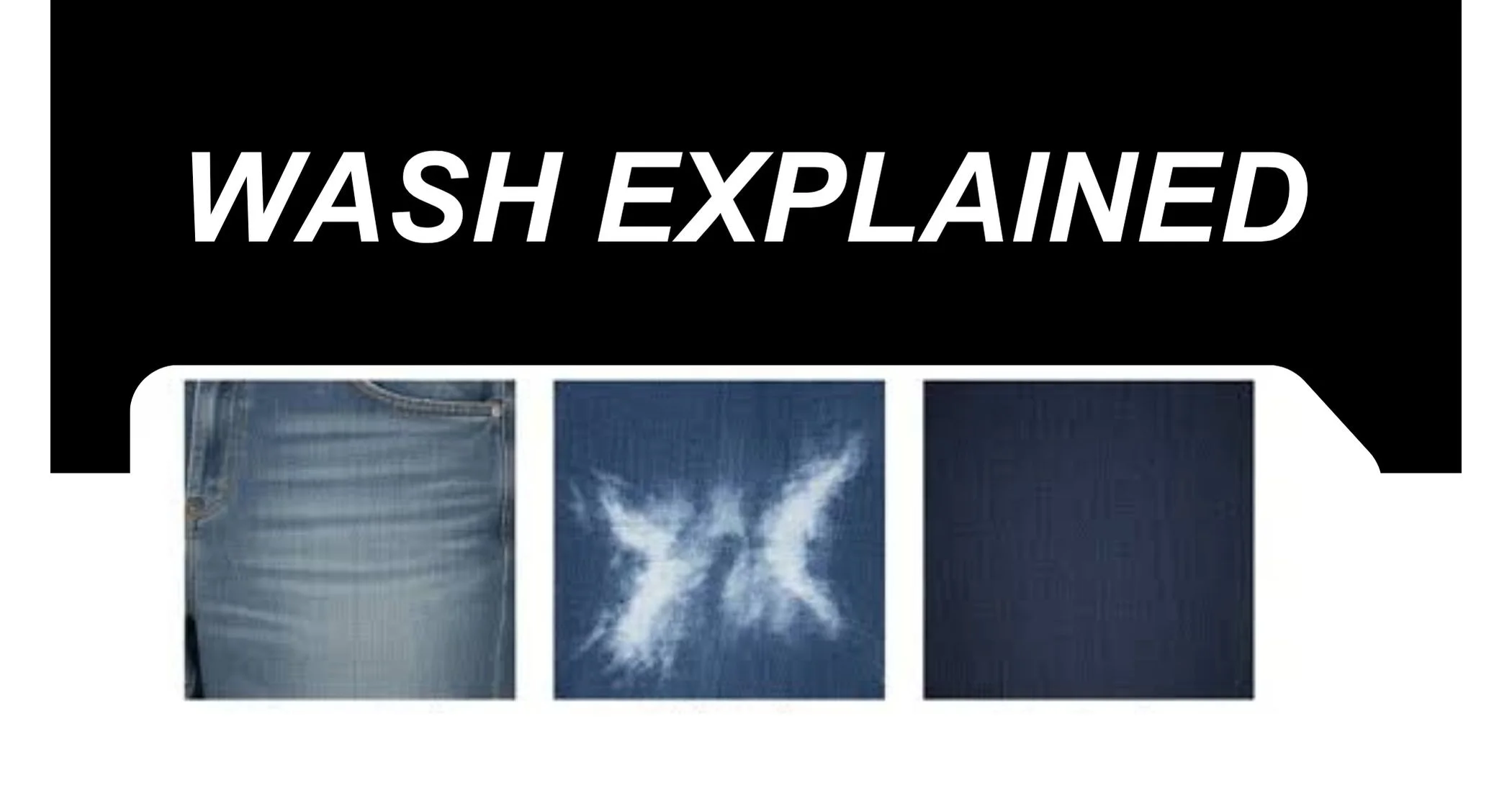
Standing in front of your closet, staring at five pairs of jeans that all look kind of the same? Same. Denim shopping gets confusing fast once you realize not every pair is built the same way. Once you know the types of denim washes out there, picking your next pair stops feeling like guesswork.
Here’s the thing nobody tells you at the store: washed black jeans, light wash denim, and dark wash denim aren’t just different colors. They’re treated differently, they wear differently, and honestly, they age differently too. Some hide a coffee spill like a champ. Others show every little mark.
This guide breaks down what each wash actually is, why it matters for your closet, and how to keep your favorite pair looking good longer. If you’re still figuring out which denim styles and washes work best for you, this types of jeans fit guide is a useful place to start.
Quick Answer
So which wash should you actually buy? Depends on your week. Light wash denim feels breezy and casual. Medium wash jeans go with basically anything you own. Dark wash denim looks sharp without you even trying. And if you want your jeans to last, learning how to wash denim jeans without fading is honestly worth five extra minutes of reading.
What’s a Denim Wash, Really?
Raw denim, straight off the bolt, is stiff, dark, and kind of uncomfortable to wear. A wash is just the process brands use to soften it up and change the color. Stone treatments, chemical rinses, sanding, repeated laundering there are a bunch of ways to get there, and each one gives you a slightly different look.
That’s why two pairs labeled “blue jeans” can look nothing alike on the rack.
Why the Wash Actually Matters for Everyday Jeans
Think about how much your everyday jeans go through. Work, errands, that one friend’s backyard barbecue where you sat on the grass without thinking twice. The wash you pick decides how forgiving your jeans are with dirt, how easily they mix into outfits you already own, and how often you’ll be tossing them in the laundry.
Got kids? A parent chasing a toddler around probably wants something darker that hides the chaos. Working from a couch all day? Go lighter and softer. Neither one is wrong; it just comes down to your actual routine, not what looks good on Pinterest.
Walking Through the Types of Denim Washes
There’s no single “right” wash. Instead, you’ve got a whole range of types of denim washes, each one suited to a different vibe or occasion. Here are the ones you’ll run into most while shopping.
Light Wash Denim
Faded, sun-bleached, almost worn-in right off the hanger that’s light wash denim in a nutshell. It leans casual, and it’s an easy pick once the weather warms up.
Pair it with white sneakers, a tucked-in tee, or an oversized button-down. It’s relaxed by design, not something you’d reach for on a formal day.
Medium Wash Jeans
Right in the middle of the pack sits medium wash jeans, probably the most flexible of all the jeans wash types. Sneakers, boots, a blazer thrown on top it all works.
If you only own one pair, honestly, start here. Medium wash jeans are the safest bet in your everyday jeans lineup because they don’t fight with anything else in your closet.
Dark Wash Denim
Deep, rich, barely any fading in sight dark wash denim just looks put together. That’s why it’s the go-to for people who want to look sharp without putting in a ton of effort.
It also hides dirt way better than lighter shades, making dark wash denim a smart choice for travel days or long shifts on your feet.
Washed Black Jeans
Washed black jeans give you that sleek black denim look but with a softer, already-broken-in feel. No stiffness, no discomfort just comfortable right out of the bag.
Throw on a hoodie for something laid-back, or add boots and a jacket when you want to dress it up. Washed black jeans genuinely go either way.
Whitewashed Jeans
Pale, bleached-out, kind of nineties in the best way whitewashed jeans have made a real comeback lately. Because the color is so light, though, whitewashed jeans show wear pretty quickly, so save them for lower-key days instead of yard work.
Types of Denim Washes Comparison
Wash Type
Look
Best For
Light Wash Denim
Faded, soft
Casual, warm weather
Medium Wash Jeans
Balanced, classic
Everyday outfits
Dark Wash Denim
Deep, rich
Work, travel, evenings
Washed Black Jeans
Sleek, worn-in
Day-to-night looks
Whitewashed Jeans
Pale, retro
Casual weekends
Why Denim Fades Over Time
Denim fade isn’t a flaw it’s just physics. Friction, sunlight, and enough trips through the wash slowly break down the dye. Totally normal, and the speed just depends on the wash and the fabric quality.
Some people love a bit of denim fade. Gives jeans that lived-in, personal look. Others would rather keep the color as close to day-one as possible, especially with darker pairs.
How to Wash Denim Jeans Without Fading
Want your color to stick around longer? A few small habit changes go a long way. Here’s how to wash denim jeans without fading before its time:
Or, follow these complete steps from here on how to wash denim jeans without fading and you’ll likely stretch your favorite pair’s life by months, maybe longer. It also slows down denim fade in those high-friction spots thighs, back pockets, you know the ones.
Why Everyone Loves Washed Baggy Jeans
Baggy is back, and washed denim jeans baggy styles are a big part of why. Instead of the tight, stretchy fits from a few years back, people are reaching for looser cuts in a worn-in wash.
Washed denim jeans baggy pairs really well with light wash denim or medium wash jeans the softer tone just matches that relaxed energy better. Works for a lazy Saturday or a low-key hangout equally well.
New to baggy fits? Start with a medium wash. It’s easy to style, and you can branch into lighter or darker washes once you know what you like
How to Choose the Right Denim Wash for Your Lifestyle
Choosing the right type of denim wash depends on where and how you’ll wear your jeans. Instead of buying every wash, focus on the ones that best match your daily routine and personal style.
Lifestyle
Recommended Denim Wash
Why It Works
Office or Smart Casual
Dark Wash
Looks polished, versatile, and easy to dress up.
Everyday Casual
Medium Wash
The most versatile option for daily wear and pairs well with almost anything.
Vintage or Street Style
Light Wash
Creates a relaxed, worn-in look that’s perfect for casual outfits.
Rugged or Workwear
Acid Wash or Stone Wash
Adds character and complements edgy or workwear-inspired looks.
Minimalist Wardrobe
Dark Wash or Medium Wash
Easy to mix and match with different tops and footwear.
When deciding, ask yourself a few simple questions:
What does your typical week look like? If you’re constantly on the go, dark wash jeans are great at hiding stains and signs of wear.
Do you prefer a crisp, clean look or jeans with a naturally worn-in feel? Dark washes maintain a refined appearance, while light washes develop a more relaxed, vintage-inspired character.
Understanding the different types of denim washes isn’t about owning every style. It’s about choosing one or two washes that fit your lifestyle, making it easier to build a versatile denim wardrobe you’ll actually wear.
Do You Like a Worn-In Look, or Something More Consistent?
Quick question before you buy your next pair. Do you like jeans that look a little worn, like they’ve got some history to them? Or would you rather the color stay pretty much untouched for years?
Honestly, there’s no wrong answer. It’s just personal taste.
If you’re into that natural, broken-in look, lighter washes will show it fast. You’ll start seeing fading around the knees first, then the thighs, and sometimes the back pockets too. A lot of people actually love this part. It makes the jeans feel like they’re really yours, not just something off a rack.
Want your jeans to look the same as day one? Go darker. Dark washes hang onto their color way longer. They do fade eventually, everything does, but it’s slow and barely noticeable.
Neither option is the “better” one here. It’s really just about what makes you happy when you catch your reflection in a shop window.
You Really Don’t Need Every Wash in Your Closet
Good news, you don’t need to own every type of denim wash out there. That’s a lot of jeans, and let’s be real, most closets can’t handle that anyway.
Just pick one or two washes that actually fit how you live. Maybe a medium wash for the work week and something darker for date nights or dinners out. Honestly, that’s plenty to start with.
Once that’s working for you, add more later if you feel like it. No rush at all.
The Right Wash Comes Down to Your Life, Not What’s Trending on Instagram
So many people get stuck chasing whatever’s popular that week. But here’s the thing, the best wash for you isn’t about trends at all. It’s about your actual day to day.
Take someone working a nine to five in an office. They probably want jeans that look sharp but don’t need babying. Dark wash denim checks that box easily. Clean look, hides small stains, doesn’t ask much of you.
Now picture a college student sprinting between classes with a backpack full of textbooks. Comfort wins here, hands down. Light wash denim usually feels softer right out of the store, which makes it a natural pick for someone always on the move.
Then there’s the person who’s always trying the newest thing. That’s probably the crowd reaching for washed denim jeans baggy in some soft medium tone. It’s been everywhere lately, and honestly, it works because both the fit and the wash feel relaxed without trying too hard.
None of these are right or wrong choices. They just match different people living different weeks.
What really matters, at the end of the day, is picking something that fits into your everyday jeans rotation without becoming one more thing to think about in the morning. Once you get a feel for how each wash behaves, how it fades, how much upkeep it wants, picking your next pair stops being a whole ordeal. Thinking about how each pair fits into your wider capsule wardrobe can make those choices even easier.
You just know. No more standing in the store overthinking it.
A Few Real Life Situations
Say you’ve got a work trip coming up. Lots of walking, hours on a plane, maybe a coffee spill somewhere in a rushed airport terminal. Dark wash is your friend here. It just hides the little stuff and still looks decent after a long travel day.
Or picture a slow Sunday. Farmers market, coffee with a friend, nothing on the calendar. This is where light wash denim, or even a soft medium wash, really earns its keep. Nothing fussy, just comfortable.
Heading out for drinks with friends? Washed black jeans might be the move. A little more polished than plain blue denim, but still easy enough to move around in all night.
Notice how the plans kind of decide the wash for you? That’s really the whole trick here.
Conclusion
Picking a denim wash really shouldn’t feel like a big deal. Once you know how each one looks, wears, and ages, choosing your next pair gets a lot easier.
Maybe you’re drawn to the clean look of a dark wash. Maybe you like the easy, relaxed feel of something lighter. Or maybe you’re all in on the baggy trend with a medium tone.
Whatever you pick, the best jeans are just the ones that fit your actual life. Not what’s trending, not what your friend just bought. Just what feels right for you, day after day.
Frequently Asked Questions
What are the main types of denim washes?
The big ones are light wash, medium wash, dark wash, washed black, and whitewashed denim. Each one looks and feels a bit different, so trying on a few is worth your time.
Which wash is best for everyday jeans?
Most people do best with medium wash jeans day to day. They mix well with almost anything already hanging in your closet and hide small marks decently too.
How do I stop my jeans from fading so fast?
A couple small habits go a long way. Turn them inside out before tossing in the wash. Stick to cold water. Skip the dryer, hang them up instead. Small stuff, but it adds up over time.
Are washed black jeans actually different from regular black jeans?
Yep. Washed black jeans go through an extra softening step, so they feel broken in right from the start. Regular black denim usually feels stiffer and darker at first.
Does whitewashed denim get dirty fast?
Kind of, yeah. Since the color’s so pale, small stains and marks show up more easily. Best saved for low key days rather than anything messy.
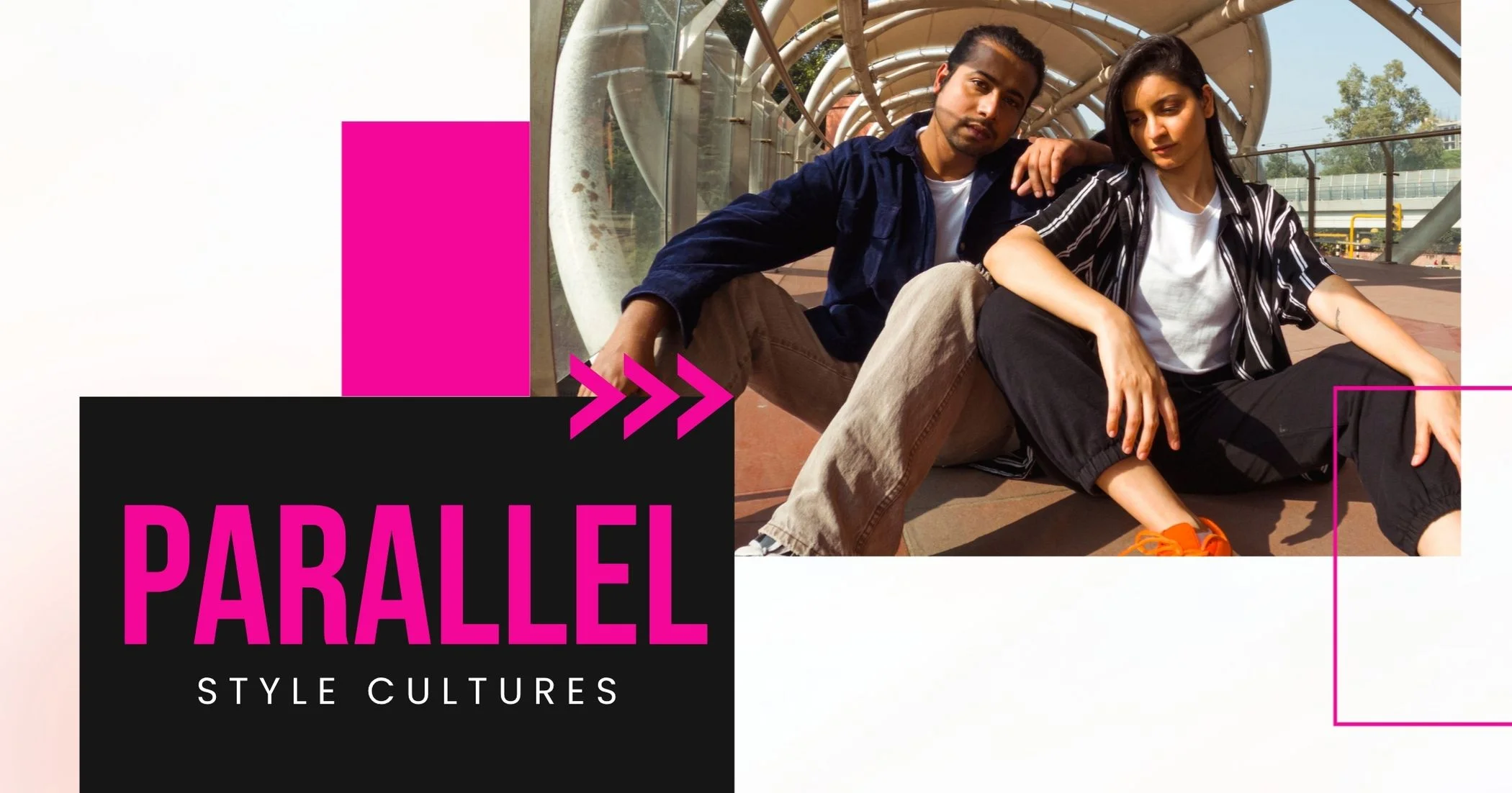
Scroll through any fashion forum and you’ll see the same question pop up constantly: streetwear or smart casual, which one should you actually wear? The truth is, they’re not competing for the same job. One was built to help you stand out. The other was built to help you fit in without looking like you tried too hard.
Once you understand what each style is actually solving for, the confusion mostly disappears. Knowing the right streetwear wardrobe essentials also makes it easier to understand what actually defines the style beyond individual trends.
This guide breaks down where both styles came from, what actually separates them beyond the surface-level stuff, and how to tell which one a given outfit, or occasion, really calls for. By the end, you should be able to look at any situation and know almost instantly which direction to lean. Understanding different fashion aesthetics can also make it easier to recognize which style fits the setting.
TL;DR – The Real Difference Between Streetwear and Smart Casual
Streetwear grew out of skate parks, surf shops, and hip-hop culture, and it’s built around loose fits, bold graphics, and standout sneakers. Smart casual grew out of offices and social settings loosening up from strict formalwear, and it leans on tailored pieces, clean lines, and polished footwear. Streetwear says look at me. Smart casual says I put thought into this without overdoing it. Knowing which one a situation calls for makes getting dressed a lot less complicated, and it saves you from those awkward moments where you show up either way too dressed down or way too dressed up.
What Is Streetwear, Really?
Streetwear isn’t just “casual clothes with a logo on them.” It’s a style with real cultural roots, and those roots explain almost everything about how it looks and functions today.
How Streetwear Grew Out of Skate and Hip-Hop Culture
Streetwear’s earliest DNA traces back to 1980s California skate and surf culture, where clothing needed to survive movement, not runway lighting. Skaters needed loose clothing that wouldn’t restrict their range of motion, and surfers needed something practical enough to throw on straight from the water. Around the same period, Shawn Stüssy began printing his signature on surfboards and then T-shirts in Laguna Beach, and the shirts found an audience well beyond the surf community almost immediately.
At the same time, hip-hop was pulling sportswear into fashion in a big way. Adidas tracksuits, Puma sneakers, Kangol hats, and Fila and Champion sportswear became part of a shared visual language across New York’s hip-hop scene. Artists effectively became informal style ambassadors, translating what started as subcultural dress into symbols that were recognizable well beyond music circles.
By the 1990s, skate culture in California, hip-hop in New York, and Japan’s Harajuku scene were all feeding into each other, turning streetwear into a real global category rather than a handful of disconnected regional subcultures. This evolution is explored in more detail in this complete streetwear guide, which looks at how the movement developed and shaped modern fashion. Supreme, founded by James Jebbia in 1994 as a small skate shop in Manhattan, became one of the clearest examples of streetwear evolving from niche subculture to mainstream cultural force, eventually influencing everything from luxury fashion houses to mall retailers.
What Streetwear Clothing Usually Includes
Streetwear clothing typically leans on oversized tees, graphic prints, hoodies, cargo pants, and standout sneakers. The common thread across all of it is comfort and self-expression over polish. It’s meant to be worn, lived in, and shown off, not just displayed carefully, which is part of why the fits tend to run loose rather than fitted. That preference for relaxed silhouettes is also central to styling baggy jeans, where proportion and layering become a big part of the overall look. Graphic elements matter a lot too.
What Does Smart Casual Actually Mean?
Smart casual sits in a weirdly undefined space, less formal than a suit, more put-together than jeans and a tee. That vagueness isn’t a flaw. It’s actually baked into its history.
Where the Smart Casual Dress Code Came From
The phrase “smart casual” is older than most people assume. Its earliest documented use goes back to a 1924 Iowa newspaper describing a women’s dress that was polished but not stiff. By the 1950s, the phrase had crossed into menswear, describing a suit more relaxed than the standard dark business suit of the era.
The modern version of smart casual really took shape later, though. Business casual emerged in 1980s Silicon Valley, born out of small tech companies that valued results over rigid formality and spent more time staring at screens than sitting across from clients. The idea behind it was creating a work culture that felt inclusive rather than restrictive. Then in 1992, Dockers launched a marketing campaign built specifically around convincing office workers that khakis could replace a suit without looking unprofessional, a campaign widely credited with pushing the loosened dress code into mainstream offices across the country.
What a Typical Smart Casual Outfit Looks Like
A smart casual outfit usually mixes one or two polished pieces, a blazer, tailored trousers, a collared shirt, with something more relaxed, like clean sneakers or dark jeans. The goal is looking pulled-together without looking like you’re heading into a boardroom meeting. It’s flexible enough to carry you from a work event straight into dinner without needing to change clothes in between, which is exactly why it became so popular once offices started loosening their old dress codes.
Streetwear vs Smart Casual – Key Differences at a Glance
Once you line the two styles up side by side, the differences become pretty obvious, even if the exact boundary between them can get blurry sometimes.
Fit and Silhouette – Relaxed vs Tailored
Streetwear leans oversized on purpose, a habit that traces directly back to skate culture, where loose clothing meant more room to move without restriction. Smart casual does the opposite, favoring a closer, tailored fit that signals effort and polish. Neither fit is inherently better. They’re just built to communicate completely different things about the person wearing them.
Fabric and Materials – Function vs Polish
Streetwear fabrics tend to prioritize durability and comfort, heavyweight cotton, fleece, technical materials built for movement and everyday wear. Smart casual fabrics lean toward polish instead, think crisp cottons, lightweight wool blends, and fabrics that hold a clean line rather than a relaxed drape. Understanding fabric composition can help you spot these differences before you even put an outfit on. You can often tell which category an outfit belongs to just by touching the fabric.
Footwear – Sneakers vs Dress Shoes
In streetwear, sneakers are often the centerpiece of the whole outfit, sometimes worth more than everything else combined. Collectors track releases, resell rare pairs, and build entire outfits around a single shoe. In smart casual, footwear leans toward minimal sneakers, loafers, or clean dress shoes that don’t pull attention away from the rest of the outfit. The shoe supports the look instead of leading it.
When to Wear Streetwear vs Smart Casual
Neither style is universally “correct.” It really comes down to the setting, and reading a room correctly matters more than most people give it credit for.
Occasions Where Streetwear Clothing Works Best
Streetwear clothing fits naturally into casual, high-visibility settings, concerts, sneaker meetups, weekend hangouts, and anywhere the goal is standing out rather than blending into the background. Relaxed staples like cargo pants are especially easy to work into these casual settings. It also works well for creative industries where personal expression is part of the job itself.
Occasions That Call for a Smart Casual Dress
Client dinners. First dates. Semi-formal work events. Family gatherings where you want to look pulled together but not stiff. That’s basically the territory smart casual owns. Whenever you’re not totally sure how formal a thing is going to be, it’s the safe middle ground option.
Can Streetwear and Smart Casual Mix?
They seem like opposites, sure, but honestly these two overlap way more than people give them credit for. Knowing how to blend them is a genuinely useful skill to have in your back pocket.
How Men’s Streetwear Pieces Can Fit Into a Smart Casual Outfit
A structured bomber over a button-down works. A minimal graphic tee under a blazer works too. Even clean, low-profile sneakers with tailored trousers can pull it off. The trick, though, is restraint. Pick one streetwear element, not three or four all at once.
Common Mistakes People Make Blending the Two Styles
Biggest slip-up people make? Piling on too many loud pieces from both sides at the same time. One relaxed or graphic item next to tailored basics, that reads as intentional. But stack a bunch of oversized, graphic-heavy stuff on top of tailoring and it just looks like two outfits got smashed together by accident.
A Look at Streetwear Brands vs Smart Casual Wardrobe Staples
These two aren’t just different looks. They’re basically running on different business models entirely, and that shapes everything, pricing included, down to how people actually shop for each.
What Sets Streetwear Brands Apart From Traditional Menswear Labels
Take Supreme. Built its whole identity around scarcity, tiny weekly drops, zero restocks, ever. That’s part of why resale prices climbed to ten times retail in some cases. Compare that to how traditional menswear labels operate, where a staple piece just stays in stock, season after season. A smart casual staple, a good blazer, solid chinos, is meant to be something you buy again and again without thinking twice. A streetwear drop isn’t like that at all. It’s a moment, gone the second it sells out.
How Luxury Streetwear Brands Blur the Line With Smart Casual
Then luxury streetwear came along and messed with the whole equation. Supreme teaming up with Louis Vuitton, or Comme des Garçons, pushed prices into territory that used to belong strictly to tailored, formal pieces. Once a hoodie costs the same as a blazer, that neat “streetwear equals casual, smart casual equals dressed up” idea kind of falls apart. These collabs are basically borrowing smart casual’s price tag and prestige, while keeping streetwear’s whole scarcity game intact underneath.
How Streetwear Shirts Differ From Smart Casual Shirts
Even a plain old shirt gives away which world it belongs to, once you know what you’re looking at.
Graphic Tees and Oversized Fits vs Structured Button-Downs
A streetwear graphic tee wants to be loud. Bold logo, cultural reference, oversized cut, all built to grab attention. A smart casual button-down is doing the opposite job completely, letting the fit and fabric speak instead of some big print. One wants eyes on it. The other just wants to look effortlessly right.
How Trends Like Y2K Fashion and Vintage Clothing Influence Both Styles
Both styles keep circling back to the past, just different decades, different reasons. Streetwear leans hard into Y2K fashion and vintage pieces, low-rise cuts, throwback graphics, worn-in stuff pulled straight out of 90s hip-hop and skate culture. Smart casual pulls more from mid-century tailoring instead, those clean, simple silhouettes that never really went anywhere. Nostalgia gives both an instant credibility boost, since a familiar reference does a lot of the heavy lifting on its own.
Building a Wardrobe That Works for Both Streetwear and Smart Casual
A handful of flexible pieces can bridge both worlds pretty easily. Think a well-fitted bomber, clean minimal sneakers in some neutral shade, trousers that are structured but not stiff like dress pants, and maybe one solid graphic tee you actually save for occasional wear instead of wearing constantly. None of these commit hard to one side, which is exactly why they hold up in either setting without much extra thought.
The Bottom Line: Streetwear and Smart Casual Solve Different Problems
Streetwear came from people who didn’t care much for a room’s dress code. Smart casual came from people trying to loosen that code just enough to still belong in the room. Neither one’s more “correct,” really. They’re just answering two completely different questions, for different rooms, different moments.
That answer usually picks the outfit for you, no overthinking required. Understanding the difference between fashion style and aesthetic can also help you make more intentional choices about what you wear.
FAQs
Where did streetwear actually come from?
Traces back to 1980s California, skate and surf culture mainly, plus hip-hop blowing up in New York around the same time. Solidified further through Stüssy in the 80s, then Supreme in the 90s.
Where did the term “smart casual” come from?
First showed up in a 1924 Iowa newspaper, actually, describing a women’s dress. Didn’t cross into menswear until the 1950s, where it meant a more relaxed business suit.
Can streetwear and smart casual be worn together?
Sure, as long as you balance it. One relaxed or graphic streetwear piece next to tailored basics, that works fine. Pile on too many loud pieces alongside tailoring though, and it starts looking unintentional fast.
Why are luxury streetwear brands so expensive?
Comes down to manufactured scarcity mostly, limited drops, big-name collaborations. All of that pushes prices way past what the actual materials would suggest.
What’s the fastest way to tell streetwear and smart casual apart?
Just look at the fit, honestly. Streetwear runs loose, oversized. Smart casual sticks closer to the body, more tailored overall.
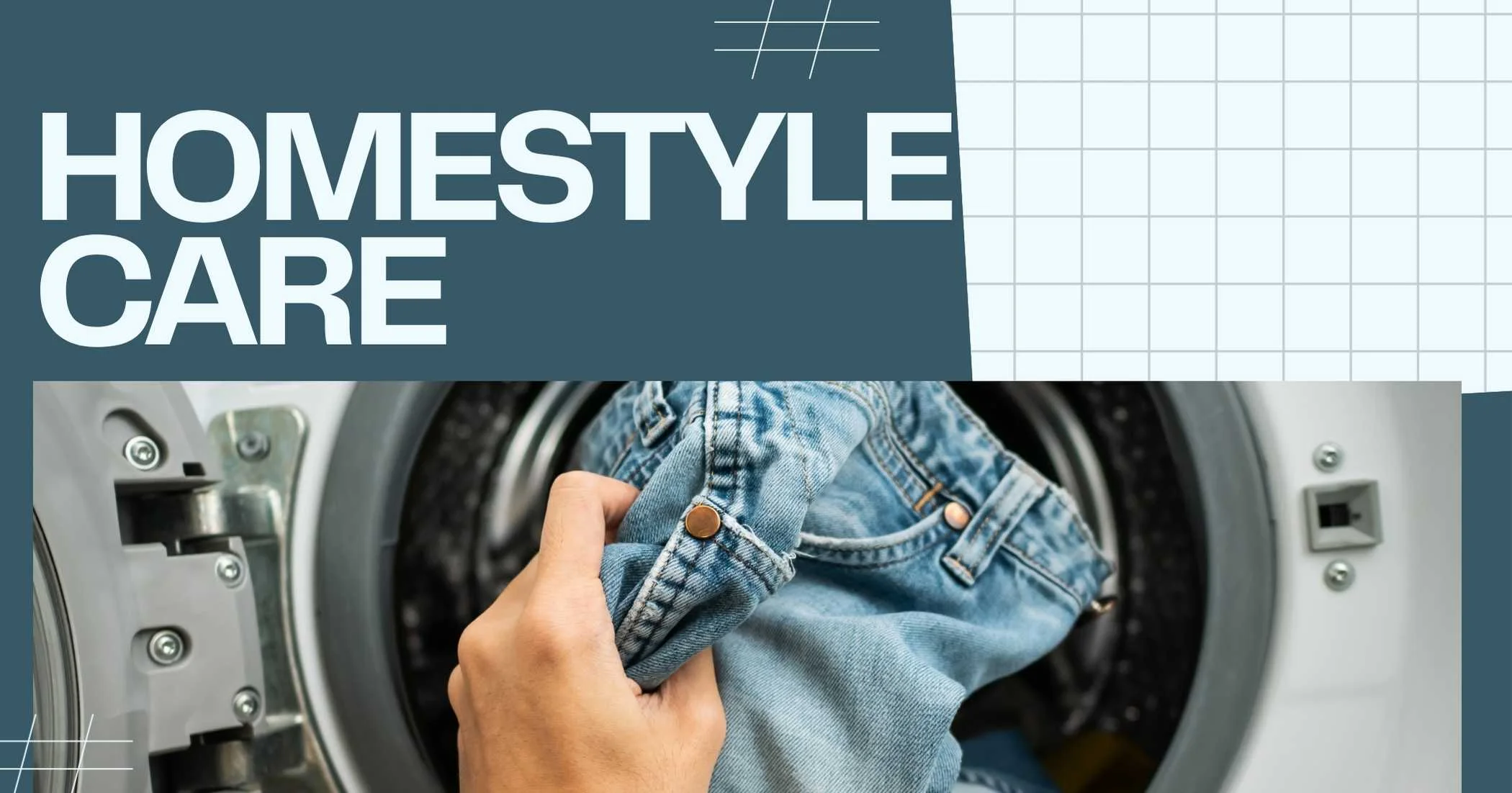
Toss your jeans in with a regular laundry load, and you might be doing more harm than you realize. Washing jeans the wrong way speeds up fading, weakens the fabric, and causes the fit to shrink over time. Do it right, and a good pair lasts years instead of months.
This guide walks through the whole process, step by step. How often to wash. What detergent to grab. How to keep your favorite pair of jeans looking new for as long as possible. Understanding the care instructions on clothing labels can also help you avoid common washing mistakes.
Quick Answer
Washing jeans properly means turning them inside out, using cold water, and picking a mild detergent for denim. Wash less often than you think, air dry instead of using a machine, and skip fabric softener entirely. These few habits protect color, fit, and fabric strength far longer than a standard laundry routine ever will.
Why Is It Important to Wash Jeans the Right Way?
Most people treat denim like any other laundry item. Toss it in with everything else on a regular cycle. That habit wears down fibers faster and strips color long before it actually needs to fade.
Good jean care protects your investment, especially with pricier pairs. A pair that costs more per wear because it lasts three years beats a cheap pair replaced every few months. Proper washing is a key part of extending that lifespan. Building a rotation from scratch? Browsing women’s jeans or men’s jeans with care instructions already in mind makes this whole process easier down the road. Whether you’re considering Levi’s, Lee, or other denim brands, keeping care instructions in mind makes this whole process easier down the road.
How Washing Affects Different Denim Types
Not every wash reacts to laundering the same way. Raw denim needs almost no washing early on. Grey wash jeans, or lighter shades in general, show wear and fading a lot faster if you’re not careful with water temperature and detergent choice.
Why This Matters More Than Most People Realize
A lot of denim damage happens slowly, over months, not from one bad wash. Small habits, the wrong water temperature, the wrong detergent, skipping the inside-out step—they stack up over time. Eventually, a pair that should’ve lasted years starts looking tired after just one season.
The Real Cost of Skipping Proper Care
Think about cost per wear for a second. A pair worn weekly for three years costs far less over time than a cheap pair you keep replacing every few months because the wash faded unevenly or the fabric wore thin. Proper washing is really just a budgeting decision wearing a laundry-habit disguise.
Washing Jeans at Home First Time: What to Know Before You Start
Learning how to wash jeans the first time matters more than people expect, especially with darker or raw denim. That first wash sets the tone for how the pair fades and holds color going forward.
Many darker washes, particularly mens dark blue jeans like the ones you’ll find browsing men’s casual trousers and jeans, bleed excess dye during the first few washes. Washing the first two or three times keeps that dye from transferring onto lighter clothes down the line.
What Happens if You Skip This Step
Skip a careful first wash, and you risk staining other laundry items or setting the color unevenly across the fabric. A little extra caution early on saves real headaches later.
Testing for Colorfastness Before a Full Wash
Before running a full cycle, dab a damp white cloth on an inside seam. Color transfers heavily? That pair needs extra separate washes early on. It takes thirty seconds, and it saves you from ruining a light-colored towel or shirt later.
The Jeans Washing Process Step by Step
Here’s the full washing jeans process, broken down simply so you’re not guessing at any stage.
Turn jeans inside out before washing
Use cold water, never hot
Choose a mild detergent for denim
Wash on a gentle cycle, or hand wash if possible
Skip the dryer; air dry flat or hanging instead
Key takeaway: Cold water and inside-out washing are the two habits that protect color and fit the most, across nearly every denim type.
Why Turning Jeans Inside Out Helps So Much
Turning denim inside out protects the outer surface from friction against the drum or other clothing. This one step reduces fading and pilling more than almost anything else in the jeans washing process. Levi’s also recommends washing jeans inside out to help preserve color and reduce fading.
Hand Washing as an Alternative
For raw denim, or anything you’re especially protective of, hand washing in a basin with cold water gives you even more control than a machine cycle. Takes longer, sure. But it’s the gentlest option out there if you want a pair to last for years.
Choosing the Right Detergent for Denim
Not all detergents work the same on denim. Standard detergents often carry brighteners or harsh chemicals that strip color faster than necessary, especially on darker or richly saturated washes.
Look for a mild, dye-free detergent for denim, specifically formulated for dark fabrics. These formulas clean just fine without stripping indigo dye the way regular detergent can, wash after wash.
Detergent Mistakes That Speed Up Fading
Skip detergents with added bleach or optical brighteners. These ingredients exist to make whites look whiter, which works directly against you when the goal is preserving deep, rich denim color instead.
Reading Detergent Labels Correctly
Check the label for phrases like “color-safe” or “dark fabric formula.” Usually signals a gentler pH balance that won’t strip dye as aggressively as an all-purpose detergent built for general laundry.
Water Temperature and Wash Denim Settings
Cold water stays the golden rule across nearly every guide on how to wash denim properly. Hot water speeds up fading and can cause shrinkage, especially in cotton-heavy blends without much stretch in them.
Set your machine to gentle or delicate if hand washing isn’t an option. Cuts down the mechanical stress denim goes through during a standard cycle.
Why Gentle Cycles Protect Fit
Aggressive wash cycles stretch out seams and waistbands over time. A gentle setting keeps the fabric’s structure intact, which matters a lot if you actually care how your jeans fit months down the line.
Light Wash Jeans and Wash Frequency
Light wash jeans, the kind you’ll spot across curated picks in women’s western wear, need a bit of extra attention. Fading shows up faster on lighter denim than it does on darker shades. Wash these pairs less often than you’d think necessary.
Spot cleaning works well for small stains on light wash jeans too, letting you skip a full wash cycle entirely for minor marks. Adds months to how long that wash stays looking fresh.
How Often Is Too Often
Good rule of thumb here: wash denim every four to six wears, not after every single use. Frequent washing, even done right, still wears fabric down faster than it needs to over time.
Denim Enzyme Wash and What It Means for Home Care
Jeans that already went through a denim enzyme wash during manufacturing need slightly different care at home. This process softens fibers using natural enzymes, and that softness can wear down faster if you hit it with harsh detergents or hot water.
Stick to cold water and mild detergent, especially with enzyme-washed pairs. Whatever softening effect the factory built in can reverse or degrade unevenly if you’re not gentle with the fabric going forward.
Spotting Enzyme-Washed Denim Before You Buy
Enzyme-washed jeans usually feel noticeably softer straight off the shelf compared to raw or stone-washed alternatives. If you’re shopping for a soft, easy-care pair, brands like Snitch, WROGN, and The Bear House often list fabric treatment details on their product pages, worth checking before you buy.
Why Enzyme Washing Has Become So Common
More denim brands lean on enzyme processing now than they did a few years back, partly because it uses less water and fewer harsh chemicals than older stone-washing methods. Knowing this helps explain why newer pairs often feel softer straight out of the packaging.
Grey Wash Jeans and Color Preservation Tips
Grey wash has become the go-to neutral for people who want something other than classic blue. The tradeoff? It fades unevenly if you’re not careful, and uneven fading on grey denim looks patchy fast, nothing like the intentional, worn-in look most people are going for.
Turn them inside out. Every wash, no exceptions. Grey shows uneven wear more than deep indigo does, so this one habit matters more here than with darker denim.
Storing Grey Denim Between Washes
Fold, don’t hang. Hanging grey wash jeans between wears stretches out the waistband over time and can throw off how evenly the color holds up across the pair.
Drying Denim Without Damaging It
Skip the dryer when you can. Repeated laundering can cause dimensional shrinkage and gradual structural changes in denim over time, making proper drying habits just as important as proper washing.
Air dry flat or hang your jeans by the waistband instead of using a dryer. This simple habit helps maintain the fit and overall structure of your denim for longer.
Speeding Up Air Drying Safely
Roll the jeans in a clean towel first to squeeze out extra water before hanging. It genuinely cuts drying time down, no heat required.
Where to Dry Jeans for Best Results
Keep them out of direct sunlight, especially darker washes. Sun fades denim unevenly, kind of like how upholstery near a window bleaches out over the years. A shaded spot with decent airflow does the job better.
Jeans Washing Instructions to Keep on Hand
Consistency is really what separates jeans that last from ones that don’t. Here’s the short version:
Turn inside out before every wash
Cold water, gentle cycle
Mild, dye-safe detergent
Wash every four to six wears, not after each one
Air dry; skip the machine
Building These Instructions Into a Routine
Stick this list inside a laundry cabinet door, or save it somewhere you’ll actually see it. A quick glance before laundry day beats trying to remember it from memory every time.
Caring for Raw and Unwashed Denim Differently
Raw denim plays by different rules entirely. A lot of owners wait months, sometimes longer, before that first wash, letting the fabric fade naturally based on how they actually move and sit in it.
When the first wash finally happens, the same rules apply: cold water, inside out, just far less often. The point is protecting those fade lines and creases that came from your own body, not a factory process.
Signs Raw Denim Is Finally Ready for a Wash
Persistent odor. Stiffness that won’t loosen no matter how much you wear them. Visible buildup. Any of these mean it’s time. Otherwise, most raw denim owners hold off three to six months minimum before that first wash. For more guidance on keeping denim in good condition, see these care instructions for denim.
Building a Denim Rotation That’s Easier to Care For
If keeping up with all this feels like a lot for one pair, get two or three into rotation instead. Each pair gets worn less often between washes, which slows down fading naturally—less effort, better results.
Explore curated collections for outfit-ready denim picks, or check trending picks if you’re not sure where to start building a rotation that’s easy to maintain long-term.
There’s no need to stick with just one label either. Many shoppers keep a mix, something structured from Global Desi for casual days, alongside a sharper pair from The House of Rare for smarter occasions, giving them variety without overloading their laundry routine.
Common Mistakes People Make When Washing Jeans
A handful of habits show up again and again, quietly wearing denim down over time:
Washing after every wear; fabric just doesn’t need it
Hot water: speeds up fading and shrinkage
Skipping inside-out leaves the outer surface exposed to friction
Regular detergent with brighteners or bleach
High-heat drying weakens fibers with every cycle
Fix even two or three of these and your denim will noticeably outlast a pair washed carelessly.
Why These Mistakes Go Unnoticed for So Long
The damage builds slowly. You won’t see it after one wash, but compare a pair cared for properly over a year against one that wasn’t, and the gap is obvious immediately.
Conclusion
Washing jeans right isn’t complicated. It just takes a little more thought than dumping everything into one load. Cold water, a gentle cycle, mild detergent, and air dry cover most of what your denim actually needs.
Light wash, dark blue jeans, or a pair fresh off the rack—these habits protect color and fit far longer than careless laundering ever will. For more everyday clothing-care habits that help your wardrobe last longer, check out this caring for clothes.
Frequently Asked Questions
How often should I wash my jeans?
Every four to six wears works for most denim. Washing after every wear just wears the fabric down faster than it needs to.
Can I wash jeans with other laundry?
Better to wash new or dark denim separately for the first few washes; excess dye can bleed onto lighter fabrics.
Does cold water really make a difference?
Yes. It slows fading significantly and prevents shrinkage compared to warm or hot water.
Is it okay to machine dry jeans occasionally?
Once in a while won’t ruin them, but regular machine drying weakens fibers and shrinks fit over time. Air drying is the safer long-term habit.
What detergent works best for denim?
A mild, dye-safe detergent without bleach or brighteners protects color much better than standard detergents.
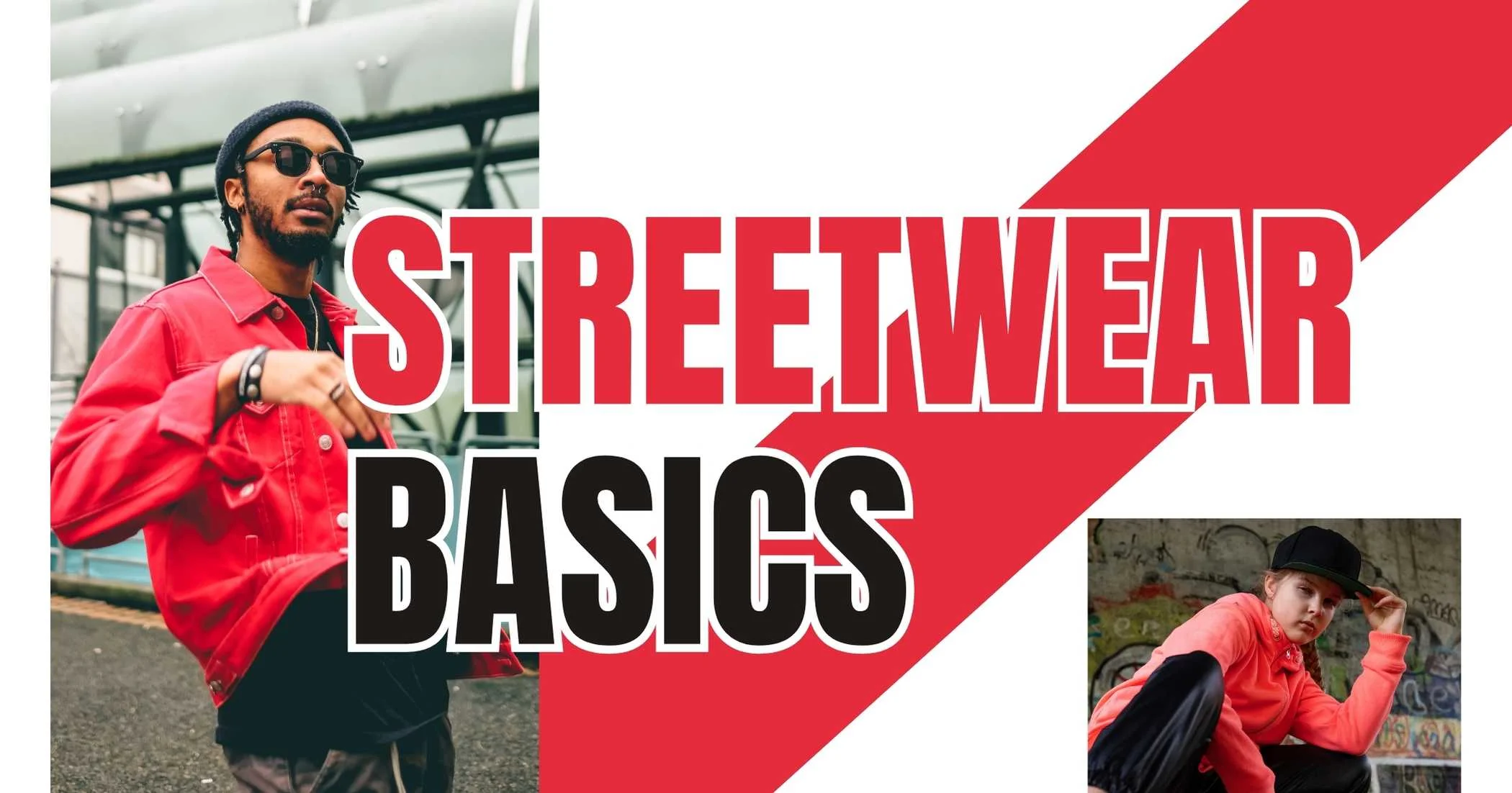
Trying to figure out streetwear for the first time can feel like walking into a conversation halfway through. Everyone else already seems to know the rules somehow. These streetwear ideas for beginners exist to fix that. No jargon. No assuming you already own ten hoodies. Just ten real pieces worth owning, and why each one earns its spot in your closet.
This guide covers what to buy first, how to mix pieces without overthinking it, and how to skip trends that won’t survive past one season anyway.
Quick Answer
Streetwear ideas for beginners start with ten core pieces. A plain tee, a graphic tee, a neutral hoodie, one solid jacket, joggers, wide-leg jeans, cargo pants, sneakers, a cap, and a crossbody bag. From there, mixing loose and fitted pieces together builds most of the outfits you’ll actually wear day to day, no closet overhaul needed.
1. A Plain Tee: The Base of Every Streetwear Outfit
Every strong streetwear rotation starts here. A plain tee works as a base layer under a hoodie, or stands on its own with the right bottoms. Neutral colors, black, white, grey, pair with almost everything else on this list.
Fit matters more than people expect with a plain tee. Not too tight, not swimming on your frame. This one piece sets the tone for how everything layered on top of it will actually look.
Why This Piece Comes First in Any Streetwear Beginners Guide
A streetwear beginners guide always starts here for a reason. Nearly every other piece on this list gets paired with a plain tee at some point, which makes it the single most reused item in a beginner’s closet.
How Many Plain Tees to Start With
Two or three plain tees in different neutral shades cover most needs early on. This gives you enough rotation to wash and wear without running out of clean basics halfway through the week.
2. A Graphic Tee for Personality
Once the plain tee is covered, a graphic tee adds character. Band logos, vintage prints, simple text designs, all of it works as long as the graphic feels like something you’d actually reach for.
Pick one or two graphic tees to start, rather than a whole collection. Trendy graphics fade out of style fast, so a couple of solid picks beat a closet full of prints you’ll tire of within a season.
A Real-Life Example Worth Trying
Picture a Saturday hangout with friends. A graphic tee, joggers, and clean sneakers take two minutes to put together, and it still reads as intentional, not thrown on last minute.
Choosing Graphics That Last Beyond One Trend
Look for designs with some history behind them, band tees, retro logos, references that don’t feel tied to a single viral moment. These tend to stay relevant longer than whatever graphic is trending online this month.
3. A Neutral Hoodie for Everyday Comfort
No streetwear ideas for beginners list skips the hoodie. It works for layering, for comfort, and for pulling together a laid-back look fast, even on days when you barely feel like getting dressed.
A plain hoodie in black, grey, or cream pairs with almost everything else in your closet. From there, add a graphic hoodie or two once the neutral base feels solid.
Zip-Up vs Pullover
A zip-up hoodie gives more flexibility for layering, since you can open it over a tee when the weather warms up. A pullover feels cozier and works well as a single warm layer on its own.
Fit Considerations for Beginners
Slightly oversized works best for most streetwear looks, but there’s a limit. A hoodie that swallows your frame completely looks sloppy rather than intentional. Try a size up from your normal fit, not three sizes up.
4. One Solid Jacket That Works Across Seasons
Jackets and outerwear are where a lot of streetwear personality shows up. A bomber jacket, a denim jacket, or a puffer coat can completely change the feel of an outfit in seconds.
Start with one versatile jacket that works across most of the year, like a lightweight bomber or denim jacket. Add a heavier coat later once winter rolls around and layering becomes more important.
Why One Jacket Beats Five Right Away
Buying five jackets before you know your style usually means four of them sit unworn. One solid, versatile piece gets more actual wear than a whole rack of options you haven’t tested yet.
Fabric Choices Worth Considering
Cotton and denim jackets tend to work best for beginners, since both pair easily with the rest of this list. Leather and technical fabrics are worth exploring later, once you know your style leans that direction.
5. Joggers for Comfort and Versatility
Joggers bring a relaxed, athletic-inspired look to almost any outfit. They’re comfortable enough for daily wear and pair easily with sneakers, hoodies, and graphic tees alike.
Stick to neutral colors, black, grey, or olive, for your first pair. These shades go with nearly everything else you own, which matters a lot when you’re still building out your closet.
Where Joggers Fit Best in a Rotation
Joggers work especially well for travel days, lazy weekends, or anywhere comfort matters more than a sharp silhouette. Keep at least one pair in heavy rotation for these low-key days.
6. Wide-Leg Jeans for a Fashion-Forward Edge
Wide-leg jeans add a more current, fashion-forward silhouette compared to joggers. They’ve become a staple across most modern streetwear looks, replacing skinny jeans as the default choice for a lot of people.
Pair wide-leg jeans with a fitted top to balance out the extra volume in the leg. This small styling trick keeps the outfit from looking shapeless.
How to Mix and Match Outfits Using This Piece
Learning how to mix and match outfits with wide-leg jeans comes down to one rule. Loose bottom, fitted top. A graphic tee tucked into wide-leg jeans, paired with sneakers, covers most casual days without much thought.
Getting the Hem Length Right
Pay attention to where wide-leg jeans hit your shoe. Too much fabric pooling over your sneaker looks unfinished fast. A quick hem adjustment solves this in minutes and keeps the whole outfit looking cleaner.
7. Cargo Pants for a Utility-Inspired Look
Cargo pants bring extra pockets and a utility-inspired feel that’s become a huge part of streetwear over the past few years. Extra storage, a distinct silhouette, and a slightly different vibe than joggers or wide-leg jeans.
Keep your top simple when wearing cargo pants, since the pockets already add plenty of visual detail. A plain tee or hoodie balances things out nicely.
Color Choices Worth Considering
Olive, khaki, and black cover most cargo pants needs for a beginner. These shades pair with nearly every top on this list without much extra thought required.
8. Sneakers: The Most Important Piece on This List
If there’s one item that defines streetwear more than anything else, it’s sneakers. A good pair can lift a simple outfit fast, while the wrong pair can throw the whole look off no matter what else you’re wearing.
Start with one clean, neutral sneaker, white or black, low-top. This pairs with almost everything you own. Add a bolder second pair once the basics feel solid, saved for days you want a statement piece.
Caring for Your Sneakers
Sneakers cost real money, so keeping them clean matters. A simple brush and some sneaker cleaner go a long way in keeping your rotation looking fresh instead of letting them wear down fast.
Why Sneakers Deserve a Bigger Budget
If there’s one category worth spending a little extra on, it’s this one. You’ll wear sneakers constantly, and a well-made pair holds up far longer than a cheap alternative that falls apart within months.
9. A Cap for Easy Personality
Small details make a big difference in streetwear outfits. A cap, plain baseball style or with a small logo, pulls a simple outfit together fast without much extra effort.
This is one of the cheapest ways to add personality to a look. A single cap can shift the whole feel of an outfit that would otherwise read as plain.
When to Reach for This Piece
A cap works especially well on days you haven’t washed your hair, or when an outfit feels like it’s missing one small detail. It’s an easy fix that takes zero extra planning.
10. A Crossbody Bag for Function and Style
Bags add both function and style, especially on days you need to carry more than just your phone and keys. A crossbody bag works well across nearly every streetwear outfit, casual or slightly dressed up.
Keep your first bag neutral, black or a simple canvas tone, so it pairs with everything else on this list without clashing.
Why This Piece Often Gets Overlooked
A lot of beginners skip bags entirely when starting out, focusing only on clothing. But a crossbody bag finishes an outfit in a way a plain pocket never can, and it solves the practical problem of where to put your phone and keys.
Street Style vs Streetwear: Clearing Up the Confusion
Before shopping for any of the above, it helps to sort out street style vs streetwear. People mix these terms up constantly, both online and in stores. Streetwear is a specific clothing category, hoodies, graphic tees, sneakers, cargo pants. Street style is broader, meaning whatever people happen to be wearing out in the world, regardless of category.
You can dress in street style without touching streetwear at all. Coat and jeans outfits can still count as street style, if that’s genuinely what someone’s wearing that day.
Why the Difference Matters for Beginners
Getting clear streetwear ideas for beginners on street style vs streetwear tells you what you’re actually chasing. Want the hoodie-and-sneaker aesthetic specifically? That’s streetwear. Just want to look put together in general? Street style opens up way more room to explore.
Streetwear ideas for Beginners: Building a Capsule Wardrobe From These Ten Pieces
Thinking of these ten capsule wardrobe essentials makes the whole beginner phase a lot less overwhelming. Instead of buying constantly, you focus on a small rotation of pieces that actually work together and get worn often.
This approach also makes gaps obvious fast. If you keep reaching for the same jacket because nothing else fits the vibe, that tells you exactly what to shop for next.
Why Ten Pieces Is Enough to Start
A closet stuffed with random pieces creates decision fatigue every morning. A capsule wardrobe built around these ten basics actually makes getting dressed faster, not harder, once everything’s in place.
Shopping These Essentials Without Overspending
Money gets tight fast if you try buying everything at once. A smart streetwear beginners guide approach means starting with budget-friendly basics, then investing more once your style has settled into something consistent.
Thrift stores and resale sites are great places to find pieces without paying full retail. Jackets and denim especially hold up well secondhand, since the fabric was usually built to last from the start.
A Simple First Purchase Plan
Week one: plain tee, joggers
Week two: neutral hoodie
Week three: sneakers
Week four: one jacket, cap, and crossbody bag
Spreading purchases out like this keeps the budget manageable while still building a real rotation you can wear right away.
Conclusion
These ten pieces cover most of what a beginner actually needs, without turning shopping into an overwhelming project. Start with the basics, add personality slowly, and let your own taste guide the rest as you go.
There’s no rush to buy everything at once. A strong streetwear wardrobe grows over time, piece by piece, shaped by what you actually wear and genuinely like. Avoid common mistakes with our guide to common streetwear wardrobe mistakes.
Frequently Asked Questions
What should I buy first when starting streetwear?
Start with a plain tee, a neutral hoodie, and a clean pair of sneakers. These three cover the most outfit combos early on.
Do I need expensive brands to dress streetwear?
Not really. Fit and how pieces work together matter way more than the price tag on any single item.
What’s the difference between streetwear and street style?
Streetwear means a specific clothing category, hoodies, sneakers, that kind of thing. Street style just means whatever people actually wear out in public.
How many pieces do I really need to start?
Ten solid pieces, like the ones on this list, cover most beginner outfits without requiring a huge closet or budget.
How do I avoid wasting money as a beginner?
Stick with versatile basics first, shop secondhand when you can, and hold off on trend pieces until your core wardrobe feels solid.