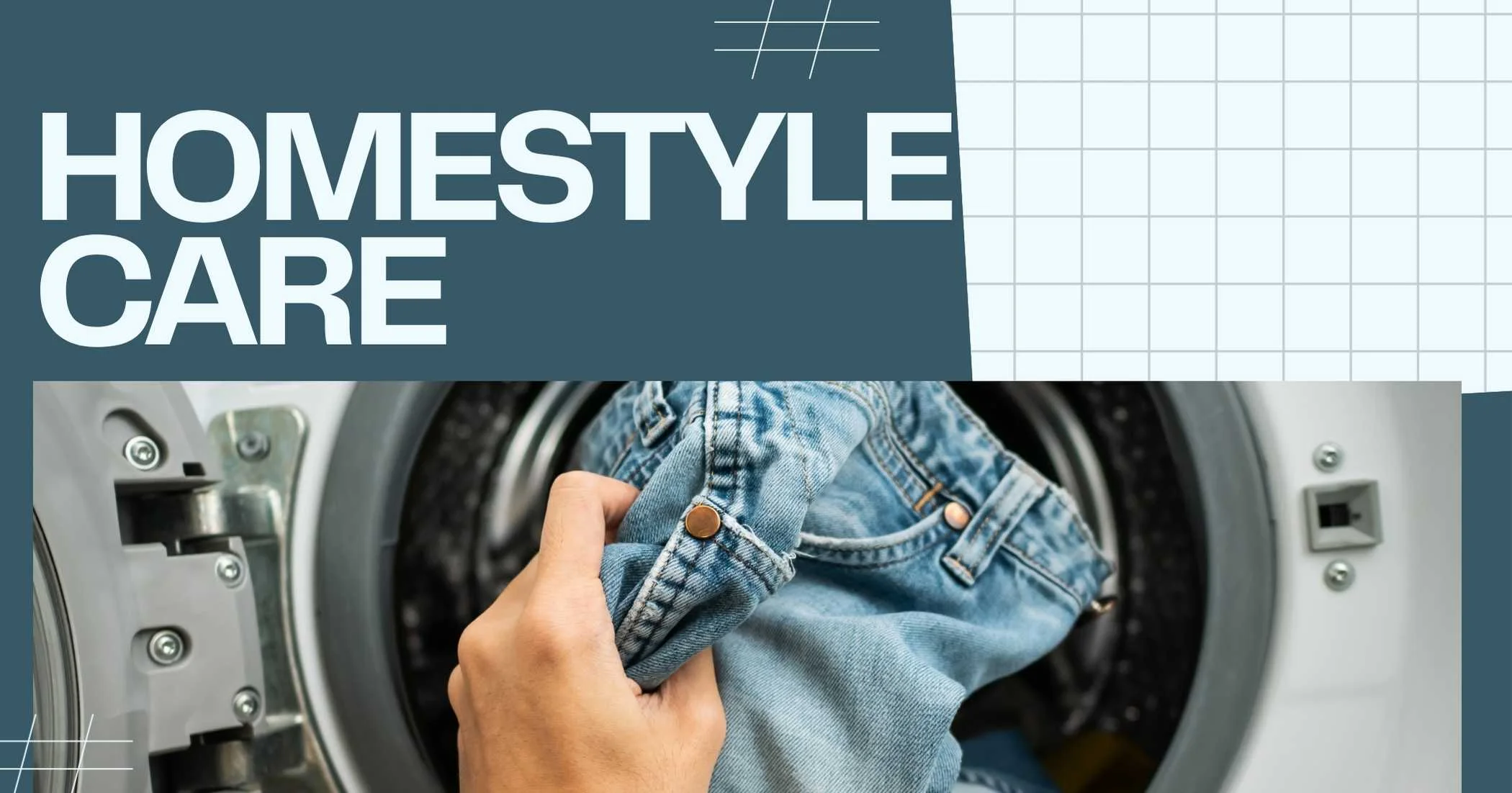

Toss your jeans in with a regular laundry load, and you might be doing more harm than you realize. Washing jeans the wrong way speeds up fading, weakens the fabric, and causes the fit to shrink over time. Do it right, and a good pair lasts years instead of months.
This guide walks through the whole process, step by step. How often to wash. What detergent to grab. How to keep your favorite pair of jeans looking new for as long as possible. Understanding the care instructions on clothing labels can also help you avoid common washing mistakes.
Quick Answer
Washing jeans properly means turning them inside out, using cold water, and picking a mild detergent for denim. Wash less often than you think, air dry instead of using a machine, and skip fabric softener entirely. These few habits protect color, fit, and fabric strength far longer than a standard laundry routine ever will.
Why Is It Important to Wash Jeans the Right Way?

Most people treat denim like any other laundry item. Toss it in with everything else on a regular cycle. That habit wears down fibers faster and strips color long before it actually needs to fade.
Good jean care protects your investment, especially with pricier pairs. A pair that costs more per wear because it lasts three years beats a cheap pair replaced every few months. Proper washing is a key part of extending that lifespan. Building a rotation from scratch? Browsing women’s jeans or men’s jeans with care instructions already in mind makes this whole process easier down the road. Whether you’re considering Levi’s, Lee, or other denim brands, keeping care instructions in mind makes this whole process easier down the road.
How Washing Affects Different Denim Types
Not every wash reacts to laundering the same way. Raw denim needs almost no washing early on. Grey wash jeans, or lighter shades in general, show wear and fading a lot faster if you’re not careful with water temperature and detergent choice.
Why This Matters More Than Most People Realize
A lot of denim damage happens slowly, over months, not from one bad wash. Small habits, the wrong water temperature, the wrong detergent, skipping the inside-out step—they stack up over time. Eventually, a pair that should’ve lasted years starts looking tired after just one season.
The Real Cost of Skipping Proper Care
Think about cost per wear for a second. A pair worn weekly for three years costs far less over time than a cheap pair you keep replacing every few months because the wash faded unevenly or the fabric wore thin. Proper washing is really just a budgeting decision wearing a laundry-habit disguise.
Washing Jeans at Home First Time: What to Know Before You Start

Learning how to wash jeans the first time matters more than people expect, especially with darker or raw denim. That first wash sets the tone for how the pair fades and holds color going forward.
Many darker washes, particularly mens dark blue jeans like the ones you’ll find browsing men’s casual trousers and jeans, bleed excess dye during the first few washes. Washing the first two or three times keeps that dye from transferring onto lighter clothes down the line.
What Happens if You Skip This Step
Skip a careful first wash, and you risk staining other laundry items or setting the color unevenly across the fabric. A little extra caution early on saves real headaches later.
Testing for Colorfastness Before a Full Wash
Before running a full cycle, dab a damp white cloth on an inside seam. Color transfers heavily? That pair needs extra separate washes early on. It takes thirty seconds, and it saves you from ruining a light-colored towel or shirt later.
The Jeans Washing Process Step by Step

Here’s the full washing jeans process, broken down simply so you’re not guessing at any stage.
- Turn jeans inside out before washing
- Use cold water, never hot
- Choose a mild detergent for denim
- Wash on a gentle cycle, or hand wash if possible
- Skip the dryer; air dry flat or hanging instead
Key takeaway: Cold water and inside-out washing are the two habits that protect color and fit the most, across nearly every denim type.
Why Turning Jeans Inside Out Helps So Much
Turning denim inside out protects the outer surface from friction against the drum or other clothing. This one step reduces fading and pilling more than almost anything else in the jeans washing process. Levi’s also recommends washing jeans inside out to help preserve color and reduce fading.
Hand Washing as an Alternative
For raw denim, or anything you’re especially protective of, hand washing in a basin with cold water gives you even more control than a machine cycle. Takes longer, sure. But it’s the gentlest option out there if you want a pair to last for years.
Choosing the Right Detergent for Denim

Not all detergents work the same on denim. Standard detergents often carry brighteners or harsh chemicals that strip color faster than necessary, especially on darker or richly saturated washes.
Look for a mild, dye-free detergent for denim, specifically formulated for dark fabrics. These formulas clean just fine without stripping indigo dye the way regular detergent can, wash after wash.
Detergent Mistakes That Speed Up Fading
Skip detergents with added bleach or optical brighteners. These ingredients exist to make whites look whiter, which works directly against you when the goal is preserving deep, rich denim color instead.
Reading Detergent Labels Correctly
Check the label for phrases like “color-safe” or “dark fabric formula.” Usually signals a gentler pH balance that won’t strip dye as aggressively as an all-purpose detergent built for general laundry.
Water Temperature and Wash Denim Settings

Cold water stays the golden rule across nearly every guide on how to wash denim properly. Hot water speeds up fading and can cause shrinkage, especially in cotton-heavy blends without much stretch in them.
Set your machine to gentle or delicate if hand washing isn’t an option. Cuts down the mechanical stress denim goes through during a standard cycle.
Why Gentle Cycles Protect Fit
Aggressive wash cycles stretch out seams and waistbands over time. A gentle setting keeps the fabric’s structure intact, which matters a lot if you actually care how your jeans fit months down the line.
Light Wash Jeans and Wash Frequency

Light wash jeans, the kind you’ll spot across curated picks in women’s western wear, need a bit of extra attention. Fading shows up faster on lighter denim than it does on darker shades. Wash these pairs less often than you’d think necessary.
Spot cleaning works well for small stains on light wash jeans too, letting you skip a full wash cycle entirely for minor marks. Adds months to how long that wash stays looking fresh.
How Often Is Too Often
Good rule of thumb here: wash denim every four to six wears, not after every single use. Frequent washing, even done right, still wears fabric down faster than it needs to over time.
Denim Enzyme Wash and What It Means for Home Care

Jeans that already went through a denim enzyme wash during manufacturing need slightly different care at home. This process softens fibers using natural enzymes, and that softness can wear down faster if you hit it with harsh detergents or hot water.
Stick to cold water and mild detergent, especially with enzyme-washed pairs. Whatever softening effect the factory built in can reverse or degrade unevenly if you’re not gentle with the fabric going forward.
Spotting Enzyme-Washed Denim Before You Buy
Enzyme-washed jeans usually feel noticeably softer straight off the shelf compared to raw or stone-washed alternatives. If you’re shopping for a soft, easy-care pair, brands like Snitch, WROGN, and The Bear House often list fabric treatment details on their product pages, worth checking before you buy.
Why Enzyme Washing Has Become So Common
More denim brands lean on enzyme processing now than they did a few years back, partly because it uses less water and fewer harsh chemicals than older stone-washing methods. Knowing this helps explain why newer pairs often feel softer straight out of the packaging.
Grey Wash Jeans and Color Preservation Tips

Grey wash has become the go-to neutral for people who want something other than classic blue. The tradeoff? It fades unevenly if you’re not careful, and uneven fading on grey denim looks patchy fast, nothing like the intentional, worn-in look most people are going for.
Turn them inside out. Every wash, no exceptions. Grey shows uneven wear more than deep indigo does, so this one habit matters more here than with darker denim.
Storing Grey Denim Between Washes
Fold, don’t hang. Hanging grey wash jeans between wears stretches out the waistband over time and can throw off how evenly the color holds up across the pair.
Drying Denim Without Damaging It
Skip the dryer when you can. Repeated laundering can cause dimensional shrinkage and gradual structural changes in denim over time, making proper drying habits just as important as proper washing.
Air dry flat or hang your jeans by the waistband instead of using a dryer. This simple habit helps maintain the fit and overall structure of your denim for longer.
Speeding Up Air Drying Safely

Roll the jeans in a clean towel first to squeeze out extra water before hanging. It genuinely cuts drying time down, no heat required.
Where to Dry Jeans for Best Results
Keep them out of direct sunlight, especially darker washes. Sun fades denim unevenly, kind of like how upholstery near a window bleaches out over the years. A shaded spot with decent airflow does the job better.
Jeans Washing Instructions to Keep on Hand
Consistency is really what separates jeans that last from ones that don’t. Here’s the short version:
- Turn inside out before every wash
- Cold water, gentle cycle
- Mild, dye-safe detergent
- Wash every four to six wears, not after each one
- Air dry; skip the machine
Building These Instructions Into a Routine
Stick this list inside a laundry cabinet door, or save it somewhere you’ll actually see it. A quick glance before laundry day beats trying to remember it from memory every time.
Caring for Raw and Unwashed Denim Differently

Raw denim plays by different rules entirely. A lot of owners wait months, sometimes longer, before that first wash, letting the fabric fade naturally based on how they actually move and sit in it.
When the first wash finally happens, the same rules apply: cold water, inside out, just far less often. The point is protecting those fade lines and creases that came from your own body, not a factory process.
Signs Raw Denim Is Finally Ready for a Wash
Persistent odor. Stiffness that won’t loosen no matter how much you wear them. Visible buildup. Any of these mean it’s time. Otherwise, most raw denim owners hold off three to six months minimum before that first wash. For more guidance on keeping denim in good condition, see these care instructions for denim.
Building a Denim Rotation That’s Easier to Care For

If keeping up with all this feels like a lot for one pair, get two or three into rotation instead. Each pair gets worn less often between washes, which slows down fading naturally—less effort, better results.
Explore curated collections for outfit-ready denim picks, or check trending picks if you’re not sure where to start building a rotation that’s easy to maintain long-term.
Once you’ve built your denim collection, avoid common styling mistakes that can shorten its lifespan. Read our guide on common denim streetwear mistakes and easy fixes.
Mixing Brands Across Your Rotation
There’s no need to stick with just one label either. Many shoppers keep a mix, something structured from Global Desi for casual days, alongside a sharper pair from The House of Rare for smarter occasions, giving them variety without overloading their laundry routine.
Common Mistakes People Make When Washing Jeans

A handful of habits show up again and again, quietly wearing denim down over time:
- Washing after every wear; fabric just doesn’t need it
- Hot water: speeds up fading and shrinkage
- Skipping inside-out leaves the outer surface exposed to friction
- Regular detergent with brighteners or bleach
- High-heat drying weakens fibers with every cycle
Fix even two or three of these and your denim will noticeably outlast a pair washed carelessly.
Why These Mistakes Go Unnoticed for So Long
The damage builds slowly. You won’t see it after one wash, but compare a pair cared for properly over a year against one that wasn’t, and the gap is obvious immediately.
Conclusion
Washing jeans right isn’t complicated. It just takes a little more thought than dumping everything into one load. Cold water, a gentle cycle, mild detergent, and air dry cover most of what your denim actually needs.
Light wash, dark blue jeans, or a pair fresh off the rack—these habits protect color and fit far longer than careless laundering ever will. For more everyday clothing-care habits that help your wardrobe last longer, check out this caring for clothes.
Frequently Asked Questions
Every four to six wears works for most denim. Washing after every wear just wears the fabric down faster than it needs to.
Better to wash new or dark denim separately for the first few washes; excess dye can bleed onto lighter fabrics.
Yes. It slows fading significantly and prevents shrinkage compared to warm or hot water.
Once in a while won’t ruin them, but regular machine drying weakens fibers and shrinks fit over time. Air drying is the safer long-term habit.
A mild, dye-safe detergent without bleach or brighteners protects color much better than standard detergents.
Leave a Reply