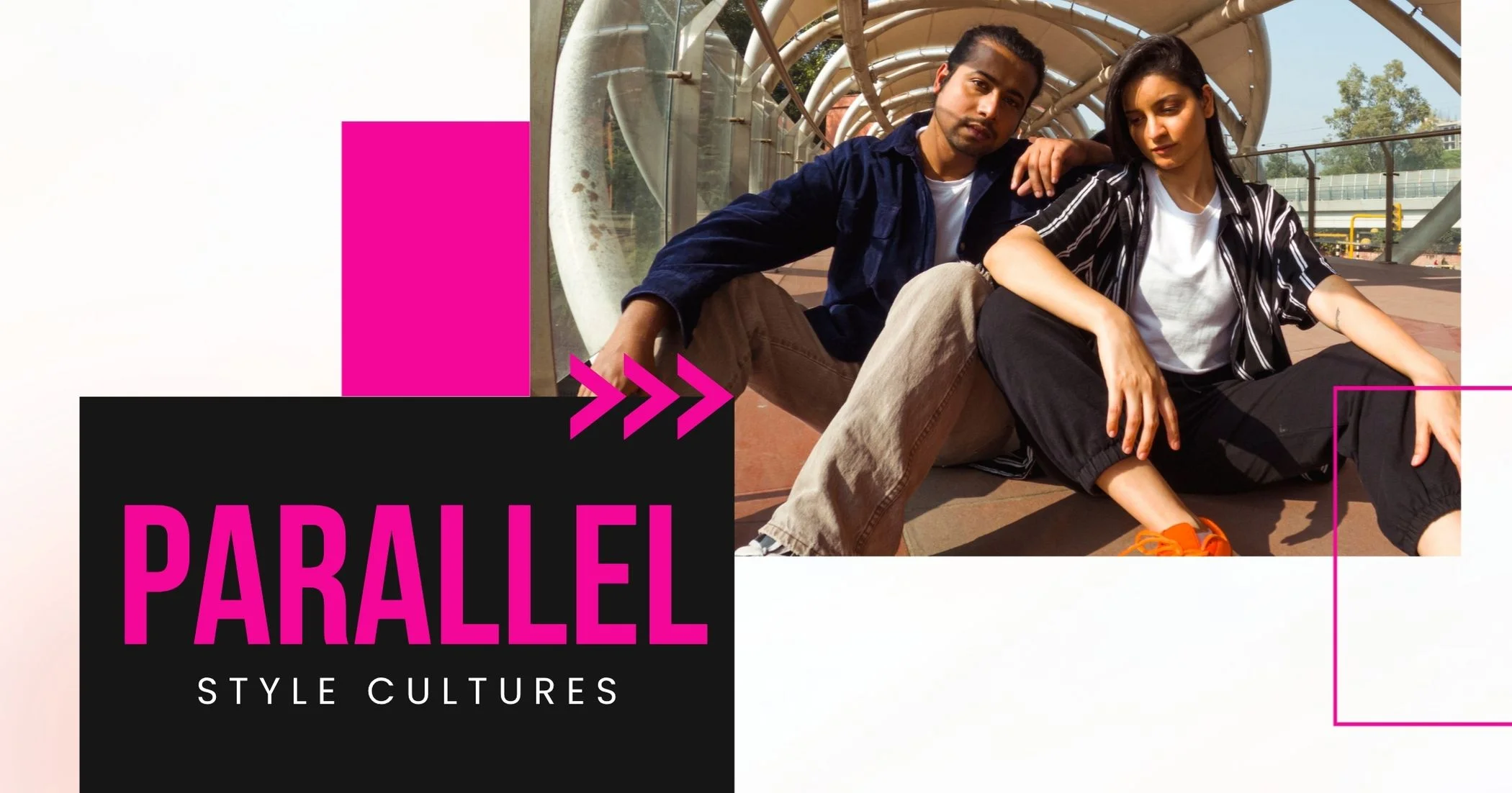

Scroll through any fashion forum and you’ll see the same question pop up constantly: streetwear or smart casual, which one should you actually wear? The truth is, they’re not competing for the same job. One was built to help you stand out. The other was built to help you fit in without looking like you tried too hard.
Once you understand what each style is actually solving for, the confusion mostly disappears. Knowing the right streetwear wardrobe essentials also makes it easier to understand what actually defines the style beyond individual trends.
This guide breaks down where both styles came from, what actually separates them beyond the surface-level stuff, and how to tell which one a given outfit, or occasion, really calls for. By the end, you should be able to look at any situation and know almost instantly which direction to lean. Understanding different fashion aesthetics can also make it easier to recognize which style fits the setting.
TL;DR – The Real Difference Between Streetwear and Smart Casual
Streetwear grew out of skate parks, surf shops, and hip-hop culture, and it’s built around loose fits, bold graphics, and standout sneakers. Smart casual grew out of offices and social settings loosening up from strict formalwear, and it leans on tailored pieces, clean lines, and polished footwear. Streetwear says look at me. Smart casual says I put thought into this without overdoing it. Knowing which one a situation calls for makes getting dressed a lot less complicated, and it saves you from those awkward moments where you show up either way too dressed down or way too dressed up.
What Is Streetwear, Really?

Streetwear isn’t just “casual clothes with a logo on them.” It’s a style with real cultural roots, and those roots explain almost everything about how it looks and functions today.
How Streetwear Grew Out of Skate and Hip-Hop Culture
Streetwear’s earliest DNA traces back to 1980s California skate and surf culture, where clothing needed to survive movement, not runway lighting. Skaters needed loose clothing that wouldn’t restrict their range of motion, and surfers needed something practical enough to throw on straight from the water. Around the same period, Shawn Stüssy began printing his signature on surfboards and then T-shirts in Laguna Beach, and the shirts found an audience well beyond the surf community almost immediately.
At the same time, hip-hop was pulling sportswear into fashion in a big way. Adidas tracksuits, Puma sneakers, Kangol hats, and Fila and Champion sportswear became part of a shared visual language across New York’s hip-hop scene. Artists effectively became informal style ambassadors, translating what started as subcultural dress into symbols that were recognizable well beyond music circles.
By the 1990s, skate culture in California, hip-hop in New York, and Japan’s Harajuku scene were all feeding into each other, turning streetwear into a real global category rather than a handful of disconnected regional subcultures. This evolution is explored in more detail in this complete streetwear guide, which looks at how the movement developed and shaped modern fashion. Supreme, founded by James Jebbia in 1994 as a small skate shop in Manhattan, became one of the clearest examples of streetwear evolving from niche subculture to mainstream cultural force, eventually influencing everything from luxury fashion houses to mall retailers.
What Streetwear Clothing Usually Includes
Streetwear clothing typically leans on oversized tees, graphic prints, hoodies, cargo pants, and standout sneakers. The common thread across all of it is comfort and self-expression over polish. It’s meant to be worn, lived in, and shown off, not just displayed carefully, which is part of why the fits tend to run loose rather than fitted. That preference for relaxed silhouettes is also central to styling baggy jeans, where proportion and layering become a big part of the overall look. Graphic elements matter a lot too.
What Does Smart Casual Actually Mean?

Smart casual sits in a weirdly undefined space, less formal than a suit, more put-together than jeans and a tee. That vagueness isn’t a flaw. It’s actually baked into its history.
Where the Smart Casual Dress Code Came From
The phrase “smart casual” is older than most people assume. Its earliest documented use goes back to a 1924 Iowa newspaper describing a women’s dress that was polished but not stiff. By the 1950s, the phrase had crossed into menswear, describing a suit more relaxed than the standard dark business suit of the era.
The modern version of smart casual really took shape later, though. Business casual emerged in 1980s Silicon Valley, born out of small tech companies that valued results over rigid formality and spent more time staring at screens than sitting across from clients. The idea behind it was creating a work culture that felt inclusive rather than restrictive. Then in 1992, Dockers launched a marketing campaign built specifically around convincing office workers that khakis could replace a suit without looking unprofessional, a campaign widely credited with pushing the loosened dress code into mainstream offices across the country.
What a Typical Smart Casual Outfit Looks Like
A smart casual outfit usually mixes one or two polished pieces, a blazer, tailored trousers, a collared shirt, with something more relaxed, like clean sneakers or dark jeans. The goal is looking pulled-together without looking like you’re heading into a boardroom meeting. It’s flexible enough to carry you from a work event straight into dinner without needing to change clothes in between, which is exactly why it became so popular once offices started loosening their old dress codes.
Streetwear vs Smart Casual – Key Differences at a Glance

Once you line the two styles up side by side, the differences become pretty obvious, even if the exact boundary between them can get blurry sometimes.
Fit and Silhouette – Relaxed vs Tailored
Streetwear leans oversized on purpose, a habit that traces directly back to skate culture, where loose clothing meant more room to move without restriction. Smart casual does the opposite, favoring a closer, tailored fit that signals effort and polish. Neither fit is inherently better. They’re just built to communicate completely different things about the person wearing them.
Fabric and Materials – Function vs Polish
Streetwear fabrics tend to prioritize durability and comfort, heavyweight cotton, fleece, technical materials built for movement and everyday wear. Smart casual fabrics lean toward polish instead, think crisp cottons, lightweight wool blends, and fabrics that hold a clean line rather than a relaxed drape. Understanding fabric composition can help you spot these differences before you even put an outfit on. You can often tell which category an outfit belongs to just by touching the fabric.
Footwear – Sneakers vs Dress Shoes
In streetwear, sneakers are often the centerpiece of the whole outfit, sometimes worth more than everything else combined. Collectors track releases, resell rare pairs, and build entire outfits around a single shoe. In smart casual, footwear leans toward minimal sneakers, loafers, or clean dress shoes that don’t pull attention away from the rest of the outfit. The shoe supports the look instead of leading it.
When to Wear Streetwear vs Smart Casual

Neither style is universally “correct.” It really comes down to the setting, and reading a room correctly matters more than most people give it credit for.
Occasions Where Streetwear Clothing Works Best
Streetwear clothing fits naturally into casual, high-visibility settings, concerts, sneaker meetups, weekend hangouts, and anywhere the goal is standing out rather than blending into the background. Relaxed staples like cargo pants are especially easy to work into these casual settings. It also works well for creative industries where personal expression is part of the job itself.
Occasions That Call for a Smart Casual Dress
Client dinners. First dates. Semi-formal work events. Family gatherings where you want to look pulled together but not stiff. That’s basically the territory smart casual owns. Whenever you’re not totally sure how formal a thing is going to be, it’s the safe middle ground option.
Can Streetwear and Smart Casual Mix?
They seem like opposites, sure, but honestly these two overlap way more than people give them credit for. Knowing how to blend them is a genuinely useful skill to have in your back pocket.
How Men’s Streetwear Pieces Can Fit Into a Smart Casual Outfit
A structured bomber over a button-down works. A minimal graphic tee under a blazer works too. Even clean, low-profile sneakers with tailored trousers can pull it off. The trick, though, is restraint. Pick one streetwear element, not three or four all at once.
Common Mistakes People Make Blending the Two Styles

Biggest slip-up people make? Piling on too many loud pieces from both sides at the same time. One relaxed or graphic item next to tailored basics, that reads as intentional. But stack a bunch of oversized, graphic-heavy stuff on top of tailoring and it just looks like two outfits got smashed together by accident.
A Look at Streetwear Brands vs Smart Casual Wardrobe Staples
These two aren’t just different looks. They’re basically running on different business models entirely, and that shapes everything, pricing included, down to how people actually shop for each.
What Sets Streetwear Brands Apart From Traditional Menswear Labels
Take Supreme. Built its whole identity around scarcity, tiny weekly drops, zero restocks, ever. That’s part of why resale prices climbed to ten times retail in some cases. Compare that to how traditional menswear labels operate, where a staple piece just stays in stock, season after season. A smart casual staple, a good blazer, solid chinos, is meant to be something you buy again and again without thinking twice. A streetwear drop isn’t like that at all. It’s a moment, gone the second it sells out.
How Luxury Streetwear Brands Blur the Line With Smart Casual
Then luxury streetwear came along and messed with the whole equation. Supreme teaming up with Louis Vuitton, or Comme des Garçons, pushed prices into territory that used to belong strictly to tailored, formal pieces. Once a hoodie costs the same as a blazer, that neat “streetwear equals casual, smart casual equals dressed up” idea kind of falls apart. These collabs are basically borrowing smart casual’s price tag and prestige, while keeping streetwear’s whole scarcity game intact underneath.
How Streetwear Shirts Differ From Smart Casual Shirts

Even a plain old shirt gives away which world it belongs to, once you know what you’re looking at.
Graphic Tees and Oversized Fits vs Structured Button-Downs
A streetwear graphic tee wants to be loud. Bold logo, cultural reference, oversized cut, all built to grab attention. A smart casual button-down is doing the opposite job completely, letting the fit and fabric speak instead of some big print. One wants eyes on it. The other just wants to look effortlessly right.
How Trends Like Y2K Fashion and Vintage Clothing Influence Both Styles
Both styles keep circling back to the past, just different decades, different reasons. Streetwear leans hard into Y2K fashion and vintage pieces, low-rise cuts, throwback graphics, worn-in stuff pulled straight out of 90s hip-hop and skate culture. Smart casual pulls more from mid-century tailoring instead, those clean, simple silhouettes that never really went anywhere. Nostalgia gives both an instant credibility boost, since a familiar reference does a lot of the heavy lifting on its own.
Building a Wardrobe That Works for Both Streetwear and Smart Casual

A handful of flexible pieces can bridge both worlds pretty easily. Think a well-fitted bomber, clean minimal sneakers in some neutral shade, trousers that are structured but not stiff like dress pants, and maybe one solid graphic tee you actually save for occasional wear instead of wearing constantly. None of these commit hard to one side, which is exactly why they hold up in either setting without much extra thought.
The Bottom Line: Streetwear and Smart Casual Solve Different Problems

Streetwear came from people who didn’t care much for a room’s dress code. Smart casual came from people trying to loosen that code just enough to still belong in the room. Neither one’s more “correct,” really. They’re just answering two completely different questions, for different rooms, different moments.
That answer usually picks the outfit for you, no overthinking required. Understanding the difference between fashion style and aesthetic can also help you make more intentional choices about what you wear.
FAQs
Traces back to 1980s California, skate and surf culture mainly, plus hip-hop blowing up in New York around the same time. Solidified further through Stüssy in the 80s, then Supreme in the 90s.
First showed up in a 1924 Iowa newspaper, actually, describing a women’s dress. Didn’t cross into menswear until the 1950s, where it meant a more relaxed business suit.
Sure, as long as you balance it. One relaxed or graphic streetwear piece next to tailored basics, that works fine. Pile on too many loud pieces alongside tailoring though, and it starts looking unintentional fast.
Comes down to manufactured scarcity mostly, limited drops, big-name collaborations. All of that pushes prices way past what the actual materials would suggest.
Just look at the fit, honestly. Streetwear runs loose, oversized. Smart casual sticks closer to the body, more tailored overall.
Leave a Reply