Blog

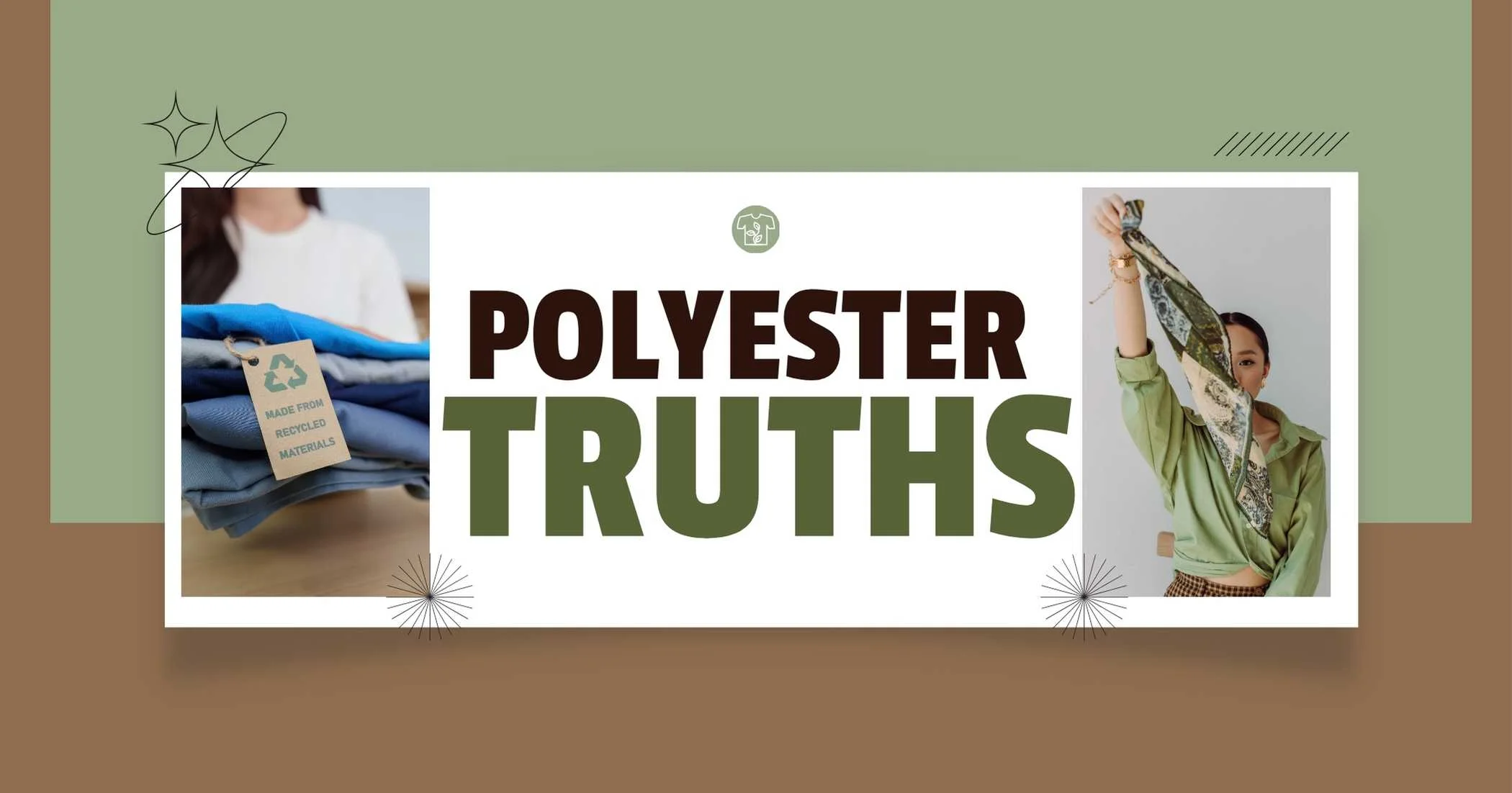
  • Is Recycled Polyester Really Sustainable? Here’s the Truth

    Is Recycled Polyester Really Sustainable? Here’s the Truth

    Is Recycled Polyester Really Sustainable? Here's the Truth

    TL;DR:

    • Recycled polyester generally has a lower environmental impact than virgin polyester.
    • It is still synthetic, non-biodegradable, and can release microfibers.
    • Its benefits depend on the recycling method, energy source, transport, and processing.
    • Most recycled polyester comes from PET bottles, while textile-to-textile recycling is still developing.
    • Look for GRS or RCS certification, and prioritize durable clothing you can wear, repair, and keep longer.

    Choosing sustainable clothing has become more important than ever, but understanding fabric labels can feel overwhelming. One material you’ll increasingly see in activewear, jackets, bags and everyday clothing is recycled polyester. But is it truly better for the environment, or is it simply another sustainability buzzword?

    The answer is more nuanced than a simple yes or no. Recycled polyester can reduce dependence on virgin fossil-based polyester and make use of existing plastic waste. However, it remains a synthetic, non-biodegradable material and can contribute to microfiber pollution. Its overall environmental impact also depends on how the recycled material is collected, processed, transported and eventually managed at the end of its life.

    Did You Know?

    Polyester is currently the world’s most widely produced textile fiber. Textile Exchange’s 2025 Materials Market Report estimates that polyester represented about 59% of global fiber production in 2024. Recycled polyester production increased to approximately 9.3 million tons in 2024, but its share of the polyester market still declined slightly because virgin polyester production grew faster.

    Additionally, global fiber production exceeded 124 million tonnes in recent years, with polyester accounting for more than half of total output. This makes even incremental shifts from virgin to recycled feedstocks commercially significant for brands seeking to reduce Scope 3 emissions.

    Whether you’re shopping for clothing or simply curious about sustainable fabrics, this guide will help you make informed decisions backed by credible research.

    Quick Answer: Is Recycled Polyester Sustainable?

    Quick Answer: Is Recycled Polyester Sustainable

    Yes, recycled polyester is generally more sustainable than virgin polyester, primarily because it reuses existing plastic materials instead of relying entirely on new fossil fuels. According to the European Environment Agency, most recycled polyester, often called rPET, is made from discarded PET plastic bottles or manufacturing waste that would otherwise become landfill or environmental pollution.

    However, sustainability goes beyond using recycled materials. Recycled polyester still releases microfibers during washing, is not biodegradable, and can only be recycled a limited number of times with current technologies. Even so, when compared with virgin polyester, it typically has a lower environmental footprint and supports more circular use of resources.

    As you explore the following sections, you’ll see why recycled polyester is considered a step forward, but not the final destination in sustainable fashion.

    What Is a Recycled Polyester?

    What Is a Recycled Polyester

    Recycled polyester is a synthetic fabric made by converting existing plastic materials into new polyester fibers instead of producing them from virgin petroleum. Most commonly, it is created from used PET (polyethylene terephthalate) plastic bottles, although manufacturing scraps and discarded polyester textiles can also be recycled into new fibers.

    Unlike conventional polyester, which depends entirely on fossil fuel extraction, recycled polyester keeps valuable materials in circulation for longer. This supports the principles of circular fashion, where products are reused, recycled, and kept out of landfills whenever possible.

    Today, sustainable materials is widely used by clothing, footwear, outdoor gear, and home furnishing brands because it delivers nearly the same performance as virgin polyester while reducing reliance on new raw materials.

    Recycled polyester offers several advantages:

    • Reuses existing plastic waste instead of new petroleum.
    • Helps divert plastic bottles from landfills and the environment.
    • Requires fewer virgin fossil resources than conventional polyester.
    • Provides excellent durability and wrinkle resistance.
    • Retains color well and dries quickly.
    • Works well in sportswear, outerwear, bags, footwear, and home textiles.

    While recycled polyester has clear environmental benefits, its overall impact also depends on how the raw materials are sourced, processed, and eventually disposed of. Understanding where it comes from is the first step toward making more informed purchasing decisions.

    What Does rPET Mean?

    The term rPET stands for recycled polyethylene terephthalate, the same type of plastic commonly used to manufacture beverage bottles and food packaging. After collection, these plastics are cleaned, processed, and transformed into polyester fibers that can be woven or knitted into fabrics.

    Because the molecular structure remains largely the same, rPET delivers performance characteristics similar to virgin polyester. This makes it a popular choice for products that require strength, moisture management, and long-lasting durability.

    How Is Recycled Polyester Made?

    How Is Recycled Polyester Made

    Although recycled polyester begins as discarded plastic, it goes through several carefully controlled manufacturing stages before becoming fabric. Modern recycling technologies help convert waste into high-quality fibers suitable for clothing, accessories, and home textiles.

    Most recycled polyester available today is produced through mechanical recycling, while newer technologies are making chemical recycling increasingly viable for future circular textile systems.

    The manufacturing process typically includes:

    • Collecting used PET plastic bottles or polyester waste.
    • Sorting materials by type and quality.
    • Washing to remove labels, adhesives, and contaminants.
    • Shredding plastics into small flakes.
    • Melting the flakes into pellets or directly into fibers.
    • Extruding molten material into fine polyester filaments.
    • Spinning the filaments into yarn.
    • Weaving or knitting the yarn into finished fabrics.

    Each stage plays an important role in maintaining fiber quality and ensuring the recycled material performs similarly to conventional polyester.

    Mechanical vs Chemical Recycling

    Mechanical recycling is currently the most common method used to produce recycled polyester. It involves melting cleaned plastic waste and reshaping it into new fibers. This process is relatively efficient but may gradually reduce material quality after repeated recycling.

    Chemical recycling breaks polyester down into its original chemical building blocks before creating entirely new fibers. Although it requires more advanced technology and investment, it has the potential to produce recycled polyester with quality comparable to virgin polyester while supporting a more circular textile system.

    As innovations continue, chemical recycling could play a major role in reducing textile waste and increasing the recyclability of polyester products.

    New Research: What Does the Latest Polyester LCA Show?

    Recent research provides a more detailed picture of recycled polyester’s environmental impact.

    A 2026 Polyester Life Cycle Assessment by Textile Exchange compares virgin polyester production with thermomechanical and chemical recycling systems. The study uses a cradle-to-gate boundary, covering impacts from resource extraction through fiber formation. It found that how polyester is produced strongly influences its environmental impact. For recycled polyester, important hotspots include electricity use and feedstock collection, particularly when waste travels long distances to recycling facilities.

    This is important because it shows why recycled polyester should not be treated as having one fixed environmental footprint. The recycling technology, energy source, location of processing and distance travelled by the feedstock can all affect the result.

    An earlier peer-reviewed study comparing virgin and recycled polyester textiles also found environmental advantages for recycled polyester, including lower carbon and water footprints under the study’s specific production conditions.

    What this means for shoppers: rather than looking only for the words “recycled polyester,” consider the percentage of recycled content, certification, transparency around sourcing, and whether the garment is durable enough to stay in use for a long time.

    Benefits of Recycled Polyester

    Benefits of Recycled Polyester

    Recycled polyester has become one of the most widely adopted sustainable materials in the fashion industry. While it isn’t a perfect fabric, it offers several environmental and performance advantages over virgin polyester. As a result, many brands now use it to reduce their reliance on new fossil resources and support more circular production practices.

    Key benefits of recycled polyester include:

    • Reduces demand for virgin petroleum-based polyester.
    • Gives plastic bottles and polyester waste a second life.
    • Generally produces lower greenhouse gas emissions than virgin polyester.
    • Conserves natural resources by reusing existing materials.
    • Offers excellent durability and long-lasting performance.
    • Dries quickly and resists wrinkles.
    • Supports circular fashion initiatives.
    • Performs well in sportswear, outdoor gear, and everyday clothing.

    By combining durability with resource conservation, recycled polyester allows manufacturers to create high-performance products while reducing the environmental impact associated with producing new synthetic fibers.

    Helps Reduce Plastic Waste

    Helps Reduce Plastic Waste

    One of the biggest advantages of recycled polyester is its ability to transform discarded plastic into valuable textile fibers. Instead of sending PET bottles to landfills or allowing them to enter oceans and waterways, manufacturers can process them into durable fabrics.

    Although recycling doesn’t eliminate plastic pollution entirely, it helps extend the useful life of existing materials. This reduces the demand for virgin plastic production and supports a more circular economy where resources remain in use for longer.

    Uses Fewer Virgin Resources

    Uses Fewer Virgin Resources

    Virgin polyester is produced from petroleum, a finite fossil resource. Every kilogram of recycled polyester replaces some of the need for newly extracted raw materials, helping reduce dependence on oil-based production.

    This shift also supports broader sustainability goals by lowering resource extraction and encouraging manufacturers to make better use of materials that already exist.

    Lower Carbon Footprint

    Lower Carbon Footprint

    Several life cycle assessments have found that recycled polyester generally has a lower carbon footprint than virgin polyester because it avoids much of the energy-intensive process of producing new polyester from crude oil.

    As per industry research, life-cycle assessments commonly reported, recycled polyester can reduce greenhouse-gas emissions by roughly 30 to 70% compared with virgin polyester, depending on energy mix, transport, and recycling technology. 

    A 2024 peer-reviewed study of recycled polyester staple fibers in China reported that one specific recycled-production scenario had 48% lower global warming potential than the virgin polyester scenario studied, alongside reductions in primary energy demand and water use. These results are specific to that study’s production system and should not be generalized to every recycled polyester product.

    Durable and Long-Lasting

    Durable and Long-Lasting

    Sustainability isn’t only about how a fabric is produced; it’s also about how long it lasts. Recycled polyester offers strength, abrasion resistance, and color retention that are comparable to virgin polyester.

    Because garments made from recycled polyester often have a long lifespan, they may need to be replaced less frequently. This can reduce overall resource consumption when clothing is worn and cared for properly.

    Supports Circular Fashion

    Supports Circular Fashion

    Circular fashion focuses on keeping materials in use for as long as possible. Recycled polyester contributes to this goal by converting existing plastic waste into new products instead of relying solely on virgin resources.

    However, true circularity will require continued innovation in textile-to-textile recycling, improved collection systems, and better garment design to make future recycling easier.

    Did You Know?

    Many leading brands, including Fabindia, Levi’s, Okhai, Puma, and IKEA, incorporate recycled polyester into selected product lines to reduce their use of virgin synthetic materials. While the percentage of recycled content varies by product, these initiatives reflect a broader industry shift toward more resource-efficient manufacturing.

    Patagonia began using recycled polyester in fleece in the 1990s and has since expanded recycled materials across product lines as part of its long-term resource efficiency strategy. Also, Adidas has publicly reported producing billions of products containing recycled polyester as part of its transition away from virgin polyester, demonstrating how large-scale adoption can influence supply chains. 

    A useful industry benchmark: Textile Exchange reported that recycled polyester production increased from around 8.9 million tonnes in 2023 to 9.3 million tonnes in 2024, while its share of total polyester production declined slightly because virgin polyester production grew faster. Recycled polyester was still primarily made from plastic bottles, accounting for about 98% of recycled polyester feedstock in that reporting.

    Pros and Cons of Recycled Polyester

    Like any textile, recycled polyester comes with both strengths and trade-offs. Looking at both sides helps you make a more informed purchasing decision.

    Pros

    • Reduces reliance on virgin petroleum.
    • Diverts plastic waste from landfills.
    • Generally, lowers greenhouse gas emissions.
    • Durable and long-lasting.
    • Quick-drying and wrinkle resistant.
    • Widely available across clothing categories.

    Cons

    • Releases microplastics during washing.
    • Not biodegradable.
    • Difficult to recycle indefinitely with current technology.
    • Many garments still contain blended fibers that are hard to recycle.
    • Sustainability claims vary between brands.

    Overall, recycled polyester is a meaningful improvement over virgin polyester, but it should be viewed as one part of a broader sustainability strategy rather than a complete solution.

    Drawbacks and Environmental Concerns

    Drawbacks and Environmental Concerns

    Despite its environmental advantages, recycled polyester still faces several sustainability challenges. While recycling helps reduce plastic waste and fossil fuel consumption, it doesn’t eliminate all of the environmental issues associated with synthetic textiles.

    Understanding these drawbacks allows consumers to make more balanced choices and avoid assuming that “recycled” automatically means “environmentally harmless.”

    Important concerns include:

    • Microfiber pollution during washing.
    • Non-biodegradable material.
    • Limited recycling cycles.
    • Energy required for processing.
    • Challenges recycling blended fabrics.
    • Risk of misleading sustainability claims.
    • Continued dependence on plastic feedstocks.

    Recognizing these limitations helps consumers focus on the bigger picture, buying fewer, higher-quality garments and keeping them in use for longer.

    Does Recycled Polyester Release Microplastics?

    Does Recycled Polyester Release Microplastics

    Yes. Like virgin polyester, recycled polyester can release tiny synthetic fibers during washing. These microfibers may enter wastewater systems, and some can eventually reach rivers, lakes, and oceans if they are not captured during treatment.

    Using laundry bags designed to capture microfibers, washing garments less frequently, choosing cooler wash cycles, and air-drying when possible can help reduce microfiber release. Although these steps don’t eliminate the problem, they can reduce its impact.

    It Isn’t Biodegradable

    It Isn't Biodegradable

    Unlike natural fibers such as cotton, hemp, or linen, recycled polyester does not naturally break down in the environment within a short period. If improperly discarded, it can remain in landfills for many years.

    For this reason, extending the life of recycled polyester garments through repair, resale, or responsible recycling is often a more sustainable option than frequent replacement.

    Recycling Has Its Limits

    Recycling Has Its Limits

    Most recycled polyester today is produced from plastic bottles rather than old clothing. Once bottles are converted into textiles, recycling them back into new textile fibers remains technically challenging at scale.

    In addition, repeated mechanical recycling may gradually reduce fiber quality. New chemical recycling technologies aim to overcome this limitation, but they are still expanding commercially.

    Watch Out for Greenwashing

    Watch Out for Greenwashing

    Some products prominently advertise recycled polyester even when only a small percentage of the fabric contains recycled material. Others highlight one sustainable feature while overlooking broader environmental impacts such as manufacturing emissions or excessive packaging.

    Looking for trusted certifications and transparent sustainability reports can help consumers distinguish genuine efforts from marketing claims.

    Expert perspective: 

    Ellen MacArthur, whose foundation has shaped the global circular economy movement, argues that products should be designed to keep materials in use for as long as possible, making durability and recyclability core business priorities rather than marketing features.

    Recycled Polyester vs Virgin Polyester

    Recycled Polyester vs Virgin Polyester

    Choosing between recycled polyester and virgin polyester isn’t just about performance, it’s also about environmental impact. Fortunately, both fabrics share many of the same practical qualities, making recycled polyester an attractive option for manufacturers and consumers alike.

    Here’s how they compare:

    FeatureRecycled PolyesterVirgin Polyester
    Raw materialRecycled PET bottles or polyester wastePetroleum-based raw materials
    Fossil fuel dependenceLowerHigh
    Carbon footprintGenerally lowerHigher
    Plastic waste reductionHelps reuse existing plasticCreates new plastic
    DurabilityExcellentExcellent
    Moisture-wickingExcellentExcellent
    Wrinkle resistanceHighHigh
    Color retentionExcellentExcellent
    BiodegradableNoNo
    RecyclabilityLimited but improvingLimited

    Both fabrics deliver similar strength, flexibility, and moisture management. However, recycled polyester has the advantage of reducing demand for virgin raw materials and making better use of existing plastic waste.

    Which Is Better for Sustainable Fashion?

    As per business perspective, investor and consumer pressure is accelerating adoption of recycled materials. Many global fashion companies now include recycled fiber targets in ESG reporting because material sourcing directly affects climate commitments and brand reputation.

    When performance is the priority, recycled polyester and virgin polyester perform similarly. However, from a sustainability perspective, recycled polyester is generally the better option because it reduces dependence on fossil fuels and gives existing plastic a longer useful life.

    That said, the most sustainable garment is often the one you already own. Choosing high-quality clothing, wearing it for years, repairing it when needed, and disposing of it responsibly usually has a greater environmental benefit than replacing garments frequently, even if the new ones are made from recycled materials.

    As recycled textile technologies continue to evolve, recycled polyester is likely to play an increasingly important role in building a more circular fashion industry.

    Common Uses of Recycled Polyester

    Common Uses of Recycled Polyester

    Thanks to its durability, moisture-wicking properties, and versatility, recycled polyester is used across a wide range of industries. From performance apparel to home furnishings, it delivers many of the same benefits as virgin polyester while helping reduce the demand for new raw materials.

    You’ll commonly find recycled polyester in:

    • Sportswear and activewear
    • Outdoor jackets and insulated clothing
    • Fleece pullovers
    • Backpacks and travel bags
    • Footwear
    • Swimwear
    • Home textiles such as curtains and cushions
    • Upholstery fabrics
    • Fashion accessories like hats and caps

    As more brands commit to sustainability goals, recycled polyester continues to replace virgin polyester in many everyday clothing without compromising performance.

    Is Recycled Polyester Good for Everyday Clothing?

    Yes. Recycled polyester is lightweight, durable, wrinkle-resistant, and quick-drying, making it suitable for everyday wear. It’s commonly blended with cotton, organic cotton, or elastane to improve comfort and flexibility.

    For example, Adidas uses recycled polyester in many of its sportswear collections to create lightweight, moisture-wicking apparel for athletes. Similarly, Nike incorporates recycled polyester into selected Dri-FIT products to maintain performance while reducing reliance on virgin materials. Patagonia also uses recycled polyester in many of its iconic fleece jackets, demonstrating that recycled fabrics can be both durable and comfortable for long-term use.

    How to Identify Genuine Recycled Polyester

    How to Identify Genuine Recycled Polyester

    With more brands promoting sustainable collections, it’s important to know whether a product actually contains certified recycled polyester. Fortunately, several globally recognized certifications and transparency practices can help shoppers make informed choices.

    Look for these indicators:

    • Global Recycled Standard (GRS) certification
    • Recycled Claim Standard (RCS) certification
    • Clear percentage of recycled content on the product label
    • Brand sustainability reports
    • Independent third-party certifications
    • Transparent supply chain information

    Checking these details takes only a few minutes, but it can help you avoid misleading environmental claims and support brands that genuinely invest in sustainable manufacturing.

    Key Takeaways

    Before making your next clothing purchase, remember these important points:

    • Recycled polyester is made from existing PET plastic bottles or polyester waste.
    • It reduces demand for virgin petroleum-based materials.
    • It generally has a lower carbon footprint than virgin polyester.
    • It delivers durability and performance comparable to conventional polyester.
    • It still sheds microplastics and is not biodegradable.
    • Trusted certifications like GRS and RCS help verify recycled content.
    • Buying durable clothing and wearing it longer often has the greatest environmental impact.

    Frequently Asked Questions

    Is recycled polyester recyclable again?

    Yes, recycled polyester can be recycled, although textile-to-textile recycling is still limited compared to bottle recycling.

    Is recycled polyester biodegradable?

    No, recycled polyester is a synthetic fiber and does not biodegrade naturally.

    Does recycled polyester last as long as virgin polyester?

    Yes, recycled polyester offers durability and performance comparable to virgin polyester.

    Does recycled polyester make you sweat?

    No, it wicks moisture efficiently, making it ideal for sportswear and activewear.

    Is recycled polyester better than cotton?

    It depends, recycled polyester performs better for durability and moisture management, while cotton is a natural, biodegradable fiber.
    Is recycled polyester recyclable again?

    Yes, recycled polyester can be recycled, although textile-to-textile recycling is still limited compared to bottle recycling.

    Is recycled polyester biodegradable?

    No, recycled polyester is a synthetic fiber and does not biodegrade naturally.

    Does recycled polyester last as long as virgin polyester?

    Yes, recycled polyester offers durability and performance comparable to virgin polyester.

    Does recycled polyester make you sweat?

    No, it wicks moisture efficiently, making it ideal for sportswear and activewear.

    Is recycled polyester better than cotton?

    It depends, recycled polyester performs better for durability and moisture management, while cotton is a natural, biodegradable fiber.

  • Clothing Care Tips to Reduce Waste & Make Clothes Last

    Clothing Care Tips to Reduce Waste & Make Clothes Last

    Clothing Care Tips to Reduce Waste & Make Clothes Last

    TL;DR:

    • Wash clothes only when they genuinely need cleaning.
    • Use cold water and the gentlest suitable cycle whenever the care label allows.
    • Air dry clothes when practical and avoid unnecessary high heat.
    • Treat stains early instead of repeatedly washing the entire garment.
    • Follow fabric-specific care instructions for delicate, natural and synthetic materials.

    Most people think reducing fashion waste means buying fewer clothes. While that certainly helps, how you care for the clothes you already own can make an even bigger difference. Simple clothing care tips, such as washing garments correctly, storing them properly, and repairing minor damage, can extend their lifespan by years.

    The need for better clothing care has never been greater. According to the United Nations Environment Programme (UNEP), the fashion industry contributes 2–8% of global greenhouse gas emissions, while millions of tons of textile waste are generated every year.

    The Ellen MacArthur Foundation also estimates that the equivalent of one garbage truck of textiles is landfilled or burned every second, highlighting the urgent need for more sustainable clothing habits.

    In this guide, you’ll learn:

    • Practical clothing care tips that reduce waste
    • How proper laundry habits extend garment life
    • Why storage and repairs matter more than you think
    • How leading fashion brands encourage better clothing care
    • Easy habits that help you build capsule wardrobe

    Whether you’re trying to lower your household expenses or reduce your environmental impact, every small change adds up. Let’s start with the simplest ways to make your clothes last longer.

    What Are the Best Clothing Care Tips to Reduce Waste?

    What Are the Best Clothing Care Tips to Reduce Waste

    If you want your clothes to last longer and reduce waste, focus on caring for them instead of replacing them. Washing garments only when necessary, using cold water, air drying, storing them correctly, and repairing small damages can significantly extend their lifespan.

    Here are the most effective clothing care tips:

    • Wash clothes only when they are genuinely dirty.
    • Use cold water for most laundry loads.
    • Read and follow garment care labels.
    • Turn clothes inside out before washing.
    • Air dry whenever possible.
    • Store garments in a cool, dry place.
    • Repair loose buttons, seams, or zippers promptly.
    • Donate, resell, or recycle clothes you no longer wear.

    Follow specific care guidelines for different garments like sportswear, activewear, lingerie, or casual wear.

    Clothing Care Habits vs Environmental Benefits

    Clothing Care Habits vs Environmental Benefits
    Clothing Care HabitPrimary BenefitWaste Reduction Impact
    Wash in cold waterSaves energy and protects fibersLower carbon emissions
    Wash only when neededReduces fabric wearLonger garment lifespan
    Air dry clothesPrevents heat damageLess energy consumption
    Store garments properlyPrevents stretching and moldFewer replacements
    Repair small damagesExtends usabilityLess textile waste
    Donate or resell clothingKeeps garments in circulationSupports circular fashion

    A Simple Clothing Care Decision Guide

    Before washing, drying or storing a garment, ask four simple questions:

    1. Does it actually need washing?
    If there is no visible dirt or strong odor, consider airing or spot-cleaning it first when appropriate.

    2. What does the care label say?
    Check the recommended washing, drying, ironing and bleaching instructions before choosing a care method.

    3. What does the fabric need?
    Different materials respond differently to heat, friction, moisture and detergents.

    4. Can I repair or refresh it instead of replacing it?
    A loose button, small tear or minor stain doesn’t necessarily mean a garment has reached the end of its useful life.

    This simple check can help turn clothing care from a routine chore into a practical way of reducing unnecessary consumption.

    Why Proper Clothing Care Matters More Than Ever

    Why Proper Clothing Care Matters More Than Ever

    Fast fashion has made clothing more affordable and accessible than ever before. However, it has also encouraged a culture of buying more and discarding garments sooner. Many clothes are thrown away long before they are worn out, often because of fading, shrinkage, stretched fabrics, or minor damage that could have been prevented with proper care.

    Why clothing care deserves more attention

    • Extends the lifespan of garments
    • Reduces textile waste sent to landfill
    • Saves money by delaying new purchases
    • Preserves fabric quality and color
    • Supports a fashion aesthetics
    • Lowers the environmental impact of your wardrobe

    By treating clothing as a long-term investment rather than a disposable product, you can make a meaningful difference with very little effort.

    The Hidden Cost of Throwaway Fashion

    Research from WRAP found that extending the active life of clothing by just nine months can reduce its carbon, water, and waste footprint by around 20–30%, depending on the garment. This demonstrates that keeping clothes in use for longer can have a measurable environmental benefit without changing what you buy.

    From a business perspective, short product lifecycles also increase demand for new textile production, putting additional pressure on natural resources and supply chains. As consumer awareness grows, many brands are now encouraging customers to care for garments properly instead of replacing them frequently.

    Caring for Clothes Is the First Step Toward Circular Fashion

    Circular fashion is built on one simple idea: keep products and materials in use for as long as possible. While recycling often receives the most attention, extending a garment’s usable life is usually even more effective because it delays the need for manufacturing a replacement.

    Simple actions such as washing less often, drying clothes naturally, storing them correctly, and repairing small damages help preserve garment quality. These habits also reduce the overall demand for new clothing, making fashion more resource-efficient.

    Smarter washing habits don’t just protect your favorite clothes, they also help reduce waste, save energy, and make sustainable clothing care part of your everyday wear.

    Wash Smarter Instead of Washing More

    Wash Smarter Instead of Washing More

    Many people assume that washing clothes after every wear is the best way to keep them fresh. In reality, over washing is one of the biggest reasons garments lose their shape, color, and strength. Every wash cycle exposes fabrics to friction, detergent, and water, which gradually weakens fibers. Washing only when necessary is one of the simplest clothing care tips that helps reduce clothing waste while keeping your wardrobe in better condition.

    Making a few changes to your laundry routine can significantly extend clothes’ lifespan without compromising hygiene.

    Wash smarter with these simple habits

    • Wash clothes only when they are genuinely dirty.
    • Spot-clean small stains instead of washing the entire garment.
    • Separate clothes by color and fabric type.
    • Turn garments inside out before washing.
    • Zip zippers and fasten buttons to reduce friction.
    • Use a mesh laundry bag for delicate fabrics.
    • Avoid overloading the washing machine.
    • Choose the shortest suitable wash cycle.

    These small adjustments may seem insignificant, but together they can preserve fabric quality for years.

    Why Cold Water Protects Fabric Better

    Many people still believe hot water cleans clothes more effectively. However, modern detergents are designed to work efficiently in cold water for most everyday laundry. Cold washing is gentler on fibers, helping fabrics retain their elasticity, color, and original fit.

    Cold-water washing offers environmental benefits too. According to ENERGY STAR, most of the energy used during a wash cycle goes towards heating the water. Switching to cold water therefore reduces household energy consumption while protecting garments from heat-related damage.

    Instead of treating hot water as the default choice, reserve it for heavily soiled items, towels, or situations where higher temperatures are genuinely needed.

    How to Prevent Color Fading

    Washing frequency, heat, friction and exposure to strong sunlight can gradually affect the appearance of colored clothing.

    To help preserve color:

    • Turn dark and brightly colored garments inside out before washing.
    • Use cold water when the care label permits it.
    • Avoid using more detergent than recommended.
    • Separate colors appropriately.
    • Avoid unnecessary high heat during drying.
    • Keep brightly colored garments away from prolonged intense sunlight when appropriate.

    Reducing unnecessary washing and heat can help preserve both the appearance and usability of frequently worn clothing.

    Garment-Specific Washing: One Routine Doesn’t Fit Everything

    The right washing routine depends on the garment as well as the fabric.

    Denim

    • Wash only when necessary.
    • Turn jeans inside out before washing.
    • Spot-clean minor marks between washes.
    • Avoid unnecessary high heat when drying.

    Wool

    • Follow the care label carefully.
    • Use a wool-specific or recommended gentle cycle when permitted.
    • Avoid wringing delicate knitwear.
    • Dry flat when the care instructions recommend it.

    Silk

    • Follow the manufacturer’s washing instructions.
    • Avoid harsh detergents and excessive heat.
    • Handle carefully to reduce snagging and abrasion.

    Activewear

    • Wash according to the care label after heavy use.
    • Avoid excessive heat.
    • Don’t leave sweaty or damp garments sitting for extended periods.

    Delicate garments

    • Use a mesh laundry bag when appropriate.
    • Choose a gentle cycle where permitted.
    • Avoid mixing delicate pieces with heavy garments that may cause friction.

    The care label should always take priority because garment construction, finishes and blends can change how an item should be washed.

    Choosing the Right Detergent Makes a Difference

    Choosing the Right Detergent Makes a Difference

    The detergent you use influences both cleaning performance and garment longevity. Harsh detergents or using more detergent than recommended can leave residue on fabrics, dull colors, and gradually weaken fibers.

    For delicate garments such as silk, wool, or streetwear, activewear, always check the care label before selecting a detergent. Different fabrics have different care requirements, and following those recommendations helps prevent unnecessary damage.

    One simple habit that many people overlook is reading garment care labels. These internationally recognized symbols provide instructions on washing, drying, ironing, and bleaching, helping you avoid accidental shrinkage or fabric damage.

    If you’re unsure what a care symbol means, the GINETEX International Care Labelling System offers guidance on interpreting standard textile care symbols used worldwide.

    Rather than making laundry more complicated, these small improvements make it more effective while helping your clothes last much longer.

    Drying Habits That Extend the Life of Clothes

    Drying Habits That Extend the Life of Clothes

    How you dry your clothes can have just as much impact as how you wash them. While tumble dryers are convenient, repeated exposure to high heat gradually weakens fibers, causes shrinkage, fades colors, and reduces the lifespan of many garments like kids wear, women, and men clothing.

    Whenever weather and space allow, air drying is one of the most effective eco-friendly laundry tips for preserving clothing quality. It uses no electricity, reduces wear, and helps maintain the original shape of garments.

    Dry your clothes more carefully by following these tips

    • Air dry clothes whenever possible.
    • Dry knitwear flat to prevent stretching.
    • Shake garments before hanging to reduce wrinkles.
    • Avoid prolonged direct sunlight for dark or brightly colored fabrics.
    • Remove clothes promptly once dry.
    • Leave enough space between garments for better airflow.

    These habits not only improve garment care but also reduce household energy consumption.

    Heat Is One of Fabric’s Biggest Enemies

    High temperatures gradually break down textile fibers, making fabrics thinner and less durable over time. Elastic materials lose their stretch, printed designs begin to crack, and natural fibers become brittle after repeated exposure to excessive heat.

    Dryers also create friction as clothes tumble against one another. This contributes to pilling, loose threads, and surface wear that can make garments look older long before they actually wear out.

    Ironing and Steaming Without Unnecessary Damage

    Wrinkles don’t always require high heat. When ironing or steaming is permitted by the care label:

    • Use the recommended temperature for the fabric.
    • Turn printed or dark garments inside out when appropriate.
    • Avoid holding an iron in one place for too long.
    • Use a pressing cloth for delicate fabrics when recommended.
    • Consider steaming for suitable garments that need light wrinkle removal.
    • Never iron a garment marked as unsuitable for ironing.

    Choosing the appropriate temperature and method can help prevent avoidable heat damage while keeping workwear and everyday clothing looking presentable.

    When a Dryer Is Actually the Better Option

    Although air drying is ideal in many situations, there are times when a dryer is practical. During humid weather, continuous rain, or when drying bulky items like towels and bedding, a tumble dryer can help prevent damp odors and mildew.

    The key is to use the lowest suitable heat setting and avoid over-drying garments. Removing clothes while they are still slightly damp also helps minimize shrinkage and makes ironing easier.

    Store Clothes Properly to Prevent Early Wear

    Store Clothes Properly to Prevent Early Wear

    Many people focus on washing techniques but overlook storage. Yet improper storage can stretch fabrics, cause permanent creases, encourage mold growth, and even attract insects that damage natural fibers.

    Good storage keeps garments looking newer for longer and prevents unnecessary replacements.

    Store your clothes the right way

    • Fold heavy knitwear instead of hanging it.
    • Use sturdy hangers for jackets and structured garments.
    • Store seasonal clothing only after washing it.
    • Keep wardrobes clean, cool, and dry.
    • Use breathable cotton garment bags instead of plastic covers.
    • Rotate frequently worn clothes to reduce uneven wear.

    These simple habits protect your wardrobe throughout the year.

    Why Wrong Hangers Stretch Clothes

    Thin wire hangers may save space, but they often leave shoulder marks and stretch delicate fabrics. Heavy sweaters can become misshapen when hung for long periods, while dresses and blouses may lose their original fit if not properly supported.

    For knitwear, folding remains the safest option because gravity cannot gradually pull fibers out of shape.

    Protecting Clothes From Moisture and Moths

    Humidity is one of the biggest threats to clothing stored for extended periods. Damp wardrobes encourage mold growth and unpleasant odors, while moths can permanently damage natural fibers such as wool and cashmere.

    Small storage improvements can preserve garments for years with very little ongoing effort.

    Proper storage is an often-overlooked clothing care habit that protects fabrics long after laundry day is over.

    Small Repairs Can Prevent Big Waste

    Small Repairs Can Prevent Big Waste

    A missing button or loose seam might seem like a minor inconvenience, but these small problems often lead people to stop wearing perfectly usable clothes. Repairing garments instead of replacing them is one of the most effective ways to reduce clothing waste while extending their useful life.

    Easy repairs anyone can start with

    • Sew loose buttons immediately.
    • Repair small tears before they grow larger.
    • Reinforce loose seams.
    • Replace damaged zippers instead of discarding garments.
    • Use iron-on patches for denim and children’s clothing.
    • Learn a few basic hand-stitching techniques.

    Most repairs require only a few minutes but can add years to a garment’s lifespan.

    The Rise of Visible Mending

    Repairing clothes is no longer something to hide. Visible mending has become a growing trend within sustainable fashion, transforming repairs into creative design features through colorful stitching, decorative patches, and embroidery.

    Rather than disguising wear, visible mending celebrates the history of a garment while reducing unnecessary consumption. Many consumers now see repaired clothing as a reflection of conscious living instead of something imperfect.

    Learning Basic Repairs Saves Money

    You don’t need professional tailoring skills to keep your clothes wearable. Learning how to sew on a button, repair a loose hem, or stitch a small tear can prevent garments from ending up in the bin for easily fixable issues.

    These simple skills also reduce clothing expenses over time because replacing a garment is usually far more expensive than repairing it.

    The NineE Clothing Longevity Test

    Before replacing a garment, ask:

    Can it be cleaned?
    A stain or odor doesn’t necessarily mean the garment needs to be discarded.

    Can it be repaired?
    Check buttons, seams, hems and zippers for simple problems.

    Can it be restyled?
    A garment that feels repetitive may become useful again when paired with different pieces.

    Can it be passed on?
    If you no longer wear it, consider resale, donation or another responsible way of keeping it in use.

    Can I replace it less often next time?
    When buying again, prioritize durability, versatility and realistic frequency of wear.

    This approach shifts the focus from “What should I buy next?” to “How can I keep what I already own in use?”

    How Leading Fashion Brands Encourage Clothing Care

    How Leading Fashion Brands Encourage Clothing Care

    Sustainable fashion isn’t only about producing eco-friendly clothing. Many leading brands are now investing in repair services, resale programmes, and clothing care education to help customers keep garments in use for longer. This shift supports the principles of circular fashion, where products are designed to stay in circulation instead of ending up in landfills.

    These initiatives also make good business sense. Extending product life builds customer loyalty, reduces waste, and strengthens a brand’s sustainability commitments.

    What leading brands are doing

    • Offering free or affordable repair services
    • Creating clothing take-back programmes
    • Educating customers about garment care
    • Promoting resale instead of replacement
    • Designing products for durability and longevity

    These examples show that reducing waste is becoming a shared responsibility between brands and consumers.

    Patagonia Built a Business Around Repair

    Outdoor clothing brand Patagonia has become one of the strongest advocates for garment longevity through its Worn Wear programme. Instead of encouraging customers to replace worn clothing, the company promotes repairing, reselling, and reusing garments whenever possible.

    Its repair centers fix damaged clothing, while the resale platform gives used products a second life. This approach reduces waste while reinforcing the idea that the most ethical fashion is often the one already in your wardrobe.

    Nudie Jeans Offers Free Lifetime Repairs

    Another excellent example is Nudie Jeans, which provides free lifetime repairs for its denim products. Customers can bring worn jeans to repair shops or send them by post, helping extend their lifespan instead of replacing them prematurely.

    The company also resells repaired jeans through its reuse programme, demonstrating how circular business models can reduce waste while maintaining product value.

    This approach highlights an important lesson for consumers: repairing clothing is often more sustainable, and more economical than buying something new.

    Clothing Care Is Becoming a Competitive Advantage

    Consumers increasingly expect brands to offer products that last. Companies investing in repair programmes, durability testing, and care education are strengthening customer trust while reducing their environmental impact.

    According to Textile Exchange, extending product longevity is becoming a key strategy for reducing emissions across the textile industry. Brands that focus on durability rather than constant replacement are better positioned to meet growing sustainability expectations from both consumers and regulators.

    Expert Advice on Making Clothes Last Longer

    Expert Advice on Making Clothes Last Longer

    Many sustainability experts agree that the most environmentally friendly garment isn’t necessarily a new eco-friendly product, it’s the one you already own. Caring for clothing properly reduces demand for new production, conserves natural resources, and supports a more circular economy.

    Yvon Chouinard Believes the Best Product Is the One You Already Own

    Patagonia founder Yvon Chouinard has long promoted the philosophy of buying less and caring more. His approach encourages consumers to repair products whenever possible rather than replacing them at the first sign of wear.

    This mindset has inspired many brands to rethink how they measure success, not simply by selling more products, but by helping existing products remain useful for longer.

    Livia Firth Encourages Conscious Consumption

    Sustainability advocate Livia Firth has repeatedly encouraged consumers to ask whether they truly need another purchase before buying new clothing. Her message reinforces that mindful consumption begins with valuing the garments already hanging in our wardrobes.

    Together, these expert perspectives highlight a simple truth: sustainable fashion starts with everyday habits rather than dramatic lifestyle changes.

    Everyday Clothing Care Checklist for a More Sustainable Wardrobe

    Everyday Clothing Care Checklist for a More Sustainable Wardrobe

    Building a sustainable wardrobe doesn’t require expensive products or a complete lifestyle overhaul. Small, consistent actions often have the greatest long-term impact.

    Your weekly clothing care checklist

    • Read care labels before washing.
    • Wash full loads whenever possible.
    • Choose cold water for everyday laundry.
    • Air dry garments whenever practical.
    • Fold knitwear instead of hanging it.
    • Repair loose buttons and small tears promptly.
    • Rotate frequently worn clothes.
    • Store seasonal clothing correctly.
    • Donate or resell garments you no longer wear.
    • Buy durable clothing that you’ll wear for years.

    These habits become easier over time and help reduce both clothing waste and household expenses.

    Frequently Asked Questions

    How often should clothes be washed?

    It depends on the garment and how often you wear it. Everyday underwear and activewear should be washed after each use, while jeans, jackets, and sweaters can often be worn several times before laundering unless they are visibly dirty or have absorbed odors.

    Does washing clothes in cold water really reduce waste?

    Yes. Cold-water washing protects fabric fibers, reduces fading and shrinkage, and uses less energy than hot-water washing. This helps garments last longer while lowering your household’s environmental impact.

    Is air drying better than machine drying?

    In most cases, yes. Air drying prevents heat damage, reduces shrinkage, and helps preserve fabric strength. It also lowers electricity consumption, making it one of the simplest eco-friendly laundry habits.

    Can repairing clothes really save money?

    Absolutely. Replacing a button, fixing a seam, or repairing a zipper cost far less than buying a new garment. Regular repairs also help reduce textile waste by extending the usable life of clothing.

    Which fabrics last the longest with proper care?

    Natural fibers such as high-quality cotton, wool, and linen are known for their durability when cared for properly. Well-made denim and certain recycled performance fabrics can also provide excellent longevity with appropriate washing, drying, and storage.

    How often should clothes be washed?

    It depends on the garment and how often you wear it. Everyday underwear and activewear should be washed after each use, while jeans, jackets, and sweaters can often be worn several times before laundering unless they are visibly dirty or have absorbed odors.

    Does washing clothes in cold water really reduce waste?

    Yes. Cold-water washing protects fabric fibers, reduces fading and shrinkage, and uses less energy than hot-water washing. This helps garments last longer while lowering your household’s environmental impact.

    Is air drying better than machine drying?

    In most cases, yes. Air drying prevents heat damage, reduces shrinkage, and helps preserve fabric strength. It also lowers electricity consumption, making it one of the simplest eco-friendly laundry habits.

    Can repairing clothes really save money?

    Absolutely. Replacing a button, fixing a seam, or repairing a zipper cost far less than buying a new garment. Regular repairs also help reduce textile waste by extending the usable life of clothing.

    Which fabrics last the longest with proper care?

    Natural fibers such as high-quality cotton, wool, and linen are known for their durability when cared for properly. Well-made denim and certain recycled performance fabrics can also provide excellent longevity with appropriate washing, drying, and storage.

  • Upcycling Clothes for Beginners: Easy Ways to Revive Your Closet

    Upcycling Clothes for Beginners: Easy Ways to Revive Your Closet

    Upcycling Clothes for Beginners: Easy Ways to Revive Your Closet

    TL;DR:

    • Upcycling gives old clothes a new purpose without breaking the original material down.
    • Start with simple garments such as T-shirts, denim, shirts, dresses, and kurtas.
    • No sewing machine is required; many projects can be done with scissors, fabric glue, or basic hand stitching.
    • Choose projects based on your skill level, fabric type, available tools, and time.
    • Start with unwanted or damaged clothes rather than your favorite garments.

    If you’ve ever looked at an old T-shirt, faded jeans, or a worn-out shirt and wondered whether it still had any value, the answer is yes.

    Upcycling clothes is one of the easiest ways to give garments a second life while reducing waste, saving money, and expressing your personal style. Unlike recycling, which often breaks materials down into new fibers, upcycling transforms existing clothing into something more useful or fashionable with minimal processing.

    As concerns about fashion waste continue to grow, more people are embracing DIY clothing projects as part of a sustainable lifestyle. According to Earth.org, the fashion industry generates around 92 million tons of textile waste every year, with the equivalent of a garbage truck full of clothing ending up in landfill every second.

    At the same time, McKinsey & Company reports that fashion brands are increasingly investing in circular business models including repair, resale, rental, and upcycling, as consumers prioritize sustainability, durability, and long-term value over slow fashion. These trends show that extending the life of clothing is becoming both an environmental responsibility and a smart consumer choice.

    Whether you know how to sew or have never picked up a needle, upcycling is a beginner-friendly skill that anyone can learn.

    Quick Answer: What Is Upcycling Clothes?

    Quick Answer: What Is Upcycling Clothes

    Upcycling clothes means creatively transforming old, damaged, or unused garments into products that have greater value, functionality, or style without breaking the fabric down into raw materials. It can be as simple as turning oversized T-shirts into tote bags or adding embroidery to revive an old denim jacket.

    For beginners, clothing upcycling is one of the most accessible ways to participate in sustainable fashion. Most projects require only basic household tools, a little creativity, and clothes you already own.

    Instead of buying something new, you improve what you already have, helping reduce textile waste while creating pieces that reflect your personality.

    Upcycling vs Recycling Clothes

    Although the two terms are often used interchangeably, they are quite different. Recycling usually involves processing textiles into new fibers through industrial methods. Upcycling keeps the original garment intact and improves it through alterations, repairs, or creative redesigns. Because it requires less energy and fewer resources, upcycling is often considered a more resource-efficient option for extending a garment’s life.

    Why Upcycling Is Better for Beginners

    You don’t need professional sewing skills or expensive equipment to begin. Many projects involve simple folding, cutting, knotting, fabric glue, or basic hand stitching. Starting with clothes already sitting in your wardrobe also means there is little financial risk if your first project isn’t perfect.

    Start Here: 5 Upcycling Projects Ranked by Difficulty

    ProjectDifficultyTimeBasic Tools
    T-shirt tote bagEasy15–30 minutesScissors
    Denim shortsEasy20–30 minutesScissors, measuring tape
    Fabric scrunchieEasy–Medium30–45 minutesNeedle, thread
    Embroidered T-shirtMedium30–60 minutesNeedle, thread, embroidery thread
    Shirt-to-wrap-topMedium1–2 hoursScissors, pins, needle/thread

    Start with the easiest project and gradually move toward more complex alterations as your confidence improves.

    Why beginners love upcycling

    • Requires very little investment
    • Helps reduce clothing waste at home
    • Encourages creativity and self-expression
    • Gives old garments a fresh purpose
    • Supports a more sustainable wardrobe
    • Suitable even for people with no sewing experience

    Every successful upcycling project starts with one forgotten garment, making it an easy habit to adopt and maintain.

    Why More People Are Choosing Clothing Upcycling

    Why More People Are Choosing Clothing Upcycling

    Clothing upcycling has evolved from a niche DIY hobby into a global movement supported by consumers, fashion brands, and sustainability advocates. Rising clothing costs, growing environmental awareness, and the popularity of personalized fashion have encouraged more people to rethink what they already own instead of constantly buying new items.

    The shift also reflects the principles of circular fashion, where products are designed or reused to stay in circulation for as long as possible. Rather than following a “buy, wear, discard” cycle, consumers are increasingly choosing to repair, redesign, and repurpose garments to maximize their lifespan.

    The Rise of Circular Fashion

    Circular fashion is a production and consumption model that keeps clothing in use for as long as possible through repair, resale, rental, and upcycling. Rather than following the traditional “buy, wear, throw away” approach, it focuses on maximizing the value of every garment while reducing waste.

    Organizations such as the Global Fashion Agenda encourage brands to adopt circular practices that conserve resources and help build a more sustainable fashion industry.

    Social Media Has Made DIY Easier

    Platforms like Pinterest, Instagram, and YouTube have made learning upcycling techniques more accessible than ever. Thousands of creators now share beginner tutorials that show how to transform basic garments into trendy fashion pieces using simple tools and affordable materials.

    Instead of following fast-changing fashion trends, many creators encourage viewers to personalize what they already own.

    Why clothing upcycling continues to grow

    • Reduces household clothing waste
    • Saves money compared to buying new clothes
    • Encourages unique, one-of-a-kind fashion
    • Supports sustainable consumption habits
    • Makes fashion more creative and personal
    • Helps extend the lifespan of garments

    As more consumers embrace conscious shopping, upcycling has become more than just a DIY activity, it is a practical step toward building a wardrobe that is both stylish and environmentally responsible.

    Easy Clothes to Upcycle as a Beginner

    Easy Clothes to Upcycle as a Beginner

    Not every garment is suitable for your first upcycling project, and that’s perfectly okay. The best pieces to start with are clothes made from durable fabrics, have simple designs, or show minor signs of wear rather than severe damage. Choosing beginner-friendly garments helps you build confidence while learning basic techniques before moving on to more advanced projects.

    Fjällräven believes that the most sustainable garment is one that lasts for years. Through its Longevity initiative, the brand encourages customers to repair, maintain, and care for their clothing so it stays in use for as long as possible.

    This philosophy aligns perfectly with upcycling, where extending the life of existing garments helps reduce waste and the need for new resources.

    T-Shirts

    Old cotton T-shirts are among the easiest garments to upcycle because they’re soft, forgiving, and easy to cut or sew. An oversized tee can become a crop top, reusable shopping bag, gym tank, or even cleaning cloths for your home. Since cotton doesn’t fray excessively, many beginner projects don’t even require sewing.

    If a favorite T-shirt has a stain or small hole, don’t throw it away immediately. Adding fabric paint, embroidery, patches, or iron-on designs can give it a completely fresh look while preserving the sentimental value of the garment.

    Denim Jeans

    Denim is one of the most durable fabrics available, making worn jeans ideal for upcycling projects. Even when knees tear or hems fray, much of the fabric remains perfectly usable. You can transform old jeans into shorts, tote bags, aprons, storage pockets, or patchwork accessories that last for years.

    Indian sustainable fashion brand Doodlage has built its business around giving discarded textiles and factory surplus fabrics a second life through thoughtfully designed clothing and accessories. Its approach demonstrates how upcycling can reduce textile waste while creating products with renewed value, making it an inspiring example for beginners looking to rethink their own wardrobes.

    Shirts

    Button-down shirts offer endless possibilities because they already include finished collars, cuffs, and pockets that can be reused creatively. A loose formal shirt can become a sleeveless summer top, a wrap blouse, an apron, or even matching cushion covers.

    Simple alterations like replacing buttons, shortening sleeves, or adding contrast fabric can completely change the appearance of an old shirt without requiring advanced sewing skills.

    Dresses and Kurtas

    Old dresses and kurtas often contain large pieces of fabric, making them perfect for beginners experimenting with new projects. Depending on the fabric and condition, they can be converted into skirts, co-ord sets, tote bags, scarves, or children’s clothing.

    Natural fabrics such as cotton and linen are especially beginner-friendly because they’re easier to cut, stitch, and reshape compared to slippery synthetic materials.

    Great clothing pieces to start with

    • Cotton T-shirts
    • Denim jeans
    • Button-down shirts
    • Hoodies and sweatshirts
    • Dresses and kurtas
    • Scarves and dupattas
    • Baby clothes that no longer fit
    • Fabric scraps from previous projects

    Starting with clothes you already own removes the pressure of buying new materials and allows you to experiment freely without worrying about making mistakes.

    How to Choose the Right Garment for Your First Project

    Before cutting into an old garment, check:

    • Fabric condition: Avoid garments with severe deterioration or extensive damage.
    • Fabric type: Stable cotton and denim are generally easier to work with than slippery or highly stretchy fabrics.
    • Construction: Simple garments with fewer seams and details are easier for beginners.
    • Available fabric: Make sure there is enough usable material for your planned project.
    • Personal value: Start with something you no longer wear rather than a favorite or sentimental piece.

    A good first project should give you enough room to experiment without making the process unnecessarily difficult.

    Beginner-Friendly Upcycling Ideas Anyone Can Try

    Beginner-Friendly Upcycling Ideas Anyone Can Try

    One of the biggest misconceptions about clothing upcycling is that it requires professional tailoring skills. In reality, many beginner projects can be completed in less than an hour using only scissors, fabric glue, or a basic needle and thread. Starting with small, achievable projects builds confidence while helping you develop practical skills that you can apply to more complex designs later.

    The popularity of DIY fashion has also grown thanks to online tutorials and communities that encourage people to repair, customize, and personalize their wardrobes instead of constantly shopping for new clothes.

    No-Sew Projects

    If you’ve never sewn before, begin with projects that rely on folding, knotting, or fabric adhesive instead of stitching. Turning an oversized T-shirt into a reusable shopping bag or converting old leggings into headbands are excellent first projects that require minimal tools and produce practical everyday items.

    These projects also help reduce household waste by replacing disposable products with reusable fabric alternatives.

    Basic Sewing Projects

    Once you’re comfortable handling fabric, simple hand-stitching opens up many more possibilities. Shortening sleeves, repairing small tears, hemming jeans, or adding decorative pockets are excellent beginner exercises that significantly extend a garment’s life.

    Learning just a few basic stitches can save money over time by helping you repair clothing instead of replacing it whenever minor damage occurs.

    Decorative Upcycling

    Decorative techniques allow you to personalize clothing without dramatically changing its structure. Embroidery, fabric painting, tie-dye, lace inserts, decorative patches, and printed appliqués can transform plain garments into unique statement pieces.

    Fashion Revolution encourages consumers to repair, customize, and cherish their clothes for longer as part of building a more responsible fashion industry.

    Functional Upcycling

    Not every upcycling project has to result in wearable clothing. Larger pieces of fabric can easily become cushion covers, reusable gift wraps, laptop sleeves, storage baskets, grocery bags, or organizers for your wardrobe and home.

    Creating practical household items is a great way to use garments that are too damaged to wear but still contain strong, usable fabric.

    When Not to Upcycle a Garment

    Not every garment is suitable for an upcycling project.

    Consider another disposal or textile-recovery option when:

    • The garment has extensive mold or serious deterioration.
    • The fabric is too damaged to provide usable material.
    • The garment has been exposed to hazardous substances.
    • The amount of usable fabric is too small for the intended project.
    • Repairing or transforming it would require significantly more resources than the result is worth.

    The goal of upcycling is to extend the useful value of a garment, not to create unnecessary work or waste.

    Simple projects to try first

    • Turn oversized T-shirts into tote bags
    • Convert jeans into denim shorts
    • Add embroidered flowers to plain shirts
    • Create scrunchies from fabric scraps
    • Make reusable produce bags
    • Sew cushion covers from old dresses
    • Turn hoodies into pet blankets
    • Create patchwork organizers using leftover fabric

    Beginner Tip

    Start with garments you no longer wear instead of experimenting on your favorite clothes. As your skills improve, you’ll feel more confident tackling more meaningful pieces.

    Beginning with small, practical projects helps you learn essential techniques while keeping perfectly usable fabrics out of landfill.

    Beginner’s Upcycling Project Checklist

    Before starting any project, ask:

    What am I making?
    Decide the final purpose before cutting the garment.

    How difficult is it?
    Choose a project that matches your current skills.

    What tools do I need?
    Gather scissors, measuring tools, pins, thread, glue, or other supplies beforehand.

    How much time will it take?
    Simple projects can take minutes, while detailed alterations may take several hours.

    What could go wrong?
    Think about shrinkage, fraying, incorrect measurements, or insufficient fabric before making permanent cuts.

    Planning these details first can make the project easier and reduce the chance of wasting an otherwise usable garment.

    Tools You’ll Need Before Starting

    Tools You'll Need Before Starting

    The best part about clothing upcycling is that you don’t need a professional sewing studio or expensive equipment to begin. Most beginner projects can be completed with a handful of affordable tools that are either already available at home or easy to purchase. As your confidence grows, you can gradually invest in additional supplies for more advanced projects.

    Building a small toolkit also makes future repairs and alterations easier, helping you extend the life of your clothes instead of replacing them.

    Basic Supplies

    Start with essential tools that allow you to cut, measure, stitch, and finish simple projects. High-quality tools not only make the process easier but also improve the final result, especially when working with thicker fabrics like denim or canvas.

    If you’re new to sewing, Brother offers beginner-friendly learning resources that explain basic sewing techniques, tool selection, and garment repairs, making it easier to develop practical skills at home.

    Optional Creative Tools

    Once you’ve mastered basic projects, adding decorative tools allows you to experiment with different styles and personalize your clothing. These aren’t essential for beginners but can make your upcycled pieces look more polished and unique.

    Whether you’re creating a custom denim jacket or refreshing an old T-shirt, small creative additions often make the biggest visual difference.

    Beginner toolkit checklist

    • Fabric scissors
    • Measuring tape
    • Hand-sewing needles
    • Cotton thread in basic colors
    • Sewing pins or clips
    • Tailor’s chalk or fabric marker
    • Iron and ironing board
    • Fabric glue for no-sew projects
    • Embroidery hoop (optional)
    • Sewing machine (optional)

    A basic toolkit is enough to complete dozens of beginner-friendly projects, so don’t feel pressured to buy everything at once. Start simple and upgrade your supplies as your skills grow.

    Basic Upcycling Safety Tips

    Even simple DIY projects require a little care.

    • Use fabric scissors only for their intended purpose.
    • Keep needles and pins stored safely when not in use.
    • Cut fabric on a stable, uncluttered surface.
    • Follow manufacturer instructions when using an iron or fabric adhesive.
    • Work carefully around children and pets when using sharp tools.
    • If using a sewing machine, follow the manufacturer’s safety instructions.

    Taking a few basic precautions makes DIY clothing projects safer and more enjoyable.

    Common Beginner Mistakes to Avoid

    Common Beginner Mistakes to Avoid

    Everyone makes mistakes when learning a new skill, and clothing upcycling is no different. The good news is that most beginner errors are easy to avoid with a little planning and patience. Taking time to prepare your garments before cutting or sewing can save both fabric and frustration.

    Remember that upcycling is about creativity and learning, not achieving perfection on your first attempt.

    Choosing Difficult Projects First

    It’s tempting to recreate complicated designs you’ve seen on Pinterest or Instagram, but starting with advanced transformations can quickly become overwhelming. Instead, begin with simple alterations like hemming trousers, adding decorative patches, or turning oversized T-shirts into reusable bags.

    Completing a few easy projects first will build confidence and teach you techniques that can be applied to more complex designs later.

    Ignoring Fabric Type

    Different fabrics behave differently when cut or stitched. Cotton and linen are generally the easiest materials for beginners because they’re stable and easy to handle. Slippery fabrics like satin or stretchy knits require more precision and are better suited for experienced upcyclers.

    Understanding your fabric before you start helps you choose the right tools and techniques while avoiding unnecessary mistakes.

    Skipping Measurements

    One of the most common beginner mistakes is cutting fabric without measuring properly. A garment that’s too short or too narrow can’t always be fixed once the fabric has been removed.

    Professional makers often follow the simple rule: measure twice, cut once. Spending a few extra minutes checking dimensions can prevent costly errors and produce a cleaner finish.

    Mistakes to avoid

    • Starting with your favorite clothing item
    • Cutting fabric before marking measurements
    • Forgetting to wash garments before upcycling
    • Using the wrong needle or thread
    • Overcomplicating your first project
    • Throwing away leftover fabric scraps
    • Skipping practice on old clothes

    Small mistakes are part of the learning process, but each project helps you improve your skills and become more confident with every stitch.

    How Brands Are Making Upcycling Mainstream

    How Brands Are Making Upcycling Mainstream

    Upcycling is no longer limited to DIY enthusiasts. Around the world, fashion brands are incorporating repair, resale, and upcycling into their business models to reduce waste and meet growing consumer demand for more sustainable products. These initiatives show that extending a garment’s life isn’t just good for the planet, it also creates long-term value for businesses and customers alike.

    According to Business of Fashion, circular business models are becoming an increasingly important growth opportunity as brands respond to changing consumer expectations around sustainability and durability.

    Lessons Home Upcyclers Can Learn

    You don’t need a fashion label or a professional workshop to embrace the same mindset. Many of the principles used by sustainable brands can easily be applied at home, regardless of your skill level.

    Take inspiration from sustainable brands

    • Repair garments before replacing them.
    • Repurpose fabric scraps into useful accessories.
    • Choose quality over quantity when buying clothes.
    • Donate or swap wearable items instead of throwing them away.
    • View every garment as a resource rather than waste.

    The growing number of brands embracing circular practices shows that keeping clothes in use for longer is becoming an essential part of the future of fashion, and it’s a habit every wardrobe can benefit from.

    Final Thoughts

    Upcycling clothes is one of the simplest ways to make your wardrobe more sustainable without spending a fortune. Whether you’re turning an old T-shirt into a tote bag, adding embroidery to a faded jacket, or repairing your favorite pair of jeans, every project helps reduce waste while encouraging more mindful consumption.

    The beauty of upcycling is that you don’t need to be an expert to get started. With a few basic tools, some creativity, and clothes you already own, you can gradually build new skills while creating pieces that are uniquely yours.

    FAQs

    Is upcycling clothes difficult for beginners?

    No. Many upcycling projects require little more than scissors, fabric glue, or basic hand stitching. Starting with simple items like T-shirts or denim makes the learning process much easier.

    Can I upcycle clothes without sewing?

    Yes. Projects such as T-shirt bags, simple crop tops, fabric wraps, and some decorative transformations can be completed using cutting, knotting, folding, or suitable fabric adhesive.

    What clothes are easiest to upcycle?

    Cotton T-shirts, denim jeans, button-down shirts, hoodies, dresses, and kurtas are some of the easiest garments for beginners because they’re durable and easy to modify.

    Do I need a sewing machine to upcycle clothes?

    Not at all. Many beginner-friendly projects are completely no-sew or require only a few simple hand stitches.

    Is upcycling cheaper than buying new clothes?

    Yes. Since you’re reusing garments you already own, most projects only require inexpensive tools or materials, making upcycling far more affordable than purchasing new clothing.

    What is the difference between recycling and upcycling clothes?

    Recycling breaks textiles down into raw materials to create new products, while upcycling transforms existing garments into higher-value or more functional items without destroying the original fabric.

    Is upcycling clothes difficult for beginners?

    No. Many upcycling projects require little more than scissors, fabric glue, or basic hand stitching. Starting with simple items like T-shirts or denim makes the learning process much easier.

    Can I upcycle clothes without sewing?

    Yes. Projects such as T-shirt bags, simple crop tops, fabric wraps, and some decorative transformations can be completed using cutting, knotting, folding, or suitable fabric adhesive.

    What clothes are easiest to upcycle?

    Cotton T-shirts, denim jeans, button-down shirts, hoodies, dresses, and kurtas are some of the easiest garments for beginners because they’re durable and easy to modify.

    Do I need a sewing machine to upcycle clothes?

    Not at all. Many beginner-friendly projects are completely no-sew or require only a few simple hand stitches.

    Is upcycling cheaper than buying new clothes?

    Yes. Since you’re reusing garments you already own, most projects only require inexpensive tools or materials, making upcycling far more affordable than purchasing new clothing.

    What is the difference between recycling and upcycling clothes?

    Recycling breaks textiles down into raw materials to create new products, while upcycling transforms existing garments into higher-value or more functional items without destroying the original fabric.

  • Sustainable Declutter: Smart Ways to Reduce Fashion Waste

    Sustainable Declutter: Smart Ways to Reduce Fashion Waste

    Sustainable Declutter: Smart Ways to Reduce Fashion Waste

    TL;DR:

    • Keep clothes you genuinely wear and enjoy.
    • Repair garments that can be restored instead of replacing them.
    • Resell quality pieces that still have value.
    • Swap wearable clothing with friends or community groups.
    • Donate only clean, wearable items to organizations that can use them.
    • Recycle textiles that are no longer suitable for wearing or reuse.
    • Avoid replacing your wardrobe immediately after decluttering.
    • Buy fewer, more versatile pieces that you can realistically wear for years.

    If your wardrobe is overflowing but you don’t want your unwanted clothes to end up in a landfill, you’re not alone. Learning how to declutter clothes sustainably is about making thoughtful choices that keep garments in use for as long as possible. Instead of throwing everything into a donation bag or trash bin, sustainable decluttering focuses on repairing, reselling, swapping, recycling, and donating responsibly.

    A sustainable wardrobe isn’t about owning fewer clothes for the sake of minimalism, it’s about ensuring every item has a purpose. By extending the life of clothing, we can reduce textile waste, conserve valuable resources, and support the growing circular fashion economy.

    The need for sustainable decluttering has never been greater. According to ThredUp’s 2025 Resale Report, the global secondhand apparel market is projected to reach $367 billion by 2029, growing significantly faster than the overall retail clothing market.

    Meanwhile, research from WRAP (Waste & Resources Action Programme) shows that extending the active life of clothing by just a few extra months can substantially reduce its carbon, water, and waste footprint. These figures highlight an important reality: the most sustainable garment is often the one that already exists in your wardrobe.

    Whether you’re preparing for a seasonal wardrobe refresh, moving home, embracing a capsule wardrobe, or simply creating more space, this guide will show you practical ways to declutter without contributing to fashion waste.

    Quick Answer

    The most sustainable way to declutter clothes is to follow a simple hierarchy: keep what you wear, repair what you can, resell valuable pieces, swap with others, donate wearable items responsibly, and recycle textiles that can no longer be used.

    Why Sustainable Decluttering Matters More Than Ever

    Why Sustainable Decluttering Matters More Than Ever

    Most of us have clothes sitting in our wardrobes that haven’t been worn for months, or even years. While clearing out those items feels productive, how we declutter matters just as much as why we do it. Choosing ethical methods in the sustainable fashion era helps reduce waste, conserves resources, and gives clothes a longer, more meaningful life.

    The hidden environmental cost of overflowing wardrobes

    The fashion industry has become one of the world’s largest consumers of natural resources. Every garment requires raw materials, water, energy, transportation, and labor before it reaches your closet. When clothes are discarded prematurely, those resources are wasted as well.

    Fast fashion has made clothing more affordable than ever, but it has also encouraged overconsumption. Many garments are worn only a handful of times before being forgotten or discarded. According to the Ellen MacArthur Foundation, increasing clothing utilization is one of the most effective ways to reduce fashion’s environmental impact because it lowers the demand for new production.

    For consumers, this means sustainable decluttering isn’t just about creating wardrobe space, it’s about making the most of the resources already invested in every piece you own.

    Why donating everything isn’t always the answer

    Donation is often seen as the easiest and most responsible solution, but the reality is more complex. Charities around the world receive far more clothing than they can sell locally. Items that are stained, damaged, or unsuitable for resale may still end up being recycled, exported, or disposed of.

    This doesn’t mean you should stop donating. Instead, it highlights the importance of donating thoughtfully. Clean, wearable, seasonally appropriate garments are far more likely to find a second owner than low-quality or heavily worn items.

    A better approach is to consider multiple options before donating, ensuring each garment follows the most sustainable path possible.

    Benefits of sustainable decluttering

    • Reduces textile waste sent to landfills.
    • Extends the life of wearable clothing.
    • Supports the growing circular fashion economy.
    • Conserves water, energy, and raw materials.
    • Encourages mindful shopping habits.
    • Helps others access affordable quality clothing.

    Sustainable decluttering transforms a simple wardrobe clean-up into an opportunity to reduce your environmental impact while giving clothes a second chance.

    Start with a Wardrobe Audit Before You Declutter

    Start with a Wardrobe Audit Before You Declutter

    The biggest mistake people make is pulling everything out of their wardrobe and making quick decisions based on emotion. A structured wardrobe audit helps you identify what genuinely adds value to your daily life while ensuring useful clothing doesn’t go to waste unnecessarily.

    Taking an hour to assess your wardrobe carefully often prevents future regret and unnecessary purchases.

    Sort clothes into practical categories

    Instead of deciding whether to keep or discard each item immediately, begin by sorting everything into practical groups. This makes the process more objective and helps you choose the most sustainable outcome for every garment.

    Create simple categories such as:

    • Keep
    • Repair
    • Sell
    • Donate
    • Swap
    • Recycle

    You may be surprised to find that many clothes only need a missing button, a loose seam repaired, or a professional alteration before becoming wardrobe favorites again. Small repairs are often far more sustainable, and economical, than replacing garments with new ones.

    This sorting method also prevents perfectly wearable clothes from being mixed with damaged textiles, making it easier to donate responsibly later.

    Ask yourself the right questions

    Decluttering becomes easier when you replace emotional decisions with practical ones. Rather than asking, “Should I get rid of this?” ask questions that reflect your current lifestyle and wardrobe needs.

    Questions worth considering include:

    • Have I worn this in the past 12 months?
    • Does it still fit comfortably?
    • Would I buy this again today?
    • Does it match at least three outfits I already own?
    • Is it worth repairing?
    • Could someone else benefit from it more than I do?

    These questions encourage intentional decisions instead of impulsive ones. They also help reduce the common habit of replacing clothes that still serve a purpose.

    Wardrobe Audit Checklist

    • Empty your wardrobe completely.
    • Sort every item into clear categories.
    • Check garments for damage or repair needs.
    • Separate seasonal clothing from everyday wear.
    • Identify duplicate items.
    • Set aside sentimental pieces to review separately.

    A thoughtful wardrobe audit lays the foundation for sustainable decluttering by helping every item find its most responsible next destination.

    The NineE Decluttering Decision Guide

    When you’re unsure what to do with a particular garment, work through these questions:

    Still wearing it?
    Keep it if you wear it regularly and it serves a genuine purpose in your wardrobe.

    Not wearing it because of a small problem?
    Repair it if the issue can realistically be fixed.

    Good condition but no longer right for you?
    Consider selling or swapping it so someone else can continue using it.

    Wearable but not valuable enough to sell?
    Donate it responsibly if it meets the receiving organization’s requirements.

    Too damaged to wear?
    Look for textile recycling or a suitable reuse option.

    Sentimental but rarely worn?
    Keep a small number of meaningful pieces rather than allowing sentimental value to determine every wardrobe decision.

    The goal isn’t simply to remove clothes. It’s to find the most useful next destination for each garment.

    The Most Sustainable Ways to Declutter Clothes

    The Most Sustainable Ways to Declutter Clothes

    Once you’ve completed your wardrobe audit, the next step is deciding where each item should go. Sustainable decluttering isn’t about finding one destination for everything, it’s about choosing the option that gives each garment the longest possible life. Following a simple hierarchy can significantly reduce textile waste while supporting the growing circular fashion movement.

    Sell clothes that still have value

    If your clothes are in excellent condition, selling them is one of the most sustainable choices. It keeps garments in circulation, offsets the cost of future purchases, and reduces demand for new production.

    The resale market has grown rapidly over the past few years as consumers become more conscious of fashion’s environmental impact. According to ThredUp’s 2025 Resale Report, secondhand shopping continues to outpace the growth of the broader retail apparel market, driven by both sustainability concerns and affordability.

    High-quality items from premium brands, occasion wear, jackets, handbags, and footwear often retain strong resale value. Before listing them, clean the garments, photograph them in natural light, and provide accurate descriptions to improve buyer confidence.

    Selling clothes is especially worthwhile for pieces that are fashionable, well-maintained, or made from durable materials such as wool, linen, and denim.

    Donate responsibly

    Donate responsibly

    Donation is a meaningful option, but only when garments are genuinely wearable. Many charities spend considerable time sorting clothing, and unusable items create additional costs instead of helping communities.

    Before donating, ask yourself whether you would happily give the item to a friend or family member. If the answer is no, it may be better suited for repair or textile recycling.

    Look for organizations that clearly explain what they accept and avoid donating items that are heavily stained, moldy, or beyond repair. Responsible donations ensure charities can focus their resources on helping people rather than disposing of unsuitable clothing.

    Organize clothing swaps

    Organize clothing swaps

    Clothing swaps are an enjoyable way to refresh your wardrobe without buying anything new. They also strengthen the idea that fashion doesn’t always require new production.

    Invite friends, neighbors, or colleagues to bring clean, good-quality clothes they no longer wear. Everyone can exchange items while reducing waste and saving money.

    Community swap events have become increasingly popular because they encourage mindful consumption while introducing people to styles, they might not have purchased otherwise. They also give garments another chance to be appreciated instead of remaining unused in someone’s wardrobe.

    Recycle damaged textiles

    Recycle damaged textiles

    Not every garment can be donated or sold. Clothes that are torn beyond repair, badly stained, or heavily worn should be directed towards textile recycling wherever possible.

    Many fabrics can be processed into insulation, industrial cleaning cloths, carpet underlay, or even fibers for new textile products. Several fashion brands have also introduced take-back initiatives that collect unwanted clothing regardless of where it was originally purchased.

    Although recycling should be considered a last resort after repair and reuse, it is still a far better alternative than sending textiles to landfill.

    Follow this sustainable clothing hierarchy whenever you declutter:

    • Keep garments you regularly wear.
    • Repair items with minor damage.
    • Sell valuable clothing.
    • Swap wearable pieces with friends or community groups.
    • Donate clean, usable garments responsibly.
    • Recycle textiles that can no longer be worn.

    Choosing the right destination for every garment helps maximize its lifespan while supporting a more circular fashion economy.

    What Should I Do With Damaged, Stained, or Unusable Clothes?

    Not every unwanted garment belongs in the same category. Before donating or throwing something away, consider its actual condition.

    Garment conditionBest next step
    Good condition and regularly wornKeep
    Good condition but no longer wantedSell or swap
    Minor tear, loose button or damaged seamRepair
    Clean and wearable but no longer neededDonate
    Stained or damaged but still usable as materialRepurpose
    Too damaged to wear or reuseTextile recycling where available
    Moldy, contaminated or unsafeFollow appropriate disposal guidance

    This approach helps prevent usable clothing from being discarded while also avoiding the problem of sending unsuitable items to charities.

    What Should Never Go into the Trash?

    What Should Never Go into the Trash

    Throwing unwanted clothes into household waste may seem convenient, but it’s usually the least sustainable option. Even garments that can no longer be worn often have value beyond their original purpose.

    Thinking creatively before discarding textiles can significantly reduce the amount of waste sent to landfill.

    Clothes that can still serve another purpose

    Some garments may no longer be suitable for wearing, but they can still be useful around the home. Repurposing extends the life of fabrics while reducing the need to buy disposable alternatives.

    Old cotton T-shirts can become reusable cleaning cloths, while worn towels work well for household cleaning or pet care. Denim can be transformed into storage organizers, cushion covers, or durable craft materials.

    Families with children often find creative ways to reuse fabrics for school projects, costumes, or art activities. Even small fabric scraps can be useful for patchwork repairs or sewing practice.

    Finding a second purpose for worn clothing supports sustainable living while encouraging resourcefulness.

    Items suitable for textile recycling

    When garments are beyond repair, textile recycling is often the best solution. Many recycling programmes accept items that charities cannot sell.

    Common examples include:

    • Torn clothing.
    • Single shoes.
    • Worn-out towels.
    • Bedding and linens.
    • Fabric accessories.
    • Mixed-fiber garments.

    Before recycling, remove personal belongings from pockets and ensure items are dry to prevent mold during storage and transport.

    Although recycling requires additional processing, it helps recover valuable fibers and reduces reliance on virgin raw materials.

    Items you should avoid putting in household bins include:

    • Wearable clothing.
    • Shoes with minor wear.
    • Bags and backpacks.
    • Belts and scarves.
    • Towels and bedding.
    • Denim with small tears.
    • Children’s clothing in usable condition.

    Every garment diverted from landfill represents a small but meaningful step towards a more sustainable wardrobe.

    Build a Smaller Wardrobe After Decluttering

    Build a Smaller Wardrobe After Decluttering

    Decluttering is only half the journey. Without changing shopping habits, wardrobes often become cluttered again within months. Building a sustainable wardrobe means making intentional purchasing decisions that prioritize quality over quantity.

    A smaller, thoughtfully curated wardrobe is often easier to maintain and far more versatile than an overflowing closet.

    Follow the one-in, one-out rule

    One of the simplest habits to maintain a clutter-free wardrobe is the one-in, one-out rule. Every time you purchase a new garment, consider removing an existing one through resale, donation, or recycling.

    This approach naturally limits unnecessary accumulation while encouraging you to think carefully before making new purchases.

    Over time, it also helps identify buying patterns. If you’re frequently replacing similar items, it may indicate a need to invest in better-quality clothing rather than buying more.

    Create a capsule wardrobe

    A capsule wardrobe focuses on owning fewer, versatile pieces that work well together across multiple outfits and seasons. Rather than following short-lived fashion trends, it emphasizes timeless styles, durable fabrics, and thoughtful purchasing.

    Many people discover they wear only a small percentage of their wardrobe regularly. By building around well-fitting basics and complementary colors, you can create dozens of outfit combinations with fewer garments.

    This doesn’t mean sacrificing personal style. Instead, it encourages buying clothes you’ll genuinely enjoy wearing for years rather than a single season.

    Benefits of a capsule wardrobe include:

    • Less decision fatigue each morning.
    • Better outfit versatility.
    • Reduced impulse shopping.
    • Lower fashion waste.
    • More space and organization.
    • Greater appreciation for each garment.

    Building a sustainable wardrobe isn’t about restricting your choices, it’s about ensuring every piece earns its place through quality, versatility, and long-term value.

    Declutter Without Rebuilding Your Wardrobe

    Decluttering doesn’t need to be followed by a shopping spree. In fact, immediately replacing everything you removed can undermine the purpose of the process.

    Before buying something new:

    • Check whether you already own a similar item.
    • Identify the specific gap in your wardrobe.
    • Consider whether the new piece works with at least three existing outfits.
    • Prioritize versatility over short-term trends.
    • Consider whether you will realistically wear it enough to justify the purchase.
    • Wait before purchasing items you don’t genuinely need.

    A sustainable wardrobe isn’t created by replacing an overflowing closet with a different set of clothes. It’s created by changing the way you decide what enters and leaves your wardrobe.

    How Fashion Brands Are Encouraging Sustainable Decluttering

    How Fashion Brands Are Encouraging Sustainable Decluttering

    Sustainable decluttering isn’t just an individual effort. Many fashion brands like Cottonworld now encourage customers to extend the life of clothing through resale, repair, and recycling initiatives. These programs support the shift from a linear “buy-use-discard” model to a circular fashion economy.

    Levi’s promotes clothing longevity through repair

    Levi Strauss & Co. encourages customers to wear their denim longer by offering repair guidance, care tips, and alteration services in select markets. Since denim production requires significant water and raw materials, extending a pair of jeans’ lifespan has a meaningful environmental impact.

    The brand’s approach reinforces a simple message: caring for clothes is often more sustainable than replacing them.

    H&M supports textile collection

    H&M runs a garment collection program in many stores, accepting unwanted textiles from various brands. Depending on their condition, collected items are reused, repurposed, or recycled.

    While recycling is not the first choice, take-back initiatives help prevent large volumes of textiles from ending up in landfill.

    What consumers can learn from these brands

    • Repair before replacing.
    • Extend the life of everyday clothing.
    • Use resale and take-back programs.
    • Choose quality garments that last longer.
    • Support circular fashion whenever possible.

    Small actions from both brands and consumers can collectively reduce fashion waste.

    Expert Advice on Buying Less and Wearing More

    Expert Advice on Buying Less and Wearing More

    Many sustainability experts agree that the most eco-friendly garment is the one already hanging in your wardrobe.

    Ellen MacArthur Foundation on circular fashion

    The Ellen MacArthur Foundation promotes a circular economy where clothing is designed to be reused, repaired, and recycled rather than discarded. Keeping garments in use for longer reduces the need for new production and lowers environmental impact.

    Vivienne Westwood’s famous sustainability advice

    British fashion designer Vivienne Westwood famously said: “Buy less. Choose well. Make it last.”

    Although simple, this advice remains one of the most practical principles for building a sustainable wardrobe. Purchasing fewer, higher-quality pieces often leads to less waste and better long-term value.

    Key takeaways

    • Prioritize quality over quantity.
    • Repair instead of replacing.
    • Shop intentionally.
    • Keep clothes in use for as long as possible.

    These small habits can make a significant difference over time.

    Common Decluttering Mistakes to Avoid

    Common Decluttering Mistakes to Avoid

    Even with good intentions, some decluttering habits can create unnecessary waste.

    Decluttering without a plan

    Rushing through your wardrobe often leads to regretting what you donated or replacing items later.

    Replacing everything immediately

    Decluttering should create space, not become an excuse for another shopping spree.

    Ignoring repair opportunities

    Replacing a garment because of a loose button or small tear is often unnecessary when a quick repair can extend its life.

    Avoid these common mistakes

    • Throwing wearable clothes in the trash.
    • Donating damaged garments.
    • Shopping before assessing your wardrobe.
    • Keeping clothes only because they were expensive.
    • Forgetting to recycle worn-out textiles.

    Thoughtful decisions help make decluttering truly sustainable.

    A Realistic Example: What to Do With One Unwanted Garment

    Imagine you find a pair of jeans you haven’t worn for more than a year.

    Instead of automatically donating them, ask:

    • Do they still fit? If yes, consider whether the reason you don’t wear them can be solved through styling or alteration.
    • Are they damaged? A small tear or loose hem may be repairable.
    • Are they in excellent condition but no longer your style? Consider resale or a clothing swap.
    • Are they wearable but unlikely to sell? Donate them if they meet the organization’s requirements.
    • Are they too damaged to wear? Look for a textile recycling or repurposing option.

    This same decision process can be applied to shirts, dresses, jackets, shoes, bags and other wardrobe items.

    Sustainable Decluttering Checklist

    Sustainable Decluttering Checklist

    Before you finish, use this simple checklist to make sure every garment has gone to the right place.

    • Empty your wardrobe completely.
    • Sort clothes into clear categories.
    • Repair items that need minor fixes.
    • Sell quality pieces.
    • Donate clean, wearable garments.
    • Recycle damaged textiles.
    • Build a versatile capsule wardrobe.
    • Buy mindfully going forward.

    A simple checklist makes sustainable decluttering easier to repeat every season.

    The Sustainable Decluttering Test

    Before an item leaves your wardrobe, ask these five questions:

    1. Can I keep wearing it?
    If yes, keeping it in use is usually the simplest option.

    2. Can I repair it?
    A minor problem shouldn’t automatically mean replacement.

    3. Can someone else use it?
    Consider resale, swapping or responsible donation.

    4. Can the material still be used?
    Repurposing or textile recycling may be appropriate for damaged garments.

    5. Will I replace it immediately?
    If removing it creates a genuine wardrobe gap, reconsider whether decluttering the item makes sense.

    This five-question test helps turn decluttering into a decision-making process rather than simply a disposal exercise.

    Final Thoughts

    Learning how to declutter clothes sustainably isn’t about owning the fewest clothes, it’s about making better choices for the clothes you already have. Selling, repairing, donating, swapping, and recycling each play an important role in reducing fashion waste and supporting a circular economy.

    Instead of viewing decluttering as the end of a garment’s journey, think of it as the beginning of its next chapter. Every item that stays in use a little longer helps conserve resources, reduce landfill waste, and lessen the environmental impact of fashion.

    Start with one shelf, one drawer, or one section of your wardrobe today. Small, consistent actions can transform not only your closet but also your approach to building a truly sustainable wardrobe.

    FAQs

    How do I declutter clothes sustainably?

    Sort your clothes into categories such as keep, repair, sell, donate, swap, and recycle. Choose the option that extends each garment’s life the most.

    Where should I donate unwanted clothes?

    Donate only clean and wearable clothing to trusted charities, shelters, community organizations, or clothing banks that clearly state their acceptance guidelines.

    Can old clothes be recycled?

    Yes. Many textiles, including damaged clothing, towels, and bedding, can be recycled through textile recycling facilities or brand take-back programs.

    What clothes should never be donated?

    Avoid donating clothes that are heavily stained, moldy, torn beyond repair, or unhygienic. These are better suited for textile recycling.

    How often should you declutter your wardrobe?

    A thorough wardrobe review every six months or at the start of each season helps keep your wardrobe organized while preventing unnecessary accumulation.

    How do I declutter clothes sustainably?

    Sort your clothes into categories such as keep, repair, sell, donate, swap, and recycle. Choose the option that extends each garment’s life the most.

    Where should I donate unwanted clothes?

    Donate only clean and wearable clothing to trusted charities, shelters, community organizations, or clothing banks that clearly state their acceptance guidelines.

    Can old clothes be recycled?

    Yes. Many textiles, including damaged clothing, towels, and bedding, can be recycled through textile recycling facilities or brand take-back programs.

    What clothes should never be donated?

    Avoid donating clothes that are heavily stained, moldy, torn beyond repair, or unhygienic. These are better suited for textile recycling.

    How often should you declutter your wardrobe?

    A thorough wardrobe review every six months or at the start of each season helps keep your wardrobe organized while preventing unnecessary accumulation.

  • Clothing Donation vs Recycling: What is Truly Sustainable?

    Clothing Donation vs Recycling: What is Truly Sustainable?

    Clothing Donation vs Recycling: Which Choice Has the Bigger Sustainability Impact?

    TL;DR: Donate vs Recycle Clothes

    • Donate clean, wearable clothes that someone else can realistically use.
    • Repair garments with minor damage before donating or recycling.
    • Recycle clothes that are torn, heavily stained, or no longer wearable.
    • Reuse generally keeps the garment’s existing value in circulation for longer.
    • Check your local textile recycling rules, as not every facility accepts every fabric or condition.
    • Avoid putting unwanted textiles in general waste when a suitable reuse or recycling option is available.
    • The best option depends on the garment’s condition, usability, and local disposal options.
    • When in doubt, ask: “Can this garment still be worn?” If yes, reuse or donate should usually come first.

    Every year, millions of clothes end up in landfills, even though many could have been worn again or recycled into new materials. If you’ve ever stood in front of a wardrobe wondering whether to donate an old shirt or send it for textile recycling, you’re not alone. The answer isn’t always straightforward, but making the right choice can significantly reduce your environmental footprint.

    As the fashion industry embraces circular fashion, consumers have more opportunities than ever to keep clothing in use for longer. According to the United Nations Environment Programme (UNEP), the fashion industry contributes between 2% and 8% of global greenhouse gas emissions, making responsible clothing disposal more important than ever. Meanwhile, the Ellen MacArthur Foundation estimates that less than 1% of clothing is recycled back into new garments, highlighting the enormous opportunity for improvement.

    Whether you’re decluttering your closet or trying to build more sustainable habits, understanding the difference between donating and recycling can help every garment make a bigger impact.

    Quick Answer: Should You Donate or Recycle Clothes?

    Quick Answer: Should You Donate or Recycle Clothes

    When comparing clothing donation vs recycling, the simple rule is this: donate clothes that someone else can still wear and recycle clothes that are no longer usable. Donation keeps garments in circulation for longer, while recycling recovers materials that would otherwise become waste.

    Choosing the right option depends on several factors:

    • Donate clean, wearable clothes that are still in good condition.
    • Recycle garments with irreparable tears, stains, or broken fabric.
    • Repair minor damage before deciding whether to donate.
    • Never throw textiles into general household waste if recycling options are available.
    • Check fabric composition, as some materials are easier to recycle than others.

    Following this approach supports the principles of a circular economy, where products remain in use for as long as possible before their materials are recovered and reused.

    Donation Works Best for Wearable Clothing

    The most sustainable garment is often the one that already exists. When someone else wears your clothing instead of buying something new, the environmental impact of producing another garment is avoided. Extending a garment’s lifespan by even a few months can reduce its carbon, water, and waste footprint significantly.

    Donation is particularly effective for everyday essentials, children’s clothing, office wear, winter jackets, and occasion outfits that are no longer needed but remain in good condition. Charities, community organizations, and resale platforms can give these garments a valuable second life.

    Recycling Is Better for Unusable Textiles

    Not every garment is suitable for donation. Clothes with severe damage, permanent stains, mold, or worn-out fabric may not be accepted by charities. In these cases, textile recycling becomes the better option.

    During recycling, fabrics are processed into raw materials that can be transformed into insulation, industrial wiping cloths, carpet padding, or, in some cases, new textile fibers. Although fiber-to-fiber recycling is still developing, recycling prevents damaged clothing from ending up in landfill and supports a more resource-efficient fashion aesthetics.

    Understanding the Difference Between Donating and Recycling Clothes

    Understanding the Difference Between Donating and Recycling Clothes

    Although both options help reduce waste, donating and recycling serve very different purposes within sustainable fashion. Understanding how each process works makes it easier to choose the most environmentally responsible option for every garment in your wardrobe.

    Here’s the key difference:

    • Clothing donation extends the life of wearable garments by allowing someone else to use them.
    • Textile recycling breaks down worn-out fabrics into reusable materials.
    • Mechanical recycling shreds fabrics into fibers for new products.
    • Chemical recycling separates fibers at a molecular level to create higher-quality recycled materials.
    • Both approaches support the growing circular fashion economy by reducing reliance on virgin resources.

    Instead of treating clothing as disposable, these systems help keep valuable materials in circulation for longer, reducing waste and conserving natural resources.

    What Happens After Clothes Are Donated?

    What Happens After Clothes Are Donated

    Once donated, clothing is carefully sorted based on quality and condition. Garments that are clean and wearable are typically sold through charity shops, thrift stores, resale marketplaces, or distributed to people in need through community organizations.

    Items that aren’t suitable for resale may still find another purpose. Some are exported to international second-hand markets where demand for affordable clothing remains high, while others are redirected to textile recycling facilities.

    Several fashion brands have also embraced resale and take-back programmes. Eileen Fisher Renew, for example, collects gently used garments, restores them where possible, and resells or redesigns them into new collections. Similarly, H&M’s Garment Collecting Programme encourages customers to return unwanted textiles regardless of brand or condition, helping divert clothing from landfill.

    What Should You Do With Clothes That Can’t Be Donated?

    Not every unwanted garment needs to go directly into the trash. Before disposing of it, consider whether it can be repaired, repurposed, or sent to a textile recycling programme.

    Clothing ConditionBest Option
    Clean & wearableDonate or resell
    Minor tear/button issueRepair
    Outgrown but wearableDonate
    Stained but reusableRepurpose/upcycle
    Torn beyond repairTextile recycling, where accepted
    Wet/mold-damagedFollow local textile disposal guidance

    What Happens During Textile Recycling?

    What Happens During Textile Recycling

    When clothing reaches a textile recycling facility, the first step is sorting materials by fiber type, color, and quality. This process is essential because cotton, wool, polyester, and blended fabrics require different recycling methods.

    Mechanical recycling involves shredding fabrics into fibers that can be spun into yarn or used in products such as insulation, mattress filling, or automotive materials. Chemical recycling, while still expanding globally, breaks fibers down to their original building blocks, allowing higher-quality recycled textiles to be produced.

    Although recycling technology continues to improve, it remains more energy-intensive than simply extending a garment’s life through reuse. That’s why sustainability experts generally recommend following the waste hierarchy: reduce, reuse, repair, donate, and recycle, in that order.

    Environmental Impact: Donation vs Recycling

    Environmental Impact: Donation vs Recycling

    Both donating and recycling clothes reduce textile waste, but they don’t deliver the same environmental benefits. In most situations, reusing a garment through donation has a lower environmental impact than recycling because it extends the product’s life without requiring new manufacturing. Recycling is still essential, especially for clothes that are no longer wearable, but it often requires additional energy and processing.

    When comparing the environmental impact of clothing donation and recycling, consider these factors:

    • Donation extends the lifespan of existing garments.
    • Recycling recovers valuable fibers and reduces landfill waste.
    • Reuse generally saves more water and energy than producing recycled fibers.
    • Both options support a circular fashion economy.
    • Choosing quality clothing that lasts longer makes both options more effective.

    Ultimately, the most sustainable choice is the one that keeps clothing in use for as long as possible before recovering its materials.

    Why Reusing Clothes Usually Saves More Resources

    Every new garment requires raw materials, water, energy, transportation, and labor. By donating wearable clothes, these resources continue delivering value instead of being replaced by newly manufactured products.

    Research from WRAP (Waste and Resources Action Programme) found that extending the active life of clothing by just nine months can reduce its carbon, water, and waste footprint by around 20–30%, depending on the garment. That means simply passing on a jacket, dress, or pair of jeans to someone else can have a measurable environmental benefit.

    Reuse also supports a growing second-hand fashion market. Consumers today are increasingly comfortable buying pre-owned clothing through thrift stores, charity shops, resale platforms, and brand-operated resale programs. This shift helps reduce demand for virgin materials such as conventional cotton and polyester while making fashion more affordable.

    Take denim as an example. Producing a new pair of jeans requires significant water and energy throughout cotton cultivation, dyeing, finishing, and transportation. Donating a well-maintained pair instead of discarding it allows those resources to continue generating value for years.

    When Recycling Prevents Additional Waste

    Although recycling requires energy, it still reduces pressure on natural resources by replacing some virgin raw materials. According to the European Environment Agency, millions of tons of textiles are discarded across Europe every year, making better collection, reuse, and recycling systems essential for reducing landfill waste. As recycling infrastructure improves globally, damaged textiles that once went straight to landfill can now remain part of the circular economy.

    Depending on the fiber type, recycled textiles may become:

    • Insulation for buildings.
    • Automotive interior materials.
    • Industrial cleaning cloths.
    • Mattress and furniture filling.
    • New yarns and fabrics where technology allows.

    One challenge facing the industry is blended fabrics. Clothing made from combinations such as cotton-polyester is more difficult to recycle because the fibers must be separated before they can be reused. However, advances in chemical recycling technologies are improving recovery rates and making fiber-to-fiber recycling increasingly viable.

    When Should You Donate Clothes?

    When Should You Donate Clothes

    Not every garment belongs in a recycling bin. If your clothes are still clean, functional, and comfortable to wear, donation is almost always the better first choice. By giving someone else the opportunity to use them, you extend the clothing’s life while reducing demand for new production.

    Before donating, ask yourself these questions:

    • Is the garment clean and freshly washed?
    • Does it have no major tears or permanent stains?
    • Are all zippers, buttons, and fasteners working?
    • Would you confidently give it to a friend or family member?
    • Can someone realistically wear it again?

    If your answer is “yes” to most of these questions, donation is likely the most sustainable option.

    Signs Your Clothes Are Ready for Donation

    A simple rule followed by many charities is this: donate only what you would happily wear yourself.

    Good donation candidates include clothing that no longer fits, duplicate wardrobe items, formal outfits worn only once, children’s clothes that have been outgrown, seasonal jackets, handbags, belts, and shoes that remain in good condition.

    Natural wardrobe changes such as changing jobs, relocating, or updating your personal style, often leave perfectly usable clothing sitting unused. Rather than letting these garments collect dust, donating them allows someone else to benefit while reducing unnecessary consumption.

    Many local charities also welcome blankets, scarves, and household textiles, provided they are clean and undamaged.

    How to Prepare Clothes Before Donating

    Preparing clothes properly increases the chances that they will be accepted and worn again.

    Before donating:

    • Wash or dry-clean garments if needed.
    • Fold clothes neatly to prevent damage during transport.
    • Replace missing buttons where possible.
    • Remove personal belongings from pockets.
    • Pair shoes together securely.
    • Clearly separate wearable clothing from damaged textiles.

    Several organizations and brands like Wrogn and Dennis Lingo have made clothing donation more accessible through convenient collection programs. Goodwill, The Salvation Army, and many local community organizations continue to redistribute wearable clothing to those who need it most. Meanwhile, fashion brands such as H&M combine donation and textile collection initiatives, allowing customers to return unwanted garments regardless of brand.

    Taking a few extra minutes to prepare donations not only shows respect for recipients but also improves the efficiency of sorting centers and reduces unnecessary textile waste.

    When Should You Recycle Clothes Instead?

    When Should You Recycle Clothes Instead

    Donation isn’t always the right answer. Some garments eventually reach a point where they can no longer be worn, repaired, or resold. In these cases, textile recycling is the most responsible way to keep valuable materials in circulation and reduce landfill waste.

    Before deciding to recycle, look for these signs:

    • Large tears or holes that cannot be repaired.
    • Permanent stains that make the garment unusable.
    • Fabric that has become thin, brittle, or heavily worn.
    • Broken elastic or damaged linings that affect wearability.
    • Household textiles, socks, or undergarments that charities typically don’t accept.

    Choosing recycling over disposal ensures that usable fibers are recovered wherever possible, supporting a more circular approach to fashion.

    Fabrics That Can Often Be Recycled

    Not every fabric follows the same recycling process. Natural fibers such as cotton and wool are generally easier to recycle mechanically, while synthetic fibers like polyester often require specialized recycling technologies. Some blended fabrics can also be recycled, although separating different fiber types remains one of the industry’s biggest technical challenges.

    As innovation continues, organizations such as Textile Exchange are helping accelerate the adoption of recycled fibers and encouraging brands to invest in more circular supply chains. Meanwhile, innovations supported by Fashion for Good are advancing fiber-to-fiber recycling technologies and helping scale solutions for difficult-to-recycle blended textiles. Increased collaboration between manufacturers, recyclers, and retailers is making textile recycling more efficient than ever before.

    Why Throwing Clothes Away Should Be the Last Option

    Sending clothes to landfill should always be the final option because textiles continue to occupy valuable landfill space while many synthetic fibers take decades to decompose. During this time, they may release greenhouse gases or contribute to microplastic pollution as they gradually break down.

    Whenever a garment reaches the end of its wearable life, consider local textile collection points, retailer take-back programmes, or municipal recycling facilities before placing it in household waste. Small choices at home can collectively reduce textile waste and help build a more resource-efficient fashion industry.

    How Fashion Companies Encourage Circular Fashion

    How Fashion Companies Encourage Circular Fashion

    Sustainability is no longer limited to using eco-friendly materials. Many fashion brands like Refash, No Nasties, and Okhai are redesigning their business models to keep products in use for longer through resale, repair, take-back programmes, and textile recycling initiatives. These efforts support the circular economy while encouraging consumers to view clothing as a long-term investment rather than a disposable purchase.

    Some of the most effective initiatives include:

    • Garment take-back and collection programmes.
    • Brand-operated resale platforms.
    • Professional repair services.
    • Upcycling and remanufacturing initiatives.
    • Consumer rewards for returning used clothing.

    These programmes demonstrate that extending a garment’s life benefits both businesses and the environment.

    H&M’s Garment Collection Initiative

    One of the world’s largest clothing collection initiatives comes from H&M, which accepts unwanted textiles from customers regardless of brand or condition. Collected garments are sorted into categories for reuse, repurposing, or recycling depending on their quality.

    This approach encourages consumers to keep textiles out of landfill while increasing awareness of responsible clothing disposal. It also supports H&M’s broader ambition to increase the use of recycled and sustainably sourced materials across its collections.

    Eileen Fisher Renew and Circular Fashion

    The Eileen Fisher Renew programme has become a leading example of circular fashion in practice. Customers return gently used garments, which are carefully inspected before being cleaned, repaired, and resold.

    Items that cannot be resold are redesigned into entirely new products, reducing textile waste while showcasing the creative potential of upcycling. This model demonstrates how premium fashion brands can extend product lifecycles without compromising quality or customer experience.

    Zara Pre-Owned and Repair Services

    To support circular fashion, Zara Pre-Owned offers customers access to repair services, peer-to-peer resale, and clothing donations in selected markets. Instead of encouraging constant replacement, the programme helps customers extend the useful life of garments they already own.

    As more global retailers adopt similar initiatives, circular business models are becoming an increasingly important part of the global fashion industry’s future.

    Expert Opinions on Sustainable Clothing Disposal

    Expert Opinions on Sustainable Clothing Disposal

    Many experts agree that the most sustainable clothing is the one that remains in use for the longest time. While recycling plays an important role, extending the life of clothing through reuse and repair generally delivers greater environmental benefits.

    Experts consistently recommend the following priorities:

    • Buy fewer but higher-quality garments.
    • Wear clothes for longer before replacing them.
    • Repair items whenever possible.
    • Donate wearable clothing first.
    • Recycle only when garments reach the end of their usable life.

    These recommendations align with the waste hierarchy adopted by many environmental organizations around the world.

    Why Sustainability Experts Prioritize Reuse First

    Environmental researchers consistently place reuse ahead of recycling because it preserves the highest value of a product. Recycling recovers raw materials, but reuse preserves both the materials and the energy already invested in manufacturing the garment.

    This principle is often summarized by the waste hierarchy:

    Reduce, Reuse, Repair, Donate, Recycle, Dispose

    Following this order helps consumers make more informed decisions every time they clean out their wardrobe, creating meaningful environmental benefits through small everyday actions.

    A Simple Sustainable Clothing Disposal Checklist

    Before getting rid of any garment, ask:

    1. Can I wear it again? → Keep or repair.
    2. Can someone else wear it? → Donate or resell.
    3. Can it be repaired? → Repair before disposal.
    4. Can the fabric be reused? → Upcycle or repurpose.
    5. Is it genuinely unusable? → Look for textile recycling.
    6. Does my local facility accept it? → Check before dropping it off.

    Practical Decision Guide: Donate, Repair, Recycle or Repurpose?

    Practical Decision Guide: Donate, Repair, Recycle or Repurpose

    Making the right decision doesn’t have to be complicated. Before clearing out your wardrobe, take a moment to assess each garment’s condition rather than throwing everything into a donation bag or the bin. A simple evaluation can help reduce textile waste while ensuring clothes continue to provide value for as long as possible.

    Use this quick guide to decide the best next step:

    • Like-new clothing: Donate or sell it.
    • Minor damage: Repair it before considering donation.
    • Outgrown or no longer your style: Donate if it’s still wearable.
    • Heavily damaged textiles: Send them for textile recycling.
    • Sentimental or unique pieces: Upcycle them into something new.

    Following this approach keeps more clothing in circulation and supports a circular fashion economy where garments are used to their fullest potential.

    Donate vs Recycle: A Quick Comparison

    Garment ConditionBest ChoiceWhy It Matters
    Like newDonateExtends the garment’s life and reduces demand for new clothing.
    Minor damageRepairPrevents unnecessary waste and saves resources.
    Good quality but unwantedDonate or ResellKeeps clothing in circulation for longer.
    Torn beyond repairRecycleRecovers fibers for new products and diverts waste from landfill.
    Fabric scrapsUpcycleGives materials a practical second life.
    Wet or mold-damagedTextile Recycling (where accepted)Safer than donating and better than landfill disposal.

    The next time you consider creating a capsule wardrobe, don’t simply ask, “Should I get rid of this?” Instead, ask, “What’s the best next life for this garment?” That small shift in mindset can make a meaningful difference, for your wardrobe and for the planet.

    Frequently Asked Questions

    Is donating clothes better than recycling them?

    Yes. If clothes are clean and wearable, donating is usually the better choice because it extends their lifespan. Recycle only items that are too damaged to be worn again.

    What clothes should not be donated?

    Don’t donate clothes that are heavily stained, moldy, torn beyond repair, or badly damaged. These are better suited for textile recycling if local facilities accept them.

    Can old clothes be recycled into new clothes?

    Yes, some can. Depending on the fabric, old clothes may be recycled into new textiles or other products like insulation, cleaning cloths, and furniture filling.

    What is the most sustainable way to dispose of unwanted clothes?

    Follow the waste hierarchy: reduce, reuse, repair, donate, recycle, and dispose only as a last resort. This helps minimize textile waste and conserve resources.

    How do I decide whether to donate or recycle my clothes?

    If the garment is clean, wearable, and in good condition, donate it. If it’s beyond repair or no longer usable, choose textile recycling whenever possible.

    Can I recycle clothes that are not wearable?

    Yes. Clothes that are torn, heavily stained, worn out, or otherwise unsuitable for donation may be sent to a textile recycling facility, where accepted materials can be processed into fibers or products such as insulation, cleaning cloths, and furniture filling. Always check whether your local recycling facility accepts the specific garment and fabric.

    Should I repair clothes before donating them?

    Yes, when the damage is minor and the repair is practical. Replacing a button, fixing a small tear, or repairing a loose seam can make a garment wearable again and increase the chances that it will be reused instead of discarded.

    What happens to clothes that donation centres cannot sell?

    Clothes that cannot be sold may be redirected for other forms of reuse, repurposing, or textile recycling, depending on their condition and the organisation’s systems. Some may be sent to recycling facilities where suitable materials are recovered for use in new products.

    Is donating clothes better than recycling them?

    Yes. If clothes are clean and wearable, donating is usually the better choice because it extends their lifespan. Recycle only items that are too damaged to be worn again.

    What clothes should not be donated?

    Don’t donate clothes that are heavily stained, moldy, torn beyond repair, or badly damaged. These are better suited for textile recycling if local facilities accept them.

    Can old clothes be recycled into new clothes?

    Yes, some can. Depending on the fabric, old clothes may be recycled into new textiles or other products like insulation, cleaning cloths, and furniture filling.

    What is the most sustainable way to dispose of unwanted clothes?

    Follow the waste hierarchy: reduce, reuse, repair, donate, recycle, and dispose only as a last resort. This helps minimize textile waste and conserve resources.

    How do I decide whether to donate or recycle my clothes?

    If the garment is clean, wearable, and in good condition, donate it. If it’s beyond repair or no longer usable, choose textile recycling whenever possible.

    Can I recycle clothes that are not wearable?

    Yes. Clothes that are torn, heavily stained, worn out, or otherwise unsuitable for donation may be sent to a textile recycling facility, where accepted materials can be processed into fibers or products such as insulation, cleaning cloths, and furniture filling. Always check whether your local recycling facility accepts the specific garment and fabric.

    Should I repair clothes before donating them?

    Yes, when the damage is minor and the repair is practical. Replacing a button, fixing a small tear, or repairing a loose seam can make a garment wearable again and increase the chances that it will be reused instead of discarded.

    What happens to clothes that donation centres cannot sell?

    Clothes that cannot be sold may be redirected for other forms of reuse, repurposing, or textile recycling, depending on their condition and the organisation’s systems. Some may be sent to recycling facilities where suitable materials are recovered for use in new products.

  • TENCEL™ vs Cotton: An Honest Sustainability Comparison

    TENCEL™ vs Cotton: An Honest Sustainability Comparison

    TENCEL™ vs Cotton: An Honest Sustainability Comparison

    TL;DR: TENCEL™ vs Cotton

    • TENCEL™ generally has a lower environmental impact than conventional cotton across several indicators.
    • Organic cotton can be a strong sustainable alternative, particularly when certified and responsibly produced.
    • TENCEL™ uses a closed-loop production process that recovers most of the solvent used.
    • Cotton can require significantly more water, but its impact varies by region, farming method, and irrigation.
    • TENCEL™ is known for softness, moisture management, and comfort, while high-quality cotton offers durability and versatility.
    • Don’t choose a fabric based on the label alone—consider certifications, quality, durability, and how often you’ll wear the garment.
    • The most sustainable choice is ultimately a garment that lasts longer and gets worn frequently.

    Choosing between TENCEL™ vs cotton isn’t just about softness or style anymore, it’s about making smarter choices for your wardrobe and the planet. If you’re wondering which fabric is more sustainable, TENCEL™ generally has a lower environmental footprint than conventional cotton due to its closed-loop production process, lower water consumption, and responsibly sourced wood pulp. 

    However, organic cotton remains a strong sustainable option, especially when produced using eco-friendly farming practices. As sustainable fashion continues to grow, more brands are investing in materials that reduce water use, carbon emissions, and textile waste. 

    According to the United Nations Environment Programme (UNEP), the fashion industry is responsible for 2–8% of global greenhouse gas emissions, making fabric choices more important than ever. 

    Meanwhile, Lenzing, the manufacturer of TENCEL™, reports that its Lyocell production process recovers more than 99% of the solvent used, significantly reducing waste compared to conventional textile manufacturing.

    In this guide, you’ll discover:

    • The key differences between TENCEL™ and cotton
    • Which fabric has the lower environmental impact
    • How they compare in comfort, durability, and care
    • Which option offers better value for everyday wear
    • Tips for choosing truly sustainable clothing

    Whether you’re refreshing your wardrobe or trying to shop more consciously, understanding how these fabrics perform can help you make a more informed and sustainable decision.

    Did You Know? Textile Exchange’s latest Materials Market Report shows that global fiber production reached 132 million tons in 2024, while 34% of global cotton production came from certified sources. This highlights the growing importance of certified and responsibly sourced fibers.

    In short:

    • Best for sustainability: TENCEL™
    • Best budget-friendly option: Cotton
    • Best eco-friendly natural option: Organic cotton
    • Best all-round performer: TENCEL™

    The right choice ultimately depends on your budget, lifestyle, and sustainability goals.

    What Are TENCEL™ and Cotton?

    What Are TENCEL™ and Cotton

    Before comparing their environmental impact, it’s important to understand what makes these two fabrics different. While both are popular in everyday clothing, they come from different raw materials and are manufactured using very different processes. Knowing how each fabric is made helps explain why their sustainability profiles vary.

    What TENCEL™ is and where it comes from

    How cotton is grown and processed

    The difference between conventional and organic cotton

    Common uses of both fabrics

    Why manufacturing methods affect sustainability

    Understanding the origins of each fabric provides a solid foundation for comparing their environmental performance, comfort, and long-term value.

    How TENCEL™ Is Made

    TENCEL™ is a branded fiber developed by Lenzing and is available in two primary forms: TENCEL™ Lyocell and TENCEL™ Modal. Unlike synthetic fabrics made from petroleum, TENCEL™ is created from wood pulp sourced from responsibly managed forests, including eucalyptus, beech, spruce, and birch trees that are certified by organizations like the Forest Stewardship Council (FSC) and PEFC.

    TENCEL™ Lyocell is produced through a closed-loop process that recovers more than 99.8% of the solvent used during fiber production, helping minimize waste and improve resource efficiency.

    For wood-based fibers such as lyocell and modal, responsible forest sourcing is also important. FSC certification can help verify that forest-based materials come from responsible supply chains.

    How Cotton Is Produced

    Cotton is one of the world’s oldest and most widely used natural fibers. It grows as fluffy fibers around the seeds of the cotton plant and is harvested before being cleaned, spun into yarn, and woven or knitted into fabric. Its versatility makes it a staple in clothing, home textiles, and accessories.

    Sustainable cotton programmes are increasingly focused on improving water management, soil health and crop protection rather than treating cotton as a single-impact fiber. According to the Better Cotton initiative, improving farming practices has become a major focus for reducing cotton’s environmental impact.

    Organic cotton, on the other hand, is grown without synthetic pesticides or genetically modified seeds. It typically uses farming methods that improve soil health, encourage biodiversity, and reduce chemical runoff.

    Ultimately, both TENCEL™ and cotton have their strengths, but understanding how they’re produced is the first step in deciding which fabric aligns best with your sustainability goals.

    TENCEL™ vs Cotton: Key Differences

    FactorTENCEL™Cotton
    SourceResponsibly sourced wood pulpCotton plant
    ProductionClosed-loop fiber productionAgricultural cultivation + textile processing
    Water impactGenerally lower in productionVaries; conventional cotton can be water-intensive
    Chemical impactSolvent recovery helps reduce wasteDepends on farming and processing practices
    FeelSmooth and softSoft, with varied textures
    BreathabilityExcellentExcellent
    DurabilityGood to excellentGood to excellent
    Best forSoft, moisture-managing everyday clothingVersatile, affordable everyday clothing
    Sustainable alternativeCertified/responsibly sourced TENCEL™Organic or certified cotton

    Sustainability Comparison: TENCEL™ vs Cotton

    Sustainability Comparison: TENCEL™ vs Cotton

    When comparing TENCEL™ vs cotton, sustainability goes far beyond whether a fabric is natural or plant-based. A truly sustainable fabric considers its entire lifecycle, from sourcing raw materials and manufacturing to water use, carbon emissions, chemical impact, and end-of-life disposal.

    While both fabrics are biodegradable under the right conditions, TENCEL™ generally performs better across several environmental indicators. However, organic cotton has made significant progress in reducing the environmental challenges associated with conventional cotton farming.

    Here’s how they compare:

    • Water consumption during production
    • Carbon emissions across the supply chain
    • Chemical and pesticide use
    • Renewable raw materials
    • Overall environmental footprint

    By looking at these factors together, you can make a more informed decision instead of relying on marketing claims or labels alone.

    Water Consumption

    Water is one of the biggest sustainability concerns in the textile industry, and this is where the difference between TENCEL fabric vs cotton becomes clear.

    The exact water footprint varies by region and farming method. In India, for example, water use can differ considerably depending on irrigation practices, rainfall and agricultural methods.

    TENCEL™, on the other hand, is made from wood pulp sourced from fast-growing trees, many of which rely primarily on rainfall rather than artificial irrigation. In addition, its manufacturing process is designed to use water more efficiently than many traditional textile production methods.

    Organic cotton also helps reduce water pollution by avoiding synthetic chemicals, but its total water use can still vary depending on where and how it is grown.

    Carbon Emissions

    Another important factor is the amount of greenhouse gas emissions generated throughout a fabric’s lifecycle.

    The production of conventional cotton involves farming equipment, irrigation systems, fertilizer manufacturing, transportation, and processing, all of which contribute to its carbon footprint. Synthetic fertilizers also release nitrous oxide, a greenhouse gas that has a much higher warming potential than carbon dioxide.

    TENCEL™ fibers are manufactured using renewable wood sources and a resource-efficient production process. According to Lenzing’s lifecycle assessments, TENCEL™ Lyocell generally has lower greenhouse gas emissions than conventional cotton, particularly when responsibly managed forests and renewable energy sources are used.

    That doesn’t mean cotton is always the less sustainable choice. Cotton grown using regenerative or organic farming practices can significantly reduce emissions while improving soil health and carbon storage.

    Chemical Impact

    Chemical use is another area where these fabrics differ considerably.

    Better Cotton, for example, uses an integrated approach to crop protection that encourages farmers to reduce the use and risks associated with synthetic pesticides. These chemicals can contaminate nearby water sources, reduce biodiversity, and affect the health of farming communities when not managed responsibly.

    TENCEL™ takes a different approach altogether. Instead of depending on intensive agriculture, it uses wood pulp processed in a closed-loop manufacturing system. More than 99% of the solvent used during fiber production is recovered and reused, reducing waste and limiting harmful chemical discharge into the environment.

    For shoppers looking for eco-friendly fabrics, this efficient manufacturing process is one of the biggest reasons why TENCEL™ is widely recognized as one of the most sustainable clothing materials available today.

    In terms of water use, emissions, and responsible production, TENCEL™ generally has the edge. However, choosing certified organic cotton instead of conventional cotton is still a meaningful step toward building a more sustainable wardrobe.

    Comfort, Performance, and Everyday Wear

    Comfort, Performance, and Everyday Wear

    Sustainability matters, but the best fabric is also one that you’ll enjoy wearing for years. After all, clothes that remain comfortable, durable, and versatile are less likely to end up as textile waste. This is why comparing performance is just as important as comparing environmental impact.

    Consider these everyday factors:

    • Softness and skin comfort
    • Breathability
    • Moisture management
    • Temperature regulation
    • Durability and maintenance

    Both fabrics perform well in daily wear, but each offers unique advantages depending on your lifestyle and clothing needs.

    Which Fabric Feels Better?

    If you’ve ever worn both fabrics, you’ll likely notice the difference immediately. TENCEL™ has an exceptionally smooth surface that feels silky against the skin while maintaining the lightweight comfort of natural fibers. Its fibers are naturally round and smooth, creating less friction and making it an excellent choice for people with sensitive skin.

    For garments like T-shirts, dresses, sleepwear, and underwear, TENCEL™ often provides a softer, more premium feel without sacrificing comfort.

    Which Fabric Is Better for Hot Weather?

    Both fabrics are breathable, but TENCEL™ has a slight advantage when temperatures rise.

    Its fiber structure efficiently absorbs and releases moisture, helping keep the skin cool and dry throughout the day. This makes it especially popular in activewear, summer clothing, and travel apparel where comfort is essential.

    If you live in warm climates or experience hot summers, TENCEL™ generally offers better temperature regulation and moisture control.

    Durability and Maintenance

    A sustainable fabric should last through years of regular use, making durability an important part of the comparison.

    Cotton is known for its strength and becomes even more durable when woven into high-quality fabrics such as denim or canvas. However, some cotton garments are prone to shrinking, wrinkling, and fading if not washed according to care instructions.

    TENCEL™ also offers excellent durability while maintaining its softness over time. It resists pilling better than many natural fibers, drapes beautifully, and wrinkles less than cotton in many garment types. Following the recommended gentle wash cycle helps preserve its appearance and extend its lifespan.

    Ultimately, the most sustainable garment is the one you wear again and again, regardless of the fabric it is made from.

    Cost, Availability, and Value for Money

    Cost, Availability, and Value for Money

    Choosing between TENCEL™ vs cotton isn’t only about sustainability, it’s also about finding a fabric that fits your budget and lifestyle. While TENCEL™ is often positioned as a premium material, cotton remains the most widely available fabric in the world. Understanding what you’re paying for can help you make a smarter purchasing decision.

    Consider these factors before buying:

    • Upfront cost
    • Availability across brands
    • Long-term durability
    • Cost per wear
    • Overall value for money

    Although TENCEL™ garments usually come with a higher price tag, they often deliver better performance and longevity, making them a worthwhile investment for many shoppers.

    Why TENCEL Costs More

    TENCEL™ is manufactured using advanced technology and responsibly sourced wood pulp from certified forests. The closed-loop production process, strict quality standards, and environmental certifications all contribute to its higher production costs.

    Many sustainable fashion brands like Cottonworld and Ramraj Cotton also produce TENCEL™ clothing in smaller quantities with ethical manufacturing practices, which further increases retail prices. While the initial investment is higher, many consumers appreciate the fabric’s softness, moisture management, and durability over time.

    Is Cotton Still the Budget Winner?

    Cotton remains one of the most affordable and accessible fabrics because it is produced on a massive global scale. From everyday T-shirts to jeans and home textiles, cotton is available at almost every price point.

    When comparing overall value, it’s worth considering cost per wear rather than just the purchase price. A well-made garment that lasts for years can be more economical than replacing cheaper clothing frequently.

    Ultimately, the best value comes from buying high-quality pieces you’ll wear regularly, regardless of whether they’re made from TENCEL™ or cotton.

    Which Fabric Should You Choose?

    Your choice doesn’t have to depend on sustainability alone. Consider how the garment will be used and how long you expect to wear it.

    • Choose TENCEL™ if softness, moisture management and a lower-impact production process are priorities.
    • Choose organic cotton if you prefer a natural fiber and want to support more responsible farming practices.
    • Choose conventional cotton when affordability, availability or a specific garment’s durability makes it the better practical choice.
    • Choose the better-made garment when comparing two similar options. A durable piece that you wear for years can be a better choice than a more sustainable fabric that is rarely worn.
    • Check certifications and sourcing rather than relying only on sustainability claims on the product label.

    Which Fabric Is Better for Sustainability?

    Which Fabric Is Better for Sustainability

    After comparing production methods, environmental impact, comfort, and cost, one question remains: Which fabric is actually the better sustainable choice?

    The answer depends on what matters most to you. While TENCEL™ generally performs better across several environmental indicators, organic cotton also offers meaningful sustainability benefits when responsibly produced.

    Here’s a quick summary:

    • Best for overall sustainability: TENCEL™
    • Best for water efficiency: TENCEL™
    • Best for softness and moisture management: TENCEL™
    • Best for affordability: Cotton
    • Best natural fiber option: Organic cotton

    Both fabrics are significantly better choices than many petroleum-based synthetic materials, especially when purchased from transparent and responsible brands.

    A Note About Sustainability Comparisons

    No fabric is automatically sustainable in every situation. Environmental impact can vary depending on raw-material sourcing, farming or forestry practices, manufacturing technology, energy sources, dyeing, transportation, garment quality and how long the finished clothing is used.

    For this reason, TENCEL™ may have advantages over conventional cotton for some environmental indicators, but a high-quality organic cotton garment that is worn for many years can still be a highly responsible choice.

    When to Choose TENCEL™?

    Choose TENCEL™ if you’re looking for a premium fabric with a lower environmental footprint, excellent moisture control, and exceptional softness. It’s particularly well suited for everyday essentials, workwear, activewear, and bedding where comfort and durability matter. If reducing your environmental impact is your top priority, TENCEL™ is often the stronger choice.

    When to Choose Cotton?

    Choose cotton if affordability, accessibility, and versatility are your main priorities. For the most sustainable option, look for organic cotton or cotton certified by recognised sustainability standards. High-quality cotton remains breathable, durable, and suitable for daily wear, making it a practical choice for many households.

    TENCEL™ vs Cotton: At a Glance

    FeatureTENCEL™Cotton
    Raw MaterialWood pulpCotton plant
    Water UseLowerHigher (Conventional)
    Carbon FootprintLowerModerate to High
    Chemical UseMinimal (Closed-loop process)Higher (Conventional)
    BreathabilityExcellentExcellent
    Moisture ManagementExcellentGood
    SoftnessExcellentGood to Excellent
    Wrinkle ResistanceBetterModerate
    BiodegradableYesYes
    PriceHigherLower
    Overall SustainabilityExcellentGood (Organic is Better)

    For most shoppers focused on eco-friendly fabrics, TENCEL™ takes the lead. However, responsibly sourced organic cotton remains an excellent alternative, especially for those seeking a balance between sustainability and affordability.

    How to Identify Truly Sustainable Fabric

    How to Identify Truly Sustainable Fabric

    Not every garment labelled “eco-friendly” is genuinely sustainable. Marketing terms like green, natural, or environmentally friendly can sometimes be misleading if they’re not backed by recognized certifications or transparent manufacturing practices.

    Before you buy, check for:

    • Trusted sustainability certifications
    • Information about fiber sourcing
    • Transparency in the supply chain
    • Fabric composition (avoid unnecessary synthetic blends)
    • High-quality construction designed to last

    Making informed choices helps reduce greenwashing and encourages brands to adopt more responsible production practices.

    Review Certifications To Be Sure

    Whether you’re buying TENCEL™ or cotton, certifications provide greater confidence that the product meets recognized environmental and social standards.

    Look for labels such as TENCEL™ for authentic Lenzing fibers, FSC or PEFC for responsibly managed forests, GOTS (Global Organic Textile Standard) for organic cotton, and OEKO-TEX STANDARD 100 to ensure textiles have been tested for harmful substances.

    PEFC certification is another way to verify responsible forest management and traceability for forest-based materials across the supply chain.

    Final Thoughts

    When comparing TENCEL™ vs cotton, there isn’t a one-size-fits-all answer, but there is a clear sustainability leader. TENCEL™ stands out for its lower water consumption, efficient closed-loop manufacturing process, reduced chemical impact, and luxurious comfort. It offers an excellent balance of environmental responsibility and everyday performance, making it one of today’s leading sustainable clothing materials.

    Ultimately, the most sustainable purchase isn’t just about choosing the right fabric, it’s about buying fewer, higher-quality garments that you’ll wear and care for over many years. By looking beyond labels and checking for trusted certifications, you can build a wardrobe that’s better for both you and the planet.

    Frequently Asked Questions

    Is TENCEL™ better than organic cotton?

    Not necessarily in every category. TENCEL™ generally performs well on several environmental indicators, while organic cotton offers benefits associated with more responsible agricultural practices. The better choice depends on the specific production, certification, garment quality and how long the clothing is used.

    Is TENCEL™ better than cotton for summer?

    TENCEL™ can be a good choice for warm weather because of its softness and moisture-management properties. Cotton is also breathable and comfortable in hot weather, so garment construction and personal preference matter too.

    Is TENCEL™ worth the higher price?

    It can be if the garment is well made, comfortable and likely to be worn frequently for a long time. Rather than comparing only the purchase price, consider durability and cost per wear.

    What should I look for when buying sustainable TENCEL™ clothing?

    Look for authentic TENCEL™ fibers, transparent sourcing information, credible certifications where applicable, quality construction and a garment design that you are likely to wear repeatedly.

    Which is more eco-friendly: TENCEL™ or conventional cotton?

    TENCEL™ generally has advantages across several environmental indicators, including its closed-loop production process. However, the comparison can vary depending on how the materials are sourced and produced.

    Is TENCEL™ better than organic cotton?

    Not necessarily in every category. TENCEL™ generally performs well on several environmental indicators, while organic cotton offers benefits associated with more responsible agricultural practices. The better choice depends on the specific production, certification, garment quality and how long the clothing is used.

    Is TENCEL™ better than cotton for summer?

    TENCEL™ can be a good choice for warm weather because of its softness and moisture-management properties. Cotton is also breathable and comfortable in hot weather, so garment construction and personal preference matter too.

    Is TENCEL™ worth the higher price?

    It can be if the garment is well made, comfortable and likely to be worn frequently for a long time. Rather than comparing only the purchase price, consider durability and cost per wear.

    What should I look for when buying sustainable TENCEL™ clothing?

    Look for authentic TENCEL™ fibers, transparent sourcing information, credible certifications where applicable, quality construction and a garment design that you are likely to wear repeatedly.

    Which is more eco-friendly: TENCEL™ or conventional cotton?

    TENCEL™ generally has advantages across several environmental indicators, including its closed-loop production process. However, the comparison can vary depending on how the materials are sourced and produced.

  • 12 Sustainable Fashion Mistakes That Cost You More

    12 Sustainable Fashion Mistakes That Cost You More

    12 Sustainable Fashion Mistakes That Cost You More

    TL;DR: Sustainable Fashion Mistakes to Avoid

    • Don’t buy more clothes simply because they’re labelled sustainable.
    • Avoid vague eco-friendly claims without supporting evidence.
    • Prioritize quality, durability, and cost per wear over low prices.
    • Don’t replace your entire wardrobe just to make it more sustainable.
    • Consider second-hand, repair, resale, rental, and upcycling before buying new.
    • Choose versatile pieces that work with what you already own.
    • Research brands, materials, certifications, and supply-chain information.
    • Take proper care of your clothes to extend their lifespan.
    • Avoid impulse purchases and trend-driven shopping.
    • Remember: buying less and wearing clothes longer is often more sustainable than simply buying “green” clothing.

    Are you afraid of going completely wrong with sustainable fashion choices? If yes, here are some insights to help you out.

    Sustainable clothing has become more than just a trend, it’s a smarter way to shop, save money, and reduce your environmental impact. But while many people want to make better clothing choices, it’s surprisingly easy to fall into habits that aren’t as sustainable as they seem. From buying too many “eco-friendly” clothes to believing every green label, these mistakes can lead to unnecessary spending and textile waste.

    In this guide, you’ll learn how to make sustainable shopping decisions without overcomplicating your wardrobe.

    Here’s what you’ll discover:

    • The most common sustainable fashion mistakes people make.
    • Why buying less is often more sustainable than buying “green.”
    • How to spot greenwashing and shop with confidence.
    • Simple ways to build a wardrobe that lasts longer.
    • Practical sustainable shopping tips that save money over time.
    • How ethical fashion, eco-friendly clothing, and slow fashion fit into everyday life.

    The good news is that sustainable fashion isn’t about being perfect. It’s about making thoughtful choices that benefit your wallet, your wardrobe, and the planet. By avoiding a few common mistakes, you can embrace conscious consumerism, create a timeless style, and enjoy clothes that truly last.

    Why Sustainable Fashion Goes Wrong for Many Shoppers

    Why Sustainable Fashion Goes Wrong for Many Shoppers

    As awareness around sustainability grows, more people are trying to make responsible clothing choices. However, good intentions don’t always translate into better shopping habits. Without understanding what truly makes fashion sustainable, many shoppers end up buying more, wasting more, or falling for misleading marketing.

    Common reasons people make sustainable shopping mistakes include:

    • Following social media trends instead of personal needs.
    • Believing every product labeled “eco-friendly.”
    • Shopping impulsively because an item appears ethical.
    • Confusing sustainable brands like Patagonia or No Nasties with sustainable shopping habits.
    • Prioritizing trends over long-term value.

    Understanding these challenges is the first step toward making smarter purchasing decisions that genuinely support sustainability.

    Sustainable Fashion Is More Than Buying “Eco-Friendly”

    Many people assume that buying eco-friendly clothing automatically makes their wardrobe sustainable. In reality, sustainability depends on how often you wear an item, how long it lasts, and how responsibly it was produced.

    Owning fewer high-quality clothes that you wear repeatedly usually has a lower environmental impact than filling your closet with dozens of “green” purchases. Sustainable fashion is about using what you already own, extending garment life, and making thoughtful buying decisions whenever you shop.

    Small Shopping Habits Make the Biggest Difference

    Building a sustainable wardrobe doesn’t require dramatic lifestyle changes. Small, consistent habits often create the greatest impact.

    Choosing versatile pieces, repairing damaged clothes, washing garments correctly, and avoiding impulse purchases all help reduce waste. These everyday actions support slow fashion while making your wardrobe more practical and cost-effective.

    Every mindful purchase brings you one step closer to becoming a more responsible shopper.

    Sustainable Fashion Mistakes to Avoid

    Sustainable Fashion Mistakes to Avoid

    Most people don’t intentionally make poor shopping decisions. The problem is that many common habits seem sustainable on the surface but actually contribute to overconsumption and waste. Learning to recognize these mistakes helps you shop with confidence and make purchases you’ll appreciate for years.

    In this section, you’ll learn how to avoid:

    • Buying more simply because it’s sustainable.
    • Falling for misleading marketing.
    • Ignoring fabric quality.
    • Replacing clothes too quickly.
    • Chasing fashion trends.
    • Overlooking second-hand opportunities.

    Remember, sustainable fashion is about progress, not perfection. Even changing one shopping habit can make a meaningful difference.

    A Simple Test Before Buying Sustainable Clothing

    Before adding an item to your wardrobe, ask yourself:

    1. Do I actually need it?
    2. How often will I realistically wear it?
    3. Does it work with clothes I already own?
    4. Is the garment well made and likely to last?
    5. Can I find it second-hand or repair something I already own instead?
    6. Does the brand provide evidence for its sustainability claims?
    7. Would I still want it if it wasn’t labelled “sustainable”?

    If you cannot answer most of these questions confidently, consider waiting before purchasing.

    Buying More Just Because It’s Sustainable

    One of the biggest sustainable fashion mistakes is buying clothes simply because they’re marketed as sustainable. While supporting responsible brands is positive, purchasing more than you actually need still increases resource consumption.

    Every garment requires water, energy, transportation, and labor to produce. Even products made from recycled or organic materials leave an environmental footprint.

    Before adding something to your cart, ask yourself:
    “Do I genuinely need this, or am I buying it because it feels like a better choice?”

    Buying fewer items and wearing them frequently is one of the most effective sustainable shopping tips you can follow. A carefully selected wardrobe also makes outfit planning easier and reduces unnecessary spending.

    Falling for Greenwashing

    Greenwashing happens when brands exaggerate or misrepresent their environmental efforts to attract conscious shoppers. Words like “natural,” “green,” or “planet-friendly” may sound convincing, but they often lack meaningful evidence. The Federal Trade Commission’s Green Guides caution against broad, unqualified claims such as “green” or “eco-friendly” and recommend specific, substantiated environmental claims.

    Instead of relying on marketing language alone, look for transparent information about:

    • Materials used.
    • Manufacturing practices.
    • Supply chains.
    • Third-party certifications.
    • Sustainability reports.

    For example, brands like Patagonia, People Tree, and tentree committed to ethical fashion openly explain how their products are made instead of relying on vague claims. Ethical fashion can also be evaluated by looking at brands such as Doodlage and The Summer House to compare product stories, materials, and brand positioning before you buy.

    The more informed you become, the easier it is to distinguish genuine sustainability from clever advertising.

    Greenwashing Red Flags to Watch For

    Be cautious when a brand:

    • Uses broad claims such as “100% green” without evidence.
    • Highlights one sustainable material while giving little information about the rest of its supply chain.
    • Uses sustainability badges without explaining what they represent.
    • Makes environmental claims without measurable information or credible certification.
    • Focuses heavily on packaging while providing little information about the garment itself.

    A specific, verifiable claim is more useful than a vague sustainability promise.

    Ignoring Fabric Composition

    Not all fabrics have the same environmental impact. Many shoppers focus on the brand, whether it’s H&M Conscious or Zara Join Life, while overlooking the materials that actually make up their clothing.

    Natural fibers like organic cotton, linen, hemp, and responsibly sourced wool generally have a lower impact than conventional synthetic materials. Innovative fabrics such as TENCEL Lyocell and recycled fibers can also be excellent options when produced responsibly.

    Reading clothing labels helps you understand what you’re buying and supports better conscious consumerism.

    Fabric choice isn’t everything, but it’s one of the easiest ways to make more informed purchasing decisions.

    Choosing Quantity Over Quality

    Choosing Quantity Over Quality

    Buying several inexpensive garments often feels like saving money. However, these pieces usually wear out faster, lose their shape, or require replacement after only a few uses.

    High-quality clothing may cost more initially, but it often provides better value because it lasts longer. Durable stitching, stronger fabrics, and timeless designs reduce the need for constant replacements.

    Instead of asking, “How much does this cost?” consider asking, “How long will this last?”

    This simple mindset shift supports both your budget and the principles of slow fashion.

    Replacing Your Entire Wardrobe Overnight

    Many people decide to switch to sustainable fashion by donating or discarding everything they already own. Although the intention is good, replacing an entire wardrobe at once creates unnecessary waste.

    The most sustainable clothing is often what you already have.

    Wear your existing garments until they reach the end of their usable life. As items need replacing, gradually choose better-quality, responsibly produced alternatives. This approach aligns with the Ellen MacArthur Foundation’s Fashion ReModel, which highlights repair, resale, rental, and remaking as ways to keep garments in use for longer.

    This gradual approach reduces waste, spreads costs over time, and makes building a sustainable wardrobe much more realistic.

    Ignoring Second-Hand and Pre-Loved Fashion

    Ignoring Second-Hand and Pre-Loved Fashion

    One of the easiest ways to practice sustainable shopping is by extending the life of clothing that’s already been made.

    Shopping second-hand keeps garments in circulation, reduces textile waste, and often saves a significant amount of money. Whether you visit thrift stores, explore online resale platforms, attend clothing swaps, or rent outfits for special occasions, pre-loved fashion offers countless stylish options.

    Many second-hand pieces are high quality and remain fashionable for years. Circular fashion frameworks such as the Apparel and Footwear Circularity Map also emphasize resale, repair, collection, reuse, and recycling as connected parts of a more circular system.

    Choosing pre-loved clothing isn’t settling for less, it’s making smarter, more sustainable decisions that benefit both your wardrobe and the environment.

    Buying Trend-Driven Pieces

    Fashion trends come and go quickly, making it tempting to buy items that may only stay in style for a season. While there’s nothing wrong with enjoying trends, filling your wardrobe with trend-led clothing often leads to unnecessary purchases and forgotten outfits.

    A more sustainable approach is to build your wardrobe around timeless essentials and add trendy pieces sparingly. Neutral colors, classic silhouettes, and versatile basics can be styled in countless ways and remain fashionable year after year.

    Ask yourself whether you’ll still enjoy wearing the item next year, not just next month. This simple habit supports slow fashion while helping you spend more wisely.

    Not Checking Brand Transparency

    Many brands promote sustainability, but not all of them provide clear information about how their clothes are made. 

    For example, Patagonia and Eileen Fisher publish detailed sustainability information, while not every fashion label does. 

    Transparency is one of the strongest indicators of whether a company genuinely supports ethical fashion.

    Look for brands that openly share details about:

    • Their sourcing practices.
    • Factory working conditions.
    • Environmental initiatives.
    • Material certifications.
    • Annual sustainability reports.

    Brands that are transparent usually have nothing to hide. They provide evidence instead of relying on vague promises or attractive marketing campaigns.

    Doing a few minutes of research before purchasing can help you support businesses that genuinely care about people and the planet. Independent transparency assessments such as Fashion Revolution’s Fashion Transparency Index can also help shoppers see what brands publicly disclose about their policies, practices, and impacts.

    Forgetting Clothing Care

    Forgetting Clothing Care

    Buying sustainable clothing is only part of the journey. How you care for your garments has a major impact on how long they last. Care also matters: UNEP guidance on clothing use and care recommends practices such as washing less, using colder temperatures, and line drying to reduce impacts during use.

    Simple care habits can significantly extend the life of your favorite pieces. Washing clothes less frequently, using cold water, air drying when possible, and following care labels all help preserve fabrics and reduce energy consumption.

    Small maintenance habits include:

    • Washing only when necessary.
    • Using gentle detergents.
    • Avoiding high-heat drying.
    • Folding knitwear instead of hanging it.
    • Repairing loose buttons or small tears promptly.

    Looking after your clothes reduces waste and allows you to enjoy your wardrobe for much longer. It’s one of the easiest sustainable shopping tips to put into practice.

    Throwing Clothes Away Too Quickly

    Many garments are discarded simply because they need a minor repair or no longer suit someone’s style. In reality, clothing often has much more life left in it.

    Before throwing something away, consider other options:

    • Repair damaged items.
    • Alter clothes for a better fit.
    • Donate wearable garments.
    • Sell quality pieces online.
    • Recycle worn-out textiles where facilities exist.
    • Try simple upcycling projects.

    Every extra month that a garment remains in use reduces its overall environmental impact. Extending clothing life is one of the core principles of conscious consumerism.

    Sometimes, giving an old favorite a second chance is the most sustainable choice you can make.

    Assuming Expensive Means Sustainable

    Higher prices don’t automatically guarantee better environmental or ethical practices. Some premium brands such as Stella McCartney invest heavily in responsible production, while others mainly charge more for branding and marketing.

    Instead of focusing on price alone, evaluate whether a brand provides information about:

    • Material sourcing.
    • Fair labor practices.
    • Product durability.
    • Environmental commitments.
    • Independent certifications.

    A reasonably priced garment from a transparent company may be a far better purchase than an expensive item with little information about its production. For a broader view of worker and environmental risks, the OECD guidance on responsible garment and footwear supply chains outlines due-diligence steps for identifying and addressing impacts across supply chains.

    Social responsibility is also central to sustainability; the International Labour Organization’s textile and clothing sector briefly highlights issues such as working conditions, wages, and gender inequalities.  For shoppers who want to understand living-wage commitments, Fair Wear’s living-wage guidance provides additional context on how brands can work toward better pay for garment workers.

    True sustainability comes from informed decisions, not luxury price tags.

    Shopping Without a Wardrobe Plan

    Shopping Without a Wardrobe Plan

    Impulse shopping often results in duplicate items, mismatched outfits, and clothes that rarely get worn. Having even a simple wardrobe plan makes sustainable shopping much easier.

    Before buying anything, think about:

    • Whether it matches clothes you already own.
    • How many outfits you can create with it.
    • Whether you’ll wear it across different seasons.
    • If you’re replacing an existing item or adding unnecessary extras.
    • Whether it fills a genuine gap in your wardrobe.

    Planning purchases helps you build a functional capsule wardrobe where every piece serves a purpose.

    When every item works well with the rest of your wardrobe, getting dressed becomes easier while reducing unnecessary spending.

    Sustainable Shopping Decision Guide

    Before You BuyBetter Approach
    You already own something similarUse what you have
    Your current garment needs minor repairRepair it
    You need a specific itemLook for durable, versatile options
    You want something trendyConsider whether you’ll wear it long-term
    A product claims to be “eco-friendly”Check materials and evidence
    You don’t need the item urgentlyWait before purchasing
    A second-hand version is availableConsider buying pre-loved
    You’re replacing a worn-out garmentChoose a durable alternative

    How to Shop More Sustainably Without Spending More

    How to Shop More Sustainably Without Spending More

    Many people believe sustainable fashion requires a large budget, but that’s far from the truth. In fact, thoughtful shopping often costs less because you’re buying fewer, better-quality items that last longer.

    Instead of chasing every new collection, focus on making intentional purchases that provide long-term value.

    Here are a few simple ways to shop smarter:

    • Plan purchases before visiting stores.
    • Prioritize versatile, high-quality clothing.
    • Compare materials instead of marketing claims.
    • Shop second-hand whenever possible.
    • Invest gradually rather than replacing everything at once.
    • Think about long-term value instead of short-term trends.

    The goal isn’t to spend more, it’s to shop with greater purpose and confidence. A practical wardrobe plan can start with versatile categories such as T-shirts, casual shirts, or sleepwear and loungewear, then build around staples such as white cotton T-shirts, and linen pants that can work across multiple outfits.

    Build a Capsule Wardrobe Slowly

    A capsule wardrobe consists of versatile clothing that mixes and matches easily, making it simpler to create stylish outfits with fewer pieces.

    Rather than buying everything at once, build your wardrobe gradually. Replace worn-out items with better alternatives and choose colors and styles that complement what you already own.

    This slow approach prevents impulse purchases while encouraging thoughtful decisions that you’ll appreciate for years.

    Use the Cost-Per-Wear Rule

    Instead of judging clothing by its purchase price alone, think about how often you’ll actually wear it.

    A jacket that costs more but lasts for hundreds of wears may provide much better value than a cheaper item that falls apart after a single season.

    Calculating cost per wear helps shift your focus from price to longevity, encouraging purchases that are both economical and environmentally responsible.

    Follow the 30-Wear Test

    One of the easiest ways to reduce unnecessary shopping is to ask yourself a simple question before buying:

    “Can I realistically wear this at least 30 times?”

    If the answer is yes, the item is more likely to become a valuable part of your wardrobe. If not, it may be an impulse purchase that you’ll rarely use.

    This simple habit encourages mindful shopping and helps reduce clothing waste without sacrificing personal style.

    Research Before Every Purchase

    Research Before Every Purchase

    A few minutes of research can prevent disappointing purchases and help you support genuinely sustainable brands.

    Check product reviews, read fabric labels, explore sustainability pages from brands like Patagonia or Thought Clothing and look for recognized certifications before making a decision.

    Shopping with knowledge instead of impulse leads to better purchases, a longer-lasting wardrobe, and greater confidence in your choices.

    By making research part of your routine, you’ll avoid many common sustainable fashion mistakes while supporting brands that align with your values.

    Quick Checklist for Smarter Sustainable Shopping

    Quick Checklist for Smarter Sustainable Shopping

    Building a sustainable wardrobe doesn’t have to be complicated. A few mindful habits can help you shop with confidence, reduce waste, and make the most of every purchase. Think of this checklist as a simple guide you can follow whenever you’re shopping for clothes.

    Keep these sustainable shopping tips in mind:

    • Buy only what you truly need.
    • Choose quality over quantity.
    • Read clothing labels before purchasing.
    • Support transparent and ethical fashion brands.
    • Consider second-hand or rental options first.
    • Wash clothes correctly to extend their lifespan.
    • Repair damaged garments instead of replacing them.
    • Donate, resell, or recycle unwanted clothing responsibly.
    • Avoid impulse purchases during sales.
    • Think about cost-per-wear before buying.

    Following these habits consistently will help you avoid the most common sustainable fashion mistakes while creating a wardrobe you’ll enjoy for years.

    Progress Matters More Than Perfection

    Many people hesitate to embrace sustainable fashion because they think they need to do everything perfectly. In reality, every small improvement counts.

    Maybe you start by buying one less item each month, choosing eco-friendly clothing, or learning how to care for your garments properly. These simple changes add up over time and contribute to meaningful environmental impact.

    Remember, sustainable living is a journey, not a competition. Every mindful choice moves you closer to a wardrobe that’s better for both you and the planet.

    How to Measure Whether Your Shopping Habits Are Improving

    Sustainable fashion doesn’t require perfection. Instead, track a few simple habits over time:

    • Number of clothing purchases each month.
    • Number of impulse purchases avoided.
    • How often you wear new garments.
    • Number of garments repaired instead of replaced.
    • Number of items bought second-hand.
    • How long you keep your clothes before replacing them.

    These simple measures can help you focus on actual changes in your consumption rather than relying only on sustainability labels.

    Final Thoughts

    Final Thoughts

    Making sustainable fashion choices isn’t about having the perfect wardrobe or shopping only from premium eco-conscious brands. It’s about changing everyday habits that reduce waste, save money, and encourage more thoughtful consumption.

    Before your next shopping trip, remember to:

    • Buy with intention instead of impulse.
    • Invest in clothes that last.
    • Prioritize timeless pieces over short-lived trends.
    • Research brands before making purchases.
    • Care for your garments properly.
    • Explore second-hand shopping whenever possible.
    • Build a versatile capsule wardrobe over time.
    • Practice conscious consumerism with every purchase.

    The best part about slow fashion is that it benefits everyone. You spend less replacing clothes, your wardrobe becomes easier to manage, and fewer textiles end up in landfills. Sustainable fashion isn’t about buying more “green” products, it’s about buying smarter and making every purchase count.

    Every Purchase Shapes a More Sustainable Future

    Every item you choose sends a message about the kind of fashion industry you want to support. By avoiding these sustainable fashion mistakes, shopping more mindfully, and valuing quality over quantity, you can create a wardrobe that’s stylish, practical, and environmentally responsible.

    Remember, you don’t need to change everything overnight. Start with one better decision today, then build on it tomorrow. Over time, those small choices become lasting habits that benefit your wallet, your wardrobe, and the future of our planet.

    Frequently Asked Questions

    Is buying sustainable clothing always better than buying regular clothing?

    Not necessarily. Buying a sustainable garment you don’t need can still contribute to unnecessary consumption. A better approach is to buy fewer pieces, choose durable clothing, and wear each item for as long as possible.

    How can I tell if a clothing brand is genuinely sustainable?

    Look for specific information about materials, sourcing, manufacturing, labour practices, certifications, and environmental goals. Be cautious of broad claims that aren’t supported by evidence.

    Is buying second-hand more sustainable than buying new clothes?

    Second-hand clothing can extend the life of garments that already exist and reduce the need for new production. Its overall impact also depends on factors such as how much you use the item and whether it actually replaces a new purchase.

    Should I throw away clothes to build a sustainable wardrobe?

    No. Replacing a usable wardrobe simply because newer alternatives are marketed as sustainable can create unnecessary waste. Keep using, repairing, donating, reselling, or repurposing clothes whenever practical.

    What is the easiest sustainable fashion habit to start with?

    Start by buying less and pausing before every purchase. Ask whether you need the item, how often you’ll wear it, and whether something you already own can meet the same need.

    Is buying sustainable clothing always better than buying regular clothing?

    Not necessarily. Buying a sustainable garment you don’t need can still contribute to unnecessary consumption. A better approach is to buy fewer pieces, choose durable clothing, and wear each item for as long as possible.

    How can I tell if a clothing brand is genuinely sustainable?

    Look for specific information about materials, sourcing, manufacturing, labour practices, certifications, and environmental goals. Be cautious of broad claims that aren’t supported by evidence.

    Is buying second-hand more sustainable than buying new clothes?

    Second-hand clothing can extend the life of garments that already exist and reduce the need for new production. Its overall impact also depends on factors such as how much you use the item and whether it actually replaces a new purchase.

    Should I throw away clothes to build a sustainable wardrobe?

    No. Replacing a usable wardrobe simply because newer alternatives are marketed as sustainable can create unnecessary waste. Keep using, repairing, donating, reselling, or repurposing clothes whenever practical.

    What is the easiest sustainable fashion habit to start with?

    Start by buying less and pausing before every purchase. Ask whether you need the item, how often you’ll wear it, and whether something you already own can meet the same need.

  • From Fabric to Care: How to Understand Every Clothing Label

    From Fabric to Care: How to Understand Every Clothing Label

    From Fabric to Care: How to Understand Every Clothing Label

    TL;DR: How to Read Clothing Labels

    • Check the fiber composition to understand what the garment is made from.
    • Read care symbols before buying to know how much maintenance the garment needs.
    • Look for recognized certifications rather than relying only on “eco-friendly” claims.
    • Check the fiber percentages, especially when buying blended fabrics.
    • Country of origin can provide useful information, but it does not determine garment quality by itself.
    • Consider durability, construction, and care requirements alongside fabric type.
    • Avoid vague sustainability claims that aren’t supported by evidence.
    • Choose clothing that fits your lifestyle and that you are likely to wear and care for over time.

    Don’t we usually check only the size and price before buying clothes? Many shoppers overlook the clothing label, even though it contains important information about the garment.

    A clothing label tells you what the garment is made of, how to care for it, where it was manufactured, and whether it meets recognized quality or sustainability standards. Reading it before you buy can help you choose better-quality clothing, avoid costly mistakes, and make your garments last longer.

    Whether you’re shopping for everyday basics, office wear, or premium fashion, understanding clothing labels helps you compare garments beyond style and price. It also makes it easier to identify quality fabrics, follow the right care instructions, and support brands that value transparency.

    In this guide, you’ll learn how to read clothing labels, understand fabric composition, decode laundry care symbols, recognize textile certifications, and make smarter purchasing decisions.

    What Is a Clothing Label?

    What Is a Clothing Label

    A clothing label is a tag attached to a garment that provides important information about the product. While many people only look at the size, the label also explains the fabric composition, care instructions, manufacturer details, and country of origin.

    In many countries, clothing brands are legally required to include certain details on labels to improve transparency and help consumers make informed purchasing decisions. Although regulations vary, fiber content, care instructions, and country of origin are commonly required.

    Garments usually have two types of labels:

    • Hang Tag

    A removable tag attached when the garment is sold. It usually displays the brand name, price, product features, and promotional information.

    • Permanent Label

    A stitched or printed label inside the garment that remains throughout its lifespan. It contains essential information such as fiber composition, garment care instructions, size, and manufacturing details.

    What Information Does a Clothing Label Include?

    Although labels vary by brand, most garments include the following information:

    • Product details: Product name, style, and size.
    • Fabric labelling: The type and percentage of fibers used.
    • Care instructions: Washing, drying, ironing, bleaching, and dry-cleaning guidelines.
    • Manufacturer information: Brand name and contact details where applicable.
    • Country of origin: Where the garment was manufactured.

    Taking a few seconds to read these details can help you evaluate quality, understand maintenance requirements, and choose clothing that suits your needs.

    The Different Parts of a Clothing Label

    The Different Parts of a Clothing Label

    Every clothing label contains different sections, and each serves a specific purpose. Knowing what each section means makes it easier to compare garments, identify quality materials, and care for your clothes correctly.

    Fiber Composition

    One of the most important sections on any clothing label is the fiber composition. It tells you which materials are used and the percentage of each fiber.

    For example:

    • 100% Cotton – Made entirely from cotton.
    • 95% Cotton, 5% Elastane – Cotton with added stretch.
    • 60% Polyester, 40% Cotton – A blended fabric designed for durability and easy care.

    The fiber percentage directly affects comfort, breathability, durability, stretch, wrinkle resistance, and maintenance. EU textile labelling rules in the EU, also specify how fiber composition is presented.

    Most clothing labels include one of these fabric categories:

    • Natural fibers: Cotton, linen, wool, silk, and hemp.
    • Synthetic fibers: Polyester, nylon, acrylic, and elastane.
    • Blended fabrics: A combination of natural and synthetic fibers that balances comfort, durability, and performance.

    Understanding the fiber composition helps you choose clothing that matches your lifestyle, climate, and comfort preferences.

    Care Instructions

    The care label explains how to wash, dry, iron, bleach, or professionally clean a garment without damaging it. Most brands use internationally recognized laundry care symbols, making them easy to understand regardless of language.

    Typical care instructions include:

    • Machine wash, hand wash, or do not wash
    • Air dry, tumble dry, or lay flat to dry
    • Bleach recommendations
    • Ironing temperature
    • Dry-cleaning instructions

    Ignoring these instructions can lead to fading, shrinking, stretching, or permanent fabric damage. Following them helps your clothes last longer and maintain their appearance.

    Country of Origin

    Most clothing labels state where the garment was manufactured.

    While some shoppers use this information to support local production or evaluate manufacturing practices, the country of origin alone does not determine quality. A well-made garment depends more on its fabric, stitching, construction, and finishing than where it was produced.

    Manufacturer Information

    Many clothing labels also include details about the manufacturer, importer, or brand.

    Depending on the region, this information may include:

    • Brand name
    • Manufacturer or importer details
    • Registered Identification Number (RN) or similar code
    • Customer support information

    These details improve product traceability and make it easier to contact the brand about authenticity, quality, or garment care.

    How to Read Fabric Composition

    How to Read Fabric Composition

    Understanding fabric composition is one of the most useful skills when learning how to read clothing labels. The fiber content tells you how a garment feels, performs, lasts, and how much care it requires.

    Every fiber has unique characteristics, so no single fabric is ideal for every purpose. Knowing the strengths and limitations of different materials helps you choose clothing that suits your lifestyle, climate, and comfort preferences.

    Natural Fibers

    Natural fibers come from plants or animals and are valued for their breathability, comfort, and softness. They are commonly used in everyday clothing and are often preferred by shoppers looking for more sustainable options. 

    Cotton

    Cotton is one of the most widely used natural fibers because it is soft, breathable, and moisture-absorbing. It is ideal for T-shirts, shirts, innerwear, and summer clothing. For everyday options, you can compare label information across categories such as women’s T-Shirts and examples from brands such as No Nasties, while still using the physical label as the final reference for the garment you buy.

    Pros

    • Soft and comfortable
    • Highly breathable
    • Absorbs moisture well
    • Easy to wash

    Things to consider

    • Wrinkles easily
    • May shrink if washed incorrectly

    Linen

    Made from the flax plant, linen is lightweight, durable, and highly breathable, making it perfect for warm climates.

    Best for: Summer shirts, dresses, trousers, and resort wear.

    Pros

    • Keeps you cool
    • Durable
    • Becomes softer with every wash

    Things to consider

    • Wrinkles quickly
    • Needs careful ironing

    Wool

    Wool is valued for its excellent insulation and natural moisture-wicking ability. It is commonly used in sweaters, jackets, scarves, and other winter garments. For wool garments, the Bharat Wool Mark is another certification shoppers may see on products.

    Pros

    • Excellent warmth
    • Naturally odor-resistant
    • Durable and breathable

    Things to consider

    • Some varieties may feel itchy
    • Often require gentle washing or dry cleaning

    Silk

    Silk is a luxurious natural fiber known for its smooth texture, lightweight feel, and elegant appearance.

    Best for: Dresses, blouses, formal wear, and sleepwear. If you’re shopping specifically for this category, comfortable sleepwear and nightwear can make it easier to compare suitable options.

    Pros

    • Soft and breathable
    • Naturally temperature regulating
    • Lightweight

    Things to consider

    • Delicate fabric
    • Usually requires hand washing or dry cleaning

    Hemp

    Hemp has become increasingly popular in sustainable fashion because of its strength and lower environmental impact.

    Best for: Casual wear, shirts, trousers, and eco-friendly clothing.

    Pros

    • Extremely durable
    • Breathable
    • Naturally antimicrobial
    • Requires less water to grow than many conventional crops

    Things to consider

    • Feels slightly coarse when new but softens over time.

    If comfort and breathability are your priorities, garments with a higher percentage of natural fibers are often an excellent choice.

    Synthetic Fibers

    Synthetic fibers are manufactured to improve durability, flexibility, wrinkle resistance, and faster drying. They are widely used in sportswear and everyday clothing because they are easy to maintain. 

    Polyester

    Polyester is one of the most common synthetic fibers found in clothing.

    Best for: Activewear, jackets, travel wear, and everyday garments.

    Pros

    • Highly durable
    • Wrinkle resistant
    • Quick drying
    • Holds its shape well

    Things to consider

    • Less breathable than cotton
    • May trap heat in warm weather

    Nylon

    Nylon is a lightweight yet durable synthetic fiber commonly used in sportswear and outerwear. For wool garments, the Responsible Wool Standard (RWS) is another certification shoppers may see on products.

    Pros

    • Strong and abrasion resistant
    • Lightweight
    • Quick drying

    Things to consider

    • Can retain odors
    • Less breathable than natural fibers

    Acrylic

    Often used as an affordable alternative to wool, acrylic is commonly found in sweaters and knitwear.

    Pros

    • Lightweight
    • Warm
    • Easy to maintain

    Things to consider

    • Can pill over time
    • Doesn’t regulate temperature as effectively as wool

    Rayon/Viscose

    Rayon is a semi-synthetic fiber made from natural cellulose that has been chemically processed.

    Pros

    • Soft
    • Breathable
    • Drapes well

    Things to consider

    • Wrinkles easily
    • May shrink if not cared for correctly

    Synthetic fibers improve durability and performance, making them a practical choice for garments worn frequently.

    How to Choose the Right Fabric From a Clothing Label

    The best fabric depends on how and where you plan to wear the garment. Use the label to match the fiber composition with your needs.

    If You Need…Look For…
    Breathable summer clothingCotton, linen, hemp
    Warm winter clothingWool or wool blends
    Stretch and flexibilityElastane blends
    Quick-drying clothingPolyester or nylon
    Soft everyday clothingCotton, TENCEL™, modal
    Easy-care clothingPolyester or blended fabrics
    Delicate luxury clothingSilk or fine wool

    Remember that fiber type is only one part of garment quality. Construction, fabric weight, finishing, and care requirements also affect how well a garment performs.

    Why Fabric Blends Exist

    Why Fabric Blends Exist

    Many people assume 100% natural fibers are always the best choice, but that’s not always true. Blended fabrics combine the strengths of different fibers to improve comfort, durability, and performance.

    Some common blends include:

    • Cotton + Polyester – Soft, durable, and wrinkle resistant.
    • Cotton + Elastane – Comfortable with added stretch.
    • Wool + Acrylic – Warm, affordable, and easier to maintain.

    Benefits of Fabric Blends

    • Better durability
    • Improved wrinkle resistance
    • Greater flexibility
    • Enhanced comfort
    • Easier maintenance
    • Lower production costs

    For example, a shirt made from 60% polyester and 40% cotton usually dries faster and wrinkles less than one made from 100% cotton while still feeling comfortable.

    Instead of choosing garments based only on natural or synthetic fibers, consider the overall fabric blend to find the right balance of comfort, performance, and longevity. 

    Understanding Laundry Symbols

    Understanding Laundry Symbols

    After checking the fabric composition, the next step is learning how to read laundry care symbols. These internationally recognized symbols explain how to wash, dry, iron, bleach, and professionally clean your garments.

    Following these symbols helps prevent shrinking, fading, stretching, and other fabric damage.

    Washing Symbols

    The washing tub symbol tells you whether a garment can be machine washed, hand washed, or should not be washed. Numbers or dots indicate the recommended water temperature, while a line underneath means a gentle or delicate cycle.

    Bleaching Symbols

    The triangle symbol explains whether bleach can be used.

    • Plain triangle – Bleach is allowed.
    • Triangle with diagonal lines – Use only non-chlorine bleach.
    • Crossed-out triangle – Do not bleach.

    Drying Symbols

    The square symbol provides drying instructions, including tumble drying, air drying, hanging, or laying the garment flat. Dots inside the tumble dryer indicate the recommended heat level. 

    Ironing Symbols

    The iron symbol shows the maximum ironing temperature.

    • One dot – Low heat
    • Two dots – Medium heat
    • Three dots – High heat
    • Crossed-out iron – Do not iron

    Dry Cleaning Symbols

    The circle symbol indicates whether professional dry cleaning is recommended. Letters inside the circle specify the cleaning process, while a crossed-out circle means the garment should not be dry cleaned.

    How to Read a Sustainability Claim on a Clothing Label

    A sustainability claim should give you enough information to understand what makes the product more responsible. Don’t assume that words such as “natural,” “green,” or “eco-friendly” automatically mean the entire garment has a low environmental impact.

    Before buying, ask:

    • What material is being described as sustainable?
    • What percentage of the garment uses that material?
    • Is there a recognized certification?
    • Does the brand provide evidence for the claim?
    • Is the garment durable enough to be worn for years?

    A specific, verifiable claim is more useful than a broad environmental statement.

    Certifications You May Find on Clothing Labels

    Certifications You May Find on Clothing Labels

    Some clothing labels include certifications that verify a garment meets environmental, ethical, or safety standards. While not every product carries these certifications, they can help you identify more responsibly made clothing. For performance-focused garments, shoppers may also encounter bluepass, the current bluesign certification mark for products and textile articles. For performance-focused garments, shoppers may also encounter bluepass, the current bluesign certification mark for products and textile articles..

    GOTS (Global Organic Textile Standard)

    GOTS certifies that natural fibers are organically grown and processed using environmentally and socially responsible practices. 

    OEKO-TEX

    This certification confirms that the fabric has been tested for harmful substances, making it a popular choice for baby clothing and garments worn close to the skin. 

    Better Cotton

    Better Cotton promotes more responsible cotton farming by encouraging efficient water use, reduced chemical inputs, and improved farming practices. 

    Fairtrade

    Fairtrade supports ethical manufacturing by promoting fair wages, safe working conditions, and better opportunities for workers and farming communities. 

    FSC (For Packaging)

    Although usually found on packaging rather than garments, FSC certification confirms that paper labels and packaging come from responsibly managed forests. 

    Common Clothing Label Terms Explained

    Common Clothing Label Terms Explained

    Many clothing labels include technical terms that can be confusing. Knowing these terms makes it easier to compare garments and understand their features.

    TermMeaning
    Organic CottonCotton grown without synthetic pesticides or chemical fertilizers.
    Recycled PolyesterPolyester made from recycled plastic bottles or textile waste.
    Pre-shrunkFabric treated to reduce shrinkage after washing.
    Mercerized CottonCotton processed for improved strength, softness, and color retention.
    Combed CottonCotton with shorter fibers removed for a smoother finish.
    Ring-Spun CottonSofter and stronger cotton produced using finer yarns.
    Moisture-WickingFabric that moves sweat away from the skin.
    Wrinkle ResistantFabric designed to reduce creasing.
    Anti-pillingFabric finish that helps prevent small fabric balls from forming.

    Red Flags to Watch for When Reading Clothing Labels

    Red Flags to Watch for When Reading Clothing Labels

    While most clothing labels provide useful information, some may include misleading or incomplete claims.

    Watch for these warning signs:

    • Vague terms like “eco-friendly” or “natural” without certification.
    • Missing fiber percentages.
    • No care instructions.
    • Sustainability claims without supporting evidence.
    • Organic claims without recognized certifications.

    Checking these details before buying can help you avoid poor-quality or misleading products.

    How Clothing Labels Help You Shop Smarter

    How Clothing Labels Help You Shop Smarter

    Reading clothing labels helps you make informed purchasing decisions instead of relying only on appearance or marketing claims.

    By checking the label, you can:

    • Choose fabrics that suit your lifestyle.
    • Understand how much care a garment requires.
    • Buy clothing that lasts longer.
    • Save money by avoiding poor-quality purchases.
    • Support brands with responsible manufacturing practices.
    • Reduce unnecessary waste by choosing durable garments.

    Clothing Label: 30-Second Buying Check

    Before purchasing a garment, quickly check these five things:

    1. Fiber: What is it made from?
    2. Percentage: Is it 100% or a blend?
    3. Care: Can you realistically maintain it?
    4. Certification: Are sustainability or safety claims verified?
    5. Quality: Does the construction look durable enough for regular wear?

    If the garment passes all five checks, you’re more likely to make a practical purchase that fits your wardrobe and lifestyle.

    Quick Checklist Before Buying Clothes

    Quick Checklist Before Buying Clothes

    Before purchasing a garment, take a few seconds to review the label.

    • Read the fabric composition.
    • Check the washing and care instructions.
    • Look for trusted certifications.
    • Identify whether the garment contains natural fibers or blends.
    • Check the country of origin if it matters to you.
    • Examine stitching and overall construction.
    • Make sure the maintenance requirements fit your lifestyle.

    Understanding clothing labels is a simple habit that can help you shop more confidently. By checking the fabric composition, care instructions, certifications, and garment details, you can choose clothing that offers better comfort, durability, and value. Building these habits alongside a practical capsule wardrobe can also make everyday clothing choices simpler.

    Instead of relying only on style or price, use the clothing label to compare quality, understand maintenance needs, and identify products that align with your lifestyle. A few extra seconds spent reading the label can help your clothes last longer while supporting more informed purchasing decisions.

    FAQs

    What should I check first on a clothing label?

    Start with the fiber composition and care instructions. These tell you what the garment is made from and how much maintenance it requires. Then check certifications, manufacturer information, and other product details.

    Does a higher percentage of natural fiber always mean better quality?

    No. Fiber type alone does not determine quality. Fabric construction, fiber quality, garment stitching, finishing, and intended use all matter. A well-made blend can sometimes perform better for a specific purpose than a 100% natural-fiber garment.

    How can I tell if a clothing label is sustainable?

    Look for specific material information, recognized certifications, transparent sourcing details, and evidence supporting environmental claims. Avoid relying solely on vague terms such as “eco-friendly” or “green.”

    What does a fabric blend mean on a clothing label?

    A fabric blend contains two or more different fibers. For example, 95% cotton and 5% elastane combines cotton’s comfort with added stretch.

    Why should I check care instructions before buying clothes?

    Care instructions tell you whether a garment needs machine washing, hand washing, air drying, low-temperature ironing, or professional cleaning. Checking them beforehand helps you decide whether the garment fits your lifestyle and maintenance preferences.

    Does the country of origin indicate clothing quality?

    Not by itself. Country of origin provides information about where the garment was manufactured, but quality depends more on materials, construction, stitching, finishing, and manufacturing standards.

    What should I check first on a clothing label?

    Start with the fiber composition and care instructions. These tell you what the garment is made from and how much maintenance it requires. Then check certifications, manufacturer information, and other product details.

    Does a higher percentage of natural fiber always mean better quality?

    No. Fiber type alone does not determine quality. Fabric construction, fiber quality, garment stitching, finishing, and intended use all matter. A well-made blend can sometimes perform better for a specific purpose than a 100% natural-fiber garment.

    How can I tell if a clothing label is sustainable?

    Look for specific material information, recognized certifications, transparent sourcing details, and evidence supporting environmental claims. Avoid relying solely on vague terms such as “eco-friendly” or “green.”

    What does a fabric blend mean on a clothing label?

    A fabric blend contains two or more different fibers. For example, 95% cotton and 5% elastane combines cotton’s comfort with added stretch.

    Why should I check care instructions before buying clothes?

    Care instructions tell you whether a garment needs machine washing, hand washing, air drying, low-temperature ironing, or professional cleaning. Checking them beforehand helps you decide whether the garment fits your lifestyle and maintenance preferences.

    Does the country of origin indicate clothing quality?

    Not by itself. Country of origin provides information about where the garment was manufactured, but quality depends more on materials, construction, stitching, finishing, and manufacturing standards.

  • Linen vs Cotton: Which Eco-Friendly Fabric Should You Choose?

    Linen vs Cotton: Which Eco-Friendly Fabric Should You Choose?

    Linen vs Cotton: Which Eco-Friendly Fabric Should You Choose?

    TL;DR: Linen vs Cotton Sustainability

    • Linen generally has a lower environmental impact than conventional cotton in several areas.
    • Organic cotton can be a strong sustainable alternative when responsibly grown and certified.
    • Linen typically requires less irrigation and fewer chemical inputs, although impacts vary by region and production method.
    • Cotton is generally softer and more widely available, while linen is known for durability and breathability.
    • Don’t judge sustainability by fiber type alone—consider farming, processing, transportation, durability, and garment lifespan.
    • A high-quality garment that you wear for years can be a more sustainable choice than a poorly made “eco-friendly” garment.
    • Look for credible certifications and transparent sourcing when shopping for either fabric.
    • The most sustainable choice is ultimately the garment you will wear frequently and keep for a long time.

    If you’re trying to build a more sustainable wardrobe, you’ve probably wondered: linen vs cotton sustainability, which fabric is actually better for the planet? Linen can have environmental advantages, particularly in some flax-growing and processing systems, but it is not automatically more sustainable in every situation. Organic cotton can also be a strong eco-friendly choice when farming and processing are responsibly managed. Brands such as The Summer House can be useful examples when exploring more conscious fashion options.

    Your clothing choices have a bigger impact than you might think. According to the United Nations Environment Programme (UNEP), the fashion industry is responsible for 2–8% of global greenhouse gas emissions, while textile production is one of the world’s largest consumers of water. These figures highlight why choosing sustainable fabrics is becoming just as important as choosing sustainable brands.

    But sustainability isn’t just about how a fabric is grown. It also depends on durability, production methods, transportation, care requirements, and how long you’ll actually wear the garment. These considerations are central to the difference between ethical fashion and sustainable fashion.

    In this guide, we’ll compare linen vs cotton, looking at everything from water consumption and carbon emissions to comfort, durability, and everyday practicality. By the end, you’ll know which fabric aligns best with your lifestyle and sustainability goals.

    Here’s what you’ll learn:

    • The difference between linen fabric vs cotton
    • Which fabric has the lower environmental impact
    • How water use, pesticides, and carbon emissions compare
    • Which fabric lasts longer and offers better value
    • Tips for choosing truly sustainable clothing

    Whether you’re shopping for women’s dresses, summer outfits, home textiles, or timeless wardrobe staples, understanding linen vs cotton sustainability will help you make smarter, more eco-conscious decisions. A capsule wardrobe for women can also make it easier to get more wear from fewer pieces.

    Is Linen or Cotton More Sustainable?

    Is Linen or Cotton More Sustainable

    When comparing linen vs cotton sustainability, linen is usually the more sustainable choice. Linen is made from the flax plant, which typically grows with natural rainfall, requires fewer chemical inputs, and makes use of nearly every part of the plant, reducing agricultural waste.

    That said, not all cotton has the same environmental impact. Conventional cotton farming is known for its high-water consumption and pesticide use, but organic cotton significantly reduces these impacts by avoiding synthetic chemicals and promoting healthier soil.

    At a glance:

    • Linen generally has a lower environmental footprint.
    • Organic cotton is far more sustainable than conventional cotton.
    • Linen usually requires less irrigation and fewer pesticides.
    • Cotton offers greater softness and wider availability.
    • The most sustainable option is a high-quality garment you’ll wear for years.

    There’s no one-size-fits-all answer, but if sustainability is your top priority, linen often comes out ahead thanks to its resource-efficient production and impressive durability.

    Understanding Linen and Cotton Fabrics

    Understanding Linen and Cotton Fabrics

    Before deciding which fabric is greener, it’s helpful to understand where each one comes from. Although both are natural fibers, their cultivation, processing, and environmental impact differ significantly. Knowing these differences makes it easier to choose the right eco-friendly fabric comparison for your wardrobe.

    What Is Linen?

    Linen is a natural textile made from the fibers of the flax plant. It’s one of the oldest fabrics in the world and has been valued for thousands of years because of its strength, breathability, and durability.

    According to the European flax environmental footprint, today, much of the world’s flax is grown in regions such as France, Belgium, and the Netherlands, where rainfall can provide much of the water needed for cultivation. European flax systems can also use mechanical fibre extraction and make use of multiple parts of the plant, which can improve resource efficiency.

    What Is Cotton?

    Cotton is produced from the soft fibers surrounding the seeds of the cotton plant. It’s the world’s most widely used natural fiber because it’s comfortable, versatile, and suitable for everything from T-shirts to bedsheets. For shoppers comparing everyday cotton options, Cottonworld is one example of a cotton-focused retailer.

    However, not all cotton is created equal. Conventional cotton farming can involve significant irrigation and chemical inputs, while organic cotton avoids synthetic pesticides and fertilizers and uses farming practices designed to support soil and water health.

    Key differences between linen and cotton:

    • Linen comes from the flax plant, while cotton comes from the cotton plant.
    • Both are biodegradable clothing materials when untreated.
    • Linen is naturally stronger and more durable.
    • Cotton is softer straight out of the package.
    • Organic cotton has a much lower environmental impact than conventional cotton.

    Understanding how these fabrics are produced lays the foundation for making informed, environmentally responsible clothing choices.

    Environmental Impact: Linen vs Cotton

    Environmental Impact: Linen vs Cotton

    When discussing sustainable fabrics, environmental impact is often the deciding factor. From water consumption to chemical use and land management, every stage of farming influences a fabric’s overall footprint. While both linen and cotton are plant-based fibers, their farming practices differ considerably.

    Water Consumption

    Water usage is one of the biggest differences in the linen fabric vs cotton debate.

    Conventional cotton is often described as a thirsty crop because many cotton-growing regions depend heavily on irrigation. In areas with limited rainfall, producing cotton can place significant pressure on freshwater resources. This is one reason cotton has frequently been criticized in discussions about sustainable fashion.

    Flax, on the other hand, often grows in cooler climates where rainfall provides much of the water it needs. European flax production, for example, relies largely on natural precipitation rather than extensive irrigation systems. This can give linen an advantage in water-related impacts, but comparisons should be made using the same geographic and life-cycle assumptions rather than treating one fiber as universally water-free.

    It’s important to note that organic cotton often uses improved farming techniques, healthier soils, and rain-fed agriculture where possible, helping reduce water demand compared to conventional cotton.

    Land Usage

    Another important sustainability factor is how efficiently land is used.

    Flax is often included in crop rotation systems, which can improve soil quality and reduce the buildup of pests and diseases. Crop rotation also supports healthier farmland over the long term, making flax cultivation beneficial beyond fiber production.

    Cotton farming can also be sustainable when managed responsibly, but intensive conventional farming practices may contribute to soil degradation if land isn’t carefully maintained. Sustainable farming methods such as regenerative agriculture and organic cultivation are helping address these concerns.

    Pesticides and Fertilizers

    Chemical inputs play a major role in determining whether a fabric is truly eco-friendly.

    Report by Better Cotton Initiative indicates conventional cotton farming has historically relied on pesticides and synthetic fertilizers to maximize yields. While these chemicals can increase productivity, excessive use may affect soil health, biodiversity, and nearby water sources.

    Flax naturally requires fewer pesticides because it’s relatively resistant to many common crop pests. This lower dependence on chemicals contributes to linen’s reputation as one of the more sustainable natural fibers.

    Similarly, organic cotton eliminates synthetic pesticides and fertilizers altogether, making it a significantly greener alternative to conventional cotton.

    Environmental comparison at a glance:

    • Linen generally uses less water than conventional cotton.
    • Flax often requires fewer pesticides and fertilizers.
    • Organic cotton offers a much lower environmental footprint than conventional cotton.
    • Crop rotation with flax supports healthier soil.
    • Responsible farming practices make a significant difference regardless of the fabric.

    Choosing between linen and cotton isn’t simply about the fiber itself, it’s also about how it’s grown. Looking for responsibly produced materials can have just as much impact as choosing one fabric over another.

    What Can Change the Sustainability of Linen or Cotton?

    The environmental impact of a fabric isn’t determined by the fiber alone. Before choosing between linen and cotton, consider:

    • Where the crop is grown: Rainfall and irrigation can significantly affect water use.
    • Farming practices: Organic, regenerative, and responsible farming can reduce environmental impacts.
    • Processing: Dyeing, finishing, energy sources, and manufacturing methods all contribute to the footprint.
    • Blended fibers: Blends can improve performance but may make recycling more difficult.
    • Garment lifespan: A durable garment worn for many years can reduce the need for replacement.
    • Care: Washing, drying, and ironing habits also affect the garment’s overall impact.

    This is why “linen vs cotton” does not have one universal answer for every garment. Look at the complete lifecycle rather than the fiber label alone.

    Carbon Footprint and Energy Consumption

    Carbon Footprint and Energy Consumption

    While farming has a major impact on sustainability, the journey from raw fiber to finished fabric also matters. Processing, manufacturing, dyeing, and transportation all contribute to a fabric’s carbon footprint. If you’re comparing linen vs cotton sustainability, understanding these stages gives a more complete picture of their environmental impact.

    Assessing linen’s sustainability also requires looking beyond cultivation, which is why the European Flax-Linen Environmental Footprint Guide provides a framework for understanding the environmental impacts associated with European flax-linen production.

    Processing Linen

    Turning flax into linen involves separating the fibers from the plant through processes like retting, scutching, and spinning. Although these steps require energy, linen production generally involves fewer intensive chemical treatments than conventional cotton.

    Much of the world’s premium flax is grown and processed in Europe, where environmental regulations and efficient farming practices help reduce emissions. Modern manufacturers are also adopting renewable energy and cleaner production techniques to make linen even more sustainable.

    Processing Cotton

    Cotton undergoes several processing stages, including ginning, spinning, bleaching, dyeing, and finishing. Conventional cotton may also involve chemical-intensive treatments to improve softness, wrinkle resistance, or color retention.

    However, sustainable manufacturers are making progress. Many brands using organic cotton now rely on low-impact dyes, water recycling systems, and renewable energy to reduce emissions during production. Choosing certified products can help ensure these better practices are being followed.

    Transportation and Supply Chains

    Transportation is another piece of the sustainability puzzle. A fabric’s carbon footprint isn’t determined only by how it’s grown; it also depends on how far it travels before reaching your wardrobe. For travel, atravel capsule wardrobe can make breathable natural-fiber pieces more versatile across outfits.

    For example, flax may be grown in Europe, spun in another country, stitched elsewhere, and finally shipped worldwide. Cotton follows similar global supply chains. Whenever possible, buying clothing produced closer to where you live can help reduce transportation-related emissions.

    Carbon footprint factors to consider:

    • Linen often requires fewer chemical processing steps.
    • Cotton production can be more energy-intensive depending on manufacturing methods.
    • Local production and shorter supply chains help reduce emissions.
    • Renewable energy and cleaner factories improve sustainability.
    • Certifications can indicate more environmentally responsible production.

    Ultimately, choosing well-made garments from brands that prioritize responsible manufacturing can reduce the environmental impact of both linen and cotton.

    Durability and Lifespan Comparison

    Durability and Lifespan Comparison

    One of the most overlooked aspects of sustainable fabrics is durability. A garment that stays in use longer can reduce the need for replacement and therefore lower the resources associated with making new clothing. WRAP’s recent durability research identifies longer product life as one of the strongest opportunities for reducing clothing’s environmental impact.

    How Long Linen Lasts

    Linen is known as one of the strongest natural fibers available. With proper care, linen garments can remain in excellent condition for decades. Instead of wearing out quickly, linen becomes softer and more comfortable after repeated washing while maintaining its strength.

    Because of its durability, linen is commonly used not only for clothing but also for bedding, table linens, and home textiles that experience frequent use.

    Cotton’s Lifespan

    Cotton is also durable, but its longevity depends largely on the fabric quality and weave. High-quality cotton garments can last for many years, while lower-quality fast fashion items may lose shape, fade, or develop holes much sooner.

    Organic cotton products often prioritize better craftsmanship, making them a more sustainable investment than cheaply produced alternatives.

    Repair, Reuse, and Recycling

    Both linen and cotton are biodegradable clothing materials when they are free from synthetic blends and harsh chemical finishes. They are also easier to repair than many synthetic fabrics, extending their usable life.

    Old linen shirts can become reusable kitchen cloths, while worn cotton T-shirts are often repurposed into cleaning rags or DIY projects. Extending a garment’s lifespan reduces textile waste and lowers the need for new resource-intensive production.

    Durability comparison:

    • Linen fibers are naturally stronger than cotton fibers.
    • Linen softens over time without losing strength.
    • Cotton durability varies based on quality.
    • Both fabrics can be repaired and reused.
    • Longer-lasting clothing reduces environmental impact.

    Rather than focusing only on purchase price, consider how long you’ll realistically wear an item. A durable garment often provides better value for both your wallet and the environment.

    Comfort and Everyday Wear

    Comfort and Everyday Wear

    Sustainability is important, but clothing also needs to feel comfortable enough for everyday use. The choice between linen fabric vs cotton often comes down to climate, personal preference, and how you plan to wear the garment.

    Breathability

    Linen is highly breathable and allows air to circulate easily, making it a favorite for hot and humid weather. It also absorbs moisture efficiently and dries quickly, helping you stay cool throughout the day.

    Cotton is breathable as well, but it tends to retain more moisture than linen. During extremely humid conditions, cotton may feel heavier or take longer to dry.

    Softness

    One reason cotton remains so popular is its softness. Most cotton garments feel smooth and comfortable from the first wear, making them ideal for everyday basics like T-shirts, pajamas, and underwear.

    Linen has a slightly textured feel when new, but it becomes noticeably softer after each wash. Many people appreciate this lived-in comfort and relaxed appearance over time.

    Seasonal Performance

    Linen is commonly associated with summer clothing because of its cooling properties, and pieces such as linen pants for summer can work well as warm-weather staples. It can also work as a layering fabric in cooler months.

    Cotton performs well throughout the year and is available in many fabric weights, making it suitable for everything from men’s casual shirts to heavier sweatshirts.

    Comfort comparison:

    • Linen keeps you cooler in hot weather.
    • Cotton feels softer immediately.
    • Linen dries faster after washing.
    • Cotton is available in a wider variety of fabric types.
    • Both fabrics are excellent choices for sensitive skin when free from harsh chemical finishes.

    The most comfortable fabric depends on your lifestyle, local climate, and personal preferences. Both linen and cotton offer excellent everyday wear when produced responsibly.

    Linen vs Cotton Comparison Table

    Linen vs Cotton Comparison Table

    Choosing between these natural fibers becomes easier when you compare them side by side. While both have strengths, their sustainability profiles differ in several key areas.

    FeatureLinenCotton
    Plant SourceFlax fiberCotton plant
    Water UsageLowModerate to high (lower for organic cotton)
    Pesticide UseGenerally lowHigh for conventional, low for organic
    Carbon FootprintGenerally lowerVaries by farming and production methods
    DurabilityExcellentGood to excellent
    BreathabilityExcellentVery good
    SoftnessSoftens over timeSoft immediately
    Drying TimeFastModerate
    PriceUsually higherWidely available at different price points
    BiodegradableYes (if untreated)Yes (if untreated)
    Best ForLong-lasting, eco-conscious wardrobesEveryday comfort and versatility
    Overall SustainabilityExcellentExcellent when organically produced

    Both fabrics have their place in a sustainable wardrobe. If your priority is minimizing environmental impact, linen generally has the advantage. If comfort, affordability, and accessibility matter more, organic cotton remains one of the best eco-friendly alternatives.

    When Should You Choose Linen or Cotton?

    When Should You Choose Linen or Cotton

    The best choice depends on your lifestyle, budget, and sustainability goals. Both fabrics can be excellent additions to an eco-conscious wardrobe when sourced responsibly.

    Choose Linen If…

    Linen is ideal if you prioritize durability, breathability, and a lower environmental footprint. It’s especially well-suited for warm climates and timeless wardrobe staples, including options such as white summer dresses.

    Choose Cotton If…

    Choose organic cotton if you prefer a softer feel, greater versatility, and easier availability. Look for credible certification or supply-chain information rather than assuming that every product labelled simply as ‘cotton’ has the same environmental profile. For warm-weather dressing, cotton kurta sets are one practical example.

    Keep these factors in mind:

    • Consider your local climate and comfort needs.
    • Invest in quality pieces you’ll wear often.
    • Look for certified sustainable fabrics.
    • Buy fewer, better-made garments.
    • Care for your clothes to extend their lifespan.

    Ultimately, the most sustainable garment is the one you wear and cherish for years.

    Linen vs Cotton: A Simple Buying Decision Guide

    Choose linen when:

    • You live in a hot or humid climate.
    • You want a highly breathable and durable fabric.
    • You plan to keep and wear the garment for years.
    • You prefer naturally textured, lightweight clothing.

    Choose organic cotton when:

    • You prefer a softer feel from the first wear.
    • You want an affordable and versatile natural fiber.
    • You need a fabric suitable for everyday basics.
    • You can find credible certification or sourcing information.

    For either fabric:

    • Check the fiber composition.
    • Look for credible certifications.
    • Examine stitching and fabric quality.
    • Consider how often you’ll wear the garment.
    • Follow the care instructions to extend its lifespan.

    Expert Perspective: Choosing Sustainable Natural Fabrics

    Fabric sustainability depends on more than whether a material is labelled “natural.” Factors such as cultivation, processing, sourcing, durability, garment use, and end-of-life all influence environmental impact.

    When evaluating linen or cotton, look beyond the fiber name and consider credible certifications, transparent sourcing, garment quality, and how long you are likely to use the finished product.

    How to Buy Truly Sustainable Linen and Cotton

    How to Buy Truly Sustainable Linen and Cotton

    Choosing the right fabric is only part of the equation. Responsible shopping habits can make an even bigger difference.

    Look for Trusted Certifications

    Certifications like GOTS, OEKO-TEX, European Flax, and Masters of Linen indicate higher environmental and social standards throughout production.

    Buy Quality Over Quantity

    Instead of chasing trends, build a wardrobe with versatile, durable essentials and avoid common capsule wardrobe mistakes that lead to buying pieces you rarely wear. 

    Smart shopping tips:

    • Check fabric labels carefully.
    • Prefer certified organic or responsibly sourced materials.
    • Support transparent, ethical brands.
    • Avoid unnecessary fast-fashion purchases.

    Making thoughtful buying decisions helps reduce textile waste and encourages a more sustainable fashion industry.

    Frequently Asked Questions

    Is linen more sustainable than cotton?

    Linen generally has environmental advantages over conventional cotton in areas such as water use and pesticide inputs. However, the impact varies depending on farming, processing, sourcing, and the lifespan of the finished garment.

    Is organic cotton a sustainable alternative to linen?

    Yes. Organic cotton can be a strong sustainable option when it is responsibly produced and supported by credible certification. Linen may still have advantages in some environmental categories, but neither fabric is automatically the best choice in every situation.

    Which fabric lasts longer, linen or cotton?

    Linen is generally known for excellent durability and can become softer with use while maintaining its strength. High-quality cotton can also last for many years, so fabric quality and garment construction are important factors.

    Is linen worth the higher price?

    It can be if the garment is well made and you expect to wear it frequently for many years. Consider durability and cost per wear rather than looking only at the initial price.

    Which fabric is better for hot weather?

    Linen is often preferred for hot and humid weather because it is highly breathable and dries quickly. Lightweight cotton is also comfortable in warm climates and may be preferable if you want a softer feel.

    Is linen biodegradable?

    Linen is a natural plant-based fiber and can biodegrade under suitable conditions. However, dyes, finishes, coatings, and synthetic blends can affect how a finished garment behaves at end of life.

    What should I look for when buying sustainable linen or cotton?

    Look for credible certifications, transparent sourcing, clear fiber composition, durable construction, and care requirements that fit your lifestyle. Most importantly, choose a garment you expect to wear regularly for a long time.

    Is linen more sustainable than cotton?

    Linen generally has environmental advantages over conventional cotton in areas such as water use and pesticide inputs. However, the impact varies depending on farming, processing, sourcing, and the lifespan of the finished garment.

    Is organic cotton a sustainable alternative to linen?

    Yes. Organic cotton can be a strong sustainable option when it is responsibly produced and supported by credible certification. Linen may still have advantages in some environmental categories, but neither fabric is automatically the best choice in every situation.

    Which fabric lasts longer, linen or cotton?

    Linen is generally known for excellent durability and can become softer with use while maintaining its strength. High-quality cotton can also last for many years, so fabric quality and garment construction are important factors.

    Is linen worth the higher price?

    It can be if the garment is well made and you expect to wear it frequently for many years. Consider durability and cost per wear rather than looking only at the initial price.

    Which fabric is better for hot weather?

    Linen is often preferred for hot and humid weather because it is highly breathable and dries quickly. Lightweight cotton is also comfortable in warm climates and may be preferable if you want a softer feel.

    Is linen biodegradable?

    Linen is a natural plant-based fiber and can biodegrade under suitable conditions. However, dyes, finishes, coatings, and synthetic blends can affect how a finished garment behaves at end of life.

    What should I look for when buying sustainable linen or cotton?

    Look for credible certifications, transparent sourcing, clear fiber composition, durable construction, and care requirements that fit your lifestyle. Most importantly, choose a garment you expect to wear regularly for a long time.

  • Why Hemp Fabric Is the Future of Sustainable Fashion

    Why Hemp Fabric Is the Future of Sustainable Fashion

    Why Hemp Fabric Is the Future of Sustainable Fashion

    If you’ve been exploring sustainable fashion, you’ve probably noticed hemp fabric appearing in everything from everyday T-shirts to premium designer collections. Once considered a niche textile, hemp is now making a strong comeback thanks to its durability, breathability, and lower environmental impact compared to many conventional fibers.

    The timing couldn’t be better. Textile consumption puts significant pressure on water, land, raw materials, and greenhouse gas emissions; for example, the European Environment Agency’s assessment of textiles highlights the scale of these impacts and the importance of longer use, reuse, and recycling.
    That’s where sustainable hemp fabric stands out. It grows quickly, generally requires fewer agricultural inputs than many conventional crops, and produces strong natural fibers that can last for years. Today, global brands like Patagonia, Levi’s, and Outerknown have incorporated hemp into select clothing collections, demonstrating that sustainability and style can go hand in hand.

    In this guide, you’ll learn:

    • What hemp fabric is
    • How hemp textile is made
    • The biggest hemp fabric benefits
    • Why it’s considered eco-friendly
    • Common uses of hemp clothing
    • How hemp compares with cotton and linen
    • Tips for caring for hemp garments
    • Whether hemp fabric is worth the investment

    Whether you’re building a sustainable wardrobe or simply curious about eco-friendly fabrics, this guide will help you make informed shopping decisions. For a broader introduction, explore our sustainable fashion guide.

    Quick Answer

    Hemp fabric is a natural textile made from the fibers of the industrial hemp plant (Cannabis sativa). Known for its strength, breathability, and durability, it requires relatively low agricultural inputs and supports more sustainable farming practices when responsibly produced. Today, hemp textile is widely used for clothing, footwear, home furnishings, and accessories because it offers comfort without compromising on environmental responsibility.

    What Is Hemp Fabric?

    What Is Hemp Fabric?

    As consumers become more conscious of their clothing choices, hemp fabric has emerged as one of the most promising eco-friendly fabrics in the fashion industry. But what exactly is it, and why is it receiving so much attention?

    Simply put, hemp fabric is a natural textile produced from the long, durable fibers found in the stalk of the industrial hemp plant. Hemp and marijuana belong to the same species, but legal definitions depend on THC content and local regulations. In the United States, for example, the USDA defines hemp as Cannabis sativa L. with no more than 0.3% THC.

    Unlike many synthetic materials, hemp is a plant-based bast fiber with a long history of use in textiles. Textile Exchange’s hemp overview notes that hemp is strong, grows quickly, and can be cultivated with relatively low water and pesticide inputs, although production and processing still have environmental impacts. Modern processing can also make hemp textiles softer and more versatile for everyday clothing.

    Key facts about hemp fabric

    • Made from the stalk fibers of industrial hemp plants
    • One of the oldest known textile fibers in history
    • Naturally strong and highly durable
    • Breathable and moisture-wicking
    • Often blended with cotton, linen, or Tencel for extra softness
    • Biodegradable under suitable conditions
    • Popular in sustainable fashion collections

    Today, many fashion brands use hemp not only because it’s durable but also because consumers increasingly value products with a lower environmental footprint. As processing technology continues to improve, hemp textiles are becoming softer, more versatile, and easier to incorporate into everyday wardrobes.

    Which Part of the Hemp Plant Makes Fabric?

    The fabric comes from the outer bast fibers found in the hemp stalk. These long fibers are separated from the woody core, cleaned, spun into yarn, and woven into fabric. Their naturally long structure is one reason hemp textiles are known for exceptional strength and longevity.

    Is Hemp Fabric Natural?

    Yes. Hemp is a 100% natural fiber when processed mechanically without excessive synthetic additives. It is renewable, plant-based, and biodegradable under appropriate composting conditions. Many sustainable brands also combine hemp with organic cotton or other natural fibers to create softer fabrics while maintaining its environmental advantages.

    Choosing natural fibers like hemp helps reduce reliance on petroleum-based textiles and supports the broader shift toward more sustainable fashion.

    How Is Hemp Fabric Made?

    How Is Hemp Fabric Made

    One of the reasons hemp textile is gaining popularity is that its production process is relatively straightforward and begins with a fast-growing crop. While the exact methods vary by manufacturer, the journey from field to fabric follows several important stages.

    Hemp is often described as a relatively low-input fiber crop, but sustainability depends on how it is grown and processed. Textile Exchange’s guidance on hemp production emphasizes responsible farming practices, protection of soil health and biodiversity, and better sustainability data.

    How hemp fabric is produced

    • Hemp plants are grown until the stalks mature.
    • The stalks are harvested and dried.
    • Retting separates the fibers from the woody stem.
    • Long fibers are extracted and cleaned.
    • Fibers are spun into yarn.
    • Yarn is woven or knitted into fabric.
    • The finished textile is softened and prepared for clothing or other products.

    Modern manufacturing has significantly improved the feel of hemp, making today’s fabrics much softer than the coarse hemp textiles commonly associated with the past.

    Mechanical vs Chemical Processing

    Mechanical processing separates hemp fibers using physical methods, preserving much of the fiber’s natural characteristics while reducing chemical use. Some manufacturers also use controlled chemical or enzymatic processes to create softer fabrics, though responsible production aims to minimize environmental impacts wherever possible.

    Does Processing Affect Sustainability?

    Yes. How hemp is processed can greatly influence its overall sustainability. Rather than assuming that every hemp garment has the same footprint, look for transparent supply chains and credible textile certifications where relevant. The Global Organic Textile Standard (GOTS) provides criteria and certification across stages of textile processing and manufacturing, helping shoppers evaluate verified claims.

    The production process shows that hemp’s sustainability isn’t determined solely by the crop itself, responsible processing is equally important.

    Benefits of Hemp Fabric

    Benefits of Hemp Fabric

    Hemp has earned its reputation as one of the leading eco-friendly fabrics because it delivers more than just environmental advantages. Whether you’re buying everyday essentials or investing in timeless wardrobe pieces, hemp fabric benefits extend to comfort, durability, and long-term value. Unlike many fabrics that lose their shape or softness after repeated washes, hemp becomes more comfortable over time while maintaining its strength.

    Why people choose hemp fabric

    • Extremely durable and resistant to wear
    • Naturally breathable for all-day comfort
    • Excellent moisture-wicking properties
    • UV-resistant for outdoor use
    • Softens with every wash
    • Naturally odor-resistant due to moisture management
    • Biodegradable under suitable conditions
    • Suitable for year-round wear

    These qualities make hemp clothing a practical choice for anyone looking to buy fewer, better-quality garments that last for years instead of seasons. This fits naturally with the principles discussed in our guide to slow fashion.

    Why Is Hemp Fabric So Durable?

    One of hemp’s biggest advantages is its exceptional fiber strength. Hemp fibers are naturally longer and stronger than many conventional natural fibers, allowing garments to withstand frequent washing and everyday use without wearing out quickly.

    This durability makes hemp ideal for products like denim, workwear, tote bags, jackets, and outdoor clothing. Instead of replacing clothes every few years, consumers can wear hemp garments much longer, helping reduce textile waste and saving money over time.

    Is Hemp Comfortable for Everyday Wear?

    Older hemp fabrics had a reputation for being rough, but modern processing techniques have changed that significantly. Today’s hemp textiles are much softer and continue to soften after each wash without losing their shape.

    Many brands also blend hemp with organic cotton or TENCEL Lyocell to create fabrics that feel smooth against the skin while retaining hemp’s strength and breathability. This makes hemp suitable for everything from office shirts to casual weekend wear.

    Choosing hemp isn’t just about sustainability, it’s also about investing in clothing that performs well and becomes even more comfortable with regular use.

    Why Is Hemp Fabric Considered Sustainable?

    Why Is Hemp Fabric Considered Sustainable

    Sustainability is one of the biggest reasons hemp has become a preferred material in modern fashion. While no textile is completely impact-free, sustainable hemp fabric offers several environmental advantages throughout its life cycle, from cultivation to disposal.

    Industrial hemp grows rapidly, typically reaching maturity in around 90 to 120 days. Its deep root system helps improve soil structure, while the crop can often be cultivated with fewer pesticides than many conventional crops. According to Textile Exchange, responsibly grown hemp has strong potential to support regenerative agricultural practices and reduce the environmental footprint of textile production.

    Why hemp is considered sustainable

    • Requires relatively less irrigation than conventional cotton in many growing regions
    • Can be cultivated with fewer pesticides
    • Fast-growing renewable crop
    • Helps improve soil health through deep root systems
    • Produces strong fibers that extend garment lifespan
    • Biodegradable under suitable composting conditions
    • Supports lower textile waste through durability

    The European Commission’s overview of hemp also highlights hemp fiber as a sustainable raw material for the textile industry.

    Does Hemp Use Less Water Than Cotton?

    One of the most frequently discussed advantages of hemp is its water efficiency. While water requirements vary depending on climate, soil, and farming methods, hemp generally requires less irrigation than conventional cotton, especially in regions where rainfall supports cultivation.

    Research comparing hemp fiber with cotton suggests that hemp has potential as a more resource-efficient textile alternative, although environmental performance still depends on cultivation and processing methods.

    Is Hemp Fabric Biodegradable?

    Yes. Hemp is a natural plant fiber that can biodegrade under suitable composting conditions, unlike synthetic fabrics such as polyester that may persist in the environment for decades.

    However, biodegradability also depends on how the fabric is finished. Hemp blended with synthetic fibers or treated with certain chemical coatings may take much longer to decompose. Checking product labels helps consumers understand exactly what they’re buying.

    While hemp isn’t a perfect solution, its renewable nature and long lifespan make it one of today’s most promising low-impact textiles for sustainable fashion.

    Common Uses of Hemp Fabric

    Common Uses of Hemp Fabric

    The versatility of hemp fabric is one reason it’s becoming increasingly popular across the fashion and home industries. Thanks to its combination of strength, breathability, and natural texture, hemp can be used in everything from everyday basics to premium lifestyle products.

    Many well-known brands, including Patagonia, Levi’s, Outerknown, and Jungmaven, already incorporate hemp into selected product lines, proving that this traditional fiber fits perfectly into modern wardrobes.

    Where hemp fabric is commonly used

    • T-shirts and everyday tops
    • Shirts and blouses
    • Dresses and skirts
    • Denim and jeans
    • Jackets and outerwear
    • Tote bags and backpacks
    • Shoes and hats
    • Bedding and pillow covers
    • Curtains and upholstery
    • Kitchen and home textiles

    Its versatility allows designers to create products that combine functionality with sustainability.

    Why Do Clothing Brands Blend Hemp With Cotton?

    Pure hemp fabric is durable but can feel slightly textured compared to cotton. That’s why many manufacturers blend hemp with cotton, organic cotton, or TENCEL™ Lyocell to create softer, lighter fabrics without sacrificing strength.

    For example, a hemp-cotton blend offers the softness consumers expect while improving durability and reducing the environmental impact compared to conventional cotton alone. These blends are especially popular in T-shirts, casual shirts, and lightweight summer clothing.

    Can Hemp Fabric Be Used in Luxury Fashion?

    Absolutely. Modern textile innovations have made hemp suitable for premium fashion collections. Luxury designers increasingly use finely processed hemp in tailored jackets, dresses, knitwear, and accessories because it combines elegance with sustainability.

    Consumers are also becoming more willing to invest in high-quality natural fiber clothing that lasts longer and aligns with their environmental values.

    From everyday basics to designer collections, hemp’s versatility proves that sustainable materials no longer require compromising on style or comfort.

    Hemp vs Cotton vs Linen

    Hemp vs Cotton vs Linen

    Choosing between hemp, cotton, and linen can be confusing because each fabric offers unique advantages. The best choice depends on your priorities, whether that’s softness, durability, breathability, or environmental impact.

    While cotton remains the world’s most widely used natural fiber, both hemp and linen have gained popularity among shoppers looking for more sustainable fashion options. Understanding their differences makes it easier to invest in clothing you’ll enjoy wearing for years.

    Key differences at a glance

    FeatureHempCottonLinen
    Water UseLower (generally)Higher (conventional)Low to moderate
    DurabilityExcellentGoodExcellent
    BreathabilityExcellentVery goodExcellent
    SoftnessSoftens over timeNaturally softSoft with use
    SustainabilityVery highVaries by farming methodHigh
    LifespanVery longModerateLong
    MaintenanceEasyEasyModerate
    Typical PriceMedium to HighLow to MediumMedium to High

    Which Fabric Lasts the Longest?

    Hemp is widely regarded as one of the most durable natural fibers. With proper care, hemp garments can outlast many cotton alternatives while maintaining their shape and strength. Linen is also highly durable, making both fibers excellent long-term investments.

    Which Fabric Is Best for Hot Weather?

    All three fabrics are breathable, but hemp and linen can work especially well in hot climates because they allow airflow and can manage moisture. Cotton remains comfortable for everyday wear, while hemp offers the added advantage of durability over time. Shop men’s linen essentials or women’s linen tops if you’re comparing breathable wardrobe options.

    Rather than searching for a single “best” fabric, consider where and how you’ll wear it. For shoppers focused on longevity, comfort, and sustainability, hemp stands out as one of the strongest all-round choices.

    How to Care for Hemp Fabric

    One of the biggest advantages of hemp clothing is that it’s relatively easy to maintain. With proper care, hemp garments can last for years while becoming softer after every wash. Following a few simple care practices not only preserves the fabric’s quality but also supports a more sustainable wardrobe by extending the life of your clothes.

    Best practices for caring for hemp fabric

    • Wash in cold or lukewarm water to protect the fibers.
    • Use a mild, eco-friendly detergent.
    • Turn garments inside out before washing.
    • Avoid chlorine bleach and harsh chemicals.
    • Air dry whenever possible to reduce energy use.
    • Iron on a medium setting if needed.
    • Store in a cool, dry place away from direct sunlight.
    • Treat stains promptly instead of overwashing.

    Taking these small steps helps your hemp textile stay comfortable, durable, and looking its best for years.

    Does Hemp Fabric Shrink?

    Like most natural fibers, hemp may shrink slightly after the first wash, especially if exposed to high heat. However, pre-washed hemp garments usually experience minimal shrinkage. Washing in cold water and avoiding high-temperature drying are the easiest ways to maintain the garment’s original fit.

    Can You Machine Wash Hemp Clothing?

    Yes. Most hemp clothing is machine washable unless the care label states otherwise. Using a gentle cycle with cold water helps preserve the fabric’s texture and color while reducing unnecessary wear.

    With minimal maintenance and exceptional durability, hemp clothing offers a practical option for anyone looking to build a long-lasting wardrobe.

    Is Hemp Fabric Worth Buying?

    Is Hemp Fabric Worth Buying

    If you’re trying to make more sustainable shopping decisions, hemp fabric is certainly worth considering. While hemp garments may cost more upfront than conventional fast-fashion alternatives, their durability and versatility often make them a better long-term investment.

    Think about a high-quality hemp shirt that lasts for several years instead of replacing multiple cheaper shirts during the same period. Spending a little more initially can reduce future purchases, lower textile waste, and ultimately save money.

    Reasons to invest in hemp clothing

    • Built to last for years
    • Suitable for everyday wear
    • Breathable in warm weather
    • Comfortable across seasons
    • Supports more sustainable fashion choices
    • Lower replacement costs over time
    • Available in a growing range of styles
    • Compatible with capsule wardrobes

    Consumers are also finding it easier than ever to buy natural-fiber products. If you’re building a smaller wardrobe around versatile, durable pieces, our Capsule Wardrobe Essentials guide can help you plan what to buy.

    Key Takeaway

    If you’re looking for clothing that’s durable, breathable, and made from renewable natural fiber, hemp is one of the best investments you can make for both your wardrobe and the environment.

    Although no fabric is completely impact-free, choosing well-made hemp garments and wearing them for as long as possible is a meaningful step toward reducing your fashion footprint. For practical ideas on building a smaller, longer-lasting wardrobe, see our How to Build a Capsule Wardrobe.

    FAQs

    Is hemp fabric better than cotton?

    Hemp is generally more durable and often requires fewer agricultural inputs than conventional cotton, while both fabrics offer excellent comfort.

    Does hemp fabric wrinkle easily?

    Yes, hemp wrinkles naturally, but it typically wrinkles less than pure linen and develops a relaxed, casual appearance.

    Is hemp fabric expensive?

    It usually costs more than conventional cotton because of smaller-scale production and specialized processing, but its durability offers long-term value.

    Can hemp clothing be worn in summer?

    Yes, hemp’s breathable and moisture-wicking properties make it an excellent choice for warm and humid weather.

    Does hemp fabric get softer over time?

    Yes, one of hemp’s biggest advantages is that it becomes softer with every wash without losing strength.

    Is hemp fabric suitable for sensitive skin?

    Yes, many people find hemp comfortable for sensitive skin because it’s breathable and naturally gentle when processed into soft textiles.