Category: Outfit Inspirations

Discover inspiration for every season, occasion, and personal style.

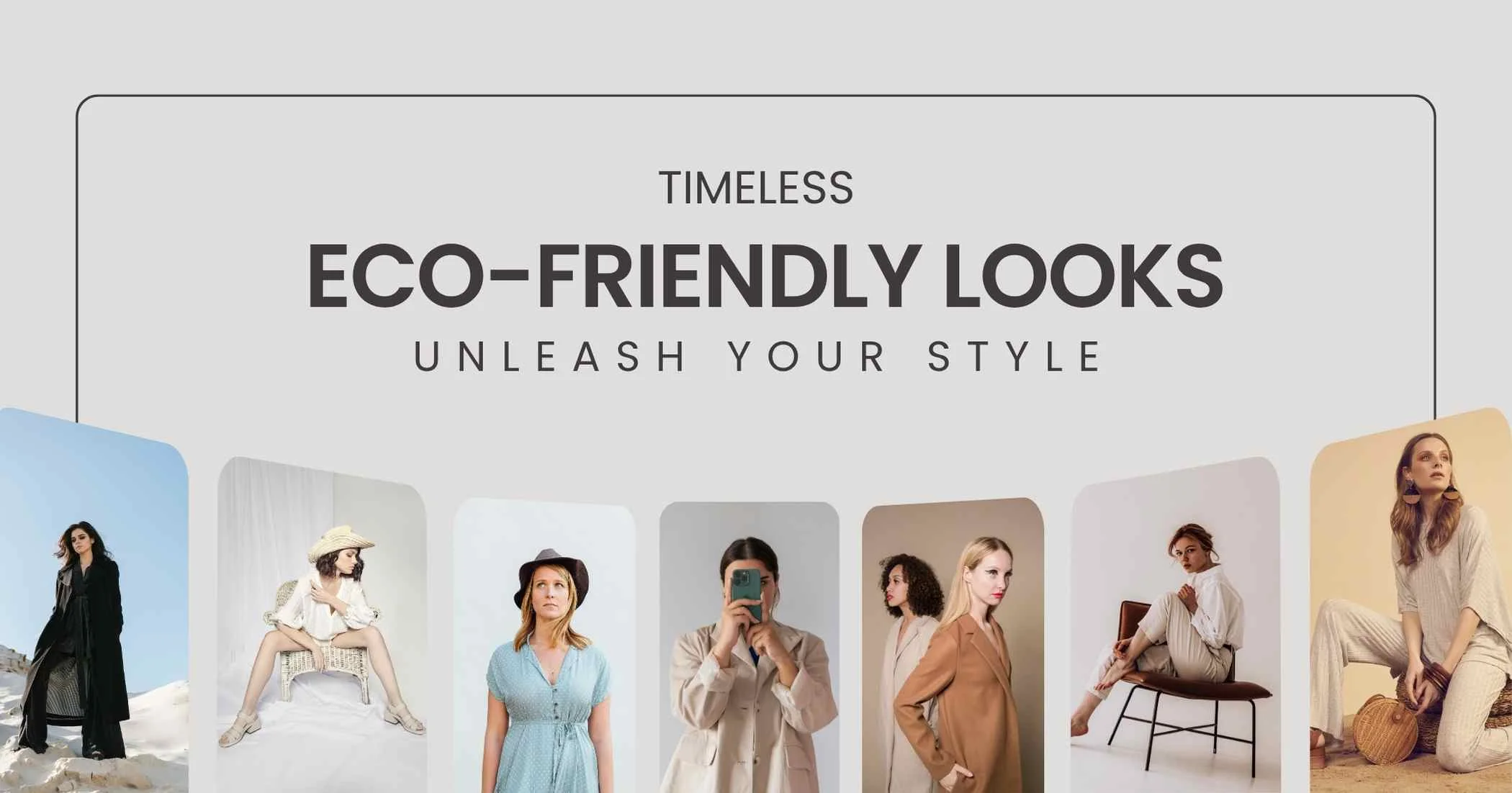
  • Sustainable Outfit Ideas for a Stylish Everyday Wardrobe

    Sustainable Outfit Ideas for a Stylish Everyday Wardrobe

    Sustainable Outfit Ideas for a Stylish Everyday Wardrobe

    Getting dressed sustainably does not mean buying a completely new wardrobe. In fact, some of the best sustainable outfit ideas start with clothes you already own. A versatile shirt, well-fitting pair of trousers, simple dress or reliable pair of jeans can create several looks when you change the layers, shoes or accessories.

    There is also a strong business case for using clothes for longer. UNEP reports that global textile waste reaches around 92 million tons a year, while clothing production doubled between 2000 and 2015 and the number of times a garment was worn fell by 36%.

    So, what can you do differently?

    • Rewear your favorite pieces instead of constantly replacing them.
    • Build outfits around versatile clothing that works across occasions.
    • Try secondhand clothing when you genuinely need something new.
    • Choose durable pieces and care for them properly.
    • Use layers and accessories to create more looks from fewer garments.

    The result is simple: style more, shop less and make the clothes you already own work harder.

    Quick Answer: What Makes an Everyday Outfit Sustainable?

    Quick Answer: What Makes an Everyday Outfit Sustainable?

    A sustainable everyday outfit is one that helps you get more use from the clothes you own while reducing unnecessary purchases. It does not have to be made entirely from organic or recycled materials.

    The most useful approach is to combine longevity, versatility and mindful consumption. The Ellen MacArthur Foundation recommends designing fashion products to be used more and for longer, with durability and the ability to be remade or recycled built into the product.

    Start With What You Already Own

    Before shopping, check what you already have. That forgotten shirt at the back of your wardrobe could become the third layer in a completely new outfit.

    Choose Pieces That Work Harder

    A plain shirt can work with jeans, trousers or a skirt. A simple dress can work with sneakers during the day and a jacket and flats for dinner.

    Make Sustainability Practical

    Sustainable fashion is not only about choosing a particular fiber. How often you wear a garment, how long it lasts and what happens to it after use also matter.

    The best sustainable everyday outfits are therefore not complicated. They are easy to wear, easy to repeat and easy to restyle.

    Sustainable Outfit Ideas You Can Actually Wear

    Sustainable Outfit Ideas You Can Actually Wear

    You do not need new outfits sitting in your wardrobe. These outfit formulas are designed to help you create versatile looks from familiar pieces.

    White Shirt + Straight-Leg Jeans

    A white shirt and straight-leg jeans are an easy everyday combination. Add sneakers for errands or loafers for a polished work look. Roll up the sleeves and add a belt when you want a more relaxed finish.

    Basic T-Shirt + Tailored Trousers

    Pair a neutral T-shirt with tailored trousers when you want comfort without looking too casual. Add a lightweight blazer for work or keep the outfit simple with sneakers.

    Linen Shirt + Relaxed Trousers

    A breathable shirt with relaxed trousers is especially useful for warm weather. Choose colors that coordinate with the rest of your wardrobe so both pieces can be styled separately.

    Midi Dress + Sneakers

    A midi dress does not have to be reserved for special occasions. Pair it with clean sneakers and a simple tote for a comfortable daytime outfit. Add a lightweight overshirt when temperatures drop.

    Oversized Shirt + Jeans

    An oversized shirt can work as both a top and a lightweight layer. Wear it buttoned with jeans or open over a T-shirt when you want a completely different look.

    Monochrome Outfit

    Try building an outfit around different shades of the same color. A beige top, cream trousers and tan shoes can look intentional without requiring statement pieces.

    T-Shirt + Open Shirt + Trousers

    Three simple layers can create more styling options than three individual garments worn alone. Use a basic T-shirt as the foundation and change the outer shirt to suit the day.

    Repeat a Favorite Outfit With Different Accessories

    Take an outfit you already love and change only the accessories. Swap sneakers for flats, add a belt or replace a handbag with a tote.

    This is an outfit repeating with a styling twist, not wearing the same look on autopilot.

    Secondhand Blazer + Basic T-Shirt

    A secondhand blazer can instantly make basic clothing look more polished. It is also a useful way to fill a wardrobe gap without automatically buying something brand new.

    Recent research published in Frontiers in Sustainability examined secondhand clothing purchase intentions using responses from 222 participants, showing continued academic interest in the factors influencing secondhand consumption.

    Jeans + Knitwear + Sneakers

    For weekends, combine your favorite jeans with a simple knit and comfortable sneakers. The formula is familiar, but you can change the color, silhouette or accessories to keep it fresh.

    Simple Dress + Layered Jacket

    A simple dress can become a completely different outfit when worn with a denim, utility or structured jacket. This also makes summer-friendly clothing useful across more seasons.

    Neutral Co-Ord + Different Accessories

    A matching set does not have to be worn together every time. Wear the top with jeans and the trousers with a simple T-shirt.

    That is the advantage of versatile clothing: one purchase can create several combinations.

    Skirt + T-Shirt + Overshirt

    A basic skirt becomes more casual with a T-shirt and open overshirt. Change the footwear and the same outfit can work for lunch, shopping or a casual workplace.

    Old Favorite + One Statement Piece

    Instead of replacing an entire outfit, change one element. A colorful scarf, interesting bag or statement jacket can refresh pieces you already wear regularly.

    The Repeat-and-Restyle Outfit

    Choose one outfit from your wardrobe and style it three ways: casual, work-ready and evening-ready. This small exercise shows how much variety you can create without buying more.

    UNEP specifically recommends “shopping within” your existing wardrobe and suggests repairing, altering, swapping, renting and buying secondhand as ways to reduce unnecessary fashion consumption.

    A sustainable wardrobe becomes more useful when the same clothes can serve more than one purpose.

    Build Sustainable Everyday Outfits From Fewer Pieces

    Build Sustainable Everyday Outfits From Fewer Pieces

    You do not need a strict capsule wardrobe with a fixed number of garments. Instead, focus on creating a wardrobe where most pieces work with several others.

    A 2025 study of 288 Indian apparel consumers examined factors influencing sustainable clothing purchase behavior, highlighting the growing research interest in sustainability-conscious apparel decisions in the Indian market.

    Pick a Core Color Palette

    Choose two or three colors that mix easily with neutrals. This makes it simpler to create outfits without needing a large wardrobe.

    Invest in Versatile Wardrobe Essentials

    Look for pieces that can move between different occasions:

    • A comfortable everyday T-shirt
    • A well-fitting shirt
    • Straight-leg jeans
    • Tailored or relaxed trousers
    • A simple dress
    • A lightweight layer
    • Comfortable everyday shoes

    Use the Three-Way Test Before Buying

    Before purchasing something, ask yourself: Can I style this with at least three things I already own?

    If the answer is no, pause. You may be buying an isolated piece rather than adding something useful to your wardrobe.

    A smaller wardrobe can deliver more outfit combinations when every piece has a clear role.

    How Sustainable Brands Are Making Everyday Dressing Easier

    How Sustainable Brands Are Making Everyday Dressing Easier

    Brand examples are useful when they show what sustainability looks like beyond a marketing claim. Look for evidence around materials, production, longevity, repair, transparency or circularity.

    Something Sustainable: Designing for Everyday Wear

    Mumbai-based Something Sustainable (SOS) focuses on organic cotton, natural fibers and plant-based dyes. The brand also says it uses reclaimed materials and designs with longevity in mind, while working with Indian artisans and responsible manufacturing partners.

    That approach fits everyday sustainable dressing well. Instead of treating sustainable clothing as occasional statement clothing, pieces can become practical wardrobe staples that are worn, layered and restyled regularly.

    B Label: Bringing Hemp Into Everyday Clothing

    Indian brand B Label focuses on hemp-based fashion and describes its goal as creating timeless clothing through an “all-natural” approach. Its current range includes shirts, dresses, trousers and other everyday pieces.

    This is a useful reminder that sustainable clothing can still be styled around familiar wardrobe formulas. A hemp shirt, for example, can work with jeans, trousers or shorts instead of being treated as a special-occasion purchase.

    Design for Longevity, Not Just First Impressions

    The Ellen MacArthur Foundation notes that circular fashion depends on physical durability, emotional durability and products that can eventually be remade or recycled.

    That makes longevity an important question when evaluating a new garment: Will I still want to wear this next year?

    The best sustainable brands do not only sell a product. They can also influence customers to think differently about how long clothing should remain useful.

    Make Every Outfit Last Longer

    Make Every Outfit Last Longer

    Creating sustainable everyday outfits is only half the job. Taking care of them determines how long those outfits remain part of your wardrobe.

    MDPI research shows why everyday styling habits matter. A quantitative study covering wardrobe practices in China, Germany, Japan, the UK and the USA found that how garments are used has a strong influence on the number of times they are worn. This makes simple habits such as rewearing, restyling and choosing versatile pieces more relevant to sustainable fashion than simply buying clothes labelled “eco-friendly.”

    Wash Less and Wash Cooler

    Do not automatically wash every garment after one light wear. Airing a garment or spot-cleaning a small mark can sometimes be enough.

    Follow the care label, use the appropriate wash cycle and avoid unnecessary high heat.

    Repair Small Problems Early

    A loose button, tiny tear or damaged hem is easier to fix before it becomes a major repair. Keeping a small sewing kit at home can make simple repairs less intimidating.

    Store Clothes Properly

    Fold knitwear rather than hanging it if stretching is a concern. Keep clothes dry before storing them and use suitable hangers for structured pieces.

    Think About the Next Owner

    If something no longer suits you, it does not automatically belong in the bin. Swapping, reselling, donating or repurposing it can keep the garment in use.

    The World Economic Forum‘s 2025 social-economy research also identifies repair, reuse and secondhand models as important parts of the circular economy.

    The most sustainable outfit is often the one that stays in your wardrobe for years.

    A Simple Sustainable Outfit Formula for Every Day

    A Simple Sustainable Outfit Formula for Every Day

    If deciding what to wear still feels difficult, use one simple formula:

    Base + Layer + Shoes + Personal Detail

    For Work

    Try tailored trousers, a basic T-shirt, an overshirt or blazer and comfortable flats or loafers. Keep the colors coordinated so every piece works with another outfit.

    For Casual Days

    Pair jeans with a T-shirt and lightweight shirt. Sneakers keep the look practical, while a tote or simple jewellery adds personality.

    For Going Out

    Start with a simple dress or coordinated separates. Add one statement accessory and a versatile jacket rather than buying a completely new outfit.

    This formula gives you structure without making your wardrobe feel repetitive.

    Why Outfit Repeating Is a Sustainable Fashion Habit

    Why Outfit Repeating Is a Sustainable Fashion Habit

    Repeating an outfit is not a style failure. It is one of the simplest ways to increase the value of the clothes you already own.

    UNEP reports that clothing production doubled between 2000 and 2015 while garment use declined by 36%. That gap shows why wearing clothes more often matters.

    Rewear More, Buy Less

    Instead of asking, “What should I buy for this occasion?”, ask, “How can I style something I already own?”

    Style the Same Piece Differently

    Wear a shirt as a standalone top one day and an open layer the next. Use the same dress with sneakers for daytime and a jacket for evening.

    Make Your Own Style Formula

    UNEP Goodwill Ambassador and model Amber Valletta commented on minimizing fashion waste and has described fashion as having both an opportunity and responsibility to become an agent of change.

    Your own version of sustainable fashion can be much simpler: find the silhouettes, colors and combinations you genuinely enjoy, then repeat them confidently.

    Final Takeaway: Style More, Shop Less

    Final Takeaway: Style More, Shop Less

    Sustainable fashion does not require a perfectly minimal wardrobe. It starts with making thoughtful use of what you already have.

    • Build outfits around versatile pieces.
    • Repeat your favorite combinations.
    • Change layers and accessories instead of replacing everything.
    • Consider secondhand clothing when you need something new.
    • Choose durable pieces that can handle regular wear.
    • Repair and care for clothing before replacing it.

    The goal is not to stop enjoying fashion. It is to make your wardrobe more useful, more personal and less dependent on constant shopping.

    So, look inside your wardrobe today: which of these sustainable outfit ideas can you recreate without buying anything new?

    FAQs

    What is a sustainable everyday outfit?

    A sustainable everyday outfit uses clothes that are durable, versatile and worn repeatedly. It can include existing wardrobe pieces, secondhand clothing or responsibly produced garments.

    How can I make my outfits more sustainable?

    Start by wearing what you already own more often. Build outfits around versatile pieces, repair damaged clothing and avoid buying items that do not work with your existing wardrobe.

    What are the best sustainable wardrobe essentials?

    Useful essentials include a good-quality T-shirt, versatile shirt, jeans, trousers, simple dress, lightweight layer and comfortable everyday shoes. Choose pieces that work across several outfits.

    Is repeating outfits sustainable?

    Yes. Repeating outfits helps you get more use from existing clothing and can reduce the need to buy new garments simply for variety.

    Are secondhand clothes a sustainable choice?

    Secondhand clothing can be a useful way to extend the life of garments and avoid purchasing something new. The most sustainable choice still depends on whether you actually need and will use the item.

  • Sustainable Workwear: Polished Outfit Ideas for the Office

    Sustainable Workwear: Polished Outfit Ideas for the Office

    Sustainable Workwear: Polished Outfit Ideas for the Office

    TL;DR:

    • Build around versatile pieces that can create multiple office outfits.
    • Prioritize durability, comfort and easy care over short-term trends.
    • Check fabric composition and credible certifications before relying on sustainability claims.
    • Choose garments suited to your climate and commute so you are more likely to wear them regularly.
    • Repeat outfits confidently instead of buying something new for every occasion.
    • Repair, rewear, resell or donate clothes before replacing them.
    • Consider the full lifecycle of a garment, from material sourcing and production to care and end-of-life.

    What should you wear to work if you want to look polished without constantly buying new clothes? Start with a small set of versatile pieces, repeat them confidently and choose materials and brands with credible sustainability information.

    This approach matters because the fashion industry’s sustainability challenge extends across its supply chain. McKinsey estimates that Tier 2 production, where fabrics are produced and treated before garment assembly, typically accounts for 45–70% of a fashion brand’s Scope 3 emissions. That makes material selection, manufacturing and longer garment use important parts of the sustainability conversation.

    A well-planned work wardrobe can help you buy less while getting more use from every piece. The principles explained in NineE’s 2026 guide to sustainable fashion are not only about materials but also about how long, how often and how thoughtfully clothing is used.

    The same logic applies when shopping. Checking fabric composition, durability and the evidence behind sustainability claims is a better starting point than buying something simply because it is labelled “eco-friendly.” Understand how to shop for sustainable clothing before making any impulsive purchases.

    Your goal is simple: create work outfits that look good, feel good and earn their place in your wardrobe.

    Quick Answer: What Makes a Work Outfit Sustainable?

    Quick Answer: What Makes a Work Outfit Sustainable?

    A sustainable work outfit is one that you can wear frequently, style in several ways and keep in good condition for a long time. The material matters, but so do durability, care, purchasing habits and what happens to the garment when you no longer need it.

    • Choose versatile pieces instead of one-use outfits.
    • Look for credible certifications and supply-chain information.
    • Prefer garments that suit your climate and commute.
    • Buy second-hand when it makes sense.
    • Repair and rewear before replacing.

    The European Commission’s textile strategy highlights durability, repairability, recyclability and longer product use as key parts of a more sustainable textile system. It also reports that around 5 million tons of clothing are discarded each year in the EU, equal to about 12 kg per person.

    That puts the outfit repeating in a different light. Wearing the same blazer twice in one week is not boring. It is simply getting more value from something you already own.

    A sustainable wardrobe should make dressing easier, not more complicated.

    Start With a Capsule Work Wardrobe

    Start With a Capsule Work Wardrobe

    A sustainable capsule wardrobe gives you a practical base for creating multiple outfits without needing a crowded closet. Instead of buying clothes for individual occasions, choose pieces that work together.

    • 2–3 pairs of trousers
    • 4–5 shirts or tops
    • 1–2 dresses or skirts
    • 1–2 blazers or structured layers
    • 1 lightweight knit
    • 1 pair of comfortable formal shoes
    • A work bag and a few simple accessories

    Build Around Versatile Colors

    Start with two or three neutrals such as black, navy, beige, white, grey or brown. Add one accent color if you want more personality.

    This makes combinations much easier. A beige trouser can work with a white shirt on Monday, a colored blouse on Wednesday and a knit on Friday.

    Follow the Three-Outfit Rule

    Before buying something new, ask whether you can create at least three work outfits with it.

    A blazer that only works with one dress may not be as useful as a neutral blazer that works with trousers, jeans and skirts.

    The best capsule wardrobe is not the smallest one. It is the one where every piece has multiple jobs.

    Choose Workwear Fabrics With Care

    Choose Workwear Fabrics With Care

    There is no single “perfect” sustainable fabric. The right choice depends on how the garment is made, how long you will wear it and whether its properties suit your lifestyle.

    • Choose breathable fibers for hot climates.
    • Look for durable materials for high-use garments.
    • Consider organic or certified fibers where relevant.
    • Check blends carefully because they can affect recyclability.
    • Match the fabric to how often you will wash the garment.

    Linen Works Well in Warm Weather

    Linen shirts, trousers and dresses can be especially useful for summer workwear. They are breathable and naturally suited to warm conditions.

    If you are comparing options, the difference between linen and cotton is more nuanced than simply calling one material “better”.

    Organic Cotton Can Be a Practical Staple

    Organic cotton works well for shirts, kurtas, blouses and everyday basics. When shopping for certified organic textiles, look for recognized standards rather than relying only on marketing language.

    The Global Organic Textile Standard, or GOTS, uses independent third-party certification and checks relevant parts of the textile supply chain.

    Better Cotton also uses a farm-level standard covering areas such as natural resources, crop protection, decent work, sustainable livelihoods, gender equality and climate change. Its current Principles and Criteria version 3.2 became effective in April 2026.

    The important takeaway is simple: look for evidence behind a material claim.

    Fabric Choice by Climate and Workday

    The best workwear fabric depends not only on sustainability credentials but also on where and how you work.

    • Hot and humid climates: Linen and breathable cotton can be practical choices.
    • Air-conditioned offices: Lightweight layers, cotton shirts and structured blazers can offer more flexibility.
    • Frequent commuting: Prioritize durable, easy-care fabrics that can handle regular use.
    • Long workdays: Breathability, comfort and wrinkle resistance may matter more than choosing a material solely because it is marketed as sustainable.

    A fabric that looks sustainable on paper is not necessarily the better choice if the garment is uncomfortable and rarely worn.

    Try These Sustainable Work Outfit Ideas

    Try These Sustainable Work Outfit Ideas

    You do not need complicated styling to create polished sustainable work outfits. Start with familiar pieces and change the combinations.

    • White shirt + tailored trousers + loafers
    • Linen shirt + wide-leg trousers + structured bag
    • Midi dress + blazer + flats
    • Straight-leg jeans + shirt + blazer
    • Monochrome trousers + top + minimal jewellery
    • Cotton kurta + straight trousers + flats
    • Midi skirt + tucked-in shirt + loafers
    • Neutral blazer + dark trousers + colored blouse

    The White Shirt and Tailored Trouser

    A crisp shirt with tailored trousers is a reliable office combination. Choose a shirt that can also work with jeans or a skirt so you are not buying a separate top for every dress code.

    Choose from a wider range of silhouettes for women’s trousers and capris to make a useful everyday different workwear combination.

    The Linen Shirt and Wide-Leg Trouser

    For warmer weather, try a relaxed linen shirt with wide-leg trousers. Tuck the shirt in and add a structured bag when you want a sharper finish.

    The same principle works for men’s wardrobes too. Linen shirts, formal trousers and lightweight blazers can create several combinations without requiring a large clothing rotation.

    The Midi Dress and Blazer

    A simple midi dress becomes more versatile with a blazer. Wear it with flats for a normal workday or add formal shoes and understated jewellery for a presentation or client meeting.

    A well-cut blazer is especially useful because it can transform casual pieces into more polished office outfits.

    The Smart-Casual Denim Look

    If your workplace allows denim, choose a clean, dark pair without excessive distressing. Add a formal shirt and structured blazer to keep the look professional.

    The key is not to own more outfits. It is to create more combinations from fewer pieces.

    Practical Styling Insight: Make One Piece Work Three Ways

    A sustainable work wardrobe becomes more useful when each key piece can adapt to different office situations. For example:

    One neutral blazer can create:

    • Formal meeting: Blazer + tailored trousers + shirt + formal shoes
    • Business casual: Blazer + straight-leg jeans + blouse + loafers
    • Relaxed Friday: Blazer + knit top + trousers + minimal accessories

    The goal isn’t to own fewer clothes simply for the sake of having a smaller wardrobe. It’s to increase the number of useful combinations you can create from the clothes you already own.

    Shop Brands With Evidence, Not Just Green Claims

    Shop Brands With Evidence, Not Just Green Claims

    A brand’s sustainability story deserves a closer look before you buy. Check the clothing labels that provide information about materials, manufacturing, certifications, traceability and garment care.

    • Look for specific material information.
    • Check whether certifications are independently verified.
    • Read sustainability reports where available.
    • Look for repair, resale or take-back programmes.
    • Avoid vague claims that provide no supporting information.

    Transparency is becoming increasingly important across the industry. Fashion Revolution’s research evaluates major brands across areas including supply-chain traceability, decent work, sustainable sourcing, waste, chemicals, climate and biodiversity. Its index is designed to measure disclosure, not declare which brands are automatically “sustainable.”

    Look at the Full Supply Chain

    OEKO-TEX MADE IN GREEN is one example of a label that combines harmful-substance testing, responsible production requirements and supply-chain traceability. Its label can be checked using a unique product ID or QR code.

    The European Commission is also moving toward greater textile traceability. Textile apparel is a priority product group for future Digital Product Passport requirements, which are intended to make product information more accessible and support repair, reuse and recycling.

    Choose Indian Brands Thoughtfully

    When looking for everyday workwear, brands already available in the ecosystem can also be considered alongside your usual options. Cottonworld is a relevant example for cotton-focused everyday clothing, while Ramraj Cotton offers another cotton-led option to consider.

    The point is not to declare a brand “perfect.” Instead, compare what each brand actually provides in terms of materials, construction, durability and transparency.

    That small shift from “Does this look sustainable?” to “What evidence supports the claim?” can improve your buying decisions.

    How to Verify a Sustainability Claim

    Before treating a workwear piece as a sustainable purchase, check:

    • What exactly is the sustainability claim?
    • What percentage of the garment uses the claimed material?
    • Is the certification independently verified?
    • Does the brand provide supply-chain information?
    • Can you find evidence in the brand’s sustainability report?
    • Does the garment offer repair, resale or take-back options?

    This helps distinguish a specific, verifiable claim from broad terms such as “eco-friendly” or “conscious.”

    Make Outfit Repeating Part of Your Style

    Make Outfit Repeating Part of Your Style

    Outfit repeating is one of the easiest ways to make a work wardrobe more sustainable. You do not need a new outfit for every meeting, Monday or social-media post.

    • Wear your favorite blazer twice a week.
    • Change accessories instead of the whole outfit.
    • Rotate shirts with the same pair of trousers.
    • Photograph combinations that work well.
    • Keep a few reliable outfits ready for busy mornings.

    Style One Piece Three Ways

    Take one navy trouser. Pair it with a white shirt for a formal meeting, a printed blouse for a client lunch and a knit for a relaxed Friday.

    That is three outfits from one garment.

    Consider sustainable outfit ideas for women to follow the same principle of making existing wardrobe pieces work harder.

    Create Simple Weekly Formulas

    You could make Monday a trouser-and-shirt day, Tuesday a dress day, Wednesday a blazer-and-denim combination, Thursday a skirt or trouser look and Friday a relaxed smart-casual outfit.

    These are not rules. They are shortcuts.

    A smaller number of reliable combinations can reduce morning decision-making while keeping your style consistent.

    If a piece can be worn 30 times instead of three, it becomes a much smarter purchase.

    Extend the Life of Your Office Clothes

    Extend the Life of Your Office Clothes

    A Simple Workwear Care Routine

    Extending garment life is not only about buying better materials. Small care habits can also help reduce unnecessary wear.

    • Follow the garment’s care label before washing or ironing.
    • Air-dry garments when the care instructions allow.
    • Remove small stains promptly instead of repeatedly washing the entire garment.
    • Steam or iron at the recommended temperature.
    • Store structured pieces such as blazers on suitable hangers.
    • Fold knitwear instead of hanging it when appropriate.
    • Repair loose buttons, hems and small tears early.

    These small steps can help keep frequently worn workwear looking presentable for longer.

    Learn What Your Care Label Means

    Care instructions can affect how long a garment lasts. Understanding whether something needs a cold wash, gentle cycle, hand wash or air drying can prevent avoidable damage.

    That is why understanding clothing labels and care symbols should be part of building a sustainable work wardrobe.

    Repair Before You Replace

    A loose button does not mean you need a new shirt. A small hem problem does not mean your trousers are finished.

    The European Commission’s textile strategy specifically promotes longer-lasting products, repair and reuse as part of its broader approach to making textiles more circular.

    Keeping one garment in use for another year can be a much more practical sustainability decision than immediately replacing it with a supposedly greener alternative.

    Your wardrobe becomes more sustainable every time you extend the useful life of something you already own.

    Build Sustainable Workwear on a Budget

    Build Sustainable Workwear on a Budget

    Sustainable workwear does not require replacing your entire wardrobe with expensive alternatives. Start by identifying what you already have and fill genuine gaps slowly.

    • Shop your own wardrobe first.
    • Buy second-hand for blazers and occasion pieces.
    • Compare cost per wear.
    • Avoid buying something just because it is discounted.
    • Invest gradually in high-use pieces.

    Use Cost Per Wear

    A ₹3,000 shirt worn 30 times costs ₹100 per wear. A ₹1,200 shirt worn twice costs ₹600 per wear.

    The cheaper item is not necessarily the better value.

    This simple calculation can change how you think about ethical workwear. Instead of asking only, “How much does this cost?” ask, “How often will I realistically wear it?”

    Consider Resale

    The second-hand market is becoming a significant part of the apparel economy. GlobalData reported that the global resale apparel market grew 17.6% in 2024 to reach $204.7 billion, while the traditional apparel market grew by just 0.1%. The research forecasts another 13.3% growth in 2025, showing how quickly resale is becoming a mainstream part of fashion retail.

    ThredUp co-founder and CEO James Reinhart describes resale as increasingly taking direct market share from new apparel, rather than remaining a niche alternative.

    That makes second-hand shopping particularly useful for pieces such as blazers, coats and formalwear that you may not need to buy frequently.

    A sustainable wardrobe can be affordable when you focus on use, not just purchase price.

    Build a Practical Office Wardrobe Checklist

    Build a Practical Office Wardrobe Checklist

    Before buying another workwear piece, pause for a quick wardrobe check. A few questions can prevent an unnecessary purchase.

    • Do I already own something similar?
    • Can I style this piece at least three ways?
    • Will I wear it regularly?
    • Does the fabric suit my climate?
    • Can I care for it easily?
    • Is the sustainability claim specific and supported?
    • Could I buy it second-hand?
    • Will I still want it next year?

    Check the Claim

    Terms such as “conscious,” “green” and “eco-friendly” do not tell you enough on their own. Look for details about fiber content, certification, production and traceability.

    GOTS, for example, requires independent certification across relevant processing and trading stages, giving shoppers more information than an unsupported sustainability statement.

    Think Beyond the First Purchase

    Sustainability also includes what happens after you stop wearing a garment. Repair, resale, reuse and recycling can all help keep clothing in circulation.

    The European Commission’s long-term textile strategy specifically aims to make products more durable, repairable and recyclable while supporting reuse and repair businesses.

    This is also why the upcoming Digital Product Passport is relevant. The European Commission says textile apparel is among the priority product groups for future product information requirements, with the goal of improving transparency across the value chain.

    Think about the entire life of a garment, not just the moment you buy it.

    Remember the People Behind Your Workwear

    Remember the People Behind Your Workwear

    Sustainable fashion is not only an environmental conversation. The people making clothing are part of the story too.

    • Look for supply-chain transparency.
    • Pay attention to social certifications and standards.
    • Consider how brands report on workers.
    • Avoid treating low prices as the only measure of value.
    • Support greater transparency when choosing between similar products.

    The International Labour Organization estimates that the textiles and clothing industries provide jobs to more than 90 million people, predominantly women. Its 2025 research highlights challenges including low wages, poor working conditions and gender inequalities.

    Sustainability Includes Decent Work

    Better Cotton’s current standard includes Decent Work and Sustainable Livelihoods alongside environmental principles. Its framework also includes gender equality and climate change as cross-cutting priorities.

    That gives shoppers a broader way to think about responsible clothing. A garment is not truly understood by looking only at its fiber composition.

    Transparency Is a Useful Starting Point

    Fashion Revolution makes an important distinction: its transparency index does not certify brands as ethical or sustainable. Instead, it measures how much information major brands publicly disclose about their practices and impacts.

    That distinction is useful when researching any brand. More information does not automatically mean better performance, but less information makes meaningful comparison harder.

    Responsible workwear should consider both people and the planet.

    The NineE Workwear Test

    Before buying a new office-wear piece, ask yourself:

    1. Can I create three outfits with it?
    If not, it may become a one-use purchase.

    2. Will I realistically wear it at least 20–30 times?
    Think about your actual lifestyle rather than an idealized wardrobe.

    3. Does it work with what I already own?
    A versatile new piece is more useful than something that requires several additional purchases.

    4. Can I care for it easily?
    Consider washing, ironing, drying and storage requirements.

    5. Can I explain the sustainability claim?
    Look for specific information about materials, certifications, sourcing or production rather than relying on vague marketing language.

    Dress Better, Buy Less, Wear More

    Dress Better, Buy Less, Wear More

    Sustainable workwear does not require a dramatic wardrobe makeover. The biggest improvement can come from changing how you use the clothes you already own.

    • Choose versatile pieces.
    • Repeat outfits without overthinking it.
    • Look for credible material and certification information.
    • Buy second-hand where practical.
    • Repair clothes before replacing them.
    • Invest in pieces you will genuinely wear.

    For a more complete wardrobe, practical pieces such as women’s blazers for polished looks, formal shirts for office wear and even a functional office bag can be chosen around the clothes you already own rather than purchased as isolated outfits.

    The most sustainable outfit may not be the newest one in your wardrobe. It may be the one you already own, styled differently and worn again tomorrow.

    FAQs

    What is the most sustainable work outfit?

    Usually, it is an outfit you already own and can wear again. If you need something new, choose a versatile, durable piece that works with several items already in your wardrobe.

    Which fabrics are best for sustainable workwear?

    There is no universal winner. Linen, organic cotton and recycled fibers can all have useful applications, but you should consider sourcing, certification, durability, care and expected wear before deciding.

    How many work outfits should I own?

    There is no fixed number. A useful starting point is enough clothing to create several combinations from a small set of trousers, tops, dresses and layers.

    Is buying sustainable clothing always better than buying regular clothing?

    Not necessarily. Replacing a perfectly usable garment simply because a new one has a sustainability claim can create unnecessary consumption. Wearing and caring for what you already own is often the better first step.

    Can office wear be sustainable on a budget?

    Yes. Shop your existing wardrobe first, consider second-hand pieces and use cost per wear to compare purchases.

    What is the most sustainable work outfit?

    Usually, it is an outfit you already own and can wear again. If you need something new, choose a versatile, durable piece that works with several items already in your wardrobe.

    Which fabrics are best for sustainable workwear?

    There is no universal winner. Linen, organic cotton and recycled fibers can all have useful applications, but you should consider sourcing, certification, durability, care and expected wear before deciding.

    How many work outfits should I own?

    There is no fixed number. A useful starting point is enough clothing to create several combinations from a small set of trousers, tops, dresses and layers.

    Is buying sustainable clothing always better than buying regular clothing?

    Not necessarily. Replacing a perfectly usable garment simply because a new one has a sustainability claim can create unnecessary consumption. Wearing and caring for what you already own is often the better first step.

    Can office wear be sustainable on a budget?

    Yes. Shop your existing wardrobe first, consider second-hand pieces and use cost per wear to compare purchases.

  • How to Style a Denim Jacket for Every Occasion

    How to Style a Denim Jacket for Every Occasion

    How to Style a Denim Jacket for Every Occasion

    Own a denim jacket but only wear it three times a year? You’re not alone. Learning how to style a denim jacket actually opens up way more outfits than most people realize. This piece can go casual, polished, or somewhere right in between, depending on how you build the outfit around it.

    This guide walks through real combinations for work, weekends, and every season, so your denim jacket stops sitting in the closet collecting dust and actually earns its spot in your rotation.

    Quick Answer

    How to style a denim jacket comes down to contrast. Pair it with something soft, like a dress or a flowy top, or keep it structured with jeans and a button-down. Layer it over classic hoodies for cold days, or wear it alone in spring. This one piece flexes across nearly every outfit you own.

    Why Denim Jackets Deserve More Wear

    Why Denim Jackets Deserve More Wear

    A denim jacket sits in a weird spot for a lot of people. Too casual for work, they think. Too plain for going out. But learning how to style a denim jacket properly proves both of those ideas wrong pretty fast.

    This piece works because it’s neutral. Blue denim pairs with almost every color, which makes it one of the most flexible jackets you can own, once you know how to use it properly.

    A Piece That Outlasts Trends

    Denim jackets don’t really go out of style the way other trend pieces do. They’ve stuck around for decades, which means the money spent on a good one keeps paying off year after year, not just for one passing season.

    Why This Jacket Suits Almost Every Body Type

    Unlike some outerwear that only flatters certain shapes, a denim jacket works across a wide range of body types. The structured shoulders and cropped or hip-length cut usually sit well no matter your frame, which is part of why it’s such a universally recommended closet staple.

    How to Style a Denim Jacket for Work

    How to Style a Denim Jacket for Work

    Office dress codes vary, but how to style a denim jacket for work usually comes down to what you wear underneath it. A structured blouse or button-down instantly makes the jacket read as more polished than tossing it over a graphic tee.

    Stick to a darker wash denim jacket for office settings. Dark denim looks more professional than light or distressed washes, which tend to feel more casual no matter how you style them.

    Office-Friendly Pairings Worth Trying

    • Denim jacket over a silk blouse, tucked trousers, loafers
    • Denim jacket layered under a blazer for cooler offices
    • Denim jacket with a pencil skirt and simple flats

    Key takeaway: Dark wash denim jackets read as more professional, making them the safer choice for most office settings.

    Adjusting This Look for Casual Fridays

    If your office allows more casual dressing on certain days, swap the blouse for a fitted tee and the loafers for clean sneakers. The dark wash keeps things grounded even when the rest of the outfit relaxes a bit.e loafers for clean sneakers. The dark wash keeps things grounded even when the rest of the outfit relaxes a bit.

    Smart Casual Style and the Denim Jacket

    Smart Casual Style and the Denim Jacket

    A denim jacket sits right at home in smart casual style, which is exactly why it’s such a useful piece to own. Pair it with tailored trousers and a fitted top for something that looks intentional without feeling stiff or overdone.

    Add loafers or clean sneakers to keep the outfit grounded. This combination works for dinners, casual work events, or anywhere that calls for a bit more polish than jeans and a tee.

    Building a Smart Casual Outfit Step by Step

    Start with tailored bottoms, like straight-leg trousers. Add a simple top, tucked in for a cleaner line. Layer the denim jacket over it, then finish with structured shoes. This formula rarely misses for smart casual style occasions.

    Accessories That Fit This Aesthetic

    A structured bag and simple jewelry round out this look nicely. Avoid anything too casual, like a canvas tote, since it can undercut the more polished direction the rest of the outfit is going for.

    How to Style a Denim Jacket for Minimalist Fashion

    How to Style a Denim Jacket for Minimalist Fashion

    If your closet leans toward minimalist fashion, a denim jacket still has a place. Keep the rest of the outfit simple, neutral tones, clean lines, and let the jacket be the one piece with a bit of texture.

    A white tee, black trousers, and a denim jacket covers most minimalist outfit needs without much extra thought required. Add white sneakers, and the whole look stays effortless from start to finish.

    Why Denim Works in a Minimalist Closet

    Denim brings texture without adding visual noise, which fits naturally into minimalist fashion principles. It’s one accent piece, not ten competing details, so it never feels like too much going on at once.

    Choosing a Denim Jacket for a Minimalist Wardrobe

    Look for a jacket with clean lines if you’re building a minimalist closet specifically. Skip anything with heavy distressing or patches, since those details pull focus away from the streamlined aesthetic you’re going for.

    How to Style a Jean Jacket and Leggings

    How to Style a Jean Jacket and Leggings

    How to style a jean jacket and leggings is one of the most searched combinations out there, and for good reason. It’s comfortable, casual, and works for nearly any errand-running day without much thought.

    Pair the jacket with a longer top or tunic over your leggings, since leggings alone under a jacket can look a bit bare without something covering the hips. Add sneakers or ankle boots to finish the outfit off.

    A Real-Life Example Worth Trying

    Picture running errands on a Saturday. Black leggings, an oversized tee, a denim jacket, and white sneakers. Takes two minutes to put together, and it still looks like an actual outfit, not just loungewear thrown on last minute.

    Making This Combo Work for More Than Errands

    Swap the sneakers for boots and add a scarf, and how to style a jean jacket and leggings shifts easily into a casual coffee date or a walk around town. Small swaps change the whole feel without much effort on your part.

    Choosing the Right Leggings for This Look

    Not all leggings work equally well here. Thicker, more structured leggings hold up better under a denim jacket than thin, athletic-style ones, which can look a bit too sporty depending on the rest of your outfit.

    Styling a Denim Bomber Jacket for a Modern Twist

    Styling a Denim Bomber Jacket for a Modern Twist

    Styling a denim bomber jacket gives you a slightly different silhouette than a classic jean jacket. The ribbed cuffs and hem create a more fitted, structured look that pairs especially well with slimmer bottoms.

    Try it over a graphic tee with joggers for a streetwear-inspired outfit, or dress it up with tailored pants and boots for something sharper. Either direction works depending on your mood that day.

    Why the Bomber Cut Feels Different

    The ribbed trim on a denim bomber pulls the jacket in at the waist and wrists, unlike a traditional jean jacket that hangs looser. This small design difference changes how the whole outfit reads, leaning more modern and fitted overall.

    Pairing Ideas for Styling a Denim Bomber Jacket

    • Graphic tee, joggers, chunky sneakers
    • Fitted turtleneck, tailored pants, boots
    • Bodysuit, wide-leg jeans, heeled ankle boots

    A Note on Proportions With This Cut

    Since the bomber style sits closer to the body, pair it with slightly looser bottoms instead of matching it up with another fitted piece. Wide-leg jeans or relaxed joggers give the whole outfit more balance. matching it up with another fitted piece. Wide-leg jeans or relaxed joggers give the whole outfit more balance.

    How to Style a Denim Jacket Over a Dress

    How to Style a Denim Jacket Over a Dress

    What’s one of the easiest how to style a denim jacket tricks out there? Layer it over a dress. Soft fabric against structured denim, and suddenly the outfit feels put together without you trying that hard.

    A floral summer dress with a denim jacket softens things up. A slip dress with denim adds a bit of edge instead. Either works; it just depends on where you’re headed.

    Choosing the Right Dress Style

    Flowy, feminine dresses play well against denim’s structure. Fitted bodycon dresses under a looser jacket work too, since the two pieces contrast instead of matching in shape.

    Footwear That Completes This Combo

    Sandals keep the dress-and-denim combo light and summer-ready. Ankle boots push it into edgier, transitional-season territory, depending on the weather and where you’re going.

    Seasonal Layering With a Denim Jacket

    Seasonal Layering With a Denim Jacket

    Seasonal layering is really where a denim jacket proves its worth. Light layer in spring, mid-layer in fall, and it even squeezes into winter outfits once you pair it right underneath.

    In spring, wear it alone over something simple. Fall, throw a sweater under it for warmth. In winter, use it as a mid-layer beneath a heavier coat, as long as it’s not freezing out.

    A Seasonal Breakdown Worth Following

    SeasonHow to Wear It
    SpringAlone, over a light top
    SummerOver dresses or tank tops
    FallOver a sweater or flannel
    WinterAs a mid-layer under a coat

    This kind of seasonal layering stretches one jacket across the whole year instead of shoving it in storage for months.

    Fabric Weight Matters for Cold Weather

    Heavier denim handles fall and winter layering better than something thin and lightweight. Buying one specifically for seasonal layering? Check the fabric weight first.

    Accessorizing a Denim Jacket

    Accessorizing a Denim Jacket

    Small details finish this off nicely. Pins, patches, an embroidered detail here or there, all add personality without much work. A scarf tucked into the collar brings warmth plus a bit of texture once it cools down.

    Keep jewelry simple with denim most of the time. A thin necklace or small earrings beat anything oversized, since the jacket already carries plenty of visual weight on its own.

    Common Mistakes to Avoid

    Common Mistakes to Avoid

    A few small mistakes pop up a lot when people try how to style a denim jacket. Matching washes with another denim piece is one. Looks accidental, not intentional. Go for contrast instead if you’re doing double denim on purpose.

    Sizing trips people up too. Too tight, and you can’t layer anything underneath. Too oversized, and it swallows you whole. Try on a few sizes before locking in your go-to.

    A Quick Checklist Before Wearing Yours

    • Check the wash contrast if pairing with other denim
    • Make sure there’s room to layer underneath if needed
    • Match the jacket’s formality to the occasion

    Caring for Your Denim Jacket

    Caring for Your Denim Jacket

    Wash it inside out in cold water to keep the color holding up over time. Don’t wash it too often either. Denim care is important for preserving the fabric, especially with regular wear. Frequent washing just speeds up fading and wears the fabric down faster than it needs to.

    Air drying beats the machine dryer here. High heat shrinks denim a bit and weakens the fibers over time, which cuts down how long the jacket actually lasts.

    Storing Your Denim Jacket Properly

    Hang it instead of folding it. Keeps the shape better long-term. Jeans do fine folded, but a jacket’s structure holds up best when it’s not squished flat in a drawer somewhere.

    Conclusion

    Learning how to style a denim jacket really comes down to contrast and context. Pair it with something soft to balance out the structure. Match the wash to the occasion. Layer it through the seasons instead of packing it away for half the year.

    This piece earned its spot as a wardrobe staple for good reason. A bit of effort in styling goes a long way toward making your denim jacket work for nearly any day, any season, any setting.

    Frequently Asked Questions

    Can a denim jacket be worn to the office?

    Yes, especially darker washes. Pair with a structured blouse or a tucked top for something polished enough for work.

    What tops work best under a denim jacket?

    Soft, flowy tops create nice contrast against the structure of the denim. Fitted tops work too, for something more streamlined.

    Can denim jackets be worn in winter?

    Yes, as a mid-layer. Wear it under a heavier coat or over a warm sweater, for extra warmth once it gets cold.

    Does a denim jacket work with leggings?

    Definitely. Pair with a longer top over your leggings, then sneakers or boots, for something easy and comfortable.

    How do I keep my denim jacket from looking too casual?

    Pair it with tailored pieces, trousers, and a structured blouse, and add polished shoes like loafers or heeled boots.

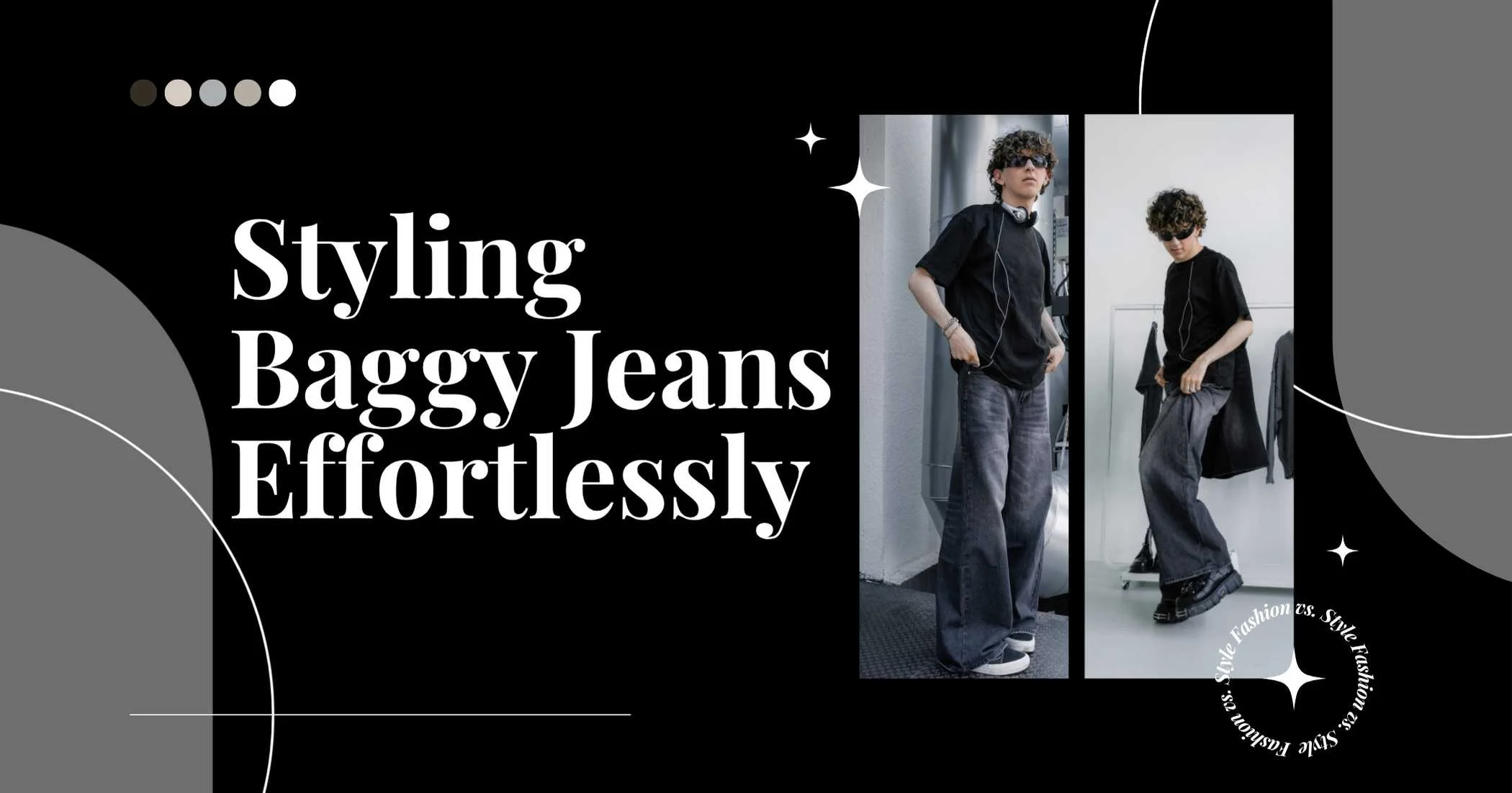
  • Baggy Jeans Outfit Ideas for Every Occasion

    Baggy Jeans Outfit Ideas for Every Occasion

    Baggy Jeans Outfit Ideas for Every Occasion

    Bought baggy jeans and now you’re staring at your closet, unsure what to grab next? You’re not the only one. This cut looks great on the hanger, but it takes a little know-how to actually style well.

    These baggy jeans outfit ideas cover everything from casual weekends to date nights, so you’ll always know exactly how to style baggy jeans. No guesswork. Just outfits that actually work, tested and repeated by people who wear this cut every day.

    Quick Answer

    The best baggy jeans outfit ideas all share one rule. Balance the loose leg with something fitted up top. A crop top, a tucked sweater, or a bodysuit all work well. Pair with the right shoe, sneakers for casual days, heels for dressier ones, and the outfit comes together fast.

    Which Baggy Jeans Outfit Should You Choose?

    Which Baggy Jeans Outfit Should You Choose?

    With so many combinations possible, it helps to narrow things down by occasion first. Are you dressing for work? A date? Just running errands? Each situation calls for a slightly different approach.

    Use the table below to find the right starting point, then read the full breakdown for details on each look.

    OccasionBest Outfit Formula
    Casual day outWhite top, ballet flats
    Cold weatherTucked sweater, ankle boots
    Office or brunchStructured blazer, mules
    Street styleCrop top, platform sneakers
    Lazy dayOversized hoodie, clunky sneakers
    Date nightBodysuit, kitten heels

    Why Occasion Should Drive Your Outfit Choice

    A lot of people start by picking a top they like, then try to force it to work no matter the setting. Flip that order instead. Start with where you’re headed, then build the outfit around that. It saves time and avoids outfit regret halfway through the day.

    Baggy Jeans Outfit Ideas for Casual Days

    Baggy Jeans Outfit Ideas for Casual Days

    For an easy day out, keep it simple. A fitted or cropped white top paired with baggy jeans creates a clean look that lets the pants take center stage. Finish with ballet flats for something comfortable yet polished.

    Want something bolder? Choose flats in a bright color or bold print instead of plain white or black.

    Why Fit Matters So Much Here

    Personal stylist Kate Breen puts it simply. Pairing baggy pants with a fitted top keeps some shape visible, so you don’t get lost in all that extra fabric. Skip this balance, and the outfit can start to feel shapeless fast.

    A Real-Life Example Worth Trying

    Picture a Sunday morning coffee run. A fitted white tank, your favorite baggy jeans, and simple flats takes two minutes to throw on, yet still looks like you put thought into it. That’s the whole appeal of this formula.

    Baggy Jeans Outfit Ideas for Cold Weather

    Baggy Jeans Outfit Ideas for Cold Weather

    When temperatures drop, a sweater becomes your best friend. Try a French tuck, tucking just the front of your sweater into your jeans, to define your waist without going full tuck.

    Add tan or cream ankle boots, ideally with a small heel, for a longer silhouette. This combo works especially well when the weather turns chilly but you still want to look put together.

    Matching Boot Color to Your Wash

    Wearing dark-wash jeans? Stick with black ankle boots. Lighter washes pair better with tan, cream, or other light colors that won’t clash against the denim.

    Layering Underneath for Extra Warmth

    On especially cold days, a thin turtleneck under your sweater adds warmth without bulking up the silhouette too much. This keeps the outfit looking clean while still functioning for actual winter weather.

    Baggy Jeans and Boots: A Reliable Cold-Weather Combo

    Baggy jeans and boots might be the easiest pairing on this whole list. The boots add structure at the bottom, which balances out all that extra fabric up top nicely.

    Ankle boots work for everyday looks. Knee-high boots add drama for evenings out. Either way, this pairing rarely goes wrong once the temperature starts dropping.

    Key takeaway: Boots with even a small heel add length to your legs, which helps balance the volume of baggy denim.

    Choosing Boot Styles for Different Moods

    Combat boots bring an edgier feel to baggy jeans and boots outfits, while a sleek Chelsea boot leans more polished. Neither is right or wrong. It just depends on the mood you’re going for that particular day.

    Baggy Jeans Outfit Ideas for the Office or Brunch

    Baggy Jeans Outfit Ideas for the Office or Brunch

    Want a professional spin on baggy jeans? A structured blazer does the trick. The tailored shape creates visual contrast against the loose denim below, which keeps the whole outfit from feeling too casual.

    Wear a plain T-shirt underneath the blazer, then finish with square-toe mules. This combination works for casual Fridays or a relaxed brunch date just as easily.

    A Bolder Version of This Look

    Want something with more edge? Swap the plain T-shirt for a solid bralette underneath the blazer. This small change gives the whole outfit a high-fashion feel without much extra effort.

    Keeping Things Office-Appropriate

    If your workplace leans conservative, stick with darker wash baggy jeans and neutral blazers. Save the bralette version for after-hours events instead, where the dress code allows more room to experiment.

    Baggy Jeans Outfit Ideas for a Night Out With Friends

    Crop tops with baggy jeans create that effortlessly cool look that works perfectly for a casual night out. The relaxed fit of the jeans pairs naturally with a tight crop top or baby tee, balancing loose and fitted in one outfit.

    Add platform sneakers for extra height and a bit of edge. This combination shows up in outfit after outfit for good reason. It just works, especially when you’re heading somewhere with friends and want to look put together without trying too hard.

    Why Shoe Choice Matters So Much Here

    Pairing baggy pants with a tiny shoe doesn’t fit well. The proportions get thrown off fast. Stick with something substantial or visually interesting underneath your baggy jeans, not something delicate or plain.

    Accessorizing This Look

    A chunky necklace or a small crossbody bag rounds things out nicely. Since the outfit already leans casual, one bold accessory adds personality without overcomplicating the whole look.

    Sneakers With Baggy Jeans for Lazy Days

    Sneakers With Baggy Jeans for Lazy Days

    For maximum comfort, go baggy-on-baggy. An oversized hoodie worn over your jeans creates a relaxed, layered look. Just make sure your sneakers with baggy jeans are chunky enough to stand out. Plain shoes can get lost in all that fabric.

    Want flexibility during the day? Choose a zippered hoodie you can open up to reveal a tighter top underneath. This lets you shift the look from cozy to put-together in seconds.

    This particular combination works equally well for men and women, making it one of the more versatile picks on this list.

    Picking the Right Sneaker Silhouette

    Chunky, thick-soled sneakers create better visual balance with an oversized hoodie and baggy jeans combo than slim, minimal styles. The added bulk at the bottom keeps the whole outfit visually balanced from top to bottom.

    Baggy Jeans and Heels Outfit Ideas for Date Night

    Baggy jeans and heels outfit ideas open up a lot of possibilities once you know the formula. A clingy bodysuit layered under baggy jeans embraces your curves while still keeping that relaxed silhouette below.

    Add a kitten heel to dress things up for a date. Pointed or square-toe styles add more visual interest than round or open-toe shoes.

    Why This Combination Works So Well

    A body top paired with oversized boyfriend jeans creates contrast, slim and form-fitting up top, loose and relaxed on the bottom. That contrast is exactly what makes the outfit feel intentional.

    More Baggy Jeans and Heels Outfit Ideas Worth Trying

    More Baggy Jeans and Heels Outfit Ideas Worth Trying

    Beyond the bodysuit combo, leather adds another great option to your baggy jeans and heels outfit ideas list. A black or brown leather bomber jacket that hits below the waist pairs beautifully with light-wash baggy jeans and square-toe heels.

    Denim length matters a lot here. Make sure the hem falls at your ankle or calf, depending on the fit, so your heels don’t get hidden underneath extra fabric.

    An Alternative for Sneaker Lovers

    Prefer sneakers over heels? White sneakers with a black detail, stripes, a dark sole, or black laces, pair just as well with this leather jacket combination.

    Choosing Jewelry for This Look

    Since the leather jacket already carries a strong presence, keep jewelry minimal here. A single statement ring or small hoops usually work better than layered necklaces competing with the jacket for attention.

    Black Baggy Jeans Women Reach for Constantly

    Black Baggy Jeans Women Reach for Constantly

    For a low-effort day of errands, black baggy jeans women own tend to be the easiest starting point. Black pairs with nearly every top, shoe, and jacket combination, which makes it a reliable choice when you don’t want to overthink your outfit before heading out the door.

    Button-down shirts also pair well here. Try one with cowboy boots for a Western-inspired look that trends every summer without fail.

    Styling Button-Downs for an Easy Day

    Tuck your button-down into your jeans to define your waist, or leave it untucked for something more relaxed and effortless. Both versions work well for a day spent running around town, and this outfit formula suits men just as easily.

    Why Black Denim Works So Well for This

    Black baggy jeans hide small stains and wrinkles better than lighter washes, which is exactly what you want on a day full of errands, grocery runs, and moving in and out of the car all afternoon.

    Layering Jackets Over Baggy Jeans

    A knit top paired with a trench coat creates a polished, minimal look that pairs surprisingly well with baggy jeans. Since the coat adds length on its own, pointed heels give your legs even more visual length underneath.

    For something bolder, try denim on denim. A fitted jean jacket contrasts nicely against the looseness of your jeans below. Add colorful, strappy statement heels to break up all that blue and keep the outfit from feeling one-note.

    Mixing Washes When Layering Denim

    When trying denim on denim, aim for contrast rather than matching shades. A dark jean jacket over light baggy jeans, or the reverse, reads as intentional. Two similar washes worn together can look more like a mismatch than a styling choice.

    Cargo Baggy Jeans Men Should Add to Their Rotation

    Cargo baggy jeans men wear often lean into that utility-inspired, streetwear aesthetic that’s grown a lot in recent years. Extra pockets and heavier fabric give this style a distinct look compared to standard five-pocket baggy jeans.

    Pair cargo baggy jeans with a plain tee and clean sneakers for an easy daytime outfit. Add a bomber jacket or overshirt for something with a bit more structure on colder days.

    Keeping the Proportions Balanced

    Since cargo pockets already add visual bulk, keep your top simple. A busy graphic tee paired with cargo baggy jeans can start to feel like too much happening at once. Stick with solid colors up top instead.

    Dressing Cargo Baggy Jeans Up Slightly

    For a step above pure casual, swap the plain tee for a fitted long-sleeve shirt and add clean boots instead of sneakers. This small shift makes cargo baggy jeans men wear feel a bit more intentional without losing the relaxed, utility feel of the outfit.

    Conclusion

    With this many baggy jeans outfit ideas to choose from, getting dressed shouldn’t feel like a struggle anymore. Whether you’re headed to work, a date, or just running errands, there’s a formula here that fits the occasion.

    The real trick across every single look is balance. Fitted top, loose bottom, the right shoe for the moment. Master that one idea, and baggy jeans become one of the easiest pieces in your closet to style, no matter what your day actually looks like.

    Frequently Asked Questions

    What tops work best with baggy jeans?

    Go fitted or cropped. That’s really the whole trick. It balances out all that loose fabric down below and keeps you from disappearing into the outfit.

    Can baggy jeans be dressed up for a formal occasion?

    Sure can. Throw on a blazer, add some heels, keep the top fitted. That combo dresses baggy jeans up more than you’d expect.

    Do baggy jeans work for both men and women?

    Yep, plenty of the combos here work for anyone. The hoodie and sneaker look, or a button-down with boots, neither one cares about gender.

    What shoes pair best with baggy jeans?

    Go bigger, not smaller. Chunky sneakers, platforms, statement heels. Tiny delicate shoes just get lost under all that fabric.

    How do I keep baggy jeans from looking sloppy?

    Watch your hem length and pair them with something fitted up top. Toss on a belt too if you want to define your waist a bit more.

  • Streetwear Outfit Ideas for Every Vibe and Season

    Streetwear Outfit Ideas for Every Vibe and Season

    Streetwear Outfit Ideas for Every Vibe and Season

    Scrolling through outfit inspiration and not sure where to even start? Streetwear can feel overwhelming at first glance. So many silhouettes, so many combos, so many people making it look effortless without even trying.

    These streetwear outfit ideas break the whole thing down into combinations you can actually copy. No guesswork. Just real pairings that work for casual days, summer heat, or anytime you want to look put together fast, without spending an hour deciding what to wear.

    Quick Answer

    Great streetwear outfit ideas usually mix one loose piece with one fitted piece. Think oversized hoodie with slim joggers or a baggy tee with fitted bottoms. Add chunky sneakers, keep accessories minimal, and the whole look comes together without much effort at all.

    How Do I Dress Streetwear the Right Way?

    How Do I Dress Streetwear the Right Way?

    Wondering how to dress streetwear without it looking like a costume? Start with proportion. Pair something roomy with something closer to the body, so the outfit has shape instead of drowning you completely in fabric. Layers matter too. A hoodie under a jacket, or a flannel tied at the waist, adds depth without much extra thought. For more ideas on getting the proportions, layers, and key pieces right, check out this streetwear guide.

    The Simple Streetwear Outfit Formula

    • One loose piece (hoodie, oversized tee, wide-leg pants)
    • One fitted piece (leggings, slim joggers, a bodysuit)
    • One bold shoe (chunky sneakers or platform trainers)
    • One small accessory (cap, chain, or crossbody bag)

    Key takeaway: Balance is the whole secret. Loose plus fitted, every single time you get dressed.

    Why New Shoppers Struggle Here

    A lot of beginners buy pieces individually without thinking about how they’ll pair together later. This leads to a closet full of items that technically fit the aesthetic but never actually get worn as full outfits. Thinking in pairs, one loose item plus one fitted item, solves this problem before it even starts.

    If you’re starting from scratch, our guide on how to build a streetwear wardrobe can help you put these pieces together into a closet that actually works.e item plus one fitted item, solves this problem before it even starts.

    Oversized Hoodie Look With Utility Bottoms

    Oversized Hoodie Look With Utility Bottoms

    This combo defines a huge chunk of modern streetwear outfit ideas. A heavy cotton hoodie drapes over structured cargo pants, mixing softness with something sturdier underneath for a look that feels both relaxed and intentional.

    Try earthy cargo tones, olive or khaki, paired with a bold or pastel hoodie for contrast. Chunky sneakers or combat boots ground the whole thing, while a simple chain or crossbody bag adds a small finishing touch without overdoing it.

    A Quick Styling Tip

    Cuff your cargo pants at the ankle so your sneakers actually show. This one small adjustment keeps the outfit from swallowing your shoes completely, and it takes about ten seconds to do.

    Color Pairings Worth Trying

    Beyond earthy tones, black cargo pants with a cream or white hoodie create sharp contrast that photographs well. For something bolder, try a bright orange or yellow hoodie against darker cargo pants to make the top half the clear focal point.

    Baggy Jeans With a Bold Graphic Tee

    Baggy Jeans With a Bold Graphic Tee

    Nothing says hip-hop fashion quite like baggy denim paired with a loud graphic tee. High-waisted, wide-leg jeans work best here, especially with a slightly distressed or faded finish for extra character and texture.

    Tuck the tee in to define your waist, then layer an open flannel or hoodie over top for depth. Chunky sneakers finish the look, and keeping jewelry minimal lets the graphic on your shirt stay the main focus of the outfit.

    Why This Combo Keeps Coming Back

    This pairing pulls straight from 90s style, which has cycled back into hip-hop fashion again and again over the decades. It never fully disappears because the silhouette just works, no matter how many other trends come and go around it.

    Picking the Right Graphic

    Band tees, retro logos, and pop culture references all work well here. The key is picking something with a bit of history or nostalgia behind it, since that’s usually what gives this style its edge rather than a generic print.

    Cropped Bomber Jacket With Wide-Leg Bottoms

    Cropped Bomber Jacket With Wide-Leg Bottoms

    A cropped bomber jacket over a fitted top instantly adds structure to any streetwear outfit. Pair it with wide-leg pants or a skirt for a silhouette that plays with proportion in an interesting way.

    Stick to a neutral or subtly textured jacket if your bottoms already carry a bold pattern. This keeps the outfit balanced instead of competing for attention on both ends of your body.

    Footwear That Works Best Here

    Sleek sneakers keep this look clean and minimal. Chunkier sneakers push it further into streetwear territory if that’s the direction you’re leaning that day, depending on your mood.

    Fabric Choices That Elevate This Look

    Satin or nylon bombers add a slight sheen that reads more polished than cotton versions. This small fabric swap can shift the whole outfit from purely casual to something a bit more elevated without changing the silhouette at all.

    Casual Street Style for Everyday Wear

    Casual street style doesn’t need to be complicated. A plain tee, relaxed joggers, and a solid pair of sneakers cover most days without much planning at all, which is exactly the point.

    Add a light jacket or an unbuttoned flannel if the weather calls for it. Small details—a cap, simple sunglasses, or a crossbody bag—round the outfit off without overcomplicating anything you’re already wearing.

    A Simple Casual Street Style Example

    Picture heading out for a quick coffee run. A plain black tee, grey joggers, and white sneakers take two minutes to put together, yet still read as intentional. That’s the beauty of casual street style done right.

    Building a Weekly Rotation Around This Formula

    Once this basic combo feels natural, swap in different colored tees and joggers throughout the week without changing the overall structure. This keeps mornings simple while still giving you some variety each day.

    Streetwear Summer Outfit Ideas That Beat the Heat

    Streetwear Summer Outfit Ideas That Beat the Heat

    Hot weather doesn’t mean giving up on streetwear entirely. Streetwear summer outfit ideas lean into lighter fabrics and shorter silhouettes while keeping that same relaxed, bold energy together yet intact.

    Bright printed shorts paired with a boxy tee work well for warm days. Choose technical cotton or linen shorts for breathability, and stick to a pastel or neutral tee to balance out any bold patterns on the bottom.

    Building a Summer-Ready Look

    • Statement sneakers for a sporty finish
    • A bucket hat for extra shade and style
    • Minimal jewelry to keep things light
    • Loose, breathable fabrics throughout

    Streetwear summer outfit ideas also work well with a sporty polo and simple sandals, especially for laid-back outdoor plans where comfort matters more than anything else in the heat.

    Fabric Choices That Matter Most in Summer

    Cotton and linen fabrics breathe better than polyester blends, which matters a lot once temperatures climb. Look for these fabric types specifically on the label if you’re shopping for warm-weather pieces this season.than polyester blends, which matters a lot once temperatures climb. Look for these fabric types specifically on the label if you’re shopping for warm-weather pieces this season.

    Pastel Tracksuit With Statement Sneakers

    Pastel Tracksuit With Statement Sneakers

    Pastels bring a fresh energy to streetwear, especially once warmer months roll around. A relaxed tracksuit in a soft shade, think icy blue or mint green, pairs surprisingly well with a bright, statement sneaker underneath.

    Go for a slim, ribbed-cuff fit for a slightly more polished feel. Mirrored sunglasses and a small crossbody bag round out the outfit without pulling focus from the sneakers doing most of the work.

    Why Pastels Work in Streetwear

    Pastels stand out simply because most streetwear leans dark. Everyone’s wearing black, grey, olive. A soft color palette against bold sneakers creates real contrast. Photographs well too. Feels fresh next to the all-black look you see everywhere else.

    Cute Streetwear Outfit Ideas for a Softer Take

    Cute Streetwear Outfit Ideas for a Softer Take

    Not every streetwear outfit needs to feel tough or oversized. Cute streetwear outfit ideas lean softer instead. Softer silhouettes, pastel colors, playful little details. Still keeps that laid-back, urban feel running through, though.

    A hoodie dress paired with a retro sports cap is a solid place to start. The cut moves easily, and matching or clashing the cap color changes the whole mood of the outfit depending on how you’re feeling that day.

    More Cute Streetwear Combos Worth Trying

    • Asymmetrical crop top with high-waisted joggers
    • Animal print bucket hat with an all-black outfit
    • Suede vest layered over a sporty tank and bike shorts

    Each of these cute streetwear outfit ideas proves this style doesn’t have to feel harsh. Soft colors and playful accessories fit into streetwear just fine, without losing the edge people expect from it.

    Where Cute Streetwear Fits Best

    This softer approach shines for daytime plans. Brunch with friends. Casual outings. Anywhere you still want that urban feel, minus the oversized or all-dark pieces.

    Wardrobe Essentials Every Streetwear Closet Needs

    Before jumping into full outfits, grab a few core pieces first. These wardrobe essentials cover most of what’s already been mentioned in this guide, so start here before chasing anything trendy.

    EssentialWhy It Matters
    Oversized hoodieThe base for most relaxed streetwear looks
    Graphic teeAdds personality and a focal point
    Wide-leg or cargo pantsBalances fitted tops nicely
    Chunky sneakersGrounds nearly every outfit combo
    Simple cap or bucket hatFinishes casual looks fast
    Crossbody bagFunction without breaking the silhouette

    Start with these wardrobe essentials. Build outward with bolder pieces once the basics feel solid and you actually know what you keep reaching for.

    Want to build your wardrobe around these staples? Our guide to streetwear wardrobe essentials breaks down what to own and why each piece matters.

    Building Slowly Instead of All at Once

    Buy everything on this list in one shopping trip, and half of it probably won’t work together. Add one piece at a time instead. Wear it a few times before deciding what’s next

    Layered Flannel With Distressed Denim

    Plaid just never leaves streetwear rotation. A boxy, oversized flannel over a graphic tee, paired with ripped or acid-washed denim, adds texture and depth without much effort at all.

    Tie the flannel at the waist for more shape, or leave it open for something looser. Chunky boots or bold sneakers finish things off, while oversized sunglasses add a bit of attitude on top.

    Color Combos Worth Trying

    Neutral caramel keeps it classic. Tartan brings in some pattern play. Bright neon flannels push the whole thing bolder, if that’s the direction you’re feeling that day.

    Denim Jacket With Sporty Leggings

    Denim Jacket With Sporty Leggings

    An oversized denim jacket over fitted mesh or sporty leggings makes for a relaxed yet elevated combo. The jacket brings volume up top. The leggings keep things streamlined below.

    Layer a fitted top under the jacket for extra depth. Keep shoes simple, sleek sneakers or a plain cap, so the jacket and leggings stay the visual focus.

    Why This Pairing Works So Well

    Bulky jacket, slim leggings. That contrast hits the classic streetwear proportion trick every time. Loose up top, fitted below, and it reads as intentional instead of thrown together.

    Utility Vest Over Wide-Leg Pants

    Utility Vest Over Wide-Leg Pants

    A vest packed with pockets adds instant streetwear character. Layer it over a plain tee, then pair with wide-leg pants for contrast between the structured vest and the flowy fabric underneath.

    Go with durable fabrics that hold shape through the day. Sneakers keep it casual. Bold sunglasses add a bit of extra edge.

    Making This Combo Work Year-Round

    Swap heavier fabrics for lighter cotton once summer hits. Same silhouette, just cooler and more comfortable. That’s exactly why utility vests keep showing up in every season.

    Conclusion

    With this many streetwear outfit ideas to choose from, getting dressed shouldn’t feel like a chore anymore. Bold hip-hop-inspired combos, casual everyday pieces, or something softened with pastels, there’s a formula here that fits whatever mood you’re in.

    The real trick across every outfit is balance. Loose with fitted. Bold with simple. Get that one idea down, and streetwear turns into one of the easiest styles to build outfits around, no matter the season or occasion.

    Frequently Asked Questions

    What’s the easiest way to start dressing streetwear?

    Grab one oversized piece and one fitted piece, then throw on sneakers. That simple formula covers most casual streetwear looks without much thinking involved.

    Are streetwear outfits only for casual settings?

    Not really. A blazer over a hoodie, or a structured jacket with joggers, pushes streetwear into smart-casual territory pretty easily.

    What shoes work best with streetwear outfits?

    Chunky sneakers, hands down. They ground the whole outfit and match that bold, relaxed energy streetwear naturally leans into.

    How do I make streetwear outfits work in summer?

    Go lighter. Shorter silhouettes, breathable fabrics like cotton or linen, same relaxed layered approach just adjusted for the heat.

    Can streetwear outfits look cute instead of tough?

    For sure. Pastel tones, hoodie dresses, playful little accessories- all of it fits into cute streetwear outfit ideas without losing the urban feel.

  • Sustainable Outfit Ideas for Women That Never Go Out of Style

    Sustainable Outfit Ideas for Women That Never Go Out of Style

    Social

    Sustainable Outfit Ideas for Women That Never Go Out of Style

    Have you ever looked at a wardrobe full of clothes and still felt like you had nothing to wear?

    You’re not alone. Many of us fall into the habit of buying new pieces for every season, trend, or occasion, only to end up with overflowing closets and outfits we rarely wear.

    Sustainable fashion encourages a different approach, one that’s smarter for your wallet, your style, and the planet. Whether you’re looking for eco-friendly outfit ideas or practical slow fashion outfit ideas, the focus is on wearing what you love for longer. A capsule wardrobe follows the same principle by emphasizing versatile pieces that can be worn repeatedly.

    Instead of chasing fast-changing trends, sustainable outfit planning focuses on making the most of what you already own while investing in versatile, long-lasting pieces.

    The goal isn’t to wear less; it’s to wear better. With a few timeless staples and creative styling ideas, you can build outfits that feel fresh without constantly shopping for more.

    In this guide, you’ll discover:

    • What makes an outfit truly sustainable
    • The wardrobe essentials that work across seasons
    • Stylish outfit ideas for everyday wear, work, travel, and special occasions
    • Simple ways to make every outfit more eco-friendly
    • Common sustainable styling mistakes to avoid

    Whether you’re just starting your slow fashion journey or looking for fresh inspiration, these sustainable outfit ideas will help you create stylish looks you’ll love wearing again and again. Learning how to build a capsule wardrobe can also help you plan outfits around a smaller set of versatile pieces.

    What Makes an Outfit Truly Sustainable?

    What Makes an Outfit Truly Sustainable?

    Creating a sustainable outfit is about much more than buying clothing labeled “eco-friendly.” It’s about making thoughtful choices that help your wardrobe last longer and reduce unnecessary consumption. In many cases, the most sustainable outfit is one that’s already hanging in your closet.

    A truly sustainable outfit is built with intention. Every piece should have a purpose, work with multiple items, and be something you’ll enjoy wearing for years instead of just one season.

    When putting together sustainable outfits, keep these principles in mind:

    • Prioritize styling clothes you already own before buying something new.
    • Choose timeless silhouettes over short-lived fashion trends.
    • Look for garments made from natural or recycled fabrics.
    • Invest in quality pieces that last through repeated wear, while also considering social standards such as the fairtrade textile standard when comparing responsible production claims.
    • Think about cost per wear instead of just the purchase price.
    • Select versatile clothing that can be styled in multiple ways.
    • Build outfits around classic wardrobe staples rather than impulse buys.
    • Look for credible certifications such as GOTS that set requirements for organic textiles and responsible processing.

    The best ethical fashion outfits aren’t necessarily built from brand-new purchases. Instead, they’re created by combining versatile, high-quality pieces you already own with thoughtful styling choices. 

    Sustainable Wardrobe Essentials You Need Before Creating Outfits

    Sustainable Wardrobe Essentials You Need Before Creating Outfits

    You don’t need hundreds of clothing items to create stylish looks every day. In fact, a smaller wardrobe filled with versatile basics often gives you more outfit options than a closet packed with trendy pieces.

    These timeless wardrobe essentials also form the foundation of a sustainable capsule wardrobe, making it easier to create stylish looks with fewer pieces. A capsule wardrobe checklist can help you decide which pieces genuinely earn a place in your wardrobe.

    Think of these essentials as the foundation of your sustainable wardrobe. Once you have them, mixing and matching becomes much easier.

    Some must-have wardrobe staples include:

    • A white organic cotton T-shirt
    • A breathable linen shirt
    • Straight-leg or relaxed-fit denim
    • Neutral-colored trousers
    • A timeless black dress
    • Lightweight knitwear
    • Comfortable white sneakers
    • Neutral sandals
    • A durable tote bag
    • Layering pieces like cardigans or overshirts

    These classics never really go out of style, making them worthwhile investments that can be worn across seasons and occasions.

    Why Neutral Basics Create More Outfit Combinations

    Have you noticed how some people always seem to have effortlessly stylish outfits without owning a huge wardrobe? The secret usually lies in neutral basics.

    Shades like white, black, beige, navy, gray, and olive pair well with almost everything. A simple white T-shirt can be worn with jeans one day, tucked into a midi skirt the next, or layered under a blazer for work.

    Because these colors complement one another, you can create countless mix-and-match outfits using just a handful of versatile pieces, including women’s jeans and other neutral staples. This reduces unnecessary shopping while keeping your wardrobe feeling fresh.

    Choosing Sustainable Fabrics for Everyday Styling

    The fabric you wear has a bigger impact than you might think. Sustainable materials and longer-lasting garments can reduce resource pressures across textile life-cycle impacts, so material choice should be considered alongside how long and how often a garment is worn.

    Organic cotton is a great everyday option because it’s soft, breathable, and produced without harmful pesticides. Linen is another excellent choice, especially in warm weather, thanks to its lightweight feel and durability.

    Hemp is naturally strong and becomes softer over time, while TENCEL offers a smooth finish made from responsibly sourced wood pulp. 

    You don’t need every piece in your wardrobe to be made from sustainable fabrics overnight. As older clothes wear out, replacing them with better-quality, responsibly made alternatives is a practical way to build a more sustainable wardrobe over time. For organic textile claims, GOTS certification requirements provide a useful reference point.

    Build Slowly, Not All at Once

    One of the biggest misconceptions about sustainable fashion is that you need to throw away everything you own and start over. In reality, doing so creates even more waste. A more circular textile system emphasizes longer use, reuse, repair, and better end-of-life options.

    Instead, take a gradual approach. Start by identifying the pieces you wear most often and think about what’s missing. Maybe you need a versatile blazer that works for both the office and dinner outings, or perhaps a pair of comfortable linen trousers that you can style in multiple ways.

    Every new purchase should solve a gap in your wardrobe rather than simply add to it. Over time, you’ll notice that getting dressed becomes easier because almost everything you own works well together.

    Further, you’ll discover practical sustainable styling tips and outfit combinations that help you get the most out of every piece in your wardrobe.

    Best Sustainable Outfit Ideas for Women

    Best Sustainable Outfit Ideas for Women

    The best part about building a sustainable wardrobe is that you don’t need dozens of new clothes to look stylish. With a few timeless wardrobe essentials and some creativity, you can create mix-and-match outfits for almost every occasion. These sustainable outfit ideas for women are easy to recreate using versatile pieces you may already own, making them perfect for anyone embracing conscious dressing and slow fashion.

    White Tee + Straight Jeans + Sneakers

    Sometimes, the simplest outfits make the biggest impact. A crisp organic cotton white T-shirt paired with well-fitted straight-leg jeans and classic white sneakers creates an effortlessly stylish everyday look. Brands such as Cottonworld can also be considered when comparing everyday clothing options.

    Want to refresh it? Throw on a denim jacket, tuck in the tee, or add a colorful scarf. Instead of buying new clothes for casual outings, experiment with accessories you already own.

    Linen Shirt + Wide-Leg Pants

    A breathable linen shirt paired with neutral wide-leg trousers is perfect for work, travel, or casual lunches. Linen is durable, lightweight, and becomes softer with every wash, making it a favorite fabric in many sustainable capsule wardrobes. For a lighter alternative, white linen tops for women can also work well with tailored trousers or denim.

    Complete the outfit with comfortable loafers or sandals and minimal jewelry for a polished yet relaxed appearance. If you prefer a more casual silhouette, women’s western tops can provide another versatile styling option.

    Black Midi Dress + Denim Jacket

    Every wardrobe deserves a timeless black midi dress. It’s one piece that can easily transition from daytime errands to dinner plans with a few styling changes.

    During cooler weather, layer it with a denim jacket and sneakers. In the evening, swap the sneakers for ankle boots or flats and add simple accessories.

    Oversized Blazer + Tank Top + Jeans

    If you’re looking for a smart-casual outfit that works almost anywhere, this combination never disappoints. Pair a neutral blazer with a basic tank top and your favorite jeans for a look that’s both modern and timeless.

    Instead of purchasing multiple formal jackets, invest in one high-quality blazer that complements several outfits throughout the year.

    Cotton Shirt Dress + Belt

    A cotton shirt dress is one of the most versatile items you can own. Wear it loose for relaxed weekends or cinch it with a belt for a more structured silhouette.

    You can also layer it over leggings during cooler months or leave it open as a lightweight outer layer over jeans and a tank top.

    Graphic Tee + Midi Skirt

    Who says casual can’t be stylish? Pair your favorite graphic T-shirt with a flowy midi skirt for a comfortable outfit that’s ideal for shopping, brunch, or weekend outings.

    Instead of purchasing new printed tops every season, rediscover older favorites tucked away in your wardrobe. Giving existing clothes a second life is at the heart of conscious dressing.

    Matching Co-ord Set

    A matching co-ord set isn’t just convenient, it also gives you multiple outfit possibilities.

    Wear the pieces together for a coordinated look, or style the top with jeans and the bottoms with a basic tee. Buying versatile separates instead of single-use outfits helps maximize every purchase.

    White Shirt + Tailored Shorts

    Warm-weather dressing doesn’t have to involve buying an entirely new wardrobe. A classic white shirt paired with tailored shorts offers a clean, sophisticated summer outfit. Brands such as Ramraj Cotton can be considered when looking for cotton-focused clothing, while the styling principle remains the same: choose pieces that work across multiple looks.

    Roll up the sleeves for a relaxed vibe or layer a lightweight cardigan during cooler evenings. Neutral colors make it easier to create fresh mix-and-match outfits throughout the season.

    Monochrome Neutral Outfit

    Dressing in one color family instantly creates a refined appearance. Think beige trousers with a cream knit, or black jeans paired with a charcoal top.

    Monochrome styling reduces decision fatigue while allowing every wardrobe piece to work together effortlessly. It’s a simple trick that makes even a minimal wardrobe feel larger.

    Maxi Dress + Reused Accessories

    A comfortable maxi dress is ideal for vacations, outdoor gatherings, or relaxed weekends. Instead of buying new accessories for every trip, reuse belts, handbags, scarves, or jewelry to completely transform the look.

    This approach saves money while reducing unnecessary purchases, exactly what slow fashion outfit ideas encourage.

    Basic Tank + Linen Trousers + Overshirt

    Hot summer days call for breathable fabrics. A simple tank top layered with linen trousers and an overshirt creates an outfit that’s lightweight, comfortable, and effortlessly stylish.

    The overshirt can be removed during the day and added back in the evening, making this combination practical for changing temperatures.

    Blazer + Dress + Sneakers

    Looking for an outfit that transitions seamlessly from work to dinner? Layer a tailored blazer over a simple dress and finish with comfortable sneakers.

    This combination proves that you don’t need separate wardrobes for different occasions. One versatile outfit can adapt throughout the day with just a few small styling tweaks.

    Capsule Travel Outfit

    Packing sustainably starts with choosing pieces that multitask. A neutral T-shirt, comfortable trousers, lightweight overshirt, and white sneakers can take you from airport lounges to sightseeing and casual dinners without needing multiple outfit changes.

    Travel is where a sustainable travel capsule wardrobe truly shines. Packing fewer, better-quality pieces saves luggage space while giving you endless styling options.

    Rather than chasing every new trend, focus on building outfits that reflect your personal style and fit naturally into your daily life. With thoughtful planning, quality basics, and creative styling, you can build a wardrobe that’s stylish, practical, and kind to the planet.

    Easy Ways to Make Every Outfit More Sustainable

    Easy Ways to Make Every Outfit More Sustainable

    Creating stylish sustainable outfit ideas for women isn’t only about what you buy, it’s also about how you wear and care for your clothes. Small habits can make a big difference in reducing waste while helping your wardrobe work harder for you.

    Before your next shopping trip, try these sustainable styling tips instead:

    • Wear your favorite outfits more often with confidence.
    • Shop your own wardrobe before buying something new.
    • Borrow clothes for one-time occasions.
    • Explore thrift stores and second-hand platforms.
    • Rent outfits for weddings or special events.
    • Repair damaged clothing instead of replacing it.
    • Wash and store garments properly to extend their lifespan.
    • Build a sustainable capsule wardrobe for every season.

    Keeping garments in use for longer through textile repair and reuse is one of the practical ways to reduce unnecessary textile waste.

    Why Outfit Repeating Is Becoming Fashionable Again

    Why Outfit Repeating Is Becoming Fashionable Again

    Not long ago, repeating outfits was often seen as a fashion mistake. Today, that mindset is changing. Celebrities, fashion influencers, and sustainability advocates proudly rewear their favorite looks, proving that confidence matters far more than constant newness.

    Repeating outfits also helps you discover new styling combinations. A blazer you usually wear to work might look just as stylish with jeans for brunch or layered over a dress for dinner. That’s the beauty of mix-and-match outfits, one piece can create several fresh looks. Longer use matters because textile consumption data shows that consumption itself creates environmental pressures across production, use, and end-of-life stages.

    Small Styling Changes That Create New Looks

    Small Styling Changes That Create New Looks

    You don’t always need new clothes to create a different outfit. Sometimes, simple styling tricks make all the difference.

    Swap sneakers for loafers, add a belt to define your waist, layer a cardigan over a dress, or tuck your shirt differently. Even changing your handbag, jewelry, or scarf can completely transform the overall look.

    These small updates are some of the easiest eco-friendly outfit ideas because they encourage creativity instead of consumption. This broader shift toward sustainable and circular textiles also emphasizes changing consumption patterns alongside production practices.

    Sustainable Outfit Mistakes to Avoid

    Sustainable Outfit Mistakes to Avoid

    Even with the best intentions, it’s easy to make choices that aren’t as sustainable as they seem. Building a conscious wardrobe is less about perfection and more about making thoughtful decisions over time.

    Keep these common mistakes in mind:

    • Buying “sustainable” clothes you’ll rarely wear.
    • Following every seasonal trend.
    • Ignoring fabric quality and garment durability.
    • Choosing quantity instead of versatility.
    • Replacing your entire wardrobe overnight.
    • Neglecting proper clothing care.
    • Shopping without planning outfits first.

    Sustainability Starts With Better Styling Decisions

    Owning clothes made from organic cotton or recycled materials is a great start, but sustainability doesn’t stop there. The real impact comes from how often you wear those pieces. Guidance on sustainable fashion communication also emphasizes moving away from overconsumption and making longer-term, lower-impact choices.

    Before making a purchase, ask yourself a few simple questions. Can you style it with at least three or four outfits? Will you still enjoy wearing it next year? Does it complement your existing wardrobe?

    If the answer is yes, it’s probably a smart addition. If not, it may simply become another forgotten item.

    The most ethical fashion outfits aren’t necessarily the newest, they’re the ones you wear and appreciate for years.

    FAQs

    What is a sustainable outfit?

    A sustainable outfit combines versatile, long-lasting clothing with mindful styling and repeated wear to reduce waste.

    How can I create sustainable outfits without buying new clothes?

    Start by shopping for your own wardrobe, layering existing pieces, and using accessories to create fresh looks.

    Which fabrics are best for sustainable outfits?

    Organic cotton, linen, hemp, TENCEL, recycled fibers, and responsibly sourced wool are among the most sustainable fabric choices.

    Can sustainable outfits still follow fashion trends?

    Yes, you can embrace trends through accessories, layering, or styling while relying on timeless wardrobe staples.

    How many clothes do I need for a sustainable wardrobe?

    There’s no fixed number, a smaller collection of versatile, high-quality pieces is more valuable than a large wardrobe of rarely worn clothes. 

  • Sustainable Outfit Ideas for Men That Look Effortlessly Stylish

    Sustainable Outfit Ideas for Men That Look Effortlessly Stylish

    Sustainable Outfit Ideas for Men That Look Effortlessly Stylish

    Building a stylish wardrobe no longer means buying the latest trends every season. More men are embracing sustainable outfit ideas for men that combine timeless fashion with environmentally responsible choices. From choosing better fabrics to investing in versatile staples, sustainable dressing proves that looking good and making mindful decisions can go hand in hand.

    Whether you’re starting a sustainable men’s wardrobe from scratch or simply replacing a few fast-fashion pieces with better alternatives, every small step makes a difference. Sustainable fashion isn’t about perfection anymore; it’s about making smarter purchases that last longer and reduce unnecessary waste.

    In this guide, you’ll discover:

    • What makes an outfit truly sustainable
    • Why ethical men’s fashion is gaining popularity
    • Essential wardrobe basics worth investing in
    • Practical styling tips for every season and occasion
    • How to build stylish eco-friendly men’s outfits without overspending

    By the end, you’ll have plenty of inspiration to create outfits that suit your lifestyle while supporting a more responsible fashion industry.

    Why Sustainable Outfit Choices Matter

    Why Sustainable Outfit Choices Matter

    The way you build your wardrobe has a bigger impact than you might think. Choosing sustainable outfit ideas for men helps reduce waste, supports ethical fashion, and encourages smarter shopping without compromising your personal style.

    Here’s why sustainable outfit choices matter:

    • Reduce the environmental impact of clothing production and waste.
    • Invest in quality pieces that last longer than fast-fashion alternatives.
    • Save money over time by buying fewer, better-made garments.
    • Support brands that prioritize fair wages and ethical manufacturing.
    • Minimize textile waste through mindful purchasing habits.
    • Build a timeless wardrobe that stays stylish season after season.

    Making small, conscious changes today can help you create a wardrobe that’s better for both you and the planet.

    Sustainability Starts with Everyday Style

    Every purchase you make shapes the future of fashion. While one T-shirt or pair of jeans may seem insignificant, millions of similar purchases each day contribute to resource consumption, pollution, and textile waste. Choosing men’s sustainable clothing made from responsibly sourced materials helps reduce that impact without compromising on comfort or style.

    Instead of constantly replacing worn-out garments, sustainable fashion encourages investing in durable pieces that remain wardrobe favorites for years. These thoughtful choices help lower your environmental footprint while creating a closet filled with items you’ll actually enjoy wearing.

    Looking Good Without Following Fast Fashion

    Fashion trends come and go, but great style always stays relevant. Rather than chasing seasonal collections, focus on timeless pieces that can be styled in multiple ways. A crisp white shirt, dark denim, neutral chinos, and quality sneakers never feel outdated.

    This approach also makes getting dressed much easier. With a collection of versatile basics, you’ll spend less time deciding what to wear and more time feeling confident in outfits that work for almost every occasion.

    Adopting slow fashion for men means buying intentionally instead of impulsively. Over time, you’ll own fewer clothes, but each piece will offer better quality, greater versatility, and longer wear.

    Essentials of a Sustainable Men’s Wardrobe

    Essentials of a Sustainable Men's Wardrobe

    Building a sustainable wardrobe isn’t just about following a trend, it’s about making smarter fashion choices that benefit both your style and the environment. Even small changes can have a lasting impact over time.

    Why it matters:

    • Reduces the environmental impact of clothing production.
    • Encourages buying quality over quantity.
    • Saves money by investing in long-lasting pieces.
    • Supports ethical brands and fair manufacturing practices.
    • Minimizes textile waste through mindful shopping.
    • Helps create a timeless, versatile personal style.

    By choosing sustainable fashion, you can look great while making more responsible decisions for the future.

    Invest in Versatile Basics

    The foundation of every sustainable men’s wardrobe is versatility. Instead of filling your closet with clothes designed for one occasion, prioritize essentials that work across multiple settings.

    Start with plain crew-neck T-shirts, Oxford shirts, dark denim, neutral chinos, lightweight knitwear, and a quality jacket. These basics can be mixed and matched to create dozens of outfits, making your wardrobe feel larger without owning more clothing.

    A simple white organic cotton T-shirt, for example, pairs equally well with jeans for weekends, chinos for casual Fridays, or layered beneath a blazer for a smart-casual dinner.

    Building around timeless essentials also helps you avoid impulse purchases because nearly every new item complements what you already own.

    Choose Materials That Last Longer

    Fabric choice plays a major role in sustainability. Durable materials not only feel better but also retain their appearance after repeated washing and regular wear.

    Natural fibers like organic cotton, linen, hemp, and responsibly sourced wool are excellent choices because they’re breathable, comfortable, and often require fewer synthetic chemicals during production. Innovative materials such as TENCEL™ Lyocell combine softness with lower environmental impact, while recycled polyester gives existing plastic waste a second life.

    Selecting high-quality fabrics means your favorite shirts, trousers, and jackets maintain their fit and finish for years rather than months.

    Build Around Neutral Colors

    One of the simplest ways to create countless eco-friendly men’s outfits is by sticking to a neutral color palette. Shades like white, black, navy, grey, olive, beige, and brown pair effortlessly with one another, reducing the need for excessive clothing.

    Neutral colors also make seasonal transitions easier. A navy overshirt works just as well over a summer T-shirt as it does layered with knitwear during cooler months.

    With fewer colors competing for attention, your wardrobe becomes more cohesive, making everyday outfit planning almost effortless.

    Prioritize Timeless Fits Over Passing Trends

    Fashion trends can be exciting, but they often disappear just as quickly as they arrive. Choosing classic fits ensures your clothing remains stylish regardless of changing trends.

    Straight-leg jeans, tailored chinos, structured jackets, well-fitted shirts, and minimalist sneakers rarely go out of fashion. These wardrobe staples adapt easily to different occasions and can be refreshed with accessories rather than replaced entirely.

    This timeless approach naturally supports a capsule wardrobe for men, where every piece serves multiple purposes and complements the rest of your collection.

    Invest in Footwear That Goes the Distance

    Shoes often receive the most wear in any wardrobe, making quality especially important. A pair of durable leather sneakers from responsible manufacturers, ethically produced boots, or classic loafers can last for years with proper care.

    Instead of buying several inexpensive pairs that wear out quickly, choose footwear designed for longevity. Regular cleaning, conditioning, and occasional repairs can significantly extend their lifespan, reducing waste while saving money in the long run.

    When your shoes last longer, your wardrobe becomes more sustainable without sacrificing style.

    15 Sustainable Outfit Ideas for Men

    15 Sustainable Outfit Ideas for Men

    A sustainable wardrobe doesn’t have to be complicated. With a few timeless essentials, you can create stylish looks for every occasion while reducing unnecessary purchases. The following sustainable outfit ideas for men prove that dressing responsibly can also be effortless.

    • Outfit ideas for different occasions
    • Timeless wardrobe combinations
    • Seasonal styling inspiration
    • Easy ways to wear men’s sustainable clothing
    • Smart outfit formulas that last
    • Styling tips using versatile basics  

    Casual Organic Cotton Tee with Recycled Denim

    A plain organic cotton T-shirt paired with recycled denim is a timeless everyday outfit. Finish the look with minimalist sneakers for an easy combination that’s comfortable, versatile, and suitable for almost any casual outing.

    Linen Shirt with Chinos for Summer

    Stay cool in a breathable linen shirt and neutral chinos during warmer months. Complete the outfit with canvas sneakers or sandals for a relaxed summer look that balances comfort with effortless style.

    Oxford Shirt with Ethical Denim

    An Oxford shirt and dark ethical denim create a polished smart-casual outfit. Wear it with rolled sleeves for weekends or tuck it in with a belt for dinners and casual office days.

    Merino Wool Sweater with Dark Jeans

    A lightweight merino wool sweater layered over a basic T-shirt keeps you warm without adding bulk. Pair it with dark jeans and boots for a timeless outfit you’ll wear throughout cooler seasons.

    Relaxed Weekend Look with Joggers and Hoodie

    Choose an organic cotton hoodie with recycled-fabric joggers for maximum comfort. Neutral shades like grey, navy, or olive make this outfit easy to mix with other wardrobe essentials.

    Sustainable Business Casual Combination

    Pair a tailored blazer with chinos, an Oxford shirt, and minimalist sneakers or loafers. This versatile combination works equally well for office meetings, business lunches, and after-work events.

    Date Night Outfit Using Timeless Staples

    Keep date-night dressing simple with dark chinos, a fitted knit polo or linen shirt, and leather loafers. Classic wardrobe staples always look more refined than fast-changing fashion trends.

    Travel Outfit Built for Comfort

    Travel comfortably in an organic cotton T-shirt, stretch chinos, and a lightweight overshirt. Layering helps you adjust to changing temperatures while packing fewer clothes.

    Monochrome Neutral Outfit

    Create a clean, modern appearance by wearing different shades of one color, such as navy, grey, or beige. Mixing textures like linen and knitwear adds depth without making the outfit look busy.

    Layered Fall Outfit

    Wear a plain T-shirt beneath an overshirt and finish with a lightweight jacket when temperatures drop. Layering keeps your wardrobe practical while extending the use of seasonal pieces.

    Eco-Friendly Gym Outfit

    Choose workout clothing made from recycled performance fabrics for a more sustainable fitness wardrobe. Pair moisture-wicking activewear with durable training shoes built for long-term use.

    Sustainable Streetwear Look

    An oversized organic cotton T-shirt, relaxed-fit jeans, and responsibly made sneakers create a modern streetwear outfit. Add a recycled-fabric cap or crossbody bag for a practical finishing touch.

    Wedding Guest Outfit

    Invest in a linen or responsibly sourced wool suit that can be worn to multiple events. Pair it with a crisp white shirt and classic loafers for an elegant, timeless appearance.

    Capsule Wardrobe Outfit Formula

    A neutral T-shirt, chinos, lightweight overshirt, and white sneakers form the perfect capsule wardrobe for men. These versatile pieces can be mixed to create numerous outfits throughout the year.

    Smart Casual Outfit for Everyday Wear

    Combine tailored chinos with a knitted polo or Oxford shirt for an outfit that works for the office, dinner, or weekend plans. It’s a reliable choice that never goes out of style.

    The best eco-friendly men’s outfits are built around timeless essentials instead of seasonal trends. Focus on quality, durability, and versatility to create a sustainable men’s wardrobe that you’ll enjoy wearing for years.

    Best Sustainable Fabrics Every Man Should Know

    Best Sustainable Fabrics Every Man Should Know

    The fabrics you choose are just as important as the outfit itself. Natural, recycled, and responsibly produced materials are generally more durable and have a lower environmental impact, making them ideal for a sustainable men’s wardrobe.

    Look for these sustainable fabrics:

    • Organic cotton: Soft, breathable, and grown with fewer chemicals.
    • Linen: Lightweight, durable, and perfect for warm weather.
    • Hemp: Strong, long-lasting, and requires minimal water to grow.
    • TENCEL Lyocell: Smooth, breathable, and made from responsibly sourced wood pulp.
    • Recycled polyester: Gives plastic waste a second life while reducing virgin material use.
    • Responsibly sourced wool: Naturally insulating, durable, and ideal for colder months.

    Natural Fibers for Everyday Comfort

    Natural fabrics like organic cotton, linen, and hemp offer excellent breathability and durability. They feel comfortable against the skin and often last longer than lower-quality synthetic alternatives.

    Recycled Fabrics Reduce Waste

    Materials made from recycled fibers reduce landfill waste and lower the demand for new raw materials. They’re a practical choice for activewear, jackets, and other everyday essentials.

    Choosing better fabrics is one of the easiest ways to make your men’s sustainable clothing collection more environmentally friendly.

    How to Style Sustainably Without Buying More Clothes

    How to Style Sustainably Without Buying More Clothes

    Creating stylish eco-friendly men’s outfits doesn’t always mean shopping for something new. Often, making the most of what you already own is the most sustainable approach.

    Simple ways to style sustainably:

    • Build a capsule wardrobe with versatile basics.
    • Layer clothing for different seasons.
    • Stick to neutral colors for easy outfit combinations.
    • Repair clothes instead of replacing them.

    • Buy second-hand or vintage pieces when possible.
    • Invest in accessories that work with multiple outfits.

    Make Existing Pieces Work Harder

    Experiment with different combinations before buying new clothes. A single shirt or jacket can create multiple looks when paired with different trousers, shoes, or layers.

    Buy Less, Wear More

    Before making a purchase, ask yourself whether you’ll wear the item regularly. Prioritizing cost per wear helps you shop more mindfully and supports slow fashion for men.

    A thoughtful wardrobe built around versatile pieces is always more sustainable than one filled with rarely worn items.

    Common Mistakes to Avoid When Building Sustainable Outfits

    Common Mistakes to Avoid When Building Sustainable Outfits

    Building a sustainable wardrobe isn’t just about buying eco-friendly clothing, it’s also about avoiding habits that lead to unnecessary consumption. Making informed choices helps your wardrobe stay stylish and long-lasting.

    Avoid these common mistakes:

    • Buying trendy items you’ll only wear once.
    • Ignoring fabric quality and garment construction.
    • Choosing quantity over durability.
    • Not reading clothing care labels.
    • Assuming expensive always means sustainable.
    • Replacing clothes instead of repairing them.  

    Sustainability Is More Than a Label

    Don’t rely solely on marketing claims. Look for brands that are transparent about their materials, manufacturing processes, and ethical sourcing practices.

    Care Extends Clothing Life

    Wash garments only when needed, use cold water when possible, and air dry delicate items. Proper care helps preserve fabric quality and extends the life of your favorite pieces.

    Avoiding these mistakes makes it easier to build a wardrobe that’s both fashionable and genuinely sustainable.

    Final Thoughts

    Switching to a more sustainable wardrobe doesn’t have to happen overnight. Small, intentional changes can make a big difference for both your style and the environment.

    Key takeaways:

    • Focus on quality instead of quantity.
    • Invest in timeless wardrobe staples.
    • Choose sustainable fabrics whenever possible.
    • Build versatile sustainable outfit ideas for men around classic pieces.
    • Care for your clothes to extend their lifespan.

    Whether you’re refreshing your closet or starting from scratch, every mindful purchase brings you one step closer to a wardrobe that’s stylish, practical, and better for the planet.

    FAQs

    What is the most sustainable outfit for men?

    A timeless outfit made with men’s sustainable clothing, such as an organic cotton T-shirt, ethical denim, and durable sneakers, is one of the most sustainable choices because it can be worn for years.

    Which fabrics are best for sustainable men’s clothing?

    Organic cotton, linen, hemp, TENCEL Lyocell, recycled polyester, and responsibly sourced wool are among the best fabrics for creating a durable sustainable men’s wardrobe.

    How can men dress sustainably on a budget?

    Buy fewer, higher-quality pieces, shop second-hand, repair existing clothes, and build a capsule wardrobe for men with versatile basics that can be worn in multiple ways.

    Is a capsule wardrobe considered sustainable?

    Yes, a capsule wardrobe encourages you to own fewer, timeless pieces that can be mixed and matched, helping reduce unnecessary purchases and textile waste.

    How do I know if a clothing brand is sustainable?

    Look for brands that use eco-friendly materials, share transparent manufacturing practices, support fair labor, and provide credible sustainability certifications or sourcing information.

  • Travel Capsule Wardrobe: Pack Less Without Running Out of Outfits

    Travel Capsule Wardrobe: Pack Less Without Running Out of Outfits

    Travel Capsule Wardrobe: Pack Less Without Running Out of Outfits

    A travel capsule wardrobe is a small collection of versatile clothing that can be mixed and matched to create multiple outfits for your trip. 

    Instead of packing for every possible scenario, you pack pieces that work together, suit your destination, and cover the activities you have planned.

    The goal isn’t to travel with the fewest clothes possible. It’s to travel with the right clothes. 

    A well-planned travel capsule wardrobe helps you pack lighter, stay organized, and avoid bringing items that never leave your suitcase.

    Quick Answer: A travel capsule wardrobe is a thoughtfully planned selection of clothing that lets you create multiple outfits with fewer pieces. Rather than packing a different outfit for every day, you choose versatile items that work together and match your destination, weather, and itinerary. 

    The result is a lighter suitcase, easier outfit planning, and fewer unnecessary purchases before your trip.

    Many people overpack because they think in days instead of outfits. They pack a different outfit for every day of the trip, along with a few extra pieces “just in case.” Before long, the suitcase is full, yet finding something to wear can still feel surprisingly difficult.

    A travel capsule wardrobe takes a different approach. Instead of planning one outfit per day, you pack a small collection of clothes that can be mixed and matched throughout your trip. The same shirt might work for sightseeing during the day and dinner in the evening simply by changing the bottoms or adding a lightweight layer.

    That shift—from packing for days to packing for outfit combinations—is what makes a travel capsule wardrobe so effective. It helps you travel lighter without feeling like you’ve run out of options.

    Whether you’re planning a weekend city break, a beach holiday, a business trip, or a longer adventure, the same principle applies: pack clothes that work together, not just clothes that fill your suitcase.

    Plan Your Trip Before You Pack

    Plan Your Trip Before You Pack

    One of the biggest packing mistakes happens before you even open your wardrobe.

    Many people start by choosing clothes they like, then try to fit them into a suitcase. A more effective approach is to plan your trip first and let that determine what you pack.

    Your destination, itinerary, weather, and travel style have a much bigger influence on your packing list than any capsule wardrobe checklist. A weekend in a coastal town requires a very different wardrobe from a week of business meetings or a hiking holiday.

    Before choosing a single item of clothing, think about these five factors.

    Your Destination

    Where you’re going influences almost every packing decision.

    A city break may call for comfortable walking shoes and versatile everyday outfits. A beach vacation will naturally prioritize lightweight fabrics, swimwear, and sun protection. If you’re visiting multiple destinations, you’ll need clothing that works across different settings rather than for just one location.

    The clearer you are about your destination, the easier it becomes to avoid unnecessary items.

    The Weather

    Checking the weather forecast before packing sounds obvious, but many travellers still rely on assumptions.

    Look beyond average temperatures and check the expected conditions during your travel dates. Consider daytime and nighttime temperatures, the chance of rain, humidity, and whether you’ll need extra layers.

    Packing for the actual forecast often removes several “just in case” items from your suitcase.

    Your Itinerary

    Think about what you’ll actually be doing each day.

    Ask yourself:

    • Will you be sightseeing for hours?
    • Are you attending business meetings?
    • Do you have formal dinners planned?
    • Will you spend most of your time at the beach or outdoors?

    Your wardrobe should support your itinerary, not hypothetical situations that may never happen.

    The Length of Your Trip

    A three-day getaway doesn’t require the same approach as a two-week vacation.

    For shorter trips, you can often pack complete outfits without much repetition. Longer trips benefit from versatile pieces that can be worn multiple times in different combinations.

    If you’ll have access to laundry, you can usually pack even less because you’ll be able to rewear your favourite pieces.

    How You Like to Travel

    Your travel style matters just as much as your destination.

    Someone travelling with only a carry-on will naturally prioritize versatility and lighter packing. Someone checking luggage may have more flexibility, but that doesn’t mean packing more is always better.

    A travel capsule wardrobe isn’t about fitting everything into the smallest suitcase. It’s about bringing clothes you’ll actually wear and leaving behind the ones that only add weight.

    Think in Outfit Types, Not Days

    A simple way to avoid overpacking is to stop assigning clothes to specific days.

    Instead, think about the types of days you’ll have during your trip.

    For example, you might need clothes for:

    • A travel day
    • A sightseeing day
    • A casual dinner
    • A business meeting
    • A beach day
    • A rainy afternoon

    When you pack for these situations instead of Monday, Tuesday, and Wednesday, the same pieces naturally get reused across multiple outfits. That’s the difference between packing seven separate outfits and packing a wardrobe that works together.

    What Should Shape Your Travel Capsule Wardrobe?

    Before you decide what to pack, think about the factors that will have the biggest influence on your wardrobe. They matter far more than following a generic packing list.

    FactorWhy It MattersHow It Affects Your Packing
    DestinationDifferent locations have different clothing needs.A beach holiday calls for lightweight clothing, while a city break may require comfortable walking shoes and layers.
    WeatherConditions can change what you’ll actually wear.Check the forecast before packing instead of relying on seasonal averages.
    Trip LengthLonger trips don’t always require more clothes.Access to laundry often allows you to pack fewer, more versatile pieces.
    ActivitiesYour itinerary determines the clothes you’ll need most.Pack for planned activities rather than unlikely “just in case” situations.
    Travel StyleThe way you travel affects how much you should bring.Carry-on travellers benefit from maximizing versatility, while checked luggage simply offers more flexibility—not a reason to overpack.

    Once you’ve considered these five factors, choosing the right clothes becomes much easier because every item has a clear purpose.

    The Essentials of a Travel Capsule Wardrobe

    The Essentials of a Travel Capsule Wardrobe

    Once you know where you’re going and what your trip involves, it’s time to choose the clothing that will make up your travel capsule wardrobe.

    There’s no universal packing list that works for everyone. The right travel wardrobe depends on your destination, the season, your planned activities, and how often you’ll have access to laundry.

    Instead of focusing on a specific number of items, think in clothing categories. Each category should earn its place by creating multiple outfit combinations rather than serving a single purpose.

    Versatile Tops

    Tops usually make up the largest part of a travel wardrobe because they’re the easiest way to create different outfits.

    Choose pieces that:

    • Pair with all of your bottoms
    • Are comfortable enough for long days
    • Suit most of your planned activities
    • Can be layered if the weather changes

    Neutral colours or subtle patterns often provide the greatest flexibility, but choose colours that fit your personal style rather than following strict rules.

    Bottoms That Work With Everything

    Rather than packing several different options, focus on a few bottoms that can be worn repeatedly with different tops.

    Depending on your trip, these might include:

    • Jeans
    • Trousers
    • Shorts
    • Skirts
    • Linen pants

    The goal is variety through combinations, not quantity.

    A Lightweight Layer

    Even warm destinations can have cool evenings, air-conditioned spaces, or unexpected weather.

    A lightweight layer such as a cardigan, overshirt, denim jacket, or light sweater often becomes one of the hardest-working pieces in your suitcase because it extends the versatility of your outfits without taking up much space.

    Comfortable Shoes

    Shoes are usually the heaviest and bulkiest items you’ll pack, which is why it’s worth choosing them carefully.

    Most trips only require:

    • One comfortable pair for walking
    • One smarter option if your itinerary includes restaurants, events, or business meetings

    Unless your activities genuinely require them, extra pairs often add weight without adding much value.

    Accessories

    Accessories can refresh outfits without taking up much luggage space.

    Depending on your destination, you might include:

    • A belt
    • Sunglasses
    • A lightweight scarf
    • A cap or hat
    • Simple jewellery
    • A compact crossbody or day bag

    Small accessories can make the same outfit feel different throughout your trip while adding very little to your luggage.

    Clothing for Specific Activities

    A travel capsule wardrobe should reflect what you’ll actually be doing.

    If you’re planning to hike, pack appropriate activewear and if you’ll be swimming, include swimwear. If you have a formal dinner or business meeting, make room for clothing that suits the occasion.

    The key is to pack for activities you’ve already planned—not for situations that might happen but probably won’t.

    As you choose each item, ask yourself one simple question:

    “Can I wear this with multiple pieces I’ve already packed?”

    If the answer is yes, it’s likely earned its place in your travel capsule wardrobe.

    Your Travel Capsule Wardrobe Packing Checklist

    Your Travel Capsule Wardrobe Packing Checklist

    Once you’ve chosen the pieces you want to take, use this checklist before you zip up your suitcase. It’s a simple way to make sure you’ve packed everything you need without bringing items that are unlikely to get worn.

    Rather than counting how many clothes you’ve packed, focus on whether your wardrobe can handle every part of your trip.

    ✓ Outfit Checklist

    Can you create outfits for:

    • ☐ Travel days
    • ☐ Everyday sightseeing or activities
    • ☐ Casual meals and evenings out
    • ☐ Any planned formal or business occasions
    • ☐ Changing weather conditions

    If you’re missing an outfit for one of these situations, you may have overlooked an essential piece.

    ✓ Clothing Checklist

    Before you pack, make sure you have:

    • ☐ Versatile tops that work with every bottom
    • ☐ Bottoms that can be worn multiple times
    • ☐ A lightweight layer for cooler temperatures
    • ☐ Appropriate outerwear (if needed)
    • ☐ Comfortable walking shoes
    • ☐ Smart shoes (only if your itinerary requires them)
    • ☐ Sleepwear
    • ☐ Undergarments and socks
    • ☐ Accessories suited to your destination
    • ☐ Clothing for any specific planned activities

    ✓ Packing Checklist

    Ask yourself these questions before adding anything to your suitcase:

    • ☐ Can I wear this item with at least two or three other pieces I’ve packed?
    • ☐ Does it suit my destination and itinerary?
    • ☐ Will I realistically wear it during this trip?
    • ☐ Is it replacing another item that serves the same purpose?
    • ☐ Am I packing this because I need it, or just in case?

    If the last question gives you pause, it’s worth reconsidering whether the item belongs in your suitcase.

    ✓ Final Check Before You Leave

    Before closing your suitcase, take one final look.

    Ask yourself:

    • Can I get through my trip comfortably with what I’ve packed?
    • Is every item likely to be worn at least once?
    • Are there duplicate items serving the same purpose?
    • Can I remove one or two pieces without affecting my outfit options?

    A good travel capsule wardrobe doesn’t try to prepare for every possible scenario. It prepares you well for the trip you’re actually taking.

    Travel Capsule Wardrobe Examples for Different Trips

    Travel Capsule Wardrobe Examples for Different Trips

    No two trips require exactly the same wardrobe. A weekend city break has very different clothing needs from a beach holiday or a business trip. The goal isn’t to follow a universal packing list—it’s to build a travel capsule wardrobe around the way you’ll actually spend your time.

    Here are a few examples of how your travel wardrobe might change depending on the type of trip.

    Weekend City Break

    City trips usually involve long days of walking, sightseeing, cafés, and evenings out. Comfort is important, but you’ll also want outfits that feel put together for different settings.

    A typical travel capsule wardrobe might include:

    • 3–4 versatile tops
    • 2 bottoms
    • 1 lightweight jacket or overshirt
    • 1 comfortable pair of walking shoes
    • 1 smarter pair of shoes (optional)
    • Simple accessories that work with every outfit

    Because the trip is short, most pieces only need to be worn once or twice.

    Beach Vacation

    Beach holidays are built around warm weather and relaxed outfits. Lightweight, breathable fabrics become far more important than variety.

    You might pack:

    • Lightweight T-shirts or linen shirts
    • Shorts or linen trousers
    • Swimwear
    • Sandals and comfortable walking shoes
    • A lightweight layer for cooler evenings
    • A hat and sunglasses for sun protection

    Rather than packing different outfits for every day, focus on pieces that can be mixed and matched between the beach, sightseeing, and casual dinners.

    Business Trip

    Business travel usually requires a balance between professional clothing and comfortable travel outfits.

    A practical travel capsule wardrobe could include:

    • Smart shirts or blouses
    • Tailored trousers or skirts
    • A blazer or structured jacket
    • Comfortable shoes suitable for meetings
    • Casual clothing for travel days and evenings

    Choosing pieces that work for both meetings and dinner can reduce the number of clothes you need to pack.

    Cold Weather Getaway

    Travelling to colder destinations is often more about layering than packing bulky clothing.

    A travel capsule wardrobe may include:

    • Thermal or base layers
    • Knitwear
    • Insulating mid-layers
    • A weather-appropriate coat
    • Boots suitable for walking
    • Warm accessories such as scarves, gloves, and hats

    Layering gives you flexibility throughout the day without filling your suitcase with heavy clothing.

    Long-Term Travel or Backpacking

    For extended trips, versatility becomes even more important because you’ll wear the same clothes repeatedly.

    Focus on clothing that:

    • Dries quickly after washing
    • Layers easily
    • Resists wrinkles
    • Works across different activities
    • Can be mixed into multiple outfits

    When you’ll have regular access to laundry, a smaller collection of well-chosen pieces is often more practical than carrying a large wardrobe throughout your trip.

    These examples aren’t templates to copy. Instead, use them as starting points and adjust your travel capsule wardrobe based on your destination, itinerary, personal style, and the way you like to travel.

    Common Travel Capsule Wardrobe Mistakes

    Common Travel Capsule Wardrobe Mistakes

    A travel capsule wardrobe is meant to make packing simpler, but a few common habits can quickly undo those benefits. Most overpacked suitcases aren’t the result of needing more clothes—they’re the result of packing without a clear plan.

    Here are some of the most common mistakes travellers make and how to avoid them.

    Packing for “Just in Case”

    One extra sweater. Another pair of shoes. A shirt you might wear if plans change.

    These small decisions add up quickly.

    Instead of packing for every possible scenario, pack for the activities and occasions you already know about. If an unexpected situation comes up, it’s often easier to adapt than to carry unnecessary clothing throughout your trip.

    Bringing Too Many Shoes

    Shoes take up more space and weight than almost anything else in your suitcase.

    Many travellers pack three or four pairs, only to wear one or two for the entire trip.

    Unless your itinerary requires specialized footwear, one comfortable walking pair and one smarter option are usually enough.

    Packing Clothes That Only Work With One Outfit

    A travel capsule wardrobe works because the pieces can be mixed and matched.

    If a shirt only works with one pair of trousers, or a jacket only matches one outfit, it’s taking up valuable space while offering very little flexibility.

    Before packing an item, check that it can be worn in multiple outfit combinations.

    Ignoring the Weather Forecast

    Packing based on average seasonal weather instead of the actual forecast often leads to unnecessary clothing.

    A quick check of the expected conditions before you leave can help you avoid carrying heavy layers you’ll never wear or forgetting items you’ll genuinely need.

    Choosing Style Over Comfort

    An outfit may look great at home but feel very different after a full day of walking, sightseeing, or sitting on a long flight.

    Travel clothes should be comfortable enough to wear for extended periods while still reflecting your personal style. If you’re constantly adjusting or avoiding a piece during your trip, it probably wasn’t the right choice to pack.

    Filling Empty Suitcase Space

    Many people treat extra space in their luggage as an invitation to add more clothes.

    A better approach is to leave some room. It makes your luggage easier to manage and gives you space for souvenirs or anything you pick up during your trip.

    A successful travel capsule wardrobe isn’t measured by how full your suitcase is. It’s measured by how often you wear what you packed.

    By avoiding these common mistakes, you’ll usually find that you can travel with less, pack more confidently, and spend less time deciding what to wear once you arrive.

    Pack for the Trip You Have, Not the One You Imagine

    Pack for the Trip You Have, Not the One You Imagine

    It’s easy to think the perfect travel capsule wardrobe is the one that fits into the smallest suitcase or follows someone else’s packing list.

    In reality, the best travel capsule wardrobe is the one that supports the trip you’re actually taking.

    A weekend in a busy city, a relaxing beach holiday, a work conference, and a month of backpacking all require different clothing. Trying to follow the same formula for every trip often leads to unnecessary packing or missing the pieces you’ll genuinely need.

    Instead of aiming for the fewest possible items, aim for the right ones.

    As your travel style evolves, your packing habits will too. You may discover that certain pieces always make it into your suitcase, while others come home unworn trip after trip. Paying attention to those patterns helps you pack more confidently every time you travel.

    A travel capsule wardrobe isn’t about restricting your choices. It’s about making smarter ones.

    When every item in your suitcase has a purpose, getting dressed becomes easier, your luggage becomes lighter, and you spend less time thinking about what to wear—and more time enjoying your destination.

    If you’re looking to build a more intentional wardrobe beyond travel, explore our guides on How to Build a Capsule Wardrobe, Capsule Wardrobe Essentials, and Capsule Wardrobe Checklist. The same principles that make packing easier can also make everyday dressing simpler and shopping more intentional.

    Frequently Asked Questions

    What is a travel capsule wardrobe?

    A travel capsule wardrobe is a curated collection of versatile clothing that can be mixed and matched to create multiple outfits during a trip. Instead of packing a different outfit for every day, you pack pieces that work together and suit your destination, itinerary, and weather.

    How many clothes should I pack for a travel capsule wardrobe?

    There isn’t a fixed number. The right amount depends on the length of your trip, your destination, planned activities, and whether you’ll have access to laundry. The goal is to pack enough versatile pieces to create multiple outfits rather than a separate outfit for each day.

    What clothes should every travel capsule wardrobe include?

    Most travel capsule wardrobes include versatile tops, a few bottoms, a lightweight layer, comfortable walking shoes, sleepwear, undergarments, and any clothing needed for specific activities such as swimming, hiking, or business meetings. The exact pieces will vary depending on your trip.

    How many pairs of shoes should I pack?

    For most trips, one comfortable pair of walking shoes and one smarter pair for evenings or special occasions are enough. If your itinerary includes activities such as hiking or beach visits, you may need additional footwear designed for those situations.

    Can I use my everyday capsule wardrobe for travel?

    Yes. If you already have a capsule wardrobe, many of your everyday pieces will work well for travel. You may simply need to adjust your selection based on your destination, the weather, and the activities you have planned.

    How do I avoid overpacking?

    Start by planning your trip before choosing your clothes. Pack only for the activities and occasions you know about, choose pieces that work in multiple outfits, and question every item you’re adding “just in case.” Reviewing your suitcase with a packing checklist before you leave can also help remove unnecessary items.

    Does a travel capsule wardrobe work for every type of trip?

    Yes, but the contents will change. A beach vacation, business trip, weekend city break, and cold-weather getaway all require different clothing. The principles remain the same—pack versatile pieces that work together and support the trip you’re taking.

    Is a travel capsule wardrobe only for carry-on travel?

    No. A travel capsule wardrobe is useful whether you’re travelling with a backpack, a carry-on, or checked luggage. Even if you have extra space, packing intentionally makes it easier to stay organized, find what you need, and avoid carrying clothes that never get worn.