Category: Fashion Guides

Practical style advice, timeless wardrobe guides, and expert insights to help you dress with confidence.

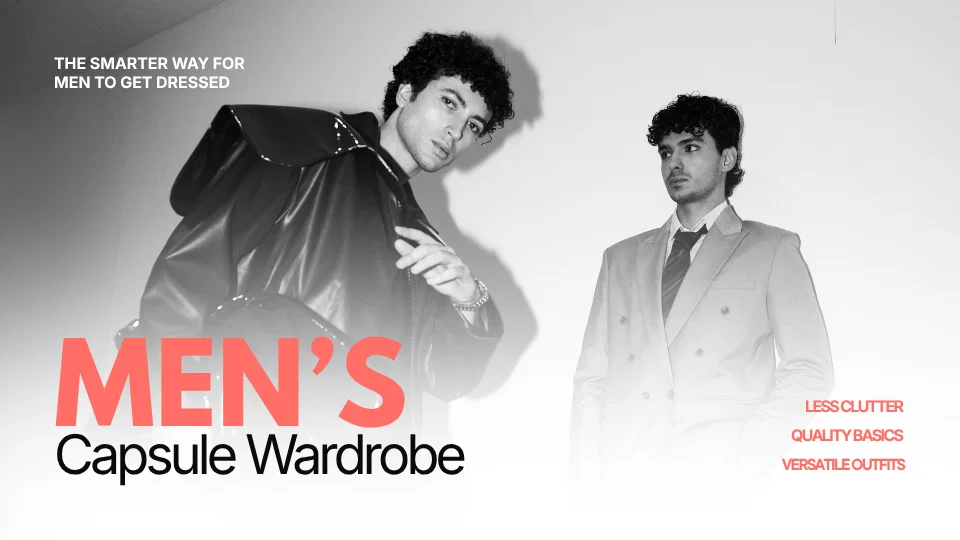
  • The Modern Men’s Capsule Wardrobe Guide

    The Modern Men’s Capsule Wardrobe Guide

    The Modern Men's Capsule Wardrobe Guide

    Many men’s wardrobes don’t become cluttered overnight. They grow one purchase at a time.

    A few T-shirts picked up during a sale. Another pair of jeans that looks almost identical to the last one. Trainers bought because they were trending. A jacket that seemed like a good idea but rarely gets worn.

    Quick Answer: A men’s capsule wardrobe is a curated collection of versatile, high-quality pieces – tops, bottoms, outerwear, and shoes – that mix and match easily and reflect how you actually live and dress, not a fixed checklist or a specific number of items.

    Over time, the wardrobe gets bigger, but getting dressed doesn’t necessarily become easier. Despite having plenty of clothes, many men still find themselves reaching for the same handful of outfits every week.

    A capsule wardrobe offers a different way to think about clothing. Rather than chasing every trend or constantly adding new pieces, it focuses on building a wardrobe where every item has a purpose and works well with the rest of your collection.

    The goal isn’t to own as few clothes as possible. It’s to own clothes that make everyday dressing simpler, shopping more intentional, and your personal style more consistent.

    Key Takeaways

    If you’re building a modern men’s capsule wardrobe, focus on these principles:

    • Build around your everyday life. The clothes you wear most often should form the foundation of your wardrobe.
    • Think in categories, not shopping lists. A balanced wardrobe is more useful than a long checklist of must-have items.
    • Buy clothes that earn their place. Every purchase should solve a genuine need or create more outfit possibilities.
    • Plan in outfits, not individual pieces. A wardrobe works best when every item complements the others.
    • Review your wardrobe regularly. Small improvements over time are more valuable than trying to create the perfect wardrobe overnight.

    A modern capsule wardrobe isn’t about owning fewer clothes. It’s about owning clothes that make everyday dressing easier and every shopping decision more intentional.

    In this guide, you’ll learn how to build a modern men’s capsule wardrobe, avoid common shopping habits that create clutter, and create a wardrobe that works for your lifestyle—not someone else’s.

    Why Men’s Wardrobes Become More Complicated Than They Need to Be

    Why Men's Wardrobes Become More Complicated Than They Need to Be

    Most men don’t intentionally build a complicated wardrobe. It usually happens gradually, with each purchase solving a short-term need rather than contributing to a long-term plan.

    A shirt is bought because it’s discounted. Another pair of trainers replaces an old favourite. A navy T-shirt joins a collection of nearly identical basics. Individually, none of these purchases seem like a problem. Together, they create a wardrobe that’s larger but not necessarily more useful.

    Small Purchases Add Up Over Time

    Most wardrobes grow without a clear strategy.

    Clothes are often bought for a specific moment—a sale, a trend, or an upcoming event. Over time, those individual decisions create overlap instead of versatility.

    You may own plenty of clothes but still rely on the same handful of outfits because the rest don’t fit your routine or work well together.

    The result isn’t a lack of clothing. It’s a lack of cohesion.

    Modern Shopping Makes It Easy to Buy More

    Today’s shopping habits encourage constant consumption.

    New collections arrive every season, trends change quickly, and discounts create a sense of urgency. It’s easy to buy what’s new without considering how it fits into the wardrobe you already have.

    Instead of building a collection of clothes that work together, many men end up collecting individual pieces that rarely leave the hanger.

    A Better Question to Ask Before Every Purchase

    A capsule wardrobe changes the way you evaluate new clothes.

    Instead of asking, “Do I like this?”, ask questions that focus on long-term value:

    • Does this work with the clothes I already own?
    • Will I wear it regularly?
    • Does it fill a genuine gap in my wardrobe?
    • Can it create multiple outfits instead of just one?

    These simple questions encourage more intentional shopping and help you build a wardrobe where every piece has a clear purpose.

    Key takeaway: A cluttered wardrobe is rarely caused by buying too much at once. It’s usually the result of many small purchases that were never made with the bigger picture in mind.

    Build Around the Clothes You Actually Wear

    Build Around the Clothes You Actually Wear

    One of the biggest mistakes men make when refreshing their wardrobe is shopping for the person they want to be instead of the person they are today.

    It’s easy to imagine a lifestyle that calls for tailored blazers, premium knitwear, or statement jackets. But if your daily routine revolves around commuting to work, working from home, meeting friends on weekends, or travelling occasionally, those aspirational purchases may spend more time in your wardrobe than on your back.

    A better approach is to build your wardrobe around the clothes you already rely on.

    Start With the 80% Rule

    Think about the clothes you wear for roughly 80% of your everyday life.

    These are the outfits you reach for when you’re heading to work, meeting friends, running errands, or travelling. They reflect your actual routine—not the occasional wedding, holiday, or special event.

    Your capsule wardrobe should be built around these everyday moments because they’re where your clothes deliver the most value.

    The remaining 20% can be covered by occasion-specific pieces that serve a clear purpose without dominating your wardrobe.

    Review What You Already Wear

    Before buying anything new, spend some time reviewing your current wardrobe.

    Ask yourself a few simple questions:

    • Which outfits do I wear almost every week?
    • What do I reach for when I need to get dressed quickly?
    • Which clothes make me feel comfortable and confident?
    • Which items haven’t been worn in the past year?

    The answers often reveal the true foundation of your wardrobe.

    For many men, that’s a favourite pair of jeans, a few well-fitting T-shirts, comfortable trainers, an overshirt, or a lightweight jacket. These pieces may not be the most fashionable, but they’ve already proved their value through regular use.

    Let Your Lifestyle Decide What Belongs

    No two men’s capsule wardrobes should look exactly the same because no two lifestyles are identical.

    Someone working in a business casual office will naturally need more shirts, tailored trousers, and smart shoes than someone who works remotely. Frequent travellers may prioritise wrinkle-resistant fabrics and versatile layers, while someone who spends weekends outdoors may place greater value on durable jackets and practical footwear.

    Rather than following someone else’s checklist, let your daily routine determine what deserves space in your wardrobe.

    Key takeaway: The best capsule wardrobe isn’t built around the clothes you wish you wore. It’s built around the clothes that already support your everyday life.

    The Foundations of a Modern Men’s Capsule Wardrobe
    A strong capsule wardrobe isn’t built around owning more clothes. It’s built around owning clothes that work together.

    Instead of focusing on individual items, think about how each category supports the rest of your wardrobe. The goal is to create a collection where getting dressed feels simple because most of your clothes naturally pair with one another.

    Think in Categories, Not Checklists

    Many capsule wardrobe guides begin with a list of must-have items. While those lists can be useful for inspiration, they often overlook the fact that every man’s lifestyle is different.

    A more practical approach is to think in broad clothing categories rather than fixed shopping lists.

    CategoryWhy It Matters
    Everyday BasicsForm the foundation of most outfits and are worn more than any other pieces.
    BottomsCreate outfit variety while pairing easily with your everyday tops.
    LayersAdd flexibility throughout the year and help outfits adapt to different temperatures.
    OuterwearProtect against the weather while completing everyday looks.
    FootwearOften determines how practical and versatile your wardrobe feels.
    AccessoriesAdd function and personality without making your wardrobe more complicated.

    The exact pieces within these categories will vary from one person to another. What matters is that every category supports the way you live.

    Balance Matters More Than Quantity

    A wardrobe becomes difficult to use when one category dominates the others.

    Owning ten jackets won’t add much value if you only have two shirts that work with them. Likewise, buying another pair of similar trainers won’t improve your wardrobe if they all serve the same purpose.

    Instead of counting how many clothes you own, ask yourself whether each category feels balanced enough to create outfits for your everyday life.

    If one category consistently limits your outfit choices, that’s often a better reason to shop than simply wanting something new.

    Every Piece Should Support the Whole Wardrobe

    The most valuable clothes aren’t necessarily the newest or the most expensive. They’re the pieces that connect everything else.

    A versatile overshirt that works with jeans, chinos, and tailored trousers often contributes more to your wardrobe than a statement jacket you only wear once or twice a year. The same is true for comfortable shoes, reliable basics, and practical outerwear that fit naturally into your routine.

    When each category complements the others, your wardrobe becomes more flexible without becoming larger.

    Key takeaway: A modern capsule wardrobe isn’t measured by how many clothes you own. It’s measured by how well your clothes work together.

    Buy Clothes That Earn Their Place

    Buy Clothes That Earn Their Place

    A capsule wardrobe isn’t built by buying less. It’s built by buying with purpose.

    Every new piece should make your wardrobe more versatile, easier to style, or better suited to your lifestyle. If it doesn’t do one of those things, it’s worth asking whether it belongs in your wardrobe at all.

    Use the Three-Outfit Test

    Before buying a new piece, imagine how it fits into the wardrobe you already own.

    A simple way to do this is the Three-Outfit Test.

    Ask yourself:

    • Can I create at least three outfits using clothes I already own?
    • Would I wear those outfits in my everyday life?
    • Do they work across different occasions?

    If you struggle to answer “yes,” the item may be more appealing in the store than it will be in your wardrobe.

    This doesn’t mean every piece has to work with everything. It simply encourages you to think beyond a single outfit and consider how much value the piece will add over time.

    Avoid Buying the Same Thing Twice

    Many wardrobes become larger without becoming more versatile because they fill up with duplicates.

    You buy another navy T-shirt because it’s on sale. Another pair of white trainers because they’re slightly different. Another lightweight jacket because it feels familiar.

    There’s nothing wrong with having favourite styles, but repeatedly buying clothes that serve the same purpose rarely expands your wardrobe.

    Before making a purchase, ask yourself:

    “Does this add something new, or does it simply replace something I already own?”

    That one question can prevent many unnecessary purchases.

    Shop for Long-Term Value

    The best purchases are rarely the most exciting ones.

    More often, they’re the pieces you continue reaching for months or even years later because they fit well, work with multiple outfits, and suit your everyday routine.

    Instead of chasing trends or reacting to discounts, focus on clothes that solve a genuine need. Replacing worn-out essentials or filling a gap in your wardrobe will almost always deliver more value than buying something simply because it’s new.

    Key takeaway: Every purchase should strengthen your wardrobe. If a piece doesn’t create more outfit options or solve a genuine need, it’s worth thinking twice before buying it.

    Think in Outfits, Not Individual Pieces

    Think in Outfits, Not Individual Pieces

    A functional wardrobe isn’t created by collecting great individual pieces. It’s created by owning clothes that work well together.

    The easiest way to see whether your wardrobe is working is to stop looking at individual items and start looking at complete outfits.

    Start With Your Most-Worn Outfits

    Rather than standing in front of your wardrobe and counting how many shirts or pairs of trousers you own, think about the outfits you wear most often.

    Ask yourself:

    • Which outfits do I wear every week?
    • Which combinations make getting dressed effortless?
    • Which pieces appear repeatedly across different outfits?

    These recurring combinations reveal the true foundation of your wardrobe. They also highlight the pieces that deserve the most attention when it’s time to replace or upgrade them.

    Identify What’s Missing

    Sometimes the problem isn’t that you need more clothes—it’s that you’re missing one versatile piece.

    Perhaps your favourite shirts only work with one pair of trousers. Maybe you have several great casual outfits but nothing suitable for smart-casual occasions. Or perhaps one lightweight jacket would connect multiple outfits you already own.

    Looking at your wardrobe through the lens of complete outfits makes these gaps much easier to spot.

    Instead of buying randomly, you can invest in pieces that unlock more combinations with the clothes you already have.

    Build a Wardrobe That Works as a System

    Think of your wardrobe as a connected system rather than a collection of separate purchases.

    Each piece should make the rest of your wardrobe more useful. A versatile overshirt should work with your jeans, chinos, and everyday T-shirts. A good pair of shoes should complement several different outfits rather than just one.

    When your clothes are chosen with the bigger picture in mind, getting dressed becomes less about finding something to wear and more about choosing between outfits that already work.

    Key takeaway: The strongest wardrobes aren’t built one item at a time. They’re built one outfit at a time.

    A Great Wardrobe is Never Finished

    A Great Wardrobe Is Never Finished

    One of the biggest misconceptions about capsule wardrobes is that they have a finish line.

    Many people imagine that once they’ve bought the right clothes, organized their wardrobe, and created a few reliable outfits, the work is done. In reality, a good wardrobe is something you refine over time.

    Review Before You Replace

    Instead of regularly buying new clothes, make a habit of reviewing the ones you already own.

    Every few months, ask yourself:

    • Which pieces do I wear most often?
    • Which items haven’t been worn recently?
    • Has anything become worn out and ready to be replaced?
    • Have my daily routines changed?

    These simple reviews help you make thoughtful decisions instead of reacting to trends or impulse purchases.

    Let Your Wardrobe Evolve Naturally

    Life rarely stays the same for long.

    A new job, changing seasons, frequent travel, or different hobbies can all influence what you wear every day. As those changes happen, your wardrobe should adapt with them.

    That doesn’t mean replacing everything at once. More often, it’s about making small adjustments—adding a versatile layer, replacing worn-out essentials, or retiring pieces that no longer suit your lifestyle.

    Progress is Better Than Perfection

    Many people delay building a capsule wardrobe because they’re waiting for the perfect collection of clothes.

    The reality is that even the most functional wardrobes continue to evolve.

    The goal isn’t to create a wardrobe that’s finished forever. It’s to make better decisions each time you add, replace, or remove a piece.

    Over time, those small improvements create a wardrobe that feels more personal, more practical, and easier to rely on.

    Key takeaway: A capsule wardrobe isn’t a destination. It’s a process of making better wardrobe decisions over time.

    Frequently Asked Questions

    How many clothes should a men’s capsule wardrobe have?

    There isn’t a universal number. Some men are comfortable with 30 to 40 carefully chosen pieces, while others need more because of their work, climate, or lifestyle. A successful capsule wardrobe is defined by versatility and practicality, not by reaching a specific item count.

    What are the most important pieces in a men’s capsule wardrobe?

    The most important pieces are the ones you wear regularly and can style in multiple ways. For many men, these include well-fitting everyday tops, versatile trousers or jeans, comfortable footwear, practical layers, and outerwear that suits their climate. The exact pieces will depend on your lifestyle rather than a universal checklist.

    Can I still follow fashion trends with a capsule wardrobe?

    Yes. A capsule wardrobe doesn’t mean avoiding trends altogether. The best approach is to build your wardrobe around timeless, versatile foundations and introduce trend-driven pieces occasionally.

    This lets you experiment with your style without making your entire wardrobe dependent on changing fashion trends.

    Can I build a men’s capsule wardrobe on a budget?

    Absolutely. Most people already own many of the pieces that can become the foundation of a capsule wardrobe. Start by reviewing what you wear most often, identify genuine gaps, and replace or add items gradually instead of buying an entirely new wardrobe at once.

    How often should I update my capsule wardrobe?

    Reviewing your wardrobe once or twice a year is usually enough, or whenever your lifestyle changes significantly. A new job, relocation, changing seasons, or evolving personal style may all influence what belongs in your wardrobe. Regular reviews help ensure your clothes continue to reflect how you actually live.

    Does a capsule wardrobe work for every lifestyle?

    Yes, because a capsule wardrobe isn’t built around fixed rules. Whether you work in a corporate office, from home, travel frequently, or prefer a casual style, the principles remain the same. The clothes themselves may differ, but the goal is always to create a wardrobe that supports your everyday routine and makes getting dressed easier.

  • Capsule Wardrobe for Women: How to Build One That Fits Your Lifestyle

    Capsule Wardrobe for Women: How to Build One That Fits Your Lifestyle

    A capsule wardrobe for women is a curated collection of versatile clothing that works together to support your everyday life. The goal isn’t to own fewer clothes. It’s to build a wardrobe that makes getting dressed easier and shopping more intentional.

    Many women become interested in capsule wardrobes after facing the same frustration. The closet is full, but putting together an outfit still feels difficult. New purchases solve the problem temporarily, yet the wardrobe never feels complete.

    One reason is that wardrobes often grow without a clear plan. Clothes are added over the years for different occasions, changing trends, or seasonal sales. Individually, those purchases may make sense, but they don’t always work well together.

    A capsule wardrobe takes a different approach. Instead of focusing on individual pieces, it focuses on creating a wardrobe where most items can be mixed and matched with ease.

    The right capsule wardrobe will look different for every woman. Your work, lifestyle, climate, personal style, and daily routine all influence what belongs in your wardrobe.

    This guide explores how to build a capsule wardrobe around your own life. Rather than following a fixed checklist, you’ll learn how to create a wardrobe that feels practical, versatile, and uniquely yours.

    What Makes a Women’s Capsule Wardrobe Different?

    Define Your Lifestyle Before Your Wardrobe

    At first glance, a capsule wardrobe for women doesn’t seem very different from any other capsule wardrobe. The same principles still apply: build a collection of versatile clothing that works together, supports your lifestyle, and makes getting dressed easier.
    What changes is how those principles are applied.

    Many women dress for a wider variety of occasions throughout the week. A typical wardrobe might need to work for the office, casual weekends, social events, travel, workouts, and special occasions. The right balance depends entirely on your lifestyle.

    Women’s wardrobes also tend to include more clothing categories. Alongside everyday tops and trousers, many women may choose to wear dresses, skirts, different shoe styles, or layered outfits depending on the season or occasion. That doesn’t mean a capsule wardrobe needs to be larger. It simply means it needs to be planned with more intention.

    The goal isn’t to make your wardrobe look smaller. It’s to make it work harder. Some women prefer timeless, neutral outfits, while others enjoy bold colours, prints, or statement pieces.

    A capsule wardrobe isn’t about dressing the same as everyone else. It’s about creating a wardrobe where your favourite pieces work well together.

    This is why copying someone else’s capsule wardrobe rarely leads to lasting results. A wardrobe designed for a fashion creator, a corporate executive, or a frequent traveller may not suit your everyday life.

    The most successful women’s capsule wardrobes aren’t built around someone else’s checklist. They’re built around the way you live, the clothes you genuinely enjoy wearing, and the situations you dress for most often.

    Define Your Lifestyle Before Your Wardrobe

    Define Your Lifestyle Before Your Wardrobe

    It’s easy to believe that the perfect capsule wardrobe already exists—you just have to find the right checklist. In reality, the best capsule wardrobes are built around the people who wear them, not the other way around.

    In reality, the most successful capsule wardrobes are built around how you actually live. Before thinking about specific pieces, it’s worth understanding what your wardrobe needs to do for you every day.

    Consider Your Work and Daily Routine

    Think about what you wear during a typical week, not what you wear on rare occasions.

    If you spend five days a week in a business casual office, those clothes deserve a larger place in your wardrobe than the dress you wear to weddings twice a year.

    Likewise, if you work from home, comfortable basics and versatile layers may be more valuable than a wardrobe full of formalwear.

    A simple exercise is to ask yourself, “Where do I spend most of my time?” Your answer will often tell you where your wardrobe should be focused.

    Think About Your Climate

    Your wardrobe should make it easier to dress for the weather you actually experience.

    Someone living in a warm climate may rely on breathable fabrics and lightweight clothing for most of the year. Someone who experiences colder seasons will naturally need more knitwear, layering pieces, and weather-appropriate outerwear.

    Rather than trying to prepare for every possible situation, prioritise the conditions you dress for most often. Seasonal pieces still have a place, but they don’t need to dominate your wardrobe.

    Reflect on Your Life Outside of Work

    Your wardrobe should support every part of your routine, not just your job.

    Think about how you spend your evenings and weekends. Do you travel frequently? Do you attend formal events often? Are you regularly outdoors, at the gym, or meeting friends for dinner?

    These activities influence which clothes deserve space in your wardrobe. A capsule wardrobe should reflect your real lifestyle, not just your professional one.

    Notice What You Already Wear

    Before deciding what your wardrobe needs, pay attention to the clothes you already reach for.

    Most people wear a relatively small portion of their wardrobe on a regular basis. Those favourite jeans, comfortable shoes, or lightweight jacket aren’t just habits—they’re clues. They’ve already proven that they suit your lifestyle, your comfort, and your personal style.

    Instead of replacing them with an entirely new wardrobe, build around what already works.

    Build Around Your Real Life, Not Your Ideal One

    The clothes you wear most often tell a more honest story than the clothes you wish you wore.

    It’s easy to shop for the person you hope to become.

    You buy clothes for future holidays, imagined dinner parties, or a version of yourself that dresses differently every day. Over time, those purchases can fill your wardrobe without becoming part of your everyday outfits.

    A capsule wardrobe encourages a different mindset.

    Instead of asking, “Who do I want to dress like?”, ask “What clothes help me live the life I have today?”

    That’s often the difference between a wardrobe that looks good in theory and one that genuinely works in practice.

    The Building Blocks of a Women’s Capsule Wardrobe

    The Building Blocks of a Women's Capsule Wardrobe

    Most people think about individual clothing pieces first. In reality, it’s often more helpful to think in categories. Together, these categories create the foundation of a wardrobe that feels balanced, practical, and easy to wear.

    The exact pieces within each category will look different for everyone. A teacher, a lawyer, a student, and a frequent traveller won’t own identical wardrobes.

    What they share is a collection of clothes that supports their lifestyle and works well together.

    Clothing CategoryWhy It Matters
    TopsForm the foundation of everyday outfits and pair with most of your wardrobe.
    BottomsCreate variety and help you build different outfit combinations.
    DressesOffer an easy, one-piece option for work, casual wear, or special occasions, depending on your lifestyle.
    LayersAdd flexibility for changing temperatures and help transition outfits across seasons.
    OuterwearProvides both function and style while completing many everyday outfits.
    ShoesInfluence how practical and versatile your wardrobe feels across different occasions.
    AccessoriesAdd personality and help simple outfits feel complete without expanding your wardrobe.

    A balanced wardrobe isn’t created by owning more categories. It’s created by making better use of the ones you rely on most. Instead, think of them as the building blocks of a functional wardrobe.

    For example, tops and bottoms usually appear in your outfits several times each week. They’re often the hardest-working pieces in your wardrobe because they create the greatest number of outfit combinations. Investing in versatile options here usually has a bigger impact than buying clothes you’ll only wear occasionally.

    The same idea applies to shoes and outerwear. Even if you own fewer of them, they’re often worn repeatedly and can completely change how practical your wardrobe feels.

    A comfortable pair of everyday shoes or a jacket that works across different occasions may end up being some of the most valuable pieces you own.

    Accessories play a different role. They rarely form the foundation of a wardrobe, but they help simple outfits feel more complete. A favourite bag, belt, scarf, or piece of jewellery can bring personality to your wardrobe without requiring an entirely new outfit.

    Building a Wardrobe That Fits Your Life

    As you review your wardrobe, don’t ask whether you have something in every category. Instead, ask whether each category is supporting your everyday life.

    Some women may rely heavily on dresses, while others rarely wear them. Some may need several pairs of smart shoes for work, while others live in trainers. A successful capsule wardrobe isn’t about giving every category equal importance. It’s about giving more space to the clothes you genuinely wear and rely on.

    How to Choose Pieces That Work Together

    How to Choose Pieces That Work Together

    Many people assume a capsule wardrobe is about owning the right clothes. In reality, it’s about choosing clothes that work well together. 

    When most of your wardrobe can be mixed and matched, creating outfits becomes much easier. You spend less time deciding what to wear and more time making use of the clothes you already own.

    Prioritize Versatility

    Some pieces earn their place because they work across multiple outfits and occasions.

    A simple shirt that pairs with jeans, trousers, and skirts will usually get more wear than a statement piece that only works with one look. That doesn’t mean every item has to be neutral—it means every item should have a purpose.

    Build Around What You Already Wear

    Before buying something new, look at the clothes you reach for most often.

    These pieces already suit your lifestyle, fit comfortably, and reflect your personal style. They provide a strong foundation for future wardrobe decisions.

    Balance Basics With Personality

    A capsule wardrobe doesn’t have to feel plain or repetitive.

    Versatile basics create the foundation, while colours, prints, textures, or statement pieces can add personality. The goal is to make sure those standout items complement the rest of your wardrobe rather than compete with it.

    Think in Outfits, Not Individual Pieces

    One of the easiest ways to make better shopping decisions is to stop evaluating clothes in isolation.

    Instead of asking, “Do I like this?”, ask yourself:

    • Can I wear it with several pieces I already own?
    • Does it suit my everyday lifestyle?
    • Will I realistically wear it throughout the year or during the season it’s intended for?

    If the answer is yes, it’s more likely to become a valuable part of your wardrobe instead of another rarely worn purchase.

    The best capsule wardrobes aren’t created by following strict rules. They’re built through small, thoughtful decisions that make every new addition easier to wear with what you already own.

    Examples of Capsule Wardrobes for Different Women

    Examples of Capsule Wardrobes for Different Women

    Search online for “capsule wardrobe for women,” and you’ll find hundreds of wardrobe checklists. The problem is that none of them know how you actually live.

    Your wardrobe should reflect how you spend your time, the occasions you dress for most often, and the clothes you genuinely enjoy wearing. Here are a few examples of how different lifestyles can influence the way a capsule wardrobe comes together.

    The Corporate Professional

    If you spend most of your week in an office, your wardrobe needs to balance professionalism with versatility.

    Instead of buying separate outfits for every workday, focus on pieces that can be mixed and matched throughout the week. A few well-chosen trousers, skirts, shirts, and structured layers often create far more outfit combinations than a wardrobe filled with one-time purchases.

    When shopping, prioritise pieces that work beyond the office too. A blazer that pairs with jeans for dinner or trousers that can be dressed up and down often provide more value than clothing reserved for a single setting.


    The Remote Worker

    Working from home changes what you expect from your wardrobe.

    Comfort becomes a priority, but comfort doesn’t have to mean looking untidy. Well-fitting basics, breathable fabrics, and lightweight layers can help you feel comfortable throughout the day while still looking put together for meetings or running errands.

    Because your wardrobe is likely to be more casual, versatility often comes from choosing pieces that transition easily between home, work, and everyday life.


    The Student

    Student life often means moving between lectures, study sessions, part-time jobs, and social plans in the same day.

    A practical wardrobe is one that can adapt to all of those situations without requiring constant outfit changes. Comfortable, easy-to-layer clothing usually gets the most wear because it works across different seasons and busy schedules.

    When shopping on a budget, it’s often worth investing in versatile everyday pieces before buying clothes for occasional events.


    The Frequent Traveller

    If you travel regularly, versatility becomes even more valuable.

    Packing is easier when your clothes work together. A smaller collection of pieces that layer well and suit different occasions usually creates more outfit options than carrying lots of individual statement items.

    When choosing new clothing, think beyond how it looks at home. Consider how easily it packs, whether it can be worn in different weather conditions, and how many outfits it can create while you’re away.


    The Busy Parent

    When your days are unpredictable, your wardrobe needs to work just as hard as you do.

    Practicality often becomes more important, but practicality doesn’t mean giving up personal style. Comfortable fabrics, easy-care clothing, and versatile layers can simplify everyday dressing while still helping you feel confident.

    The goal isn’t to own perfect clothes. It’s to own clothes that make busy mornings and changing plans a little easier to manage.


    The Creative Professional

    Some careers offer more freedom to express your personality through clothing.

    A capsule wardrobe can still support that creativity. Instead of building your wardrobe around trends, build it around versatile foundation pieces and introduce colour, texture, prints, or statement items that reflect your style.

    This approach allows your wardrobe to feel creative without becoming difficult to mix and match.


    These examples aren’t templates to copy. Your lifestyle is unique, so it’s perfectly normal if your capsule wardrobe borrows ideas from several of these examples instead of fitting neatly into one category.

    Many women will see themselves in more than one lifestyle, and that’s perfectly normal. You might work remotely, travel regularly, and enjoy dressing creatively. Your capsule wardrobe should reflect that combination.

    The best capsule wardrobe isn’t the one that matches someone else’s lifestyle. It’s the one that supports yours.

    Adapting Your Capsule Wardrobe as Life Changes

    Adapting Your Capsule Wardrobe as Life Changes

    One of the biggest signs of a successful capsule wardrobe is that it evolves with you.

    As your lifestyle changes, your wardrobe should change with it. The clothes that suited you a few years ago may not be the ones you reach for today, and that’s completely normal.

    The goal isn’t to keep replacing your wardrobe. It’s to make small adjustments that reflect the life you’re living now.

    A New Career

    Changing jobs often changes the way you dress.

    Starting a corporate role may mean adding more tailored pieces, while moving to a remote or creative workplace could shift your focus towards comfortable, versatile clothing.

    Instead of replacing everything at once, pay attention to the pieces you wear most in your new routine. Over time, they’ll naturally become the foundation of your wardrobe.

    A Different Climate or Season

    Moving to a new city or experiencing different weather can quickly change what feels practical.

    You may need more layers, lighter fabrics, or weather-appropriate outerwear. At the same time, you might discover that some pieces you once relied on are rarely worn in your new environment.

    Reviewing your wardrobe at the start of each season helps you identify what still earns its place and what no longer fits your daily life.

    Changes in Your Lifestyle

    Your wardrobe should evolve alongside your priorities.

    Perhaps you travel more often than you used to. Maybe you’ve become a parent, started exercising regularly, or spend more weekends outdoors than at formal events.

    These changes often happen gradually, which is why many wardrobes quietly fall out of sync with everyday life.

    Instead of asking whether you still like a piece, ask whether it still supports the way you live today.

    Your Personal Style Will Evolve Too

    Style isn’t fixed.

    The colours, silhouettes, or fabrics you loved five years ago may not feel right today, and that’s part of developing your personal style.

    A capsule wardrobe should give you the freedom to evolve without feeling like you have to start over every time your preferences change.

    Review, Don’t Rebuild

    Many people think a wardrobe refresh means buying lots of new clothes.

    More often, it means looking at what you already own with fresh eyes.

    Some pieces will continue to earn their place year after year. Others will naturally become less relevant as your lifestyle changes. Paying attention to those patterns makes future shopping decisions much clearer.

    A successful capsule wardrobe evolves alongside you. A wardrobe that changes with you will almost always serve you better than one that stays exactly the same.

    A Women’s Capsule Wardrobe Should Fit Your Life, Not Someone Else’s

    A Women's Capsule Wardrobe Should Fit Your Life, Not Someone Else's

    It’s easy to think there’s a perfect formula for building a capsule wardrobe. A certain number of clothes. A specific shopping list. A wardrobe that looks exactly like the ones you see online.

    In reality, the best capsule wardrobe is the one that works for you.

    Your lifestyle, career, climate, and personal style all shape the clothes you need. As those parts of your life change, your wardrobe should be able to change with them.

    Rather than chasing someone else’s idea of the perfect wardrobe, focus on creating one that makes your everyday life easier. A wardrobe where getting dressed feels simple, shopping decisions become more intentional, and the clothes you own are the ones you genuinely enjoy wearing.

    If you’re just beginning your capsule wardrobe journey, continue with our guides on How to Build a Capsule Wardrobe, Capsule Wardrobe Essentials, and Capsule Wardrobe Checklist. Together, they’ll help you build a wardrobe that’s practical, versatile, and designed to last.

    Frequently Asked Questions

    Can a capsule wardrobe still reflect my personal style?

    Absolutely. A capsule wardrobe isn’t about making everyone dress the same. It’s about building a wardrobe around the clothes you genuinely enjoy wearing. Whether you prefer classic neutrals, bold colours, prints, or statement pieces, your capsule wardrobe should reflect your personality while remaining versatile enough to create multiple outfits.

    Do I need to stop following fashion trends?

    No. Trends can still have a place in a capsule wardrobe.

    Instead of building your wardrobe around seasonal trends, use timeless, versatile pieces as your foundation and introduce trend-led items as accents. This allows you to experiment with your style without constantly replacing your wardrobe.

    Can a capsule wardrobe include dresses and skirts?

    Yes. A capsule wardrobe should reflect the way you naturally dress.

    If dresses or skirts are part of your everyday style, they deserve a place in your wardrobe. The goal isn’t to follow someone else’s checklist but to choose pieces that support your lifestyle and can be worn in different ways.

    Is a capsule wardrobe suitable for working women?

    Yes, but the contents will depend on your work environment.

    Someone in a corporate office may prioritise tailored pieces, while someone working remotely may rely on comfortable basics and versatile layers. A successful capsule wardrobe should support your daily routine rather than follow a universal formula.

    Can I build a capsule wardrobe on a budget?

    Yes. In fact, many people begin by making better use of the clothes they already own.

    Start by identifying the pieces you wear most often and any genuine gaps in your wardrobe. New purchases can then be made gradually, focusing on quality, versatility, and long-term value rather than buying everything at once.

    What if my lifestyle changes?

    Your wardrobe should change with it.

    A new job, relocation, family responsibilities, or changing personal style may all influence what you need from your wardrobe. A capsule wardrobe is a flexible system that evolves over time, making it easier to adapt without starting from scratch.

  • What Is a Capsule Wardrobe?

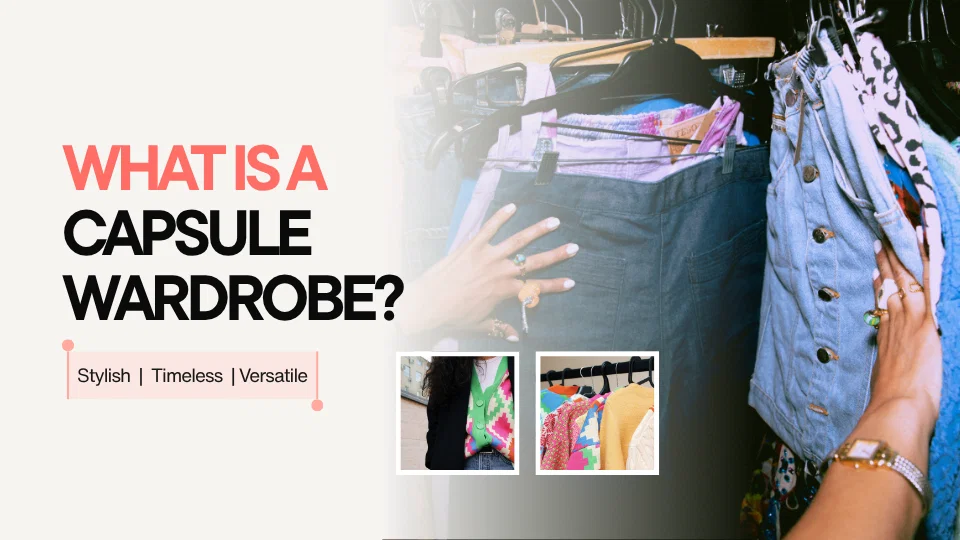
    What Is a Capsule Wardrobe?

    What Is a Capsule Wardrobe?

    A capsule wardrobe is a curated collection of clothing made up of versatile pieces that can be mixed and matched to create a variety of outfits.

    The idea isn’t to own as few clothes as possible. It’s about building a wardrobe that’s easier to wear, easier to shop for, and more aligned with your everyday life.

    Quick Answer:

    A capsule wardrobe is a thoughtfully curated collection of versatile clothing that can be mixed and matched to create multiple outfits. Rather than focusing on owning fewer clothes, a capsule wardrobe focuses on owning clothes that work well together and support your lifestyle, personal style, and everyday needs.

    If you’ve ever looked at a full closet and still felt like you had nothing to wear, you’re not alone.

    For many people, that frustration is what leads them to discover the idea of a capsule wardrobe.

    Many wardrobes are built one purchase at a time. A shirt bought during a sale. A pair of trousers inspired by a trend. A jacket that looked good in a store.

    Individually, those purchases may make sense. Over time, however, they don’t always create a wardrobe that works together.

    The result is often a closet filled with clothing but lacking direction.

    A capsule wardrobe takes a different approach. Instead of focusing on how many clothes you own, it focuses on how well your clothes work together.

    There is no universal formula. For some people, a capsule wardrobe may contain 30 pieces. For others, it may contain 50 or more.

    What makes a wardrobe “capsule” isn’t the number of clothes it contains. It’s the intention behind them.

    A successful capsule wardrobe is built around clothing that serves a purpose, reflects your lifestyle, and works together to make everyday dressing feel simpler. 

    Key Takeaways

    • A capsule wardrobe is a curated collection of versatile clothing that can be mixed and matched to create multiple outfits.
    • The goal is not simply to own fewer clothes but to build a wardrobe that works better together.
    • The concept originated in the 1970s and has become increasingly popular as people look for simpler and more intentional ways to dress and shop.
    • What makes a wardrobe “capsule” is its versatility, cohesion, and alignment with your lifestyle rather than a specific number of items.
    • Every capsule wardrobe looks different because individual needs, climates, professions, and personal styles vary.
    • A capsule wardrobe is a framework for making more intentional wardrobe decisions, not a strict set of rules.

    Where Did the Capsule Wardrobe Come From?

    Capsule Wardrobe Come From 1970s by British boutique to today

    The idea of a capsule wardrobe isn’t new.

    The term was first introduced in the 1970s by British boutique owner Susie Faux.

    Susie Faux believed that a small collection of high-quality, versatile clothing could form the foundation of a practical wardrobe. Her philosophy was simple: instead of constantly buying new clothes, invest in pieces that work well together and remain useful over time.

    The concept gained wider attention in the 1980s when fashion designer Donna Karan introduced her famous “Seven Easy Pieces” collection. The idea was to show that a handful of thoughtfully chosen garments could be combined to create a variety of outfits for different occasions.

    Although fashion has changed significantly since then, the core principles behind a capsule wardrobe have remained surprisingly consistent.

    The goal has never been to own the fewest possible clothes or to follow a strict formula. Instead, the idea is to create a wardrobe built around versatility, intention, and personal style.

    Today, capsule wardrobes have become increasingly popular for a different set of reasons. Modern wardrobes are often larger than ever, yet many people still feel like they have nothing to wear.

    Fast fashion, trend cycles, and impulse purchases have made it easy to accumulate clothing that doesn’t necessarily work together.

    A capsule wardrobe offers an alternative approach. It encourages people to think less about owning more and more about owning better.

    In many ways, the modern capsule wardrobe is less a fashion trend and more a framework for making everyday wardrobe decisions with greater clarity and intention.

    While the idea behind capsule wardrobes has remained remarkably consistent, the reasons people are embracing them today are very different from when the concept first emerged.

    Why Are Capsule Wardrobes So Popular?

    escaping the chaos of fast fashion

    Capsule wardrobes have existed for decades, but interest in them has grown significantly in recent years.

    Part of that popularity comes from a simple reality: many people own more clothes than ever before, yet getting dressed doesn’t necessarily feel easier.

    For many people, the challenge isn’t a lack of clothing. It’s a lack of cohesion.

    Closets are often filled with pieces bought for different reasons. A trend that felt exciting at the time. An item purchased during a sale. A recommendation from social media. Over time, these individual purchases can create a wardrobe that feels crowded but disconnected.

    As a result, many people are looking for a simpler and more intentional approach to getting dressed.

    A capsule wardrobe offers exactly that.

    Decision Fatigue Has Become More Common

    Having more choices doesn’t always make decisions easier.

    When too many items compete for attention, getting dressed can feel surprisingly overwhelming. A capsule wardrobe reduces that friction by encouraging people to build a wardrobe where more pieces naturally work together.

    The goal isn’t fewer choices. It’s a better choice.

    People Are Becoming More Intentional About Shopping

    Many shoppers are moving away from buying clothing purely because it’s trendy or heavily discounted.

    Instead, there’s growing interest in understanding personal style, buying fewer but better pieces, and making purchases that genuinely add value to a wardrobe.

    A capsule wardrobe provides a framework for making those decisions more thoughtfully.

    Fast Fashion Has Changed How People Think About Their Closets

    Modern fashion trends move quickly. New styles appear every season, and it’s easy to accumulate clothing that rarely gets worn.

    For many people, this has led to a sense of wardrobe fatigue. They aren’t necessarily looking to own less. They’re looking to own clothes that feel more useful and more aligned with how they actually live.

    Social Media Has Increased Awareness of Capsule Wardrobes

    Platforms like YouTube, Pinterest, and Instagram have introduced the concept of capsule wardrobes to a much wider audience.

    People have become increasingly curious about how others build versatile wardrobes, repeat outfits, and shop more intentionally.

    While every capsule wardrobe looks different, the underlying idea resonates with a common desire: making everyday dressing feel simpler and more purposeful.

    In many ways, the growing popularity of capsule wardrobes reflects a broader shift in how people think about clothing. The focus is gradually moving away from owning more and toward understanding what truly belongs in a wardrobe.

    What Makes a Wardrobe “Capsule”?

    What Makes a Wardrobe "Capsule"

    A capsule wardrobe isn’t defined by a specific number of clothes, a particular aesthetic, or a strict set of rules.

    Instead, it’s defined by a few underlying principles that make a wardrobe feel cohesive, functional, and easier to wear.

    Traditional WardrobeCapsule Wardrobe
    Built one purchase at a timeBuilt with intention
    Many unrelated piecesPieces work well together
    Trends often influence purchasesLifestyle influences purchases
    More choices, but often less clarityFewer decisions and more clarity
    Individual items are evaluated separatelyNew purchases are considered as part of the whole wardrobe
    Getting dressed can feel overwhelmingOutfit building feels simpler and more intuitive

    Versatility Comes First

    Most pieces in a capsule wardrobe can be mixed and matched with other items in the closet.

    A pair of trousers that works with several tops or a jacket that can be worn across different occasions is often more valuable than a statement piece that only works with one outfit.

    The goal is to create more outfit possibilities without constantly adding more clothing.

    Clothing Is Chosen With Intention

    Every wardrobe contains a few impulse purchases that seemed like a good idea at the time but rarely get worn.

    A capsule wardrobe takes a more thoughtful approach.

    New additions are considered based on how they fit into the existing wardrobe and whether they genuinely support your lifestyle and personal style.

    The Wardrobe Reflects Real Life

    A successful capsule wardrobe is built around how you actually live, not how you imagine yourself dressing.

    Someone who works remotely may rely heavily on casual basics and comfortable layers, while someone who works in a formal office may need more tailored pieces.

    The clothing itself may look completely different, but the principle remains the same: the wardrobe should support your everyday life.

    Pieces Work Together

    One of the defining characteristics of a capsule wardrobe is cohesion.

    That doesn’t mean every item needs to be neutral or that everything has to match perfectly. It simply means that individual pieces can work together naturally.

    This often makes getting dressed feel easier because there are more combinations that make sense.

    Quality and Longevity Matter More Than Trends

    Capsule wardrobes aren’t necessarily built around expensive clothing, but they do tend to prioritize pieces that remain useful over time.

    Trends can still have a place in a capsule wardrobe, but they’re usually treated as additions rather than the foundation of the closet.

    The core pieces are often the ones you reach for repeatedly, season after season.

    Ultimately, what makes a wardrobe “capsule” isn’t the number of pieces it contains.

    It’s the intention behind those pieces and how well they work together to support your everyday life.

    Why Capsule Wardrobes Look Different for Everyone

    Why Capsule Wardrobes Look Different for Everyone

    One of the reasons capsule wardrobes can feel confusing is that no two examples look exactly alike.

    A capsule wardrobe built for a remote worker in a warm climate may have very little in common with one created for someone who commutes to an office and experiences four distinct seasons each year.

    Both can be successful capsule wardrobes.

    The difference lies in the fact that wardrobes are shaped by individual needs, routines, and preferences.

    Lifestyle Plays the Biggest Role

    The clothes you need depend largely on how you spend your time.

    Someone who works from home may rely heavily on T-shirts, knitwear, and comfortable trousers. Someone in a corporate environment may need blazers, shirts, and formal footwear.

    A capsule wardrobe works best when it reflects the reality of your everyday life rather than an idealized version of it.

    Climate Influences What Belongs in Your Wardrobe

    Where you live can significantly change what a practical wardrobe looks like.

    Someone living in a tropical climate may prioritise lightweight fabrics and year-round essentials, while someone living in a colder region may need layers, outerwear, and seasonal rotations.

    A capsule wardrobe should adapt to your environment, not ignore it.

    Personal Style Still Matters

    A capsule wardrobe doesn’t require everyone to dress in the same way.

    Some people naturally gravitate toward neutral colors and classic silhouettes. Others prefer bold colors, statement pieces, or trend-led styling.

    The goal isn’t to remove personality from your wardrobe. It’s to build a collection of clothes that feels authentic and easy to wear.

    Different Lives Require Different Clothing

    Travel habits, hobbies, social events, and even life stages can all influence what belongs in a wardrobe.

    A frequent traveller may prioritise versatile, easy-to-pack pieces. A new parent may value comfort and practicality. Someone who attends formal events regularly will have very different wardrobe requirements from someone who dresses casually most of the time.

    This is why there is no perfect capsule wardrobe checklist that works for everyone.

    The most successful capsule wardrobes aren’t built around a fixed number of pieces or a universal formula. They’re built around understanding your own lifestyle and choosing clothing that supports it.

    In many ways, the most personal thing about a capsule wardrobe is that it looks different for everyone.

    Capsule Wardrobe vs Minimalist Wardrobe

    Capsule Wardrobe vs Minimalist Wardrobe

    The terms “capsule wardrobe” and “minimalist wardrobe” are often used interchangeably, but they aren’t exactly the same thing.

    A capsule wardrobe is primarily a framework for building a functional and versatile collection of clothing. The focus is on making sure the pieces in your wardrobe work well together and support your lifestyle.

    A minimalist wardrobe, on the other hand, is often part of a broader philosophy of owning less and simplifying consumption.

    The two ideas can overlap, but they don’t necessarily mean the same thing.

    Capsule WardrobeMinimalist Wardrobe
    Focuses on functionality and versatilityFocuses on simplicity and owning less
    Prioritises clothes that work togetherPrioritises reducing possessions
    No fixed number of itemsOften encourages fewer items overall
    A wardrobe frameworkA broader lifestyle philosophy
    Can include trend pieces and statement itemsUsually emphasises restraint and intentional ownership

    For example, someone may have a capsule wardrobe with 50 carefully chosen pieces because their lifestyle requires different types of clothing.

    Another person may own only 25 items because they follow a minimalist lifestyle.

    Both approaches can be intentional and practical, but they’re driven by slightly different goals.

    The key difference is this:

    A capsule wardrobe asks:

    “Do these clothes work well together and support my life?”

    A minimalist wardrobe often asks:

    “How much can I simplify what I own?”

    You can have a capsule wardrobe without being a minimalist, and you can embrace minimalism without following a capsule wardrobe framework.

    A Capsule Wardrobe Is About Intention, Not Rules

    Capsule Wardrobe - Aligning your closet with your life

    It’s easy to think of a capsule wardrobe as a finished project.

    You declutter your closet, buy a few essentials, reach a certain number of pieces, and consider the job done.

    In reality, wardrobes don’t work that way.

    Your lifestyle changes. Your preferences evolve. New responsibilities, seasons, and routines influence what you wear.

    The most successful capsule wardrobes aren’t built around rigid rules or perfect checklists. They’re built around awareness.

    Over time, you gain a better understanding of what you wear regularly, what adds value to your wardrobe, and what no longer fits your needs.

    That clarity makes future wardrobe decisions easier.

    A capsule wardrobe won’t tell you what to wear.

    It simply offers a framework for building a wardrobe that feels more intentional, more functional, and more aligned with how you actually live.

    And once you have that clarity, every future wardrobe decision becomes a little easier.

    Frequently Asked Questions

    What is considered a capsule wardrobe?

    A capsule wardrobe is a thoughtfully curated collection of clothing made up of versatile pieces that can be mixed and matched easily. The focus is on functionality and intentionality rather than owning a specific number of items.

    How many clothes should a capsule wardrobe have?

    There is no universal number. Some people prefer a wardrobe of around 30 pieces, while others may have 50 or more. A successful capsule wardrobe is defined by how well the pieces work together, not by the number of clothes you own.

    Does a capsule wardrobe have to be minimalist?

    No. While the two concepts overlap, they are not the same. A capsule wardrobe focuses on creating a functional and versatile wardrobe, whereas minimalism is often a broader philosophy of owning less.

    Can a capsule wardrobe include trendy pieces?

    Absolutely. Many people build their wardrobe around versatile core pieces and add trend-driven items as accents. The key is ensuring that trend pieces complement your wardrobe rather than define it entirely.

    Do I need to buy new clothes to create a capsule wardrobe?

    Not necessarily. Most people already own many of the pieces that can form the foundation of a capsule wardrobe. The process often begins by understanding and refining what you already have.

    Can a capsule wardrobe work in every season?

    Yes, although the contents may change throughout the year. Many people keep a core collection of year-round essentials and rotate seasonal pieces based on weather and lifestyle needs.

    Are capsule wardrobes only for women?

    No. The principles of a capsule wardrobe can work for anyone. The specific clothing may differ, but the ideas of versatility, intentional shopping, and building a cohesive wardrobe are universal.

    Can my capsule wardrobe change over time?

    Absolutely. A capsule wardrobe should evolve alongside your lifestyle, preferences, and clothing needs. It’s a flexible framework rather than a fixed system.