Author: Team NineE AI

  • Organic Cotton vs Conventional Cotton: Which Fabric Is Truly More Sustainable?

    Organic Cotton vs Conventional Cotton: Which Fabric Is Truly More Sustainable?

    Organic Cotton vs Conventional Cotton: Which Fabric Is Truly More Sustainable?

    Discover the key differences between organic cotton and conventional cotton, including environmental impact, farming practices, durability, cost, certifications, and sustainability to make informed fashion choices.

    Did you know cotton is the world’s one of the most used fabrics? From everyday T-shirts to denims to bed linens or home furnishings and baby clothing. But not all the cotton fabrics are natural, comfortable or breathable.

    Conventional cotton farming can place pressure on water resources and ecosystems through irrigation, synthetic fertilizers, and chemical pesticides. As interest in sustainable fashion grows, shoppers are increasingly looking beyond price and appearance to understand how their clothing is produced. 

    The question remains, is organic cotton always a better choice? For a practical everyday example, shoppers can compare options such as white cotton T-Shirts for men while considering fabric quality, construction, certification, and expected product lifespan.

    Understand the major difference between organic cotton and conventional cotton before choosing the right one. These fabrics vary depending on several aspects like fabric quality, environmental impact, farming practices, and cost. Both the fabrics have their pros and cons.

    This guide will help you analyze and compare each aspect of both the fabrics and understand how they are produced, how it affects the environment, what impact it leaves on buyers, and which option aligns better with your sustainability goals.

    What Is Conventional Cotton?

    What Is Conventional Cotton?

    Conventional cotton is grown using modern industrial farming techniques to maximize crop yield and meet global textile production demand. It is widely used across clothing and home textiles, including categories such as women’s T-shirts, because large-scale production supports broad availability and lower prices.

    Conventional cotton farming relies on synthetic fertilizers to improve plant growth and increase yield. Farmers may also use herbicides and chemical pesticides to protect crops. In the apparel market, cotton-focused brands such as  and Ramraj Cotton provide useful examples for shoppers comparing everyday cotton products.

    Affordability, well-established supply chain, and fast fashion trends keeps conventional cotton as the dominant choice despite its environmental impact. However, increasing consumer awareness and sustainability discussion are making ways for organic cotton.

    Understand what organic cotton is and how it stands apart from conventional cotton?

    What Is Organic Cotton?

    What Is Organic Cotton?

    Organic cotton is grown using environment-friendly farming practices that maintain soil health, ecological balance, and biodiversity. For a broader look at how plant-based fibers compare from a sustainability perspective, see linen vs cotton sustainability.

    Instead, farmers rely on natural farming methods to prioritize quality and long-term soil health. Crop rotation, composting, and natural pest management are central to many organic systems. To understand another lower-impact natural fiber, read the hemp fabric guide alongside this comparison.

    Some of key characteristics of organic cotton production are:

    • No herbicides or synthetic pesticides: Organic production standards restrict prohibited synthetic inputs and define which substances can be used in certified organic production.
    • No chemical fertilizers: Organic standards require soil fertility and crop nutrients to be managed through approved practices such as crop rotation and permitted inputs.
    • Non-GMO cotton seeds: Organic production rules exclude genetic engineering and other prohibited production methods.
    • Crop rotation techniques for better soil quality
    • Natural pest management methods: Agroecological cotton systems can use integrated approaches to pest management and resource conservation.
    • Soil conserve and biodiversity
    • Reduced pollution: Improved cotton cultivation practices can reduce pesticide use and support more sustainable agricultural outcomes.

    Organic cotton complies with strict certification standards to ensure authenticity throughout the supply chain. The Global Organic Textile Standard (GOTS) and the Organic Content Standard (OCS) certifications verify the cotton is grown and processed as per the sustainability norms that are usually highlighted on the clothing labels.

    Organic Cotton vs Conventional Cotton: Key Differences

    Organic Cotton vs Conventional Cotton: Key Differences
    FeatureOrganic CottonConventional Cotton
    Farming MethodNatural farming techniques without synthetic chemicalsIntensive farming methods with synthetic inputs
    Pesticides & FertilizersNo synthetic pesticides, herbicides, or fertilizersRelies heavily on synthetic pesticides, herbicides, and fertilizers
    GMO SeedsNon-GMO seeds onlyOften uses genetically modified (GMO) seeds
    Water UsageTypically relies more on rain-fed irrigation and improved soil moisture retentionFrequently depends on extensive irrigation, especially in water-scarce regions
    Soil HealthImproves soil fertility through crop rotation and organic practicesContinuous chemical use can degrade soil quality over time
    BiodiversitySupports beneficial insects, pollinators, and healthier ecosystemsChemical-intensive farming can reduce biodiversity
    Carbon FootprintLower due to reduced synthetic fertilizer use and healthier soilsHigher because of fertilizer production and intensive farming practices
    Environmental ImpactLower pollution, healthier ecosystems, and reduced chemical runoffGreater risk of soil, water, and air pollution from agricultural chemicals
    Fabric FeelSoft, breathable, and gentle on sensitive skinSoftness varies depending on processing and fabric quality
    DurabilityComparable durability when produced with high-quality fibers and proper careDurable and widely used across apparel and home textiles
    Production YieldLower yields due to natural farming methodsHigher yields through intensive agricultural practices
    CostMore expensive because of certification and lower production volumesMore affordable due to mass production
    AvailabilityLess common but increasingly available through sustainable brandsWidely available across global fashion markets
    CertificationsOften certified by GOTS, Organic Content Standard (OCS), or USDA OrganicMay be certified under programs like Better Cotton, though not necessarily organic
    Best ForEco-conscious consumers seeking sustainable and ethically produced clothingBudget-conscious shoppers prioritizing affordability and availability

    1. Farming Practices

    Organic cotton is grown using natural faming methods to support soil health and maintain sustainability. However, conventional cotton production relies on industrial farming techniques to maximize yields. Conventional methods prioritize productivity, whereas organic farming is all about quality and sustainability.

    2. Water Consumption

    Organic cotton is cultivated mainly in rain-fed regions in some production systems, with lower dependence on irrigation. However, water requirements vary by region and farming method. Families looking for cotton clothing for babies can also explore infants’ innerwear & sleepwear when considering comfort and fabric choice.  

    3. Pesticides & Chemicals

    Conventional cotton farming highly relies on synthetic pesticides and fertilizers to improve production rate and protect crops. Alternatively, organic cotton production eliminates these chemicals and can use natural fertilizers and compost-based nutrients. Research has also examined pesticide residues in conventional and organic cotton production systems.

    4. Carbon Footprint

    Organic cotton usually has lower carbon footprint as it avoids energy intensive fertilizers. Healthier soil can store more carbon with reduces the carbon footprint. Conventional cotton farming has higher greenhouse gas emission due to chemical fertilization and mechanized operations. These factors create a negative impact on environment and do not support sustainability.  

    5. Soil Health & Biodiversity

    Organic cotton farming improves soil fertility due to usage of beneficial microorganisms and supporting biodiversity. It protects birds, pollinators and other wildlife from hazardous chemicals. On the other hand, conventional cotton farming may degrade soil quality and affect ecosystems which in turn can make it challenging to maintain healthy farmland.   

    6. Fabric Feel & Quality

    Organic fabric can feel soft and breathable, but softness depends on fiber quality and manufacturing processes rather than farming method alone. For baby clothing, options such as cotton bodysuits for babies can be considered alongside fabric composition, construction, and care requirements.

    7. Price Comparison

    Organic cotton can cost comparatively more due to labor costs, cultivation investments, certification, lower yields, and smaller supply chains. For everyday cotton nightwear, shoppers can also compare cotton nightwear for men while considering durability and expected cost per wear.  

    Pros and Cons of Organic Cotton

    Pros and Cons of Organic Cotton

    Conventional cotton is one of the most widely produced and consumed types of cotton across the world. Its large-scale production and affordability make it a convenient choice for the global textile sector. Industry discussions continue to examine cotton production, water use, fertilizer application, pesticide use, and environmental impact.

    Pros of Organic Cotton

    • Healthy farming
    • Eco-friendly
    • Supports biodiversity
    • Safer for workers
    • Better soil health  

    Cons of Organic Cotton

    • Higher price
    • Lower production
    • Limited availability
    • Certification complexity

    Despite these limitations, organic cotton remains one of the most preferred choices in the fashion industry for consumers. It is ethically produced and is sustainable which makes it a more reliable and responsible choice.

    Pros and Cons of Conventional Cotton

    Pros and Cons of Conventional Cotton

    Conventional cotton is one of the most widely produced and consumed types of cotton across the world. Its large-scale production and affordability make it a convenient choice for the global textile sector. However, few limitations and production practices have raised concerns regarding sustainability.  

    Pros of Conventional Cotton

    • Affordability
    • Easy availability
    • High yields and increased production
    • Established supply chain

    Cons of Conventional Cotton

    • High chemical usage
    • Water intensive
    • Soil degradation
    • Biodiversity loss
    • Pollution

    Even though conventional cotton is affordable and easily available, its negative impact on the environment is driving high demand for sustainable fabrics like organic cotton.

    Is Organic Cotton Always the Better Choice?

    Is Organic Cotton Always the Better Choice?

    Organic cotton is highly recognized as a sustainable alternative to conventional cotton. Organic cotton is a good choice but not always. Environmental impact of clothing depends on multiple factors like its manufacturing process, transportation, and other factors throughout the lifecycle.

    Before you choose organic cotton, consider these key factors:  

    • Transportation footprint: Shipping cotton and transportation of finished garments globally can increase carbon footprint affecting sustainability.
    • Dyeing and finishing: Chemical dyes and water-intensive finishing techniques can reduce environmental benefits of organic cotton farming.
    • Certifications: Mandatory GOTS or OCS certification to check cotton credibility and sustainability standards.
    • Product lifespan:  Organic cotton produces durable garments that lasts for years, not a preferable choice of one who needs frequent replacements.
    • Responsible consumption: Buying high-quality fabrics and caring for them properly can anyways increase its lifespan. This can create a more powerful impact than choosing organic cotton.

    Organic cotton is definitely a sustainable choice, but only when combined with responsible manufacturing, authentic certifications, and mindful consumption. Sustainable fashion is not only about the fabric selection; it is also about making thoughtful decisions.

    How to Identify Genuine Organic Cotton Products

    How to Identify Genuine Organic Cotton Products

    With an increase in demand for sustainable fashion, many brands tag their products as “eco-friendly” or “organic”. Unfortunately, all these claims are not true and do not hold any genuine credible standards.

    Understand what you should look for to identify genuine organic cotton clothing and avoid misleading claims. When shopping for organic cotton, consider certification information, clear fiber details, and transparent sourcing information.

    • If the brand is GOTS certified
    • Look for OCS certification
    • Verify traceability of the products
    • Choose brands that provide transparency
    • Avoid vague claims

    By checking authorized certifications and choosing transparent brands, you can make well-informed purchase decisions. Such brands provide verifiable information maintaining strict sustainability and environmental standards.

    Which Cotton Should You Choose?

    There is not always a single answer when choosing between organic and conventional cotton. The right choice depends on budget, sustainability priorities, shopping habits, and how long the finished garment is likely to be used. For more practical guidance, see how to shop for sustainable clothing.

    By considering the factors, you can select the option that best aligns with your needs and values.

    • If you’re on a budget: Conventional cotton is generally more affordable, making it a practical choice for everyday essentials.
    • If you prioritize sustainability: Organic cotton is the better option, as it’s produced using environmentally responsible farming practices.
    • For daily clothing: Choose long lasting, well-made garments regardless of the fabric type.
    • For premium clothing: Organic cotton is ideal for comfortable baby clothing, sleepwear, and products designed for sensitive skin types.
    • Practice conscious shopping: Look for trusted certifications, support transparent brands, and buy only what you truly need.

    Ultimately, the most sustainable choice isn’t just about choosing organic cotton, it’s about purchasing thoughtfully, caring for your clothes, and wearing them for as long as possible.

    Choosing between organic cotton and conventional cotton ultimately comes down to your priorities. While organic cotton offers clear environmental advantages through chemical-free farming, healthier soils, and greater biodiversity, conventional cotton remains more affordable and widely available.

    However, sustainability isn’t determined by the fiber alone, it also depends on how a garment is produced, transported, certified, and used throughout its lifespan. Rather than focusing solely on labels, make informed purchasing decisions by looking for trusted certifications, supporting transparent brands, and investing in quality clothing that lasts.

    Every mindful purchase is a step toward a more sustainable fashion industry.

    Frequently Asked Questions

    Is organic cotton really better for the environment?

    Yes, organic cotton generally has a lower environmental impact because it’s grown without synthetic pesticides and fertilizers.

    Does organic cotton last longer than conventional cotton?

    Both can be equally durable, with longevity depending more on fiber quality, fabric construction, and garment care.

    Why is organic cotton more expensive?

    Organic cotton costs more due to lower crop yields, labor-intensive farming, certification requirements, and smaller production volumes.

    Can conventional cotton be sustainable?

    Yes, conventional cotton can be produced more responsibly through improved farming practices and sustainability initiatives.

    How can I tell if cotton is genuinely organic?

    Look for trusted certifications such as GOTS or OCS and buy from brands that provide transparent information.

    Is organic cotton softer?

    Organic cotton can feel soft, but softness depends more on fiber quality.

    Which certifications should I trust?

    The most reliable certifications include GOTS and Organic Content Standard (OCS) for textile safety.
  • Everything You Need To Know Before Buying Sustainable Clothing

    Everything You Need To Know Before Buying Sustainable Clothing

    Everything You Need To Know Before Buying Sustainable Clothing

    Did you know the clothes we wear have a much greater impact than simply shaping our personal style. From the materials used, to the garments production process, further to discard those items, every purchase influences the environment.

    That’s why more consumers are looking for sustainable clothing options that are better for both the environment and society.
    The surging trend of fast fashion has made clothing more affordable than ever. However, it eventually leads to excessive textile waste, high resource consumption, and poor working conditions across the globe.

    The fun fact is, millions of garments are produced each year, but many are worn only a few times before ending up in landfills.

    Whatsoever, the good news is that shopping for sustainable clothing isn’t about replacing your wardrobe overnight or spending a fortune on premium eco-friendly clothing. Instead, it focuses on making smarter choices every time you shop.

    You can make these simple changes to step forward towards sustainability:

    • Buy only what you need
    • Choose long lasting, high-quality clothing
    • Support eco-friendly and responsible brands
    • Take better care of your garments

    This sustainable clothing guide will explain the basics of sustainable fashion and sustainable shopping. Get a clear understanding of how your purchasing decisions can make a positive difference.

    Whether you’re just getting started or looking to build a sustainable wardrobe, these practical tips will help you shop with confidence.

    What Does Sustainable Clothing Really Mean?

    What Does Sustainable Clothing Really Mean?

    Sustainable clothing brands include garments that are made with minimal environmental impact while respecting the people involved in their production. From sourcing raw materials to manufacturing, transportation, use, and eventual disposal it maintains an eco-friendly approach at every stage.

    The goal is to control waste production, maintain natural resources, and create long lasting clothing, instead of encouraging frequent purchases.

    Although they’re closely related, sustainable fashion, ethical fashion, and slow fashion are not exactly the same. Choose mindfully what you prefer to buy.

    Sustainable Fashion

    The sustainable fashion sector balances environmental protection, social responsibility, and economic viability. The major goal is to control industry’s carbon footprint while promoting responsible production and consumption.
    Ethical Fashion

    Ethical fashion choices place high emphasis on the people behind the clothes. It encourages brands to provide:

    • Fair wages
    • Safe working conditions
    • Reasonable working hours
    • Consider workers’ rights

    Slow Fashion

    In contradiction to fast fashion, slow fashion promotes purchasing less, but higher-quality clothing that stays in your wardrobe for years instead of just one season.

    It encourages consumers to:

    • Invest in quality over quantity
    • Choose timeless designs
    • Reuse existing clothing items
    • Repair instead of replacing

    Another important concept is circular fashion. The traditional “buy-use-discard” model isn’t sustainable enough; rather circular fashion aims to focus on reusability for as long as possible.

    This can include:

    • Repair damaged garments
    • Resell unwanted pieces
    • Recycle or upcycle old textiles

    Understand how sustainability helps us address some of the major environmental challenges associated with the fashion industry. Conventional clothing production is a big threat to sustainability as it involves:
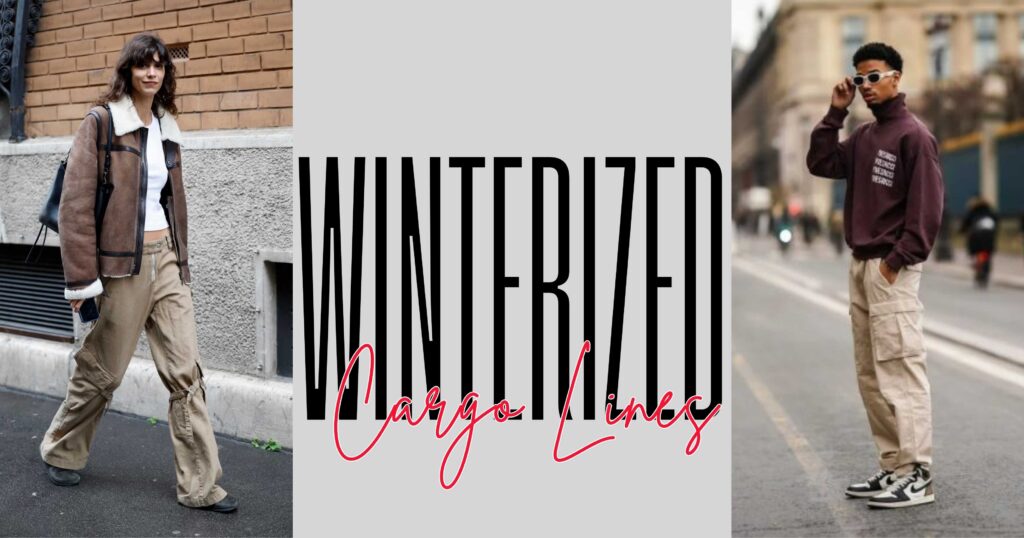
    • Excessive water consumption
    • High carbon emissions
    • Increased textile waste
    • Heavy use of chemicals during manufacturing

    Keeping these basic principles in mind, consumers can make well-informed decisions and choose brands that support clothing sustainability.
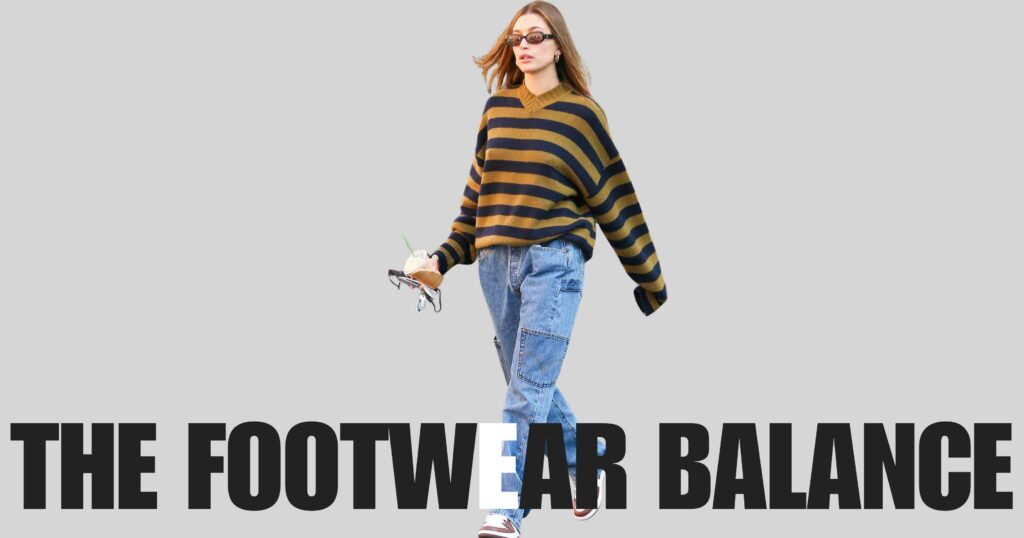
    Why Shopping Sustainably Matters

    Why Shopping Sustainably Matters

    Every purchase you make has an environmental and social impact that we might never think about. Consider sustainable shopping practices to control waste production, support sustainable businesses, and encourage the fashion sector to follow better standards.

    Even small purchasing decisions can create impactful change.

    Environmental Benefits

    The fashion sector is one of the highest contributors to pollution across the globe. Buying fewer, higher-quality garments helps reduce demand for excessive textile production.

    Consider opting sustainable apparel to reduce:

    • Fashion waste
    • Landfill overflow
    • Water pollution
    • Energy consumption
    • Greenhouse gas emissions

    Synthetic fabrics also release microplastics during washing, which enters rivers and oceans. Choose organic cotton, linen clothing, or recycled fabrics to lower reliance on virgin synthetic materials.

    Social Benefits

    Supporting ethical fashion means to support the people who make our clothes.

    Sustainable fashion brands often focus on:

    • Fair wages
    • Safe workplaces
    • Better labor rights
    • Transparent supply chains

    Carefully review sustainable clothing brands before making a purchase to ensure your money supports companies with responsible manufacturing practices.

    Benefits for You

    Shopping sustainably isn’t just better for the environment; it also benefits your wallet over time.

    Well-made clothing usually:

    • Lasts longer
    • Maintains its quality after repeated wear
    • Requires fewer replacements
    • Offers a lower cost per wear

    Adopt mindful shopping habits to easily build a sustainable wardrobe filled with versatile wardrobe essentials you’ll want to wear.

    Instead of chasing short-lived trends, focus on quality over quantity and buy sustainable clothes to match your lifestyle and fashion choices. Eventually, these small choices become part of a more sustainable lifestyle, allowing you to enjoy fashion while making better personal and environmental decisions.

    10 Practical Tips for Shopping Sustainable Clothing

    10 Practical Tips for Shopping Sustainable Clothing

    Keep one simple thing in mind as sustainable fashion tips, buy fewer clothes and choose better-quality pieces. You don’t need to purchase multiple inexpensive items that wear out quickly, instead invest in garments you’ll wear for years.

    Buy Less and Buy Better

    Before making a purchase, ask yourself whether you need the item and whether that fills a gap in your closet.

    Just consider few basic things:

    • Avoiding impulse purchases
    • Choosing durable materials and craftsmanship
    • Investing in timeless designs instead of short-lived trends
    • Considering the cost per wear rather than just the price tag 

    Choose Sustainable Fabrics

    Whenever possible, choose natural or recycled fibers that require fewer resources or give existing materials a second life.

    To go fully sustainable with your choices, always choose:

    • Organic cotton
    • Hemp
    • Linen clothing
    • TENCEL Lyocell
    • Recycled cotton
    • Recycled wool
    • Recycled fabrics

    Learn to Read Clothing Labels

    One of the easiest ways to identify sustainable clothes is by understanding what a clothing label tells you. Carefully read the clothing labels that provide valuable information about a garment’s materials, origin, and care requirements.

    Before buying, you need to check:

    • Fabric composition
    • Country of origin
    • Washing and care instructions

    Also, look for some trusted third-party certifications that verify environmental or social standards. These certifications include GOTS (Global Organic Textile Standard), Fair Trade Certified, OEKO-TEX Standard 100, or Global Recycled Standard (GRS)

    Support Transparent Brands

    Not every brand that you buy from markets itself as sustainable follows responsible practices. Transparency is one of the major indicators of a company’s commitment to clothing sustainability.
    Responsible sustainable clothing brands openly share information about:

    • Material sourcing
    • Manufacturing facilities
    • Supply chain transparency
    • Sustainability reports
    • Environmental goals

    Shop Second-Hand First

    To practice sustainability, buy pre-owned clothing to reduce fashion waste. It extends the life of garments and reduces demand for new production.

    For second-hand shopping you can choose multiple ways, including:

    • Thrift stores
    • Vintage shops
    • Online resale platforms
    • Clothing swaps
    • Community marketplaces

    Second-hand shopping is one of the most practical ways to practice conscious shopping without compromising on style.

    Build a Capsule Wardrobe

    Build a capsule wardrobe with a selected collection of versatile clothing that can be mixed and matched for different occasions. It encourages intentional purchasing and reduces unnecessary shopping.

    You can easily build your capsule wardrobe with:

    • Timeless basics
    • Neutral or versatile colors
    • Multi-season clothing
    • Durable everyday essentials

    Design a wardrobe around high-quality wardrobe essentials makes getting dressed easier while helping you avoid trend-driven purchases.

    Ignore Greenwashing

    To support sustainability, many companies promote products using vague environmental claims without providing evidence.

    Be cautious with the labels that simply say:

    • Eco-friendly
    • Conscious
    • Natural
    • Green

    Instead, look for authorized certifications, detailed sustainability reports, transparent sourcing information, and clear environmental commitments. 

    Care for Clothes Properly

    Buy responsibly and take good care of your clothes to extend their lifespan and reduce the need for constant replacements.

    Try simple habits can make a significant difference:

    • Wash clothes only when necessary
    • Use cold water whenever possible
    • Air dry instead of tumble drying
    • Repair small tears or loose buttons
    • Store garments properly to prevent damage

    These habits reduce energy consumption while helping your favorite pieces stay in great condition for longer. 

    Rent or Borrow Special Occasion Clothing

    Not every outfit needs to be a permanent addition to your wardrobe. Clothing for one-time occasions often sits unused after a single wear. Instead of buying new garments for every event, consider renting or borrowing clothes for:

    • Weddings
    • Parties
    • Formal dinners
    • Corporate events
    • Holiday celebrations

    Renting or borrowing offers several benefits like lower clothing costs, less wardrobe clutter, reduced resource consumption, and less textile waste. It’s a practical way to enjoy different styles without contributing to unnecessary consumption.

    Think Long-Term Before Every Purchase

    One of the most valuable sustainable fashion tips is to think twice before you buy something new. Ask yourself a few simple questions to prevent unnecessary purchases and encourage mindful shopping.

    Before adding an item to your cart, identify your wants and needs:

    • Do I really need this?
    • Will I wear it at least 30 times?
    • Can I style it with clothes I already own?
    • Can it be repaired if damaged?
    • Does it fit my sustainable wardrobe?
    • Will I still like it a year from now?

    Remember, how to shop for sustainable clothing isn’t about perfection. It’s about making thoughtful decisions over time. Every responsible purchase helps reduce waste, supports responsible businesses, and brings you one step closer to a sustainable wardrobe.

    Sustainable Clothing Certifications to Look For

    Sustainable Clothing Certifications to Look For

    To learn how to shop for sustainable clothing, certifications can help you understand genuine sustainability efforts and fake marketing claims. These labels are awarded by independent organizations that assess products or manufacturers against specific environmental protocols and social standards.

    While no certification guarantees perfection, they provide greater transparency and make it easier to identify sustainable clothing that aligns with your values.

    Now, see what you should actually look for:

    CertificationWhat It Means
    GOTS (Global Organic Textile Standard)Ensures clothing contains certified organic fibers while meeting strict environmental regulations and social criteria throughout the production lifecycle.
    Fair Trade CertifiedPromotes ethical production by supporting fair wages, safe working conditions, and responsible labor practices.
    OEKO-TEX Standard 100Verifies that the finished textile has no harmful chemicals, making it safer for consumers.
    Global Recycled Standard (GRS)Confirms the use of verified recycled materials while promoting responsible manufacturing and traceability.
    FSC (Forest Stewardship Council)Ensures wood-based fibers and packaging come from responsibly managed forests, supporting biodiversity and sustainable forestry.

    Identify sustainable apparel with all the important information you need, don’t rely on certifications alone. Consider the complete picture by reviewing brand’s sustainability policies, supply chain transparency, material sourcing practices, environmental commitments, or third-party verification.

    Combining certifications with your own research will help you make more informed purchasing decisions and support brands that genuinely care about clothing sustainability.

    Common Mistakes to Avoid When Shopping Sustainably

    Common Mistakes to Avoid When Shopping Sustainably

    When building a more responsible wardrobe it’s easy to make mistakes along the way. Fortunately, avoiding a few common pitfalls can make your sustainable shopping efforts much more effective.

    See if you are making any of these mistakes:

    • Assuming “Green” Means Sustainable
    • Believing Expensive Always Means Better
    • Replacing Your Entire Wardrobe Overnight
    • Ignoring Clothing Care
    • Chasing Every New Trend

    Be considerate enough of the choices that you make and decisions that you take while building a sustainable wardrobe. You definitely don’t want to go in the completely opposite direction by committing any of these mistakes.

    Sustainable Shopping Checklist

    Sustainable Shopping Checklist

    Have your own practical checklist ready before you make any purchase. Having everything clear and handy will help you make smarter choices and tie it with sustainability as much as possible.

    See if your checklists have all or at least some of these checks:

    • Buy only what you need
    • Prioritize quality
    • Choose natural or recycled fibers
    • Check certifications
    • Support transparent brands
    • Buy second-hand
    • Repair before replacing
    • Wash responsibly
    • Donate or resell unwanted clothing

    Following these habits makes mindful shopping easier and supports a long-term sustainable lifestyle.

    Every thoughtful choice, whether it’s buying fewer garments, extending the life of your clothes, or supporting responsible brands, contributes to a more sustainable future.

    Remember that how to shop for sustainable clothing isn’t measured by how much you spend but by how mindfully you shop. In many cases, buying fewer, better-made garments has a greater environmental impact than purchasing large amounts of supposedly “green” clothing.

    Small habits also matter. Repairing clothes, choosing quality over quantity, embracing mindful shopping, and supporting transparent businesses all help reduce fashion waste and encourage more responsible production.

    Frequently Asked Questions (FAQs)

    What is the most sustainable clothing material?

    Materials like organic cotton, hemp, linen clothing, and responsibly sourced recycled fibers are among the most sustainable options due to their lower environmental impact.

    Is sustainable clothing more expensive?

    While some sustainable clothing costs more upfront, its durability often makes it more affordable over time through a lower cost per wear.

    How do I know if a clothing brand is truly sustainable?

    Choose brands that are transparent about their supply chain, publish sustainability reports, and hold trusted certifications like GOTS, Fair Trade Certified, or GRS.

    Are thrifted clothes more sustainable than new eco-friendly clothing?

    Yes, buying second-hand is generally more sustainable because it extends a garment’s lifespan and helps reduce textile waste and demand for new production.

    What certifications should I look for when buying sustainable clothing?

    Look for trusted certifications such as GOTS, Fair Trade Certified, OEKO-TEX Standard 100, Global Recycled Standard (GRS), and FSC where applicable.

    Can fast fashion ever be sustainable?

    Although some fast fashion brands are improving their practices, buying fewer, longer-lasting garments from transparent brands remains the more sustainable choice.

  • 9 Common Denim & Streetwear Mistakes (and Easy Fixes for Each)

    9 Common Denim & Streetwear Mistakes (and Easy Fixes for Each)

    9 Common Denim & Streetwear Mistakes (and Easy Fixes for Each)

    Getting dressed should feel simple. But a lot of people trip over the same few problems again and again, especially when it comes to choosing the right jeans fit. Tops that clash with sneakers. Layers piled on without much thought.

    This guide walks through the most common denim & streetwear mistakes people make and how to fix each one fast. No complicated rules. Just clear tips that actually help your outfits look put together. If you’re still figuring out the basics, our complete streetwear guide is a useful place to start.

    Whether you are new to streetwear or you have been building your closet for years, a few small tweaks can make a big difference in how your outfits come together. Most of these fixes take seconds once you know what to look for.

    Quick Answer

    Common denim & streetwear mistakes usually come down to fit, balance, and pairing choices. Wearing two oversized pieces together, skipping hem checks, ignoring proportions, and mixing too many bold pieces at once are the biggest culprits. Fixing these issues is usually as simple as slowing down and checking your outfit before you walk out the door.

    What Counts as Common Style Mistakes in Denim and Streetwear?

    What Counts as Common Style Mistakes in Denim and Streetwear?

    Before jumping into the list, it helps to define what actually counts as a mistake here. Common style mistakes are not about breaking some strict rule. They are about outfits that end up looking accidental instead of intentional.

    A shirt that is too big. Jeans dragging on the floor. Sneakers that clash with everything else you have on. None of these ruin an outfit completely, but together, they add up fast.

    Why These Mistakes Happen So Often

    Most people are not trying to dress badly. They are just moving quickly in the morning, grabbing whatever feels comfortable. That is understandable, but it is also exactly why common denim & streetwear mistakes keep showing up in outfit after outfit.

    The Difference Between a Mistake and a Style Choice

    It helps to know the line here too. Wearing an oversized hoodie on purpose, with the rest of the outfit built around it, is a style choice. Throwing on an oversized hoodie because it was the first thing you grabbed, with no thought to the rest of the outfit, is closer to a mistake. Intention is really what separates the two.

    Are Jeans Considered Streetwear?

    Are Jeans Considered Streetwear?

    This question comes up a lot, and the answer is simple. Yes, jeans are considered streetwear; it is easy to settle on once you look at how often denim shows up in the style. Jeans are a core part of streetwear, right alongside hoodies, sneakers, and graphic tees.

    Since whether jeans are considered streetwear gets asked so frequently, it is worth pointing out that denim has been part of casual, street-level fashion for decades. The mistake is not wearing jeans in a streetwear outfit. The mistake is picking the wrong fit or pairing them poorly with everything else.

    How Denim Fits Into the Bigger Picture

    Furthermore, denim works as a base layer for almost any streetwear look. It is flexible enough to pair with sneakers, boots, hoodies, or jackets. That flexibility is exactly why so many outfits build around a solid pair of jeans first.

    Why Denim Never Really Left Streetwear

    Some trends fade out of streetwear entirely, but denim has stuck around through almost every era of the style. Baggy jeans in the 90s, skinny jeans in the 2010s, wide-leg fits now. The shape changes, but denim itself stays a constant piece in the rotation.

    Mistake One: Wearing Two Oversized Pieces Together

    Mistake One: Wearing Two Oversized Pieces Together

    One of the most common denim & streetwear mistakes is pairing an oversized top with baggy or wide-leg jeans. Two loose pieces stacked on top of each other hide your shape completely, and the whole outfit can end up looking shapeless.

    Instead, balance loose bottoms with something more fitted up top. A tucked shirt, a cropped jacket, or even a simple tank works well here. Building your outfit around a few streetwear wardrobe essentials can make this kind of balancing much easier.

    A Quick Fix for This Mistake

    Try tucking in your top, even partially. A front tuck adds shape without looking too formal, and it solves this issue in seconds without changing your whole outfit.

    Mistake Two: Ignoring Hem Length

    Mistake Two: Ignoring Hem Length

    Jeans dragging on the ground look unfinished, no matter how nice the rest of the outfit is. This is another one of those common denim & streetwear mistakes that is easy to fix but often gets ignored.

    A proper hem, or even a simple cuff at the ankle, instantly pulls the whole look together. Additionally, this small detail matters more with wide-leg or baggy fits, since there is extra fabric that needs somewhere to go.

    Why Hem Length Gets Overlooked

    Most people focus on the top half of an outfit and forget the bottom entirely. Meanwhile, hem length quietly ruins outfits that would otherwise look great. Checking this before you leave the house takes only a few seconds.

    Mistake Three: Skipping Proper Denim Fit Checks

    Mistake Three: Skipping Proper Denim Fit Checks

    Denim comes in a lot of shapes now, from skinny to baggy fits, wide-leg, and straight styles. One of the common denim & streetwear mistakes people make is grabbing whatever is trending instead of picking a fit that actually suits their body and comfort.

    Since denim common use covers such a wide range of situations, from casual weekends to dressier days, the fit you choose should match your actual life, not just whatever look is popular that month.

    Trying On Before Committing

    Always try jeans on before buying, even if you already know your size. Brands cut denim differently, and a size that fits perfectly in one pair might feel completely different in another.

    Paying Attention to Rise and Waist Fit

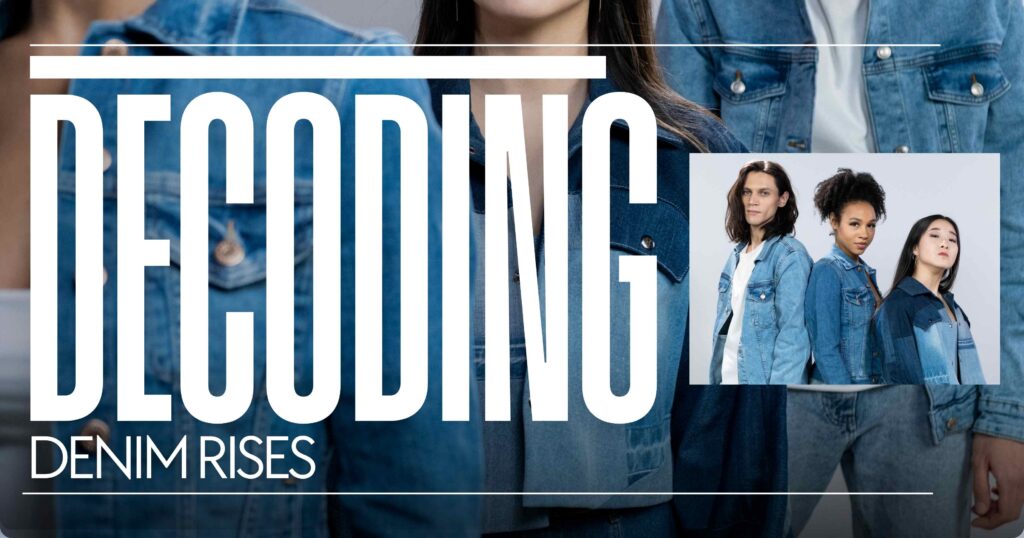
    Beyond leg shape, rise matters just as much. A high rise sits at the natural waist, a mid rise sits a bit lower, and a low rise sits lower still. Picking the wrong rise for your comfort level is a quiet mistake that shows up in how the jeans feel all day, not just how they look.

    Mistake Four: Overloading on Bold Pieces

    Streetwear allows for bold colors, big graphics, and statement sneakers. But wearing too many loud pieces at once is one of the common denim & streetwear mistakes that trips people up constantly.

    A busy graphic tee paired with patterned jeans and colorful sneakers can feel overwhelming fast. Instead, pick one statement piece and let the rest of the outfit stay simple. Keeping a few neutral wardrobe colors in the mix helps create that balance.

    Letting One Piece Lead the Outfit

    If your sneakers are the star, keep your jeans and top neutral. If your jacket has a bold print, let your jeans and shoes stay plain underneath. One loud piece is usually enough to make a strong outfit.

    Mistake Five: Not Knowing Denim’s Common Characteristics

    Mistake Five: Not Knowing Denim's Common Characteristics

    Understanding denim common characteristics actually helps you avoid a lot of mistakes before they happen. Denim varies in weight, stretch, and wash, and each of these affects how the jeans wear and fit throughout the day.

    Heavier denim holds its shape longer but can feel stiff at first. Lighter denim with some stretch feels more comfortable right away but may lose shape faster over time. Knowing this ahead of time helps you shop smarter instead of guessing.

    Reading Labels Before You Buy

    Check the fabric label on the tag before you buy. A small percentage of stretch, usually elastane, can change comfort a lot without changing how the denim looks on you.

    How Weight Affects Everyday Wear

    Heavier denim, often listed in ounces on the tag, holds its crease and shape better over a full day. Lighter denim moves more freely. It wrinkles faster too. Neither one is wrong. Just know which one you’re buying so you know what to expect.

    Mistake Six: Mixing Too Many Denim Washes

    Mistake Six: Mixing Too Many Denim Washes

    Common denim & streetwear mistakes also show up when denim pieces clash in wash. A dark wash jacket with light wash jeans can look mismatched instead of intentional, especially if the contrast is too jarring.

    That said, mixing washes on purpose, sometimes called double denim, works fine when done with a little thought. The key is picking a clear contrast. Not two shades that are just slightly off from each other.

    How to Mix Washes the Right Way

    Pair something clearly lighter with something clearly darker. Not two washes that sit close in tone. This makes the contrast look intentional instead of like a mismatched accident.

    Mistake Seven: Ignoring Denim Street Brands and Quality

    Mistake Seven: Ignoring Denim Street Brands and Quality

    Not every pair of jeans gets built the same way. A lot of people skip researching denim street brands entirely, then end up disappointed by the fit or how fast the jeans wear out.

    Spend a little time figuring out which denim street brands focus on real construction versus which ones lean more into trend-driven pieces. This can save you money and frustration later on. Quality denim just holds its shape and color longer than cheap alternatives.

    Balancing Trend Brands With Quality Basics

    It’s fine to buy trendy pieces from brands known for style over substance. Just make sure your everyday basics come from brands with a track record of solid construction. That balance keeps your closet functional and stylish at the same time.

    Mistake Eight: Forgetting About Footwear Balance

    Mistake Eight: Forgetting About Footwear Balance

    Sneakers and boots carry a lot of visual weight in streetwear outfits. One of the streetwear mistakes people make a lot is pairing bulky sneakers with equally bulky jeans. That throws off the whole silhouette fast.

    Chunky sneakers actually pair better with slimmer or straight-leg jeans, since the contrast balances things out. Wide-leg or baggy jeans, on the other hand, usually look more balanced with a slightly sleeker sneaker instead.

    Testing Proportions Before Heading Out

    Stand in front of a mirror with the full outfit on before deciding it works. Sometimes a pairing that sounds fine in your head looks completely different once you actually see it together.

    Mistake Nine: Skipping Accessories Entirely

    Mistake Nine: Skipping Accessories Entirely

    A plain outfit can look unfinished without small details pulling it together. This one’s a bit subtler than the others on this list of streetwear mistakes, since accessories are easy to forget, but they make a real difference.

    A cap. A simple chain. A crossbody bag. Any of these can turn a basic outfit into something that looks styled on purpose. Skip these details entirely, and outfits often end up feeling plain, even when the clothes themselves are solid.

    Starting Small With Accessories

    You don’t need a pile of accessories to make a difference. One or two well-chosen pieces are usually enough to lift an entire outfit without overdoing it. The goal is to choose pieces that actually fit your personal fashion aesthetic.

    How to Avoid Repeating These Mistakes

    How to Avoid Repeating These Mistakes

    Building better habits takes a little time. It doesn’t require a full wardrobe overhaul, though. Start by checking your fit before buying anything new. Keep a mental note of what you already own too, so you’re not duplicating similar pieces over and over. This is also one reason a capsule wardrobe can make getting dressed easier.

    Slowing down before getting dressed helps as well. A quick mirror check catches most of the common denim & streetwear mistakes covered here before you even walk out the door.

    Building a Simple Routine

    Try laying out your outfit the night before, especially on busy mornings. This gives you time to spot fit issues or clashing pieces without rushing through it.

    Conclusion

    Avoiding common denim & streetwear mistakes really comes down to a few small habits. Check your fit. Balance loose with fitted. Keep bold pieces to one focal point. None of this needs a total wardrobe overhaul. Just a little more attention before you walk out the door.

    Streetwear and denim both leave a lot of room for personal style, so none of this is meant as a strict rulebook. Think of it more as guardrails that help outfits come together well, no matter what pieces you’re working with that day.

    Frequently Asked Questions

    What is the most common mistake people make with jeans?

    Ignoring hem length is a big one. Jeans dragging on the ground look unfinished, even when the rest of the outfit is solid.

    Can I mix different denim washes in one outfit?

    Yes, as long as the contrast feels intentional. Pair something clearly lighter with something clearly darker, not two shades that sit close together.

    Do I need expensive brands to avoid streetwear mistakes?

    Not really. Fit and proportion matter more than price. Put your budget toward pieces you wear the most, like sneakers and denim.

    How do I know if my jeans fit correctly?

    Try them on before buying, even if you already know your usual size. Brands cut denim differently, so fit can vary a lot between pairs.

    Is it a mistake to wear bold sneakers with bold jeans?

    It can be. Too many loud pieces at once often overwhelm an outfit. Let one piece lead, and keep the rest simple.

  • How to Style Wide-Leg Jeans: A Simple Guide for Every Season

    How to Style Wide-Leg Jeans: A Simple Guide for Every Season

    How to Style Wide-Leg Jeans: A Simple Guide for Every Season

    Wide-leg jeans took over closets fast, and honestly, it makes sense. They feel roomy. They feel easy. And they look good on almost everyone once you know a few small tricks.

    But here is the catch. Wide-leg jeans can also look messy if you are not careful. Too much fabric everywhere, and suddenly the whole outfit looks unfinished. That is why learning how to style wide-leg jeans actually matters, even though the fit itself feels simple to wear.

    This guide walks through real ways to style wide-leg jeans for any season, any body, and any plan you have that day. No confusing rules. Just easy tips that work again and again.

    Quick Answer

    Learning how to style wide-leg jeans comes down to balance, just like most denim fits. Pair the loose leg with a fitted or tucked-in top. Add the right shoe for your outfit, whether that is a heel, a boot, or a sneaker. Keep the waist area defined so the outfit does not look shapeless. Once you get that formula down, everything else falls into place naturally.

    Why Wide-Leg Jeans Are So Popular Right Now

    Why Wide-Leg Jeans Are So Popular Right Now

    Wide-leg jeans give your legs room to move. They do not press into your skin the way skinny jeans do. Because of that, a lot of people switched over fast, and the trend has stuck around longer than most expected.

    Furthermore, wide-leg jeans work well for almost any body type, which is a big reason for their popularity. The loose leg skims over your shape instead of clinging to it, so there is a lot of flexibility in how the fit looks on different people.

    What Makes Wide-Leg Different From Other Fits

    Wide-leg jeans stay loose from the hip all the way down to the hem, without tapering at the ankle the way some other loose fits do. This is different from baggy jeans, which can taper slightly near the bottom. Wide-leg jeans usually stay wide the entire way down, giving them a longer, cleaner line.

    Why the Silhouette Matters So Much

    Because there is so much fabric involved, the overall silhouette matters a lot when you think about styling wide-leg jeans. A top that is too loose can make the whole outfit look shapeless. A top that is too tight can be matched against all that extra denim. Somewhere in the middle usually works best.

    High-Rise Styling Wide-Leg Jeans the Right Way

    High-Rise Styling Wide-Leg Jeans the Right Way

    Most wide-leg jeans sit high on the waist, and that changes how you should build the rest of the outfit. High-rise styling wide-leg jeans the right way starts with understanding where your waistline actually falls.

    Since the rise sits higher, tucking your top in becomes an easy way to show some shape at the waist. This keeps the outfit from looking like one big block of fabric from your chest down to your ankles.

    Additionally, a belt works really well here. It adds a small detail right at the natural waistline, which helps break up all that volume below it. This is one of the simplest tricks when it comes to high-rise styling wide-leg jeans for almost any outfit.

    Cropped Tops and High-Rise Denim

    A cropped top pairs naturally with a high rise, since it shows just a hint of skin right where the jeans sit. This combination has become one of the most popular ways to handle high-rise styling with wide-leg jeans, especially for casual daytime looks.

    Fitted Sweaters for a Softer Look

    If a cropped top feels like too much, a fitted sweater tucked in works just as well. It still shows the waistline without exposing skin, which makes it a great option for cooler weather or more conservative settings.

    How to Style Wide Leg Jeans Women Reach for Again and Again

    How to Style Wide Leg Jeans Women Reach for Again and Again

    Women have found a lot of easy formulas for wearing wide-leg denim, and once you see the pattern, it becomes simple to repeat. Learning how to style wide-leg jeans women actually wear on repeat usually starts with one basic idea: fitted top, loose bottom.

    A simple tank tucked into wide-leg jeans, paired with sandals or sneakers, works for almost any casual day. Meanwhile, a blouse with a tucked hem and a pair of heels turns the same jeans into something dressier without much extra effort.

    Moreover, layering plays a big role here too. A cropped jacket or blazer over a tank top adds shape on top, which balances out the wide leg below it nicely.

    Building a Capsule Around Wide-Leg Denim

    Many women build a small rotation of tops specifically to pair with their wide-leg jeans. A few fitted tanks, one or two blouses, and a cropped sweater usually cover most outfit needs without requiring a huge closet.

    Shoe Choices That Change the Whole Vibe

    Sneakers keep things casual. Easy too. Heels do the opposite. They dress up the whole outfit fast. Flats sit right in the middle. They work well for office days. They work for errands too. You get something polished. You still stay comfortable.

    Common Struggles and Easy Fixes

    One common problem shows up a lot. Jeans drag too much at the hem. This looks messy fast, even if the rest of the outfit is good.

    How to Style Wide-Leg Jeans Men Are Wearing More Often

    How to Style Wide-Leg Jeans Men Are Wearing More Often

    Wide-leg jeans are not just a women’s trend. Men have started reaching for them too, especially as looser fits took over menswear in general. Learning how to style wide-leg jeans men actually wear takes some of the same basic ideas, just applied a little differently.

    A simple T-shirt tucked in slightly, paired with wide-leg jeans and clean sneakers, creates an easy, modern look. For something dressier, a button-down shirt and loafers work well too, especially if the jeans are a darker wash.

    Similarly, layering matters here as well. A jacket or overshirt adds structure on top, which keeps the outfit from feeling too loose all over.

    Casual Everyday Looks for Men

    A graphic tee, wide-leg jeans, and chunky sneakers make for an easy weekend outfit that takes almost no thought. This combination has become one of the most common ways men approach wide-leg denim right now.

    Smart Casual Options

    A structured jacket over a plain shirt, paired with wide-leg jeans and clean shoes, works well for smart casual settings. This balances the relaxed leg with something more put together up top.

    Styling Wide-Leg Jeans and Shirt Combos

    Styling Wide-Leg Jeans and Shirt Combos

    A button-down shirt is easy to work with. It goes with almost any jean fit. When you think about styling wide-leg jeans, tuck the shirt in at the waist. This makes a clean line. It works for casual days. It also works for dressier days.

    You can also try a front tuck. Just tuck in the front part of the shirt. Leave the rest loose. This gives some shape. It is not too formal. It is good for a normal day out.

    Oversized shirts can work too, especially if you knot them slightly at the waist. This keeps the outfit from looking like two loose pieces stacked on top of each other with no real shape.

    Solid Colors vs Patterns

    A solid-colored shirt tends to look cleaner against the volume of wide-leg denim, while a patterned shirt adds personality but works best when the jeans stay in a plain, simple wash. Choosing one or the other, rather than mixing bold patterns with busy denim, usually looks more put together.

    How to Style Wide-Leg Jeans in Winter Without Losing the Look

    How to Style Wide-Leg Jeans in Winter Without Losing the Look

    Cold weather does not mean you have to give up wide-leg jeans. In fact, learning how to style wide-leg jeans in winter just means adding layers thoughtfully instead of changing your whole approach.

    A long coat over a fitted sweater creates a strong silhouette, since the coat adds structure while the jeans stay relaxed underneath. Boots work great here too. Pick ones that peek out just a little from under the hem. That looks clean.

    Scarves help too. So do gloves. They keep you warm. They also add a nice little detail. The whole outfit feels put together, not just thrown on for the cold.

    Layering Without Adding Bulk

    Thin layers work best. Try a fitted turtleneck under your coat. This keeps things from feeling too bulky. Wide-leg jeans already add a lot of volume on their own. You do not need more bulk on top. 

    Footwear for Cold Weather

    Ankle boots or knee-high boots both pair nicely with wide-leg jeans in colder months. The key is making sure the jeans do not drag too much snow or slush, so a slight hem adjustment can help during winter, especially.

    Colors That Work Well in Winter

    Darker denim washes tend to feel more seasonally appropriate for winter outfits. Pairing dark wide-leg jeans with neutral coats and boots creates a cohesive, put-together look that works well from morning to night.

    Accessories That Pull the Outfit Together

    Accessories That Pull the Outfit Together

    Small details matter a lot when there is this much fabric involved. A belt helps define the waist, especially with high-rise styling wide leg jeans, since it breaks up the volume right at the natural waistline.

    A structured bag also adds contrast against the loose denim, without adding extra bulk of its own. Small earrings work well. A thin necklace does too. These little touches finish the look. They do not take attention away from the jeans. The jeans stay the star of the outfit.

    Sunglasses and a good watch round things out nicely for daytime looks, adding polish without requiring much extra effort at all.

    Common Mistakes to Avoid

    Common Mistakes to Avoid

    Styling wide-leg jeans wrong usually comes down to a handful of easy-to-fix mistakes.

    First, pairing an oversized top with wide-leg jeans is a common one. Two loose pieces together can hide your shape completely and make the whole outfit look shapeless. Balancing loose denim with something more fitted almost always looks better.

    Second, ignoring hem length is another frequent issue. Jeans dragging on the ground look unfinished, no matter how nice the rest of the outfit is. A quick hem or the right shoe height fixes this fast.

    Finally, skipping accessories altogether is a missed chance. Even one small detail, like a belt or a simple necklace, can turn a plain outfit into something that looks intentional and put together.

    Conclusion

    Learning how to style wide-leg jeans really comes down to a few small habits. Fitted top, defined waist, and the right shoe for the day. Once that formula clicks, everything else becomes easy to repeat.

    Whether you are figuring out how to style wide-leg jeans women or how to style wide-leg jeans men wear most often, or working through how to style wide-leg jeans in winter, the same basic rules apply across the board. Keep it balanced. Keep it simple. And wear what feels comfortable and confident for your own day.

    Wide-leg jeans are not a passing trend at this point. They have earned a real place in closets everywhere, so it is worth the small effort to figure out what works best for you.

    Frequently Asked Questions

    What tops pair best with wide-leg jeans?

    Fitted or tucked-in tops work best. They balance out the loose leg and keep the outfit from looking shapeless overall.

    Do wide-leg jeans work for petite frames?

    Yes, as long as the length is right. A slight heel or a proper hem keeps the proportions looking balanced on a petite frame.

    Can wide-leg jeans be dressed up for evening?

    Definitely. A silky top, heels, and simple jewelry turn wide-leg jeans into an easy evening outfit without much extra effort.

    Are wide-leg jeans comfortable for everyday wear?

    Yes, very. They give you room to move. They do not squeeze your legs. That makes them a good pick for long days. Busy days too.

    How do I keep wide-leg jeans from dragging on the ground?

    Get them hemmed. That is the easiest fix. Or just wear shoes with a little height. Both tricks stop the denim from dragging. Both keep the outfit looking neat.

  • How to Style Cargo Pants: A Simple Guide for Every Season

    How to Style Cargo Pants: A Simple Guide for Every Season

    How to Style Cargo Pants: A Simple Guide for Every Season

    Cargo pants used to feel purely practical. Extra pockets. Loose fit. Nothing fancy at all. But now they sit at the center of a lot of outfits, and there is a real reason for that.

    Learning how to style cargo pants takes a little effort at first. There is a lot of fabric involved. Pockets sit everywhere. Get the balance wrong, and the whole thing can feel bulky fast. Get it right, though, and cargo pants turn into one of the easiest pieces in your closet.

    This guide breaks it down step by step. So you can build outfits that actually work. No confusing rules. Just real tips you can use today.

    Quick Answer

    Styling cargo pants for different occasions comes down to what you pair them with, not the pants themselves. For a casual day, keep it simple with a fitted tee and sneakers. For work or a smarter look, add a tucked blouse or shirt, a structured blazer, and loafers or heels. For a night out, swap in a fitted top with more shine or texture and heeled boots. The cargo pockets stay the same — it’s the top and shoes that shift the outfit from weekend to work to evening.

    Why Cargo Pants Are Everywhere Right Now

    Why Cargo Pants Are Everywhere Right Now

    Cargo pants moved from workwear into everyday fashion fast. People love them because they feel roomy. They look good with almost any top too, once you understand a few small tricks.

    Also, cargo pants work well across seasons, which adds to their appeal. Wear them light in summer. Layer them up once it gets cold. That kind of flexibility is rare in a single pair of pants.

    What Sets Cargo Pants Apart

    Cargo pants stand out because of the pockets. Big ones, usually sitting on the sides of each leg. That detail alone changes how you should approach the rest of the outfit, since those pockets already add shape and texture on their own.

    Why the Top Half Needs Extra Thought

    Because cargo pants carry so much visual weight already, the top half needs a bit more thought. A busy top paired with busy pants can feel like too much happening at once. Keeping one half simple usually fixes this fast.

    How to Style Cargo Pants 2026: What’s Trending Now

    How to Style Cargo Pants 2026: What's Trending Now

    Fashion moves quickly, and how to style cargo pants 2026 looks a little different from a few years back. Right now, the trend leans toward a slightly slimmer cargo fit. The classic baggy version still holds strong in streetwear circles though.

    Meanwhile, color choices have expanded past the usual khaki and olive shades. Black cargo pants, gray cargo pants, even pastel versions have shown up more this year, giving people a lot more room to experiment.

    Fabric Trends Worth Knowing

    Lightweight cotton and ripstop fabrics have become popular for warmer months. Thicker cotton twill dominates the colder season looks instead. Knowing which fabric fits your climate helps you shop smarter rather than guessing.

    Silhouette Shifts to Watch

    Looking closer at how to style cargo pants 2026, the biggest shift is proportion. Instead of pairing cargo pants with equally loose tops, more outfits now lean toward a fitted top and a looser bottom. This creates a cleaner shape overall.

    How to Style Cargo Pants Women Are Wearing This Year

    How to Style Cargo Pants Women Are Wearing This Year

    Women have taken cargo pants and turned them into a genuine wardrobe staple. Learning how to style cargo pants women 2026 actually reach for starts with one simple idea. Keep the top fitted. Let the pants do the talking.

    A cropped tank or a fitted long-sleeve top pairs nicely with cargo pants, since it shows a bit of shape at the waist. Tucking the top in, even partially, helps define the silhouette so the outfit does not read as one big shapeless block.

    Building Outfits Around a Fitted Top

    A bodysuit works especially well underneath cargo pants, since it stays tucked all day without bunching up. Pair that with a belt, and the waist gets even more definition, which balances out the volume below it.

    Dressing Cargo Pants Up for a Night Out

    Swap sneakers for heeled boots. Add a silky camisole. Suddenly how to style cargo pants women 2026 looks completely different from the daytime version. A blazer thrown over the top finishes things off for dinner or drinks out.

    Everyday Casual Combinations

    For a plain day at home or running errands, a simple ribbed tank with cargo pants and slip-on sneakers covers most needs. Add a baseball cap, and the outfit feels complete without much thought at all.

    Read Also – How to Style Baggy Jeans

    Styling Cargo Pants With a Shirt for Everyday Wear

    Styling Cargo Pants With a Shirt for Everyday Wear

    A button-down shirt might be one of the simplest ways to dress up cargo pants without much effort. Styling cargo pants with shirt combos gives you a lot of room to play, depending on the occasion.

    Tuck the shirt in fully for a cleaner shape. Or try a front tuck, leaving the back loose while tucking just the front section. For a casual day, this tiny technique offers structure without seeming overly official.

    Relaxed Layers and Rolled Sleeves

    A loose, carefree vibe that goes well with cargo trousers is added by rolling up the sleeves. On warmer days, when a full sleeve could seem like too much cloth overall, this works particularly well.

    Selecting Effective Shirt Colors

    Since cargo pants already add a lot of visual texture, solid colors typically work better with them than hectic patterns. A plain white or black shirt lets the pants stand out without competing for attention.

    Layering a Shirt Over a Tee

    Try leaving a button-down open over a plain tee, with cargo pants finishing the look below. This adds texture without adding too much extra bulk to the overall outfit.

    How to Style Cargo Pants in the Winter Without Losing the Look

    How to Style Cargo Pants in the Winter Without Losing the Look

    Cold weather does not mean putting cargo pants away for good. How to style cargo pants in the winter just means thinking about layers a bit more carefully than usual.

    A long coat over a fitted sweater works well here, since the coat adds structure while the cargo pants stay roomy underneath. Boots also pair nicely, especially styles that show just a hint above the ankle.

    Layering Without Adding Too Much Bulk

    Thin base layers, like a fitted turtleneck, help keep the outfit from feeling overloaded. Since cargo pants already bring plenty of volume, thinner layers up top balance things out nicely once temperatures drop.

    Footwear Choices for Cold Days

    Chunky boots or lace-up combat boots both work well with cargo pants in winter. In order to balance overall proportions and complement the spacious fit of the pants, they add weight at the bottom. 

    Colors That Suit Winter Weather

    Darker cargo pants, like black or deep olive, tend to feel more seasonally appropriate once it gets cold. Pairing them with neutral coats creates a cohesive look that carries from morning through evening easily.

    Sneakers, Boots, and Shoe Choices for Cargo Pants

    Sneakers, Boots, and Shoe Choices for Cargo Pants

    Shoes change the entire feel of a cargo pants outfit. Sneakers keep things casual. Boots add a slightly tougher edge instead. Choosing the right pair depends heavily on the vibe you want that particular day.

    Chunky sneakers work especially well, since they balance out the bulk of the pants with something equally substantial at the bottom. Clean, minimal sneakers offer a different feel, one that leans more toward streetwear simplicity.

    Getting the Hem Right

    Pay attention to where the pants hit your shoe. A slight break at the ankle looks clean. Too much fabric pooling over the shoe can look sloppy fast, so a quick cuff or hem adjustment solves this in minutes.

    Accessories That Complete a Cargo Pants Outfit

    Since cargo pants already carry a lot of detail, accessories should stay simple. A belt at the waist helps define shape, especially with looser cargo styles that sit low on the hip.

    A crossbody bag increases functionality without increasing weight. Small hoops or a thin chain are examples of simple jewelry that completes the ensemble without detracting from the trousers’ main attraction.

    Hats and Small Details

    A simple cap or beanie can add a finishing touch, especially on casual days. Keep it plain though, since a busy print stacked on top of cargo pants can start to feel overwhelming fast.

    Styling Cargo Pants for Different Occasions

    Styling Cargo Pants for Different Occasions

    Not every day calls for the same outfit, and cargo pants flex well across a lot of different plans. For a casual day out, pair them with a graphic tee and sneakers. Add a light jacket if the weather calls for it.

    For work, depending on your office, a tucked blouse or button-down with loafers can make cargo pants feel polished enough for most casual offices. Styling cargo pants for the office usually means sticking to darker washes and cleaner shoes.

    Weekend and Travel Outfits

    Cargo pants are great for travel days, since the extra pockets come in handy and the fit stays comfortable for long hours of sitting or walking around. Pair them with a soft sweater and slip-on shoes for something easy.

    Dressing for a Casual Party

    A fitted top with statement jewelry can turn cargo pants into a party-ready outfit fast. Add heels or clean sneakers depending on the vibe of the event, and you are set without much extra planning.

    Common Mistakes to Avoid When Styling Cargo Pants

    Common Mistakes to Avoid When Styling Cargo Pants

    A few mistakes show up often when people try styling cargo pants for the first time. Pairing an oversized top with cargo pants is one of the biggest ones. Two loose pieces together can hide your shape completely.

    Ignoring hem length is another common issue. Pants dragging on the ground look unfinished, no matter how nice the rest of the outfit happens to be. A quick hem fix goes a long way toward a cleaner overall look.

    Skipping accessories altogether is a missed chance too. Even one small detail, like a belt, can turn a plain outfit into something that looks intentional instead of thrown together.

    Overloading on Pockets and Prints

    Adding a printed top on top of already busy cargo pants can overwhelm the whole outfit fast. Stick to solid colors up top, and let the pants carry the visual weight on their own.

    Mixing Textures for a More Put-Together Look

    Mixing Textures for a More Put-Together Look

    Cargo pants already have a lot going on with all those pockets and seams, so texture on top can help balance things out. Try a ribbed knit or a soft cotton shirt instead of something too smooth or shiny. A little contrast between rougher denim-style pants and a softer top adds depth without adding visual noise. Small choice, but it makes outfits feel more finished.

    Conclusion

    Learning how to style cargo pants really comes down to a few small habits. Fitted top, defined waist, and the right shoe for the day. Once that formula clicks, everything else falls into place fast.

    Whether you are figuring out how to style cargo pants women 2026, working through how to style cargo pants in the winter, or just experimenting with styling cargo pants with shirt combos, the same basic rules apply across the board. Keep it simple. Keep it balanced. Wear whatever feels comfortable for your own day.

    Cargo pants are not a passing trend at this point. They have earned a real place in closets everywhere, so it is worth the small effort to figure out what actually works for you.

    Frequently Asked Questions

    What tops pair best with cargo pants?

    Fitted or tucked-in tops work best. They balance out the loose leg and pockets, keeping the outfit from looking too bulky overall.

    Can cargo pants work for a semi-formal event?

    They can, but you have to be careful. Tuck in a shirt. Throw on a blazer. Stick with clean shoes, nothing scuffed up. Do that, and cargo pants can pass for a casual dinner or a low-key event without much trouble.

    Do cargo pants work with heels?

    They can. Just make sure the length is right so the fabric does not drag under the heel or bunch up at the bottom.

    How do I keep cargo pants from looking too bulky?

    Focus on a fitted top and a defined waist. A belt helps a lot, especially with looser cargo styles that sit low on the hip.

    Are cargo pants a good pick for winter?

    Absolutely. Thicker fabric options layer well under coats, and darker colors feel more suited to the colder months overall.

  • How to Style Baggy Jeans: A Simple Guide for Every Day

    How to Style Baggy Jeans: A Simple Guide for Every Day

    How to Style Baggy Jeans: A Simple Guide for Every Day

    You bought the baggy jeans. Now you’re standing in front of the mirror wondering if you look relaxed or just unfinished. That’s the real question behind how to style baggy jeans — not whether the trend is legit (it clearly is), but how to wear them without looking like you rolled out of bed in your boyfriend’s denim.

    Quick Answer

    Learning how to style baggy jeans comes down to balance. Pair loose denim with something fitted up top, like a tucked shirt or a cropped jacket. Add sneakers or boots depending on the look you want. Keep accessories simple so the outfit does not feel too busy. Balance is really the whole secret here.

    But here is the thing. Baggy jeans can feel tricky to style at first. Too loose and you look sloppy. Too much bulk on top and the whole outfit falls apart.

    Learning how to style baggy jeans takes a little practice, but once it clicks, it becomes one of the easiest looks to put together.

    This guide walks through real ways to wear baggy jeans, no matter your day, your body, or your mood. No confusing rules. Just simple tips that actually work.

    Why Baggy Jeans Are Everywhere Right Now

    Why Baggy Jeans Are Everywhere Right Now

    Baggy jeans went from old-school to trendy again fast. A lot of people got tired of tight denim pressing into their legs all day. Baggy jeans give room to move. They feel relaxed. They feel easy.

    That is a big reason why so many people want to know how to style baggy jeans the right way. The fit is comfortable, but it needs a little thought to look put together instead of just thrown on.

    What Makes Baggy Jeans Different From Other Fits

    Baggy jeans sit loose through the hips and legs. There is extra room everywhere. No fabric hugging your skin. This is very different from skinny jeans, which stick close to your leg the whole way down.

    Because baggy jeans have so much extra fabric, the top half of your outfit matters a lot more. A loose top with loose jeans can make the whole outfit look shapeless. That is why balance matters so much when you are figuring out how to style baggy jeans for your own closet.

    How to Style Baggy Jeans Women Actually Wear on Repeat

    How to Style Baggy Jeans Women Actually Wear on Repeat

    Women have taken baggy jeans and turned them into one of the easiest go-to looks around. Learning how to style baggy jeans women actually reach for again and again is not complicated once you understand the basic idea.

    Start with a fitted top. A simple tank, a bodysuit, or a cropped sweater works great. The fitted top balances out the loose leg below it. Tuck it in if you want a cleaner look. Leave it loose if you want something more relaxed.

    Add a belt if your jeans sit a little low. This keeps everything in place and adds a nice little detail to the outfit. From there, just pick your shoes, and you are done.

    Easy Combos That Always Work

    A white tank with baggy light-wash jeans and white sneakers is almost impossible to mess up. A fitted turtleneck with dark baggy jeans and boots works just as well for cooler days.

    Building Around One Statement Piece

    Sometimes it helps to pick one bold item first, like a printed top or a colorful bag, and build the rest of the outfit around it. Keep the jeans and shoes simple so the one statement piece gets to stand out.

    Why Fit at the Waist Matters Most

    The waist area matters more than people think when they figure out how to style baggy jeans women love wearing. A tucked top or a belt at the waist creates shape even when everything below it stays loose and roomy.

    How to Style Baggy Jeans for Work Without Looking Too Casual

    How to Style Baggy Jeans for Work Without Looking Too Casual

    Office dress codes can feel tricky with baggy denim. But learning how to style baggy jeans for work is easier than most people think.

    Start with a blazer. A structured blazer instantly makes any outfit look more put together, even with loose jeans underneath. Pair that with a simple blouse or button-down shirt tucked in at the waist.

    Keep the jeans dark. Dark-wash baggy jeans read as more polished than light or distressed denim. Add loafers or clean flats instead of sneakers, and the whole outfit shifts from weekend to workday without much effort.

    Choosing the Right Wash for the Office

    Dark denim always reads more formal than light denim. If your office leans casual, a mid wash can still work, but save the light and distressed washes for days off instead.

    Footwear That Keeps Things Professional

    Loafers, low heels, and clean flats all work well here. Sneakers can sometimes work in more relaxed offices, but stick to a plain, clean pair rather than anything too bold or bulky.

    Small Details That Make a Big Difference

    A structured bag instead of a casual tote helps a lot here. So does keeping jewelry simple, just a watch or small earrings. These small choices are exactly what make how to style baggy jeans for work actually look intentional instead of like you just grabbed whatever was clean that morning.

    Styling Baggy Jeans and Shirt Combos That Actually Work

    Styling Baggy Jeans and Shirt Combos That Actually Work

    A button-down shirt is one of the easiest pieces to build around baggy denim. Styling baggy jeans and shirt combos gives you a ton of options depending on the look you want that day.

    Tuck the shirt in fully for a cleaner, more polished shape. Or try a front tuck, just tucking in the front part of the shirt while leaving the rest loose. This adds shape without making the whole outfit feel too stiff or formal.

    Oversized shirts work here too, as long as you roll the sleeves up and maybe knot the shirt at the waist. That little knot pulls the whole outfit together and stops it from looking like two loose pieces just hanging there with no shape.

    Tucked vs Untucked, Which Works Better

    Tucked shirts usually look more finished and work well for daytime or work outfits. Untucked shirts feel more relaxed and casual, better suited for weekends or hangouts with friends. Neither one is wrong. It just depends on the vibe you are going for that day.

    Layering a Shirt Over Something Else

    A button-down does not always have to stand alone. Try wearing it open over a plain tank top, with the jeans doing the heavy lifting below. This adds texture without adding too much bulk.

    Read Also – Skinny Jeans vs Baggy Jeans

    How to Wear Baggy Jeans and Sneakers the Right Way

    How to Wear Baggy Jeans and Sneakers the Right Way

    Sneakers and baggy jeans are basically made for each other. Figuring out how to wear baggy jeans and sneakers the right way mostly comes down to hem length and sneaker style.

    Chunky sneakers pair really well with baggy jeans because they balance out the volume up top and bottom. Clean white sneakers work with almost any wash of denim and keep the whole look simple and easy.

    Pay attention to where your jeans hit your shoes. A slight break at the ankle looks clean. Jeans pooling too much fabric over your shoe can look sloppy fast, so a quick hem or a cuff at the ankle goes a long way.

    Sneaker Pairings Worth Trying

    Try a plain white sneaker with a graphic tee for an easy everyday look. Or go bold with a colorful sneaker paired with neutral, dark, baggy jeans. Both options nail how to wear baggy jeans and sneakers without overthinking it too much.

    Read Also – How to Choose the Best Jeans for Your Body Type

    Styling Baggy Jeans for Different Occasions

    Styling Baggy Jeans for Different Occasions

    Not every day calls for the same outfit, and baggy jeans can flex to fit a lot of different plans.

    For a casual day out, pair baggy jeans with a graphic tee and sneakers. Add a jacket if it is chilly outside. This look takes almost no effort but still looks put together.

    For a date night, swap the sneakers for boots and add a fitted top with a little more shine or texture. A leather jacket over the top adds an edge without much extra thought.

    For a more polished daytime look, follow the same rules as how to style baggy jeans for work, just with a slightly more relaxed shirt or sweater instead of a strict blazer.

    Weekend and Travel Looks

    Baggy jeans are great for travel days too, since they are comfortable for long hours of sitting or walking. Pair them with a soft sweater and slip-on sneakers for something easy that still looks nice in photos along the way.

    Read Also – Travel Capsule Wardrobe

    Accessories That Complete the Look

    Accessories That Complete the Look

    Small details matter more than people expect when it comes to baggy denim outfits.

    A belt keeps loose jeans from looking shapeless around the waist. A crossbody bag adds a nice contrast against the bulk of the jeans without adding extra weight or bulk of its own.

    Simple jewelry, like small hoops or a thin necklace, finishes the outfit without pulling focus away from the fit of the jeans.

    Sunglasses help too, especially for casual daytime looks. They add a little polish without requiring any extra effort at all.

    Styling Baggy Jeans Pinterest Style for Everyday Inspiration

    Styling Baggy Jeans Pinterest Style for Everyday Inspiration

    If you scroll through styling baggy jeans pinterest boards, a few patterns show up again and again. Fitted tops. Simple color palettes. Clean sneakers or boots. Nothing too busy or overdone.

    Most Pinterest-favorite outfits stick to just two or three colors total, which keeps the whole look feeling simple and put together. Neutral tones like white, black, and denim blue show up constantly because they pair so easily with almost anything.

    Another trend worth borrowing from styling baggy jeans pinterest boards is layering. A cropped jacket over a tank top, paired with baggy jeans, shows up in outfit after outfit because it just works every single time.

    Common Mistakes to Avoid When Styling Baggy Jeans

    Common Mistakes to Avoid When Styling Baggy Jeans

    Styling baggy jeans wrong usually comes down to a few easy-to-fix mistakes.

    Wearing an oversized top with baggy jeans is one of the biggest ones. Two loose pieces together can hide your shape completely and make the whole outfit look messy. Balance loose denim with something fitted instead.

    Skipping the hem length check is another common mistake. Jeans dragging on the ground look unfinished fast, no matter how nice the rest of the outfit is. A quick tailor visit or a simple cuff fixes this in minutes.

    Ignoring accessories altogether is a missed opportunity, too. Even one small detail, like a belt or a simple necklace, can turn a plain outfit into something that actually looks styled on purpose.

    Read Also – Rise of Denim in Streetwear Culture and Modern Fashion

    Conclusion

    Learning how to style baggy jeans really just comes down to balance and a few small details. Fitted top, loose jeans. Clean shoes. Simple accessories. Once you get that formula down, everything else falls into place pretty easily.

    Whether you are dressing for work, a casual weekend, or just scrolling styling baggy jeans pinterest boards for outfit ideas, the basic rules stay the same. Keep it simple. Keep it balanced. And wear whatever makes you feel comfortable and confident that day.

    Baggy jeans are not going anywhere soon, so it is worth taking the time to figure out what works best for your own closet and your own style.

    Frequently Asked Questions

    What tops go best with baggy jeans?

    Fitted tops work best. Tanks, bodysuits, and cropped sweaters balance out the loose legs and keep the outfit from looking shapeless.

    Can baggy jeans work for a formal office?

    Yes, if styled right. Dark wash denim, a structured blazer, and clean shoes make baggy jeans look polished enough for most offices.

    Do baggy jeans work with heels?

    They can. Just make sure the jean length is right so it does not drag under the heel or bunch up too much at the bottom.

    How do I keep baggy jeans from looking sloppy?

    Focus on hem length and pair them with a fitted top. A belt also helps keep the waist from looking too loose or shapeless.

    Are baggy jeans comfortable for everyday wear?

    Very much so. They are a great option for lengthy days since they allow you to move freely and do not constrict your legs as narrow jeans frequently do.

  • Light Wash vs Dark Wash Jeans: Which One Actually Works for You

    Light Wash vs Dark Wash Jeans: Which One Actually Works for You

    Light Wash vs Dark Wash Jeans: Which One Actually Works for You

    Standing in front of your closet, jeans everywhere, and somehow still unsure which pair to grab? You’re not alone. A lot of people get stuck on this exact question. Choosing the right pair of jeans can feel even harder when you’re deciding between different washes. Light or dark. It sounds small, but it changes the whole feel of an outfit.

    The light wash vs dark wash jeans debate isn’t really about which one looks better. Both work. It’s more about knowing when each one fits the moment and how different denim fits can change the overall look. A pair that’s perfect for a weekend brunch might feel completely wrong at work the next morning.

    This guide breaks it all down, so you’re not guessing every time you get dressed.

    Quick Answer

    Light wash vs dark wash jeans comes down to tone and occasion. Light wash jeans are ideal for daytime and warm weather since they seem relaxed and easygoing. Dark wash jeans read as more polished, easy to dress up for work or evening plans. Neither one beats the other. It just depends on what your day actually calls for.

    What Is Dark Wash Jeans, Exactly?

    What Is Dark Wash Jeans, Exactly?

    Before comparing the two, it helps to know what dark wash jeans actually are. So, what is dark wash jeans, really?

    Dark wash denim goes through less fading during production. The cloth has a smooth, nearly solid hue from top to bottom because the indigo dye remains rich and deep. Little to no uncomfortable fading occurs, and when it does, it is often mild rather than noticeable.

    Dark wash denim seems more refined because of its darker tone. It reads closer to a dress pant than a casual weekend staple, even though it’s still just jeans underneath.

    Why Dark Denim Reads as More Formal

    Dark, solid colors tend to look neater in general. There’s less visual noise. No faded patches pulling your eye around. Understanding how neutral colors work together can also help explain why darker denim feels so easy to style. That simplicity is part of why dark wash jeans slide so easily into work outfits or dinner plans.

    How Dark Denim Is Actually Made

    The process behind dark wash denim matters too. More of the original indigo color is retained in the cloth because manufacturers use less bleach and fewer wash cycles. Some dark denim even goes through a process called rinse washing, where the jeans are simply rinsed once to remove excess dye without stripping the color underneath. That’s part of why the fabric often feels stiffer right out of the box, before it has a chance to soften with wear.

    What Makes Light Wash Denim Different

    What Makes Light Wash Denim Different

    Light wash jeans go through more processing. Stone washing, bleaching, sometimes both. This strips out color and leaves the denim looking faded, worn, and lived-in from the start.

    That faded look brings a relaxed, easygoing feel. Light wash jeans almost always read as casual, no matter how you style them. They carry a summery, laid-back energy that dark denim just doesn’t have.

    The Role of Texture and Fading

    Light wash denim often shows more texture too. Whiskering near the hips, fading at the knees, little imperfections that give the fabric character. Dark wash jeans, by comparison, stay pretty flat and even across the whole leg.

    Why Some People Prefer the Worn-In Feel

    There’s something appealing about denim that already looks broken in. You skip the awkward stiff phase most new jeans go through. Light wash jeans often feel softer right away too, since all that extra processing tends to loosen up the fibers a bit more than dark denim ever does. Understanding how fabric and garment care affect how clothing feels and lasts can help you make better denim choices.

    Light Wash vs Dark Wash Denim: A Side-by-Side Look

    Light Wash vs Dark Wash Denim: A Side-by-Side Look

    Here’s a simple table for breaking down the differences between these two styles.

    FeatureLight WashDark Wash
    Overall ToneFaded, worn-in lookDeep, solid color
    Best OccasionsCasual, daytimeWork, evening, dressier plans
    Seasonal FitWarm weather, spring, summerFall, winter, year-round
    Styling EffortPairs easily with casual piecesEasy to dress up or down
    Overall FeelRelaxed, easygoingPolished, put-together

    This comparison of light wash vs dark wash denim isn’t meant to crown a winner.

    It’s just here to help you see which one matches your plans for the day.

    When to Wear Light Wash vs Dark Wash Jeans

    When to Wear Light Wash vs Dark Wash Jeans

    Figuring out when to wear light wash vs dark wash jeans gets a lot easier once you think about it in terms of setting, not just personal taste.

    Light wash jeans work well for casual weekends, especially when you’re going for an easy streetwear-inspired look. Brunch with friends. A day running errands. Warm weather in general. They pair naturally with lighter fabrics and brighter colors, which fits the whole relaxed vibe. Choosing between breathable materials like cotton and linen can also help you build lighter, more comfortable warm-weather outfits.

    Dark wash jeans, on the other hand, handle more situations at once. Office days that allow denim. Dinner out. Even a slightly dressy event, if styled right. That versatility is a big reason people often reach for dark denim first.

    Weather and Seasonal Factors

    Light wash denim feels right at home during spring and summer. It matches the season’s brighter, breezier mood.

    Dark wash jeans lean toward fall and winter, though honestly, they work year-round without much trouble.

    Matching the Wash to the Occasion

    If you’re unsure which pair to grab, think about the setting first. Casual and relaxed, go light. Anything requiring a bit more polish, dark wash almost always wins.

    Light Wash vs Dark Wash Jeans Men Actually Reach For

    Light Wash vs Dark Wash Jeans Men Actually Reach For

    The light wash vs dark wash jeans men choose between often comes down to how they’re building the rest of the outfit.

    Light wash jeans pair naturally with plain tees, casual sneakers, and simple button-downs. They’re a solid pick for weekend outfits that don’t need much thought. Roll the sleeves, throw on some white sneakers, done.

    Dark wash jeans give men more range. They work with a blazer for dinner. They work with a plain sweater for the office. Even paired with boots, dark denim feels a step more put-together than its lighter counterpart.

    Building a Simple Rotation

    Owning one pair of each gives most men everything they need. These can also serve as core pieces in a streetwear wardrobe, especially when you’re building from scratch. Light wash for weekends, dark wash for anything that needs a little more polish. That combination alone covers most situations without overcomplicating things.

    Common Pairings Worth Trying

    A grey tee with light wash jeans and sneakers makes for an easy summer outfit. A navy sweater with dark wash jeans and loafers works just as well for a fall dinner. Both combinations lean on the wash to set the tone.

    Dark Wash vs Light Wash Jeans for Everyday Styling

    Dark Wash vs Light Wash Jeans for Everyday Styling

    Everyday styling often comes down to habit more than anything else. Dark wash vs light wash jeans each bring their own default mood to an outfit, which makes building around them fairly simple once you know the pattern.

    Light wash jeans tend to pull outfits toward something breezier. Pair them with a plain white tee, and the whole look feels effortless. Add a denim jacket, and it stays casual without trying too hard.

    Dark wash jeans shift the mood immediately. The same white tee suddenly feels a bit sharper. Add a blazer, and the outfit moves toward smart casual without much extra effort at all.

    Mixing Denim Washes Together

    A denim jacket in a different wash than your jeans, sometimes called the “double denim” look, works surprisingly well when the tones contrast. A light jacket with dark jeans, or the reverse, avoids looking too matchy while still feeling intentional.

    Footwear Choices That Match Each Wash

    Sneakers go with light wash denim naturally. Keeps things casual. Boots or loafers suit dark wash better instead. They add a bit more structure to the whole outfit.

    How Fabric Weight Affects the Wash

    How Fabric Weight Affects the Wash

    Fabric weight is something people overlook a lot. Heavier denim holds dark dye better. That’s part of why dark wash jeans usually feel sturdier and thicker overall.

    Lighter denim goes through more processing to get that faded look. This can leave the fabric feeling softer. Sometimes thinner too, depending on the brand and how it’s made.

    Why This Matters for Comfort

    If comfort matters more to you than looks, check the fabric weight before buying. A heavier dark wash pair might feel stiff at first. It usually softens up with wear though, over time.
    me.

    Common Myths About Light and Dark Denim

    Common Myths About Light and Dark Denim

    A few myths float around about denim washes. Worth clearing a couple up here.

    One myth says dark wash jeans always look more expensive. Not really true. Price comes down to the brand, the fabric, the construction. Not just the color of the dye.

    Another myth claims light wash jeans can never look polished. Also not true. Style it right, a fitted blazer, clean shoes, and light wash jeans work fine for a smart casual outfit.

    Why Personal Style Matters More Than Rules

    At the end of the day, these are just guidelines. Not strict rules. Feel confident in light wash for a dinner out? Wear it. Fashion works best when it reflects how you actually want to feel. Not what some chart says.

    How to Care for Each Wash

    How to Care for Each Wash

    Caring for light and dark denim isn’t all that different. A few small habits help each wash last longer though.

    Wash dark denim inside out, cold water, to keep the color rich longer. Avoid over-washing too. Frequent washing speeds up fading you probably don’t want.

    Light wash denim is more forgiving. It’s already faded on purpose after all. Still, washing less often helps the fit hold up and keeps the fabric from wearing out too fast.

    Storage Tips Worth Knowing

    Fold jeans instead of hanging them. This helps prevent stretching, especially with heavier dark wash denim. Light wash pairs are a bit more flexible here, since the fabric tends to be softer to begin with.

    Building a Closet With Both Washes

    Building a Closet With Both Washes

    Owning both light and dark wash jeans gives you way more flexibility than sticking to just one. A single pair of each covers most situations. Casual weekends. Slightly dressier plans during the week.

    Start with dark wash first if you’re building from scratch. It covers more ground. Add light wash once you already have a solid dark denim option in rotation.

    Why Two Pairs Beat One

    Relying on just one wash limits your outfit options more than people realize. Having both on hand means you’re never stuck forcing one pair into an occasion it wasn’t built for.

    Budgeting for Both Washes

    Money tight? Don’t feel pressure to buy both at once. Start with whichever wash fits your daily life more. Add the second pair once your budget allows. No rush to build a full denim rotation overnight. Buying one solid pair at a time usually leads to better choices anyway, and it’s also a more thoughtful approach to building a sustainable wardrobe.

    Conclusion

    The light wash vs dark wash jeans decision isn’t really about picking a permanent favorite. Both washes serve a purpose. Knowing when to reach for each one makes getting dressed a whole lot easier.

    Light wash brings a relaxed, easygoing energy. Fits warm weather and casual plans well. Dark wash offers more polish. Works for the office, dinner, or anything in between. Own both, and you’re covered no matter what the day throws at you.

    Instead of picking a side forever, think of light and dark denim as two different tools. Reach for whichever one matches your mood, your plans, and the season you’re in. The same idea applies when you’re developing your personal fashion aesthetic.

    Frequently Asked Questions

    Is dark wash denim more formal than light wash?

    Generally, yes. Dark wash reads as more polished. Easier to dress up for work or evening plans than lighter denim.

    Can light wash jeans work in winter?

    They can. Dark wash tends to feel more seasonally right though. Pair light wash with warmer layers if you prefer it anyway.

    Do dark wash jeans fade over time?

    Yes, just slower than light wash denim. Washing inside out, cold water, helps slow the fading and keeps the color richer longer.

    Which wash is better for petite frames?

    Both work fine. Dark wash can create a slightly slimming effect. Fit and length matter far more than the color itself though.

    Can I wear light and dark denim together?

    Yes. Contrasting washes, a light jacket over dark jeans for example, can look intentional and stylish when done thoughtfully.

  • Streetwear Wardrobe Essentials: A Simple Checklist for Building Your Look

    Streetwear Wardrobe Essentials: A Simple Checklist for Building Your Look

    Streetwear Wardrobe Essentials: A Simple Checklist for Building Your Look

    Streetwear is not just a trend anymore. It is a whole style people build their streetwear wardrobe essentials around. But getting started can feel confusing. There are too many brands. Trends change every day. Everyone seems to have an opinion about what you should buy first.

    Quick Answer

    Streetwear wardrobe essentials include graphic tees, hoodies, oversized outerwear, joggers or wide-leg pants, and a solid pair of sneakers. These pieces form the base of almost every streetwear outfit. They mix and match easily. They work across seasons too. Add a cap or a crossbody bag, and your rotation is basically complete.

    That is where streetwear wardrobe essentials come in. This guide breaks it all down into a simple checklist. No guesswork. No overspending. Just the real pieces that make streetwear actually work, day after day, no matter your budget.

    Whether you are starting from zero or just cleaning up what you already own, this list will help you build a closet that actually makes getting dressed easy. No more staring at a full closet feeling like you have nothing to wear.

    What Are Wardrobe Essentials in Streetwear?

    What Are Wardrobe Essentials in Streetwear?

    Before jumping into the checklist, it helps to understand the idea behind it. So, what are wardrobe essentials, really?

    Wardrobe essentials are simply the clothes you wear most often. They are not the flashiest items in your closet. They are the ones who make outfits easy. In streetwear, that means comfortable, versatile pieces that layer well and pair with almost anything else you already own.

    A good clothes essentials list is not about owning the most expensive brands. It is about owning pieces that actually get worn. Streetwear leans casual. Comfort and versatility matter more than anything flashy or trend-driven that only lasts one season.

    Why Streetwear Needs Its Own Checklist

    Streetwear works differently from a typical capsule wardrobe. There is more room for bold graphics, oversized fits, and statement sneakers. But the core idea stays the same. You still need pieces that work together. Not just pieces that look cool sitting on a hanger by themselves.

    Trend Pieces vs True Streetwear Wardrobe Essentials

    It helps to separate trend pieces from actual essentials early on. A trendy graphic or a limited sneaker drop might feel exciting. But it will not carry your whole wardrobe. Essentials are the quiet, reliable pieces underneath all of that. The ones you reach for all the time without even thinking about it.

    Streetwear Wardrobe Basics: The Core Categories

    Streetwear Wardrobe Basics: The Core Categories

    Every strong closet starts with a few basic categories. Here is a simple table showing the main groups worth focusing on first.

    CategoryWhy It Matters
    Graphic TeesThe base layer for almost every streetwear outfit
    HoodiesAdds warmth and an easy, laid-back look
    OuterwearJackets and coats that finish the outfit
    BottomsJoggers, wide-leg pants, or cargo pants
    SneakersThe most important piece in any streetwear look
    AccessoriesCaps, bags, and small details that pull it together

    This table covers the streetwear wardrobe basics that almost every closet needs. From here, add colors, brands, and prints that match your own taste.

    Start Small Before Going Big

    You do not need to buy everything on this list at once. Start with one or two pieces in each category. Build from there. A basic streetwear wardrobe builds up gradually, one piece at a time. Not all in one big shopping trip that drains your budget in a single afternoon.

    Graphic Tees: The Foundation of Streetwear

    Graphic Tees: The Foundation of Streetwear

    Graphic tees are where most streetwear outfits start. They carry the personality of the whole look. You could go for a bold logo. A band print also works well. Or choose simple text across the chest.

    Aim for a mix of plain tees and graphic tees. Plain tees work as a base layer under jackets or hoodies. Graphic tees work as the star of the outfit on their own. Together, they cover almost every outfit situation you might run into during the week.

    Fit matters here too. Oversized tees are a big part of streetwear style. But they should still fit your frame in a way that looks intentional. Not sloppy. Not too large for your body.

    Choosing Graphics That Last

    Trendy graphics come and go fast. A few solid, simple designs will outlast flashy prints that feel outdated within a season. Balance a couple of trend pieces with tees that will still feel relevant next year.

    Hoodies and Sweatshirts: A Streetwear Staple

    Hoodies and Sweatshirts: A Streetwear Staple

    No streetwear wardrobe feels complete without at least one solid hoodie. Hoodies work for layering. For comfort. For pulling together a laid-back look fast, even on days when you barely feel like getting dressed.

    A plain hoodie in a neutral color, like black, gray, or cream, works with almost everything else in your closet. From there, add one or two hoodies with graphics or logos. This adds personality to your rotation without going overboard.

    Oversized hoodies are especially popular in streetwear right now. They pair well with fitted bottoms. This balances out the extra volume on top, so the outfit does not look flat.

    Zip-Up vs Pullover

    A zip-up hoodie gives you more room to layer. Open it over a tee when the day warms up. Pullover hoodies feel cozier. They work well as a single warm layer on their own. Owning both gives you more options depending on the weather and the outfit you want that day.

    Outerwear That Completes Streetwear Wardrobe Essentials Checklist

    Outerwear That Completes Streetwear Wardrobe Essentials Checklist

    Jackets and outerwear pieces are where a lot of streetwear personality shows up. A bomber jacket. A denim jacket. A puffer coat. Any of these can change the whole feel of an outfit in seconds.

    Start with one versatile jacket that works across seasons, like a lightweight bomber or a denim jacket. From there, add a heavier coat for winter. Layering is a big part of how streetwear handles colder weather.

    Building a Small Jacket Rotation

    Two or three jackets usually cover most needs. One lightweight option for mild weather. One heavier coat for winter. And maybe one statement piece, like a varsity jacket, for when you want to stand out a bit more.

    Bottoms: Joggers, Wide-Leg, and Cargo Styles for a Capsule Wardrobe Streetwear Look

    Bottoms: Joggers, Wide-Leg, and Cargo Styles for a Capsule Wardrobe Streetwear Look

    Bottoms are a big part of any capsule wardrobe streetwear style relies on. Joggers, wide-leg jeans, and cargo pants show up constantly in streetwear outfits. They are comfortable. They are easy to style with almost anything on top.

    Joggers work great for a relaxed, athletic-inspired look. Wide-leg jeans or pants add a more fashion-forward silhouette. Cargo pants bring in extra pockets and a utility-inspired feel, which has become a huge part of streetwear over the past few years.

    Owning one pair from each category gives you enough variety to switch up your outfits without needing a huge closet.

    Color Choices That Work Across Outfits

    Stick to neutral colors for your main bottoms. Black. Gray. Olive. These shades go with almost every tee, hoodie, or jacket you already own. That makes it easier to mix and match in the morning without much thought at all.

    Sneakers: The Most Important Piece

    Sneakers: The Most Important Piece

    Sneakers might be the one item that defines streetwear more than anything else. A good pair lifts a simple outfit fast. A bad pair throws off the whole look, no matter what you pair it with.

    Start with one clean, neutral sneaker. White or black, low-top works best. It goes with almost everything you already own. Once you have that, add a bolder pair. Maybe something with color. Maybe a chunky sole. Save that one for days you want a statement piece.

    Do not rush this part either. A lot of people buy five pairs in one go and end up wearing just two of them. Slow down. Build the rotation piece by piece, and you will actually use everything you buy.

    Caring for Your Sneakers

    Sneakers cost real money in most streetwear closets. So keeping them clean actually matters. A lot of people skip this step and regret it later. A simple brush and some sneaker cleaner keep your pairs looking fresh. Skip that step, and they wear down fast.

    Storage matters too, more than people think. Keeping sneakers in their box, or at least off the floor, helps them last longer. Rotating pairs instead of wearing the same one every single day also cuts down on wear and tear over time.

    When to Add a Third Pair

    Once your basics feel solid, think about a third pair. Go for something with more texture this time. Maybe a limited colorway you have been eyeing. This is usually where your own taste starts to come through in your outfits.

    By the time you get to a third or fourth pair, you probably already know what you gravitate toward. Some people lean toward chunky soles. Others stick with clean, minimal shapes. Either way works, as long as it actually fits your style.

    Accessories That Tie Your Streetwear Wardrobe Essentials Together

    Small details go a long way in streetwear. A cap. A beanie. A crossbody bag. Any one of these can pull a plain outfit together fast, without much extra work on your end.

    Caps show up a lot in streetwear looks. Plain baseball cap or one with a small logo, both work fine. Bags matter too. Crossbody and tote styles give you function and style at the same time, especially on days you need to carry more than just your phone and keys.

    Simple chains, rings, or a watch add a bit of polish. Just do not overdo it. Streetwear tends to lean on a few strong pieces rather than a pile of small accessories all competing for attention. Pick one or two and let them stand out, instead of piling on everything at once.

    How to Shop for Streetwear Wardrobe Essentials on a Budget

    How to Shop for Streetwear Wardrobe Essentials on a Budget

    You do not need a huge budget to build a full closet. Start with the basics. Plain tees. One hoodie. One clean pair of sneakers. These get the most wear. They also give you the most outfit combos for your money.

    From there, add trend pieces slowly, one at a time. Thrift stores and resale sites are great spots to find street style wardrobe essentials for a fraction of the retail price. This works especially well for jackets and denim, since those hold up well even secondhand.

    Do not feel pressure to buy everything brand new either. A lot of streetwear pieces, especially outerwear, actually look better with a bit of wear on them already.

    Prioritizing Quality Over Quantity

    A handful of well-made pieces will always outlast a closet full of cheap basics that fall apart after a few washes. Put your money toward what gets worn most, Sneakers, Outerwear. Those take the biggest beating throughout the year.

    Cheap tees and hoodies are fine to start with, especially if your budget is tight. Just plan to upgrade them slowly once you know which pieces you actually reach for the most.

    Timing Your Purchases Around Sales

    Big sale seasons are the smart time to grab pricier items, like jackets or premium sneakers, without paying full price. Plan around those windows, and your budget stretches a lot further than you would expect.

    Building Your Personal Streetwear Style

    Building Your Personal Streetwear Style

    Once the basics are covered, it is time to make the closet feel like yours. Add colors you actually love. Add brands that match your own taste. This checklist is just a starting point. It is not some strict rulebook you need to follow to the letter.

    A strong streetwear wardrobe builds up slowly over time. You will start noticing patterns in what you actually reach for. That tells you what to shop for next, far better than any passing trend ever could.

    Conclusion

    Building your streetwear wardrobe essentials does not have to feel like a huge project. Start simple. Tees. A hoodie. One solid jacket. A couple of bottoms. A clean pair of sneakers. Add personality slowly from there, through graphics, colors, and small accessories that feel like you.

    The goal was never to own everything at once. It is building a closet full of pieces that actually get worn, outfit after outfit, season after season. That is what makes a streetwear look come together, day after day, without much stress involved.

    Frequently Asked Questions

    What are the most important streetwear wardrobe essentials to buy first?

    Start with a plain tee, a neutral hoodie, and a clean pair of sneakers. These three cover the most outfit combos early on and make a solid starting point.

    Do I need expensive brands for a good streetwear look?

    Not really. Fit and styling matter more than any price tag on a single item.

    How many sneakers do I need for a basic streetwear wardrobe?

    Two pairs are a good start. One neutral pair for everyday wear, one bolder pair for statement days.

    Can streetwear work for cooler climates?

    Yes. Layering with hoodies, jackets, and coats makes it easy to adapt for cold weather without losing style.

    How do I keep my streetwear wardrobe from feeling repetitive?

    Rotate your accessories. Try new color combos. Slowly add new tees or jackets over time to keep things feeling fresh.

  • How to Choose the Best Jeans for Your Body Type

    How to Choose the Best Jeans for Your Body Type

    How to Choose the Best Jeans for Your Body Type

    Choosing jeans can be both exciting and daunting because of the many fits available on the market. Jeans may feel too tight at the waist, too loose at the hips, or simply look different once you put them on.

    The number of cuts, rises, washes, and sizes is too large to navigate easily without knowing your body type and the right denim style for you.

    The most suitable jeans will likely differ from the fashion trends and models on display dummies. They should fit your body, feel comfortable, and make you look and feel good. There are styles for every body type that may emphasize the waist, balance proportions, elongate the legs, or accentuate curves.

    Understanding Why Body Type Matters

    Understanding Why Body Type Matters

    Before diving into specific recommendations, it’s worth understanding why body type matters. Jeans aren’t just about size – they’re about proportion, balance, and highlighting what you love about your figure. 

    The right cut can elongate your legs, define your waist, or create curves where you want them. The wrong style might feel uncomfortable or not flatter your shape.

    Think of it this way: you wouldn’t wear the same shoes for running and ballroom dancing. Similarly, different body shapes benefit from different jean styles. Once you know what works, shopping becomes less trial-and-error and more about choosing styles that flatter your figure. 

    Keep in mind that each rise has a fashion vibe. Low-rise jeans feel trendy and vintage. Mid-rise jeans are classic, everyday wear. High-rise jeans feel more sophisticated and mature.

    Low-rise:

    If you’re below average height or have shorter legs, low-rise pants are not recommended because they can throw off proportions. A short torso can benefit from a waistband that makes you look taller and slimmer. Athletic body types tend to rock low-rise because they typically lack hip curves.

    High-rise:

    High-rise suits people below average height because it makes legs look longer. It’s also great for tall people, as it creates the illusion of a shorter torso. High-rise jeans have a curved waistband that can make curvier people more comfortable. People with athletic body types and smaller waists are big fans.

    Mid-rise:

    Mid-rise tends to work well for many body types, especially slender or petite figures. It’s considered the most figure-friendly rise and is compatible with almost any top length.

    Denim trends move fast, and experimenting with new styles is part of the fun. But it can be frustrating when a pair that looks great on the rack doesn’t work once you try it on. That’s why understanding how fits, rises, cuts, and washes work with your body is so useful. 

    Our guide helps you decode denim and find styles that suit your shape, so you can try trends and discover new everyday favourites. You can also explore our other denim guides, like our guide to what to wear with white jeans!

    Why finding the right jeans matters

    Why finding the right jeans matters

    With so many cuts, fits, washes, and sizing changes from one retailer to the next, finding the perfect pair of jeans can feel impossible. But it’s worth waiting for a pair that feels comfortable and looks great. The right fit flatters your body and can handle anything your day throws at you, from coffee with friends to creative meetings.

    They boost confidence and comfort: Jeans that fit properly feel easier to wear and naturally complement your shape, while ill-fitting styles can feel restrictive.

    They support movement and posture: A good fit prevents issues like tight waistbands, back sagging, or constantly pulling your jeans up, helping you move all day comfortably.

    They save time, money, and outfit stress: Well-made denim that holds its shape looks better over time, meaning fewer trial-and-error purchases and more reliable outfits you feel good in.

    Read Also – Types of Jeans That Fit Your Style and Confidence

    The Future of Custom-Fit Jeans: How Unspun Makes It Possible

    The Future of Custom-Fit Jeans: How Unspun Makes It Possible

    It’s never been easy to find jeans that fit just right. Many people know the struggle of waist gaps, tight thighs, or jeans that fit in one spot but not another.

    In the past, getting a perfect fit usually meant buying jeans and then paying a tailor to alter them, which took extra time and money.

    Now, brands like Unspun are using technology to change that. Rather than sticking to standard sizes, Unspun uses body scanning and 3D manufacturing to make jeans that fit your unique measurements. With the brand’s app, you can use your iPhone’s Face ID sensors to scan your body, so there’s no need for measuring tapes or trips to the store.

    After scanning, you pick your favourite denim style and customize details like the fit, rise, and finish before placing your order. The scan helps create jeans made just for your body, giving you a fit that’s hard to find with regular sizes.

    This made-to-order method does more than just improve comfort. It also helps make fashion more sustainable because jeans are only made when someone orders them. That means less extra stock, less fabric wasted, and less unnecessary production. And if your jeans don’t fit the way you want, Unspun promises to remake them until they do.

    As technology changes the fashion world, custom-fit jeans are becoming easier for everyone to buy. Tools like body scanning and on-demand manufacturing are making it simpler to find jeans that feel good, look great, and take the guesswork out of shopping for the right size.

    Read Also – Understanding Different Denim Fits & How to Choose Yours

    Advice for Finding the Perfect Fit

    Advice for Finding the Perfect Fit

    Finding the right jeans is about more than keeping up with trends. The best pair feels comfortable, looks good on you, and fits into your everyday life. When you know what to look for, shopping becomes simpler, and you’re more likely to pick jeans you’ll actually wear.

    Start with Comfort

    Put comfort first. Jeans should fit well but not feel tight or hold you back, so you can move easily. If they pinch your waist, squeeze your thighs, or feel uncomfortable in the fitting room, they probably aren’t right for you. The best jeans feel easy and natural to wear.

    Choose the Right Rise

    The rise of your jeans changes how they look and feel.

    • High-rise jeans sit at or above your waist and create a flattering shape with added support.
    • Mid-rise jeans work well for most people and suit many occasions.
    • Low-rise jeans sit below your waist for a laid-back, casual style. Pick the rise that feels best and fits your body.

    Pick the Right Denim Fabric

    Denim comes in different types, such as stretch denim, which contains elastane or spandex and is flexible and comfortable for everyday wear.

    Rigid denim, usually made from 100% cotton, feels stiff at first but softens and shapes to your body as you wear it.

    Go for stretch denim if you want comfort right away, or pick rigid denim for a classic style that changes with time.

    Pay Attention to the Inseam

    Fit isn’t just about the waist; hip length matters too. The inseam decides where your jeans end and how they look with your shoes. Jeans that are too long bunch up at the ankles, while ones that are too short can look odd. The right inseam gives you a neat look and works with many types of shoes.

    Choose Jeans That Fit Your Body and Lifestyle

    Choose Jeans That Fit Your Body and Lifestyle

    It’s easy to stick with the styles you know, but trying new fits can be fun and helpful. Straight-leg, slim-fit, bootcut, relaxed, wide-leg, and mom jeans each have their own look and suit different body types. Trying new styles gives you more choices and helps you create a wardrobe that works for you.

    Trends come and go, but a good fit always looks great. Instead of buying jeans just because they’re popular, pick ones that feel comfortable, fit you well, and make you feel confident. The best jeans match your lifestyle and personal style. When you find jeans that feel good, you’ll want to wear them for years.

    The perfect jeans don’t need to follow the latest trends; they should fit your body properly and make you feel confident. Start by learning your body type and building a flexible denim wardrobe.

    Popular Denim Brands That Cater to Different Body Types

    Popular Denim Brands That Cater to Different Body Types

    Levi Strauss & Co.:

    Companies such as Levi’s have gained recognition by offering a range of fits and rises, ensuring customers can find jeans that suit their bodies rather than being stuck with universal trends.

    Wrangler:

    Wrangler focuses on comfort and durability, making it a preferred brand for those who wear jeans daily and are fond of straight-leg and relaxed-fit jeans.

    Uniqlo:

    Comfort-oriented stretch denim along with casual designs is characteristic of the Uniqlo brand.

    The Finishing Touch: Find Jeans That Feel Like You

    The Finishing Touch: Find Jeans That Feel Like You

    Finding the perfect jeans isn’t about chasing every trend or following strict style rules. It’s about knowing your body, choosing what feels comfortable, and picking denim that matches your personal style.

    The right jeans should make you feel confident as soon as you put them on, because they fit well and suit your lifestyle.

    No matter your body shape, there are plenty of denim styles that can flatter you. From classic straight-leg jeans to wide-leg styles and bootcuts, each fit offers something unique. The most important thing is to choose what feels right for your body, not just what looks good on others.

    Style Rules are Guidelines, Not Limitations

    Style Rules Are Guidelines, Not Limitations

    Body shape guides are there to help you shop, not to limit your options. Some jean styles may suit certain body types, but what you like matters most. You might find that a style meant for a different body shape is actually the one that makes you feel great, and that’s completely fine.

    Fashion is personal, and confidence comes from wearing clothes that show who you are. Try different rises, cuts, washes, and shapes until you find what feels right for you. Sometimes, the perfect pair of jeans is one you didn’t expect to love.

    Rather than buying every new trend, choose jeans you’ll want to wear over and over. A good denim collection might include classic straight-leg jeans for daily wear, slim-fit jeans for dressier days, relaxed styles for weekends, and wide-leg or bootcut jeans for when you want something different.

    Invest in Quality Denim

    Invest in Quality Denim

    Quality denim that fits well lasts longer. Good-quality jeans that fit well last longer and make getting dressed simpler. When you know which styles suit your body and your life, shopping becomes easier, and you can choose with confidence. 

    The best pair of jeans isn’t defined by the latest fashion trend or the label on the waistband; it’s the pair that makes you feel comfortable, confident, and completely yourself.

    Great denim should move with you, complement your shape, and become a wardrobe staple you’ll reach for season after season.

    When you shop for jeans next time, trust what you know about your body, stay open to new options, and don’t hesitate to try something different. The right fit isn’t just another piece of clothing; it’s the base for many outfits and a style choice you’ll appreciate for years.

    FAQs

    1. What are the best jeans for an apple body shape to create a balanced silhouette?

    The best jeans for an apple body shape(An apple-shaped body is a physical build where weight is carried mainly around the upper body and midsection.) are typically mid-rise, straight-leg styles. These provide a comfortable fit around the midsection while highlighting slender legs, effectively balancing the frame’s overall proportions.

    2. How should I choose denim jeans if I have a very tall or short stature?

    When comparing jeans for tall vs petite body types, focus on the inseam and rise. Tall individuals should look for 34-36-inch inseams to avoid an accidentally cropped look, while petite individuals benefit from high-rise, tapered styles that create an illusion of longer legs.

    3. Which specific denim styles for curvy women offer the most support?

    The most effective denim styles for curvy women are those crafted from high-recovery stretch fabric with a contoured waistband. These features ensure the jeans hug the curves without gaping at the back or losing their shape throughout the day.

    4. What jeans are best for making you look taller?

    The best jeans for making you look taller are high-rise styles with a long leg line. Straight-leg, flared, and wide-leg jeans worn at full length help elongate the frame, especially when paired with streamlined tops or similarly toned shoes.

  • Skinny Jeans vs Baggy Jeans: Which One Actually Fits Your Life

    Skinny Jeans vs Baggy Jeans: Which One Actually Fits Your Life

    Skinny Jeans vs Baggy Jeans: Which One Actually Fits Your Life

    Jeans shopping used to be easy. You walked in, grabbed a pair, and left. Now you stand in front of a wall of denim and see ten different fits staring back at you. Skinny. Baggy. Straight leg. Wide leg. It gets confusing fast, and most people just want a simple answer.

    The skinny jeans vs baggy jeans question keeps coming back every single season. Right now, both styles sit side by side on the same rack. Some people still swear by a tight, fitted leg. Others have fully moved on to loose, roomy denim. So which one actually wins?

    Honestly, there is no single winner here. It depends on your body, your comfort, and even your mood on a given day. Some days you want to feel sharp and put together. Other days, you just want to breathe. This guide walks through the real differences so you can pick what actually works for you, not just what looks good on someone else.

    Quick Answer

    Skinny jeans vs baggy jeans comes down to fit and comfort more than anything else. Skinny jeans stay close to your leg from hip to ankle. They work well under boots and give a clean, put-together look. Baggy jeans sit loose through the hip and leg, giving you room to move and a relaxed, easy feel. Neither style beats the other on its own. It depends on your body, your comfort, and what you actually plan to wear them with.

    What Makes Skinny Jeans Different From Baggy Jeans?

    What Makes Skinny Jeans Different From Baggy Jeans?

    If you only consider the basic aspects, let’s start slow and take a closer look at what makes these two fits different.

    The Skinny Fit

    There is a close fit of skinny jeans to the leg. They follow your natural shape from the waist down to the ankle, with barely any extra fabric anywhere. This fit became popular fast because it pairs easily with almost anything you already own. Boots, sneakers, heels, all of it works without much thought or effort.

    The Baggy Fit

    Baggy jeans do the opposite. They sit loose through the hips and thighs, and most styles stay loose the whole way down the leg. Some tapers happen near the ankle, but plenty of styles just stay wide from top to bottom. This fit gives your legs room to breathe and move around freely, which matters more than people expect once they actually try it.

    Why People Search This Comparison

    When people search jeans skinny vs baggy while shopping online, they are usually trying to figure out which fit matches their actual daily life, not just a passing trend. Someone stuck at a desk all day might want something loose and relaxed by the time they get home. Someone who likes a sharp, clean look might lean toward skinny instead. Both choices make complete sense depending on the person wearing them.

    A Quick Look Back at How We Got Here

    A Quick Look Back at How We Got Here

    It helps to understand why this debate even exists in the first place.

    Skinny jeans took over closets everywhere back in the 2010s. They were everywhere. Every store had a wall of them, every outfit photo featured them, and for a while it felt like the only real option. Then baggy fits slowly crept back in, borrowed from older decades and reworked for a modern audience.

    Now both fits exist at the same time, on the same racks, worn by the same people depending on the day. That is actually a good thing. It means you are not locked into one single silhouette anymore. You get to choose based on your own life instead of whatever happens to be trending that particular month.

    Skinny Jeans vs Baggy Jeans for Women

    Skinny Jeans vs Baggy Jeans for Women

    The skinny jeans vs baggy jeans women conversation has shifted a lot over the past few years. Skinny jeans used to sit in almost every woman’s closet as the default choice, the one pair you reached for no matter the occasion. That has changed quite a bit. Baggy and relaxed fits now take up a much bigger share of the space.

    Where Skinny Still Wins

    Skinny jeans still hold their own for certain looks though. They pair nicely with long tops or oversized sweaters, since the fitted leg balances out a loose top half without adding extra bulk. They also slide easily into boots, which makes them a solid pick during colder months when layering matters more.

    Where Baggy Takes Over

    Baggy jeans bring a completely different feeling. They work well with a fitted top or a short jacket, since the loose leg needs something more fitted up top to keep the whole outfit balanced and intentional. A lot of women also say baggy jeans feel more comfortable for everyday wear, especially if they spend a lot of time on their feet or just want room to move without thinking about it.

    The Real Deciding Factor

    When you look at skinny jeans vs baggy jeans women are actually choosing between day to day, comfort usually wins out over trend. Some mornings call for something fitted and polished. Other mornings call for something loose and easy. Having both fits sitting in your closet just gives you more outfit choices overall, without forcing you to pick a permanent side.

    Skinny Jeans vs Baggy Jeans for Men

    Skinny Jeans vs Baggy Jeans for Men

    The skinny jeans vs baggy jeans men debate looks a bit different from the women’s side. Menswear has leaned heavily toward looser fits lately, and baggy jeans have become a big part of casual and streetwear style across the board.

    That said, skinny jeans for men still have a place in a lot of closets. They fit well with fitted jackets, plain tees, and clean sneakers, providing a sleek silhouette that some men still favor for a more professional look in the workplace or when they’re out for a night on the town.

    However, baggy jeans have now become a massive part of casual men’s fashion, particularly for younger men who have adopted the streetwear style. They go well with oversized hoodies, graphic tees, chunky sneakers, and more. A lot of men also find baggy styles more comfortable to wear all day long, since there is simply more room to move without feeling boxed in or restricted at the knee.

    When comparing skinny jeans vs baggy jeans men reach for most often, it usually comes down to the outfit built around the jeans rather than the jeans themselves. A cleaner, dressed-up look tends to lean skinny. A relaxed, streetwear-style look almost always leans baggy instead.

    A Side-by-Side Look at Both Fits

    A Side-by-Side Look at Both Fits

    Here is a simple table to compare the two styles across a few important areas that actually matter day to day.

    FeatureSkinny JeansBaggy Jeans
    Leg FitClose and fittedLoose and roomy
    Movement ComfortCan feel a bit tightEasy to move around in
    Best Paired WithFitted or oversized topsFitted tops, cropped layers
    Styling EffortPairs easily with most topsNeeds a bit more balance
    Seasonal UseLayers well under bootsWorks well in warm weather too
    Overall FeelSleek, polishedRelaxed, casual
    Common PairingsBoots, heels, fitted jacketsSneakers, hoodies, cropped tops

    This table is not here to crown a winner. It is here to help you see which fit matches how you actually want to look and feel on any given day of the week.

    Baggy Pants vs Skinny Jeans: Which One Suits Your Body Better

    Baggy Pants vs Skinny Jeans: Which One Suits Your Body Better

    The baggy pants vs skinny jeans question is not really about rules. It is about how you feel in your own skin.

    What Skinny Jeans Do

    Skinny jeans stick close to your leg. They show your shape. Some people love that. It feels sharp. It feels neat. Other people do not want that at all. They want space. They want room to breathe. Both feelings are fine.

    What Baggy Jeans Do

    Baggy jeans do the opposite job. They skim over your leg instead of hugging it. The fabric stays loose instead of pressing in. This relaxed fit gives you more comfort. That feels good if you sit a lot. It feels good if you walk a lot too.

    Letting Go of Old Rules 

    Old fashion rules used to say certain bodies should wear skinny jeans. Other bodies should wear baggy ones. That rule is outdated now. It never made much sense anyway. Wear what feels good on you. That is the only real rule left. When you think about baggy pants vs skinny jeans, start with comfort first. Then build your outfit around that feeling.

    Which Fit Actually Works Better for Everyday Life

    Which Fit Actually Works Better for Everyday Life

    Your day matters more than trends do.

    Do you walk a lot? Do you stand a lot? Then baggy jeans might feel better by the end of the day. There is more room in the hips. There is more room in the legs. You are not stuck fighting tight fabric all day long.

    Do you sit at a desk most of the day? Do you go out for dinner sometimes? Skinny jeans might work better for you. They slide under coats easily. They look sharp with boots or heels. No extra bulk gets in the way.

    Weather matters too. Cold months call for boots. Skinny jeans slide under boots without any trouble. Warm months call for something lighter. Baggy jeans in soft denim can feel cooler and easier on hot days. A lot of people just switch between the two. One pair for winter. One pair for summer. That is normal. That is smart, actually.

    Skinny or Baggy Jeans in 2026: What People Are Actually Wearing

    Skinny or Baggy Jeans in 2026: What People Are Actually Wearing

    Denim trends move fast. Every year looks a little different. Right now, people search for skinny or baggy jeans 2026 a lot when they shop for new jeans. And here is the honest answer. Both fits still matter.

    Baggy jeans have been big for a while now. You see them in streetwear. You see them in casual outfits everywhere. But skinny jeans did not disappear completely. They just changed their role a bit. Now they show up more in dressier outfits. Less as an everyday default.

    So when you look at skinny or baggy jeans 2026, the real story is not one style beating the other. The real story is people owning both. And picking whichever one fits the day.

    A Few Questions to Help You Decide

    A Few Questions to Help You Decide

    Still stuck? Ask yourself a few easy questions first.

    Do you want something fitted, or something loose? Are you dressing for comfort, or for style, or maybe both at once? Do the tops in your closet already work with one fit better than the other?

    You do not need to pick just one style forever. Own a skinny pair. Own a baggy pair too. That gives you options for different days and different moods.

    The skinny jeans vs baggy jeans choice is not permanent. Trends come and go fast. Your closet should give you real choices. Not one fixed rule you have to follow forever.

    Conclusion

    There is no clear winner here. There probably never will be one.

    Skinny jeans give you a clean, fitted look. They work great with boots and layers. Baggy jeans give you comfort and easy movement. A lot of people love that relaxed feeling now. Try both. See what actually works for your body and your day. Do not just guess based on what everyone else wears.

    Keep both fits in your closet. Think of them like tools. Pick whichever one matches your mood that morning. That is really all it takes.

    Frequently Asked Questions

    Are skinny jeans out of style right now?

    Not really. The baggy fits are the most in-demand ones right now. Even so, skinny jeans are worn quite a bit, particularly in a dressier outfit.

    Are baggy jeans more comfortable than skinny jeans?

    For a lot of people, yes. Baggy jeans give more room to move. That makes long days easier. But comfort is different for everyone.

    Can I wear both skinny jeans and baggy jeans in the same closet?

    Yes, easily. A lot of people already do this. Owning both gives you more choices depending on the day.

    Do baggy jeans work for dressier outfits?

    They can. Just pair them with a fitted top and clean shoes. Skinny jeans are usually easier to dress up fast, though.

    Which fit works better for a petite frame?

    Both fits can work on a petite frame. The real trick is getting the length and proportion right. Do not avoid a fit just because of old advice.