Author: Aakash Jethwani

  • Capsule Wardrobe for Women: How to Build One That Fits Your Lifestyle

    Capsule Wardrobe for Women: How to Build One That Fits Your Lifestyle

    A capsule wardrobe for women is a curated collection of versatile clothing that works together to support your everyday life. The goal isn’t to own fewer clothes. It’s to build a wardrobe that makes getting dressed easier and shopping more intentional.

    Many women become interested in capsule wardrobes after facing the same frustration. The closet is full, but putting together an outfit still feels difficult. New purchases solve the problem temporarily, yet the wardrobe never feels complete.

    One reason is that wardrobes often grow without a clear plan. Clothes are added over the years for different occasions, changing trends, or seasonal sales. Individually, those purchases may make sense, but they don’t always work well together.

    A capsule wardrobe takes a different approach. Instead of focusing on individual pieces, it focuses on creating a wardrobe where most items can be mixed and matched with ease.

    The right capsule wardrobe will look different for every woman. Your work, lifestyle, climate, personal style, and daily routine all influence what belongs in your wardrobe.

    This guide explores how to build a capsule wardrobe around your own life. Rather than following a fixed checklist, you’ll learn how to create a wardrobe that feels practical, versatile, and uniquely yours.

    What Makes a Women’s Capsule Wardrobe Different?

    Define Your Lifestyle Before Your Wardrobe

    At first glance, a capsule wardrobe for women doesn’t seem very different from any other capsule wardrobe. The same principles still apply: build a collection of versatile clothing that works together, supports your lifestyle, and makes getting dressed easier.

    What changes is how those principles are applied.

    Many women dress for a wider variety of occasions throughout the week. A typical wardrobe might need to work for the office, casual weekends, social events, travel, workouts, and special occasions. The right balance depends entirely on your lifestyle.

    Women’s wardrobes also tend to include more clothing categories. Alongside everyday tops and trousers, many women may choose to wear dresses, skirts, different shoe styles, or layered outfits depending on the season or occasion. That doesn’t mean a capsule wardrobe needs to be larger. It simply means it needs to be planned with more intention.

    The goal isn’t to make your wardrobe look smaller. It’s to make it work harder. Some women prefer timeless, neutral outfits, while others enjoy bold colours, prints, or statement pieces. A capsule wardrobe isn’t about dressing the same as everyone else. It’s about creating a wardrobe where your favourite pieces work well together.

    This is why copying someone else’s capsule wardrobe rarely leads to lasting results. A wardrobe designed for a fashion creator, a corporate executive, or a frequent traveller may not suit your everyday life.

    The most successful women’s capsule wardrobes aren’t built around someone else’s checklist. They’re built around the way you live, the clothes you genuinely enjoy wearing, and the situations you dress for most often.

    Define Your Lifestyle Before Your Wardrobe

    It’s easy to believe that the perfect capsule wardrobe already exists—you just have to find the right checklist. In reality, the best capsule wardrobes are built around the people who wear them, not the other way around.

    In reality, the most successful capsule wardrobes are built around how you actually live. Before thinking about specific pieces, it’s worth understanding what your wardrobe needs to do for you every day.

    Consider Your Work and Daily Routine

    Think about what you wear during a typical week, not what you wear on rare occasions.

    If you spend five days a week in a business casual office, those clothes deserve a larger place in your wardrobe than the dress you wear to weddings twice a year. Likewise, if you work from home, comfortable basics and versatile layers may be more valuable than a wardrobe full of formalwear.

    A simple exercise is to ask yourself, “Where do I spend most of my time?” Your answer will often tell you where your wardrobe should be focused.

    Think About Your Climate

    Your wardrobe should make it easier to dress for the weather you actually experience.

    Someone living in a warm climate may rely on breathable fabrics and lightweight clothing for most of the year. Someone who experiences colder seasons will naturally need more knitwear, layering pieces, and weather-appropriate outerwear.

    Rather than trying to prepare for every possible situation, prioritise the conditions you dress for most often. Seasonal pieces still have a place, but they don’t need to dominate your wardrobe.

    Reflect on Your Life Outside of Work

    Your wardrobe should support every part of your routine, not just your job.

    Think about how you spend your evenings and weekends. Do you travel frequently? Do you attend formal events often? Are you regularly outdoors, at the gym, or meeting friends for dinner?

    These activities influence which clothes deserve space in your wardrobe. A capsule wardrobe should reflect your real lifestyle, not just your professional one.

    Notice What You Already Wear

    Before deciding what your wardrobe needs, pay attention to the clothes you already reach for.

    Most people wear a relatively small portion of their wardrobe on a regular basis. Those favourite jeans, comfortable shoes, or lightweight jacket aren’t just habits—they’re clues. They’ve already proven that they suit your lifestyle, your comfort, and your personal style.

    Instead of replacing them with an entirely new wardrobe, build around what already works.

    Build Around Your Real Life, Not Your Ideal One

    The clothes you wear most often tell a more honest story than the clothes you wish you wore.

    It’s easy to shop for the person you hope to become.

    You buy clothes for future holidays, imagined dinner parties, or a version of yourself that dresses differently every day. Over time, those purchases can fill your wardrobe without becoming part of your everyday outfits.

    A capsule wardrobe encourages a different mindset.

    Instead of asking, “Who do I want to dress like?”, ask “What clothes help me live the life I have today?”

    That’s often the difference between a wardrobe that looks good in theory and one that genuinely works in practice.

    The Building Blocks of a Women’s Capsule Wardrobe

    The Building Blocks of a Women's Capsule Wardrobe

    Most people think about individual clothing pieces first. In reality, it’s often more helpful to think in categories. Together, these categories create the foundation of a wardrobe that feels balanced, practical, and easy to wear.

    The exact pieces within each category will look different for everyone. A teacher, a lawyer, a student, and a frequent traveller won’t own identical wardrobes. What they share is a collection of clothes that supports their lifestyle and works well together.

    Clothing CategoryWhy It Matters
    TopsForm the foundation of everyday outfits and pair with most of your wardrobe.
    BottomsCreate variety and help you build different outfit combinations.
    DressesOffer an easy, one-piece option for work, casual wear, or special occasions, depending on your lifestyle.
    LayersAdd flexibility for changing temperatures and help transition outfits across seasons.
    OuterwearProvides both function and style while completing many everyday outfits.
    ShoesInfluence how practical and versatile your wardrobe feels across different occasions.
    AccessoriesAdd personality and help simple outfits feel complete without expanding your wardrobe.

    A balanced wardrobe isn’t created by owning more categories. It’s created by making better use of the ones you rely on most. Instead, think of them as the building blocks of a functional wardrobe.

    For example, tops and bottoms usually appear in your outfits several times each week. They’re often the hardest-working pieces in your wardrobe because they create the greatest number of outfit combinations. Investing in versatile options here usually has a bigger impact than buying clothes you’ll only wear occasionally.

    The same idea applies to shoes and outerwear. Even if you own fewer of them, they’re often worn repeatedly and can completely change how practical your wardrobe feels. A comfortable pair of everyday shoes or a jacket that works across different occasions may end up being some of the most valuable pieces you own.

    Accessories play a different role. They rarely form the foundation of a wardrobe, but they help simple outfits feel more complete. A favourite bag, belt, scarf, or piece of jewellery can bring personality to your wardrobe without requiring an entirely new outfit.

    As you review your wardrobe, don’t ask whether you have something in every category. Instead, ask whether each category is supporting your everyday life.

    Some women may rely heavily on dresses, while others rarely wear them. Some may need several pairs of smart shoes for work, while others live in trainers. A successful capsule wardrobe isn’t about giving every category equal importance. It’s about giving more space to the clothes you genuinely wear and rely on.

    How to Choose Pieces That Work Together

    Many people assume a capsule wardrobe is about owning the right clothes. In reality, it’s about choosing clothes that work well together. 

    When most of your wardrobe can be mixed and matched, creating outfits becomes much easier. You spend less time deciding what to wear and more time making use of the clothes you already own.

    Prioritize Versatility

    Some pieces earn their place because they work across multiple outfits and occasions.

    A simple shirt that pairs with jeans, trousers, and skirts will usually get more wear than a statement piece that only works with one look. That doesn’t mean every item has to be neutral—it means every item should have a purpose.

    Build Around What You Already Wear

    Before buying something new, look at the clothes you reach for most often.

    These pieces already suit your lifestyle, fit comfortably, and reflect your personal style. They provide a strong foundation for future wardrobe decisions.

    Balance Basics With Personality

    A capsule wardrobe doesn’t have to feel plain or repetitive.

    Versatile basics create the foundation, while colours, prints, textures, or statement pieces can add personality. The goal is to make sure those standout items complement the rest of your wardrobe rather than compete with it.

    Think in Outfits, Not Individual Pieces

    One of the easiest ways to make better shopping decisions is to stop evaluating clothes in isolation.

    Instead of asking, “Do I like this?”, ask yourself:

    • Can I wear it with several pieces I already own?
    • Does it suit my everyday lifestyle?
    • Will I realistically wear it throughout the year or during the season it’s intended for?

    If the answer is yes, it’s more likely to become a valuable part of your wardrobe instead of another rarely worn purchase.

    The best capsule wardrobes aren’t created by following strict rules. They’re built through small, thoughtful decisions that make every new addition easier to wear with what you already own.

    Examples of Capsule Wardrobes for Different Women

    Examples of Capsule Wardrobes for Different Women

    Search online for “capsule wardrobe for women,” and you’ll find hundreds of wardrobe checklists. The problem is that none of them know how you actually live.

    Your wardrobe should reflect how you spend your time, the occasions you dress for most often, and the clothes you genuinely enjoy wearing. Here are a few examples of how different lifestyles can influence the way a capsule wardrobe comes together.

    The Corporate Professional

    If you spend most of your week in an office, your wardrobe needs to balance professionalism with versatility.

    Instead of buying separate outfits for every workday, focus on pieces that can be mixed and matched throughout the week. A few well-chosen trousers, skirts, shirts, and structured layers often create far more outfit combinations than a wardrobe filled with one-time purchases.

    When shopping, prioritise pieces that work beyond the office too. A blazer that pairs with jeans for dinner or trousers that can be dressed up and down often provide more value than clothing reserved for a single setting.


    The Remote Worker

    Working from home changes what you expect from your wardrobe.

    Comfort becomes a priority, but comfort doesn’t have to mean looking untidy. Well-fitting basics, breathable fabrics, and lightweight layers can help you feel comfortable throughout the day while still looking put together for meetings or running errands.

    Because your wardrobe is likely to be more casual, versatility often comes from choosing pieces that transition easily between home, work, and everyday life.


    The Student

    Student life often means moving between lectures, study sessions, part-time jobs, and social plans in the same day.

    A practical wardrobe is one that can adapt to all of those situations without requiring constant outfit changes. Comfortable, easy-to-layer clothing usually gets the most wear because it works across different seasons and busy schedules.

    When shopping on a budget, it’s often worth investing in versatile everyday pieces before buying clothes for occasional events.


    The Frequent Traveller

    If you travel regularly, versatility becomes even more valuable.

    Packing is easier when your clothes work together. A smaller collection of pieces that layer well and suit different occasions usually creates more outfit options than carrying lots of individual statement items.

    When choosing new clothing, think beyond how it looks at home. Consider how easily it packs, whether it can be worn in different weather conditions, and how many outfits it can create while you’re away.


    The Busy Parent

    When your days are unpredictable, your wardrobe needs to work just as hard as you do.

    Practicality often becomes more important, but practicality doesn’t mean giving up personal style. Comfortable fabrics, easy-care clothing, and versatile layers can simplify everyday dressing while still helping you feel confident.

    The goal isn’t to own perfect clothes. It’s to own clothes that make busy mornings and changing plans a little easier to manage.


    The Creative Professional

    Some careers offer more freedom to express your personality through clothing.

    A capsule wardrobe can still support that creativity. Instead of building your wardrobe around trends, build it around versatile foundation pieces and introduce colour, texture, prints, or statement items that reflect your style.

    This approach allows your wardrobe to feel creative without becoming difficult to mix and match.


    These examples aren’t templates to copy. Your lifestyle is unique, so it’s perfectly normal if your capsule wardrobe borrows ideas from several of these examples instead of fitting neatly into one category.

    Many women will see themselves in more than one lifestyle, and that’s perfectly normal. You might work remotely, travel regularly, and enjoy dressing creatively. Your capsule wardrobe should reflect that combination.

    The best capsule wardrobe isn’t the one that matches someone else’s lifestyle. It’s the one that supports yours.

    Adapting Your Capsule Wardrobe as Life Changes

    Adapting Your Capsule Wardrobe as Life Changes

    One of the biggest signs of a successful capsule wardrobe is that it evolves with you.

    As your lifestyle changes, your wardrobe should change with it. The clothes that suited you a few years ago may not be the ones you reach for today, and that’s completely normal.

    The goal isn’t to keep replacing your wardrobe. It’s to make small adjustments that reflect the life you’re living now.

    A New Career

    Changing jobs often changes the way you dress.

    Starting a corporate role may mean adding more tailored pieces, while moving to a remote or creative workplace could shift your focus towards comfortable, versatile clothing.

    Instead of replacing everything at once, pay attention to the pieces you wear most in your new routine. Over time, they’ll naturally become the foundation of your wardrobe.

    A Different Climate or Season

    Moving to a new city or experiencing different weather can quickly change what feels practical.

    You may need more layers, lighter fabrics, or weather-appropriate outerwear. At the same time, you might discover that some pieces you once relied on are rarely worn in your new environment.

    Reviewing your wardrobe at the start of each season helps you identify what still earns its place and what no longer fits your daily life.

    Changes in Your Lifestyle

    Your wardrobe should evolve alongside your priorities.

    Perhaps you travel more often than you used to. Maybe you’ve become a parent, started exercising regularly, or spend more weekends outdoors than at formal events.

    These changes often happen gradually, which is why many wardrobes quietly fall out of sync with everyday life.

    Instead of asking whether you still like a piece, ask whether it still supports the way you live today.

    Your Personal Style Will Evolve Too

    Style isn’t fixed.

    The colours, silhouettes, or fabrics you loved five years ago may not feel right today, and that’s part of developing your personal style.

    A capsule wardrobe should give you the freedom to evolve without feeling like you have to start over every time your preferences change.

    Review, Don’t Rebuild

    Many people think a wardrobe refresh means buying lots of new clothes.

    More often, it means looking at what you already own with fresh eyes.

    Some pieces will continue to earn their place year after year. Others will naturally become less relevant as your lifestyle changes. Paying attention to those patterns makes future shopping decisions much clearer.

    A successful capsule wardrobe evolves alongside you. A wardrobe that changes with you will almost always serve you better than one that stays exactly the same.

    A Women’s Capsule Wardrobe Should Fit Your Life, Not Someone Else’s

    It’s easy to think there’s a perfect formula for building a capsule wardrobe. A certain number of clothes. A specific shopping list. A wardrobe that looks exactly like the ones you see online.

    In reality, the best capsule wardrobe is the one that works for you.

    Your lifestyle, career, climate, and personal style all shape the clothes you need. As those parts of your life change, your wardrobe should be able to change with them.

    Rather than chasing someone else’s idea of the perfect wardrobe, focus on creating one that makes your everyday life easier. A wardrobe where getting dressed feels simple, shopping decisions become more intentional, and the clothes you own are the ones you genuinely enjoy wearing.

    If you’re just beginning your capsule wardrobe journey, continue with our guides on How to Build a Capsule Wardrobe, Capsule Wardrobe Essentials, and Capsule Wardrobe Checklist. Together, they’ll help you build a wardrobe that’s practical, versatile, and designed to last.

    Frequently Asked Questions

    Can a capsule wardrobe still reflect my personal style?

    Absolutely. A capsule wardrobe isn’t about making everyone dress the same. It’s about building a wardrobe around the clothes you genuinely enjoy wearing. Whether you prefer classic neutrals, bold colours, prints, or statement pieces, your capsule wardrobe should reflect your personality while remaining versatile enough to create multiple outfits.

    Do I need to stop following fashion trends?

    No. Trends can still have a place in a capsule wardrobe.

    Instead of building your wardrobe around seasonal trends, use timeless, versatile pieces as your foundation and introduce trend-led items as accents. This allows you to experiment with your style without constantly replacing your wardrobe.

    Can a capsule wardrobe include dresses and skirts?

    Yes. A capsule wardrobe should reflect the way you naturally dress.

    If dresses or skirts are part of your everyday style, they deserve a place in your wardrobe. The goal isn’t to follow someone else’s checklist but to choose pieces that support your lifestyle and can be worn in different ways.

    Is a capsule wardrobe suitable for working women?

    Yes, but the contents will depend on your work environment.

    Someone in a corporate office may prioritise tailored pieces, while someone working remotely may rely on comfortable basics and versatile layers. A successful capsule wardrobe should support your daily routine rather than follow a universal formula.

    Can I build a capsule wardrobe on a budget?

    Yes. In fact, many people begin by making better use of the clothes they already own.

    Start by identifying the pieces you wear most often and any genuine gaps in your wardrobe. New purchases can then be made gradually, focusing on quality, versatility, and long-term value rather than buying everything at once.

    What if my lifestyle changes?

    Your wardrobe should change with it.

    A new job, relocation, family responsibilities, or changing personal style may all influence what you need from your wardrobe. A capsule wardrobe is a flexible system that evolves over time, making it easier to adapt without starting from scratch.

  • Capsule Wardrobe Checklist: Everything You Need Before You Start

    Capsule Wardrobe Checklist: Everything You Need Before You Start

    Capsule Wardrobe Checklist: Everything You Need Before You Start

    Building a capsule wardrobe is easier when you have a clear plan to follow. Rather than guessing what to keep, what to buy, or whether you’ve missed something important, a checklist gives you a structured way to review your wardrobe and make intentional decisions.

    Quick Answer: A capsule wardrobe checklist is a step-by-step framework that helps you organize your wardrobe, identify versatile essentials, spot gaps, and make smarter shopping decisions. Instead of focusing on owning a specific number of clothes, it helps you build a wardrobe that works for your lifestyle and personal style.

    If you’ve already decided to create a capsule wardrobe, the next question is usually, “Where do I start?” Many people begin by decluttering their closet or shopping for wardrobe basics, only to realise later that they’ve overlooked important pieces or bought items that don’t work well together.

    A checklist helps you avoid those common mistakes. It shifts the focus from buying more clothes to building a wardrobe with intention—one where every piece has a purpose and works with the rest of your collection.

    In this guide, you’ll find a practical capsule wardrobe checklist that covers everything from preparing your wardrobe and reviewing your clothing to evaluating new purchases and planning outfits. Whether you’re starting from scratch or refining the wardrobe you already own, you can use it as a reference whenever you reorganize your closet or add new pieces.

    Your Capsule Wardrobe Checklist at a Glance

    Your Capsule Wardrobe Checklist at a Glance

    Use this checklist as a practical reference while building or reviewing your capsule wardrobe. You don’t need to complete everything in one day—work through each section at your own pace and revisit it whenever your wardrobe or lifestyle changes.

    ✓ Preparation Checklist

    • ☐ Review everything you currently own.
    • ☐ Set aside clothes you haven’t worn in the past year.
    • ☐ Identify the pieces you wear most often.
    • ☐ Consider your lifestyle, work, climate, and daily routine.
    • ☐ Choose a cohesive color palette.
    • ☐ Make a list of genuine wardrobe gaps before shopping.

    ✓ Clothing Checklist

    Tops

    • ☐ Everyday T-shirts
    • ☐ Shirts or blouses
    • ☐ Knitwear or sweaters

    Bottoms

    • ☐ Jeans
    • ☐ Trousers
    • ☐ Skirts or shorts (if applicable)

    Layers & Outerwear

    • ☐ Lightweight jacket
    • ☐ Blazer or structured layer
    • ☐ Seasonal coat (if needed)

    Shoes

    • ☐ Everyday sneakers
    • ☐ Smart shoes
    • ☐ Seasonal footwear

    Accessories

    • ☐ Belt
    • ☐ Everyday bag
    • ☐ Scarf, hat, or other seasonal accessories

    ✓ Outfit Checklist

    Can you create outfits for:

    • ☐ Everyday casual wear
    • ☐ Work or office
    • ☐ Social occasions
    • ☐ Travel
    • ☐ Seasonal weather

    If any category feels difficult to complete, it usually points to a genuine gap in your wardrobe.

    ✓ Shopping Checklist

    Before buying a new piece, ask yourself:

    • ☐ Does it work with at least three existing outfits?
    • ☐ Does it suit my lifestyle?
    • ☐ Does it fit my color palette?
    • ☐ Will I wear it regularly?
    • ☐ Is it replacing a worn-out item or filling a genuine gap?
    • ☐ Am I buying it because I need it, rather than because it’s on sale?

    You don’t need to own every item on this checklist. The goal isn’t to tick every box—it’s to create a wardrobe that’s practical, versatile, and tailored to how you actually live.

    Step 1: Prepare Before Buying Anything

    Step 1: Prepare Before Buying Anything

    One of the biggest mistakes people make when building a capsule wardrobe is shopping too soon. Before adding new pieces, it’s worth taking a closer look at what you already own.

    Most wardrobes already contain many of the items needed for a functional capsule wardrobe. The challenge is often identifying what’s useful, what goes unworn, and where genuine gaps exist. Spending time on this step can help you avoid unnecessary purchases and build your wardrobe around pieces you’ve already proven you’ll wear.

    Use this checklist before you think about buying anything new:

    Wardrobe Review Checklist

    • ☐ Gather all your everyday clothing in one place.
    • ☐ Remove anything that no longer fits, is damaged beyond repair, or no longer suits your lifestyle.
    • ☐ Separate seasonal pieces from year-round essentials.
    • ☐ Identify the clothes you reach for most often.
    • ☐ Set aside items you haven’t worn in the last 12 months for further evaluation.
    • ☐ Look for duplicate pieces that serve the same purpose.
    • ☐ Make a note of any categories where you’re consistently missing an item.

    By the end of this exercise, you should have a much clearer understanding of your current wardrobe. More importantly, you’ll know whether you actually need to shop—or whether a better-organized wardrobe is enough to solve the problem.

    Step 2: Check Your Core Clothing Categories

    Once you’ve reviewed your existing wardrobe, the next step is to make sure you have the clothing categories that support your everyday life.

    This isn’t about owning every item on a standard checklist. A successful capsule wardrobe reflects your lifestyle, so the categories that matter most will vary from person to person. Someone who works remotely may need more casual basics, while someone in a corporate environment may rely on tailored pieces and formal footwear.

    Use the checklist below to identify whether each category is already covered or if it represents a genuine gap in your wardrobe.

    Clothing CategoryCheck
    Everyday T-shirts or tops
    Shirts or blouses
    Knitwear or sweaters
    Jeans
    Trousers
    Skirts or dresses (if applicable)
    Shorts (if applicable)
    Lightweight jacket
    Blazer or structured layer
    Seasonal coat or outerwear
    Everyday sneakers
    Smart shoes or loafers
    Boots or seasonal footwear
    Everyday bag
    Belt and everyday accessories

    As you work through the list, don’t focus on quantity. Instead, ask yourself whether each category contains at least one piece that you wear regularly, feels comfortable, and pairs easily with the rest of your wardrobe.

    If you notice several empty boxes, resist the temptation to fill them all immediately. Prioritize the categories that support your daily routine first, then build your wardrobe gradually as your needs become clearer.

    Step 3: Check Your Color Palette

    A well-planned color palette is one of the reasons capsule wardrobes feel effortless. When your clothes naturally complement each other, creating outfits becomes much simpler because more combinations work without extra thought.

    This doesn’t mean you have to wear only black, white, or beige. A capsule wardrobe should still reflect your personality. The goal is simply to make sure your wardrobe has a balanced mix of foundational colors and a few accent shades that work together.

    Use this checklist to review your current wardrobe.

    Base Colors

    These are the colors that form the foundation of most outfits.

    • ☐ Black
    • ☐ Navy
    • ☐ Grey
    • ☐ Brown

    Neutral Colors

    These versatile shades pair easily with most other pieces.

    • ☐ White
    • ☐ Cream
    • ☐ Beige
    • ☐ Olive

    Accent Colors

    These add personality without overwhelming your wardrobe.

    • ☐ Burgundy
    • ☐ Forest Green
    • ☐ Rust
    • ☐ Light Blue
    • ☐ Soft Pastels or another color you wear regularly

    You don’t need every color on this list. Instead, look for consistency. If most of your tops, bottoms, and layers can be mixed and matched without much effort, your color palette is already doing its job.

    If you find that many of your clothes only work with one specific item, it may be worth simplifying your color choices before buying anything new. A cohesive palette often creates more outfit combinations without increasing the size of your wardrobe.

    Step 4: Test Your Outfit Combinations

    Owning versatile clothing is only part of building a successful capsule wardrobe. The real test is whether those pieces work together to create outfits you’ll actually wear.

    A quick outfit review can reveal gaps that aren’t obvious when looking at individual items. You might have plenty of clothing, but still struggle to put together an outfit for work, travel, or a special occasion.

    Use this checklist to see how well your wardrobe performs across different situations.

    Outfit Checklist

    Can you create a complete outfit for:

    • ☐ Everyday casual wear
    • ☐ Work or office
    • ☐ Smart casual occasions
    • ☐ Dinner or social events
    • ☐ Weekend outings
    • ☐ Travel
    • ☐ Warm weather
    • ☐ Cold weather (if applicable)

    As you go through each scenario, ask yourself:

    • ☐ Can I put this outfit together without buying anything new?
    • ☐ Do the colors and styles work well together?
    • ☐ Is there a missing piece that limits multiple outfits?
    • ☐ Would I feel comfortable and confident wearing it?

    If you struggle to complete a particular outfit, don’t assume you need an entirely new wardrobe. Often, a single versatile piece—such as a lightweight jacket, a pair of trousers, or everyday shoes—can unlock dozens of new outfit combinations.

    The goal isn’t to own more clothes. It’s to make better use of the clothes you already have.

    Step 5: Use a Shopping Decision Checklist

    A capsule wardrobe isn’t built by buying fewer clothes—it’s built by buying the right clothes.

    Once you’ve identified genuine gaps in your wardrobe, use a consistent checklist before making any purchase. A few simple questions can help you distinguish between a thoughtful addition and an impulse buy.

    Before You Buy, Ask Yourself:

    Versatility

    • ☐ Can I wear this with at least three existing outfits?
    • ☐ Does it work across multiple occasions?
    • ☐ Will it fit into my current wardrobe without requiring more purchases?

    Lifestyle

    • ☐ Does it suit how I dress most days?
    • ☐ Will I realistically wear it throughout the year or during the season it’s intended for?
    • ☐ Is it comfortable enough for regular use?

    Quality & Longevity

    • ☐ Is the quality appropriate for how often I’ll wear it?
    • ☐ Can I see myself wearing it a year from now?
    • ☐ Is it easy to care for and maintain?

    Intent

    • ☐ Am I buying this to fill a genuine gap?
    • ☐ Is it replacing something that’s worn out or no longer serves its purpose?
    • ☐ Would I still want this item if it weren’t on sale?

    If you answer “No” to several of these questions, it may be worth waiting before making the purchase. Giving yourself time to think often helps separate short-term excitement from long-term value.

    Over time, using the same decision-making process for every purchase leads to a wardrobe that’s more cohesive, more versatile, and far less likely to be filled with clothes that rarely get worn.

    Common Things People Forget When Building a Capsule Wardrobe

    Common Things People Forget When Building a Capsule Wardrobe

    Even with a well-planned checklist, it’s easy to focus on the main clothing pieces and overlook the smaller details that make a wardrobe truly functional.

    Before considering your capsule wardrobe complete, take a moment to review these commonly forgotten areas.

    Everyday Basics

    These essentials rarely get much attention, but they’re often the items you use most.

    • ☐ Socks and underwear in good condition
    • ☐ Comfortable sleepwear
    • ☐ Basic layering pieces, such as camisoles or undershirts
    • ☐ Everyday belts and accessories

    Seasonal Needs

    A capsule wardrobe should reflect the climate you actually live in.

    • ☐ Rain jacket or umbrella for wet weather
    • ☐ Warm layers for colder months
    • ☐ Breathable fabrics for summer
    • ☐ Seasonal accessories, such as scarves, hats, or gloves

    Clothing Care

    Looking after your clothes helps them stay wearable for longer.

    • ☐ Replace worn-out basics when needed
    • ☐ Repair minor damage before it gets worse
    • ☐ Store seasonal clothing properly
    • ☐ Follow care instructions to extend the life of your garments

    Lifestyle Changes

    Your wardrobe should evolve as your life changes.

    Ask yourself:

    • ☐ Does my wardrobe still suit my current job or routine?
    • ☐ Have my travel habits changed?
    • ☐ Am I dressing differently than I was a year ago?
    • ☐ Are there items I’m keeping out of habit rather than usefulness?

    A capsule wardrobe isn’t something you build once and forget. Reviewing these areas every few months helps ensure your wardrobe continues to support your lifestyle, making future shopping decisions clearer and more intentional.

    A Checklist Is a Guide, Not a Rule

    A Checklist Is a Guide, Not a Rule

    A capsule wardrobe checklist isn’t about creating the perfect wardrobe overnight. It’s a practical framework that helps you make better decisions every time you organize your closet, replace a worn-out essential, or consider buying something new.

    As your lifestyle, career, climate, or personal style evolves, your wardrobe should evolve with it. Revisiting this checklist from time to time can help you identify what’s working, what’s missing, and what no longer serves a purpose.

    Remember, the goal isn’t to own the fewest clothes possible—it’s to own clothes that work well together and support the way you actually live.

    If you’re just beginning your capsule wardrobe journey, explore our related guides on how to build a capsule wardrobe, capsule wardrobe essentials, and choosing the best colors for a capsule wardrobe. Together, they’ll help you create a wardrobe that’s easier to wear, easier to shop for, and built to last.

    Frequently Asked Questions

    What should be included in a capsule wardrobe checklist?

    A capsule wardrobe checklist should cover more than just clothing. It should help you review your current wardrobe, identify versatile essentials, evaluate your color palette, test outfit combinations, and make intentional shopping decisions. The goal is to build a wardrobe that supports your lifestyle rather than simply collecting a list of items.

    How many items should be on a capsule wardrobe checklist?

    There isn’t a fixed number. Your checklist should include the clothing categories you genuinely need based on your lifestyle, climate, and personal style. A capsule wardrobe is defined by versatility and functionality, not by a specific item count.

    Should I buy everything on my checklist at once?

    No. The checklist is designed to help you identify genuine gaps, not encourage a shopping spree. Start by making better use of what you already own, then add new pieces gradually as your needs become clearer.

    How often should I review my capsule wardrobe checklist?

    A good practice is to review your checklist at the start of each season or whenever your lifestyle changes. A new job, relocation, travel habits, or changes in personal style can all affect what belongs in your wardrobe.

    Can I customize my capsule wardrobe checklist?

    Absolutely. No two wardrobes are the same. Someone who works from home will have different needs from someone who works in an office or travels frequently. Treat this checklist as a flexible framework that you can adapt to your daily routine and style preferences.

    What’s the difference between a capsule wardrobe checklist and a capsule wardrobe essentials list?

    A capsule wardrobe essentials list focuses on the key clothing pieces that often form the foundation of a wardrobe. A capsule wardrobe checklist is broader—it helps you evaluate your wardrobe, identify gaps, assess outfit combinations, and make smarter purchasing decisions, in addition to reviewing your essentials.

  • Capsule Wardrobe Essentials: The Core Pieces That Build a Functional Wardrobe

    Capsule Wardrobe Essentials: The Core Pieces That Build a Functional Wardrobe

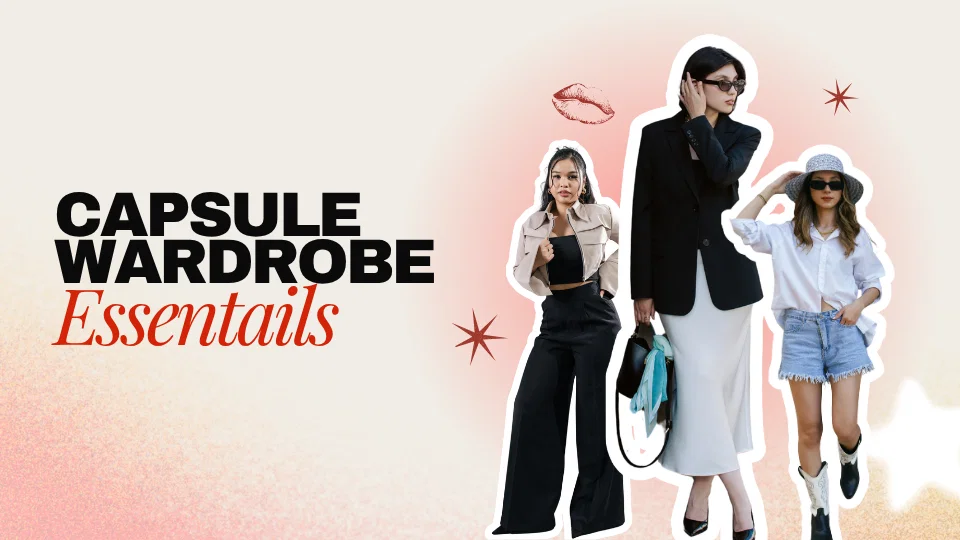
    Capsule wardrobe essentials are the pieces you rely on repeatedly because they work with the rest of your wardrobe and support your everyday life.

    These aren’t necessarily the most fashionable items you own or the clothes everyone on the internet says you should buy. They’re the pieces that make getting dressed easier—your favorite jeans, the T-shirt that goes with almost everything, the jacket you reach for every week, or the shoes that work across multiple occasions.

    Many capsule wardrobe guides present a fixed checklist of must-have items. The reality is a little more personal.

    Someone who works from home in a warm climate will need very different essentials from someone who commutes to an office and experiences four distinct seasons each year. Both can have functional capsule wardrobes because essentials are determined by how you live, not by a universal formula.

    What makes a piece an essential isn’t its category. It’s the role it plays in your wardrobe.

    The goal of a capsule wardrobe isn’t to own the exact same pieces as everyone else. It’s to identify the clothing that earns its place through regular use, versatility, and long-term value.

    Before looking at the pieces that most people build their wardrobes around, it’s helpful to understand what actually makes something a capsule wardrobe essential.

    Quick Answer

    Capsule wardrobe essentials are the versatile pieces you wear most often because they work with multiple outfits and support your everyday lifestyle. Rather than following a universal checklist, the goal is to identify the clothes that consistently earn their place in your wardrobe through regular use, versatility, and long-term value.

    What Makes a Piece a Capsule Wardrobe Essential?

    What Makes a Piece a Capsule Wardrobe Essential

    Not every item in your wardrobe needs to be an essential. Some pieces are bought for special occasions, others for experimentation or personal expression.

    A capsule wardrobe essential is different. It’s a piece that consistently proves its value by making your wardrobe easier to wear and easier to build around.

    Most essentials share a few characteristics.

    You Wear It Regularly

    Essentials are usually the pieces you reach for without much thought. They appear in your outfits week after week because they feel comfortable, familiar, and appropriate for your lifestyle.

    If you would immediately notice its absence from your wardrobe, there’s a good chance it’s an essential.

    It Works With Multiple Outfits

    Versatility is one of the defining characteristics of a capsule wardrobe.

    A piece that can be styled in several ways often becomes more valuable than one that only works with a single outfit. A pair of jeans that works with multiple tops or a jacket that can be dressed up or down tends to earn its place over time.

    It Suits Your Lifestyle

    A wardrobe essential should reflect how you actually live.

    For someone working in a formal office, tailored trousers and shirts may be essentials. For someone who works remotely, comfortable basics and lightweight layers may play a much bigger role.

    An item only becomes essential if it supports your everyday routines.

    It Remains Useful Over Time

    Essentials are often the pieces you return to season after season.

    That doesn’t mean they need to be expensive or completely trend-proof. It simply means they continue to feel relevant and useful long after the excitement of a new purchase has faded.

    A simple way to think about it is this:

    A capsule wardrobe essential is a piece you wear often, style easily, and would genuinely miss if it disappeared from your closet.

    10 Capsule Wardrobe Essentials Most People Build Their Wardrobes Around

    10 Capsule Wardrobe Essentials Most People Build Their Wardrobes Around

    There is no universal list of capsule wardrobe essentials that works for everyone.

    Your lifestyle, climate, profession, and personal style will all influence what belongs in your wardrobe. However, most functional wardrobes tend to be built around a few common categories of clothing.

    Essential CategoryWhy It Matters
    Well-Fitting T-ShirtsForm the foundation of everyday outfits and work across multiple seasons.
    Versatile Shirts or BlousesAdd flexibility and can be dressed up or down.
    A Great Pair of JeansOne of the most reliable pieces for casual and smart-casual dressing.
    Everyday TrousersProvide variety and create outfit options beyond denim.
    Knitwear and Layering PiecesMake transitional dressing easier and add versatility.
    A Lightweight JacketAdds practicality and completes simple outfits.
    A Smart Outer LayerUseful for work, dinners, and occasions that require a more polished look.
    Comfortable Everyday ShoesDetermine how wearable and practical your wardrobe feels.
    Occasion-Specific PiecesEnsure your wardrobe supports your real-life needs and activities.
    Accessories That Complete OutfitsAdd personality and help outfits feel more intentional.

    Think of these as foundations rather than rules. The goal isn’t to own every item on this list. The goal is to identify the pieces that make getting dressed easier and create the most outfit possibilities.

    1. Well-Fitting T-Shirts

    A good T-shirt is often one of the hardest-working pieces in a wardrobe.

    It can be worn on its own during warmer months, layered under jackets and knitwear, or dressed up with tailored pieces. Because T-shirts are worn so frequently, fit and comfort matter more than trends.

    Many people build their wardrobe around a few versatile colours such as white, black, navy, grey, or cream because they pair easily with other pieces.

    The specific colour matters less than finding T-shirts you genuinely enjoy wearing.


    2. Versatile Shirts or Blouses

    A shirt or blouse can immediately make a wardrobe feel more flexible.

    Depending on the fabric and styling, it can work for the office, casual weekends, dinners, and social occasions. Pieces such as an Oxford shirt, linen shirt, or relaxed button-down often become wardrobe staples because they can be worn in multiple ways.

    The best versions are usually the ones that feel equally comfortable tucked into trousers or worn casually with jeans.


    3. A Great Pair of Jeans

    Few pieces work as hard as a good pair of jeans.

    If you look at your most-worn outfits, there’s a good chance the same pair of jeans appears again and again.

    For many people, denim forms the backbone of everyday dressing. The right pair can be styled casually with a T-shirt, elevated with knitwear, or paired with a blazer for smarter occasions.

    The most important factor isn’t following a particular trend or fit. It’s finding a pair that feels comfortable and fits naturally into your lifestyle.

    If you reach for the same pair of jeans several times a week, they’ve probably already earned their place as an essential.


    4. Everyday Trousers

    While jeans are incredibly versatile, most wardrobes also benefit from having a second option. Everyday trousers often become the bridge between casual and slightly more polished dressing.

    This might mean chinos, tailored trousers, wide-leg pants, or relaxed linen trousers depending on your style and daily routines.

    A second bottom option adds variety and makes your wardrobe feel more adaptable across different situations.


    5. Knitwear and Layering Pieces

    Cardigans, sweaters, and lightweight knitwear often become essentials because they make transitional dressing easier.

    They add warmth when needed, create visual interest, and allow outfits to adapt to changing weather without requiring an entirely different wardrobe.

    The pieces that tend to get the most wear are usually simple, comfortable, and easy to layer over T-shirts and shirts.


    6. A Lightweight Jacket

    A lightweight jacket is often one of the most versatile layers in a wardrobe.

    Some pieces don’t seem essential until you notice how often you reach for them. A lightweight jacket is often one of those pieces.

    Denim jackets, overshirts, bomber jackets, and utility jackets can all serve this purpose depending on your personal style.

    A good jacket has the ability to make simple outfits feel more complete while remaining practical enough for everyday use.


    7. A Smart Outer Layer

    Most wardrobes benefit from having at least one piece that feels slightly more polished.

    This could be a blazer, structured jacket, trench coat, or tailored overshirt.

    You may not wear it every day, but it’s often the piece that saves you when an outfit needs to feel more put together for work, dinners, or special occasions.

    The goal isn’t formality. It’s flexibility.


    8. Comfortable Everyday Shoes

    Shoes can determine how wearable a wardrobe feels.

    Think about the shoes you pack for a trip when you can only bring one or two pairs. Those are often your true wardrobe essentials.

    A versatile pair that works with the majority of your outfits often becomes one of the most valuable items you own.

    For some people, that’s a pair of white sneakers. For others, it might be loafers, boots, or comfortable flats.

    The best everyday shoes are the ones that support your lifestyle and pair easily with the clothing you wear most often.


    9. Occasion-Specific Pieces

    A capsule wardrobe shouldn’t ignore the realities of your life.

    Perhaps you attend formal events regularly. Maybe you travel frequently for work. Perhaps you need activewear several times a week.

    Certain pieces may not be worn daily, but they still deserve a place in your wardrobe because they serve a clear purpose.

    A functional wardrobe makes room for real life rather than forcing every situation into the same formula.


    10. Accessories That Complete Outfits

    Accessories are often overlooked when discussing wardrobe essentials.

    Sometimes the smallest pieces in a wardrobe have the biggest impact.

    A belt, everyday bag, watch, scarf, or piece of jewellery can make outfits feel more intentional without requiring additional clothing.

    These pieces may seem small, but they often contribute significantly to how cohesive and personal a wardrobe feels.

    The right accessories can help simple outfits look finished while adding personality to your everyday style.

    How to Identify Your Own Capsule Wardrobe Essentials

    How to Identify Your Own Capsule Wardrobe Essentials

    Lists of wardrobe essentials can be useful for inspiration, but they shouldn’t be treated as rules.

    The most valuable pieces in your wardrobe are often the ones you already rely on. The challenge is simply recognising which items have earned their place and which ones are taking up space.

    A few questions can help bring that clarity.

    What Do You Wear Every Week?

    Think about the clothes you naturally reach for when you need to get dressed quickly.

    These are often the pieces that feel comfortable, work with multiple outfits, and suit your daily routines.

    If a particular pair of jeans, jacket, or shoes appears in your outfits several times a week, it’s probably one of your essentials.

    What Would You Replace Immediately?

    Imagine one item in your wardrobe became damaged or disappeared tomorrow.

    Which pieces would you replace without hesitation?

    The answer is often revealing because it highlights the items that genuinely support your lifestyle rather than the ones you simply enjoy owning.

    Which Pieces Create the Most Outfits?

    Some clothes are surprisingly versatile.

    A simple white T-shirt may work with jeans, trousers, shorts, and layering pieces. A neutral jacket might complement almost everything in your wardrobe.

    These pieces often create far more value than items that can only be worn one way.

    The more outfit combinations a piece enables, the more likely it is to be an essential.

    Which Items Rarely Get Worn?

    Sometimes understanding your essentials is just as much about identifying what isn’t essential.

    Most wardrobes contain items that looked appealing when they were purchased but never became part of regular rotation.

    These pieces can make your wardrobe feel fuller without making it more functional.

    Recognising what you don’t wear often makes it easier to see the pieces that truly matter.

    Look for Patterns, Not Perfection

    You don’t need to create the perfect list of essentials overnight.

    As you pay attention to what you wear, patterns usually begin to emerge.

    You may notice recurring colours, favourite silhouettes, or certain categories of clothing that consistently make getting dressed easier.

    Those patterns provide valuable clues about what your wardrobe is really built around.

    The best capsule wardrobe essentials aren’t chosen because someone else says you should own them.

    They’re the pieces that repeatedly prove their value in your everyday life.

    The Best Capsule Wardrobe Essentials Are the Ones You Actually Wear

    The Best Capsule Wardrobe Essentials Are the Ones You Actually Wear

    It’s easy to think of wardrobe essentials as a fixed checklist of items that everyone should own.

    In reality, the most valuable pieces in a capsule wardrobe are often deeply personal.

    For one person, that’s a pair of jeans and white sneakers. For another, it might be tailored trousers, knitwear, and a lightweight blazer.

    What makes these pieces essential isn’t their category or popularity. It’s the fact that they support your lifestyle, work with the rest of your wardrobe, and make getting dressed feel easier.

    A successful capsule wardrobe isn’t built by collecting every so-called must-have item. It’s built by paying attention to the clothes you genuinely rely on and understanding why they earn their place in your closet.

    Over time, you’ll begin to notice patterns. Certain pieces appear in outfit after outfit, while others rarely leave the hanger. That awareness makes future shopping decisions much easier because you understand what truly belongs in your wardrobe.

    That’s when wardrobe essentials stop feeling like a checklist and start becoming a framework for making better decisions about what you wear and what you buy.

    Continue Exploring

    If you’re building a capsule wardrobe, these guides can help you go deeper:

    • How to Build a Capsule Wardrobe – A step-by-step process for creating a wardrobe that works for your lifestyle.
    • What Is a Capsule Wardrobe? – Understand the philosophy and principles behind capsule dressing.
    • Capsule Wardrobe Checklist – A practical framework for reviewing and organising your wardrobe.
    • Best Colors for a Capsule Wardrobe – Learn how to choose a colour palette that makes outfit-building easier.

    Frequently Asked Questions

    What are capsule wardrobe essentials?

    Capsule wardrobe essentials are the pieces you wear most often because they work with multiple outfits and support your everyday lifestyle. They form the foundation of a functional wardrobe and make getting dressed easier.

    How many essentials should a capsule wardrobe have?

    There is no universal number. Some people may rely on 20 core pieces, while others need significantly more because of their profession, climate, or lifestyle. A successful capsule wardrobe is defined by how well the pieces work together, not by a specific item count.

    Do capsule wardrobe essentials have to be neutral?

    No. Neutral colours often make outfit-building easier, but they aren’t a requirement. Your essentials should reflect your personal style and include colours that you genuinely enjoy wearing.

    Should I buy all my capsule wardrobe essentials at once?

    Usually, no. Most people already own many of their wardrobe essentials. Building a capsule wardrobe is often about identifying and refining the pieces you already rely on before making intentional additions.

    Can trendy pieces be wardrobe essentials?

    Yes, if they genuinely support your lifestyle and get regular wear. However, most people build their wardrobe around versatile core pieces and use trend-driven items as additions rather than foundations.

    How often should I replace wardrobe essentials?

    There is no fixed schedule. Replace essentials when they no longer fit properly, become worn out, or no longer suit your lifestyle. Because these pieces tend to get frequent wear, it’s worth paying attention to their condition over time.

    What is the most important capsule wardrobe essential?

    There isn’t a single item that works for everyone. The most important essential is usually the piece you wear repeatedly and would immediately replace if it disappeared from your wardrobe. For many people, that’s a great pair of jeans, comfortable shoes, or a versatile jacket.

  • What Is a Capsule Wardrobe?

    What Is a Capsule Wardrobe?

    What Is a Capsule Wardrobe?

    A capsule wardrobe is a curated collection of clothing made up of versatile pieces that can be mixed and matched to create a variety of outfits.

    The idea isn’t to own as few clothes as possible. It’s about building a wardrobe that’s easier to wear, easier to shop for, and more aligned with your everyday life.

    Quick Answer: A capsule wardrobe is a thoughtfully curated collection of versatile clothing that can be mixed and matched to create multiple outfits. Rather than focusing on owning fewer clothes, a capsule wardrobe focuses on owning clothes that work well together and support your lifestyle, personal style, and everyday needs.

    If you’ve ever looked at a full closet and still felt like you had nothing to wear, you’re not alone.

    For many people, that frustration is what leads them to discover the idea of a capsule wardrobe.

    Many wardrobes are built one purchase at a time. A shirt bought during a sale. A pair of trousers inspired by a trend. A jacket that looked good in a store.

    Individually, those purchases may make sense. Over time, however, they don’t always create a wardrobe that works together.

    The result is often a closet filled with clothing but lacking direction.

    A capsule wardrobe takes a different approach. Instead of focusing on how many clothes you own, it focuses on how well your clothes work together.

    There is no universal formula. For some people, a capsule wardrobe may contain 30 pieces. For others, it may contain 50 or more.

    What makes a wardrobe “capsule” isn’t the number of clothes it contains. It’s the intention behind them.

    A successful capsule wardrobe is built around clothing that serves a purpose, reflects your lifestyle, and works together to make everyday dressing feel simpler. 

    Where Did the Capsule Wardrobe Come From?

    The idea of a capsule wardrobe isn’t new.

    The term was first introduced in the 1970s by British boutique owner Susie Faux, who believed that a small collection of high-quality, versatile clothing could form the foundation of a practical wardrobe. Her philosophy was simple: instead of constantly buying new clothes, invest in pieces that work well together and remain useful over time.

    The concept gained wider attention in the 1980s when fashion designer Donna Karan introduced her famous “Seven Easy Pieces” collection. The idea was to show that a handful of thoughtfully chosen garments could be combined to create a variety of outfits for different occasions.

    Although fashion has changed significantly since then, the core principles behind a capsule wardrobe have remained surprisingly consistent.

    The goal has never been to own the fewest possible clothes or to follow a strict formula. Instead, the idea is to create a wardrobe built around versatility, intention, and personal style.

    Today, capsule wardrobes have become increasingly popular for a different set of reasons. Modern wardrobes are often larger than ever, yet many people still feel like they have nothing to wear. Fast fashion, trend cycles, and impulse purchases have made it easy to accumulate clothing that doesn’t necessarily work together.

    A capsule wardrobe offers an alternative approach. It encourages people to think less about owning more and more about owning better.

    In many ways, the modern capsule wardrobe is less a fashion trend and more a framework for making everyday wardrobe decisions with greater clarity and intention.

    While the idea behind capsule wardrobes has remained remarkably consistent, the reasons people are embracing them today are very different from when the concept first emerged.

    Why Are Capsule Wardrobes So Popular?

    Capsule wardrobes have existed for decades, but interest in them has grown significantly in recent years.

    Part of that popularity comes from a simple reality: many people own more clothes than ever before, yet getting dressed doesn’t necessarily feel easier.

    For many people, the challenge isn’t a lack of clothing. It’s a lack of cohesion.

    Closets are often filled with pieces bought for different reasons. A trend that felt exciting at the time. An item purchased during a sale. A recommendation from social media. Over time, these individual purchases can create a wardrobe that feels crowded but disconnected.

    As a result, many people are looking for a simpler and more intentional approach to getting dressed.

    A capsule wardrobe offers exactly that.

    Decision Fatigue Has Become More Common

    Having more choices doesn’t always make decisions easier.

    When too many items compete for attention, getting dressed can feel surprisingly overwhelming. A capsule wardrobe reduces that friction by encouraging people to build a wardrobe where more pieces naturally work together.

    The goal isn’t fewer choices. It’s a better choice.

    People Are Becoming More Intentional About Shopping

    Many shoppers are moving away from buying clothing purely because it’s trendy or heavily discounted.

    Instead, there’s growing interest in understanding personal style, buying fewer but better pieces, and making purchases that genuinely add value to a wardrobe.

    A capsule wardrobe provides a framework for making those decisions more thoughtfully.

    Fast Fashion Has Changed How People Think About Their Closets

    Modern fashion trends move quickly. New styles appear every season, and it’s easy to accumulate clothing that rarely gets worn.

    For many people, this has led to a sense of wardrobe fatigue. They aren’t necessarily looking to own less. They’re looking to own clothes that feel more useful and more aligned with how they actually live.

    Social Media Has Increased Awareness of Capsule Wardrobes

    Platforms like YouTube, Pinterest, and Instagram have introduced the concept of capsule wardrobes to a much wider audience.

    People have become increasingly curious about how others build versatile wardrobes, repeat outfits, and shop more intentionally.

    While every capsule wardrobe looks different, the underlying idea resonates with a common desire: making everyday dressing feel simpler and more purposeful.

    In many ways, the growing popularity of capsule wardrobes reflects a broader shift in how people think about clothing. The focus is gradually moving away from owning more and toward understanding what truly belongs in a wardrobe.

    What Makes a Wardrobe “Capsule”?

    What Makes a Wardrobe "Capsule"

    A capsule wardrobe isn’t defined by a specific number of clothes, a particular aesthetic, or a strict set of rules.

    Instead, it’s defined by a few underlying principles that make a wardrobe feel cohesive, functional, and easier to wear.

    Traditional WardrobeCapsule Wardrobe
    Built one purchase at a timeBuilt with intention
    Many unrelated piecesPieces work well together
    Trends often influence purchasesLifestyle influences purchases
    More choices, but often less clarityFewer decisions and more clarity
    Individual items are evaluated separatelyNew purchases are considered as part of the whole wardrobe
    Getting dressed can feel overwhelmingOutfit building feels simpler and more intuitive

    Versatility Comes First

    Most pieces in a capsule wardrobe can be mixed and matched with other items in the closet.

    A pair of trousers that works with several tops or a jacket that can be worn across different occasions is often more valuable than a statement piece that only works with one outfit.

    The goal is to create more outfit possibilities without constantly adding more clothing.

    Clothing Is Chosen With Intention

    Every wardrobe contains a few impulse purchases that seemed like a good idea at the time but rarely get worn.

    A capsule wardrobe takes a more thoughtful approach.

    New additions are considered based on how they fit into the existing wardrobe and whether they genuinely support your lifestyle and personal style.

    The Wardrobe Reflects Real Life

    A successful capsule wardrobe is built around how you actually live, not how you imagine yourself dressing.

    Someone who works remotely may rely heavily on casual basics and comfortable layers, while someone who works in a formal office may need more tailored pieces.

    The clothing itself may look completely different, but the principle remains the same: the wardrobe should support your everyday life.

    Pieces Work Together

    One of the defining characteristics of a capsule wardrobe is cohesion.

    That doesn’t mean every item needs to be neutral or that everything has to match perfectly. It simply means that individual pieces can work together naturally.

    This often makes getting dressed feel easier because there are more combinations that make sense.

    Quality and Longevity Matter More Than Trends

    Capsule wardrobes aren’t necessarily built around expensive clothing, but they do tend to prioritize pieces that remain useful over time.

    Trends can still have a place in a capsule wardrobe, but they’re usually treated as additions rather than the foundation of the closet.

    The core pieces are often the ones you reach for repeatedly, season after season.

    Ultimately, what makes a wardrobe “capsule” isn’t the number of pieces it contains.

    It’s the intention behind those pieces and how well they work together to support your everyday life.

    Why Capsule Wardrobes Look Different for Everyone

    One of the reasons capsule wardrobes can feel confusing is that no two examples look exactly alike.

    A capsule wardrobe built for a remote worker in a warm climate may have very little in common with one created for someone who commutes to an office and experiences four distinct seasons each year.

    Both can be successful capsule wardrobes.

    The difference lies in the fact that wardrobes are shaped by individual needs, routines, and preferences.

    Lifestyle Plays the Biggest Role

    The clothes you need depend largely on how you spend your time.

    Someone who works from home may rely heavily on T-shirts, knitwear, and comfortable trousers. Someone in a corporate environment may need blazers, shirts, and formal footwear.

    A capsule wardrobe works best when it reflects the reality of your everyday life rather than an idealized version of it.

    Climate Influences What Belongs in Your Wardrobe

    Where you live can significantly change what a practical wardrobe looks like.

    Someone living in a tropical climate may prioritise lightweight fabrics and year-round essentials, while someone living in a colder region may need layers, outerwear, and seasonal rotations.

    A capsule wardrobe should adapt to your environment, not ignore it.

    Personal Style Still Matters

    A capsule wardrobe doesn’t require everyone to dress in the same way.

    Some people naturally gravitate toward neutral colors and classic silhouettes. Others prefer bold colors, statement pieces, or trend-led styling.

    The goal isn’t to remove personality from your wardrobe. It’s to build a collection of clothes that feels authentic and easy to wear.

    Different Lives Require Different Clothing

    Travel habits, hobbies, social events, and even life stages can all influence what belongs in a wardrobe.

    A frequent traveller may prioritise versatile, easy-to-pack pieces. A new parent may value comfort and practicality. Someone who attends formal events regularly will have very different wardrobe requirements from someone who dresses casually most of the time.

    This is why there is no perfect capsule wardrobe checklist that works for everyone.

    The most successful capsule wardrobes aren’t built around a fixed number of pieces or a universal formula. They’re built around understanding your own lifestyle and choosing clothing that supports it.

    In many ways, the most personal thing about a capsule wardrobe is that it looks different for everyone.

    Capsule Wardrobe vs Minimalist Wardrobe

    The terms “capsule wardrobe” and “minimalist wardrobe” are often used interchangeably, but they aren’t exactly the same thing.

    A capsule wardrobe is primarily a framework for building a functional and versatile collection of clothing. The focus is on making sure the pieces in your wardrobe work well together and support your lifestyle.

    A minimalist wardrobe, on the other hand, is often part of a broader philosophy of owning less and simplifying consumption.

    The two ideas can overlap, but they don’t necessarily mean the same thing.

    Capsule WardrobeMinimalist Wardrobe
    Focuses on functionality and versatilityFocuses on simplicity and owning less
    Prioritises clothes that work togetherPrioritises reducing possessions
    No fixed number of itemsOften encourages fewer items overall
    A wardrobe frameworkA broader lifestyle philosophy
    Can include trend pieces and statement itemsUsually emphasises restraint and intentional ownership

    For example, someone may have a capsule wardrobe with 50 carefully chosen pieces because their lifestyle requires different types of clothing.

    Another person may own only 25 items because they follow a minimalist lifestyle.

    Both approaches can be intentional and practical, but they’re driven by slightly different goals.

    The key difference is this:

    A capsule wardrobe asks:

    “Do these clothes work well together and support my life?”

    A minimalist wardrobe often asks:

    “How much can I simplify what I own?”

    You can have a capsule wardrobe without being a minimalist, and you can embrace minimalism without following a capsule wardrobe framework.

    A Capsule Wardrobe Is About Intention, Not Rules

    It’s easy to think of a capsule wardrobe as a finished project.

    You declutter your closet, buy a few essentials, reach a certain number of pieces, and consider the job done.

    In reality, wardrobes don’t work that way.

    Your lifestyle changes. Your preferences evolve. New responsibilities, seasons, and routines influence what you wear.

    The most successful capsule wardrobes aren’t built around rigid rules or perfect checklists. They’re built around awareness.

    Over time, you gain a better understanding of what you wear regularly, what adds value to your wardrobe, and what no longer fits your needs.

    That clarity makes future wardrobe decisions easier.

    A capsule wardrobe won’t tell you what to wear.

    It simply offers a framework for building a wardrobe that feels more intentional, more functional, and more aligned with how you actually live.

    And once you have that clarity, every future wardrobe decision becomes a little easier.

    Key Takeaways

    • A capsule wardrobe is a curated collection of versatile clothing that can be mixed and matched to create multiple outfits.
    • The goal is not simply to own fewer clothes but to build a wardrobe that works better together.
    • The concept originated in the 1970s and has become increasingly popular as people look for simpler and more intentional ways to dress and shop.
    • What makes a wardrobe “capsule” is its versatility, cohesion, and alignment with your lifestyle rather than a specific number of items.
    • Every capsule wardrobe looks different because individual needs, climates, professions, and personal styles vary.
    • A capsule wardrobe is a framework for making more intentional wardrobe decisions, not a strict set of rules.

    Frequently Asked Questions

    What is considered a capsule wardrobe?

    A capsule wardrobe is a thoughtfully curated collection of clothing made up of versatile pieces that can be mixed and matched easily. The focus is on functionality and intentionality rather than owning a specific number of items.

    How many clothes should a capsule wardrobe have?

    There is no universal number. Some people prefer a wardrobe of around 30 pieces, while others may have 50 or more. A successful capsule wardrobe is defined by how well the pieces work together, not by the number of clothes you own.

    Does a capsule wardrobe have to be minimalist?

    No. While the two concepts overlap, they are not the same. A capsule wardrobe focuses on creating a functional and versatile wardrobe, whereas minimalism is often a broader philosophy of owning less.

    Can a capsule wardrobe include trendy pieces?

    Absolutely. Many people build their wardrobe around versatile core pieces and add trend-driven items as accents. The key is ensuring that trend pieces complement your wardrobe rather than define it entirely.

    Do I need to buy new clothes to create a capsule wardrobe?

    Not necessarily. Most people already own many of the pieces that can form the foundation of a capsule wardrobe. The process often begins by understanding and refining what you already have.

    Can a capsule wardrobe work in every season?

    Yes, although the contents may change throughout the year. Many people keep a core collection of year-round essentials and rotate seasonal pieces based on weather and lifestyle needs.

    Are capsule wardrobes only for women?

    No. The principles of a capsule wardrobe can work for anyone. The specific clothing may differ, but the ideas of versatility, intentional shopping, and building a cohesive wardrobe are universal.

    Can my capsule wardrobe change over time?

    Absolutely. A capsule wardrobe should evolve alongside your lifestyle, preferences, and clothing needs. It’s a flexible framework rather than a fixed system.

  • How to Build a Capsule Wardrobe

    How to Build a Capsule Wardrobe

    How to Build a Capsule Wardrobe

    A capsule wardrobe is a small collection of versatile clothing that can be mixed and matched to create a wide range of outfits.

    The goal is not to own as few clothes as possible. The goal is to make getting dressed easier, shop more intentionally, and reduce purchases that don’t add value to your wardrobe.

    For some people, that might mean 25 pieces. For others, it could mean 50.

    What matters is that every item serves a purpose, works with the rest of your wardrobe, and reflects how you actually live.

    If your closet feels full but you still struggle to find something to wear, you’re not alone.

    Many wardrobes are built one purchase at a time. A shirt bought on sale. A jacket inspired by a trend. A recommendation from social media. Individually, those purchases may make sense.

    Over time, however, they don’t always create a wardrobe that works together.

    The result is often a closet filled with clothing but lacking direction.

    A capsule wardrobe takes a different approach. Instead of focusing on individual purchases, it encourages you to think about how your wardrobe functions as a whole.

    You start by understanding what you wear most, what gaps exist, and which pieces deserve a permanent place in your wardrobe.

    The result isn’t necessarily a smaller wardrobe. It’s a more useful one.

    This guide walks through a practical step-by-step process for building a capsule wardrobe that feels realistic, personal, and easy to maintain.

    What Is a Capsule Wardrobe?

    What Is a Capsule Wardrobe?

    A capsule wardrobe is a curated collection of clothing built around versatility rather than quantity.

    Instead of owning dozens of unrelated pieces, the idea is to create a wardrobe where most items work well together. This makes it easier to get dressed, plan outfits, and make future shopping decisions.

    One of the biggest misconceptions about capsule wardrobes is that they require a specific number of clothes. In reality, there is no universal formula.

    A person who works remotely in a warm climate will have different wardrobe needs than someone who commutes to an office and experiences four distinct seasons each year. Both can have successful capsule wardrobes, even if the number of items they own looks completely different.

    What makes a wardrobe “capsule” isn’t the number of pieces. It’s the intention behind them.

    Most capsule wardrobes share a few characteristics:

    • Clothing is chosen for regular use rather than occasional wear.
    • Items can be mixed and matched easily.
    • Purchases are made with a clear purpose.
    • Personal style takes priority over short-term trends.
    • New additions are evaluated based on how well they fit into the existing wardrobe.

    Think of a capsule wardrobe as a system rather than a checklist.

    The goal isn’t to create restrictions. The goal is to create a wardrobe that feels easier to wear, easier to maintain, and easier to build upon over time.

    Why Build a Capsule Wardrobe?

    Why Build a Capsule Wardrobe?

    Most people don’t decide to build a capsule wardrobe because they suddenly become interested in minimalism.

    They do it because their current wardrobe isn’t working.

    The closet is full, yet getting dressed still feels frustrating. Shopping has become reactive rather than intentional. New purchases provide temporary excitement, but they rarely solve the underlying problem.

    A capsule wardrobe helps address these challenges by shifting the focus from owning more clothing to owning the right clothing.

    It Reduces Decision Fatigue

    The average wardrobe contains far more options than most people wear regularly.

    When too many items compete for attention, getting dressed can feel surprisingly difficult. A capsule wardrobe simplifies those choices by ensuring that most pieces work well together.

    The goal isn’t fewer choices. It’s better choices.

    It Encourages More Intentional Shopping

    Many purchases happen in isolation.

    A shirt looks good in a store. A jacket feels trendy at the moment. A sale creates urgency.

    The problem is that individual purchases don’t always contribute to a functional wardrobe.

    A capsule wardrobe creates a framework for evaluating new purchases. Instead of asking, “Do I like this?” you begin asking, “Will this work with what I already own?”

    That small shift often leads to fewer impulse purchases and more thoughtful buying decisions.

    It Helps Define Personal Style

    A common reason wardrobes feel disconnected is that they were built over years of changing trends, preferences, and shopping habits.

    A capsule wardrobe encourages consistency.

    As you identify the pieces you wear most often, patterns begin to emerge. Certain colors, silhouettes, fabrics, and outfit combinations naturally become favourites.

    Over time, your wardrobe starts to reflect your personal style rather than a collection of unrelated purchases.

    It Makes Better Use of What You Already Own

    Building a capsule wardrobe isn’t always about buying new clothes.

    In many cases, it’s about recognizing the value of pieces already sitting in your closet.

    When clothing is organized around versatility, existing items often become easier to style and wear. This can reduce the feeling that you constantly need something new.

    It Creates Clarity

    Perhaps the biggest benefit of a capsule wardrobe is clarity.

    You understand what belongs in your wardrobe, what doesn’t, and what role each item plays.

    That clarity can make shopping easier, outfit planning simpler, and future wardrobe decisions far less overwhelming.

    How to Build a Capsule Wardrobe

    How to Build a Capsule Wardrobe

    There is no single formula for building a capsule wardrobe.

    The right wardrobe depends on your lifestyle, climate, personal style, and daily routines. What works for someone else may not work for you.

    Instead of following a fixed checklist, think of the process as understanding your current wardrobe first and improving it over time.

    Step 1: Review What You Already Own

    Before buying anything new, take stock of what is already in your wardrobe.

    Many people are surprised by how much useful clothing they already own. The challenge is often not a lack of options but a lack of clarity.

    Start by gathering your everyday clothing in one place. This doesn’t need to be a dramatic closet clean-out. The goal is simply to see your wardrobe as a whole.

    As you review your clothes, ask yourself a few simple questions:

    • Which items do I wear most often?
    • Which pieces make getting dressed easier?
    • Which items haven’t been worn in the last year?
    • What do I reach for when I want to feel comfortable and confident?
    • Are there pieces I keep because I feel guilty getting rid of them?

    Patterns usually emerge quickly.

    You may notice that a handful of items account for most of your outfits. You might also discover pieces that looked appealing when you bought them but never became part of your regular wardrobe.

    This isn’t the stage to make final decisions about what stays or goes.

    Instead, focus on understanding your current habits. The clothes you wear repeatedly provide valuable clues about what your capsule wardrobe should be built around.

    Step 2: Define Your Lifestyle Needs

    A successful capsule wardrobe reflects how you actually live, not how you imagine yourself dressing.

    For example, someone who works from home may need more casual basics and fewer formal pieces. Someone who spends most of the week in an office will likely have very different wardrobe requirements.

    Think about where your time is spent during a typical month.

    Lifestyle AreaQuestions to Consider
    WorkWhat do you wear most days?
    Social EventsHow often do you dress up?
    TravelDo you travel frequently for work or leisure?
    Fitness & ActivitiesDo you need clothing for active routines?
    ClimateWhat weather conditions influence your wardrobe?

    Many wardrobes become cluttered because they are built around occasional scenarios rather than everyday reality.

    A capsule wardrobe works best when it prioritizes the clothing you genuinely need most often.

    Step 3: Identify Your Most-Worn Pieces

    Now that you understand your wardrobe and lifestyle, look for the pieces that naturally connect the two.

    These are the items you wear repeatedly throughout the week and across different situations.

    They often include:

    • A favourite pair of jeans or trousers
    • Neutral T-shirts or shirts
    • Comfortable knitwear
    • Everyday footwear
    • Versatile outerwear

    The specific items will vary from person to person.

    What matters is identifying the pieces that consistently earn their place in your wardrobe.

    These items form the foundation of your capsule wardrobe because they’ve already proven their value through regular use.

    Rather than starting from scratch, you’re building around clothing that already works for you.

    Step 4: Strengthen Your Foundation

    By this point, you’ve identified the pieces you wear most often and the role they play in your daily life.

    Now it’s time to look at the categories that form the foundation of your wardrobe.

    These are the items you rely on repeatedly throughout the week. They may not be the most exciting pieces you own, but they often determine how functional your wardrobe feels.

    For some people, that foundation may be built around denim, knitwear, and casual footwear. For others, it may revolve around tailored trousers, shirts, and office-ready layers.

    The specific items matter less than the role they play.

    Ask yourself:

    • Which categories do I wear most often?
    • Which pieces are showing signs of wear because I rely on them regularly?
    • Are there foundation pieces I constantly wish I had a better version of?
    • Which categories make getting dressed easier when they’re working well?

    The answers can help reveal where your wardrobe deserves the most attention.

    Rather than spreading your budget evenly across every type of clothing, focus on strengthening the pieces that support the largest percentage of your outfits.

    A strong foundation makes the rest of your wardrobe easier to build, style, and maintain.

    Step 5: Choose a Flexible Color Palette

    One reason capsule wardrobes feel cohesive is that the colors work together naturally.

    This doesn’t mean your wardrobe needs to be limited to black, white, and beige. It simply means that your clothing should make outfit-building easier rather than harder.

    A useful approach is to think about your wardrobe in three layers:

    Color TypePurposeExamples
    Base ColorsForm the foundation of most outfitsBlack, navy, grey, brown
    Neutral ColorsEasy to combine with other piecesWhite, cream, beige, olive
    Accent ColorsAdd personality and varietyBurgundy, forest green, rust, pastel tones

    A cohesive color palette creates more outfit combinations without requiring more clothing.

    For example, a navy jacket that works with multiple shirts and trousers is likely to be worn more often than a statement piece that only pairs with one outfit.

    The goal isn’t uniformity.

    The goal is flexibility.

    A capsule wardrobe should still feel personal and reflect your style preferences. A thoughtful color palette simply makes it easier for individual pieces to work together.

    Step 6: Fill Gaps Intentionally

    After reviewing your wardrobe, identifying your essentials, and creating a cohesive foundation, you’ll probably notice a few gaps.

    Perhaps you need a versatile jacket that works across seasons. Maybe your everyday footwear needs replacing. Or perhaps you’ve realised that most of your outfits rely on the same pair of trousers.

    This is the stage where new purchases can make sense.

    The difference is that you’re no longer shopping randomly.

    Instead, every purchase should solve a specific problem.

    Before adding something new to your wardrobe, consider:

    • Does it work with multiple existing pieces?
    • Can it be worn in different situations?
    • Will I realistically wear it throughout the year?
    • Does it support the style I’m trying to build?
    • Am I buying it because I need it or because it’s on sale?

    These questions help separate useful additions from impulse purchases.

    A capsule wardrobe is never truly finished. It evolves as your lifestyle, preferences, and needs change.

    The goal isn’t perfection. It’s making each new addition more intentional than the last.

    A Capsule Wardrobe Doesn’t Need to Be Perfect

    At this stage, it’s tempting to think you should have everything figured out.

    The right essentials. The right colors. The right number of pieces.

    In reality, most capsule wardrobes develop gradually.

    You may discover that certain items don’t get worn as often as you expected. You might realise that your lifestyle requires more formal clothing, more casual clothing, or more seasonal flexibility than you initially planned for.

    That’s normal.

    Building a capsule wardrobe is less about creating the perfect wardrobe from day one and more about paying attention to what works over time.

    The process is often iterative.

    You wear clothes. You learn what you rely on. You make adjustments.

    The goal isn’t perfection.

    The goal is progress toward a wardrobe that feels easier to wear, easier to maintain, and more aligned with your daily life.

    Common Mistakes When Building a Capsule Wardrobe

    Building a capsule wardrobe is often presented as a simple decluttering exercise. In reality, most challenges come from creating a wardrobe that looks good on paper but doesn’t work in everyday life.

    Here are some of the most common mistakes people make when getting started.

    Following Someone Else’s Capsule Wardrobe

    It’s tempting to use someone else’s wardrobe checklist as a blueprint.

    The problem is that wardrobe needs are highly personal. A capsule wardrobe built for a fashion influencer, a remote worker, or someone living in a different climate may have very little relevance to your daily life.

    A successful capsule wardrobe should reflect how you dress, not how someone else dresses.

    Use other wardrobes for inspiration, but build your own around your lifestyle, preferences, and routines.

    Focusing on a Number Instead of a Purpose

    Many capsule wardrobe guides suggest owning a specific number of items, whether that’s 30, 33, or 50 pieces.

    While these frameworks can be useful starting points, they aren’t rules.

    Reducing your wardrobe to hit a target number often leads to frustration if the remaining pieces don’t support your actual needs.

    The goal isn’t to own fewer clothes.

    The goal is to own clothes that earn their place in your wardrobe.

    Buying Everything at Once

    After deciding to build a capsule wardrobe, some people immediately start shopping for an entirely new collection of clothing.

    This is rarely necessary.

    Most wardrobes already contain useful pieces that can form the foundation of a capsule wardrobe. Replacing everything at once can be expensive and often results in purchases that feel rushed or disconnected from your personal style.

    A better approach is to build gradually, adding pieces only when a genuine need becomes clear.

    Prioritizing Trends Over Versatility

    Trends can be a fun way to experiment with style, but they rarely make strong wardrobe foundations.

    A capsule wardrobe works best when its core pieces remain relevant and easy to wear over time.

    That doesn’t mean avoiding trends altogether. It simply means treating them as additions rather than the foundation of your wardrobe.

    The more versatile your core pieces are, the easier it becomes to incorporate trends without constantly reinventing your closet.

    Ignoring Lifestyle Changes

    A wardrobe that worked two years ago may not work today.

    Career changes, moving cities, travel habits, lifestyle shifts, and evolving personal style can all influence what you need from your clothing.

    A capsule wardrobe should adapt alongside those changes.

    Reviewing your wardrobe periodically helps ensure it continues to reflect how you actually live rather than how you used to live.

    Expecting Perfection

    Perhaps the most common mistake is expecting a capsule wardrobe to be finished.

    In reality, wardrobes evolve.

    Pieces wear out. Preferences change. New needs emerge.

    The goal isn’t to create the perfect wardrobe once and never think about it again.

    The goal is to make future wardrobe decisions with more clarity and intention.

    A successful capsule wardrobe isn’t defined by a fixed number of pieces or a strict set of rules. It’s defined by how well it supports your everyday life.

    Signs Your Capsule Wardrobe Is Working

    A capsule wardrobe isn’t successful because it contains a specific number of pieces.

    It’s successful because it makes everyday decisions easier.

    As you spend time with your wardrobe, a few signs usually begin to emerge.

    Getting Dressed Feels Simpler

    You spend less time deciding what to wear because more items work well together.

    Instead of building outfits from scratch each morning, you already know which combinations feel comfortable and reliable.

    You Wear More of What You Own

    Many wardrobes contain a large number of items that rarely leave the hanger.

    A well-functioning capsule wardrobe tends to have much higher usage. Most pieces earn their place through regular wear rather than occasional use.

    Shopping Feels More Intentional

    New purchases become easier to evaluate.

    Rather than buying clothing simply because it’s appealing in the moment, you start considering how it fits into your existing wardrobe.

    This often leads to fewer impulse purchases and more confidence in the pieces you choose to bring home.

    Your Style Feels More Consistent

    As your wardrobe becomes more cohesive, getting dressed starts to feel more natural.

    You may notice recurring colors, silhouettes, fabrics, or outfit combinations that genuinely reflect your preferences.

    The result is a wardrobe that feels more like an extension of your personal style and less like a collection of unrelated purchases.

    You Know What’s Missing

    Perhaps the clearest sign of a successful capsule wardrobe is clarity.

    Instead of feeling overwhelmed by endless options, you understand what your wardrobe does well and where genuine gaps exist.

    That makes future shopping decisions simpler because you’re solving specific needs rather than searching for direction.

    A Capsule Wardrobe Is a Tool, Not a Rule

    A Capsule Wardrobe Is a Tool, Not a Rule

    It’s easy to think of a capsule wardrobe as a finished project.

    You declutter your closet, buy a few essentials, reach a certain number of pieces, and consider the job done.

    In reality, wardrobes don’t work that way.

    Your lifestyle changes. Your preferences evolve. New responsibilities, seasons, and routines influence what you wear.

    The most successful capsule wardrobes aren’t built around rigid rules. They’re built around awareness.

    You understand what you wear regularly, what serves a purpose, and what no longer fits your needs.

    That clarity makes future wardrobe decisions easier.

    You don’t need to question every purchase because you already understand what belongs in your wardrobe and what doesn’t.

    Over time, the value of a capsule wardrobe becomes less about the wardrobe itself and more about the decisions behind it.

    You become more aware of what you wear regularly, what adds value to your wardrobe, and what simply takes up space.

    That awareness makes shopping easier.

    It makes outfit planning easier.

    And perhaps most importantly, it helps you build a wardrobe that reflects how you actually live rather than how you think you should dress.

    A capsule wardrobe won’t tell you what to wear.

    It simply makes it easier to understand what belongs in your wardrobe and why.

    And once you have that clarity, every future wardrobe decision becomes a little easier.

    Key Takeaways

    • A capsule wardrobe is a collection of versatile clothing that works together to create multiple outfits.
    • The goal is to make getting dressed and shopping decisions easier, not simply to own fewer clothes.
    • Building a capsule wardrobe starts with understanding what you already wear and need.
    • Strong wardrobe foundations, a cohesive color palette, and intentional purchasing decisions help create a more functional wardrobe.
    • A successful capsule wardrobe evolves over time and reflects your lifestyle rather than someone else’s formula.

    Frequently Asked Questions

    Can a capsule wardrobe still reflect personal style?

    Yes. A capsule wardrobe isn’t meant to make everyone dress the same.

    In fact, the opposite is often true. By focusing on the pieces you genuinely enjoy wearing, a capsule wardrobe can make your personal style more consistent and recognizable. The goal is not to limit self-expression but to reduce the number of items that don’t contribute to it.

    Do I need to buy new clothes to create a capsule wardrobe?

    Not necessarily.

    Most people already own many of the pieces that will become the foundation of their capsule wardrobe. The process usually begins with evaluating what you already wear and identifying gaps before considering new purchases.

    A capsule wardrobe is often more about organizing and refining than starting over.

    Can I include trend-driven pieces in a capsule wardrobe?

    Absolutely.

    A capsule wardrobe doesn’t require you to avoid trends. The key is understanding the role those pieces play.

    Many people build their wardrobe around versatile core pieces and then introduce trend-led items as accents. This allows you to experiment with style without making your entire wardrobe dependent on changing trends.

    How often should I update my capsule wardrobe?

    There is no fixed schedule.

    Some people review their wardrobe seasonally, while others make adjustments only when their lifestyle or clothing needs change.

    A useful approach is to revisit your wardrobe periodically and ask whether your most-worn pieces still reflect how you live today.

    What if my lifestyle changes?

    Your wardrobe should change with it.

    A new job, relocation, travel habits, climate, or shift in personal style can all influence what belongs in your wardrobe. A capsule wardrobe is not a permanent system. It’s a framework that evolves alongside your needs.

    Is a capsule wardrobe suitable for every season?

    Yes, although the contents may change throughout the year.

    Many people maintain a core collection of year-round essentials while rotating seasonal items as temperatures and weather conditions change. The exact approach depends on where you live and how dramatically your climate varies throughout the year.

    What’s the difference between a capsule wardrobe and a minimalist wardrobe?

    A capsule wardrobe focuses on creating a versatile collection of clothing that works well together.

    A minimalist wardrobe is often driven by a broader philosophy of reducing possessions and simplifying consumption.

    The two concepts overlap, but they are not the same. You can have a capsule wardrobe without following a minimalist lifestyle, and you can embrace minimalism without using a capsule wardrobe framework.